
Marine Peptide Market Overview
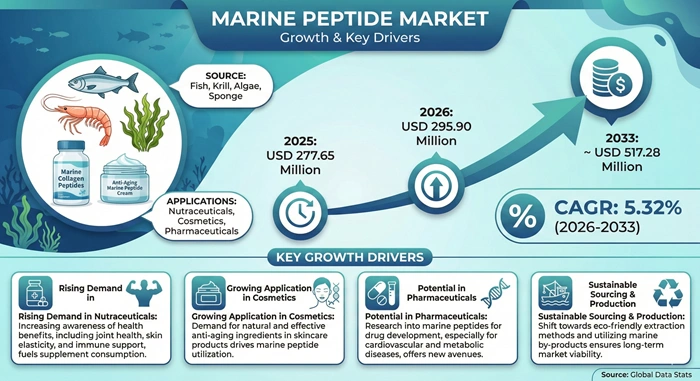
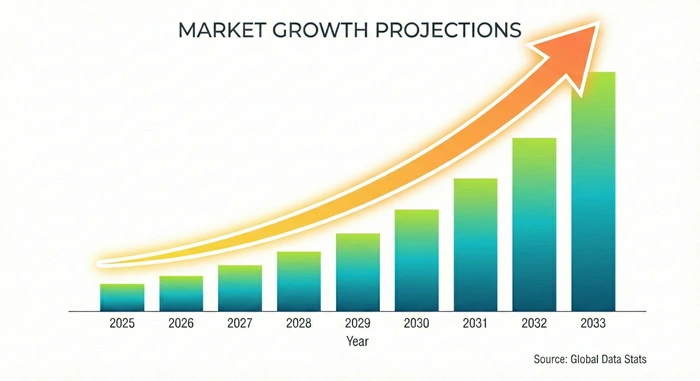
The global marine peptide market size is valued at USD 277.65 million in 2025 and is predicted to increase from USD 295.90 million in 2026 to approximately USD 517.28 million by 2033, growing at a CAGR of 5.32% from 2026 to 2033.
Marine peptides represent naturally occurring bioactive compounds derived from various marine organisms including fish, shellfish, seaweed, squid, sponges, and other aquatic species. These specialized peptides possess remarkable health-promoting properties such as antioxidant, anti-inflammatory, anti-aging, and immune-boosting capabilities that make them highly valuable across multiple industries. The extraction process involves breaking down marine proteins into smaller peptide chains through enzymatic hydrolysis, fermentation, or other advanced biotechnological methods that preserve their bioactive characteristics. Growing consumer awareness regarding natural and functional ingredients, coupled with increasing prevalence of chronic diseases requiring preventive healthcare solutions, continues driving market expansion across nutraceutical, cosmetic, pharmaceutical, and food sectors.
AI Impact on the Marine Peptide Industry
Revolutionizing Extraction Efficiency and Product Development Through Advanced Technologies
Artificial intelligence and machine learning technologies are fundamentally transforming the marine peptide market by optimizing extraction processes, enhancing product quality, and accelerating new peptide discovery from marine sources. AI algorithms analyze complex molecular structures and bioactive properties of marine organisms, identifying promising peptide candidates with specific health benefits far more rapidly than traditional screening methods. These computational approaches predict peptide stability, bioavailability, and efficacy before physical extraction, significantly reducing research and development costs while shortening time-to-market for innovative products. Machine learning models trained on vast datasets of peptide sequences and biological activities enable researchers to design customized marine peptides tailored for specific therapeutic or nutritional applications, opening unprecedented opportunities for personalized health solutions.
Automation and AI-powered quality control systems have revolutionized manufacturing operations within the marine peptide industry, ensuring consistent product quality while optimizing production yields and minimizing waste. Smart sensors integrated throughout extraction facilities monitor critical parameters including temperature, pH levels, enzyme activity, and peptide concentration in real time, automatically adjusting processing conditions to maintain optimal extraction efficiency. Computer vision systems coupled with AI analytics identify and classify different marine species, ensuring proper sourcing and traceability throughout the supply chain to meet sustainability standards. These technological advances also facilitate development of novel delivery systems for marine peptides, including microencapsulation and nanoparticle formulations that enhance bioavailability and stability, making peptide-based products more effective and commercially viable across diverse applications.
Growth Factors
Rising Health Consciousness and Sustainable Sourcing Demands Fueling Market Expansion
The marine peptide market experiences robust growth driven primarily by increasing global health consciousness and growing consumer preference for natural, bioactive ingredients offering proven health benefits. Rising prevalence of chronic conditions including cardiovascular disease, diabetes, arthritis, and age-related disorders creates substantial demand for preventive healthcare solutions, with marine peptides demonstrating clinically validated benefits for cardiovascular health, joint support, bone strength, and skin rejuvenation. The aging population across developed nations particularly drives market expansion, as elderly consumers seek supplements supporting healthy aging, cognitive function, and mobility maintenance. Marine peptides' superior bioavailability compared to terrestrial sources makes them highly effective nutritional supplements, with clinical studies confirming their rapid absorption and utilization by the human body.
Sustainability considerations increasingly influence consumer purchasing decisions, positioning marine peptides favorably as eco-friendly alternatives to land-based protein sources. The marine peptide industry utilizes byproducts and waste materials from seafood processing operations, transforming what would otherwise be discarded into valuable bioactive compounds through circular economy principles. This resource-efficient approach appeals strongly to environmentally conscious consumers and aligns with corporate sustainability initiatives across food, pharmaceutical, and cosmetic industries. Technological advancements in extraction and purification methods have significantly improved product quality, stability, and cost-effectiveness, making marine peptides accessible to broader consumer segments. The cosmetics industry particularly embraces marine peptides for their collagen-boosting, anti-aging, and skin-regenerating properties, with luxury and mass-market skincare brands incorporating these ingredients into serums, creams, and masks targeting aging concerns.
Market Outlook
Steady Growth Trajectory Supported by Innovation and Expanding Application Horizons
The marine peptide market outlook reflects promising growth prospects characterized by continuous product innovation, expanding application areas, and geographic market diversification across both mature and emerging economies. North America maintains market leadership through 2033, supported by high consumer awareness regarding nutritional supplements, strong research infrastructure advancing marine biotechnology, substantial healthcare spending enabling premium product adoption, and presence of major nutraceutical and cosmetic companies driving innovation. The region benefits from well-established regulatory frameworks providing clear guidelines for marine-derived ingredients, facilitating product development and commercialization. Europe demonstrates stable growth patterns driven by aging demographics, strong sustainability values among consumers, advanced cosmetic industry embracing marine bioactives, and supportive government policies promoting blue biotechnology development.
Asia Pacific region presents exceptional growth potential, with projected CAGR rates substantially exceeding global averages throughout the forecast period. This dynamic expansion reflects multiple converging factors including rapidly growing middle-class populations with increasing disposable incomes, traditional cultural acceptance of marine-based health remedies, expanding dietary supplement markets across China, Japan, South Korea, and Southeast Asian nations, and significant investments in marine biotechnology research and development. Countries including Japan lead innovation in marine peptide applications, leveraging advanced extraction technologies and deep expertise in functional food development. The pharmaceutical sector increasingly explores marine peptides for novel drug development, with promising research indicating potential applications in anti-inflammatory medications, wound healing treatments, and cardiovascular therapies, creating additional growth avenues beyond traditional nutraceutical and cosmetic applications.
Expert Speaks
-
Industry leaders from Rousselot emphasize their commitment to sustainable sourcing and innovation in marine collagen peptides, highlighting their Peptan brand's clinical validation demonstrating significant improvements in skin hydration, elasticity, and wrinkle reduction, positioning marine peptides as science-backed ingredients meeting consumer demands for effective natural solutions.
-
Gelita AG's management discusses their strategic focus on developing highly bioavailable marine peptide formulations optimized for specific health applications including joint mobility, bone density, and sports nutrition, leveraging their extensive expertise in protein hydrolysis technologies to create differentiated products serving diverse consumer needs across global markets.
-
Executives from Nitta Gelatin highlight increasing demand for sustainable, traceable marine ingredients, noting their investments in advanced extraction technologies and quality assurance systems ensuring product purity, safety, and consistency while supporting ocean health through responsible sourcing practices that minimize environmental impact throughout their supply chain.
Key Report Takeaways
-
North America leads the marine peptide market with a dominant market share of approximately 38.50% in 2025, driven by high consumer awareness regarding functional ingredients, substantial research and development investments in marine biotechnology, strong nutraceutical and cosmetic industries, and established distribution networks supporting market penetration.
-
Asia Pacific region demonstrates the fastest projected CAGR of approximately 6.40% during the forecast period from 2026 to 2033, fueled by expanding middle-class populations, increasing health consciousness, traditional acceptance of marine-based remedies, growing dietary supplement consumption, and significant government investments in blue biotechnology development.
-
Fish peptides segment dominates the product type category, accounting for approximately 42% market share in 2025, attributed to their high bioavailability, rich amino acid profiles, proven efficacy in supporting skin health and muscle recovery, and widespread availability from sustainable fishing industry byproducts.
-
Nutraceuticals application segment represents the largest end-use category with substantial market share exceeding 30% in 2025, driven by aging populations seeking preventive healthcare solutions, rising chronic disease prevalence, increasing consumer preference for natural supplements, and clinical evidence supporting marine peptide health benefits.
-
Seaweed peptides segment projects the fastest growth rate with anticipated CAGR exceeding 7% through 2033, supported by their plant-based nature appealing to vegan consumers, sustainable harvesting potential addressing overfishing concerns, unique bioactive properties including anti-inflammatory and antimicrobial characteristics, and expanding research validating therapeutic applications.
-
Cosmetics application segment demonstrates significant growth potential with projected CAGR above 6.5% during the forecast period, driven by increasing consumer demand for anti-aging products, marine peptides' proven collagen-stimulating properties, clean beauty movement favoring natural ingredients, and premium skincare brands incorporating marine bioactives into flagship formulations.
Market Scope
| Report Coverage Details | |
|---|---|
| Market Size by 2033 | USD 517.28 Million |
| Market Size by 2025 | USD 277.65 Million |
| Market Size by 2026 | USD 295.90 Million |
| Market Growth Rate from 2026 to 2033 | CAGR of 5.32% |
| Dominating Region | North America |
| Fastest Growing Region | Asia Pacific |
| Base Year | 2025 |
| Forecast Period | 2026 to 2033 |
| Segments Covered | Product Type, End-Use Application, Form, Region |
| Regions Covered | North America, Europe, Asia Pacific, Latin America, Middle East and Africa |
Market Dynamics
Drivers Impact Analysis
Growing Health Awareness and Functional Food Demand Accelerating Market Growth
| Drivers | ≈ % Impact on CAGR Forecast | Geographic Relevance | Impact Timeline |
|---|---|---|---|
| Rising chronic disease prevalence | +1.5% | Global, particularly developed nations | 2026-2033 |
| Increasing demand for sustainable ingredients | +1.2% | North America, Europe, Asia Pacific | 2026-2033 |
| Aging population demographics | +1.0% | North America, Europe, Japan | 2026-2033 |
| Technological extraction advancements | +0.8% | Global | 2027-2033 |
The escalating prevalence of chronic diseases worldwide represents the primary driver propelling the marine peptide market forward, as cardiovascular disorders, diabetes, obesity, and inflammatory conditions affect hundreds of millions globally, creating urgent demand for preventive healthcare solutions. Marine peptides demonstrate clinically validated benefits for cardiovascular health through mechanisms including blood pressure regulation, cholesterol management, and improved vascular function, making them attractive functional ingredients for heart health supplements. Their anti-inflammatory properties prove particularly valuable for individuals managing arthritis and joint discomfort, with studies confirming significant improvements in mobility, pain reduction, and quality of life following regular marine peptide supplementation. The bioactive compounds also support bone density maintenance, especially important for postmenopausal women facing osteoporosis risk, contributing to growing adoption in bone health formulations.
Consumer preference for sustainable, naturally sourced ingredients represents another critical growth catalyst, as environmental consciousness increasingly influences purchasing decisions across food, supplement, and cosmetic categories. Marine peptides derived from fishing industry byproducts embody circular economy principles, transforming waste materials into valuable bioactive compounds while reducing environmental impact. This sustainable sourcing narrative resonates strongly with millennials and Generation Z consumers who prioritize eco-friendly products and companies demonstrating environmental responsibility. The clean-label movement further supports market expansion, as marine peptides align perfectly with consumer demands for recognizable, natural ingredients free from synthetic additives or controversial processing methods. Technological innovations in enzymatic hydrolysis, membrane filtration, and fermentation techniques have dramatically improved extraction efficiency, product purity, and cost-effectiveness, making high-quality marine peptides accessible across diverse price points and consumer segments.
Restraints Impact Analysis
High Production Costs and Limited Awareness Creating Market Headwinds
| Restraints | ≈ % Impact on CAGR Forecast | Geographic Relevance | Impact Timeline |
|---|---|---|---|
| High extraction and purification costs | -0.8% | Emerging markets | 2026-2030 |
| Limited consumer awareness in developing regions | -0.5% | Latin America, Africa, parts of Asia | 2026-2029 |
| Regulatory complexity across markets | -0.4% | Global, particularly emerging markets | 2026-2033 |
| Competition from alternative protein sources | -0.3% | Global | 2027-2033 |
The relatively high production costs associated with marine peptide extraction and purification present significant challenges limiting market accessibility, particularly in price-sensitive emerging economies where consumers prioritize affordability over premium ingredient benefits. Advanced extraction technologies including enzymatic hydrolysis and membrane separation require substantial capital investments in specialized equipment, trained personnel, and quality control systems, translating to higher product costs compared to conventional protein ingredients. The need for consistent raw material supply from marine sources adds complexity and cost, as seasonal availability, fishing regulations, and quality variations impact operational efficiency. Smaller manufacturers struggle to achieve economies of scale necessary for cost-competitive production, potentially consolidating market share among larger established players with resources to optimize production processes.
Limited consumer awareness regarding marine peptide benefits, especially in developing regions, constrains market growth potential, as many consumers remain unfamiliar with these bioactive compounds and their health applications. Unlike established supplement categories such as vitamins or omega-3 fatty acids, marine peptides represent relatively novel ingredients requiring substantial consumer education investments from manufacturers. Cultural preferences for traditional protein sources and skepticism toward marine-derived ingredients in certain markets create adoption barriers requiring targeted marketing campaigns and clinical evidence communication. Regulatory complexity across different countries and regions creates additional challenges, as varying approval processes, labeling requirements, and safety assessment standards necessitate significant resources for companies seeking international market expansion. Some jurisdictions lack clear regulatory pathways for marine-derived bioactive ingredients, creating uncertainty and delaying product launches.
Opportunities Impact Analysis
Novel Applications and Emerging Markets Opening New Growth Pathways
| Opportunities | ≈ % Impact on CAGR Forecast | Geographic Relevance | Impact Timeline |
|---|---|---|---|
| Pharmaceutical drug development | +0.9% | North America, Europe, Asia Pacific | 2028-2033 |
| Sports nutrition market expansion | +0.7% | Global, particularly North America, Europe | 2026-2031 |
| Personalized nutrition applications | +0.6% | North America, Europe | 2029-2033 |
| Animal nutrition and aquaculture | +0.5% | Global, especially Asia Pacific | 2026-2030 |
Pharmaceutical industry exploration of marine peptides for novel drug development represents a substantial emerging opportunity, as researchers identify promising therapeutic applications for various bioactive compounds isolated from marine organisms. Marine-derived peptides demonstrate potential in treating inflammatory conditions, supporting wound healing, providing antimicrobial effects, and potentially offering anti-cancer properties based on preliminary research findings. The pharmaceutical sector's increasing interest in natural product-based drug discovery, combined with advanced screening technologies identifying bioactive marine compounds, positions marine peptides as valuable sources for next-generation therapeutics. Successful development of pharmaceutical applications would dramatically expand market value and establish marine peptides as critical biomedical resources beyond current nutritional and cosmetic applications.
The rapidly expanding sports nutrition market presents significant growth opportunities for marine peptide manufacturers, as athletes and fitness enthusiasts increasingly seek natural, effective supplements supporting performance, recovery, and body composition goals. Marine peptides' high protein content, excellent amino acid profiles, and rapid absorption characteristics make them ideal post-workout supplements facilitating muscle recovery and growth. Their anti-inflammatory properties help manage exercise-induced inflammation and soreness, while collagen peptides support joint health crucial for athletic longevity. The growing popularity of active lifestyles and fitness culture across global markets creates expanding consumer base for sports nutrition products incorporating premium marine ingredients. Personalized nutrition approaches leveraging genetic testing, microbiome analysis, and individual health metrics represent another emerging opportunity, as marine peptides can be formulated into customized supplements addressing specific health goals and biological needs.
Segment Analysis
By Product Type
Fish Peptides Dominate with Superior Bioavailability and Proven Efficacy
Fish peptides represent the largest product type segment within the marine peptide market, commanding approximately 42% market share in 2025 due to their exceptional bioavailability, comprehensive amino acid profiles, and extensive clinical validation supporting diverse health applications. These peptides primarily derive from fish skin, scales, and bones typically discarded during seafood processing operations, transforming waste streams into valuable bioactive ingredients through sustainable extraction processes. Fish collagen peptides particularly demonstrate remarkable efficacy in supporting skin health, with multiple clinical studies confirming improvements in skin hydration, elasticity, wrinkle depth reduction, and overall dermal density following regular supplementation. Their small molecular size enables rapid intestinal absorption and systemic distribution, delivering bioactive peptides efficiently to target tissues including skin, bones, joints, and cardiovascular system. North America leads the fish peptides segment, with major companies including Rousselot, Gelita, and Nitta Gelatin maintaining dominant positions through comprehensive product portfolios, advanced extraction capabilities, and established relationships with nutraceutical and cosmetic manufacturers.
The fish peptides segment projects steady growth with CAGR approximating 5.0% through 2033, supported by expanding applications in sports nutrition, functional foods, anti-aging cosmetics, and joint health supplements. Asia Pacific emerges as the fastest-growing regional market for fish peptides, driven by abundant marine resources, traditional cultural acceptance of fish-based health products, expanding dietary supplement consumption, and significant investments in marine biotechnology research. Leading regional players leverage cost-effective production capabilities and proximity to raw material sources, creating competitive advantages in serving both domestic and international markets. Recent innovations include development of specific fish peptide fractions optimized for targeted health benefits, such as peptides supporting cardiovascular function through ACE-inhibitory activity, peptides promoting bone mineralization, and peptides enhancing athletic recovery through anti-inflammatory mechanisms. The segment also benefits from extensive scientific research continuously identifying new bioactive properties and health applications, strengthening commercial appeal and supporting market expansion.
By End-Use Application
Nutraceuticals Lead Market Driven by Preventive Healthcare Trends
The nutraceuticals application segment dominates the marine peptide market, capturing substantial market share exceeding 30% in 2025 and representing the largest commercial use category for these bioactive compounds globally. This leadership position stems from rapidly growing consumer adoption of dietary supplements for preventive healthcare, aging population seeking natural solutions supporting healthy longevity, increasing prevalence of lifestyle-related chronic conditions, and mounting clinical evidence validating marine peptide health benefits. Marine peptide-based nutraceutical products address diverse health concerns including joint mobility and comfort, bone strength and density, cardiovascular function optimization, skin aging prevention, immune system support, and metabolic health maintenance. The segment benefits from established distribution channels through health food stores, pharmacies, e-commerce platforms, and direct-to-consumer brands making marine peptide supplements readily accessible to target consumers. Product formats span capsules, tablets, powders, and functional beverages incorporating marine peptides alongside complementary ingredients creating synergistic health benefits.
North America maintains the largest market share in the nutraceuticals application segment, supported by high supplement consumption rates, strong consumer awareness regarding collagen benefits, substantial marketing investments from leading brands, and favorable regulatory environment facilitating product innovation. Major nutraceutical companies including Nordic Naturals, Garden of Life, and specialized marine peptide brands leverage clinical research and consumer education campaigns positioning marine peptides as premium, scientifically validated health solutions. The segment projects robust growth with CAGR approximating 5.5% through 2033, driven by aging baby boomer generation seeking natural aging support, millennial consumers adopting preventive health practices, increasing research publications strengthening scientific credibility, and expanding product availability through retail and online channels. Asia Pacific demonstrates particularly strong growth dynamics in this segment, with traditional medicine acceptance facilitating marine peptide adoption, rising disposable incomes enabling premium supplement purchases, and domestic manufacturers developing localized products targeting regional health preferences and cultural practices.
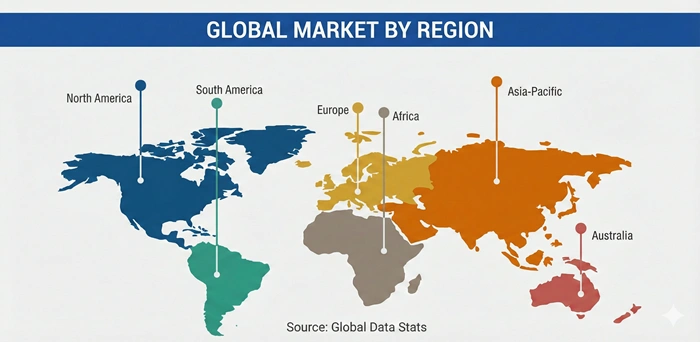
Regional Insights
North America
Market Leadership Through Innovation Excellence and Consumer Awareness
North America maintains its position as the dominant regional market for marine peptides, commanding approximately 38.50% market share in 2025 and generating the highest absolute revenue among all geographic regions globally. This leadership position reflects the region's sophisticated nutraceutical industry characterized by high consumer awareness regarding functional ingredients, substantial dietary supplement consumption rates, advanced research infrastructure supporting marine biotechnology innovation, and strong cosmetic industry embracing marine bioactives in premium skincare formulations. The United States represents the largest country market within North America, distinguished by well-established health and wellness culture, aging population seeking natural anti-aging solutions, robust e-commerce channels facilitating direct-to-consumer supplement sales, and favorable regulatory framework through FDA dietary supplement guidelines providing clear commercialization pathways. Major metropolitan areas including California, New York, and Florida demonstrate particularly high marine peptide product adoption, reflecting health-conscious demographics and premium product acceptance. The region projects moderate CAGR approximating 5.0% through 2033, driven by continued aging demographic trends, expanding sports nutrition market, growing clean beauty movement, and ongoing research validating marine peptide benefits.
Leading marine peptide manufacturers and nutraceutical companies headquartered or maintaining substantial operations across North America dominate the regional market, with Rousselot (United States operations), Gelita (United States operations), Nitta Gelatin (United States operations), Nordic Naturals (United States), and numerous specialized marine ingredient suppliers representing key market participants. These companies leverage established distribution networks spanning health food retailers, pharmacy chains, and online platforms, strong brand recognition built through sustained marketing investments, comprehensive scientific research programs generating clinical evidence, and close partnerships with supplement formulators and cosmetic manufacturers. The presence of world-class research institutions including marine science centers and biotechnology laboratories facilitates ongoing innovation in marine peptide extraction, characterization, and application development. Canada represents another important market within the region, characterized by growing natural health product sector, strong environmental values supporting sustainable marine ingredient sourcing, and increasing consumer interest in collagen supplements for joint and skin health.
Asia Pacific
Fastest Growth Driven by Traditional Acceptance and Market Development
Asia Pacific emerges as the fastest-growing regional market for marine peptides, projected to expand at an impressive CAGR of approximately 6.40% from 2026 to 2033, substantially outpacing growth rates in mature markets and establishing this region as the critical focus area for manufacturers pursuing expansion strategies. This exceptional growth trajectory reflects multiple converging factors including rapidly growing middle-class populations with increasing disposable incomes for premium health products, strong cultural traditions accepting marine-based ingredients for health and wellness, expanding dietary supplement markets across China, Japan, South Korea, India, and Southeast Asian nations, and substantial government investments in blue biotechnology research and marine resource development. Japan leads regional innovation in marine peptide applications, leveraging advanced extraction technologies, extensive clinical research capabilities, and sophisticated functional food industry creating novel marine peptide-enriched products. China demonstrates particularly dynamic growth potential, with enormous population base, rising health consciousness, traditional medicine integration supporting natural ingredient acceptance, and expanding domestic nutraceutical manufacturing capabilities.
Major international marine ingredient companies and regional manufacturers operating across Asia Pacific play pivotal roles in market development, with Rousselot, Gelita, and Nitta Gelatin maintaining strong regional presence through local production facilities, distribution partnerships, and product formulations tailored to regional preferences. Domestic companies based in Japan, China, and South Korea increasingly develop competitive marine peptide products leveraging abundant local marine resources, cost-effective production capabilities, and deep understanding of regional consumer preferences and distribution channels. The cosmetics application demonstrates exceptionally strong growth in Asia Pacific markets, particularly in South Korea, Japan, and China where advanced skincare routines commonly incorporate marine-derived ingredients, with K-beauty and J-beauty brands internationally recognized for innovative marine peptide formulations. The region's extensive aquaculture and fishing industries provide abundant raw material sources for marine peptide extraction, creating integrated supply chains supporting cost-competitive production. Traditional Chinese medicine acceptance and Ayurvedic medicine principles in India facilitate marine peptide positioning as natural health solutions aligned with established wellness philosophies.
Top Key Players
-
Rousselot (Netherlands)
-
Gelita AG (Germany)
-
Nitta Gelatin Inc. (Japan)
-
Weishardt Group (France)
-
Seagarden AS (Norway)
-
Holista CollTech Ltd (Australia)
-
Cargill Incorporated (United States)
-
Darling Ingredients Inc. (United States)
-
Tessenderlo Group (Belgium)
-
Algaia (France)
-
Marinova Pty Ltd (Australia)
-
Gelymar (Chile)
Recent Developments
-
Rousselot (2024) – Expanded their Peptan marine collagen peptide production capacity through facility upgrades in France and strategic investments in sustainable fishing partnerships, enhancing their ability to meet growing global demand while maintaining strict quality and sustainability standards throughout their supply chain.
-
Gelita AG (2024) – Launched new highly bioavailable marine collagen peptide formulations specifically optimized for sports nutrition applications in August 2024, targeting athletic recovery and performance enhancement markets with clinically validated products demonstrating superior absorption and efficacy compared to conventional protein supplements.
-
Zydus Lifesciences and Perfect Day (2024) – Announced strategic joint venture acquiring 50% stake in Sterling Biotech in August 2024, forming 50:50 partnership focused on producing fermented animal-free proteins including marine-alternative peptides, addressing growing demand for sustainable and ethically sourced nutrition solutions.
-
Nitta Gelatin (2025) – Introduced innovative extraction technology in January 2025 enabling higher yields of specific bioactive peptide fractions from fish byproducts, reducing production costs while improving product quality and sustainability metrics, strengthening their competitive position in global marine peptide markets.
-
Marinova (2024) – Announced breakthrough seaweed peptide extraction technology in December 2024 significantly enhancing yield and purity of bioactive compounds from marine algae sources, positioning company as innovation leader in plant-based marine peptide segment appealing to vegan consumers seeking marine-derived benefits.
Market Trends
Personalization and Sustainability Reshaping Industry Landscape
The marine peptide market experiences significant transformation driven by personalized nutrition trends enabling customized supplement formulations tailored to individual health profiles, genetic characteristics, and specific wellness goals. Advanced diagnostic technologies including genetic testing, microbiome analysis, and metabolic profiling allow healthcare practitioners and wellness coaches to identify specific nutritional needs, recommending marine peptide supplements optimized for each person's unique biological requirements. Direct-to-consumer brands increasingly offer personalized marine collagen formulations based on online assessments evaluating age, lifestyle factors, health concerns, and beauty goals, creating customized product recommendations and subscription services delivering tailored supplements regularly. This personalization trend extends into cosmetic applications, with skincare brands developing marine peptide products addressing specific skin types, aging concerns, and environmental factors through targeted formulations.
Sustainability and traceability have become non-negotiable requirements for marine peptide products, as environmentally conscious consumers demand transparency regarding sourcing practices, environmental impact, and ethical considerations throughout supply chains. Leading manufacturers implement comprehensive traceability systems tracking marine raw materials from harvest through processing to finished products, providing consumers verifiable information about product origins and sustainability credentials. Certifications including Marine Stewardship Council approval, sustainable fishing endorsements, and third-party environmental audits increasingly influence purchasing decisions, particularly among millennial and Generation Z consumers who prioritize environmental responsibility. The industry progressively adopts circular economy principles, utilizing fishing industry byproducts and developing zero-waste extraction processes minimizing environmental footprint while maximizing resource efficiency. Innovation in novel marine sources including jellyfish, sea cucumber, and underutilized fish species expands raw material options while potentially reducing pressure on conventional fish stocks.
Segments Covered in the Report
By Product Type
-
Fish Peptides (Cod Peptides, Salmon Peptides, Tilapia Peptides, Others)
-
Shellfish Peptides (Shrimp Peptides, Crab Peptides, Oyster Peptides, Others)
-
Seaweed Peptides (Kelp Peptides, Spirulina Peptides, Others)
-
Squid Peptides
-
Others (Jellyfish Peptides, Sea Cucumber Peptides, Krill Peptides)
By End-Use Application
-
Nutraceuticals (Dietary Supplements, Functional Foods)
-
Cosmetics (Skincare, Haircare, Anti-Aging Products)
-
Pharmaceuticals (Therapeutic Drugs, Wound Healing, Medical Nutrition)
-
Food and Beverages (Functional Beverages, Protein Bars, Fortified Foods)
-
Animal Feed (Aquaculture Feed, Pet Food)
-
Biotechnology (Research Applications, Bioprocessing)
-
Others
By Form
-
Powder
-
Liquid
By Region
-
North America (United States, Canada, Mexico)
-
Europe (Germany, France, United Kingdom, Netherlands, Norway, Rest of Europe)
-
Asia Pacific (Japan, China, South Korea, India, Australia, Southeast Asia, Rest of Asia Pacific)
-
Latin America (Brazil, Chile, Argentina, Rest of Latin America)
-
Middle East and Africa (GCC Countries, South Africa, Rest of Middle East and Africa)
Frequently Asked Questions
Question 1: What is the expected marine peptide market size by 2033?
Answer: The global marine peptide market is expected to reach approximately USD 517.28 million by 2033, growing from USD 295.90 million in 2026. This substantial growth reflects increasing consumer awareness of health benefits, expanding applications across nutraceuticals and cosmetics, and rising demand for sustainable bioactive ingredients.
Question 2: Which region dominates the marine peptide market currently?
Answer: North America dominates the marine peptide market with approximately 38.50% market share in 2025, supported by high consumer awareness regarding functional ingredients and advanced research infrastructure. The region benefits from established nutraceutical and cosmetic industries actively incorporating marine peptides into product formulations.
Question 3: What factors are driving growth in the marine peptide market?
Answer: The marine peptide market growth is driven by rising chronic disease prevalence creating demand for preventive healthcare solutions, increasing consumer preference for sustainable natural ingredients, aging populations seeking anti-aging products, and technological advancements improving extraction efficiency. Clinical validation of health benefits further supports market expansion.
Question 4: Which product segment leads the marine peptide market?
Answer: Fish peptides lead the marine peptide market with approximately 42% market share in 2025, attributed to their superior bioavailability and rich amino acid profiles. These peptides demonstrate proven efficacy in supporting skin health, joint function, and cardiovascular wellness through extensive clinical research.
Question 5: What are the primary applications for marine peptide market products?
Answer: Primary applications in the marine peptide market include nutraceuticals for dietary supplements and functional foods, cosmetics for anti-aging and skincare products, pharmaceuticals for therapeutic developments, and food and beverages for protein fortification. The nutraceuticals segment represents the largest application category with substantial market share exceeding 30%.