
Luxury Boxes Market Overview
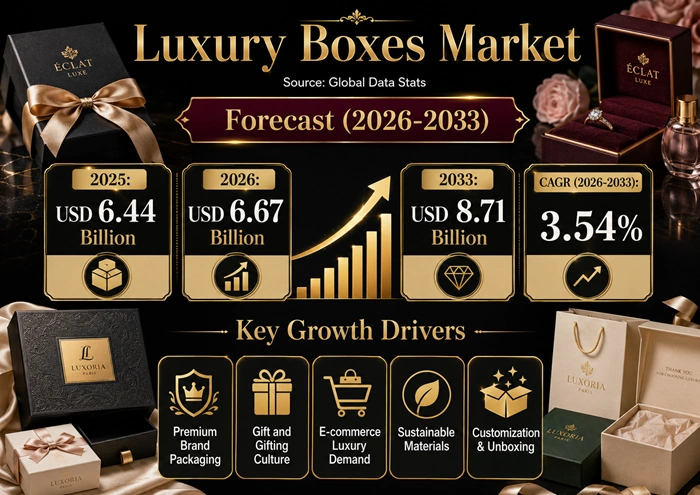
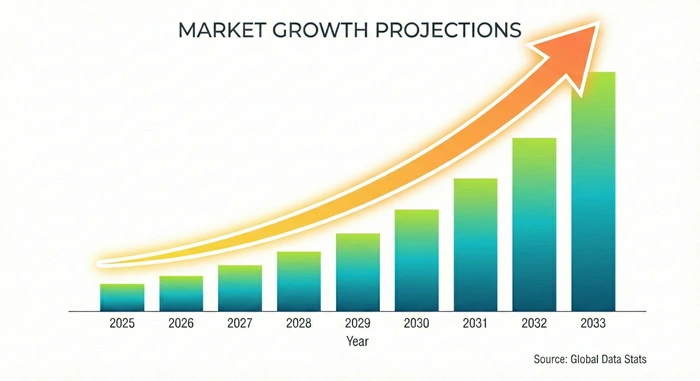
The global luxury boxes market size is valued at USD 6.44 billion in 2025 and is predicted to increase from USD 6.67 billion in 2026 to approximately USD 8.71 billion by 2033, growing at a CAGR of 3.54% from 2026 to 2033.
The luxury boxes market has emerged as a critical component of brand identity and consumer experience across multiple industries. These premium packaging solutions go beyond simple product protection to deliver an exceptional unboxing moment that reinforces brand value and creates lasting impressions. As consumers increasingly seek products that reflect their lifestyle aspirations, brands are investing heavily in packaging that communicates exclusivity, craftsmanship, and attention to detail.
The market encompasses diverse materials including paper, wood, metal, plastic, and glass, each serving specific product categories and consumer preferences. High-end fashion houses, jewelry brands, gourmet food producers, and cosmetics companies rely on sophisticated packaging to differentiate their offerings in competitive marketplaces. The rise of e-commerce has further amplified the importance of luxury packaging, as the unboxing experience becomes the first physical touchpoint between brand and customer in online transactions.
AI Impact on the Luxury Boxes Industry
Transforming Design Precision and Personalization Through Intelligent Systems
Artificial intelligence is revolutionizing the luxury boxes market by enabling unprecedented levels of customization and design efficiency. Advanced algorithms analyze consumer preferences and purchasing patterns to create packaging designs that resonate with target audiences while maintaining brand authenticity. Machine learning systems process vast amounts of market data to identify emerging design trends, allowing manufacturers to stay ahead of consumer expectations and deliver innovative solutions that capture attention in crowded retail environments.
AI-powered production systems are optimizing manufacturing processes by reducing material waste and improving quality control standards across production lines. Intelligent automation streamlines operations from design prototyping to final assembly, ensuring consistency while reducing production timelines and costs. Virtual prototyping capabilities allow designers to test multiple iterations digitally before committing to physical samples, accelerating the development cycle and enabling faster market response. Predictive analytics enhance supply chain management by forecasting demand patterns and optimizing inventory levels, ensuring timely delivery and reducing operational inefficiencies that impact profitability.
Growth Factors
Rising Consumer Expectations Driving Premium Packaging Investments
The expansion of affluent consumer segments worldwide is fundamentally reshaping demand patterns in the luxury boxes market. Growing disposable incomes in emerging economies have created new customer bases that value premium presentation as an integral part of the luxury purchase experience. Consumers now associate sophisticated packaging with product quality and brand legitimacy, making luxury boxes an essential investment for companies positioning themselves in premium market segments. This shift is particularly evident in the beauty and fashion industries, where packaging often serves as a key differentiator in purchasing decisions.
The digital retail revolution has transformed packaging from a functional necessity into a powerful marketing tool that extends brand engagement beyond the point of purchase. Social media platforms have amplified the importance of visually striking packaging, as consumers share unboxing experiences with their networks, generating organic brand awareness and influencing purchase decisions. Brands are responding by creating Instagram-worthy packaging that encourages social sharing and builds community around their products. This phenomenon has elevated luxury packaging to a critical element of digital marketing strategy, with companies allocating significant resources to ensure their packaging creates memorable moments that customers want to document and share online.
Market Outlook
Sustainability and Innovation Shaping Future Market Trajectories
The luxury boxes market is experiencing a fundamental transformation as environmental consciousness reshapes material selection and design philosophies across the industry. Leading brands are increasingly adopting sustainable materials that maintain premium aesthetics while reducing environmental impact, responding to consumer demands for responsible luxury consumption. Biodegradable options, recycled materials, and renewable resources are being integrated into luxury packaging without compromising the high-end appearance that defines the category. This shift reflects broader societal changes where sustainability credentials have become essential components of brand reputation and consumer trust in premium market segments.
Technological integration is opening new frontiers in the luxury boxes market through features that enhance functionality and consumer engagement. Smart packaging incorporating NFC chips, QR codes, and augmented reality elements is transforming boxes from passive containers into interactive brand experiences that provide product information, authentication verification, and exclusive digital content. These innovations address growing concerns about counterfeiting while creating opportunities for brands to deepen customer relationships through technology-enabled touchpoints. The convergence of physical luxury and digital innovation is defining the next generation of premium packaging, creating competitive advantages for brands that successfully blend traditional craftsmanship with modern technological capabilities.
Expert Speaks
-
Claudia D'Arpizio, Senior Partner at Bain & Company and Global Head of the Fashion & Luxury Practice, emphasized that packaging is evolving from a static container into a dynamic brand touchpoint where beauty and responsibility must coexist.
-
Industry leaders from LVMH have highlighted their commitment to reducing environmental impact, achieving a 28% reduction in CO2 emissions from energy consumption while maintaining premium packaging standards that meet luxury brand expectations.
-
Prada Group executives confirmed achieving 83% of their business-to-consumer packaging from 100% recycled materials, demonstrating that sustainability and luxury presentation are no longer mutually exclusive objectives.
Key Report Takeaways
-
Europe leads the global luxury boxes market with a dominant position driven by its rich heritage of luxury craftsmanship, well-established luxury goods sector, and strong emphasis on sustainable materials, holding the largest regional market share in 2025.
-
Asia Pacific represents the fastest-growing region with exceptional growth rates fueled by rapid economic development, rising disposable incomes, expanding middle-class populations, and increasing demand for luxury products across China, India, and South Korea, expected to maintain the highest CAGR throughout the forecast period.
-
Paper-based luxury boxes command the largest material segment share at approximately 42% in 2025, preferred for their sustainability credentials, versatility in design applications, cost-effectiveness, and ability to support intricate printing and branding requirements across multiple industries.
-
Food and beverages applications dominate usage patterns accounting for roughly 35% of total market consumption, driven by growing demand for premium packaging in gourmet foods, fine wines, artisanal confectionery, and specialty coffee products where presentation significantly influences purchase decisions.
-
Wood materials are emerging as the fastest-growing segment with projected CAGR exceeding 4.2% from 2026 to 2033, gaining traction in jewelry, premium spirits, and limited-edition products where exclusivity and sustainability combine to create distinctive brand positioning.
-
Jewelry applications are positioned for rapid expansion expected to grow at a CAGR of approximately 3.8% through 2033, as luxury jewelry brands invest in sophisticated packaging that enhances the unboxing experience and reinforces the premium nature of high-value accessories.
Market Scope
| Report Coverage | Details |
|---|---|
| Market Size by 2033 | USD 8.71 Billion |
| Market Size by 2025 | USD 6.44 Billion |
| Market Size by 2026 | USD 6.67 Billion |
| Market Growth Rate from 2026 to 2033 | CAGR of 3.54% |
| Dominating Region | Europe |
| Fastest Growing Region | Asia Pacific |
| Base Year | 2025 |
| Forecast Period | 2026 to 2033 |
| Segments Covered | By Type, By Application, and By Region |
| Regions Covered | North America, Europe, Asia Pacific, Latin America, and Middle East & Africa |
Market Dynamics
Drivers Impact Analysis
Expanding E-Commerce Ecosystem Fueling Luxury Packaging Demand
| Factor | (≈) % Impact on CAGR Forecast | Geographic Relevance | Impact Timeline |
|---|---|---|---|
| E-commerce Growth | +1.2% | Global, strongest in Asia Pacific | 2025-2033 |
| Sustainability Mandates | +0.9% | Europe, North America | 2026-2033 |
| Premium Consumption | +0.8% | Asia Pacific, Middle East | 2025-2030 |
The explosive growth of online retail channels has fundamentally transformed the luxury boxes market by creating new demands for packaging that protects products during shipping while delivering premium unboxing experiences. Digital commerce eliminates traditional in-store presentation advantages, making packaging the primary physical brand interaction for online customers. This shift has elevated luxury boxes from supplementary product features to essential brand assets that communicate quality and exclusivity in virtual marketplaces. E-commerce platforms have democratized access to luxury goods across geographic boundaries, expanding customer bases while intensifying competition among brands to create distinctive packaging that captures attention and encourages social sharing.
Consumer behavior patterns show that premium packaging significantly influences repurchase intentions and brand loyalty in online luxury retail environments. Research indicates that luxury product buyers are willing to pay premium prices for items that arrive in sophisticated, well-designed packaging that reflects the product's value and the brand's positioning. This dynamic has created sustained growth opportunities in the luxury boxes market as brands allocate increasing budgets to packaging development and innovation. The trend is particularly pronounced among millennial and Generation Z consumers who prioritize aesthetic presentation and frequently share unboxing experiences on social media platforms, generating organic marketing value that extends well beyond the initial purchase transaction.
Restraints Impact Analysis
Cost Pressures and Material Limitations Challenging Market Expansion
| Factor | (≈) % Impact on CAGR Forecast | Geographic Relevance | Impact Timeline |
|---|---|---|---|
| High Production Costs | -0.7% | Global | 2025-2033 |
| Material Availability | -0.5% | North America, Europe | 2026-2030 |
| Economic Volatility | -0.4% | Latin America, MEA | 2025-2028 |
The luxury boxes market faces significant challenges from elevated production costs that stem from premium material requirements and sophisticated manufacturing processes. High-quality papers, specialized woods, metals with protective finishes, and custom fabrication techniques all contribute to substantial unit costs that can limit adoption among smaller brands or constrain production volumes during economic downturns. These cost structures create barriers to entry for new market participants while forcing established players to carefully balance quality expectations against profitability pressures in competitive market environments.
Material sourcing complexities present ongoing operational challenges as demand for sustainable and premium-grade inputs continues to outpace supply in certain categories. Specialized papers with specific textures, ethically sourced woods, and metals suitable for luxury applications often have limited availability and longer lead times that complicate production planning. Environmental regulations restricting certain materials further constrain options available to manufacturers, requiring ongoing investment in research and development to identify acceptable alternatives. These material constraints can create bottlenecks that slow production cycles and increase costs, particularly for brands seeking to maintain consistent quality standards across large production volumes while simultaneously transitioning to more sustainable material options.
Opportunities Impact Analysis
Customization Technologies Opening New Revenue Streams
| Factor | (≈) % Impact on CAGR Forecast | Geographic Relevance | Impact Timeline |
|---|---|---|---|
| Smart Packaging | +0.6% | North America, Asia Pacific | 2027-2033 |
| Emerging Markets | +0.9% | Asia Pacific, Middle East | 2025-2032 |
| Personalization | +0.7% | Global | 2026-2033 |
The integration of digital technologies into luxury boxes market offerings is creating unprecedented opportunities for brands to differentiate products through interactive features and enhanced functionality. Smart packaging solutions incorporating near-field communication chips, quick-response codes, and augmented reality triggers enable brands to provide authentication services, deliver exclusive content, and create immersive digital experiences that extend engagement beyond the physical product. These technologies address growing concerns about counterfeit goods while simultaneously opening new channels for customer communication and data collection that inform future product development and marketing strategies.
Emerging economies across Asia Pacific, Middle East, and select Latin American markets present substantial growth opportunities as expanding affluent populations drive demand for luxury goods and premium packaging. Rising disposable incomes, increasing exposure to global luxury brands through digital channels, and cultural traditions that emphasize gift-giving are combining to create robust market conditions for luxury boxes. Brands entering these markets are investing in culturally relevant packaging designs that resonate with local preferences while maintaining global brand standards, creating opportunities for specialized manufacturers who understand regional nuances and can deliver customized solutions that appeal to diverse consumer segments with varying aesthetic preferences and functional requirements.
Segment Analysis
By Type
Paper Dominates Material Preferences Through Versatility and Sustainability
Paper-based luxury boxes maintain the dominant position in the market with approximately 42% market share in 2025, growing at a steady CAGR of 3.1% through 2033. This leadership stems from paper's exceptional versatility in accommodating diverse design requirements, from elegant minimalist presentations to elaborate decorative finishes that communicate brand identity effectively. The material's natural aesthetic qualities align perfectly with contemporary sustainability values, as recyclable and biodegradable paper options allow brands to demonstrate environmental responsibility without compromising premium presentation standards. Leading manufacturers across Europe and North America have invested heavily in advanced paper processing technologies that enable intricate embossing, foil stamping, and specialty coatings, expanding creative possibilities while maintaining structural integrity for product protection during distribution.
The paper segment benefits from continuous innovation in material science, with manufacturers developing specialized paperboards that offer enhanced durability and moisture resistance for challenging applications. Companies like Stora Enso in Finland and Smurfit Kappa in Ireland have introduced premium paperboard grades specifically engineered for luxury packaging, combining structural performance with superior printability and finishing characteristics. These innovations address historical limitations of paper packaging while preserving the material's environmental advantages that increasingly influence purchasing decisions. Regional growth patterns show particularly strong adoption in Asia Pacific markets, where rapidly expanding middle-class populations seek luxury products packaged in materials that reflect both quality and environmental consciousness, driving paper-based luxury boxes adoption across cosmetics, fashion accessories, and gourmet food categories throughout the forecast period.
Wood Emerges as Fastest-Growing Segment Through Premium Positioning
Wood materials are experiencing exceptional growth rates with projected CAGR exceeding 4.2% from 2026 to 2033, capturing increasing market share particularly in high-value product categories. This acceleration reflects wood's unique ability to convey exclusivity, craftsmanship, and natural authenticity that resonate with consumers seeking distinctive luxury experiences. The tactile qualities of wood packaging create multisensory brand interactions that differentiate products in competitive retail environments, while the material's inherent durability provides superior protection for delicate items like fine jewelry, premium timepieces, and aged spirits. North American and European luxury brands have embraced wooden packaging for limited-edition releases and collector's items, where the packaging itself becomes a keepsake that extends brand engagement long after the initial purchase.
The wood segment is benefiting from technological advancements in lightweight construction techniques and sustainable forestry practices that address traditional concerns about weight and environmental impact. Manufacturers in Asia Pacific regions, particularly Japan and specialized producers in China, have developed innovative joinery methods and finishing processes that reduce material usage while maintaining structural elegance and premium aesthetics. Companies such as Rengo Co., Ltd. in Japan are pioneering hybrid designs that combine wood with other sustainable materials, creating packaging solutions that balance environmental responsibility with the luxurious presentation standards demanded by high-end jewelry and watch brands. The segment shows particularly robust growth in Middle Eastern markets where wooden packaging aligns with cultural preferences for substantial, lasting items that communicate prestige and generosity in gift-giving contexts central to regional business and social customs.
Regional Insights
Europe Maintains Market Leadership Through Heritage and Innovation
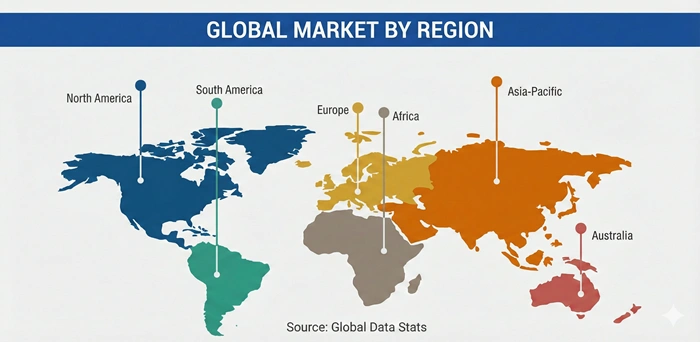
Europe dominates the global luxury boxes market with approximately 38% market share in 2025, growing at a CAGR of 3.0% through the forecast period. This leadership position reflects the region's centuries-old tradition of luxury craftsmanship and its concentration of premium brand headquarters across fashion, cosmetics, jewelry, and gourmet food sectors. Countries including France, Italy, Germany, and the United Kingdom host major luxury houses that demand exceptionally high packaging standards, creating a sophisticated ecosystem of specialized manufacturers, designers, and material suppliers dedicated to premium packaging innovation. The region benefits from strong regulatory frameworks that support sustainability initiatives, driving early adoption of eco-friendly materials and circular economy principles that increasingly define luxury packaging standards globally.
European luxury boxes market growth is supported by robust investments in research and development by leading packaging companies headquartered in the region. Stora Enso Oyj in Finland, Smurfit Kappa in Ireland, Mondi Group in Austria, and DS Smith in the United Kingdom are pioneering sustainable luxury packaging solutions that combine renewable materials with premium finishing techniques. These companies leverage Europe's strong environmental consciousness to develop innovative products that meet strict regulatory requirements while satisfying luxury brand aesthetics. The region shows particular strength in paper-based luxury packaging, with advanced mills producing specialized paperboards engineered for sophisticated printing, embossing, and coating applications. Market dynamics indicate continued European leadership through 2033, supported by the region's unmatched concentration of luxury brand headquarters, specialized manufacturing capabilities, and consumer populations that prioritize both premium presentation and environmental responsibility in purchasing decisions.
Asia Pacific Demonstrates Highest Growth Potential Through Economic Expansion
Asia Pacific represents the fastest-growing regional market with projected CAGR of 4.5% from 2026 to 2033, driven by exceptional economic development and rapidly expanding luxury consumption across major economies. China, India, South Korea, Japan, and emerging Southeast Asian markets are experiencing substantial growth in affluent consumer populations who increasingly seek luxury goods packaged to international standards. The region's booming e-commerce infrastructure is accelerating adoption of premium packaging as online luxury retail eliminates traditional in-store presentation advantages, making sophisticated packaging essential for brands competing in digital marketplaces. Cultural traditions emphasizing gift-giving and ceremonial presentation further amplify demand for luxury boxes across personal care, jewelry, and gourmet food categories throughout the region.
Regional growth dynamics show particularly strong momentum in China and India, where expanding middle-class populations and increasing disposable incomes are reshaping consumption patterns toward premium products and experiences. Local luxury brands are emerging alongside international houses, all requiring sophisticated packaging solutions that balance global luxury standards with culturally relevant design elements that resonate with regional consumers. Manufacturing capabilities are expanding rapidly, with companies like Rengo Co., Ltd. in Japan and specialized Chinese producers investing in advanced equipment and sustainable materials to meet growing demand. Tata Group's Tanishq jewelry brand in India exemplifies regional market development, introducing premium packaging that elevates the luxury jewelry purchasing experience for domestic consumers while building brand prestige. The Asia Pacific luxury boxes market shows exceptional growth potential through 2033, supported by favorable demographic trends, expanding retail infrastructure, growing environmental awareness, and increasing alignment with global luxury consumption patterns that prioritize premium presentation as an integral component of the luxury purchase experience.
Top Key Players
-
Sealed Air Corporation (United States)
-
Stora Enso Oyj (Finland)
-
Smurfit Kappa (Ireland)
-
WestRock Company (United States)
-
Mondi Group (Austria)
-
DS Smith plc (United Kingdom)
-
International Paper (United States)
-
Graphic Packaging Holding Company (United States)
-
Sonoco Products Company (United States)
-
Mayr-Melnhof Karton AG (Austria)
-
Rengo Co., Ltd. (Japan)
-
Oji Holdings Corporation (Japan)
Recent Developments
-
In January 2025, Indulge Global successfully secured USD 1 million in strategic funding to expand its luxury concierge services portfolio, representing a significant milestone in enhancing premium service offerings and catering to the growing demand for exclusive luxury experiences across global markets.
-
In March 2025, ISEM Packaging Group completed the acquisition of Egisa, a strategic move designed to expand its comprehensive product portfolio and strengthen competitive positioning within the luxury packaging sector by integrating new technologies and manufacturing capabilities.
-
In August 2024, Mainetti finalized the acquisition of Morresi Cartotecnica to enhance its presence throughout the luxury packaging market in Southern European regions, significantly improving capabilities to deliver customized packaging solutions for premium fashion and luxury brands.
-
In June 2024, Arca Space Capital executed strategic investments across five specialized luxury packaging companies, substantially strengthening its market position within the premium packaging sector while fostering innovation in sustainable materials and advanced packaging solutions for high-end products.
-
In March 2024, Australian packaging leader Orora completed the divestiture of its North American packaging solutions division to Veritiv Corporation for USD 168 billion, strategically repositioning to focus on higher-margin premium beverage packaging segments.
Market Trends
Circular Economy Principles Reshaping Packaging Design Philosophy
The luxury boxes market is experiencing a fundamental shift toward circular economy principles as brands recognize that sustainability and premium positioning are increasingly inseparable in consumer perceptions. Leading luxury houses are redesigning packaging to facilitate reuse, refilling, and recycling, transforming boxes from single-use containers into functional objects that customers retain and repurpose. This evolution reflects changing consumer values, particularly among younger demographics who demand environmental responsibility from luxury brands without accepting compromises in aesthetic presentation or perceived quality. Manufacturers are responding by developing innovative materials and construction methods that enable elegant designs with extended lifecycles, incorporating features like modular components, durable finishes, and timeless aesthetics that encourage long-term retention rather than immediate disposal after product consumption.
Digital Integration Creating Interactive Brand Experiences
Technology integration is emerging as a defining trend in the luxury boxes market as brands seek to bridge physical packaging with digital engagement platforms. Near-field communication chips, augmented reality triggers, and embedded QR codes are transforming luxury boxes into gateways for exclusive content, product authentication, and personalized brand interactions that extend well beyond the initial unboxing moment. These smart packaging features address multiple strategic objectives simultaneously, including counterfeit prevention through blockchain-verified authentication, enhanced customer data collection enabling personalized marketing, and creation of memorable experiences that encourage social media sharing and organic brand promotion. The trend is particularly pronounced in cosmetics and fashion accessories categories where younger consumers expect seamless integration between physical products and digital brand ecosystems, driving substantial investments in technology-enabled packaging solutions that deliver measurable returns through enhanced customer engagement and brand loyalty metrics.
Segments Covered in the Report
By Type
-
Paper
-
Wood
-
Plastic
-
Metal
-
Glass
-
Others
By Application
-
Food and Beverages
-
Apparel
-
Jewelry
-
Electronics
-
Personal Care and Cosmetics
-
Tobacco
-
Others
By Region
-
North America
-
United States
-
Canada
-
-
Europe
-
Germany
-
France
-
United Kingdom
-
Italy
-
Spain
-
Rest of Europe
-
-
Asia Pacific
-
China
-
Japan
-
India
-
South Korea
-
Australia
-
Rest of Asia Pacific
-
-
Latin America
-
Brazil
-
Mexico
-
Rest of Latin America
-
-
Middle East and Africa
-
GCC Countries
-
South Africa
-
Rest of Middle East and Africa
-
Frequently Asked Questions
Question 1: What is the luxury boxes market size and expected growth rate?
Answer: The global luxury boxes market was valued at USD 6.44 billion in 2025 and is projected to reach USD 8.71 billion by 2033, expanding at a CAGR of 3.54% during the forecast period.
Question 2: Which region dominates the luxury boxes market currently?
Answer: Europe leads the luxury boxes market with the largest regional share, driven by its established luxury goods sector and strong emphasis on sustainable premium packaging solutions.
Question 3: What are the primary applications driving luxury boxes market demand?
Answer: Food and beverages represent the dominant application segment in the luxury boxes market, followed by significant demand from jewelry, personal care and cosmetics, and apparel categories.
Question 4: Which material segment is growing fastest in the luxury boxes market?
Answer: Wood is emerging as the fastest-growing material segment in the luxury boxes market, driven by its premium appeal, sustainability credentials, and exclusivity in high-value product categories.
Question 5: What are key trends shaping the luxury boxes market future?
Answer: Sustainability initiatives, smart packaging integration, customization technologies, and circular economy principles are defining trends transforming the luxury boxes market landscape through 2033.