
Lung Cancer Surgery Market Overview
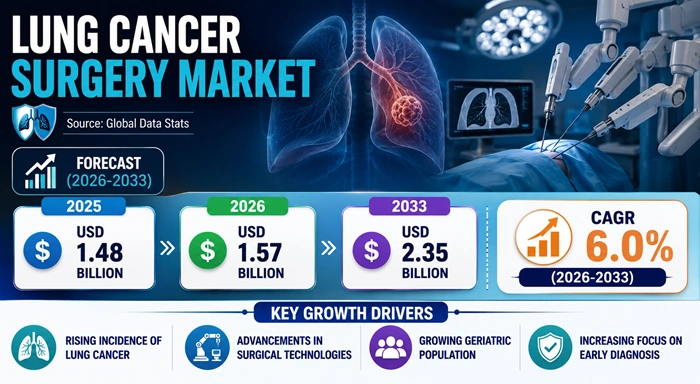
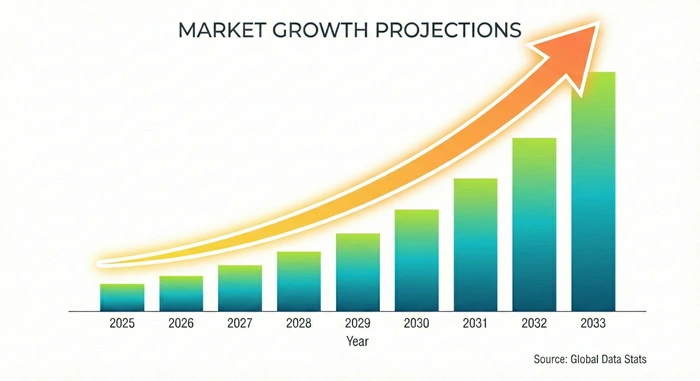
The global Lung Cancer Surgery market size is valued at USD 1.48 billion in 2025 and is predicted to increase from USD 1.57 billion in 2026 to approximately USD 2.35 billion by 2033, growing at a CAGR of 6.0% from 2026 to 2033. Lung cancer surgery encompasses a range of thoracic surgical procedures — including lobectomy, pneumonectomy, segmentectomy, and wedge resection — performed to remove cancerous tumors from the lung, either as a standalone curative treatment or in combination with chemotherapy, radiation, or targeted therapies. The growing global burden of lung cancer, advancements in minimally invasive surgical technologies, rising early-stage detection rates through improved screening programs, and the expanding adoption of robotic-assisted thoracic surgery are collectively driving sustained demand growth across hospitals, specialty cancer centers, and ambulatory surgical facilities worldwide.
AI Impact on the Lung Cancer Surgery Industry
Artificial Intelligence Is Revolutionizing Surgical Precision, Preoperative Planning, and Postoperative Monitoring in Lung Cancer Surgery — Raising the Standard of Care and Improving Patient Outcomes at Every Stage
Artificial intelligence is transforming how thoracic surgeons plan, execute, and follow up on lung cancer surgical procedures. AI-powered imaging analysis tools — capable of processing CT scans, PET scans, and pathology slides with speed and accuracy that rivals experienced radiologists — are enabling earlier detection of suspicious pulmonary nodules and more precise tumor margin assessment before surgery begins. Preoperative planning platforms that use machine learning to simulate surgical approaches, predict patient-specific complication risks, and optimize resection strategies are being adopted at leading cancer centers in North America, Europe, and Asia Pacific. These tools reduce decision uncertainty, improve surgical confidence, and contribute to better intraoperative outcomes — particularly in complex cases involving centrally located tumors or patients with compromised lung function.
Beyond the operating room, AI is reshaping postoperative care and long-term disease monitoring in the lung cancer surgery landscape. Natural language processing tools are being used to analyze electronic health records and identify patients at elevated risk of recurrence, prompting earlier clinical intervention. Robotic surgical platforms — increasingly integrated with AI-guided navigation systems — are enabling surgeons to perform more precise, minimally invasive resections through smaller incisions, reducing trauma to surrounding tissue and accelerating patient recovery. As AI applications become more deeply embedded in the entire continuum of surgical oncology care, from screening to surgery to survivorship monitoring, the lung cancer surgery market is expected to see sustained improvements in both clinical productivity and commercial value through the forecast period.
Growth Factors
Rising Global Lung Cancer Incidence, Rapid Adoption of Robotic and Minimally Invasive Surgical Techniques, and Expanding Low-Dose CT Screening Programs Are Fueling Long-Term Market Growth
Lung cancer remains the leading cause of cancer-related mortality worldwide, accounting for more deaths annually than breast, prostate, and colon cancers combined. Despite advances in targeted therapy and immunotherapy, surgical resection continues to be the most effective treatment for early-stage non-small cell lung cancer (NSCLC), making surgery a critical pillar of oncology care for the large and growing global patient population. The rising incidence of lung cancer — driven not only by smoking but also by increasing air pollution, occupational chemical exposures, and genetic risk factors — is creating a consistently expanding patient pool that requires surgical intervention. As screening programs using low-dose computed tomography (LDCT) identify more patients at earlier, operable stages, the proportion of patients eligible for curative surgery is increasing, directly expanding the addressable market for lung cancer surgical procedures and related technologies.
The rapid adoption of minimally invasive surgical techniques — particularly video-assisted thoracoscopic surgery (VATS) and robotic-assisted thoracic surgery (RATS) — is a major commercial and clinical growth driver in the lung cancer surgery market. These approaches offer significantly shorter recovery times, reduced pain, lower complication rates, and improved cosmetic outcomes compared to traditional open thoracotomy, driving strong patient and surgeon preference. Robotic surgical platforms from companies like Intuitive Surgical are enabling increasingly complex pulmonary resections through sub-centimeter ports, expanding the pool of patients considered surgically eligible. Additionally, growing investment in cancer care infrastructure across emerging markets in Asia Pacific and Latin America — including the construction of new specialty cancer hospitals and the procurement of advanced surgical equipment — is expanding procedural volumes in geographies that were previously underserved.
Market Outlook
Robust Healthcare Investment, Expanding Surgical Capacity in Emerging Markets, and the Evolution of Multimodal Lung Cancer Treatment Protocols Are Setting the Stage for Sustained Market Growth Through 2033
The outlook for the lung cancer surgery market through 2033 is compelling, shaped by a healthcare environment that is increasingly recognizing the value of early surgical intervention in improving long-term lung cancer survival rates. North America is expected to sustain its market leadership position, driven by high procedural volumes at large academic medical centers and cancer institutes, strong reimbursement frameworks, and continued innovation in robotic and minimally invasive surgical technologies by domestic medical device manufacturers. Europe represents a mature and growing market, anchored by structured national cancer screening programs in the UK, Germany, and France, which are identifying more early-stage lung cancer patients every year — the population most amenable to surgical treatment. Asia Pacific is the fastest-growing region, where a combination of rising lung cancer incidence, expanding healthcare infrastructure, and growing surgeon adoption of VATS and robotic techniques is driving rapid procedural volume growth.
Looking ahead, the evolution of multimodal lung cancer treatment protocols is creating an increasingly important role for surgery within broader oncological care plans. Neoadjuvant immunotherapy — administering immunotherapy drugs before surgery to shrink tumors and eliminate micrometastatic disease — is improving surgical candidacy for previously inoperable patients, expanding the eligible pool for resection procedures. Advances in intraoperative imaging and fluorescence-guided surgery are helping surgeons achieve cleaner resection margins, reducing local recurrence rates and improving overall survival outcomes. These clinical and technological developments are not only improving patient outcomes but also driving demand for more advanced surgical instruments, imaging technologies, and robotic platforms — all of which contribute to revenue growth in the lung cancer surgery market through the forecast period.
Expert Speaks
-
"Surgical innovation in thoracic oncology is accelerating at a remarkable pace — robotic-assisted platforms and AI-guided surgical planning are enabling our teams to perform more complex lung resections with greater precision, ultimately giving patients with early-stage lung cancer access to curative options that were simply not possible five years ago," — Gary Guthart, CEO, Intuitive Surgical, highlighting the transformative role of robotic technology in advancing lung cancer surgical care.
-
"The integration of advanced imaging, surgical navigation, and minimally invasive techniques is redefining what is achievable in lung cancer surgery — and as we continue investing in next-generation oncology tools, our goal remains unchanged: to help surgeons and patients achieve the best possible outcomes at every stage of care," — Kevin Lobo, Chairman & CEO, Stryker Corporation, underscoring the medical device industry's commitment to advancing thoracic surgical capabilities.
-
"Early detection through comprehensive lung cancer screening is the most powerful tool we have to increase the proportion of patients who are candidates for curative surgery — and expanding access to LDCT screening, particularly in high-risk populations, must be a priority for both healthcare systems and the private sector," — Joaquin Duato, Chairman & CEO, Johnson & Johnson, emphasizing the critical link between screening program expansion and growth in surgical treatment volumes.
Key Report Takeaways
-
North America leads the global lung cancer surgery market with approximately 40% revenue share in 2025, supported by the highest per-capita rate of LDCT lung cancer screening, strong reimbursement policies for thoracic surgical procedures, and the concentrated presence of world-leading academic cancer centers and thoracic surgery programs at institutions like MD Anderson Cancer Center and Memorial Sloan Kettering
-
Asia Pacific is the fastest-growing region, projected to expand at a CAGR of approximately 7.2% through 2033, driven by the world's highest lung cancer incidence rates in China and high smoking prevalence across Southeast Asia, combined with massive healthcare infrastructure investment and rapidly growing adoption of minimally invasive thoracic surgical techniques
-
Hospitals are the dominant end-user segment, commanding approximately 60% market share in 2025, as the complexity of lung cancer surgical procedures — requiring multidisciplinary oncology teams, advanced anesthesiology support, and post-surgical ICU care — makes comprehensive hospital infrastructure essential for safe and effective patient management
-
Non-Small Cell Lung Cancer (NSCLC) procedures contribute the most to overall surgical volume with a 78% share in 2025, reflecting the significantly higher incidence of NSCLC compared to Small Cell Lung Cancer (SCLC) and the greater surgical eligibility of NSCLC patients whose disease is typically diagnosed at a localized, resectable stage
-
Lobectomy remains the most widely performed surgical procedure, holding a 45% share of the procedure type segment in 2025, as it offers the optimal balance between complete tumor removal and preservation of sufficient healthy lung tissue for acceptable postoperative pulmonary function
-
Robotic-assisted thoracic surgery (RATS) is the fastest-growing procedure approach, expected to grow at a CAGR of approximately 8.5% through 2033 with a current share of 22%, driven by growing surgeon training programs, improved platform affordability through competitive market entry, and mounting clinical evidence supporting superior patient outcomes compared to both open surgery and conventional VATS approaches
Market Scope
| Report Coverage | Details |
|---|---|
| Market Size by 2025 | USD 1.48 Billion |
| Market Size by 2026 | USD 1.57 Billion |
| Market Size by 2033 | USD 2.35 Billion |
| Market Growth Rate from 2026 to 2033 | CAGR of 6.0% |
| Dominating Region | North America |
| Fastest Growing Region | Asia Pacific |
| Base Year | 2025 |
| Forecast Period | 2026 to 2033 |
| Segments Covered | By Cancer Type, By Procedure Type, By Surgical Approach, By End-User, By Region |
| Regions Covered | North America, Europe, Asia Pacific, Latin America, Middle East & Africa |
Market Dynamics
Drivers Impact Analysis
Rising Lung Cancer Prevalence, Expanding Screening-Driven Early Detection, and Rapid Adoption of Robotic Thoracic Surgery Are Creating Strong Upward Pressure on the Lung Cancer Surgery Market's Growth Trajectory
| Driver | ≈ % Impact on CAGR Forecast | Geographic Relevance | Impact Timeline |
|---|---|---|---|
| Rising Global Lung Cancer Incidence | ~2.0% | Global, primarily Asia Pacific & North America | Near to Long Term |
| Expanding LDCT Lung Cancer Screening Programs | ~1.5% | North America, Europe | Near to Long Term |
| Adoption of Robotic-Assisted Thoracic Surgery (RATS) | ~1.3% | North America, Europe, Asia Pacific | Medium to Long Term |
| Growth of Minimally Invasive VATS Techniques | ~0.8% | Global | Near to Long Term |
| Advances in Neoadjuvant Therapy Expanding Surgical Eligibility | ~0.4% | North America, Europe | Medium to Long Term |
The growing global burden of lung cancer is the most fundamental driver of the lung cancer surgery market. With approximately 2.2 million new lung cancer cases diagnosed globally each year, and surgical resection remaining the standard of care for Stage I and Stage II disease, there is a large and consistently growing patient population requiring surgical evaluation and treatment. Improvements in anesthesia, perioperative care, and enhanced recovery after surgery (ERAS) protocols have also expanded surgical eligibility to older and higher-risk patients who might previously have been deemed inoperable, further widening the treated population. This structural demand foundation ensures that surgical volumes will continue to grow regardless of other treatment modality trends.
The expansion of LDCT lung cancer screening programs is particularly powerful as a medium-term market growth driver, because it directly increases the number of lung cancer cases diagnosed at an early, surgically curable stage. In the United States, updated screening guidelines from the United States Preventive Services Task Force (USPSTF) have broadened the eligible screening population to include individuals aged 50 and above with a lighter smoking history, substantially increasing the number of Americans undergoing annual LDCT screening. As screening programs scale in Europe and Asia Pacific, more patients will be identified with Stage I or Stage II disease — creating a growing flow of surgical candidates that directly supports volume growth in the lung cancer surgery market.
Restraints Impact Analysis
High Surgical Costs, Limited Access to Advanced Thoracic Surgical Infrastructure, and the Growing Clinical Adoption of Alternative Non-Surgical Treatments Are Creating Meaningful Growth Headwinds
| Restraint | ≈ % Impact on CAGR Forecast | Geographic Relevance | Impact Timeline |
|---|---|---|---|
| High Cost of Robotic Surgical Systems and Procedures | ~-1.2% | Latin America, MEA, Southeast Asia | Near to Medium Term |
| Growing Clinical Preference for Non-Surgical Treatments | ~-0.9% | Global | Medium to Long Term |
| Limited Thoracic Surgical Expertise in Emerging Markets | ~-0.7% | Asia Pacific (ex-Japan/China), MEA, Latin America | Near to Medium Term |
| Postoperative Complication Risks in Elderly Patients | ~-0.4% | Global | Near to Long Term |
The high cost of robotic surgical platforms and advanced minimally invasive equipment represents a significant barrier to market growth in price-sensitive geographies. The acquisition and maintenance costs of robotic systems from companies like Intuitive Surgical, CMR Surgical, and Medtronic can be prohibitive for hospitals in emerging markets and even community hospital settings in developed countries, where procedure volumes may not justify the capital investment. This cost barrier keeps a significant share of global thoracic surgical volume reliant on conventional open surgery or basic VATS techniques, limiting the market penetration of higher-value robotic procedures that drive premium revenue growth. Reimbursement policies in many healthcare systems have also not fully caught up with the clinical adoption of robotic thoracic surgery, creating an additional financial disincentive.
The rising adoption of non-surgical treatment modalities — including stereotactic body radiation therapy (SBRT), targeted therapies, and immunotherapy — is increasingly challenging the primacy of surgery for certain lung cancer patient populations. SBRT delivers precisely focused high-dose radiation to early-stage lung tumors and is increasingly used as an alternative to surgery for medically inoperable patients or those who decline surgery, with comparative outcomes data for certain patient groups showing similar local tumor control rates. The expanding clinical evidence supporting neoadjuvant and adjuvant immunotherapy is also reshaping treatment sequencing decisions, and in some cases raising questions about the optimal timing and extent of surgical intervention. While surgery remains the standard of care for most resectable NSCLC, this evolving treatment landscape introduces competitive clinical pressures that modestly constrain surgical volume growth.
Opportunities Impact Analysis
Robotic Surgical Platform Expansion, Fluorescence-Guided Resection Technology, and Emerging Market Healthcare Investment Are Creating High-Value Growth Opportunities for the Lung Cancer Surgery Market
| Opportunity | ≈ % Impact on CAGR Forecast | Geographic Relevance | Impact Timeline |
|---|---|---|---|
| Expansion of Robotic Thoracic Surgery Platforms | ~+2.0% | North America, Europe, Asia Pacific | Medium to Long Term |
| Adoption of Fluorescence-Guided and Intraoperative Imaging | ~+1.5% | North America, Europe | Medium to Long Term |
| Healthcare Infrastructure Expansion in Emerging Markets | ~+1.2% | Asia Pacific, MEA, Latin America | Near to Medium Term |
| Growth in Lung Cancer Screening Driving Earlier-Stage Cases | ~+1.0% | North America, Europe, Asia Pacific | Near to Long Term |
Robotic thoracic surgery represents the most commercially significant near-term growth opportunity in the lung cancer surgery market. The competitive entry of new robotic platforms — including CMR Surgical's Versius and Medtronic's Hugo RAS — is beginning to challenge Intuitive Surgical's long-standing dominance and driving price competition that is gradually making robotic thoracic surgery more accessible to a broader range of healthcare facilities. As more hospitals acquire robotic systems and develop institutional expertise in robotic lobectomy and segmentectomy, the shift from conventional VATS and open surgery toward robotic approaches is expected to accelerate significantly, creating strong demand for associated consumables, disposable instruments, and maintenance contracts that add recurring revenue streams for manufacturers.
Fluorescence-guided surgery and advanced intraoperative imaging technologies offer another compelling commercial and clinical opportunity. These systems use near-infrared fluorescence dyes — such as indocyanine green (ICG) — to make lung tumors and segmental boundaries visibly distinct from surrounding healthy tissue during surgery, enabling more precise resections and reducing the risk of positive margins. As the clinical evidence supporting fluorescence-guided techniques in thoracic surgery continues to build, and as the regulatory approval and commercial availability of these technologies expand, adoption is expected to accelerate — particularly among high-volume thoracic surgery programs seeking to differentiate their clinical outcomes. This represents a clear product innovation and premium pricing opportunity for medical device companies active in the lung cancer surgery market.
Segment Analysis
By Surgical Approach
Minimally Invasive VATS Dominates Current Surgical Volume While Robotic-Assisted Thoracic Surgery Rapidly Emerges as the Future Standard of Care for Lung Cancer Resection
Video-Assisted Thoracoscopic Surgery (VATS) is the dominant surgical approach in the lung cancer surgery market, holding a 48% share of the procedure approach segment in 2025 and generating approximately USD 711 million in revenue. VATS involves inserting a small camera and specialized instruments through keyhole incisions in the chest wall, allowing surgeons to perform major pulmonary resections including lobectomy and segmentectomy without the need for a large thoracotomy incision. The technique's well-established clinical efficacy, widespread surgeon familiarity, lower equipment cost compared to robotic platforms, and strong evidence base for favorable patient outcomes make it the default minimally invasive approach at most thoracic surgery programs worldwide. North America and Europe are the largest markets for VATS-based lung cancer surgery, with major medical device companies including Medtronic, Teleflex, and CONMED Corporation supplying the endoscopic instruments, energy devices, and access ports used in these procedures. The VATS segment is expected to grow at a steady CAGR of approximately 5.5% through 2033.
Robotic-Assisted Thoracic Surgery (RATS) is growing faster than any other approach in the lung cancer surgery market, with a current 22% share in 2025 and a projected CAGR of approximately 8.5% through 2033. Robotic platforms offer three-dimensional, magnified visualization, tremor-free instrument control, and superior ergonomics compared to conventional VATS — enabling surgeons to perform complex maneuvers in the confined thoracic cavity with greater precision and control. Clinical studies continue to demonstrate that RATS lobectomy achieves equivalent oncological outcomes to VATS while delivering advantages in lymph node dissection completeness, blood loss reduction, and conversion-to-open rates. Asia Pacific is the fastest-growing regional market for robotic thoracic surgery, driven by rapidly expanding robotic surgery programs in China, Japan, and South Korea, where government-supported cancer center modernization programs are accelerating robotic platform procurement. Intuitive Surgical, CMR Surgical, and Medtronic are the leading companies in this rapidly evolving segment.
By Cancer Type
Non-Small Cell Lung Cancer Surgical Procedures Dominate Revenue While Emerging Multimodal Approaches Are Expanding Surgical Opportunities in Small Cell and Rare Lung Cancer Cases
Non-Small Cell Lung Cancer (NSCLC) procedures represent the overwhelmingly dominant cancer type segment in the lung cancer surgery market, contributing approximately 78% of total surgical volume in 2025 and generating around USD 1.15 billion in revenue. NSCLC — which includes adenocarcinoma, squamous cell carcinoma, and large cell carcinoma subtypes — is surgically resectable in its early stages and accounts for approximately 85% of all lung cancer diagnoses globally, making it the primary revenue driver for thoracic surgical programs, instrument manufacturers, and medical device companies active in this space. The growing adoption of molecular profiling and targeted therapy in NSCLC is also influencing surgical decision-making, with surgery increasingly being integrated into comprehensive multimodal protocols that include neoadjuvant immunotherapy. North America is the largest market for NSCLC surgical procedures, supported by established multidisciplinary tumor board processes at comprehensive cancer centers and strong insurance reimbursement for surgical oncology procedures. Intuitive Surgical, Johnson & Johnson MedTech, and Stryker are among the key industry participants actively supporting NSCLC surgical programs across North America. This segment is projected to grow at a CAGR of 5.8% through 2033.
Small Cell Lung Cancer (SCLC) procedures represent a smaller but clinically meaningful share of the lung cancer surgery market at approximately 13% in 2025, with a growing CAGR of 7.0% through the forecast period. While SCLC has historically been considered poorly amenable to surgical treatment due to its tendency for early systemic spread, emerging clinical evidence is supporting the role of surgery in a select subgroup of patients with very early-stage disease — particularly those with Stage I disease identified through screening programs. The growing use of neoadjuvant chemotherapy and immunotherapy before surgery is also creating new opportunities to down-stage SCLC tumors to a resectable size in some patients. Asia Pacific is the fastest-growing region for SCLC surgical interventions, driven by high smoking rates that contribute to elevated SCLC incidence and by rapidly improving early detection capabilities at leading cancer centers in China, Japan, and South Korea. The evolution of evidence-based clinical guidelines supporting selective surgical SCLC treatment is expected to gradually expand procedural volumes in this historically underserved segment.
Regional Insights
North America
North America's Comprehensive Cancer Care Infrastructure, Strong Reimbursement Environment, and Early Adoption of Robotic Thoracic Surgery Consolidate Its Leadership in the Lung Cancer Surgery Market
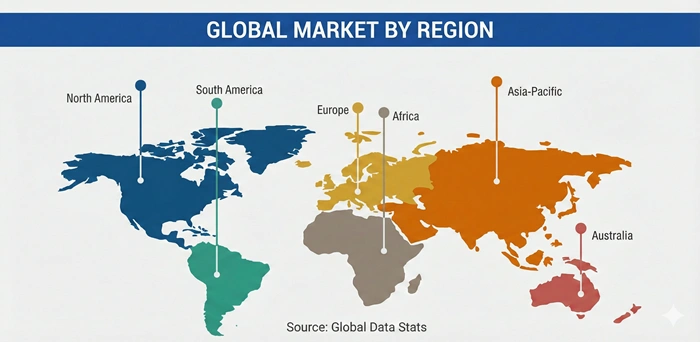
North America leads the global lung cancer surgery market with a 40% revenue share in 2025, generating approximately USD 592 million, and is projected to grow at a CAGR of 5.3% through 2033. The United States accounts for the vast majority of regional revenue, driven by the highest volume of lung cancer surgical procedures performed annually at world-class cancer institutions such as MD Anderson Cancer Center, Memorial Sloan Kettering Cancer Center, and the Mayo Clinic, each of which operates high-volume robotic thoracic surgery programs. Strong Medicare and private insurance reimbursement for lobectomy, segmentectomy, and robotic thoracic procedures ensures consistent procedure volumes and supports hospital investment in advanced surgical technology. Key market participants including Intuitive Surgical, Medtronic, Johnson & Johnson MedTech, and Stryker are headquartered or hold major operations in the United States, maintaining close proximity to both clinical innovation hubs and high-volume procedure centers.
Canada contributes meaningfully to the regional market through its universal healthcare system, which ensures broad access to lung cancer surgical care through provincial cancer programs and regional thoracic surgery centers. The expansion of Canada's lung cancer screening initiative — targeting long-term smokers with annual LDCT — is expected to increase the identification of early-stage, surgically treatable cases in the coming years, adding a consistent new volume driver for thoracic surgical programs across major Canadian cities. Mexico's private healthcare sector is growing steadily, with premium oncology hospitals in Mexico City and Monterrey investing in robotic surgical platforms and attracting medical tourists seeking quality lung cancer treatment at competitive costs, contributing to a gradually rising demand contribution within the North American region.
Asia Pacific
Asia Pacific's Enormous Lung Cancer Patient Population, Rapid Healthcare Infrastructure Investment, and Accelerating Adoption of Minimally Invasive Thoracic Surgery Make It the Most Dynamically Growing Region
Asia Pacific is the fastest-growing region in the lung cancer surgery market, holding approximately 25% market share in 2025 and projected to grow at the highest regional CAGR of approximately 7.2% through 2033. China is the dominant growth engine within the region — accounting for the world's largest absolute number of annual lung cancer diagnoses, driven by high smoking prevalence, significant air pollution exposure, and a large population base — and Chinese thoracic surgical volumes are growing rapidly as the healthcare system modernizes and screening programs expand. Japan has one of the most advanced thoracic surgical ecosystems in the Asia Pacific region, characterized by high surgeon training standards, widespread adoption of VATS techniques, and growing adoption of robotic thoracic surgery supported by national healthcare reimbursement. Leading regional and global companies including Nippon Covidien (Japan), Mindray (China), and Intuitive Surgical (expanding Asia Pacific presence) are actively contributing to regional market development.
India represents a rapidly emerging opportunity within Asia Pacific, with a growing burden of lung cancer diagnoses, an expanding private hospital sector investing in advanced surgical oncology capabilities, and increasing awareness among patients about the availability and benefits of minimally invasive lung surgery. South Korea is another high-value market, characterized by a technologically advanced healthcare system, strong government investment in cancer care, and rapidly growing adoption of robotic surgical platforms at leading university hospitals and cancer centers. The combination of high disease burden, improving healthcare access, and accelerating technology adoption makes Asia Pacific the most strategically important growth region for companies looking to expand their presence in the global lung cancer surgery market through 2033.
Report Customization: Region-Wise and Country-Wise Insights Available on Request
Tailored Regional and Country-Level Intelligence on the Lung Cancer Surgery Market Is Available for Every Major Geography — Equipping Your Team with the Locally Specific Data Needed to Build Winning Market Entry, Expansion, and Investment Strategies
Customized versions of this report are available for each region and country listed below, providing detailed market intelligence specifically tailored to local healthcare systems, regulatory environments, surgical procedure volumes, competitive landscapes, and growth opportunities relevant to the lung cancer surgery market in each selected geography.
North America
-
U.S. — comprehensive analysis of LDCT screening program impacts, Medicare/Medicaid reimbursement dynamics, robotic thoracic surgery adoption rates, and procedure volume trends at leading cancer centers
-
Canada — provincial cancer program procurement, national lung cancer screening initiative expansion, and major thoracic surgery program competitive landscape
-
Mexico — private hospital growth, medical tourism dynamics for oncology surgical care, and robotic platform adoption trends
Europe
-
U.K. — NHS lung cancer surgical capacity, NICE clinical guidelines for thoracic surgery, and national lung cancer screening rollout impact on surgical volumes
-
Germany — Europe's largest thoracic surgical market, leading cancer center landscape, DRG reimbursement framework, and robotic VATS adoption at German university hospitals
-
France — national cancer plan surgical provisions, minimally invasive adoption rates, and key thoracic surgery program profiles
-
Italy — regional cancer center distribution, surgical oncology reimbursement, and VATS/RATS adoption trends
-
Rest of Europe — Eastern European lung cancer surgery infrastructure development, EU research program impacts, and cross-border patient flow analysis
Asia Pacific
-
China — national lung cancer screening expansion, domestic medical device manufacturer landscape, and volume trends at tier-1 and tier-2 hospital thoracic programs
-
India — private hospital investment in robotic surgery, AIIMS program analysis, and growing medical tourism for thoracic oncology
-
Japan — MHLW regulatory landscape, robotic thoracic surgery reimbursement, and competitive analysis of leading Japanese thoracic surgery centers
-
South Korea — HIRA reimbursement policy, robotic platform procurement trends, and national cancer care program analysis
-
Australia — TGA regulatory environment, private vs. public hospital surgical volume analysis, and LDCT screening program implications
-
Rest of Asia Pacific — Southeast Asian lung cancer burden analysis and emerging thoracic surgical infrastructure investment
Latin America
-
Brazil — SUS public healthcare surgical volume, private oncology hospital growth, and lung cancer surgical procedure trends
-
Argentina — leading oncology center landscape, robotic surgery access, and healthcare system surgical oncology capacity
-
Rest of Latin America — regional healthcare infrastructure development and emerging demand for minimally invasive thoracic surgical services
Middle East & Africa
-
UAE — medical tourism hub analysis, advanced surgical oncology facility landscape, and HAAD regulatory environment
-
Saudi Arabia — Vision 2030 healthcare investment impacts, National Oncology Center expansion, and lung cancer surgical program development
-
Rest of MEA — sub-Saharan Africa oncology infrastructure challenges, GCC healthcare investment trends, and emerging thoracic surgical capacity
Top Key Players
-
Intuitive Surgical Inc. (United States)
-
Medtronic plc (Ireland)
-
Johnson & Johnson MedTech (United States)
-
Stryker Corporation (United States)
-
CONMED Corporation (United States)
-
Teleflex Inc. (United States)
-
CMR Surgical Ltd. (United Kingdom)
-
Karl Storz SE & Co. KG (Germany)
-
Olympus Corporation (Japan)
-
Becton Dickinson and Company (United States)
-
Ethicon Inc. (Johnson & Johnson) (United States)
-
Atricure Inc. (United States)
-
Richard Wolf GmbH (Germany)
-
Scanlan International (United States)
-
Nippon Covidien K.K. (Japan)
Recent Developments
-
In February 2026, Intuitive Surgical reported record system placements for its da Vinci surgical platform in fiscal year 2025, with particularly strong growth in robotic thoracic surgery procedures — driven by expanding clinical adoption of robotic lobectomy and segmentectomy at major cancer centers in North America, Europe, and Asia Pacific.
-
In 2025, CMR Surgical received additional regulatory clearances for its Versius robotic surgical system in multiple Asia Pacific markets, including expanded approvals for thoracic surgical procedures — a significant milestone enabling the company to actively compete for the rapidly growing robotic lung cancer surgery opportunity across the region.
-
In April 2026, Medtronic announced the expansion of its Hugo RAS (Robotic-Assisted Surgery) system's thoracic surgery indication capabilities following positive clinical data from a multi-center study, positioning it as a credible alternative to the da Vinci system in the lung cancer robotic surgery segment across European and North American markets.
-
In 2025, Johnson & Johnson MedTech expanded its Monarch Platform bronchoscopy navigation system — used for biopsy of peripheral pulmonary nodules detected on LDCT screening — with enhanced AI-guided targeting features, strengthening its position in the pre-surgical lung cancer diagnostic pathway and reinforcing its broader lung cancer care portfolio.
-
In 2024, CONMED Corporation launched a series of next-generation thoracic surgery instruments specifically designed to improve access and visualization in robotic-assisted and VATS-based lung resection procedures, targeting the growing minimally invasive lung cancer surgery workflow optimization market at high-volume thoracic surgery centers.
Market Trends
The Shift Toward Uniportal VATS, Expanding Robotic Surgical Platforms, and the Integration of Intraoperative Fluorescence Imaging Are Defining the Next Competitive Frontier in the Lung Cancer Surgery Market
One of the most clinically significant trends in the lung cancer surgery market is the growing adoption of uniportal (single-port) VATS — a technique in which the entire lobectomy or segmentectomy is performed through a single small incision rather than the three ports used in traditional VATS. Pioneered by leading thoracic surgeons in Europe and Asia, uniportal VATS has demonstrated superior cosmetic outcomes, reduced postoperative pain, shorter drainage tube duration, and faster patient recovery compared to multi-port approaches. The technique has rapidly gained traction at high-volume thoracic surgery centers worldwide, and its growing integration into surgical training programs is accelerating adoption among next-generation thoracic surgeons who are learning the technique during their training rather than transitioning from traditional multi-port methods.
Fluorescence-guided surgery using near-infrared imaging and intraoperative molecular imaging is emerging as a transformational trend that could fundamentally improve surgical precision in the lung cancer surgery market. By using fluorescent dyes that selectively accumulate in tumor tissue or highlight segmental boundaries under near-infrared light, surgeons can visually confirm complete tumor removal and accurately identify the intersegmental planes critical for segmentectomy — reducing the risk of positive resection margins and improving long-term oncological outcomes. The technology is particularly valuable for identifying small, subcentimeter ground-glass opacity (GGO) lesions that are increasingly being detected through LDCT screening but can be extremely difficult to locate by palpation during minimally invasive procedures. Growing commercial availability of approved near-infrared imaging systems and fluorescent dyes, combined with accumulating clinical evidence, is expected to make fluorescence guidance a standard component of advanced thoracic surgical practice within the forecast period.
Segments Covered in the Report
By Cancer Type
-
Non-Small Cell Lung Cancer (NSCLC)
-
Adenocarcinoma
-
Squamous Cell Carcinoma
-
Large Cell Carcinoma
-
-
Small Cell Lung Cancer (SCLC)
-
Other Rare Lung Tumors
-
Carcinoid Tumors
-
Pleural Mesothelioma
-
By Procedure Type
-
Lobectomy
-
Open Lobectomy
-
Minimally Invasive Lobectomy
-
-
Pneumonectomy
-
Segmentectomy
-
Wedge Resection
-
Sleeve Resection
-
Lymph Node Dissection
By Surgical Approach
-
Open Thoracotomy
-
Video-Assisted Thoracoscopic Surgery (VATS)
-
Multi-Port VATS
-
Uniportal VATS
-
-
Robotic-Assisted Thoracic Surgery (RATS)
-
da Vinci Robotic System
-
Other Robotic Platforms
-
By End-User
-
Hospitals
-
Academic Medical Centers
-
Comprehensive Cancer Centers
-
Community Hospitals
-
-
Ambulatory Surgical Centers
-
Specialty Thoracic Surgery Clinics
-
Research & Teaching Institutions
By Region
-
North America (U.S., Canada, Mexico)
-
Europe (U.K., Germany, France, Italy, Rest of Europe)
-
Asia Pacific (China, India, Japan, South Korea, Australia, Rest of Asia Pacific)
-
Latin America (Brazil, Argentina, Rest of Latin America)
-
Middle East & Africa (UAE, Saudi Arabia, Rest of MEA)
❝ Built for Every Level — From Startups to Industry Giants ❞
Here Is Exactly How This Report Works for You
-
For Tier 1 medical device corporations, major hospital health systems, and institutional investors evaluating the lung cancer surgery market, this report delivers a granular competitor revenue analysis — breaking down product-level revenue streams, market positioning, and strategic initiatives of leading companies including Intuitive Surgical, Medtronic, and Johnson & Johnson MedTech, while providing a structured analysis of how geopolitical factors such as U.S.-China trade restrictions on medical device components, EU MDR implementation timelines, and emerging market healthcare reform policies are directly shaping supply chain strategies, pricing decisions, and long-term investment planning across the global thoracic surgery landscape.
-
For Tier 2 and Tier 3 medical device manufacturers, specialty surgical equipment distributors, ambulatory surgical centers, and growth-stage medical technology companies, this report maps detailed supply-demand dynamics across all major procedure types, surgical approaches, and geographies — identifying where unmet clinical demand is creating new commercial opportunities, which emerging market hospital segments represent the most viable expansion targets, and how mid-market companies can strategically position themselves to compete effectively against well-capitalized Tier 1 incumbents through product specialization, geographic market focus, or surgical training partnership strategies.
-
For private equity and venture capital investors, healthcare-focused institutional funds, and strategic corporate acquirers evaluating the lung cancer surgery technology and services sector, this report provides a rigorous data-backed forecast with segment-level growth projections, a comprehensive M&A activity review covering the last two years, and an in-depth assessment of which robotic surgery, intraoperative imaging, and minimally invasive instrument technologies are best positioned to capture significant commercial share in the lung cancer surgery market through 2033 — equipping investment teams with the actionable market intelligence needed to evaluate deal opportunities and asset valuations with confidence.
Frequently Asked Questions
Question 1: What is the current size and projected growth of the lung cancer surgery market through 2033?
Answer: The lung cancer surgery market is valued at USD 1.48 billion in 2025 and is projected to reach approximately USD 2.35 billion by 2033. The market is growing at a CAGR of 6.0% between 2026 and 2033, driven by rising lung cancer incidence, expanding screening programs, and growing adoption of robotic and minimally invasive surgical techniques.
Question 2: Which surgical approaches are most commonly used in lung cancer surgery?
Answer: Video-Assisted Thoracoscopic Surgery (VATS) is the most widely used approach in the lung cancer surgery market, holding a 48% share in 2025 due to its established clinical track record and cost efficiency. Robotic-Assisted Thoracic Surgery (RATS) is the fastest-growing approach, driven by improving platform affordability and strong clinical outcomes data supporting its adoption for lobectomy and segmentectomy procedures.
Question 3: Which region leads the global lung cancer surgery market and why?
Answer: North America leads the lung cancer surgery market with approximately 40% revenue share in 2025, supported by high surgical volumes at leading cancer institutions, strong insurance reimbursement frameworks, and early adoption of robotic thoracic surgical technologies. Asia Pacific is the fastest-growing region, driven by the world's highest lung cancer incidence rates and rapidly expanding healthcare infrastructure investment in China, India, and Japan.
Question 4: What are the major challenges restraining growth in the lung cancer surgery market?
Answer: The primary restraints include the high cost of robotic surgical systems, which limits adoption in emerging markets and smaller hospital settings, and the growing clinical adoption of non-surgical treatment alternatives like SBRT and immunotherapy for certain patient populations. Limited availability of trained thoracic surgeons with minimally invasive expertise in developing healthcare markets also constrains procedural volume growth in otherwise high-incidence geographies.
Question 5: How is technological innovation shaping the future of the lung cancer surgery market?
Answer: Technological advances including AI-powered surgical planning, fluorescence-guided intraoperative imaging, and next-generation robotic platforms are fundamentally improving surgical precision, tumor margin assessment, and patient recovery outcomes in the lung cancer surgery market. The development of uniportal VATS techniques and expanding clinical evidence for neoadjuvant immunotherapy prior to surgery are also reshaping treatment protocols in ways that could expand the proportion of lung cancer patients eligible for curative surgical resection.