
Liver Health Supplements Market Overview
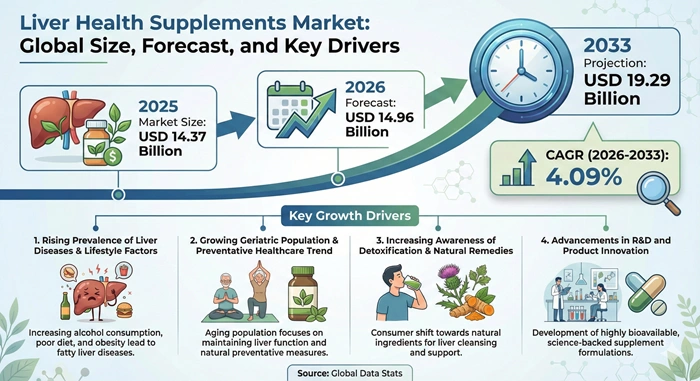
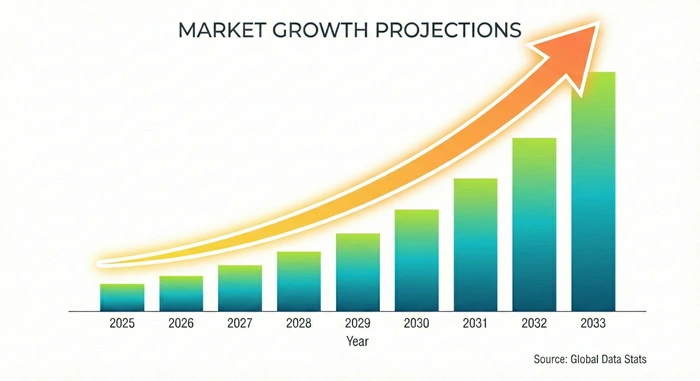
The global liver health supplements market size is valued at USD 14.37 billion in 2025 and is predicted to increase from USD 14.96 billion in 2026 to approximately USD 19.29 billion by 2033, growing at a CAGR of 4.09% from 2026 to 2033.
Liver health supplements represent specialized nutritional products formulated with active ingredients designed to support liver function, promote detoxification, and protect hepatocytes from damage caused by toxins, alcohol consumption, medications, and metabolic stress. These supplements incorporate diverse ingredients including herbal extracts like milk thistle, turmeric, dandelion root, and artichoke, along with essential vitamins such as vitamin E, vitamin C, and B-complex vitamins, plus minerals including selenium and zinc. The liver performs over 500 vital functions including metabolism, detoxification, protein synthesis, and immune regulation, making its health crucial for overall wellbeing. Growing awareness about preventive healthcare, rising prevalence of liver diseases including non-alcoholic fatty liver disease and hepatitis, and increasing consumer preference for natural wellness solutions are driving robust market expansion.
Healthcare professionals and wellness advocates increasingly emphasize liver health maintenance as a cornerstone of metabolic wellness and disease prevention strategies. Modern lifestyle factors including poor dietary habits, excessive alcohol consumption, sedentary behavior, environmental toxin exposure, and rising obesity rates contribute to escalating liver disease burden globally. The liver health supplements market benefits from growing scientific evidence validating the hepatoprotective properties of botanical compounds, particularly silymarin from milk thistle and curcumin from turmeric, which demonstrate antioxidant, anti-inflammatory, and regenerative effects. Expanding distribution channels through e-commerce platforms, increasing product availability in pharmacies and health food stores, and aggressive marketing campaigns by supplement manufacturers are making liver support products accessible to broader consumer segments worldwide.
AI Impact on the Liver Health Supplements Industry
Personalized Nutrition Platforms and Data-Driven Formulation Development Transforming Product Innovation
Artificial intelligence technologies are revolutionizing how supplement manufacturers develop, market, and deliver liver health products to consumers seeking personalized wellness solutions. Advanced machine learning algorithms now analyze comprehensive consumer data including genetic markers, lifestyle factors, dietary patterns, environmental exposures, and health biomarkers to recommend customized liver support supplement regimens tailored to individual risk profiles and health goals. AI-powered platforms enable direct-to-consumer companies to create bespoke formulations that address specific needs such as alcohol-related liver stress, medication-induced hepatotoxicity, or fatty liver prevention. These intelligent systems continuously learn from user feedback, clinical outcomes, and emerging research to refine recommendations and optimize product formulations. Manufacturers leveraging AI capabilities report significant improvements in customer satisfaction, product efficacy, and brand loyalty through personalized approaches that deliver superior value compared to one-size-fits-all solutions.
Natural language processing and sentiment analysis tools powered by artificial intelligence are providing supplement companies with unprecedented insights into consumer preferences, concerns, and purchasing behaviors within the liver health supplements market. AI systems analyze millions of social media posts, product reviews, forum discussions, and search queries to identify emerging trends, unmet needs, and competitive opportunities. These insights guide research and development priorities, marketing messaging, and product positioning strategies that resonate with target audiences. Virtual health assistants and chatbots equipped with AI capabilities provide personalized product recommendations, answer consumer questions about liver health, and offer educational content that builds trust and drives purchasing decisions. As AI technologies mature and consumer expectations for personalized wellness solutions increase, manufacturers integrating advanced data analytics and machine learning into their business models will gain competitive advantages in capturing market share and building lasting customer relationships.
Growth Factors
Rising NAFLD Prevalence and Preventive Healthcare Adoption Fueling Market Expansion
The surging global prevalence of non-alcoholic fatty liver disease represents the primary catalyst driving liver health supplements market growth across developed and developing economies. Epidemiological studies demonstrate that NAFLD currently affects approximately 38 to 39 percent of the global population, with forecasted prevalence exceeding 55 percent by 2040 due to rising obesity rates, sedentary lifestyles, and increasing type 2 diabetes incidence. The condition's silent progression often goes undetected until significant liver damage occurs, creating heightened awareness among at-risk individuals who seek preventive interventions including dietary supplements. Healthcare professionals increasingly recommend liver support supplements containing milk thistle, turmeric, and antioxidants as complementary therapies for patients with early-stage fatty liver disease. Consumer education campaigns by public health organizations highlighting NAFLD risks and prevention strategies are translating into higher supplement adoption rates among individuals concerned about maintaining optimal liver function before disease onset.
The global shift toward preventive healthcare and wellness-oriented lifestyles is generating sustained demand for liver health supplements among health-conscious consumers prioritizing organ function optimization. Modern consumers increasingly invest in nutritional supplements targeting specific organs and bodily systems rather than waiting for disease diagnosis to initiate treatment. This proactive approach aligns with broader wellness trends emphasizing natural, non-pharmaceutical interventions for health maintenance. The liver health supplements market benefits from growing recognition that lifestyle factors including alcohol consumption, processed food intake, and environmental toxin exposure stress liver function, creating opportunities for botanical supplements to provide protective benefits. Social media influencers, wellness bloggers, and celebrity endorsements amplify supplement awareness and normalize their use as standard components of comprehensive health regimens. As preventive healthcare philosophies permeate mainstream consumer consciousness globally, demand for liver support products will continue expanding across diverse demographic segments.
Market Outlook
Product Innovation and Distribution Channel Diversification Reshaping Competitive Dynamics
The liver health supplements market is experiencing dynamic transformation characterized by intense product innovation, ingredient diversification, and formulation sophistication. Manufacturers are developing next-generation supplements incorporating proprietary botanical extract blends, enhanced bioavailability technologies, and synergistic ingredient combinations that deliver superior efficacy compared to single-ingredient formulations. Research into novel hepatoprotective compounds including reishi mushroom, schisandra berry, and N-acetylcysteine is expanding the ingredient palette available to formulators. Companies are introducing specialized products targeting specific consumer segments including alcohol drinkers, medication users requiring hepatoprotection, fitness enthusiasts supporting detoxification, and individuals with metabolic syndrome risk factors. The competitive landscape features established supplement giants leveraging brand recognition and distribution advantages while niche wellness companies capture market share through innovative positioning, premium pricing strategies, and direct-to-consumer engagement models emphasizing authenticity and transparency.
Geographic market expansion into high-growth emerging economies presents substantial opportunities despite challenges related to regulatory complexity, consumer awareness limitations, and cultural preferences for traditional medicine approaches. Asia Pacific countries demonstrate particularly strong growth potential driven by large populations, rising middle-class incomes, increasing healthcare expenditure, and cultural affinity for herbal remedies aligned with supplement ingredient profiles. However, regulatory frameworks governing supplement manufacturing, labeling, and health claims vary significantly across countries, requiring manufacturers to navigate complex compliance requirements. Limited consumer education about liver health importance in certain regions necessitates substantial investment in awareness campaigns and healthcare professional engagement to build markets. Western supplement companies entering Asian markets must adapt formulations and marketing approaches to align with local preferences, traditional medicine systems, and cultural health beliefs while competing against established domestic herbal medicine brands.
Expert Speaks
-
Wellness industry executives emphasize that liver health has emerged as a critical focus area for preventive healthcare, with consumers increasingly recognizing the organ's central role in metabolism, detoxification, and overall wellbeing, driving sustained investment in innovative supplement formulations that deliver measurable health benefits.
-
Nutritional supplement company leaders highlight that the shift toward natural, plant-based ingredients over synthetic compounds is reshaping product development priorities, with botanical extracts like milk thistle and turmeric commanding premium positioning due to extensive scientific validation and strong consumer acceptance.
-
Healthcare product executives note that e-commerce channels and direct-to-consumer business models are revolutionizing how liver health supplements reach consumers, enabling personalized product recommendations, subscription services, and educational content delivery that builds lasting customer relationships and brand loyalty.
Key Report Takeaways
-
North America leads the liver health supplements market with a dominant share of approximately 35 percent, driven by high consumer awareness about liver health importance, rising NAFLD prevalence, extensive supplement adoption culture, and robust retail and e-commerce infrastructure supporting product accessibility.
-
Asia Pacific emerges as the fastest-growing region with the highest projected CAGR during the forecast period, fueled by expanding middle-class populations, rising disposable incomes, increasing liver disease incidence, and strong cultural preferences for herbal and botanical wellness solutions.
-
Organic supplements represent the fastest-growing nature segment, accounting for rapidly expanding market share percentage driven by consumer preferences for chemical-free, sustainably-sourced products and willingness to pay premium prices for certified organic formulations perceived as safer and more effective.
-
Herbal supplements contribute the most significant product segment share, dominating the market due to extensive scientific evidence supporting botanical ingredients like milk thistle and turmeric, strong consumer trust in natural remedies, and continuous innovation in extract standardization and bioavailability enhancement.
-
Tablets maintain the most popular dosage form, holding leadership position as consumers favor convenient, shelf-stable formats with precise dosing, portability for daily supplementation routines, and widespread availability across distribution channels from pharmacies to online retailers.
-
Powders segment will experience rapid future growth with the highest anticipated CAGR percentage as manufacturers introduce versatile formulations that blend into beverages and foods, appeal to younger demographics seeking customizable supplement experiences, and offer cost-effective packaging.
Market Scope
| Report Coverage Details | |
|---|---|
| Market Size by 2033 | USD 19.29 Billion |
| Market Size by 2025 | USD 14.37 Billion |
| Market Size by 2026 | USD 14.96 Billion |
| Market Growth Rate from 2026 to 2033 | CAGR of 4.09% |
| Dominating Region | North America |
| Fastest Growing Region | Asia Pacific |
| Base Year | 2025 |
| Forecast Period | 2026 to 2033 |
| Segments Covered | Product, Dosage Form, Nature, Source, Distribution Channel, Region |
| Regions Covered | North America, Europe, Asia Pacific, Latin America, Middle East & Africa |
Market Dynamics
Driver Impact Analysis
Escalating Liver Disease Burden and Wellness Consciousness Propelling Supplement Adoption
| Factor | Details |
|---|---|
| Approximate Impact on CAGR Forecast | +1.8% to +2.1% |
| Geographic Relevance | Global (Highest in North America and Asia Pacific) |
| Impact Timeline | Immediate and Sustained (2026-2033) |
The accelerating global prevalence of liver diseases including non-alcoholic fatty liver disease, hepatitis, cirrhosis, and liver cancer is creating substantial demand for preventive and supportive interventions within the liver health supplements market. Non-alcoholic fatty liver disease now affects approximately 38 to 39 percent of the global population, with epidemiological forecasts projecting prevalence exceeding 55 percent by 2040 driven by obesity epidemic, sedentary lifestyles, and rising type 2 diabetes incidence worldwide. The condition's silent progression without obvious symptoms until advanced stages heightens concern among at-risk individuals seeking proactive measures to prevent or reverse early-stage fatty infiltration. Healthcare providers increasingly recommend dietary supplements containing hepatoprotective botanicals like milk thistle as complementary therapies supporting conventional medical management. Scientific evidence demonstrating that silymarin reduces liver enzyme elevations, decreases inflammation markers, and supports hepatocyte regeneration validates clinical recommendations and consumer adoption.
The global paradigm shift toward preventive healthcare and wellness-oriented lifestyles is fundamentally transforming consumer attitudes toward nutritional supplementation for organ health maintenance. Modern consumers increasingly prioritize investments in preventive products that support optimal physiological function rather than waiting for disease diagnosis to initiate interventions. This proactive philosophy aligns with broader wellness trends emphasizing natural, botanical-based solutions over pharmaceutical approaches. The liver health supplements market benefits from extensive media coverage highlighting liver function importance, celebrity endorsements of detoxification protocols, and social media influencer promotion of supplement routines. Educational campaigns by supplement manufacturers, healthcare organizations, and wellness advocates are raising awareness about how alcohol consumption, processed food intake, medication use, and environmental toxin exposure stress liver function. As preventive healthcare consciousness permeates mainstream consumer behavior globally, demand for liver support products will continue expanding across diverse age groups, income levels, and geographic markets throughout the forecast period.
Restraints Impact Analysis
Limited Clinical Evidence and Regulatory Scrutiny Constraining Market Growth
| Factor | Details |
|---|---|
| Approximate Impact on CAGR Forecast | -0.7% to -1.0% |
| Geographic Relevance | Global (Particularly Europe and North America) |
| Impact Timeline | Short to Medium Term (2026-2029) |
The limited availability of robust clinical evidence validating efficacy for many liver health supplements presents a significant challenge constraining market expansion and consumer confidence. While certain ingredients like milk thistle's silymarin demonstrate substantial research support through multiple clinical trials, many other botanical compounds marketed for liver health lack rigorous scientific validation through well-designed, placebo-controlled studies. Healthcare professionals remain cautious about recommending supplements without solid evidence bases, limiting prescription-driven demand. Some studies published in medical journals have identified potential hepatotoxicity risks associated with certain herbal supplements, creating concern among consumers and regulatory authorities. This scientific uncertainty makes informed decision-making difficult for consumers evaluating competing products with varying ingredient profiles and quality standards. The supplement industry's historical challenges with overstated health claims and insufficient quality control contribute to skepticism among educated consumers who demand evidence-based products.
Increasing regulatory scrutiny and evolving compliance requirements in major markets are creating operational challenges and potential barriers to market entry for liver health supplements manufacturers. Regulatory authorities including the FDA in the United States, European Food Safety Authority, and similar agencies globally are strengthening oversight of dietary supplements through enhanced manufacturing standards, stricter labeling requirements, and aggressive enforcement against misleading health claims. Companies must navigate complex regulatory landscapes that vary significantly across countries, requiring substantial legal and compliance investments. Recent regulatory actions against supplements making unsubstantiated liver protection claims have created uncertainty and caution within the industry. Some markets are implementing mandatory product registration systems, pre-market approval requirements, and stringent adverse event reporting obligations that increase costs and slow product launches. As regulatory frameworks continue tightening in response to safety concerns and consumer protection imperatives, manufacturers face mounting compliance burdens that may constrain innovation, increase prices, and consolidate the competitive landscape around larger companies with regulatory expertise and financial resources.
Opportunities Impact Analysis
Personalized Nutrition and Novel Ingredient Discovery Creating Growth Avenues
| Factor | Details |
|---|---|
| Approximate Impact on CAGR Forecast | +1.1% to +1.5% |
| Geographic Relevance | North America, Europe, Asia Pacific (Advanced Markets) |
| Impact Timeline | Medium to Long Term (2027-2033) |
The emerging trend toward personalized nutrition and customized supplement formulations represents a significant opportunity for liver health supplements market expansion and product differentiation. Advances in genetic testing, biomarker analysis, and digital health platforms enable companies to offer tailored supplement recommendations based on individual risk factors, metabolic profiles, lifestyle habits, and health goals. Direct-to-consumer companies are launching subscription services that deliver personalized liver support formulations adjusted based on ongoing health data tracking and user feedback. This customization approach commands premium pricing while building strong customer loyalty through demonstrable value delivery. The growing consumer sophistication regarding nutritional science and willingness to invest in personalized wellness solutions creates favorable conditions for companies developing adaptive supplement systems. Integration with wearable devices, mobile health applications, and telemedicine platforms positions liver health supplements within comprehensive digital health ecosystems that appeal to technology-savvy consumers seeking data-driven wellness optimization.
Research into novel hepatoprotective compounds from traditional medicine systems and natural sources is expanding the ingredient portfolio available to liver health supplements formulators. Scientific investigation of mushroom species including reishi, cordyceps, and turkey tail demonstrates promising liver-protective properties through immune modulation, antioxidant activity, and anti-inflammatory mechanisms. Traditional Chinese medicine and Ayurvedic herbal ingredients are gaining recognition in Western markets as consumers embrace diverse cultural wellness traditions. Emerging interest in marine-derived compounds, fermented botanicals, and rare plant extracts creates opportunities for product innovation and premium positioning. Companies investing in clinical research validating novel ingredients, securing intellectual property protection for proprietary formulations, and building compelling brand narratives around ingredient sourcing and efficacy will capture market share among consumers seeking cutting-edge, science-backed liver support solutions. Partnerships between supplement manufacturers and academic research institutions can accelerate discovery, validation, and commercialization of next-generation hepatoprotective compounds.
Segment Analysis
Herbal Supplements
Dominant Product Category Supported by Extensive Research and Consumer Trust in Botanical Remedies
The herbal supplements segment commands the largest share within the liver health supplements market and is projected to maintain its leadership position throughout the forecast period with steady growth rates. This segment's dominance reflects strong consumer preference for natural, plant-based ingredients over synthetic compounds, extensive scientific evidence supporting hepatoprotective properties of key botanicals, and deep cultural traditions of herbal medicine across global populations. Milk thistle stands as the cornerstone ingredient within this segment, with its active compound silymarin demonstrating robust antioxidant, anti-inflammatory, and hepatocyte regeneration properties validated through numerous clinical trials. Turmeric's curcumin component has gained substantial traction for its anti-inflammatory and antioxidant benefits supporting liver health. Additional botanical ingredients including dandelion root, artichoke extract, schisandra berry, and burdock root round out herbal formulations targeting comprehensive liver support. Manufacturers continuously innovate through standardized extract technologies ensuring consistent active compound concentrations, enhanced bioavailability formulations overcoming curcumin's poor absorption, and synergistic blends combining multiple botanicals for amplified effects.
North America and Europe represent the strongest markets for herbal liver supplements, driven by high consumer awareness about botanical medicine benefits, extensive availability through health food stores and pharmacies, and supportive regulatory frameworks acknowledging traditional herbal medicine roles. Leading companies serving these regions include Nature's Bounty, Jarrow Formulas, and NOW Foods, which maintain comprehensive herbal supplement portfolios with rigorous quality testing and transparent sourcing practices. Asia Pacific is experiencing the fastest herbal segment growth as traditional medicine practices intersect with modern supplement formats, rising middle-class populations seek preventive health solutions, and increasing liver disease prevalence drives demand for natural interventions. The segment benefits from growing clinical evidence validating botanical efficacy, expanding organic certification programs meeting consumer demand for pesticide-free ingredients, and continuous innovation in delivery systems including liquid extracts, liposomal formulations, and nanoemulsions enhancing absorption. Healthcare practitioners increasingly recommend herbal liver supplements as complementary therapies, further legitimizing their role within comprehensive liver health management strategies.
Tablets
Leading Dosage Form Segment Driven by Convenience and Consumer Familiarity
The tablets segment accounts for the highest market share within the liver health supplements market based on dosage form classification and is anticipated to maintain steady growth throughout the forecast period. Tablets' dominant position reflects their unmatched convenience, portability, precise dosing accuracy, extended shelf stability, and widespread consumer familiarity with this traditional supplement format. The dosage form enables manufacturers to incorporate precise ingredient quantities, ensure consistent product quality, and provide clear usage instructions that support compliance with recommended supplementation regimens. Tablets suit consumers seeking straightforward, no-preparation-required supplementation that integrates seamlessly into daily routines whether at home, work, or while traveling. The format's cost-effectiveness from manufacturing efficiency and packaging economies makes tablets accessible across diverse income levels. Technological advances in tablet formulation including enteric coatings protecting sensitive ingredients from stomach acid degradation, sustained-release mechanisms providing extended nutrient delivery, and chewable formats improving palatability are expanding tablets' appeal across consumer segments.
North America leads the tablets segment with approximately 35 to 36 percent share, supported by established consumer preference for tablet formats, extensive retail shelf space allocation in pharmacies and supermarkets, and strong distribution infrastructure ensuring product availability. Key market participants including Himalaya Wellness, Enzymedica, and Nature's Bounty maintain dominant positions through comprehensive tablet-based product lines addressing diverse liver health needs from basic support to intensive detoxification protocols. Europe demonstrates similar adoption patterns driven by aging populations preferring familiar supplement formats and healthcare systems increasingly recommending evidence-based nutritional interventions. Asia Pacific is witnessing robust tablets segment growth as Western-style supplement consumption patterns penetrate markets traditionally dominated by liquid tonics and herbal preparations. The segment benefits from continuous packaging innovations including blister packs ensuring freshness, child-resistant closures meeting safety requirements, and travel-friendly bottle designs supporting on-the-go supplementation. Healthcare retailers favor tablets for their straightforward merchandising, clear labeling capabilities, and standardized sizing enabling efficient shelf management across product lines.
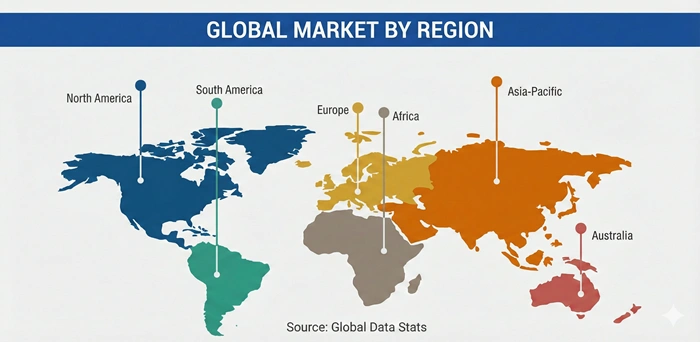
Regional Insights
North America
Dominant Market Leader Driven by High Awareness and Robust Supplement Culture
North America maintains its position as the dominant region in the liver health supplements market, commanding approximately 35 percent of global market share in 2025. The region is projected to grow at a steady CAGR throughout the forecast period, driven by exceptionally high consumer awareness about liver health importance, rising prevalence of NAFLD affecting an estimated 100 million Americans, and deeply embedded supplement consumption culture where approximately 77 percent of adults regularly use dietary supplements. The United States represents the largest country market within the region, where modern lifestyle factors including obesity epidemic, excessive alcohol consumption, and high processed food intake create substantial at-risk populations seeking preventive liver support interventions. Healthcare providers increasingly recommend liver supplements as complementary therapies for patients with elevated liver enzymes, fatty liver diagnosis, or medication regimens potentially stressing hepatic function. Public health campaigns highlighting NAFLD risks and prevention strategies amplify consumer concern and supplement adoption.
The region benefits from strong presence of leading liver health supplements manufacturers including Nature's Bounty, Jarrow Formulas, NOW Foods, and Enzymedica, which maintain extensive distribution networks spanning pharmacies, health food retailers, mass merchandisers, and e-commerce platforms ensuring widespread product accessibility. North American consumers demonstrate high willingness to invest in premium supplements offering organic certification, third-party testing verification, enhanced bioavailability technologies, and comprehensive ingredient transparency. The region's emphasis on evidence-based wellness, supported by extensive media coverage of nutritional research and active supplement industry marketing, creates favorable conditions for continuous market expansion. Regulatory frameworks under the Dietary Supplement Health and Education Act provide clear guidelines while allowing manufacturers flexibility in product development and health claim communication. E-commerce penetration exceeding 50 percent of supplement sales enables direct-to-consumer brands to build relationships through educational content, subscription models, and personalized product recommendations that drive customer lifetime value.
Asia Pacific
Fastest Growing Region Fueled by Rising Incomes and Cultural Affinity for Herbal Medicine
Asia Pacific is emerging as the fastest-growing region in the liver health supplements market, projected to achieve the highest CAGR during the forecast period from 2026 to 2033. The region's rapid market expansion is fueled by large populations exceeding 4 billion individuals, rising disposable incomes among expanding middle-class segments, increasing healthcare expenditure, and growing liver disease prevalence linked to alcohol consumption, viral hepatitis, and metabolic syndrome. Countries including China, India, Japan, South Korea, and Australia are experiencing demographic and lifestyle transitions creating substantial supplement demand. Cultural preferences for herbal remedies and traditional medicine practices align naturally with liver health supplements' botanical ingredient profiles, facilitating consumer acceptance. Urbanization trends, Western dietary pattern adoption, and sedentary lifestyle proliferation are elevating liver disease risks, driving awareness about preventive health measures including supplement interventions.
The region's supplement market infrastructure is rapidly evolving through expanding e-commerce platforms including Alibaba, JD.com, and regional online retailers making products accessible across geographically dispersed populations. Key market players expanding their Asia Pacific presence include Himalaya Wellness, Swisse Wellness, and Integria Healthcare, which adapt product formulations and marketing approaches to align with local preferences, regulatory requirements, and cultural health beliefs. China represents the largest market opportunity with massive population, rising health consciousness, and government initiatives promoting preventive healthcare and traditional Chinese medicine integration with modern wellness products. India demonstrates strong growth potential driven by extensive Ayurvedic medicine traditions, increasing chronic disease burden, and expanding pharmaceutical retail infrastructure. Despite robust growth momentum, the region faces challenges including variable regulatory frameworks across countries, limited consumer education about liver health in rural areas, and price sensitivity constraining premium product adoption. Manufacturers pursuing Asia Pacific opportunities through localized product development, strategic partnerships with regional distributors, and investment in consumer education will capture substantial market share as the region's supplement market matures.
Top Key Players
-
Himalaya Wellness Company (India)
-
Nature's Bounty (United States)
-
Jarrow Formulas Inc. (United States)
-
NOW Foods (United States)
-
Swisse Wellness Pty Ltd. (Australia)
-
Enzymedica (United States)
-
Integria Healthcare (Australia) Pty Ltd. (Australia)
-
Irwin Naturals (United States)
-
Gaia Herbs (United States)
-
Nature's Craft (United States)
-
Nutralife Health Products Inc. (United States)
-
Garden of Life (United States)
Recent Developments
-
Rasayanam (February 2026) – Launched Liver Detox, a comprehensive natural supplement formulated to support fatty liver grade 1 management, improve digestive function, balance liver enzyme levels, and promote long-term hepatic health through Ayurvedic botanical ingredients.
-
Plexus Worldwide (June 2024) – Announced the anticipated launch of Restore, an innovative liver support and detoxification product designed to empower individuals seeking enhanced natural detoxification assistance and comprehensive liver function optimization through proprietary ingredient blend.
-
Cymbiotika (January 2024) – Unveiled Liver Health Plus, a groundbreaking supplement formula offering multiple benefits including inflammation reduction, enhanced detoxification capacity, liver tissue regeneration support, prevention of liver damage, and bile production support through advanced liposomal delivery technology.
-
Garden of Life (February 2022) – Introduced beet root supplements to its comprehensive product collection, specifically developed to promote liver function, support cardiovascular health, enhance cellular anti-aging processes, and deliver the full nutritional benefits of organic beets through whole-food formulation.
-
BioAdaptives (2024) – Announced development of VeganHepPlus, a novel all-natural, completely plant-based supplement designed to support healthy liver function using proprietary botanical extracts and bioactive compounds validated through clinical research for hepatoprotective efficacy.
Market Trends
Clean Label Transparency and Functional Mushroom Integration Reshaping Product Development
The demand for clean label products with complete ingredient transparency, third-party testing verification, and sustainable sourcing practices represents a transformative trend reshaping the liver health supplements market. Modern consumers increasingly scrutinize supplement labels, seeking formulations free from artificial additives, synthetic fillers, unnecessary binders, and potential allergens. They prioritize products with organic certification, non-GMO verification, and clear disclosure of ingredient origins, manufacturing locations, and quality assurance processes. This transparency imperative is driving manufacturers to reformulate existing products, invest in superior raw material sourcing, and implement rigorous testing protocols including heavy metal analysis, microbiological screening, and active compound verification. Companies embracing transparency through detailed certificates of analysis, batch-specific test results, and direct communication about manufacturing practices are building trust and commanding premium pricing. The trend extends beyond ingredient lists to encompass ethical considerations including fair trade sourcing, environmental sustainability, animal welfare, and social responsibility initiatives that resonate with values-driven consumers.
The integration of functional mushrooms and adaptogenic herbs into liver health supplements formulations represents an emerging trend capturing consumer imagination and expanding the ingredient landscape beyond traditional botanicals. Mushroom species including reishi, turkey tail, cordyceps, and lion's mane are gaining recognition for their hepatoprotective properties through immune modulation, antioxidant activity, and anti-inflammatory mechanisms supported by preliminary research. These functional fungi align with consumer interest in holistic wellness approaches, traditional medicine systems, and novel ingredient exploration beyond conventional supplements. Adaptogenic herbs including ashwagandha, rhodiola, and schisandra are being incorporated into liver support formulations for their stress-modulating properties and potential to support overall metabolic health. Manufacturers developing innovative combination products blending traditional liver support botanicals with functional mushrooms and adaptogens are capturing early adopter segments willing to experiment with cutting-edge formulations. As scientific research continues validating these emerging ingredients and consumer awareness grows through wellness media coverage and influencer promotion, functional mushroom integration will accelerate throughout the forecast period.
Segments Covered in the Report
By Product
-
Herbal Supplements (Milk Thistle, Turmeric, Dandelion Root, Artichoke Extract, Others)
-
Vitamins & Minerals (Vitamin E, Vitamin C, B-Complex, Selenium, Zinc)
-
Others (Amino Acids, Probiotics, Omega-3 Fatty Acids)
By Dosage Form
-
Tablets
-
Capsules
-
Liquids (Tinctures, Syrups)
-
Powders
-
Others (Gummies, Soft Gels)
By Nature
-
Organic
-
Conventional
By Source
-
Botanicals
-
Animal-Based
-
Others (Synthetic, Mineral-Based)
By Distribution Channel
-
Online Retailers (Company Websites, E-commerce Platforms)
-
Pharmacies (Independent, Chain)
-
Supermarkets/Hypermarkets
-
Others (Health Food Stores, Direct Sales)
By Region
-
North America (United States, Canada, Mexico)
-
Europe (Germany, United Kingdom, France, Italy, Spain, Rest of Europe)
-
Asia Pacific (China, Japan, India, Australia, South Korea, Rest of Asia Pacific)
-
Latin America (Brazil, Argentina, Rest of Latin America)
-
Middle East & Africa (GCC Countries, South Africa, Rest of Middle East & Africa)
Frequently Asked Questions
Question 1: What is the projected size of the liver health supplements market by 2033?
Answer: The liver health supplements market is projected to reach USD 19.29 billion by 2033, growing from USD 14.96 billion in 2026 at a CAGR of 4.09 percent during the forecast period. This growth is driven by rising NAFLD prevalence and increasing preventive healthcare adoption globally.
Question 2: Which factors are driving growth in the liver health supplements market?
Answer: Rising non-alcoholic fatty liver disease prevalence affecting approximately 38 to 39 percent of global population and increasing consumer focus on preventive healthcare are primary drivers. Additionally, growing scientific evidence supporting botanical ingredients and expanding e-commerce distribution channels are accelerating liver health supplements market expansion.
Question 3: Which region dominates the liver health supplements market currently?
Answer: North America dominates the liver health supplements market with approximately 35 percent share, supported by high consumer awareness and robust supplement consumption culture. The region maintains strong adoption rates across retail channels including pharmacies, health stores, and e-commerce platforms serving health-conscious consumers.
Question 4: What are the key ingredients in the liver health supplements market?
Answer: The liver health supplements market features milk thistle as the leading botanical ingredient due to silymarin's proven hepatoprotective properties. Other key ingredients include turmeric, dandelion root, artichoke extract, plus essential vitamins and minerals supporting liver function and detoxification processes.
Question 5: Which product segment leads the liver health supplements market?
Answer: Herbal supplements lead the liver health supplements market due to extensive scientific evidence supporting botanical efficacy and strong consumer preference for natural remedies. These products dominate market share through continuous innovation in extract standardization, bioavailability enhancement, and synergistic formulation development.