
Leuprolide Acetate Market Overview
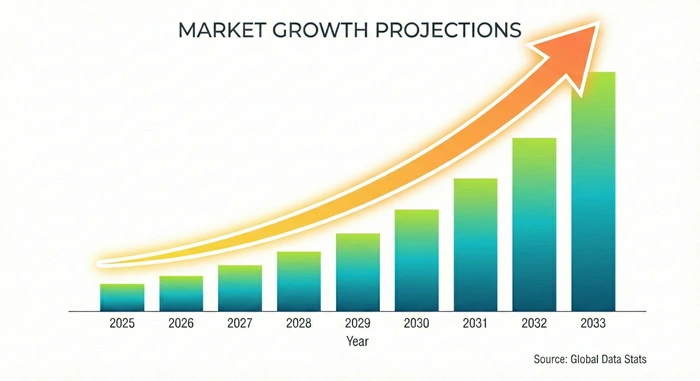
The global leuprolide acetate market size is valued at USD 1.7 billion in 2025 and is predicted to increase from USD 1.82 billion in 2026 to approximately USD 2.8 billion by 2033, growing at a CAGR of 6.4% from 2026 to 2033.
Leuprolide acetate is a synthetic GnRH agonist with a well-established clinical history spanning more than four decades, widely prescribed for hormone-sensitive conditions including prostate cancer, endometriosis, uterine fibroids, and central precocious puberty. Its ability to suppress sex hormone production through continuous GnRH receptor stimulation has made it a cornerstone therapeutic agent in both oncology and gynecology. As the global burden of hormone-sensitive cancers and reproductive disorders continues to grow, and as long-acting depot formulations improve patient adherence and convenience, the leuprolide acetate market remains on a steady trajectory of commercial growth through the forecast period.

AI Impact on the Leuprolide Acetate Industry
Artificial Intelligence Is Reshaping Patient Stratification, Treatment Monitoring, and Drug Delivery Innovation Across the Leuprolide Acetate Market, Driving More Precise and Personalized Hormonal Therapy Management
Artificial intelligence is beginning to influence how leuprolide acetate is prescribed, monitored, and optimized for individual patients. AI-driven clinical decision support tools are helping oncologists and gynecologists identify the most appropriate candidates for long-term GnRH agonist therapy based on detailed analysis of patient demographics, hormone level trajectories, comorbidities, and treatment response data. These platforms are improving prescribing precision and reducing the time required to adjust therapy regimens when patients exhibit suboptimal responses, ultimately improving clinical outcomes while reducing unnecessary drug exposure. In prostate cancer management in particular, AI-assisted testosterone suppression monitoring is helping physicians maintain patients within the optimal castrate range more consistently over extended treatment periods.
Beyond clinical management, AI is accelerating drug delivery innovation within the leuprolide acetate space. Pharmaceutical technology companies are leveraging machine learning models to optimize microsphere and polymeric matrix formulations used in depot injection products, improving drug release kinetics and reducing batch-to-batch variability in manufacturing. AI-powered formulation design tools are also supporting the development of next-generation subcutaneous implant systems and long-acting injectable platforms that could extend dosing intervals beyond the current six-month standard, meaningfully improving patient quality of life. These technological advances are expected to strengthen the competitive positioning of innovative leuprolide acetate products against emerging GnRH antagonist alternatives throughout the forecast period.
Growth Factors
Rising Prostate Cancer and Endometriosis Incidence, Expanding Long-Acting Depot Formulations, and Growing Generic Market Penetration Are the Primary Growth Drivers of the Leuprolide Acetate Market
The most consistent growth driver for the leuprolide acetate market is the steady increase in the global prevalence of prostate cancer — the primary indication driving the highest share of leuprolide acetate prescriptions worldwide. Prostate cancer is now the second most commonly diagnosed cancer in men globally, and androgen deprivation therapy using GnRH agonists such as leuprolide acetate remains the standard of care for advanced, metastatic, and biochemically recurrent disease. An aging global male population, improving prostate cancer screening programs expanding the diagnosed patient base, and growing clinical adoption of combination hormone therapy protocols incorporating leuprolide acetate are all contributing to sustained prescription volume growth that underpins market revenue expansion.
The expanding portfolio of long-acting leuprolide acetate depot formulations is simultaneously driving market growth by improving patient adherence and broadening the addressable clinical market. Three-month and six-month depot injections have largely replaced monthly formulations in many markets, reducing the frequency of clinic visits required for administration and improving patient quality of life. This shift toward more convenient extended-release formulations supports premium pricing and drives higher per-patient annual treatment revenue for manufacturers. Simultaneously, the availability of affordable generic leuprolide acetate products — following the expiry of original branded formulation patents — has significantly expanded market access in price-sensitive geographies, growing overall prescription volumes and bringing a larger patient population into regular treatment.
Market Outlook
The Leuprolide Acetate Market Is Positioned for Steady Growth Through 2033, Supported by Continued Oncology Demand, New Indication Expansion, and the Growing Role of GnRH Agonists in Fertility and Reproductive Medicine
The long-term outlook for the leuprolide acetate market is stable and positive, underpinned by the broad clinical utility of the drug across multiple indication areas and a robust generic manufacturing ecosystem that ensures sustained supply and access across all major markets. In oncology, leuprolide acetate faces incremental competition from GnRH antagonists such as degarelix and relugolix, which offer faster testosterone suppression and are gaining prescribing traction in certain patient populations. However, the deep entrenchment of leuprolide acetate in clinical practice, its long safety track record, and the widespread availability of affordable generic formulations ensure it will remain a high-volume prescribing choice for hormone-sensitive cancer management through 2033.
Emerging indication areas and expanding clinical applications are providing incremental growth opportunities for the leuprolide acetate market beyond its established oncology and gynecology base. Growing clinical evidence supporting the use of GnRH agonist therapy in gender-affirming care — specifically as puberty suppression therapy in gender-dysphoric adolescents — is creating a new and growing patient population that is contributing meaningfully to prescription volumes in North America and Europe. The drug's established role in assisted reproductive technology protocols, where it is used for ovarian stimulation suppression in IVF cycles, continues to provide a steady and growing revenue stream tied to the global fertility treatment market's consistent expansion.
Expert Speaks
-
AbbVie CEO Richard Gonzalez noted that leuprolide acetate and GnRH agonist therapies continue to form an important pillar of AbbVie's established pharmaceutical portfolio, and that the company's commitment to expanding access to proven hormonal therapies — while simultaneously developing next-generation endocrine oncology assets — reflects its long-term strategy of serving both established clinical needs and emerging treatment paradigms.
-
Pfizer CEO Albert Bourla stated that the consistent global demand for proven androgen deprivation therapies including leuprolide acetate underscores the enduring commercial relevance of well-established oncology drugs, and that Pfizer's focus on manufacturing quality and global supply chain reliability for foundational cancer treatments remains a core part of its broader oncology business strategy.
-
Takeda Pharmaceutical CEO Christophe Weber emphasized that the company's long history with leuprolide acetate — marketed globally under the Lupron brand — represents a flagship example of a medicine that has transformed outcomes for millions of patients across prostate cancer, endometriosis, and precocious puberty, and that continued investment in formulation innovation and patient support programs remains central to Takeda's commitment to this important therapy class.
Key Report Takeaways
-
North America leads the leuprolide acetate market, holding the largest revenue share globally due to the high prevalence of prostate cancer, strong insurance reimbursement frameworks for GnRH agonist therapy, and the extensive commercial infrastructure of major branded and generic leuprolide acetate manufacturers.
-
Asia Pacific is the fastest-growing region, driven by a rapidly expanding elderly male population with rising prostate cancer incidence in China and Japan, increasing adoption of guideline-recommended androgen deprivation therapy protocols, and growing access to affordable generic leuprolide acetate formulations.
-
Hospitals and specialty oncology centers are the dominant end users, managing the majority of prostate cancer androgen deprivation therapy administrations due to the injectable nature of depot formulations and the requirement for clinical monitoring of testosterone suppression.
-
Prostate cancer is the leading application segment, contributing the largest share of leuprolide acetate market revenue globally, driven by high disease prevalence in aging male populations across North America, Europe, and Asia Pacific.
-
The 3-month depot injectable formulation is the most widely prescribed product format, balancing patient convenience with clinical monitoring requirements and representing the preferred administration choice for the majority of prostate cancer hormone therapy patients worldwide.
-
The central precocious puberty application segment is the fastest-growing indication, expected to grow at a CAGR above the overall market average through 2033 with approximately 12% market share, driven by increasing diagnosis rates, growing physician awareness of GnRH agonist therapy for pediatric endocrine disorders, and expanding reimbursement coverage in key markets.
Market Scope
| Report Coverage | Details |
|---|---|
| Market Size by 2033 | USD 2.8 Billion |
| Market Size by 2025 | USD 1.7 Billion |
| Market Size by 2026 | USD 1.82 Billion |
| Market Growth Rate (2026–2033) | CAGR of 6.4% |
| Dominating Region | North America |
| Fastest Growing Region | Asia Pacific |
| Base Year | 2025 |
| Forecast Period | 2026 to 2033 |
| Segments Covered | Formulation, Application, End User, Distribution Channel |
| Regions Covered | North America, Europe, Asia Pacific, Latin America, Middle East & Africa |
Market Dynamics
Drivers Impact Analysis
Rising Prostate Cancer Prevalence, Long-Acting Depot Formulation Adoption, and Expanding Generic Market Access Are the Most Powerful Forces Driving Sustained Growth in the Leuprolide Acetate Market
| Driver | ≈ % Impact on CAGR Forecast | Geographic Relevance | Impact Timeline |
|---|---|---|---|
| Rising global prostate cancer incidence | ~32% | Global | Near to Long-term |
| Expanding adoption of long-acting depot formulations | ~24% | North America, Europe, Asia Pacific | Near to Mid-term |
| Growing generic leuprolide acetate market penetration | ~20% | Global | Near to Mid-term |
| Increasing endometriosis and uterine fibroid diagnosis rates | ~15% | North America, Europe | Mid to Long-term |
| Rising use in fertility treatment and gender-affirming care | ~9% | North America, Europe | Mid-term |
The global rise in prostate cancer incidence is the single most consistent and durable commercial driver of the leuprolide acetate market. With prostate cancer rates climbing in direct correlation with aging male demographics across North America, Europe, and increasingly Asia Pacific, the patient population requiring long-term androgen deprivation therapy is expanding steadily year over year. National cancer screening programs that detect disease earlier are bringing more patients into hormone therapy treatment pathways, many of whom will remain on continuous GnRH agonist therapy for years or even decades, generating sustained prescription volumes that anchor overall market revenue growth throughout the forecast period.
The commercial shift toward three-month and six-month extended-release depot formulations is further elevating per-patient treatment revenue in the leuprolide acetate market. These long-acting microsphere depot products command premium pricing compared to monthly injections while simultaneously improving patient adherence by reducing clinic visit frequency. Manufacturers including Takeda (AbbVie in the U.S.), Tolmar, and Sandoz have invested significantly in developing reliable and consistent long-acting leuprolide depot platforms, and their commercial success has been a key driver of overall market revenue growth. The ongoing development of even longer-acting formulations and alternative delivery systems is expected to sustain this premium pricing dynamic through 2033.
Restraints Impact Analysis
Increasing Competition from GnRH Antagonists, Severe Generic Price Erosion, and Side Effect Profile Concerns Are the Most Significant Restraints Limiting Revenue Growth in the Leuprolide Acetate Market
| Restraint | ≈ % Impact on CAGR Forecast | Geographic Relevance | Impact Timeline |
|---|---|---|---|
| Growing GnRH antagonist competition (relugolix, degarelix) | ~36% | North America, Europe | Near to Mid-term |
| Generic price erosion reducing average selling prices | ~30% | Global | Ongoing |
| Side effect concerns limiting long-term patient adherence | ~20% | Global | Ongoing |
| Oral GnRH antagonist convenience advantage for some patients | ~14% | North America, Europe | Mid-term |
The emergence of oral GnRH antagonists — particularly relugolix, which offers daily oral administration without the testosterone flare associated with GnRH agonists — represents the most significant competitive threat to the leuprolide acetate market. Relugolix's commercial launch under the Orgovyx brand has captured a growing share of the advanced prostate cancer hormone therapy market in the United States, primarily among patients and physicians who prefer oral administration and desire faster, flare-free testosterone suppression. While the overall patient volume impact remains modest relative to total GnRH agonist prescriptions, the trend toward oral therapy preference is expected to intensify through 2033 as relugolix and potential follow-on oral GnRH antagonists gain broader reimbursement and prescriber familiarity.
Generic competition within the depot injectable segment presents the other major structural restraint on market revenue growth. As branded leuprolide acetate depot formulations lose patent protection, multiple generic manufacturers — particularly in India and China — have launched lower-cost equivalents that compete aggressively on price in government and hospital procurement tenders. This intense generic competition is driving significant average selling price compression for branded products, limiting revenue growth even as prescription volumes expand. Companies with branded leuprolide acetate portfolios are responding by investing in next-generation extended-release platforms and improved delivery devices that offer meaningful clinical differentiation from standard generic formulations.
Opportunities Impact Analysis
Next-Generation Long-Acting Implants, Expanding Endometriosis Diagnosis Rates, and GnRH Agonist Use in Fertility Medicine Represent the Most Compelling Growth Opportunities in This Market
| Opportunity | ≈ % Impact on CAGR Forecast | Geographic Relevance | Impact Timeline |
|---|---|---|---|
| Next-generation subcutaneous implant formulations | ~30% | North America, Europe | Mid to Long-term |
| Expanding endometriosis diagnosis and treatment rates | ~28% | North America, Europe, Asia Pacific | Mid to Long-term |
| Growing use in assisted reproductive technology protocols | ~24% | Global | Near to Mid-term |
| Central precocious puberty market expansion | ~18% | North America, Europe, Asia Pacific | Mid-term |
The development of advanced subcutaneous implant and long-acting injectable leuprolide acetate formulations extending dosing intervals beyond six months represents a significant opportunity to reinvigorate premium revenue in this market. Twelve-month implantable depot systems currently in clinical development would eliminate the majority of routine clinic administration visits, offering a compelling convenience advantage over current standard-of-care depot injections. Such innovations would justify meaningfully premium pricing and could recapture market share from oral GnRH antagonists among patients who accept injectable administration in exchange for once-yearly dosing convenience, creating an important commercial differentiation pathway for innovative manufacturers.
The growing global recognition of endometriosis as a serious, underdiagnosed chronic condition is simultaneously creating a meaningful expansion opportunity for leuprolide acetate in the gynecology segment. Historically, endometriosis has suffered from diagnostic delays of seven to ten years on average, but growing patient advocacy, increased healthcare professional education, and improving ultrasound and laparoscopic diagnostic techniques are steadily reducing this gap. As more women receive timely diagnoses and are channeled into appropriate pharmacological management — including GnRH agonist therapy for symptom suppression — the endometriosis indication is expected to contribute a growing share of overall leuprolide acetate prescription volumes and market revenue through 2033.
Segment Analysis
By Formulation
The Injectable Depot Formulation Segment Dominates the Leuprolide Acetate Market, With Long-Acting 3-Month and 6-Month Depots Commanding the Highest Revenue Share and Reflecting the Clear Prescribing Preference of Global Oncology and Gynecology Clinicians
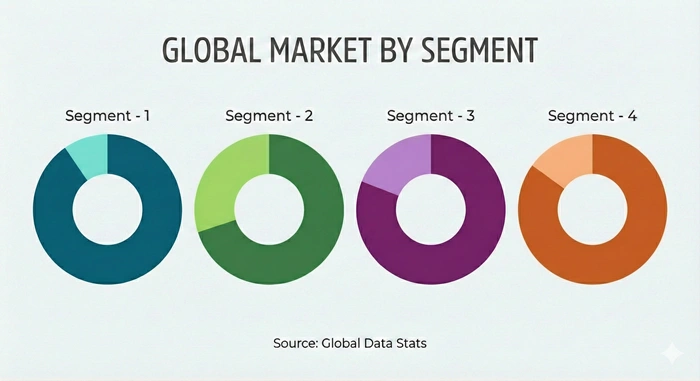
Injectable depot formulations account for approximately 87% of the total leuprolide acetate market revenue, representing the overwhelming dominant product category across all geographies and therapeutic indications. Within this segment, the 3-month depot formulation holds the largest individual share, preferred for its balance between convenient reduced-frequency administration and the flexibility to adjust therapy schedules during active disease management. This segment is expected to grow at a CAGR of approximately 6.1% through 2033, supported by expanding prostate cancer patient volumes, growing endometriosis treatment rates, and the continued commercial strength of established branded depot products from manufacturers including Takeda, Tolmar, and Sandoz. North America dominates this segment, where comprehensive oncology infrastructure ensures consistent administration of injectable depot formulations in both hospital and outpatient specialty clinic settings.
The 6-month extended-release depot formulation represents the fastest-growing sub-segment within the injectable category of the leuprolide acetate market, as prescribers increasingly favor longer dosing intervals for stable, long-term androgen deprivation therapy patients. This sub-segment is particularly gaining commercial traction in Western Europe and Australia, where healthcare systems place high value on reducing the treatment burden of chronic cancer management. Companies such as Tolmar and AbbVie have invested heavily in the commercial development and manufacturing quality assurance of 6-month leuprolide acetate depot formulations, and their products are generating strong prescription uptake among urologists managing patients with non-metastatic castration-sensitive prostate cancer who require long-term continuous hormone suppression therapy.
By Application
Prostate Cancer Dominates Leuprolide Acetate Market Revenue as the Primary Clinical Indication, While Endometriosis and Central Precocious Puberty Emerge as Significant and Fast-Growing Application Segments
Prostate cancer accounts for approximately 52% of the total leuprolide acetate market revenue globally, reflecting the drug's long-standing role as a first-line androgen deprivation therapy in advanced, metastatic, and biochemically recurrent prostate cancer management. The prostate cancer segment is expected to grow at a CAGR of approximately 5.8% through 2033, driven by the aging global male population, increasing screening program uptake, and the growing adoption of combination hormone therapy protocols that incorporate leuprolide acetate alongside novel androgen receptor pathway inhibitors. North America generates the highest prostate cancer indication revenue for the leuprolide acetate market, with AbbVie's Lupron Depot maintaining strong branded prescription share among U.S. urologists and oncologists alongside an expanding range of competitive generic alternatives marketed by Tolmar, Sandoz, and other manufacturers.
Endometriosis is the second-largest and fastest-growing non-oncology application within the leuprolide acetate market, holding approximately 21% of total market share and projected to grow at a CAGR of approximately 7.3% through 2033 as diagnosis rates improve and more patients receive appropriate pharmacological management. Europe is the leading regional market for endometriosis-indication leuprolide acetate revenue, driven by strong gynecology specialist networks, established national treatment guidelines recommending GnRH agonist therapy, and growing patient advocacy raising disease awareness among both patients and healthcare providers. Pharmaceutical companies including AbbVie and Ferring Pharmaceuticals are the primary commercial players in the endometriosis indication segment across European markets, where they compete on formulation innovation, patient support services, and clinical evidence generation to maintain branded prescription preference in an increasingly generic-competitive environment.
Regional Insights
North America
North America Leads the Global Leuprolide Acetate Market, Driven by the Highest Prostate Cancer Diagnosis Rates, Strong Reimbursement for GnRH Agonist Therapy, and the Presence of the World's Largest Branded and Generic Leuprolide Manufacturers
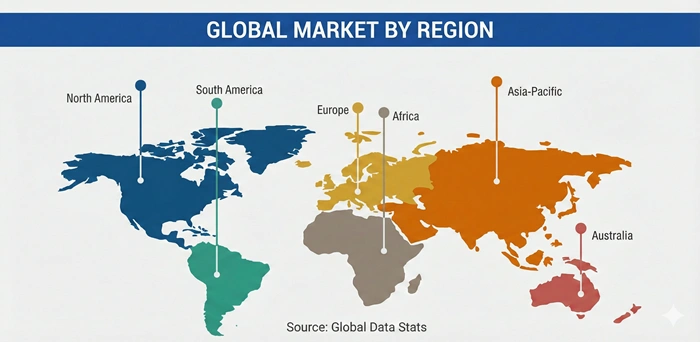
North America holds approximately 42% of the global leuprolide acetate market share and is expected to maintain its dominant position through 2033, growing at a CAGR of approximately 5.9%. The United States is the cornerstone of regional revenue, with prostate cancer remaining the most commonly diagnosed non-skin cancer among American men and androgen deprivation therapy representing the standard of care for advanced and metastatic disease management. Strong Medicare and private insurance reimbursement frameworks for GnRH agonist therapy ensure consistent access to both branded and generic leuprolide acetate depot products across outpatient urology and oncology settings. Key companies with major North American commercial presence include AbbVie (U.S.) — marketing Lupron Depot — alongside Tolmar Pharmaceuticals (U.S.) and Sandoz (Switzerland) competing strongly in the generic depot segment.
Canada contributes meaningfully to North America's regional leadership through its publicly funded provincial cancer care programs that incorporate GnRH agonist therapy as a core component of prostate cancer management protocols. Canadian urologists and medical oncologists follow guidelines closely aligned with U.S. and European standards, supporting consistent leuprolide acetate prescribing patterns across major urban and regional cancer centers. The expanding recognition of endometriosis and central precocious puberty as underdiagnosed conditions in Canada is also generating growing gynecology and pediatric endocrinology prescription volumes for leuprolide acetate, broadening the regional indication base and contributing to steady market revenue growth through the forecast period.
Asia Pacific
Asia Pacific Is the Fastest-Growing Region in the Leuprolide Acetate Market, Powered by a Rapidly Aging Male Population, Rising Prostate Cancer Incidence in China and Japan, and Expanding Generic Drug Manufacturing Capacity
Asia Pacific is the fastest-growing region in the leuprolide acetate market, expected to register a CAGR of approximately 8.2% through 2033, driven primarily by rapidly rising prostate cancer incidence in China, Japan, and South Korea. Japan has long maintained one of Asia's highest prostate cancer diagnosis rates, and its advanced oncology care infrastructure ensures high-quality hormone therapy administration with strong GnRH agonist prescribing rates among urologists. China is experiencing a dramatic increase in prostate cancer detection as PSA screening programs expand in major urban centers, creating a fast-growing new patient population that is entering long-term androgen deprivation therapy protocols and driving significant demand for both branded and generic leuprolide acetate depot formulations. Key companies active in the Asia Pacific region include Takeda Pharmaceutical (Japan), which markets Lupron in Japan, along with domestic Chinese generic manufacturers that are expanding their leuprolide depot product portfolios to capture the growing market opportunity.
India and Southeast Asia are emerging as important medium-term growth contributors to the Asia Pacific leuprolide acetate market. India's large and rapidly aging male population, combined with improving prostate cancer diagnostic infrastructure in major metropolitan hospitals, is generating a growing base of patients requiring hormone therapy. Indian pharmaceutical manufacturers including Sun Pharmaceutical Industries and Dr. Reddy's Laboratories are leveraging their established generic API capabilities to develop competitively priced leuprolide acetate depot products for both domestic consumption and export to other emerging markets. This combination of domestic demand growth and generic manufacturing expansion is expected to position India as a meaningful contributor to regional market revenue growth throughout the 2026–2033 forecast period.
Top Key Players
-
AbbVie Inc. (United States)
-
Takeda Pharmaceutical Company Ltd. (Japan)
-
Tolmar Pharmaceuticals Inc. (United States)
-
Sandoz International GmbH (Novartis) (Switzerland)
-
Ferring Pharmaceuticals (Switzerland)
-
Sun Pharmaceutical Industries Ltd. (India)
-
Dr. Reddy's Laboratories Ltd. (India)
-
Pfizer Inc. (United States)
-
Sanofi S.A. (France)
-
Bayer AG (Germany)
-
Teva Pharmaceutical Industries Ltd. (Israel)
-
Fresenius Kabi AG (Germany)
Recent Developments
-
AbbVie (2025): AbbVie continued to invest in lifecycle management for its Lupron Depot franchise, announcing the initiation of a clinical study evaluating an improved next-generation microsphere formulation designed to deliver more consistent plasma leuprolide levels over the dosing interval, with the goal of sustaining testosterone suppression more reliably in long-term prostate cancer hormone therapy patients.
-
Tolmar Pharmaceuticals (2024): Tolmar received FDA approval for a supplemental new drug application expanding the labeling of its generic leuprolide acetate 6-month depot formulation to include an updated patient administration device, improving ease of use for healthcare professionals and reducing preparation errors during clinic administration, further strengthening its competitive positioning in the U.S. generic depot market.
-
Sandoz (2024–2025): Sandoz expanded its generic leuprolide acetate depot portfolio with new market authorizations in several European Union member states, reinforcing its position as one of the leading generic GnRH agonist suppliers across European hospital and retail pharmacy channels and capitalizing on continued branded product patent expiries in key European markets.
-
Ferring Pharmaceuticals (2025): Ferring Pharmaceuticals advanced its pipeline development of a novel GnRH agonist formulation intended for use in fertility treatment protocols, building on its established expertise in reproductive endocrinology and its existing leuprolide acetate-based product portfolio used in IVF ovarian stimulation suppression regimens globally.
-
Sun Pharmaceutical Industries (2024): Sun Pharmaceutical Industries launched a new leuprolide acetate 3-month depot injectable formulation in the Indian domestic market, targeting the rapidly growing prostate cancer patient population and positioning the company to capture a larger share of the emerging Asian generic GnRH agonist market as leuprolide acetate prescribing rates expand across the region.
Market Trends
Next-Generation Long-Acting Delivery Systems, Increasing Competition from Oral GnRH Antagonists, and the Broadening of Leuprolide Acetate Applications Into Fertility and Gender-Affirming Medicine Are the Defining Trends in This Market
The most transformative commercial trend in the leuprolide acetate market is the accelerating competition from oral GnRH antagonists — particularly relugolix — which are reshaping prescribing dynamics in the prostate cancer androgen deprivation therapy segment. Relugolix offers a daily oral administration alternative to injectable depot therapy, with clinical trial data demonstrating faster and flare-free testosterone suppression and a potentially favorable cardiovascular safety profile compared to GnRH agonists. While injectable leuprolide acetate depots continue to dominate overall prescription volumes due to their established clinical track record and cost advantage through generic availability, the oral antagonist segment is gaining ground among newly diagnosed patients and in markets where oral medication convenience is highly valued. This competitive dynamic is driving leuprolide acetate manufacturers to accelerate innovation in longer-acting and more patient-friendly delivery systems to maintain prescribing preference.
Concurrently, the leuprolide acetate market is experiencing meaningful expansion into non-traditional application areas that are growing the overall indication base. The increasing use of GnRH agonist therapy in gender-affirming care — specifically as puberty suppression therapy for gender-dysphoric adolescents — has generated new prescription demand in North America and Western Europe, a patient population that is contributing growing revenue to the overall market. Similarly, the expanding global fertility treatment industry continues to create steady demand for leuprolide acetate in IVF protocol down-regulation, ensuring a diversified and resilient prescription base that helps offset any competitive pressure from GnRH antagonists in the oncology segment throughout the forecast period.
Segments Covered in the Report
By Formulation
-
Injectable Depot Formulation
-
1-Month Depot
-
3-Month Depot
-
6-Month Depot
-
Implant
-
Others
By Application
-
Prostate Cancer
-
Endometriosis
-
Uterine Fibroids
-
Central Precocious Puberty
-
Others
By End User
-
Hospitals & Clinics
-
Specialty Oncology Centers
-
Ambulatory Surgical Centers
-
Homecare Settings
-
Others
By Distribution Channel
-
Hospital Pharmacies
-
Retail Pharmacies
-
Online Pharmacies
By Region
-
North America
-
Europe
-
Asia Pacific
-
Latin America
-
Middle East & Africa
Frequently Asked Questions
Question 1: What is the current size of the global leuprolide acetate market and what is the projected value by 2033?
Answer: The global leuprolide acetate market is valued at USD 1.7 billion in 2025 and is projected to reach USD 2.8 billion by 2033. The market is expected to grow at a CAGR of 6.4% from 2026 to 2033.
Question 2: What are the key drivers of growth in the leuprolide acetate market?
Answer: The primary growth drivers include the rising global prevalence of prostate cancer and endometriosis, and the expanding adoption of convenient long-acting 3-month and 6-month depot formulations. The growing use of leuprolide acetate in fertility treatment protocols and the increasing diagnosis of central precocious puberty are also contributing meaningfully to market expansion.
Question 3: Which application segment dominates the leuprolide acetate market?
Answer: Prostate cancer is the dominant application segment, accounting for approximately 52% of total leuprolide acetate market revenue globally. Long-term androgen deprivation therapy using leuprolide acetate depot injections remains the standard of care for advanced and metastatic prostate cancer management worldwide.
Question 4: Which region leads the leuprolide acetate market and which is the fastest growing?
Answer: North America leads the leuprolide acetate market with approximately 42% of global revenue share, driven by high prostate cancer diagnosis rates and strong reimbursement frameworks. Asia Pacific is the fastest-growing region, expected to register a CAGR of approximately 8.2% through 2033, driven by rapidly rising prostate cancer incidence and expanding generic manufacturing capacity.
Question 5: How does leuprolide acetate compare to newer GnRH antagonist therapies in the market?
Answer: Leuprolide acetate remains the dominant GnRH agonist therapy globally due to its established clinical track record, broad generic availability, and cost advantages for long-term hormone suppression treatment. However, newer oral GnRH antagonists such as relugolix are gaining prescribing traction for their convenience and flare-free testosterone suppression, driving innovation in next-generation leuprolide acetate delivery systems within the leuprolide acetate market.