
Insulin Pump Market Overview
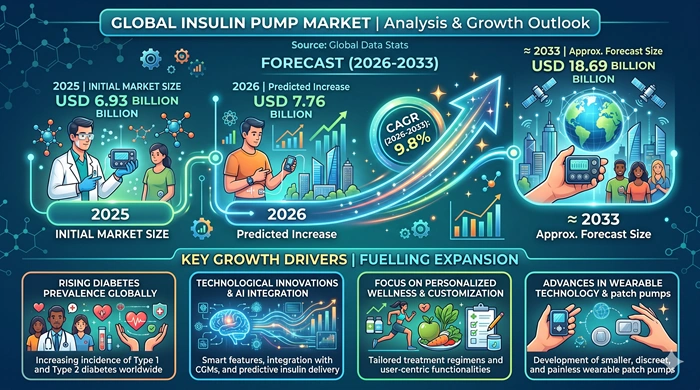
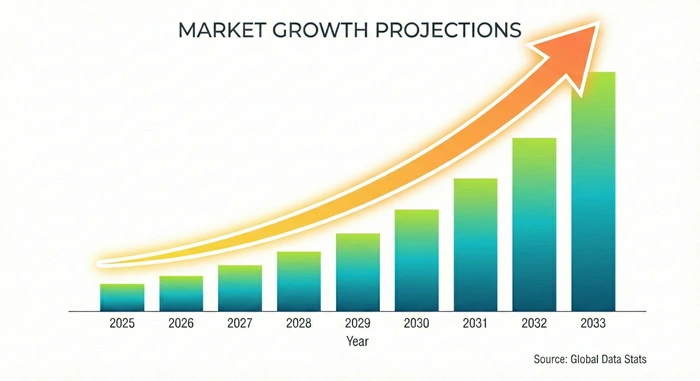
The global insulin pump market size is valued at USD 6.93 billion in 2025 and is predicted to increase from USD 7.76 billion in 2026 to approximately USD 18.69 billion by 2033, growing at a CAGR of 9.8% from 2026 to 2033.
Insulin pumps are advanced medical devices that deliver continuous subcutaneous insulin infusion to individuals with type 1 diabetes and select type 2 diabetes patients — replacing the need for multiple daily injections with a programmable, wearable delivery system that mimics the natural pancreatic insulin secretion pattern more closely than any other current external therapy option. The market is benefiting from rising global diabetes prevalence, accelerating adoption of closed-loop automated insulin delivery systems integrated with continuous glucose monitors, and growing patient and physician preference for technology-driven diabetes management approaches that improve glycemic outcomes and quality of life. The evolution of the insulin pump market from tethered tubing-based systems toward tubeless patch pumps and hybrid closed-loop systems is further expanding the addressable patient population globally.
AI Impact on the Insulin Pump Industry
Artificial Intelligence Is Transforming Insulin Pump Therapy Through Adaptive Closed-Loop Algorithm Development, Predictive Glucose Management, Personalized Insulin Dosing Automation, and AI-Powered Connected Diabetes Management Platform Integration
Artificial intelligence is redefining the clinical capability of insulin pump therapy in ways that represent a genuine paradigm shift in diabetes management. The most consequential AI application in the insulin pump market is the development and refinement of advanced closed-loop automated insulin delivery (AID) algorithms — also known as artificial pancreas systems — that continuously integrate real-time continuous glucose monitor (CGM) data with insulin delivery adjustments to maintain glucose within target ranges with minimal user intervention. Systems like the Medtronic MiniMed 780G, Insulet's Omnipod 5, and Tandem's t:slim X2 with Control-IQ all employ AI-powered algorithm components that learn from individual patient glucose response patterns, adjust basal insulin delivery proactively to prevent hypoglycemia and hyperglycemia, and automate correction bolus delivery — capabilities that were simply not possible with earlier generation insulin pump technology.
Beyond individual device algorithm enhancement, AI is creating value in the insulin pump market through population health analytics platforms that aggregate anonymized device data from connected insulin pumps across large patient cohorts to identify glycemic management patterns, device performance trends, and therapy optimization opportunities at scale. These AI-driven analytics capabilities enable clinical teams to proactively identify patients with suboptimal glycemic control and intervene before complications develop, while simultaneously providing device manufacturers with real-world performance data that accelerates algorithm improvement across successive product generations. The combination of AI-enhanced in-device algorithms and AI-powered connected health platforms is creating a continuously learning insulin delivery ecosystem that is progressively improving clinical outcomes and expanding the patient population that can benefit from insulin pump therapy.
Growth Factors
Escalating Global Type 1 and Insulin-Requiring Type 2 Diabetes Burden, Rapid Adoption of Hybrid Closed-Loop Automated Insulin Delivery Systems, Growing Patient Demand for Wearable Tubeless Patch Pumps, and Expanding Insurance Reimbursement Coverage Are the Core Market Growth Drivers
The relentless growth of the global diabetes burden — particularly the rising incidence of type 1 diabetes in children and adolescents, and the growing proportion of type 2 diabetes patients transitioning to insulin therapy as their disease progresses — is providing the expanding patient base that underpins consistent demand growth in the insulin pump market. Type 1 diabetes patients represent the core commercial base for insulin pump therapy, and the growing advocacy within the diabetes clinical community for early initiation of insulin pump therapy in newly diagnosed type 1 patients — particularly children and adolescents who struggle with the adherence demands of multiple daily injection regimens — is progressively expanding the fraction of the type 1 diabetes population that is eligible for and initiated on insulin pump therapy. The growing evidence base demonstrating superior glycemic outcomes, reduced hypoglycemia rates, and improved quality of life metrics with hybrid closed-loop insulin pump systems compared to multiple daily injections is particularly compelling for patients, families, and payers.
The market shift toward tubeless, patch-based insulin pump designs — exemplified by Insulet's Omnipod platform — is meaningfully expanding the addressable patient population by removing the physical and psychological barriers associated with traditional tethered insulin pump systems. Patch pumps eliminate the external tubing, separate clip-on insulin cartridge, and visible pump unit that many patients find cumbersome, uncomfortable, and socially stigmatizing — making insulin pump therapy accessible and acceptable to a broader patient population that previously declined tethered systems. The Omnipod platform's on-body form factor, simplified pairing with the Omnipod DASH and Omnipod 5 systems, and integration with continuous glucose monitor data for closed-loop automated insulin delivery is driving extraordinary commercial growth for Insulet and establishing the patch pump format as the preferred insulin delivery system for a growing proportion of new insulin pump initiators globally.
Market Outlook
The Insulin Pump Market Is Positioned for Sustained Above-Average Growth Through 2033, Driven by Automated Insulin Delivery Technology Advancement, Expanding Access to Pump Therapy in Emerging Markets, and Growing Type 2 Diabetes Pump Adoption
The commercial outlook for the insulin pump market through 2033 is strongly positive, characterized by accelerating technology-driven product differentiation, expanding geographic market penetration, and the potential for a substantial increase in the addressable patient population through growing insulin pump adoption in insulin-requiring type 2 diabetes — a far larger patient cohort than the type 1 diabetes population that has historically been the primary commercial market for insulin pump therapy. Clinical evidence supporting the benefits of insulin pump therapy in type 2 diabetes patients requiring multiple daily insulin injections — including the Omnipod GO study and related clinical data — is progressively supporting clinical guideline updates and payer coverage decisions that could substantially expand the type 2 diabetes addressable population for the insulin pump market over the forecast period.
Next-generation technology development in the insulin pump market — including fully closed-loop automated insulin delivery systems that require minimal user meal announcement intervention, fully implantable insulin pump platforms, miniaturized smart patch pump designs, and integrated hormone delivery systems that incorporate glucagon alongside insulin for enhanced hypoglycemia prevention — will continue to differentiate the market's premium product tier from earlier generation systems. As these more advanced technologies gain regulatory approval and clinical adoption, the average selling price and value per patient treatment cycle in the insulin pump market is expected to increase — supporting revenue growth above the pace of pure patient population expansion and maintaining above-average market CAGR through the forecast period.
Expert Speaks
-
Geoffrey Martha, Chairman & CEO, Medtronic — "The transformation we are seeing in insulin delivery — from multiple daily injections toward automated closed-loop systems that intelligently adjust insulin delivery based on real-time glucose sensing — represents one of the most meaningful advances in diabetes management in a generation. Our investment in next-generation MiniMed closed-loop technology reflects our commitment to making automated insulin delivery accessible to every person living with insulin-dependent diabetes globally, and the insulin pump market's growth trajectory reflects the genuine clinical and quality-of-life value these systems deliver."
-
Jim Hollingshead, President & CEO, Insulet Corporation — "The insulin pump market is at a genuine inflection point, with the combination of tubeless patch pump design, advanced CGM integration, and AI-powered closed-loop algorithm capabilities now making automated insulin delivery more accessible and more effective than ever before. The commercial success of Omnipod 5 demonstrates that when you remove the barriers of traditional insulin pump therapy and deliver a clinically superior product that fits naturally into patients' lives, the market opportunity expands dramatically — and we have only scratched the surface of the global addressable population for patch pump technology."
-
John Sheridan, President & CEO, Tandem Diabetes Care — "The integration of AI-powered Control-IQ technology with the t:slim X2 insulin pump platform has demonstrated that hybrid closed-loop automated insulin delivery consistently delivers better glycemic outcomes than any previous therapy approach for type 1 diabetes — and we see this clinical evidence base as the foundation for accelerating global adoption of closed-loop insulin pump systems. The insulin pump market is increasingly a technology competition, and companies that invest in superior algorithm development, seamless CGM integration, and patient-centered design will capture the growing global opportunity that rising diabetes prevalence and evolving clinical standards are creating."
Key Report Takeaways
-
North America leads the insulin pump market, holding approximately 47.5% of global revenue in 2025, driven by the world's highest insulin pump adoption rate among type 1 diabetes patients, comprehensive private and public insurance reimbursement coverage for insulin pump therapy and associated continuous glucose monitoring supplies, the strong presence of global market leaders including Medtronic, Insulet, and Tandem Diabetes Care, and established clinical practice guidelines supporting early insulin pump initiation
-
Asia-Pacific is the fastest-growing regional market, projected to expand at a CAGR of over 11.2% through 2033, driven by rapidly growing diabetes prevalence in China, India, Japan, South Korea, and Southeast Asia, increasing healthcare infrastructure investment, rising disposable incomes enabling access to premium diabetes management devices, and growing awareness of insulin pump therapy benefits among endocrinologists and patients in the region's expanding private healthcare sector
-
Tethered insulin pumps hold the dominant product type segment, accounting for approximately 62.4% of total product type revenue in 2025, reflecting the established market presence and broad clinical acceptance of traditional tubing-based insulin pump systems from Medtronic across both adult and pediatric patient populations in developed markets — particularly in hospital-based diabetes management programs and established insulin pump therapy centers
-
Type 1 diabetes is the dominant patient type segment, contributing approximately 67.3% of total patient type revenue in 2025, reflecting the clinical consensus supporting insulin pump therapy as an optimal treatment strategy for achieving tight glycemic control in type 1 diabetes patients — particularly those who struggle with glycemic variability, frequent hypoglycemia, or inadequate HbA1c control on multiple daily injection regimens
-
Hospitals are the leading end-user segment, accounting for approximately 48.6% of total end-user revenue in 2025, driven by the structured prescription, initiation training, and follow-up care that insulin pump therapy requires — particularly for newly diagnosed type 1 diabetes patients and those transitioning from multiple daily injections who benefit from close clinical supervision during initial pump therapy adoption
-
Patch pumps / tubeless insulin pump systems are the fastest-growing product type segment in the insulin pump market, projected to grow at a CAGR of 13.2% through 2033 and expected to capture approximately 45% of total product type market share by 2033, driven by the Omnipod platform's extraordinary commercial momentum, strong patient preference for tubeless wearable designs, and the progressive expansion of patch pump availability and reimbursement coverage in European and Asia-Pacific markets
Market Scope
| Report Coverage | Details |
|---|---|
| Market Size by 2033 | USD 18.69 Billion |
| Market Size by 2025 | USD 6.93 Billion |
| Market Size by 2026 | USD 7.76 Billion |
| Market Growth Rate (2026–2033) | CAGR of 9.8% |
| Dominating Region | North America |
| Fastest Growing Region | Asia-Pacific |
| Base Year | 2025 |
| Forecast Period | 2026 – 2033 |
| Segments Covered | Product Type, Accessories, Patient Type, Technology, End User |
| Regions Covered | North America, Europe, Asia-Pacific, Latin America, Middle East & Africa |
Market Dynamics
Drivers Impact Analysis
Rising Global Diabetes Prevalence Expanding the Treatable Patient Base, Hybrid Closed-Loop Automated Insulin Delivery Systems Driving Clinical Preference, Expanding Insurance Reimbursement Coverage, and Tubeless Patch Pump Adoption Are the Core Commercial Drivers of the Insulin Pump Market
| Driver | ≈ % Impact on CAGR Forecast | Geographic Relevance | Impact Timeline |
|---|---|---|---|
| Rising global type 1 and insulin-requiring type 2 diabetes prevalence | ~27% | Global | Short to Long-term |
| Rapid adoption of hybrid closed-loop automated insulin delivery systems | ~25% | North America, Europe | Short to Long-term |
| Expanding insurance reimbursement coverage for insulin pump therapy | ~22% | North America, Europe, Asia-Pacific | Short to Long-term |
| Growing patient preference for tubeless patch pump systems | ~17% | North America, Europe | Short to Medium-term |
| Clinical evidence supporting superior outcomes versus multiple daily injections | ~9% | Global | Ongoing |
The growing body of clinical evidence demonstrating the superiority of hybrid closed-loop automated insulin delivery systems over multiple daily injection regimens in achieving tighter glycemic control, reducing HbA1c, decreasing hypoglycemia frequency, and improving quality of life metrics is progressively strengthening clinical practice guideline endorsements of early insulin pump initiation across multiple national diabetes professional societies. The American Diabetes Association, Endocrine Society, and European diabetes organizations have all updated their guidelines in recent years to more strongly support the consideration of automated insulin delivery for any type 1 diabetes patient who is not meeting glycemic targets on multiple daily injections — creating a broadening clinical mandate that is driving new insulin pump prescriptions in established markets and building the evidence foundation for expanding access in emerging markets where insulin pump therapy remains underutilized.
The progressive expansion of insurance reimbursement coverage for insulin pump therapy — across both commercial payers and government health programs in the United States, United Kingdom, Germany, France, and other developed markets — is the most commercially significant policy driver for insulin pump market growth. Reimbursement decisions that establish coverage for both the insulin pump device and its associated continuous glucose monitoring integration requirements are essential for making insulin pump therapy financially accessible to the broad patient population — and consistent policy trends toward expanded coverage, driven by health economic analyses demonstrating the long-term cost savings from better glycemic control and reduced diabetes complication rates, are creating a favorable reimbursement environment that supports sustained market expansion across the insulin pump market's core geographies.
Restraints Impact Analysis
High Device and Consumable Costs Limiting Access in Emerging Markets, Complex Pump Management Training Requirements, Insurance Coverage Gaps, Device-Related Skin Complications, and Competitive Pressure From Advanced Injectable Therapy Options Are the Primary Restraints
| Restraint | ≈ % Impact on CAGR Forecast | Geographic Relevance | Impact Timeline |
|---|---|---|---|
| High device acquisition and ongoing consumable costs limiting patient access | ~32% | Emerging markets, uninsured populations | Ongoing |
| Complex device training and management requirements creating adoption barriers | ~25% | Emerging markets, older patient populations | Ongoing |
| Insurance coverage gaps and prior authorization requirements in some markets | ~21% | United States, some European markets | Ongoing |
| Device-related skin complications and infusion site reactions | ~14% | Global | Ongoing |
| Competition from advanced GLP-1 and basal insulin weekly injectable therapies | ~8% | Type 2 diabetes patient segment | Short to Medium-term |
The high total cost of insulin pump therapy — encompassing the device acquisition cost, ongoing infusion set consumable supplies, CGM sensors required for closed-loop integration, and the additional clinical support resources for pump initiation and follow-up — creates a significant financial barrier to adoption for patients without comprehensive insurance coverage, and a structural constraint on market penetration in emerging markets where out-of-pocket healthcare spending determines technology adoption rates. In the United States, even with commercial insurance coverage, patient cost-sharing responsibilities for insulin pump supplies can be substantial, and the prior authorization burden associated with obtaining initial insurance approval for insulin pump therapy creates administrative friction that delays adoption and discourages some patients and prescribers from pursuing pump therapy despite its clinical advantages over multiple daily injections.
The complexity of insulin pump therapy management — including carbohydrate counting for meal bolus calculation, infusion site rotation and cannula changes every 2–3 days, pump alarm management, battery maintenance, and integration with continuous glucose monitor sensors — creates ongoing management demands that some patient populations find challenging, particularly older adults, cognitively impaired individuals, and patients with limited health literacy or technology comfort. While advanced automated insulin delivery features are progressively reducing the active management burden of insulin pump therapy, the residual operational complexity remains a barrier relative to the simplicity of once-weekly injectable therapy options that are expanding their clinical footprint in the type 2 diabetes population.
Opportunities Impact Analysis
Fully Closed-Loop Next-Generation AID System Development, Type 2 Diabetes Market Penetration Expansion, Emerging Market Insulin Pump Access Programs, and Integrated CGM-AID Platform Commercialization Are the Most Compelling Growth Opportunities
| Opportunity | ≈ % Impact on CAGR Forecast | Geographic Relevance | Impact Timeline |
|---|---|---|---|
| Fully closed-loop automated insulin delivery system development and commercialization | ~32% | North America, Europe | Short to Long-term |
| Type 2 diabetes insulin pump therapy indication expansion | ~26% | North America, Europe, Asia-Pacific | Medium to Long-term |
| Emerging market access programs expanding insulin pump adoption | ~21% | Asia-Pacific, Latin America, MEA | Medium to Long-term |
| Integration with digital health and telehealth diabetes management platforms | ~14% | Global | Short to Medium-term |
| Miniaturized and fully implantable next-generation insulin pump development | ~7% | North America, Europe | Long-term |
The potential expansion of insulin pump therapy indications into the much larger type 2 diabetes patient population represents the most commercially transformative long-term growth opportunity in the insulin pump market. Insulin-requiring type 2 diabetes patients — who use multiple daily injection regimens but struggle with glycemic control, frequent hypoglycemia, or injection adherence challenges — represent a patient population many times larger than the type 1 diabetes cohort that currently drives the majority of insulin pump market revenue. Clinical evidence demonstrating the benefits of insulin pump therapy in this population — combined with ongoing advocacy from diabetes technology companies for expanded payer coverage of pump therapy in qualifying type 2 diabetes patients — has the potential to dramatically expand the global addressable population and substantially accelerate insulin pump market growth above current trajectory projections.
Emerging markets in Asia-Pacific, Latin America, and the Middle East & Africa present a substantial untapped opportunity for the insulin pump market that is beginning to materialize as healthcare infrastructure investment expands access to advanced diabetes care technology. China's large and rapidly growing type 1 diabetes patient population — estimated at over 11 million patients — represents perhaps the single largest underpenetrated insulin pump market globally, where low current pump adoption rates driven by historical cost barriers and limited reimbursement coverage are beginning to improve through government health insurance reform and growing private healthcare investment. Device manufacturers that establish strong brand presence, local distribution partnerships, and healthcare professional training programs in these emerging markets during the current early-adoption phase are positioned to capture disproportionate market share as pump therapy penetration accelerates.
Segment Analysis
By Product Type
Tethered Insulin Pumps Dominate the Market by Revenue While Patch Pumps Emerge as the Most Rapidly Growing Segment Driven by Patient Preference for Tubeless Wearable Design and the Extraordinary Commercial Success of Omnipod 5
Tethered insulin pumps are the dominant product type segment in the insulin pump market, accounting for approximately 62.4% of total product type revenue in 2025 and projected to maintain a steady CAGR of 8.1% through 2033. Tethered systems — where the pump device connects to the infusion site via plastic tubing — have been the foundation of insulin pump therapy since the technology was first commercialized, and Medtronic's MiniMed platform remains the global installed base leader within this segment. North America is the dominant region for tethered pump revenue, where Medtronic's established clinical relationships, comprehensive reimbursement coverage for its MiniMed 780G and MiniMed 770G systems, and the broad installed base of patients trained on tethered pump therapy create a large and loyal commercial base. Europe is the second-largest regional market for tethered systems, with Medtronic, Roche's Accu-Chek platform, and Ypsomed's products collectively serving the European tethered insulin pump market. Key companies leading the tethered insulin pump segment include Medtronic (United States), Roche (Switzerland), SOOIL Development (South Korea), and Ypsomed (Switzerland).
Patch pumps — represented primarily by Insulet's Omnipod platform — are the fastest-growing product type segment in the insulin pump market, projected to grow at a CAGR of 13.2% through 2033 and expected to represent approximately 45% of total product type revenue by 2033. Asia-Pacific is the fastest-growing region for patch pump adoption, driven by the Omnipod platform's growing availability through new distribution partnerships in China, Japan, South Korea, and Australia — and the strong cultural affinity in Asian markets for discreet, wearable technology designs that minimize the visible social signals associated with managing a chronic medical condition. The Omnipod 5 system's hybrid closed-loop capabilities — fully integrated with Dexcom CGM for automated insulin delivery without tubing — are driving strong conversion from both multiple daily injections and tethered pump systems, establishing Insulet as the primary growth engine of the global insulin pump market's premium technology tier.
By Patient Type
Type 1 Diabetes Remains the Dominant Patient Segment in the Insulin Pump Market While Type 2 Diabetes Emerges as the High-Growth Future Opportunity Segment Supported by Expanding Clinical Evidence and Evolving Reimbursement Landscape
The type 1 diabetes patient segment is the dominant contributor to the insulin pump market, accounting for approximately 67.3% of total patient type revenue in 2025 and projected to grow at a CAGR of 9.3% through 2033. This segment's dominance reflects the near-universal clinical endorsement of insulin pump therapy as an optimal approach for type 1 diabetes management — particularly for patients who struggle to achieve HbA1c targets, experience frequent hypoglycemia, or desire a more flexible and automated approach to insulin delivery than multiple daily injections allow. North America leads the type 1 diabetes segment of the insulin pump market, where pump therapy penetration among the type 1 diabetes population is estimated at approximately 40–50% — the highest in the world — reflecting the combination of strong clinical advocacy, comprehensive insurance coverage, and well-developed patient education infrastructure for insulin pump initiation. Key companies with the strongest type 1 diabetes patient installed bases in the insulin pump market include Insulet Corporation (Omnipod), Medtronic (MiniMed), and Tandem Diabetes Care (t:slim X2).
The type 2 diabetes patient segment is the fastest-growing in the insulin pump market, projected to grow at a CAGR of 11.1% through 2033, driven by the expanding clinical evidence base supporting insulin pump therapy benefits in insulin-requiring type 2 diabetes patients and the progressive expansion of payer coverage for pump therapy in appropriately selected type 2 diabetes patients. Europe is the fastest-growing region for type 2 diabetes insulin pump adoption within the overall market, where several national health systems — including Germany's statutory health insurance coverage for pump therapy in qualifying type 2 patients — have already extended reimbursement to this population and are generating real-world clinical data that is informing similar coverage decisions in other markets. The potential for type 2 diabetes insulin pump therapy to achieve even a fraction of the penetration levels seen in type 1 diabetes would represent a transformational expansion of the insulin pump market's total addressable population.
Regional Insights
North America
North America Leads the Global Insulin Pump Market With the Highest Revenue Share, Driven by the Highest Global Pump Adoption Rate Among Type 1 Diabetes Patients, Comprehensive Reimbursement Infrastructure, and Headquarters Concentration of World-Leading Insulin Pump Manufacturers
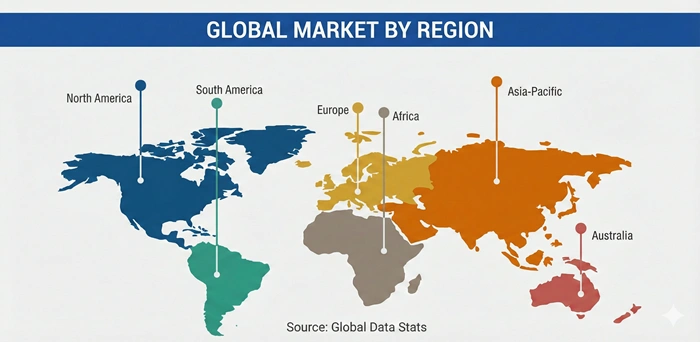
North America holds the dominant position in the global insulin pump market, accounting for approximately 47.5% of total global revenue in 2025 and projected to maintain a CAGR of 9.2% through 2033. The United States is overwhelmingly the primary national market — home to approximately 1.6 million type 1 diabetes patients, the world's most comprehensive private insurance infrastructure for insulin pump device coverage, and the headquarters of the three largest global insulin pump companies: Insulet Corporation (Omnipod), Medtronic (MiniMed), and Tandem Diabetes Care (t:slim X2 with Control-IQ). US FDA approval of closed-loop automated insulin delivery systems — including the MiniMed 780G, Omnipod 5, and t:slim X2 with Control-IQ — has established North America as the most technologically advanced insulin pump therapy market in the world, with the highest penetration of hybrid closed-loop AID systems among clinical users. Canada is the second-largest North American market, with provincial government funding programs supporting insulin pump access for pediatric type 1 diabetes patients and growing private insurance coverage for adult patients.
The US insulin pump market is experiencing a notable demographic shift toward younger patients — including children and adolescents with newly diagnosed type 1 diabetes — as clinical guidelines increasingly support early pump initiation at or near diagnosis rather than after a period of multiple daily injection therapy. This trend toward earlier pump initiation is increasing lifetime device and consumable revenue per patient and sustaining the North American market's leadership position within the global insulin pump market even as emerging market growth rates exceed those of the more mature North American segment.
Asia-Pacific
Asia-Pacific Is the Fastest-Growing Regional Market for Insulin Pumps, Driven by Rapidly Rising Diabetes Prevalence, Expanding Private Healthcare Investment, and Growing Patient and Physician Awareness of Automated Insulin Delivery Benefits
Asia-Pacific is the most rapidly expanding regional market within the global insulin pump landscape, projected to grow at a CAGR of 11.2% from 2026 to 2033. The region currently accounts for approximately 18.4% of global insulin pump market revenue in 2025, with Japan, China, South Korea, India, and Australia representing the primary national markets. Japan has the most mature and technologically advanced insulin pump market within Asia-Pacific — with well-established reimbursement coverage for insulin pump therapy, a strong culture of technology adoption in healthcare, and substantial installed bases of both Medtronic and domestic brand insulin pump systems. China represents the single most commercially significant emerging growth opportunity within the Asia-Pacific insulin pump market — combining the world's largest total diabetes patient population, an estimated 11 million type 1 diabetes patients with very low current insulin pump therapy penetration, and rapidly improving healthcare insurance infrastructure under the Healthy China 2030 national program that is progressively expanding reimbursement for advanced diabetes management technology. Key companies active across Asia-Pacific in the insulin pump market include Insulet Corporation, Medtronic, Tandem Diabetes Care, Roche, and regional players including SOOIL Development (South Korea) and Microport (China).
India is an important and increasingly active emerging market within Asia-Pacific for insulin pump adoption, where the growing urban middle-class private healthcare consumer segment is beginning to access insulin pump therapy through private hospital endocrinology departments. Growing physician familiarity with insulin pump therapy at India's major diabetes centers in Chennai, Mumbai, Delhi, and Bangalore — combined with improving availability of Omnipod and MiniMed systems through local distribution partners — is creating the foundational conditions for above-baseline insulin pump market growth in the Indian market over the forecast period.
Top Key Players
-
Medtronic plc (Ireland/United States)
-
Insulet Corporation (United States)
-
Tandem Diabetes Care Inc. (United States)
-
Roche Diabetes Care (Switzerland)
-
Ypsomed AG (Switzerland)
-
SOOIL Development Co. Ltd. (South Korea)
-
Microport Scientific Corporation (China)
-
CamDiab Ltd. (United Kingdom)
-
Diabeloop SA (France)
-
Sequel Medical Technology (United States)
-
Beta Bionics Inc. (United States)
-
Eoflow Co. Ltd. (South Korea)
Recent Developments
-
Medtronic (2025) — Secured expanded FDA clearance and CE Mark approval for its MiniMed 780G hybrid closed-loop automated insulin delivery system, incorporating advanced SmartGuard AI algorithm updates that further automate insulin delivery and hypoglycemia prevention — and reported strong international commercial rollout across European and Asia-Pacific markets that is progressively growing its closed-loop AID installed base, reinforcing its position as the global installed base leader in the insulin pump market
-
Insulet Corporation (2025) — Continued the commercial expansion of its Omnipod 5 automated insulin delivery system across new international markets including Japan, additional European countries, and select Asia-Pacific territories — reporting exceptional user growth metrics and above-guidance revenue performance driven by strong conversion from both multiple daily injections and competitive insulin pump systems, while also advancing development of next-generation Omnipod technology with enhanced algorithm capabilities for both type 1 and type 2 diabetes applications
-
Tandem Diabetes Care (2025) — Launched Mobi, its new miniaturized wearable insulin pump featuring the smallest form factor of any tethered pump currently available — targeting active adult type 1 diabetes patients seeking a more discreet and sports-compatible device option — while simultaneously advancing Control-IQ+ algorithm development with enhanced meal detection and exercise management features, continuing Tandem's strategy of competing on superior software and algorithm innovation within the insulin pump market
-
Beta Bionics (2025) — Advanced commercialization of its iLet Bionic Pancreas system — a novel closed-loop automated insulin delivery system that requires only the user's body weight for initial setup with no carbohydrate counting or manual programming required — following FDA approval in 2023, expanding the device's commercial availability across US pharmacy and durable medical equipment channels and positioning Beta Bionics as a significant new entrant reshaping the premium automation tier of the insulin pump market
-
Roche Diabetes Care (2025) — Announced strategic partnership agreements with multiple closed-loop algorithm companies to integrate Accu-Chek insulin pump hardware with best-in-class automated insulin delivery software — pursuing an open architecture strategy that allows Accu-Chek insulin pump platforms to be compatible with multiple CGM and algorithm software components, offering clinicians and patients expanded choice within the connected diabetes management ecosystem compared to proprietary closed ecosystems
Market Trends
The Acceleration of Fully Closed-Loop Automated Insulin Delivery System Adoption and the Expansion of Insulin Pump Therapy Into the Type 2 Diabetes Population Are the Most Commercially Consequential Trends Reshaping the Insulin Pump Market
The single most important trend reshaping the insulin pump market is the progressive clinical and commercial transition from hybrid closed-loop systems — which still require user meal announcements and carbohydrate estimates — toward fully automated closed-loop systems that require minimal user intervention for insulin delivery decisions. The Beta Bionics iLet Bionic Pancreas demonstrated that a fully closed-loop system requiring only body weight initialization can deliver comparable or superior glycemic outcomes to more user-intensive hybrid closed-loop systems — challenging the conventional wisdom that effective automated insulin delivery requires active user engagement. As next-generation algorithms from Medtronic, Insulet, Tandem, Diabeloop, and academic consortium developers progressively reduce the meal announcement and carbohydrate counting burden, insulin pump therapy becomes accessible and effective for a broader patient population with lower technical literacy and lifestyle flexibility requirements — expanding the total addressable market substantially.
The growing integration of insulin pump platforms with digital health ecosystems — encompassing telehealth consultation platforms, remote monitoring dashboards for clinical teams, and consumer-facing diabetes management apps — is transforming how insulin pump therapy is supported and optimized across the patient journey. Connected insulin pump platforms that transmit continuous device and glucose data to cloud-based analytics systems enable remote dose adjustment consultations, proactive clinical team intervention when glycemic patterns deteriorate, and evidence-based therapy optimization without requiring frequent in-person clinic visits. This telehealth integration capability is particularly commercially significant for expanding insulin pump therapy adoption in geographically underserved populations, in emerging markets where endocrinology specialist access is limited, and in pediatric care settings where remote parental monitoring of school-age children's glucose and insulin delivery status provides important safety and peace-of-mind benefits.
Segments Covered in the Report
By Product Type:
-
Tethered Insulin Pumps (Traditional Tubing-Based Pumps)
-
Patch Pumps / Tubeless Insulin Pumps
-
Implantable Insulin Pumps
-
Disposable Insulin Pumps
By Accessories:
-
Insulin Set Insertion Devices
-
Reservoirs and Cartridges
-
Infusion Sets and Tubing
-
Batteries and Power Supplies
-
Others
By Patient Type:
-
Type 1 Diabetes
-
Type 2 Diabetes
-
Gestational Diabetes
-
Others
By Technology:
-
Closed-Loop / Automated Insulin Delivery (AID) Systems
-
Open-Loop Systems
-
Hybrid Closed-Loop Systems
-
Others
By End User:
-
Hospitals and Diabetes Centers
-
Home Care Settings
-
Specialty Clinics and Endocrinology Practices
-
Others
By Region:
-
North America (United States, Canada, Mexico)
-
Europe (Germany, United Kingdom, France, Italy, Spain, Rest of Europe)
-
Asia-Pacific (Japan, China, India, South Korea, Australia, Rest of Asia-Pacific)
-
Latin America (Brazil, Argentina, Rest of Latin America)
-
Middle East & Africa (UAE, Saudi Arabia, South Africa, Rest of MEA)
Frequently Asked Questions
Question 1: What is the current size of the global insulin pump market?
Answer: The global insulin pump market is valued at USD 6.93 billion in 2025 and is projected to reach USD 18.69 billion by 2033. The market is growing at a CAGR of 9.8% from 2026 to 2033, driven by rising diabetes prevalence, accelerating adoption of hybrid closed-loop automated insulin delivery systems, expanding insurance reimbursement coverage, and growing patient preference for tubeless patch pump designs.
Question 2: What is the difference between a tethered insulin pump and a patch pump?
Answer: A tethered insulin pump connects to the infusion site via external plastic tubing and is worn separately on a clip or belt, while a patch pump — such as the Omnipod — adheres directly to the skin without tubing, delivering insulin through a built-in cannula in a fully wireless design. The insulin pump market is seeing strong growth in patch pump adoption driven by patient preference for the more discreet and convenient tubeless format, particularly among active adults, athletes, and pediatric patients who find the absence of external tubing more compatible with their daily lifestyles.
Question 3: Which region leads the insulin pump market?
Answer: North America leads the insulin pump market, accounting for approximately 47.5% of global revenue in 2025, driven by the world's highest insulin pump therapy penetration rate among type 1 diabetes patients, comprehensive insurance reimbursement for pump devices and associated CGM supplies, and the headquarters concentration of global insulin pump market leaders including Insulet, Medtronic, and Tandem Diabetes Care. Asia-Pacific is the fastest-growing regional market, projected to expand at a CAGR of 11.2% through 2033, driven by rapidly growing diabetes prevalence and improving healthcare access across China, India, Japan, and Southeast Asia.
Question 4: How is closed-loop technology changing the insulin pump market?
Answer: Hybrid closed-loop automated insulin delivery systems — which integrate real-time continuous glucose monitor data with AI-powered insulin pump algorithm control to automatically adjust basal insulin delivery and deliver correction boluses — are the most transformative technology advancement in the insulin pump market, demonstrating superior glycemic outcomes, reduced hypoglycemia rates, and improved quality of life compared to both open-loop pump therapy and multiple daily injections. The commercial success of Omnipod 5, MiniMed 780G, and t:slim X2 with Control-IQ is accelerating the global market transition toward closed-loop systems and is the primary driver of premium-tier revenue growth within the insulin pump market.
Question 5: What are the growth prospects for insulin pump use in type 2 diabetes?
Answer: The type 2 diabetes segment represents the fastest-growing patient type in the insulin pump market, projected to grow at a CAGR of 11.1% through 2033, driven by expanding clinical evidence supporting pump therapy benefits in insulin-requiring type 2 patients and progressive evolution of payer coverage policies toward covering insulin pump therapy in appropriately selected type 2 diabetes patients. If insulin pump penetration in the type 2 diabetes population achieves even a fraction of the levels seen in type 1 diabetes, it would represent a transformational expansion of the total addressable market — making this indication expansion the single most commercially significant long-term growth opportunity in the insulin pump market.