
Incretin Mimetics Market Overview
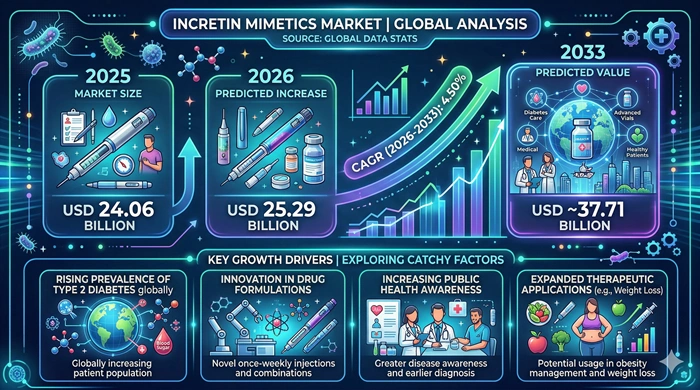
The global Incretin Mimetics market size is valued at USD 24.06 billion in 2025 and is predicted to increase from USD 25.29 billion in 2026 to approximately USD 37.71 billion by 2033, growing at a CAGR of 4.50% from 2026 to 2033.
Incretin mimetics are a class of antidiabetic and metabolic agents that replicate the action of naturally occurring incretin hormones — primarily glucagon-like peptide-1 (GLP-1) and glucose-dependent insulinotropic polypeptide (GIP) — to regulate blood glucose levels, suppress appetite, slow gastric emptying, and promote weight loss in patients with type 2 diabetes, obesity, and related cardiometabolic conditions. This drug class encompasses GLP-1 receptor agonists, DPP-4 inhibitors, and the newer dual GIP/GLP-1 receptor agonists that have collectively transformed the treatment landscape for type 2 diabetes and obesity over the past decade. The Incretin Mimetics market is experiencing steady commercial growth driven by the clinical success of semaglutide and tirzepatide, expanding obesity and cardiovascular outcome indications, and growing global diabetes prevalence that creates a large and continuously expanding patient population requiring effective, well-tolerated pharmacological treatment options across diverse healthcare systems.
AI Impact on the Incretin Mimetics Industry
Artificial Intelligence Is Transforming Patient Identification, Treatment Personalization, Drug Discovery for Next-Generation Incretin Agents, Real-World Safety Monitoring, and Commercial Access Program Design in Ways That Are Meaningfully Accelerating the Clinical and Commercial Impact of Incretin-Based Therapies Across the Global Metabolic Disease Treatment Ecosystem*
Artificial intelligence is delivering commercially significant contributions to the Incretin Mimetics market through machine learning-powered patient identification and treatment initiation programs — where AI systems integrated into electronic health record platforms analyze patient clinical data, laboratory values, BMI trajectories, comorbidity profiles, and medication histories to identify type 2 diabetes and obesity patients who meet clinical criteria for incretin therapy but have not yet been prescribed these agents. These AI-powered identification tools — deployed by Novo Nordisk, Eli Lilly, and commercial analytics partners within healthcare system electronic health record environments — demonstrate meaningful improvements in incretin therapy prescription rates among clinically appropriate patients, generating better patient outcomes and expanded market revenue simultaneously. The integration of AI clinical decision support into diabetes management platforms is also enabling more precise incretin therapy selection — helping clinicians choose between GLP-1 receptor agonists, DPP-4 inhibitors, and dual agonists based on individual patient profiles — improving treatment adherence and clinical outcomes across the incretin therapy landscape.
AI is simultaneously advancing the incretin ecosystem through next-generation incretin drug discovery programs — where machine learning models analyze structural relationships between incretin hormone molecular architecture and receptor binding affinity to design novel incretin mimetic compounds with superior potency, duration of action, and tolerability compared to existing agents. Companies including Structure Therapeutics, Altimmune, and Zealand Pharma are leveraging AI-assisted molecular design to develop next-generation oral and injectable GLP-1 and multi-receptor agonist compounds — with AI-guided structure-activity relationship analysis enabling more efficient optimization of drug candidate properties and reducing preclinical development timelines. Real-world pharmacovigilance AI applications are additionally contributing to incretin mimetics market safety monitoring — where machine learning systems continuously analyze real-world adverse event reports, insurance claims data, and electronic health record patterns to identify emerging safety signals for approved GLP-1 agents that complement controlled clinical trial safety data used for regulatory labeling decisions.
Growth Factors
Escalating Global Obesity and Type 2 Diabetes Epidemic, Transformative Weight Loss and Cardiovascular Outcome Data for GLP-1 Agents, Expanding Clinical Indications Beyond Diabetes, and Rising Demand for Advanced Anti-Obesity Medications Driving the Incretin Mimetics Market's Consistent Revenue Growth*
The most powerful and commercially consequential growth driver of the Incretin Mimetics market is the convergence of the global obesity and type 2 diabetes epidemics — where more than 537 million adults currently live with diabetes globally and more than 1 billion people meet clinical criteria for obesity — creating an enormous and continuously expanding patient population with unmet need for effective, well-tolerated pharmacological treatment that the incretin mimetic drug class addresses more effectively than any prior generation of antidiabetic or anti-obesity medications. The extraordinary clinical success of semaglutide — demonstrating up to 17% mean body weight reduction in the STEP 1 trial and meaningful cardiovascular risk reduction in the SELECT trial — has fundamentally repositioned GLP-1 receptor agonists from a diabetes medication into a broadly applicable obesity pharmacotherapy, unlocking a vastly larger commercial addressable market that extends far beyond the already substantial type 2 diabetes patient population. North America leads the incretin mimetics market with a 41.4% share as of 2024, reflecting the region's highest clinical adoption rates, most comprehensive payer infrastructure, and the largest concentration of leading GLP-1 manufacturers.
The landmark SELECT cardiovascular outcomes trial — demonstrating that semaglutide 2.4 mg reduced major adverse cardiovascular events by 20% in people with obesity and established cardiovascular disease — represents a paradigm-shifting clinical development that dramatically broadens the prescribing rationale for GLP-1 receptor agonist therapy beyond metabolic control to encompass cardiovascular risk reduction as an independent treatment objective. This cardiovascular benefit evidence is progressively generating new prescribing guidelines, payer coverage expansions, and cardiologist adoption of GLP-1 agents that collectively bring entirely new prescriber specialties and patient populations into the incretin mimetics market — generating incremental revenue growth that compounds the already strong commercial momentum from obesity and diabetes indications. Additional emerging clinical evidence supporting GLP-1 agent benefit in chronic kidney disease progression, heart failure with preserved ejection fraction, metabolic dysfunction-associated steatohepatitis, obstructive sleep apnea, and neurological conditions is progressively identifying further potential label expansion opportunities that will sustain incretin mimetics market growth throughout the 2026–2033 forecast period.
Market Outlook
With GIP/GLP-1 Dual Agonist Platforms Expanding Rapidly, Oral GLP-1 Formulations Approaching Commercial Scale, Pipeline Agents Targeting Additional Receptor Combinations Advancing, and Biosimilar Market Entry Beginning, the Incretin Mimetics Market Outlook Remains Positive Through 2033*
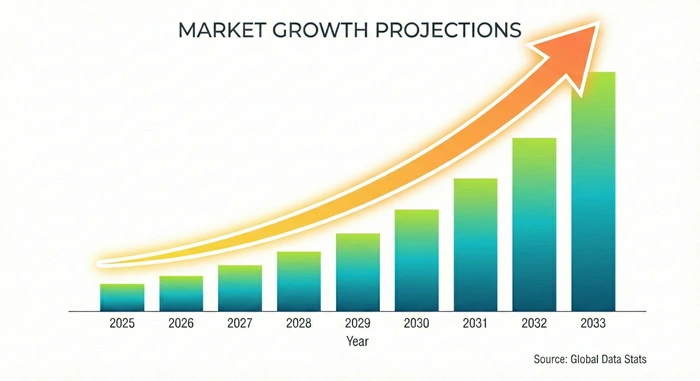
The long-term outlook for the Incretin Mimetics market is well-supported by a compelling combination of product innovation, indication expansion, geographic market development, and emerging biosimilar market entry dynamics that are collectively expected to sustain the market's steady revenue growth throughout the 2026–2033 forecast period. The most commercially transformative near-term product development within incretin mimetics is the advancement of oral GLP-1 receptor agonist formulations — led by Novo Nordisk's oral semaglutide programs, Eli Lilly's oral GLP-1 pipeline, and multiple pipeline oral candidates from Structure Therapeutics, Pfizer, and AstraZeneca — that eliminate the injection barrier currently limiting GLP-1 adoption among patients with needle phobia or injection-site concerns. Successful commercialization of effective oral GLP-1 formulations would dramatically expand the accessible patient population — unlocking a large segment of clinically appropriate obesity and diabetes patients who have declined injectable therapy — creating one of the most commercially significant format expansions in pharmaceutical history.
The progressive development of next-generation multi-receptor agonist incretin compounds — including GLP-1/GIP/glucagon triple agonists (retatrutide) and GLP-1/amylin dual agonists — is simultaneously expanding the product innovation pipeline within the Incretin Mimetics market beyond the current competitive landscape toward an even more efficacious generation of metabolic agents. Asia Pacific is expected to grow at the fastest CAGR of 7.20% between 2025 and 2034, driven by rising diabetes diagnoses, expanding healthcare infrastructure, and growing adoption of incretin-based therapies across China, India, Japan, and South Korea. The beginning of GLP-1 receptor agonist biosimilar market entry — with semaglutide biosimilars in development — will progressively expand market access through lower-cost alternatives that bring incretin therapy within reach of payer systems currently excluded by premium branded pricing, broadening the global addressable market during the latter years of the forecast period.
Expert Speaks
-
Lars Fruergaard Jørgensen, CEO, Novo Nordisk — "The clinical evidence supporting semaglutide's benefits across obesity, cardiovascular disease, chronic kidney disease, and metabolic liver disease is progressively establishing GLP-1 receptor agonist therapy as one of the most impactful pharmacological advances in the history of cardiometabolic medicine — with the potential to meaningfully reduce the burden of obesity-related complications affecting hundreds of millions globally. Novo Nordisk is investing at unprecedented scale in manufacturing capacity, next-generation formulation development, and clinical indication expansion to ensure our GLP-1 therapies can reach the full global population of patients who could benefit."
-
David Ricks, CEO, Eli Lilly and Company — "Tirzepatide's extraordinary clinical performance in both diabetes and obesity — combined with its emerging cardiovascular and renal outcome data — confirms our conviction that GIP/GLP-1 dual agonism represents a superior therapeutic mechanism compared to GLP-1 monotherapy for a broad range of metabolic disease indications. Lilly is accelerating investment in the next generation of incretin-based therapies, including oral formulations and combination approaches, and we believe the commercial opportunity in obesity and cardiometabolic disease is one of the largest in pharmaceutical industry history."
-
Albert Bourla, CEO, Pfizer Inc. — "Pfizer recognizes the extraordinary commercial and clinical potential of the oral GLP-1 receptor agonist opportunity — and our investment in next-generation oral incretin candidates reflects our conviction that eliminating the injection barrier will dramatically expand the accessible patient population for incretin therapy in obesity and type 2 diabetes. We see the oral GLP-1 market as a multi-billion-dollar commercial opportunity where Pfizer's pharmaceutical development capabilities and global commercial infrastructure position us to compete effectively as this transformative market segment develops."
Key Report Takeaways
-
North America dominates the Incretin Mimetics market, holding approximately 41.40% of global market share in 2024, driven by the highest obesity and type 2 diabetes prevalence rates among major economies, the most comprehensive commercial insurance and Medicare coverage for GLP-1 receptor agonists and dual agonists, the fastest clinical adoption of expanded indication GLP-1 prescribing by cardiologists and endocrinologists, and the dominant commercial positions of Novo Nordisk and Eli Lilly with strong US market infrastructure supporting prescriber engagement and patient access programs across the world's highest-value pharmaceutical market.
-
Asia Pacific is the fastest-growing regional market for incretin mimetics, projected to expand at a CAGR of approximately 7.20% from 2025 to 2034, driven by the world's largest type 2 diabetes patient population concentrated in China, India, Japan, and South Korea — combined with progressively improving national health insurance reimbursement coverage for GLP-1 receptor agonists and DPP-4 inhibitors, growing obesity prevalence across Asian populations, and expanding pharmaceutical company commercial investment in Asian market development for incretin therapies.
-
GLP-1 receptor agonists are the dominant drug class segment, accounting for approximately 56.40% of total market share in 2024, reflecting the extraordinary commercial success of semaglutide and dulaglutide as the most prescribed and highest-revenue incretin agents globally — driven by demonstrated superiority in blood glucose reduction, body weight reduction, and cardiovascular outcome benefit compared to DPP-4 inhibitors that has progressively established GLP-1 receptor agonists as the preferred pharmacological approach for type 2 diabetes management in patients requiring more than metformin alone.
-
The subcutaneous injectable route of administration dominates market revenue, contributing approximately 70.40% of total market share in 2024, driven by the superior pharmacological potency, higher bioavailability, and more established clinical evidence base of injectable GLP-1 receptor agonists and dual agonists — with weekly injectable semaglutide and tirzepatide pens representing the highest-value commercial products in the incretin portfolio, while the oral segment is the fastest growing at approximately 7.00% CAGR through 2034.
-
Pre-filled pens are the dominant dosage form, accounting for approximately 58.40% of total market revenue in 2024, reflecting the widespread clinical adoption of convenient, patient-friendly pen delivery systems for weekly injectable GLP-1 receptor agonists that improve adherence and patient acceptance compared to traditional vial-and-syringe administration — with the vials segment expected to grow at 6.60% CAGR through 2034 driven by pharmaceutical cost management needs in institutional healthcare settings.
-
The dual/triple agonists segment is the fastest-growing drug class, expected to reach a remarkable CAGR of 6.50% between 2025 and 2034, driven by tirzepatide's superior clinical performance demonstrating greater HbA1c reduction and body weight loss than GLP-1 monotherapy — progressively shifting prescriber preference and payer formulary positioning toward dual agonism as the preferred incretin mechanism for patients requiring maximum metabolic benefit, with next-generation triple agonist candidates including retatrutide further expanding this segment's commercial potential.
Market Scope
| Report Coverage | Details |
|---|---|
| Market Size by 2033 | USD 37.71 Billion |
| Market Size by 2025 | USD 24.06 Billion |
| Market Size by 2026 | USD 25.29 Billion |
| Market Growth Rate (2026–2033) | CAGR of 4.50% |
| Dominating Region | North America |
| Fastest Growing Region | Asia Pacific |
| Base Year | 2025 |
| Forecast Period | 2026–2033 |
| Segments Covered | Drug Class, Route of Administration, Dosage Form, Therapeutic Application, End User |
| Regions Covered | North America, Europe, Asia Pacific, Latin America, Middle East & Africa |
Market Dynamics
Drivers Impact Analysis
Global Diabetes and Obesity Epidemic Scale, Transformative GLP-1 Cardiovascular Outcome Data, Indication Expansion Beyond Diabetes, and Oral Formulation Development Are the Core Pillars Powering the Incretin Mimetics Market's Revenue Growth*
| Driver | ≈ % Impact on CAGR Forecast | Geographic Relevance | Impact Timeline |
|---|---|---|---|
| Escalating global obesity and type 2 diabetes prevalence and unmet treatment need | ~33% | Global | Short to Long-term |
| Transformative cardiovascular, renal, and metabolic outcome clinical trial data expanding prescribing | ~27% | North America, Europe | Short to Long-term |
| Obesity label approvals and payer reimbursement coverage expansion for GLP-1 agents | ~26% | North America, Europe | Short to Medium-term |
| Oral GLP-1 formulation development removing injection barrier | ~14% | North America, Europe, Asia Pacific | Short to Medium-term |
The most structurally powerful and commercially durable driver of the Incretin Mimetics market is the sheer scale of the global obesity and type 2 diabetes epidemic — representing two of the most prevalent, costly, and clinically serious chronic disease burdens in modern healthcare that the incretin mimetic drug class addresses with a degree of efficacy and clinical benefit breadth that no prior pharmacological approach has matched. The combination of diabetes epidemic growth — driven by aging populations, sedentary lifestyles, caloric overconsumption, and genetic susceptibility across virtually every global population — and the obesity epidemic's progressive worsening across North America, Europe, and Asia Pacific collectively ensures that the patient population requiring effective pharmacological treatment for cardiometabolic disease will grow continuously throughout the forecast period. This epidemiological growth dynamic creates an ever-expanding commercial foundation for incretin mimetics market revenue growth that is structurally independent of competitive pressures or individual product lifecycle events.
The extraordinary breadth of clinical indication expansion data generated by the GLP-1 receptor agonist clinical trial programs — encompassing cardiovascular outcome benefit in the SELECT trial, chronic kidney disease progression reduction in the FLOW trial, heart failure benefit, metabolic liver disease improvement, and sleep apnea improvement — is progressively transforming GLP-1 agents from diabetes and obesity medications into broadly applicable cardiometabolic disease modifiers. Each new approved indication creates a new clinical context where incretin therapy is appropriate — generating incremental prescribing from new specialist physician categories including cardiologists, nephrologists, and hepatologists — progressively expanding the total addressable market for the Incretin Mimetics market beyond its origins in endocrinology and primary care diabetes management. The integration of digital health platforms for early diabetes diagnosis and rising awareness campaigns for diabetes prevention are also contributing to sustained market growth momentum across emerging regions.
Restraints Impact Analysis
High Drug Pricing and Payer Coverage Restrictions, Manufacturing Supply Constraints, Gastrointestinal Side Effect Tolerability Challenges, and Injection Barrier Moderating Incretin Mimetics Market Penetration*
| Restraint | ≈ % Impact on CAGR Forecast | Geographic Relevance | Impact Timeline |
|---|---|---|---|
| High branded GLP-1 drug pricing and payer coverage restrictions limiting patient access | ~36% | Global — especially emerging markets | Short to Long-term |
| Manufacturing supply constraints limiting commercial availability of high-demand GLP-1 agents | ~27% | Global | Short to Medium-term |
| GI side effect tolerability challenges causing treatment discontinuation | ~24% | Global | Short to Long-term |
| Injection administration barrier limiting adoption among needle-averse patients | ~13% | Global | Short to Medium-term |
The most commercially consequential restraint on incretin mimetics market growth is the high cost of branded GLP-1 receptor agonist and dual agonist therapies — with monthly costs of USD 900 to USD 1300 for agents like Wegovy and Zepbound in the United States — combined with highly variable and often restrictive private insurance and government payer coverage for obesity indications that collectively limit treatment access to a fraction of the clinically eligible patient population. The United States Medicare program historically excluded obesity drug coverage under Part D — a policy only partially addressed by evolving legislative initiatives — while many commercial insurers impose strict prior authorization requirements, BMI thresholds, and comorbidity documentation demands that create significant patient access barriers even in the world's most commercially mature incretin market. Emerging market healthcare systems across Asia Pacific, Latin America, and the Middle East face even more challenging access dynamics — where government healthcare budgets cannot accommodate the premium pricing of current branded GLP-1 agents at the population scale that the diabetes and obesity epidemic burden would clinically justify.
The extraordinary commercial demand for semaglutide and tirzepatide has simultaneously created global manufacturing supply constraints — where Novo Nordisk and Eli Lilly's production capacity expansion programs, while massive in scale, have not yet fully matched the rate of demand growth — resulting in medication shortages, pharmacy dispensing limitations, and patient treatment interruptions that undermine adherence and clinical outcomes. The gastrointestinal side effect profile of GLP-1 receptor agonists — including nausea, vomiting, diarrhea, and constipation during dose titration — drives meaningful treatment discontinuation rates that moderate real-world commercial revenue and clinical benefit realization relative to outcomes observed in controlled clinical trial settings. These combined access, supply, and tolerability barriers contribute to the measured 4.50% CAGR for the 2026–2033 period even as underlying clinical demand and prescribing intent continue to grow across global healthcare markets.
Opportunities Impact Analysis
Oral GLP-1 Commercialization, Next-Generation Triple Agonist Pipeline, Biosimilar Market Entry Expanding Access, Emerging Market Reimbursement Development, and New Indication Approvals Create Significant Incretin Mimetics Market Opportunities*
| Opportunity | ≈ % Impact on CAGR Forecast | Geographic Relevance | Impact Timeline |
|---|---|---|---|
| Oral GLP-1 receptor agonist formulation commercialization removing injection barrier | ~32% | North America, Europe, Asia Pacific | Short to Medium-term |
| Next-generation triple agonist and novel receptor combination pipeline advancement | ~26% | North America, Europe | Short to Long-term |
| GLP-1 agent biosimilar market entry expanding access in price-sensitive markets | ~27% | Asia Pacific, Latin America, MEA, Europe | Medium to Long-term |
| MASH, CKD, and heart failure new indication regulatory approvals broadening prescribing | ~15% | North America, Europe | Short to Medium-term |
The most immediately commercially compelling opportunity within the Incretin Mimetics market is the successful commercialization of oral GLP-1 receptor agonist formulations — where the removal of the injection administration barrier would dramatically expand the accessible patient population by converting the large segment of clinically appropriate obesity and diabetes patients who have declined injectable therapy due to needle phobia or lifestyle preferences. The oral segment within incretin mimetics is already projected to grow at the fastest rate of approximately 7.00% CAGR through 2034 — demonstrating strong and validated commercial demand for non-injectable incretin formulations even before fully optimized oral GLP-1 agents achieve broad clinical adoption. Novo Nordisk's oral semaglutide for obesity in advanced clinical development, Pfizer's oral GLP-1 candidates, Structure Therapeutics' pipeline, and AstraZeneca's oral program are all competing for first-to-market positioning in a potentially enormous new product format category that could meaningfully accelerate overall incretin mimetics market revenue growth beyond the current forecast trajectory.
The progressive entry of GLP-1 receptor agonist biosimilars into the incretin mimetics market will progressively expand market access through lower-cost alternatives that bring incretin therapy within reach of payer systems and patient populations currently excluded by premium branded pricing — with biosimilar GLP-1 agents expected to achieve commercial availability in European and Asian markets within the 2026–2033 forecast period. The combination of oral formulation innovation, biosimilar access expansion, and continued new indication approvals across MASH, CKD, obstructive sleep apnea, and cardiovascular disease collectively position the Incretin Mimetics market for sustained positive growth throughout the forecast period — with clinics expected to expand at a remarkable CAGR of 6.90% through 2034 as outpatient specialty settings become increasingly important incretin therapy prescribing and dispensing channels.
Segment Analysis
By Drug Class
GLP-1 Receptor Agonists Lead the Incretin Mimetics Market While Dual and Triple Agonists Register the Fastest Prescription and Revenue Growth Globally*
GLP-1 receptor agonists hold the dominant position in the Incretin Mimetics market, accounting for approximately 56.40% of total market share in 2024, driven by the extraordinary commercial success of semaglutide — marketed as Ozempic for type 2 diabetes, Wegovy for obesity, and Rybelsus as an oral formulation — and dulaglutide, which collectively represent the highest-revenue products in this market globally and have established GLP-1 receptor agonism as the cornerstone pharmacological mechanism of the modern cardiometabolic drug market. Semaglutide alone generated over USD 22 billion in annual sales for Novo Nordisk — demonstrating the extraordinary commercial scale achievable by incretin agents with broad clinical indication profiles and strong cardiovascular and weight loss outcome data that progressively drive prescriber preference across endocrinology, cardiology, and primary care specialties. North America generates the majority of GLP-1 receptor agonist segment revenue globally — driven by the highest per-capita prescribing rates and most comprehensive payer coverage — with Novo Nordisk and Eli Lilly commanding dominant positions through their semaglutide and dulaglutide product portfolios. Asia Pacific is the fastest-growing GLP-1 receptor agonist region — driven by China and India's rapidly expanding diabetes patient populations and progressive national health insurance coverage expansion for GLP-1 therapy.
DPP-4 inhibitors represent an important and commercially stable segment within the Incretin Mimetics market — serving type 2 diabetes patients requiring modest glucose lowering with excellent tolerability — with leading agents including sitagliptin (Januvia), saxagliptin (Onglyza), linagliptin (Tradjenta), alogliptin (Nesina), and vildagliptin (Galvus) collectively maintaining substantial prescription volumes particularly in Asian and European markets where their cost-effectiveness and cardiovascular neutrality relative to branded GLP-1 agents favor their use in resource-constrained healthcare settings. DPP-4 inhibitors face progressive market share pressure from generic entry following patent expiration and competitive repositioning as clinical guidelines increasingly favor GLP-1 receptor agonists in patients with cardiovascular disease or elevated body weight — but their established position in Asian diabetes management guidelines and lower cost profile sustain their commercial relevance throughout the forecast period. Japan, Germany, and China represent the largest DPP-4 inhibitor markets globally — with Merck Sharp & Dohme (Januvia), Boehringer Ingelheim (Tradjenta), and Takeda (Nesina) maintaining competitive positions across these important regional markets.
By Therapeutic Application
Type 2 Diabetes Remains the Largest Therapeutic Application While Obesity and Weight Management Registers the Fastest Incretin Mimetics Adoption Growth*
Type 2 diabetes management represents the largest therapeutic application segment in the Incretin Mimetics market, accounting for approximately 54.40% of total market share in 2024, reflecting the established and guideline-endorsed role of GLP-1 receptor agonists and DPP-4 inhibitors as preferred second-line and third-line pharmacological agents in type 2 diabetes treatment algorithms that drive consistent and high-volume prescribing across primary care, endocrinology, and internal medicine globally. The American Diabetes Association, European Association for the Study of Diabetes, and equivalent diabetes management guidelines across all major markets have progressively elevated GLP-1 receptor agonists to preferred agent status for type 2 diabetes patients with established cardiovascular disease, chronic kidney disease, or high cardiovascular risk — generating guideline-driven prescribing mandates that sustain predictable GLP-1 agonist prescription volumes. North America leads type 2 diabetes incretin prescribing revenue globally, while Asia Pacific is the fastest-growing type 2 diabetes incretin application region, given that China and India collectively account for over 400 million people with diabetes representing the world's largest and most rapidly growing incretin therapy addressable patient population. Key companies serving the type 2 diabetes incretin application segment include Novo Nordisk, Eli Lilly, AstraZeneca, Merck, Boehringer Ingelheim, and Takeda.
Obesity and weight management represents the fastest-growing therapeutic application segment in the Incretin Mimetics market, projected to expand at a CAGR of approximately 6.80% from 2025 to 2034 — driven by the transformative clinical efficacy of semaglutide 2.4 mg and tirzepatide for chronic weight management that is progressively overcoming historical payer resistance to obesity pharmacotherapy reimbursement. The landmark STEP and SURMOUNT clinical trial programs — demonstrating mean weight reductions of 15–24% — are generating a paradigm shift in clinical and payer attitudes toward obesity as a serious chronic medical condition requiring pharmacological intervention, with major commercial insurers progressively expanding GLP-1 obesity coverage as cardiovascular and total healthcare cost reduction evidence accumulates. The addressable obesity treatment market — encompassing over 650 million clinically obese adults globally — represents a commercial opportunity substantially larger than the type 2 diabetes incretin market, with penetration currently moderated by pricing, coverage, and supply constraints that are progressively being addressed. Novo Nordisk and Eli Lilly dominate the obesity application segment through Wegovy and Zepbound respectively — investing at extraordinary scale in obesity indication expansion, cardiovascular outcomes positioning, and oral formulation development to capture the maximum share of this transformative market opportunity.
Regional Insights
North America
North America Commands the Global Incretin Mimetics Market With the World's Highest GLP-1 Prescribing Rates, Most Comprehensive Obesity and Diabetes Payer Coverage, and the Most Advanced Commercial Infrastructure for Incretin Therapy Adoption*
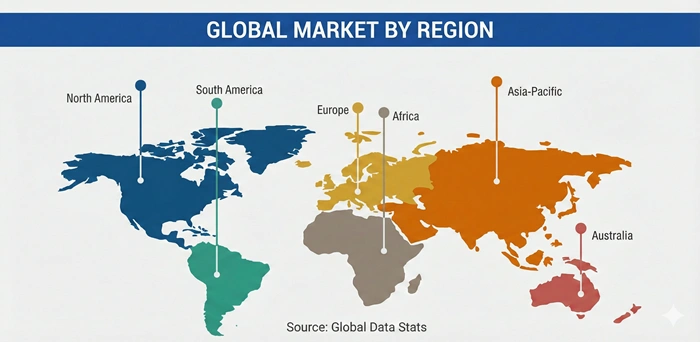
North America holds the dominant position in the global Incretin Mimetics market, accounting for approximately 41.40% of total global market share in 2024, and is projected to sustain market leadership throughout the 2026–2033 forecast period. The United States drives the overwhelming majority of North American revenue — where the combination of the highest obesity and type 2 diabetes prevalence among developed nations, the most progressive commercial insurance and Medicare coverage expansion for GLP-1 agents across cardiovascular and obesity indications, and the highest pharmaceutical price realization globally collectively create the world's most commercially valuable incretin therapy market by a substantial margin. Leading companies commanding the North American Incretin Mimetics market include Novo Nordisk (Ozempic, Wegovy, Rybelsus), Eli Lilly (Mounjaro, Zepbound, Trulicity), AstraZeneca (Bydureon), and Merck (Januvia) — each maintaining strong commercial infrastructure and medical affairs programs that sustain prescriber engagement, patient access programs, and payer coverage advocacy across the United States and Canadian markets.
Canada contributes meaningfully to North American incretin market revenue through its national and provincial public drug benefit program coverage for GLP-1 agents in type 2 diabetes — with progressive expansion of obesity pharmacotherapy coverage across provincial formularies generating incremental revenue growth. The North American incretin mimetics market is leading global adoption of tirzepatide's dual agonist mechanism, oral semaglutide, and the emerging pipeline of next-generation incretin agents — establishing North America as the primary commercial incubation market for incretin therapy innovation that subsequently diffuses globally. North America's combination of prescriber adoption leadership, payer coverage maturity, and pharmaceutical pricing environment positions it to maintain clear incretin mimetics market leadership through 2033.
Asia Pacific
Asia Pacific Is the Fastest-Growing Incretin Mimetics Market at 7.20% CAGR, Driven by the World's Largest Diabetes Patient Population, Progressive National Health Insurance Coverage Expansion, and Rising Healthcare Infrastructure Investment*
Asia Pacific is the fastest-growing regional segment in the Incretin Mimetics market, projected to expand at a CAGR of approximately 7.20% from 2025 to 2034 — the highest regional growth rate globally. China is the most commercially significant and rapidly growing Asia Pacific incretin market — where the world's largest type 2 diabetes patient population of approximately 140 million people, combined with progressive National Healthcare Security Administration reimbursement expansion for GLP-1 receptor agonists and DPP-4 inhibitors, is generating rapidly growing incretin therapy prescription volume that is attracting major commercial investment from both global and domestic Chinese pharmaceutical companies. India represents the second-largest and equally dynamic Asia Pacific incretin market — where the country's approximately 101 million diabetes patients and rapidly growing obesity prevalence are generating expanding demand for incretin-based therapies as urban physician awareness of GLP-1 clinical benefits grows and Indian pharmaceutical companies develop domestic incretin manufacturing capabilities. Key companies serving the Asia Pacific Incretin Mimetics market include Novo Nordisk, Eli Lilly, AstraZeneca, Merck Sharp & Dohme, Takeda Pharmaceutical, and domestic companies including Sun Pharmaceutical and Cipla developing generics and biosimilar GLP-1 formulations for regional markets.
Japan and South Korea represent the most technically mature Asia Pacific incretin markets — with well-established national health insurance reimbursement coverage for DPP-4 inhibitors and GLP-1 receptor agonists in type 2 diabetes, strong domestic pharmaceutical industry incretin product development, and high physician awareness of incretin therapy clinical guidelines. Southeast Asian markets — including Singapore, Malaysia, Thailand, and Indonesia — are experiencing progressive incretin therapy adoption as increasing urbanization drives diabetes and obesity prevalence growth and healthcare systems invest in chronic disease management program infrastructure. Countries like China, India, and Japan are witnessing growing adoption of incretin-based drugs, supported by clinical research investments, regional production capabilities, and rising awareness campaigns for diabetes prevention that are contributing to sustained growth momentum across the region.
Top Key Players
-
Novo Nordisk A/S (Denmark)
-
Eli Lilly and Company (United States)
-
AstraZeneca plc (United Kingdom)
-
Merck & Co. Inc. (United States)
-
Boehringer Ingelheim GmbH (Germany)
-
Sanofi S.A. (France)
-
Takeda Pharmaceutical Company Ltd. (Japan)
-
Pfizer Inc. (United States)
-
Roche Holding AG (Switzerland)
-
Zealand Pharma A/S (Denmark)
-
Structure Therapeutics Inc. (United States)
-
Sun Pharmaceutical Industries Ltd. (India)
Recent Developments
-
Novo Nordisk (2025) — Announced positive phase 3 results from the FLOW trial demonstrating semaglutide 1.0 mg significantly reduced chronic kidney disease progression and cardiovascular death in patients with type 2 diabetes and chronic kidney disease — supporting a new FDA supplemental approval application for semaglutide in CKD — while simultaneously reporting record annual revenue driven by extraordinary Ozempic and Wegovy demand and announcing a major manufacturing capacity expansion investment exceeding USD 6 billion across Danish, US, and European production facilities to address ongoing supply constraints.
-
Eli Lilly (2025) — Received FDA approval for tirzepatide (Zepbound) in obstructive sleep apnea — the first pharmacological treatment approved for this condition — establishing a new major indication that dramatically expands tirzepatide's addressable patient population beyond diabetes and obesity to encompass the estimated 80 million Americans with sleep apnea, while simultaneously reporting tirzepatide achieving multi-billion-dollar quarterly revenue run rates and announcing continued manufacturing capacity investment to address the ongoing supply constraints limiting Mounjaro and Zepbound commercial availability.
-
Pfizer Inc. (2024) — Discontinued its twice-daily oral GLP-1 candidate danuglipron following phase 2 results showing a high rate of gastrointestinal adverse events leading to treatment discontinuation — recalibrating its oral incretin strategy toward a once-daily formulation in continued development — while simultaneously assessing additional oral GLP-1 molecular candidates from its discovery research pipeline to maintain competitive positioning in the high-priority oral GLP-1 market opportunity that remains strategically essential for Pfizer's metabolic disease commercial ambitions.
-
AstraZeneca (2025) — Advanced its oral small-molecule GLP-1 receptor agonist program into phase 2 clinical development — signaling continued commitment to competing in the oral incretin space — while simultaneously reporting strong commercial performance for its diabetes portfolio and announcing a strategic collaboration to co-develop an oral GLP-1 receptor agonist obesity candidate that leverages complementary discovery chemistry and clinical development capabilities between partnering organizations.
-
Zealand Pharma (2024) — Reported positive phase 2 results for its petrelintide amylin analogue in combination with semaglutide — demonstrating additive weight loss beyond what semaglutide alone achieves — establishing the clinical rationale for its GLP-1/amylin combination approach as a next-generation obesity therapy candidate, while simultaneously advancing its dapiglutide long-acting GLP-1 receptor agonist program through clinical development and strengthening its position as an important incretin innovation pipeline company complementing the dominant commercial positions of Novo Nordisk and Eli Lilly.
Market Trends
The Expansion of Incretin-Based Therapy Into Cardiovascular, Renal, and Metabolic Liver Disease Indications and the Competitive Race to Commercialize Effective Oral GLP-1 Formulations Are the Two Most Commercially Defining Trends Reshaping the Incretin Mimetics Market Through 2033*
The most commercially significant structural trend reshaping the Incretin Mimetics market is the progressive transformation of GLP-1 receptor agonists and dual agonists from glucose-lowering diabetes medications into comprehensive cardiometabolic disease modifiers — where accumulating cardiovascular outcome trial evidence, renal protection data, metabolic liver disease improvement findings, and heart failure benefit signals are establishing incretin therapy as a multi-indication treatment backbone for patients with overlapping obesity, diabetes, cardiovascular disease, and related metabolic comorbidities. This indication expansion is generating new prescriber categories — cardiologists, nephrologists, hepatologists, and obesity medicine specialists — who are progressively adopting incretin therapy prescribing as clinical guidelines in their specialties are updated to reflect new outcome evidence, dramatically expanding the prescriber universe and patient access points for incretin mimetics beyond their traditional endocrinology and primary care prescribing base. The integration of digital health platforms for early diabetes detection and remote patient monitoring into incretin therapy management programs is further contributing to treatment initiation improvements and adherence optimization across both developed and emerging healthcare markets.
The competitive race to commercialize effective oral GLP-1 receptor agonist formulations for obesity — involving Novo Nordisk, Pfizer, Structure Therapeutics, AstraZeneca, and multiple other pharmaceutical competitors — is simultaneously reshaping the longer-term competitive landscape of the incretin mimetics market by potentially eliminating the most significant practical barrier to broader GLP-1 adoption in clinically eligible patient populations. Patient population surveys consistently indicate that a substantial proportion of obesity patients who have declined injectable GLP-1 therapy would accept an effective oral formulation — suggesting that oral GLP-1 commercialization could unlock patient segments representing multiples of the current injectable addressable market and significantly accelerate the incretin mimetics market's overall growth trajectory beyond the current forecast period. The pharmaceutical company or companies that achieve first-to-market positioning with an effective, well-tolerated oral GLP-1 obesity agent with comprehensive payer reimbursement will capture an enormously valuable competitive advantage in a market segment with extraordinary long-term commercial potential.
Segments Covered in the Report
By Drug Class:
-
GLP-1 Receptor Agonists
-
Exenatide
-
Liraglutide
-
Semaglutide
-
Dulaglutide
-
Albiglutide
-
Lixisenatide
-
DPP-4 Inhibitors
-
Sitagliptin
-
Saxagliptin
-
Alogliptin
-
Linagliptin
-
Vildagliptin
-
GIP/GLP-1 Dual Agonists (Tirzepatide)
-
Others
By Route of Administration:
-
Subcutaneous Injectable
-
Oral
By Dosage Form:
-
Pre-filled Pens
-
Vials
-
Tablets
By Therapeutic Application:
-
Type 2 Diabetes
-
Obesity and Weight Management
-
Cardiovascular Disease Risk Reduction
-
Others
By End User:
-
Hospitals
-
Clinics
-
Retail Pharmacies
-
Online Pharmacies
By Region:
-
North America
-
Europe
-
Asia Pacific
-
Latin America
-
Middle East & Africa
Frequently Asked Questions
Question 1: What is the current size of the Incretin Mimetics market and what is its projected value by 2033?
Answer: The Incretin Mimetics market was valued at USD 24.06 billion in 2025 and is projected to reach USD 37.71 billion by 2033, growing at a CAGR of 4.50% from 2026 to 2033. This growth is driven by escalating global obesity and diabetes prevalence, transformative GLP-1 cardiovascular outcome data, expanding clinical indications beyond diabetes, and the competitive development of oral GLP-1 formulations removing injection barriers.
Question 2: What are incretin mimetics and how do they work in treating type 2 diabetes and obesity?
Answer: Incretin mimetics are pharmaceutical agents that replicate the action of naturally occurring incretin hormones — primarily GLP-1 and GIP — to stimulate insulin secretion, suppress glucagon release, slow gastric emptying, and reduce appetite in a glucose-dependent manner that improves blood sugar control while promoting meaningful weight loss. The Incretin Mimetics market encompasses GLP-1 receptor agonists, DPP-4 inhibitors, and dual GIP/GLP-1 agonists that collectively represent the most clinically effective and commercially successful pharmacological approach to type 2 diabetes and obesity management currently available.
Question 3: Which region leads the Incretin Mimetics market and which is growing the fastest?
Answer: North America leads the Incretin Mimetics market with approximately 41.40% of global market share in 2024 — driven by the highest obesity and diabetes prevalence, most comprehensive payer coverage for GLP-1 agents, and dominant commercial positions of Novo Nordisk and Eli Lilly in the US market. Asia Pacific is the fastest-growing region at approximately 7.20% CAGR — driven by the world's largest diabetes patient populations in China and India, progressive national health insurance coverage expansion, and growing pharmaceutical commercial investment in Asian incretin market development.
Question 4: What is the difference between GLP-1 receptor agonists and DPP-4 inhibitors in the Incretin Mimetics market?
Answer: GLP-1 receptor agonists directly activate the GLP-1 receptor with potency exceeding endogenous GLP-1 — delivering greater glucose lowering, substantial weight loss of 5–24%, and cardiovascular outcome benefits — making them the dominant segment at approximately 56.40% of the Incretin Mimetics market with the broadest clinical indication profile. DPP-4 inhibitors work by blocking the enzyme that degrades endogenous GLP-1 and GIP — delivering modest glucose lowering and weight-neutral effects without significant weight reduction or cardiovascular outcome benefit — making them more suitable for patients requiring mild glucose control improvement with excellent tolerability.
Question 5: How is the development of oral GLP-1 formulations expected to impact the Incretin Mimetics market?
Answer: Oral GLP-1 receptor agonist formulations — currently in advanced clinical development by Novo Nordisk, Pfizer, Structure Therapeutics, and AstraZeneca — are expected to significantly expand the Incretin Mimetics market by converting the large population of clinically eligible obesity and diabetes patients who have declined injectable therapy due to needle phobia or lifestyle preferences into accessible treatment candidates. The oral segment within incretin mimetics is already projected to grow at the fastest rate of approximately 7.00% CAGR through 2034 — validating strong and sustained commercial demand for non-injectable incretin formulations even before fully optimized oral GLP-1 agents achieve broad clinical adoption.