
Hydrogen Fuel Cell Vehicle Market Overview
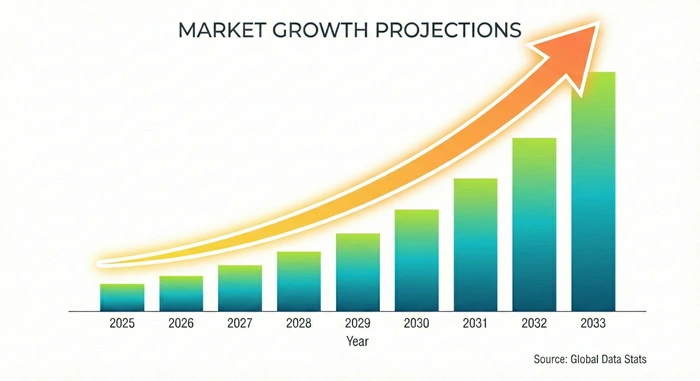
The global hydrogen fuel cell vehicle market size is valued at USD 3.25 billion in 2025 and is predicted to increase from USD 5.13 billion in 2026 to approximately USD 175.20 billion by 2033, growing at a CAGR of 49.46% from 2026 to 2033.
Hydrogen fuel cell vehicles represent cutting-edge automotive technology utilizing hydrogen gas to generate electricity through chemical reactions within fuel cells. These zero-emission vehicles convert hydrogen and oxygen into electrical energy, producing only water vapor as exhaust. The technology offers significant advantages over battery-electric alternatives including rapid refueling times comparable to conventional gasoline vehicles, extended driving ranges exceeding 400 miles per tank, and superior performance in extreme weather conditions. Modern FCEVs incorporate advanced proton exchange membrane fuel cells, sophisticated hydrogen storage systems, and electric powertrains that deliver smooth acceleration and quiet operation while eliminating greenhouse gas emissions during vehicle operation.

AI Impact on the Hydrogen Fuel Cell Vehicle Industry
Intelligent Systems Optimizing Performance and Enhancing Safety Through Advanced Analytics
Artificial intelligence transforms hydrogen fuel cell vehicle development through optimization of fuel cell stack performance, energy management, and predictive maintenance capabilities. Machine learning algorithms analyze operational data from thousands of fuel cell systems to identify patterns that improve efficiency and extend component lifespans. AI-powered energy management systems dynamically balance power distribution between fuel cells, batteries, and electric motors based on driving conditions, maximizing range while minimizing hydrogen consumption. Predictive analytics monitor fuel cell health parameters including membrane degradation, catalyst performance, and hydrogen purity to schedule maintenance before failures occur. These intelligent systems enable manufacturers to refine designs through simulation testing that evaluates millions of driving scenarios, accelerating development cycles while reducing costs associated with physical prototypes and real-world validation testing.
Computer vision and sensor fusion technologies powered by artificial intelligence enhance hydrogen fuel cell vehicle safety and autonomous driving capabilities. Advanced driver assistance systems process data from cameras, radar, and LiDAR sensors to detect obstacles, pedestrians, and traffic conditions with precision exceeding human perception. AI algorithms optimize hydrogen storage tank monitoring, detecting potential leaks or pressure anomalies that could compromise safety through continuous analysis of sensor readings. Natural language processing enables intuitive voice-controlled interfaces allowing drivers to check hydrogen levels, locate refueling stations, and adjust vehicle settings without manual input. The integration of AI throughout hydrogen fuel cell vehicle systems positions these technologies as essential enablers transforming experimental vehicles into commercially viable transportation solutions capable of competing directly with conventional automobiles and battery-electric alternatives across performance, convenience, and safety dimensions.
Growth Factors
Government Initiatives and Environmental Mandates Accelerating Zero-Emission Transportation Adoption
The hydrogen fuel cell vehicle market experiences substantial growth driven by aggressive government policies promoting zero-emission transportation and hydrogen economy development. California commits funding for 100 hydrogen refueling stations supporting targets of 1.6 million zero-emission vehicles by 2025, establishing infrastructure essential for market expansion. European Union allocates USD 215 million through Clean Hydrogen Partnership initiatives supporting technology development and refueling network deployment across member states. China's Made in China 2025 strategy prioritizes hydrogen fuel cell vehicle commercialization with substantial subsidies, infrastructure investments, and preferential policies favoring domestic manufacturers. Japan provides comprehensive support through tax incentives, purchase subsidies, and strategic partnerships between government agencies and automotive companies. These coordinated initiatives reduce adoption barriers through financial incentives that lower vehicle purchase costs, infrastructure funding that addresses refueling availability concerns, and regulatory frameworks establishing hydrogen safety standards that build consumer confidence.
Environmental consciousness intensifies consumer interest in sustainable transportation alternatives eliminating fossil fuel dependence and greenhouse gas emissions. Rising fuel prices create economic incentives for hydrogen adoption as operating costs per mile prove competitive with gasoline while dramatically reducing environmental impact. Heavy-duty commercial vehicle operators recognize hydrogen fuel cells as superior solutions for long-haul trucking, bus fleets, and logistics operations where battery-electric alternatives face limitations from extended charging times and weight penalties reducing payload capacity. The transportation sector accounts for approximately 27% of global greenhouse gas emissions, creating urgent demand for technologies capable of delivering zero-emission performance across all vehicle categories. Hydrogen fuel cell vehicles offer unique advantages including rapid three-to-five-minute refueling comparable to conventional vehicles, driving ranges exceeding 400 miles surpassing most battery-electric options, and consistent performance in extreme temperatures where battery efficiency deteriorates, positioning FCEVs as compelling solutions for diverse applications from personal mobility to commercial transportation.
Market Outlook
Infrastructure Expansion and Technology Cost Reductions Creating Favorable Market Conditions
The hydrogen fuel cell vehicle market demonstrates exceptional expansion potential supported by accelerating global investments in hydrogen refueling infrastructure. The United States Department of Transportation launched USD 630 million grant program in 2025 accelerating development of hydrogen refueling stations, with California leading 54 operational stations and expanding rapidly. China operates 384 hydrogen refueling stations as of 2024, more than any country worldwide, supporting aggressive vehicle deployment targets across multiple provinces. South Korea maintains 198 operational stations with continued additions throughout 2024, while Japan operates 161 stations reflecting steady infrastructure growth supporting domestic FCEV adoption. India's National Green Hydrogen Mission initiates construction of nine refueling stations under pilot phase, positioning the country as emerging clean energy hub. Australia commits approximately USD 2 billion to hydrogen network development supporting goals to become major green hydrogen exporter by 2030. This global infrastructure expansion eliminates critical barrier that historically constrained FCEV adoption, creating confidence among consumers and fleet operators that vehicles maintain practical utility for daily transportation needs.
Technological advancements drive dramatic cost reductions making hydrogen fuel cell vehicles increasingly competitive with conventional and battery-electric alternatives. Fuel cell stack costs decline substantially through manufacturing scale increases, catalyst optimization reducing expensive platinum requirements, and membrane material improvements enhancing durability. Green hydrogen production costs decrease as renewable energy prices fall and electrolyzer efficiency improves, addressing concerns about lifecycle emissions associated with hydrogen derived from fossil fuels. Automotive manufacturers scale production volumes through dedicated platforms shared across multiple vehicle models, distributing development costs and achieving economies of scale that reduce per-unit expenses. Strategic partnerships between automotive companies and energy providers accelerate refueling network deployment through coordinated investments, exemplified by collaborations between Toyota and Shell Hydrogen, or Hyundai and Air Liquide establishing integrated ecosystems. The hydrogen fuel cell vehicle market outlook remains exceptionally positive as converging trends in technology maturation, cost reduction, infrastructure deployment, and policy support create favorable conditions for sustained growth transforming hydrogen from niche alternative into mainstream transportation solution through 2033.
Expert Speaks
-
José Muñoz, President and CEO of Hyundai Motor Company emphasized that Hyundai has built one of the industry's most diverse electrification portfolios including hydrogen fuel cell electric vehicles, developing technologies that maximize customer value, safety, and performance while advancing solutions from hybrid electric vehicles to extended-range electric vehicles and FCEVs.
-
Jaehoon Chang, President and CEO of Hyundai Motor Company stated that Hyundai Motor's clear, unwavering commitment to hydrogen over the past 27 years is rooted in belief in its potential as a clean, accessible, and therefore fair energy source for everyone, expressing dedication to pioneering a future where hydrogen is used by everyone, in everything, and everywhere.
-
Jaehoon Chang, Vice Chair of Hyundai Motor Group expressed honor in hosting the Global CEO Summit 2025 as Co-Chair of the Hydrogen Council, showcasing Korea's hydrogen industry strength while highlighting that as demand becomes the next big test, public-private collaboration will be essential to realize hydrogen's full potential in the next phase of scale-up.
Key Report Takeaways
-
Asia Pacific dominates the hydrogen fuel cell vehicle market with the largest revenue share in 2025 and fastest projected CAGR of 50.21% from 2026 to 2035, driven by decarbonization goals, government support, major infrastructure investments in Japan, South Korea, and China, and presence of leading automotive manufacturers focusing on zero-emission transport
-
North America represents the fastest-growing region during forecast period among developed markets, propelled by ongoing research enhancing PEM fuel cell performance and durability, major investments in hydrogen refueling stations, federal and state-level incentives, public-private partnerships, and rising fuel cell adoption in commercial fleets and logistics operations
-
Passenger vehicle segment accounts for 61.2% of hydrogen fuel cell vehicle market revenue in 2025, maintaining dominant position driven by growing consumer demand for clean personal mobility, national incentives supporting zero-emission transport, advancements in vehicle design, increased driving range, reduced refueling times, and expanding hydrogen model portfolios
-
Proton Exchange Membrane Fuel Cells hold 68.5% market revenue share in 2025 as most widely used technology, attributed to high power density, operational efficiency, relatively low operating temperatures, compact design, rapid startup capabilities, continuous improvements in membrane materials, and platinum catalyst optimization reducing production costs
-
Commercial vehicle applications demonstrate rapid growth particularly in heavy-duty trucks and buses where hydrogen fuel cells offer compelling advantages over battery-electric alternatives including high energy density, extended driving ranges, quick refueling times essential for long-haul operations, and superior payload capacity without battery weight penalties
-
Medium range segment (251-500 miles) represents 54.7% of market revenue in 2025, balancing operational practicality with infrastructure readiness while meeting consumer expectations for range without overreliance on still-developing refueling networks, aligning perfectly with current commercial and public transportation requirements
Market Scope
| Report Coverage | Details |
|---|---|
| Market Size by 2033 | USD 175.20 Billion |
| Market Size by 2025 | USD 3.25 Billion |
| Market Size by 2026 | USD 5.13 Billion |
| Market Growth Rate from 2026 to 2033 | CAGR of 49.46% |
| Dominating Region | Asia Pacific |
| Fastest Growing Region | Asia Pacific |
| Base Year | 2025 |
| Forecast Period | 2026 to 2033 |
| Segments Covered | Vehicle Type, Technology, Range, Power Output, Application, Component, Region |
| Regions Covered | North America, Europe, Asia Pacific, Latin America, Middle East & Africa |
Market Dynamics
Drivers Impact Analysis
Expanding Refueling Infrastructure and Zero-Emission Mandates Propelling Market Growth
| Impact Factor | ≈ % Impact on CAGR Forecast | Geographic Relevance | Impact Timeline |
|---|---|---|---|
| Government subsidies and infrastructure funding | 8.0-10.0% | Global, particularly Asia Pacific and Europe | 2026-2033 |
| Heavy-duty commercial vehicle demand | 6.0-8.0% | North America, Europe, China | 2026-2033 |
| Zero-emission regulatory mandates | 5.0-7.0% | Developed markets with strict policies | 2026-2033 |
| Technology cost reductions | 4.0-6.0% | Global manufacturing hubs | 2026-2033 |
The hydrogen fuel cell vehicle market benefits enormously from coordinated government initiatives funding hydrogen refueling infrastructure development worldwide. California's commitment to 100 hydrogen refueling stations addresses critical infrastructure gaps that historically constrained FCEV adoption, with the state operating 54 stations and expanding rapidly. China's 384 operational hydrogen refueling stations represent more than any country globally, supporting ambitious vehicle deployment targets across industrial and transportation sectors. The U.S. Department of Transportation's USD 630 million grant program accelerates refueling station construction through 50+ pilot projects, eliminating range anxiety concerns that deter potential buyers. European Clean Hydrogen Partnership allocates USD 215 million toward technology development and infrastructure deployment, with 185+ operational refueling stations across the continent. These infrastructure investments create network effects where increasing station availability encourages vehicle purchases, while growing vehicle populations justify additional station construction, establishing virtuous cycles driving sustained market expansion.
Environmental regulations mandating zero-emission vehicle adoption create compelling drivers for hydrogen fuel cell vehicle market growth. Transportation sector greenhouse gas emissions account for approximately 27% of global totals, creating urgent policy imperatives for clean alternatives. Governments implement increasingly stringent Corporate Average Fuel Economy standards and zero-emission vehicle mandates that require automotive manufacturers to offer hydrogen and battery-electric options across product portfolios. Heavy-duty commercial vehicles particularly benefit from hydrogen solutions offering high energy density and extended ranges essential for long-haul operations where battery-electric alternatives face limitations. Fleet operators recognize hydrogen fuel cells as superior technologies for buses, delivery trucks, and logistics vehicles requiring consistent performance, rapid refueling, and maximum payload capacity. The hydrogen fuel cell vehicle market growth accelerates as regulatory pressures intensify, infrastructure expands, and commercial applications demonstrate operational viability creating proof points that reduce perceived risks associated with emerging technologies.
Restraints Impact Analysis
High Vehicle Costs and Limited Infrastructure Creating Adoption Barriers
| Impact Factor | ≈ % Impact on CAGR Forecast | Geographic Relevance | Impact Timeline |
|---|---|---|---|
| Expensive fuel cell systems | -4.0 to -5.0% | Price-sensitive markets globally | 2026-2033 |
| Limited refueling station availability | -3.0 to -4.0% | Rural areas, developing regions | 2026-2033 |
| Hydrogen safety concerns | -2.0 to -3.0% | Consumer perception challenges | 2026-2033 |
The hydrogen fuel cell vehicle market faces significant constraints related to elevated vehicle purchase prices that limit accessibility for mainstream consumers. Fuel cell stacks represent expensive components with platinum catalysts accounting for approximately 46% of total fuel cell costs, making systems substantially more costly than internal combustion engines or battery packs used in electric vehicles. Hydrogen storage tanks requiring specialized materials capable of withstanding 10,000 PSI pressures add thousands of dollars to manufacturing expenses. Complex balance-of-plant systems including compressors, humidifiers, and cooling equipment necessary for fuel cell operation increase production costs beyond conventional vehicle architectures. These premium prices create affordability barriers particularly in developing markets where consumers prioritize low purchase costs over advanced environmental features, limiting market penetration to affluent early adopters and subsidized fleet applications where total cost of ownership justifies higher initial investments.
Infrastructure limitations present critical challenges despite recent expansion efforts addressing refueling station availability. Rural regions and developing countries lack sufficient hydrogen refueling networks to support convenient vehicle operation, creating range anxiety that deters potential buyers uncertain about fuel accessibility during extended trips. Station construction requires substantial capital investments ranging from USD 1-2 million per site, with ongoing operational expenses for hydrogen supply, compression equipment, and safety monitoring systems. Geographic concentration of existing stations primarily in urban corridors limits hydrogen fuel cell vehicle practicality for buyers in underserved areas, creating chicken-and-egg challenges where insufficient vehicle populations fail to justify station investments while inadequate infrastructure prevents vehicle adoption. Hydrogen's highly flammable nature raises safety concerns among consumers unfamiliar with the technology, despite engineering safeguards and industry safety records demonstrating reliability. These infrastructure and perception barriers slow the hydrogen fuel cell vehicle market growth rate, requiring sustained investments and public education campaigns addressing concerns before achieving mass-market acceptance comparable to conventional automobiles.
Opportunities Impact Analysis
Green Hydrogen Production and Commercial Fleet Applications Creating Expansion Avenues
| Impact Factor | ≈ % Impact on CAGR Forecast | Geographic Relevance | Impact Timeline |
|---|---|---|---|
| Green hydrogen ecosystem development | +5.0 to +7.0% | Regions with renewable energy resources | 2026-2033 |
| Heavy-duty truck and bus adoption | +4.0 to +6.0% | Commercial transportation sectors | 2026-2033 |
| Strategic industry partnerships | +3.0 to +5.0% | Global automotive and energy companies | 2026-2033 |
The hydrogen fuel cell vehicle market presents substantial opportunities through development of green hydrogen production utilizing renewable energy sources. Electrolysis powered by solar, wind, and hydroelectric generation creates truly zero-emission hydrogen eliminating lifecycle carbon concerns associated with hydrogen derived from natural gas reforming. Declining renewable energy costs make green hydrogen increasingly cost-competitive with fossil fuel alternatives, addressing environmental criticisms while reducing operating expenses for fleet operators. Countries including Australia commit USD 2 billion toward hydrogen infrastructure positioning themselves as major green hydrogen exporters by 2030, creating global supply networks supporting international FCEV adoption. Industrial applications for hydrogen including steel manufacturing, chemical production, and energy storage create synergies where shared infrastructure reduces costs for transportation applications. These green hydrogen ecosystems establish comprehensive value chains from production through distribution to end-use applications, creating economies of scale that accelerate hydrogen fuel cell vehicle market development across diverse sectors.
Commercial vehicle applications offer explosive growth opportunities as logistics companies and public transit agencies recognize hydrogen fuel cells as superior solutions for heavy-duty operations. Long-haul trucking requires extended ranges and rapid refueling impossible with current battery-electric technologies, positioning hydrogen as ideal alternative for interstate freight transportation. Transit buses demonstrate hydrogen viability through successful deployments in cities worldwide, with fuel cell buses offering quiet operation, zero local emissions, and reliable performance across daily routes without midday charging interruptions. Delivery fleet operators adopt hydrogen vehicles for last-mile logistics where rapid refueling maintains productivity while eliminating urban emissions. Strategic partnerships between automotive manufacturers and energy companies accelerate market development through coordinated investments, exemplified by collaborations between Toyota and Shell Hydrogen, Hyundai and Air Liquide, or BMW and other industry leaders establishing integrated ecosystems. The hydrogen fuel cell vehicle market benefits from diversifying beyond passenger cars into commercial applications where operational advantages prove most compelling, creating multiple growth vectors that collectively expand addressable market substantially through 2033.
Segment Analysis
Vehicle Type - Passenger Vehicle Segment
Personal Mobility Demand and Government Incentives Driving Dominant Market Position
The passenger vehicle segment commands the hydrogen fuel cell vehicle market with dominant 61.2% revenue share in 2025, reflecting strong consumer demand for clean personal mobility solutions. This segment encompasses sedans, SUVs, and hatchbacks designed for individual and family transportation, with leading models including Toyota Mirai, Hyundai NEXO, and Honda Clarity demonstrating commercial viability and consumer acceptance. Government subsidies and tax incentives substantially reduce net purchase costs, making hydrogen passenger vehicles increasingly competitive with conventional alternatives for environmentally conscious buyers. Advancements in vehicle design deliver improved aesthetics matching consumer expectations for modern automobiles rather than experimental alternatives, eliminating stigma associated with early-generation FCEVs. Increased driving ranges exceeding 400 miles address range anxiety concerns that plagued earlier models, while refueling times of three-to-five minutes match conventional gasoline vehicles providing convenience battery-electric alternatives cannot replicate.
Automotive manufacturers expand hydrogen passenger vehicle portfolios through dedicated platforms and model variations targeting diverse consumer preferences. Toyota leads global passenger FCEV sales with Mirai generating strong adoption in Japan, California, and European markets where infrastructure supports practical daily use. Hyundai's NEXO SUV captures consumers seeking spacious family vehicles with zero-emission performance, while Honda's CR-V e:FCEV incorporates plug-in capability offering flexibility for buyers with home charging access. The passenger vehicle segment demonstrates particularly strong growth in Asia Pacific where China, Japan, and South Korea combine favorable policies, expanding infrastructure, and domestic manufacturing capabilities. Regional governments provide substantial purchase subsidies ranging from 30-50% of vehicle costs, dramatically improving affordability for middle-class consumers. Leading manufacturers including Toyota Motor Corporation, Hyundai Motor Company, Honda Motor Co., BMW AG, and Mercedes-Benz Group AG prioritize passenger FCEV development, investing billions in next-generation platforms that reduce costs while improving performance, positioning the segment for continued market leadership through 2033.
Technology - Proton Exchange Membrane Fuel Cell Segment
Superior Performance Characteristics Establishing Technology Leadership Position
The proton exchange membrane fuel cell segment maintains commanding market leadership with 68.5% revenue share in 2025, attributed to technical advantages making PEMFCs ideally suited for automotive applications. This technology operates at relatively low temperatures between 50-100°C enabling rapid startup critical for personal vehicles requiring immediate responsiveness, unlike high-temperature alternatives requiring extended warmup periods incompatible with automotive use. PEMFCs deliver exceptional power density generating substantial electrical output from compact, lightweight stacks fitting within vehicle packaging constraints without compromising passenger or cargo space. Operational efficiency reaches 50-60% significantly exceeding internal combustion engines while maintaining consistent performance across varying load conditions from idle through full-power acceleration. The segment benefits from extensive research and development spanning decades, with continuous improvements in membrane materials, platinum catalyst utilization, and manufacturing processes driving cost reductions that enhance commercial viability.
Technology innovation accelerates PEMFC adoption across diverse vehicle categories from passenger cars through heavy-duty trucks. Membrane material advances improve durability and reduce degradation, extending fuel cell stack lifespans to exceed 150,000 miles matching conventional vehicle expectations for powertrain longevity. Platinum catalyst optimization techniques reduce precious metal loading by 50% or more compared to early-generation systems, dramatically lowering manufacturing costs while maintaining or improving electrochemical performance. Manufacturing scale increases as automotive companies commit to dedicated fuel cell production facilities, achieving economies of scale that reduce per-unit costs essential for mass-market adoption. The hydrogen fuel cell vehicle market growth in PEMFC segment demonstrates particular strength in North America where ongoing R&D enhances performance and cost-effectiveness, with major technology developers including Ballard Power Systems, Plug Power Inc., and automotive manufacturers establishing leadership positions. Regional advantages in fuel cell technology development combined with expanding applications across passenger and commercial vehicles position PEMFCs for sustained market dominance throughout the forecast period.
Regional Insights
Asia Pacific
Manufacturing Excellence and Government Support Establishing Regional Market Dominance
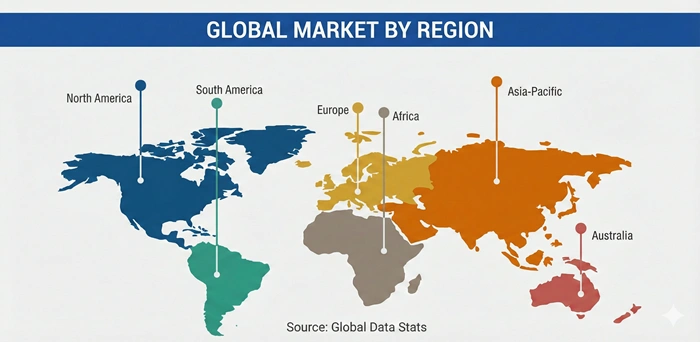
Asia Pacific dominates the hydrogen fuel cell vehicle market with the largest revenue share in 2025 and projects fastest regional CAGR of 50.21% from 2026 to 2035. The region's leadership stems from comprehensive government support across major markets including China, Japan, and South Korea that collectively operate over 700 hydrogen refueling stations supporting ambitious vehicle deployment targets. China leads with 384 operational stations as of 2024, more than any country worldwide, coupled with aggressive subsidies and industrial policies promoting domestic FCEV manufacturing and adoption across passenger and commercial vehicle segments. South Korea operates 198 stations with continued expansion throughout 2024, supporting Hyundai's global FCEV leadership and ambitious production capacity targets. Japan maintains 161 operational stations with steady infrastructure growth supporting Toyota's hydrogen strategy and comprehensive ecosystem development integrating production, distribution, and vehicle applications.
Regional market dynamics reflect strong automotive manufacturing capabilities and strategic national priorities positioning hydrogen as cornerstone of future energy systems. Leading automotive manufacturers including Toyota Motor Corporation, Hyundai Motor Company, Honda Motor Co., and numerous Chinese companies invest heavily in hydrogen fuel cell technology development and vehicle commercialization. Hyundai commits USD 6.7 billion to boost fuel cell production capacity by more than 200-fold by 2033, establishing dominant global supply capabilities. Chinese manufacturers including SAIC Motor Corporation, Foton Motor Group, and Zhengzhou Yutong Bus Co. rapidly scale production addressing massive domestic market demand driven by pollution reduction imperatives in major cities. The hydrogen fuel cell vehicle market in Asia Pacific benefits from coordinated government-industry collaboration creating comprehensive ecosystems encompassing hydrogen production, refueling infrastructure, vehicle manufacturing, and end-user incentives that collectively drive adoption across passenger and commercial applications, positioning the region for continued market dominance with fastest growth rates persisting through forecast period.
North America
Technology Innovation and Infrastructure Investments Driving Regional Market Expansion
North America demonstrates exceptional growth potential as fastest-expanding developed market region during forecast period. The United States leads regional expansion through USD 630 million Department of Transportation grant program accelerating hydrogen refueling infrastructure development, with California operating 54 stations and targeting 100 total facilities supporting 1.6 million zero-emission vehicles by 2025. Federal incentives under Inflation Reduction Act provide tax credits and purchase subsidies reducing net vehicle costs for consumers and fleet operators, while state-level programs in California, New York, and other progressive jurisdictions offer additional financial support. Ongoing research and development enhances PEM fuel cell performance, durability, and cost-effectiveness, with technology companies including Ballard Power Systems, Plug Power Inc., and automotive manufacturers establishing North American leadership in fuel cell innovation and commercialization.
Regional characteristics favor hydrogen adoption particularly in commercial fleet applications where operational advantages prove most compelling. Heavy-duty trucking companies recognize hydrogen fuel cells as superior solutions for long-haul freight requiring extended ranges and rapid refueling impossible with current battery-electric technologies. Public transportation agencies deploy fuel cell buses across major metropolitan areas including California transit systems demonstrating zero-emission performance without operational compromises. Logistics operators adopt hydrogen vehicles for delivery fleets requiring consistent performance and maximum productivity through rapid refueling minimizing downtime. The hydrogen fuel cell vehicle market benefits from public-private partnerships accelerating infrastructure deployment, exemplified by collaborations between automotive manufacturers, energy companies, and government agencies coordinating investments and establishing integrated ecosystems. Major industry players including Tesla Inc., Nikola Corporation, and traditional automakers General Motors Company and Ford Motor Company invest substantially in hydrogen technologies targeting commercial applications, positioning North America for sustained strong performance despite Asia Pacific's larger absolute market size through forecast period.
Top Key Players
-
Toyota Motor Corporation (Japan)
-
Hyundai Motor Company (South Korea)
-
Honda Motor Co. Ltd. (Japan)
-
BMW AG (Germany)
-
Mercedes-Benz Group AG (Germany)
-
Ballard Power Systems Inc. (Canada)
-
Plug Power Inc. (United States)
-
Nikola Corporation (United States)
-
SAIC Motor Corporation (China)
-
Foton Motor Group (China)
-
Zhengzhou Yutong Bus Co. Ltd. (China)
-
General Motors Company (United States)
-
Stellantis N.V. (Netherlands)
-
Daimler Truck AG (Germany)
-
Volvo Group (Sweden)
Recent Developments
-
2024 - Toyota Motor Corporation formed strategic partnership with BMW AG in September to enhance cooperation in the hydrogen sector, working toward establishment of hydrogen society and achieving carbon neutrality by developing fuel cell systems and improving infrastructure through collaborative technology development and market expansion initiatives
-
2024 - Hyundai Motor Company and Kia Corporation unveiled partnership in January to advance development of polymer electrolyte membrane for hydrogen fuel cell systems, collaborating to pioneer advanced PEM technology for next generation of fuel cell electric commercial vehicles with improved performance and durability
-
2022 - Hyundai Motor Company joined forces with Iveco Group in March to leverage combined strengths in electric drivetrains, platforms, fuel cell technology, automated driving, and communication technologies for commercial vehicles, capitalizing on complementary capabilities to accelerate hydrogen fuel cell vehicle commercialization across European and global markets
-
2022 - Stellantis launched hydrogen-powered commercial van production including medium commercial vans from Peugeot, Citroen, and Opel brands, marking major automotive group's entry into hydrogen fuel cell vehicle market with focus on commercial applications where hydrogen advantages prove most compelling
-
2022 - Korea South-East Power and SK E&S signed memorandum of understanding in August to collaborate on electricity production using green hydrogen and ammonia, supporting development of sustainable hydrogen ecosystem essential for long-term fuel cell vehicle adoption and infrastructure development
Market Trends
Green Hydrogen Production and Fleet Electrification Reshaping Market Dynamics
The hydrogen fuel cell vehicle market demonstrates accelerating shift toward green hydrogen production utilizing renewable energy sources eliminating lifecycle carbon emissions. Electrolysis powered by solar, wind, and hydroelectric generation creates truly sustainable hydrogen addressing environmental criticisms associated with hydrogen derived from fossil fuel reforming processes. Declining renewable energy costs make green hydrogen increasingly cost-competitive, with production expenses projected to reach parity with conventional hydrogen by 2030 in regions with abundant renewable resources. Countries including Australia, Chile, and Middle Eastern nations position themselves as major green hydrogen exporters, investing billions in production facilities and export infrastructure creating global supply chains. Industrial applications for hydrogen including steel manufacturing, chemical production, and energy storage create synergies where shared infrastructure reduces costs for transportation applications, establishing comprehensive ecosystems supporting diverse end uses beyond vehicle fueling.
Fleet electrification trends favor hydrogen fuel cells for commercial applications where operational requirements exceed battery-electric capabilities. Heavy-duty trucking adopts hydrogen solutions offering 500+ mile ranges and rapid refueling enabling long-haul freight operations impossible with current battery technologies constrained by extended charging times and weight penalties. Transit agencies worldwide deploy fuel cell buses demonstrating zero-emission urban transportation without operational compromises, with hundreds of hydrogen buses operating successfully across China, Europe, and North America. Delivery fleet operators recognize hydrogen advantages for last-mile logistics requiring consistent performance and maximum productivity through rapid refueling cycles. Strategic partnerships between automotive manufacturers and energy companies accelerate integrated ecosystem development, with collaborations exemplified by Toyota and Shell Hydrogen, Hyundai and Air Liquide, or BMW and energy providers establishing coordinated refueling networks supporting fleet deployments. These trends position the hydrogen fuel cell vehicle market for transformative growth as commercial applications demonstrate operational viability creating proof points that reduce perceived risks and accelerate mainstream adoption across transportation sectors through 2033.
Segments Covered in the Report
By Vehicle Type
-
Passenger Vehicles (Sedans, SUVs, Hatchbacks)
-
Commercial Vehicles (Light Commercial Vehicles, Heavy Commercial Vehicles)
-
Buses and Transit Vehicles
-
Heavy-Duty Trucks
-
Specialized Vehicles (Industrial Vehicles, Military Vehicles)
By Technology
-
Proton Exchange Membrane Fuel Cells (PEMFC)
-
Solid Oxide Fuel Cells (SOFC)
-
Phosphoric Acid Fuel Cells (PAFC)
-
Alkaline Fuel Cells
-
Others
By Range
-
Short Range (0-250 Miles)
-
Medium Range (251-500 Miles)
-
Long Range (Above 500 Miles)
By Power Output
-
Less than 150 kW
-
150-250 kW
-
Above 250 kW
By Application
-
Private Transportation
-
Public Transportation
-
Industrial Applications
-
Military & Defense
-
Logistics & Delivery
By Component
-
Fuel Cell Stack
-
Hydrogen Storage Tank
-
Battery Pack
-
Electric Motor
-
Power Electronics
-
Balance of Plant
By Region
-
North America (United States, Canada, Mexico)
-
Europe (Germany, United Kingdom, France, Italy, Spain, Netherlands)
-
Asia Pacific (China, Japan, South Korea, India, Australia)
-
Latin America (Brazil, Argentina)
-
Middle East & Africa (UAE, Saudi Arabia, South Africa)
Frequently Asked Questions
Question 1: What is the projected hydrogen fuel cell vehicle market size by 2033?
Answer: The global hydrogen fuel cell vehicle market is expected to reach approximately USD 175.20 billion by 2033. This exceptional growth reflects expanding refueling infrastructure, declining technology costs, and increasing adoption across passenger and commercial vehicle segments.
Question 2: Which region dominates the hydrogen fuel cell vehicle market currently?
Answer: Asia Pacific leads the hydrogen fuel cell vehicle market with the largest revenue share in 2025. The region benefits from extensive government support, 700+ operational refueling stations, and strong presence of leading manufacturers.
Question 3: What drives rapid growth in the hydrogen fuel cell vehicle market?
Answer: Key hydrogen fuel cell vehicle market drivers include government infrastructure funding, zero-emission regulatory mandates, heavy-duty commercial vehicle demand, technology cost reductions, and expanding green hydrogen production. Rapid refueling and extended range advantages also accelerate adoption.
Question 4: Which vehicle type dominates the hydrogen fuel cell vehicle market?
Answer: Passenger vehicles hold 61.2% of hydrogen fuel cell vehicle market revenue in 2025. This segment benefits from consumer demand for clean mobility, government incentives, improved vehicle design, and expanded model offerings from leading manufacturers.
Question 5: What are major challenges facing the hydrogen fuel cell vehicle market?
Answer: Key hydrogen fuel cell vehicle market challenges include expensive fuel cell systems with platinum catalysts, limited refueling station availability in rural areas, high infrastructure investment requirements, and consumer safety concerns. These barriers particularly impact price-sensitive markets and developing regions.