
Human Papillomavirus (HPV) Vaccines Market Overview
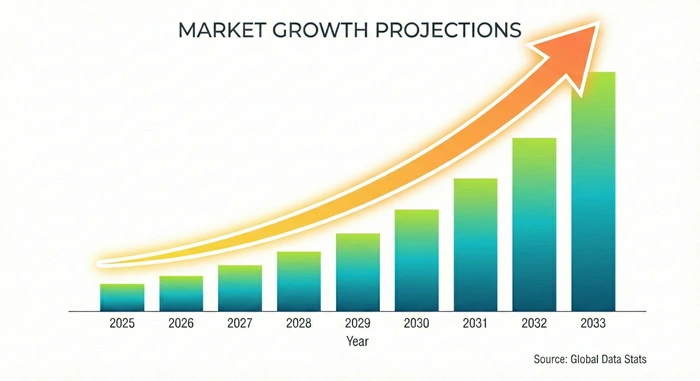
The global human papillomavirus (HPV) vaccines market size is valued at USD 9.03 billion in 2025 and is predicted to increase from USD 10.09 billion in 2026 to approximately USD 23.18 billion by 2033, growing at a CAGR of 10.42% from 2026 to 2033.
Human papillomavirus vaccines represent critical preventive medical interventions designed to protect against HPV infections responsible for cervical cancer, genital warts, and various head and neck malignancies affecting millions worldwide. These prophylactic vaccines including bivalent, quadrivalent, and nonavalent formulations target multiple high-risk and low-risk HPV strains providing comprehensive protection against oncogenic virus types through stimulation of neutralizing antibody production. Healthcare systems globally increasingly prioritize HPV vaccination programs incorporating school-based immunization initiatives, catch-up vaccination campaigns, and gender-neutral vaccination strategies supporting cancer prevention objectives and reducing long-term healthcare expenditure associated with HPV-related disease treatment throughout diverse populations across varying socioeconomic backgrounds.

AI Impact on the Human Papillomavirus (HPV) Vaccines Industry
Revolutionizing Vaccine Distribution and Coverage Tracking Through Predictive Analytics and Digital Health Integration
Artificial intelligence transforms the human papillomavirus (HPV) vaccines market by optimizing immunization program management through machine learning algorithms analyzing vaccination coverage patterns, demographic data, and healthcare access barriers identifying underserved populations requiring targeted outreach interventions. AI-powered predictive analytics forecast vaccine demand across geographic regions based on population demographics, birth rates, immunization schedule requirements, and seasonal utilization patterns enabling manufacturers and healthcare systems to optimize inventory management, reduce vaccine wastage, and prevent supply shortages during peak vaccination periods. Digital health platforms integrate vaccination records, appointment scheduling systems, and reminder notifications creating comprehensive immunization tracking supporting compliance improvement, series completion rates, and catch-up vaccination identification throughout complex multi-dose vaccination schedules requiring coordinated follow-up over extended timeframes.
Natural language processing technologies analyze social media conversations, online health forums, and community discussions detecting vaccine hesitancy patterns, misinformation spread, and public concern themes enabling public health authorities to develop targeted educational campaigns addressing specific misconceptions and cultural barriers limiting vaccine acceptance. The human papillomavirus (HPV) vaccines market benefits from AI-driven risk stratification tools identifying high-risk populations based on geographic location, socioeconomic factors, healthcare access limitations, and behavioral risk factors supporting prioritized vaccination outreach and resource allocation. Computer vision applications enable automated vaccine vial inspection, cold chain monitoring, and quality control verification ensuring product integrity throughout complex global distribution networks spanning diverse climatic conditions and infrastructure capabilities. Machine learning models analyze real-world effectiveness data, adverse event reports, and population health outcomes generating evidence supporting vaccination policy optimization, guideline refinement, and program evaluation supporting continuous quality improvement throughout national immunization programs worldwide.
Growth Factors
Rising Cancer Prevention Awareness and Government Immunization Programs Drive Robust Human Papillomavirus (HPV) Vaccines Market Expansion
The human papillomavirus (HPV) vaccines market experiences accelerated growth propelled by heightened global awareness regarding HPV-related cancer prevention, with cervical cancer representing fourth most common cancer among women worldwide causing over 300,000 deaths annually creating urgent public health imperative for comprehensive vaccination coverage. Growing scientific evidence documenting HPV vaccine effectiveness in preventing cervical precancerous lesions, genital warts, and various head and neck cancers motivates healthcare systems implementing universal vaccination recommendations incorporating both female and male populations recognizing herd immunity benefits and broader cancer prevention potential. The market gains tremendous momentum from government-sponsored immunization programs throughout developed and emerging economies, with numerous countries incorporating HPV vaccines into national immunization schedules providing free or subsidized vaccination supporting equitable access and coverage improvement.
International health organizations including World Health Organization promote global HPV vaccination expansion through technical guidance, funding support, and advocacy initiatives targeting cervical cancer elimination as public health problem by 2030 through achieving 90 percent vaccination coverage among girls by age 15. The human papillomavirus (HPV) vaccines market benefits from technological advancement delivering nonavalent vaccine formulations providing expanded protection against nine HPV types compared to earlier bivalent and quadrivalent vaccines, addressing approximately 90 percent of cervical cancer cases and offering superior value proposition justifying premium pricing. School-based vaccination programs demonstrate exceptional effectiveness achieving high coverage rates through systematic delivery in educational settings, parental consent streamlining, and peer normalization reducing individual vaccine hesitancy. Expanding male vaccination recommendations based on mounting evidence documenting HPV-related oropharyngeal cancer prevention, anal cancer risk reduction, and partnership protection benefits substantially broaden addressable market beyond traditional female-only vaccination strategies creating significant growth opportunity.
Market Outlook
Strategic Geographic Expansion and Coverage Enhancement Shape Promising Human Papillomavirus (HPV) Vaccines Market Trajectory
The human papillomavirus (HPV) vaccines market outlook reflects optimistic projections supported by continuing global commitment to cervical cancer elimination, expanding vaccination program implementation throughout low and middle-income countries, and growing recognition of HPV vaccination as cost-effective cancer prevention strategy delivering substantial long-term healthcare system savings. Manufacturers invest substantially in capacity expansion activities including production facility construction, technology transfer partnerships, and supply chain optimization supporting increased vaccine availability meeting growing global demand particularly throughout resource-limited settings where cervical cancer burden remains highest. Market dynamics increasingly favor single-dose vaccination schedule adoption following emerging clinical evidence suggesting comparable immunogenicity and effectiveness compared to traditional multi-dose regimens, potentially revolutionizing program implementation through simplified logistics, improved compliance, and reduced costs.
The industry witnesses strategic partnerships between pharmaceutical manufacturers, international organizations, and government agencies facilitating vaccine access improvement through tiered pricing structures, advance market commitments, and donation programs supporting immunization in lowest-income countries. The human papillomavirus (HPV) vaccines market adapts to evolving vaccination strategies incorporating catch-up campaigns targeting older adolescents and young adults, gender-neutral vaccination policies addressing male HPV-related disease burden, and integration with other preventive health services including reproductive health programs and cancer screening initiatives. Digital health integration advances through electronic immunization registries, mobile reminder systems, and coverage monitoring platforms supporting data-driven program management and enabling real-time vaccination rate tracking informing targeted interventions. Emerging market penetration represents substantial growth opportunity as healthcare infrastructure development, rising middle-class populations, expanding insurance coverage, and increasing health awareness create favorable conditions for HPV vaccination program expansion throughout Asia-Pacific, Latin America, and African regions where cervical cancer incidence remains disproportionately high.
Expert Speaks
-
Robert M. Davis, CEO of Merck & Co., emphasized the company's commitment to expanding global access to Gardasil vaccines through innovative partnerships, tiered pricing strategies, and capacity investments, noting that HPV vaccination represents transformative cancer prevention opportunity with potential to eliminate cervical cancer as public health problem while supporting Merck's mission of saving and improving lives worldwide through science-based innovations addressing significant unmet medical needs.
-
Emma Walmsley, CEO of GSK plc, highlighted that GSK continues strengthening vaccine portfolio through research investments and strategic partnerships, noting the company's focus on expanding HPV vaccine access throughout emerging markets supporting World Health Organization cervical cancer elimination goals while maintaining commitment to innovative vaccine development, manufacturing excellence, and global health equity throughout diverse populations worldwide.
-
Stéphane Bancel, CEO of Moderna Inc., stated that mRNA vaccine technology platforms offer exciting opportunities for next-generation HPV vaccine development potentially delivering improved immunogenicity, simplified dosing schedules, and broader strain coverage, emphasizing Moderna's commitment to leveraging innovative technologies addressing infectious disease prevention while expanding therapeutic modalities beyond COVID-19 applications throughout broader vaccine markets including oncogenic virus prevention.
Key Report Takeaways
-
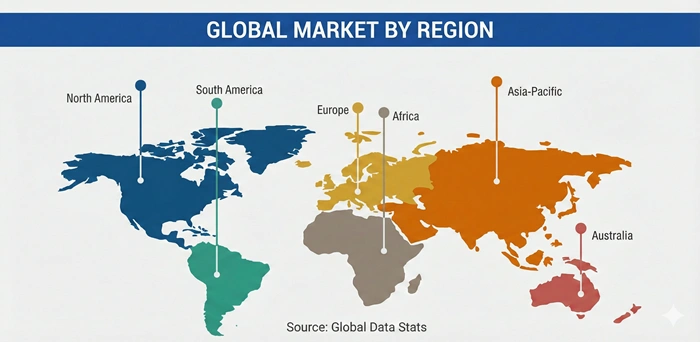
North America leads the human papillomavirus (HPV) vaccines market with approximately 46 percent regional share, driven by comprehensive school-based vaccination programs, strong awareness levels, established immunization infrastructure, favorable reimbursement coverage, gender-neutral vaccination recommendations, and presence of major vaccine manufacturers including Merck and GSK supporting continuous innovation and market leadership throughout HPV vaccine applications.
-
Asia-Pacific demonstrates the fastest growth trajectory in the human papillomavirus (HPV) vaccines market, expanding at a CAGR of approximately 12.8 percent, propelled by massive unvaccinated populations, rapidly increasing cervical cancer awareness, government immunization program expansion, rising healthcare expenditure, expanding middle-class populations with insurance access, and growing recognition of vaccination cost-effectiveness throughout China, India, Southeast Asian nations, and developing economies experiencing healthcare modernization.
-
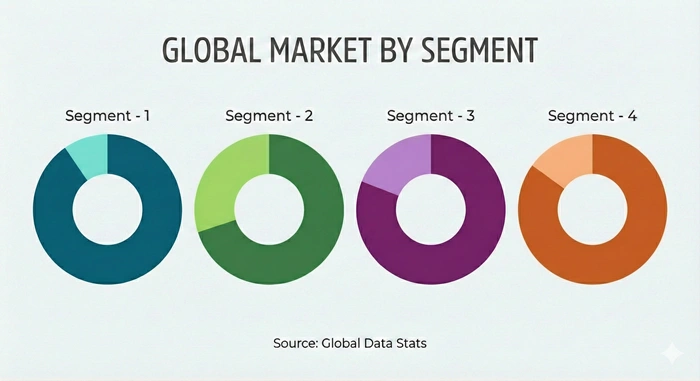
Quadrivalent vaccines represent the largest product segment consuming human papillomavirus (HPV) vaccines market with approximately 42 percent market share, as Gardasil formulation protecting against HPV types 6, 11, 16, and 18 demonstrates established safety profile, extensive clinical validation, and cost-effective protection against most common cervical cancer-causing strains and genital warts supporting widespread adoption throughout national immunization programs.
-
Female adolescents dominate target population categories accounting for approximately 64 percent vaccination coverage, based on prioritized immunization programs traditionally focusing on girls aged 9-14 years representing primary cervical cancer prevention target population, though male vaccination increasingly recognized as important cancer prevention and herd immunity strategy expanding addressable market.
-
Government suppliers contribute substantial distribution share at approximately 48 percent, driven by critical role of public sector immunization programs, national vaccine procurement agencies, and school-based vaccination delivery systems providing free or subsidized HPV vaccination supporting equitable access and high coverage achievement throughout diverse populations regardless of socioeconomic status.
-
Nonavalent vaccines will experience rapid future growth through 2033, expanding at a CAGR of approximately 13.5 percent and capturing increasing market share percentage as Gardasil 9 formulation protecting against nine HPV types including five additional oncogenic strains beyond quadrivalent vaccine offers superior cancer prevention coverage justifying premium positioning and gradual replacement of earlier vaccine generations throughout developed markets.
Market Scope
| Report Coverage Details | |
|---|---|
| Market Size by 2033 | USD 23.18 Billion |
| Market Size by 2025 | USD 9.03 Billion |
| Market Size by 2026 | USD 10.09 Billion |
| Market Growth Rate from 2026 to 2033 | CAGR of 10.42% |
| Dominating Region | North America |
| Fastest Growing Region | Asia-Pacific |
| Base Year | 2025 |
| Forecast Period | 2026 to 2033 |
| Segments Covered | By Vaccine Type, By Gender, By Distribution Channel, By Region |
| Regions Covered | North America, Europe, Asia-Pacific, Latin America, Middle East & Africa |
Market Dynamics
Drivers Impact Analysis
Escalating Cancer Prevention Initiatives and Universal Vaccination Recommendations Propel Sustained Human Papillomavirus (HPV) Vaccines Market Momentum
The human papillomavirus (HPV) vaccines market benefits tremendously from intensifying global cancer prevention initiatives emphasizing vaccination as primary strategy for cervical cancer elimination, with World Health Organization setting ambitious targets achieving 90 percent HPV vaccination coverage among girls by age 15, 70 percent cervical screening coverage, and 90 percent treatment coverage for pre-cancerous lesions and invasive cancers by 2030 creating unprecedented political commitment and resource mobilization. Growing scientific consensus regarding HPV vaccine safety and effectiveness accumulated through over 270 million doses administered globally demonstrating excellent safety profiles, substantial reductions in HPV infection rates, cervical precancerous lesion incidence decreases, and early evidence suggesting cervical cancer incidence declines motivates continued program expansion and vaccination recommendation strengthening. The market gains momentum from gender-neutral vaccination policy adoption recognizing male HPV-related disease burden including oropharyngeal cancers, anal cancers, penile cancers, and genital warts alongside herd immunity benefits protecting unvaccinated populations through reduced community HPV transmission.
School-based vaccination delivery models demonstrate exceptional effectiveness achieving coverage rates exceeding 80 percent through systematic implementation, reduced access barriers, peer normalization effects, and simplified parental consent procedures compared to clinic-based delivery requiring individual healthcare visits creating scheduling challenges and access disparities. The human papillomavirus (HPV) vaccines market benefits from economic evidence documenting cost-effectiveness through lifetime healthcare cost savings, productivity gains from cancer prevention, and reduced treatment expenditures justifying public sector vaccination investments even in resource-limited settings. International funding mechanisms including Gavi, the Vaccine Alliance provide financial support enabling low-income countries to introduce HPV vaccination programs through subsidized vaccine procurement, delivery system strengthening, and technical assistance addressing implementation barriers. Technological advancement delivers improved vaccine formulations including nonavalent vaccines offering broader strain coverage, potential single-dose schedules simplifying program logistics, and ongoing research exploring therapeutic vaccines addressing existing HPV infections beyond current prophylactic applications.
| Driver Factor | ≈ Impact on CAGR Forecast | Geographic Relevance | Impact Timeline |
|---|---|---|---|
| Global cancer elimination initiatives and vaccination targets | +2.2% to +2.8% | Global, particularly strong in emerging markets | Immediate and ongoing |
| Gender-neutral vaccination policy expansion | +1.8% to +2.3% | Primarily developed markets with policy evolution | Short to medium-term |
| School-based delivery system implementation | +1.4% to +1.9% | Countries with established education systems | Immediate and ongoing |
| International funding and access programs | +1.0% to +1.5% | Low and middle-income countries | Short to medium-term |
Restraints Impact Analysis
Vaccine Hesitancy and Access Barriers Moderate Human Papillomavirus (HPV) Vaccines Market Growth Expectations
The human papillomavirus (HPV) vaccines market confronts significant challenges from persistent vaccine hesitancy rooted in misinformation regarding vaccine safety, concerns about sexual behavior normalization, cultural and religious objections to adolescent vaccination, and skepticism regarding vaccination necessity for sexually transmitted infection prevention creating parental refusal patterns limiting coverage achievement particularly in communities with low health literacy and strong anti-vaccination movements. Supply constraints affect market penetration as production capacity limitations, complex manufacturing requirements, and quality control demands create periodic vaccine shortages particularly impacting low and middle-income countries relying on limited supplier base and facing competing demand from high-income markets willing to pay premium prices. The market experiences headwinds from multi-dose schedule requirements traditionally necessitating two or three vaccine doses over six-month periods creating compliance challenges, series completion difficulties, and logistical complexities for healthcare systems tracking individual vaccination status and scheduling follow-up appointments.
The human papillomavirus (HPV) vaccines market faces challenges from high vaccine costs particularly in middle-income countries ineligible for Gavi support yet lacking resources for universal vaccination program implementation creating coverage gaps where cervical cancer burden often remains highest due to limited screening and treatment infrastructure. Healthcare system infrastructure limitations including cold chain capacity constraints, trained workforce shortages, and competing health priorities in resource-limited settings delay program introduction and limit vaccination coverage despite policy commitments and funding availability. Competitive pressure from alternative cancer prevention strategies including improved cervical screening technologies, self-collection HPV testing approaches, and therapeutic interventions for pre-cancerous lesions potentially displacing vaccination as preferred prevention modality in specific populations or settings where screening infrastructure exists. Regulatory complexities and approval timelines vary substantially across jurisdictions creating market access delays, limiting timely new product introductions, and complicating global launch strategies for improved vaccine formulations including single-dose schedules requiring extensive clinical validation and regulatory review processes.
| Restraint Factor | ≈ Impact on CAGR Forecast | Geographic Relevance | Impact Timeline |
|---|---|---|---|
| Vaccine hesitancy and misinformation concerns | -1.0% to -1.5% | Strongest in communities with anti-vaccination movements | Immediate and ongoing |
| Supply constraints and production capacity limitations | -0.8% to -1.2% | Particularly challenging in low and middle-income countries | Immediate and ongoing |
| Multi-dose compliance challenges and program complexity | -0.6% to -0.9% | Global, particularly pronounced in weak health systems | Medium to long-term |
| High vaccine costs and funding limitations | -0.5% to -0.8% | Primarily affecting middle-income countries | Ongoing |
Opportunities Impact Analysis
Single-Dose Schedule Adoption and Emerging Market Expansion Create Substantial Human Papillomavirus (HPV) Vaccines Market Growth Potential
The human papillomavirus (HPV) vaccines market presents compelling opportunities through single-dose vaccination schedule implementation following mounting evidence suggesting comparable immunogenicity and protection compared to two-dose regimens potentially revolutionizing program delivery through simplified logistics, improved compliance, reduced costs, and expanded feasible implementation throughout resource-limited settings lacking robust follow-up systems. Geographic expansion into underserved regions throughout Asia-Pacific, Latin America, sub-Saharan Africa, and Middle East where cervical cancer incidence remains disproportionately high, screening infrastructure remains limited, and vaccination coverage remains low creates massive addressable market opportunity with billions of unvaccinated adolescents representing potential beneficiaries of expanded immunization programs supported by international funding mechanisms and government commitments. Catch-up vaccination campaigns targeting older adolescents, young adults, and specific high-risk populations including immunocompromised individuals and men who have sex with men expand market beyond routine pediatric immunization creating supplementary demand for HPV vaccines.
Research and development activities focused on next-generation vaccine technologies including mRNA platforms potentially delivering improved immunogenicity, broader strain coverage, and simplified manufacturing enable differentiation opportunities and premium market positioning beyond current protein-based vaccine technologies. The human papillomavirus (HPV) vaccines market benefits from integration strategies combining vaccination with other preventive services including adolescent health visits, reproductive health programs, and cancer screening initiatives creating synergistic public health approaches improving overall service utilization and supporting vaccination program sustainability. Partnership opportunities between pharmaceutical manufacturers, international organizations, governments, and non-governmental organizations create innovative financing mechanisms including advanced market commitments, tiered pricing structures, technology transfer arrangements, and local production partnerships addressing access barriers while maintaining commercial sustainability. Male vaccination market expansion represents substantial untapped opportunity as evidence accumulates regarding HPV-related disease burden in males, policy recommendations increasingly incorporate gender-neutral approaches, and awareness grows regarding oropharyngeal cancer prevention benefits creating demand expansion beyond traditional female-focused programs throughout developed markets with resources supporting comprehensive cancer prevention strategies.
| Opportunity Factor | ≈ Impact on CAGR Forecast | Geographic Relevance | Impact Timeline |
|---|---|---|---|
| Single-dose schedule implementation and simplified delivery | +1.5% to +2.1% | Global, particularly transformative in resource-limited settings | Short to medium-term |
| Emerging market vaccination program expansion | +1.2% to +1.8% | Asia-Pacific, Latin America, Africa, Middle East | Short to medium-term |
| Catch-up vaccination and expanded age recommendations | +0.9% to +1.3% | Developed markets with resources for comprehensive programs | Short to medium-term |
| Next-generation vaccine technology development | +0.6% to +1.0% | Research-intensive developed markets | Medium to long-term |
Segment Analysis
By Vaccine Type - Quadrivalent Vaccines
Established Safety Profile and Cost-Effectiveness Position Quadrivalent Vaccines as Dominant Human Papillomavirus (HPV) Vaccines Market Segment
Quadrivalent vaccines command approximately 42 percent of the human papillomavirus (HPV) vaccines market share, expanding at a CAGR of 9.8 percent throughout the forecast period as Gardasil formulation protecting against HPV types 6, 11, 16, and 18 provides comprehensive protection against most common cervical cancer-causing strains and genital warts through well-established immunogenic protein-based vaccine technology. Healthcare professionals appreciate quadrivalent vaccine versatility addressing both oncogenic HPV types responsible for approximately 70 percent of cervical cancers and low-risk types causing over 90 percent of genital warts cases creating comprehensive disease prevention value proposition. The segment benefits from particularly strong evidence base accumulated through over 15 years of real-world experience including millions of vaccinated individuals demonstrating excellent safety profiles, substantial HPV infection reductions, genital wart incidence decreases, and cervical pre-cancerous lesion prevention supporting continued utilization throughout national immunization programs worldwide.
North America maintains dominant quadrivalent vaccine consumption within the human papillomavirus (HPV) vaccines market, supported by established school-based vaccination programs, comprehensive insurance coverage, strong public health infrastructure, and physician familiarity with Gardasil brand supporting continued prescribing patterns despite nonavalent vaccine availability. Europe demonstrates substantial utilization with particular strength in countries including United Kingdom, Germany, and France where national immunization schedules incorporate HPV vaccination and public health systems prioritize cervical cancer prevention through systematic vaccination delivery. Leading vaccine manufacturers serving the quadrivalent segment include Merck & Co. marketing Gardasil globally with extensive distribution networks, GSK providing Cervarix bivalent alternative in specific markets, and various regional suppliers including Serum Institute of India developing lower-cost vaccine options for price-sensitive markets. The market benefits from continuing quadrivalent vaccine relevance particularly throughout resource-limited settings where cost considerations favor lower-priced quadrivalent formulations over premium nonavalent vaccines, and disease burden data demonstrates substantial public health impact achievable through protection against four HPV types covering majority of cervical cancer cases supporting cost-effective prevention strategies.
By Distribution Channel - Government Suppliers
Public Sector Immunization Programs Establish Government Suppliers as Critical Human Papillomavirus (HPV) Vaccines Market Distribution Segment
Government suppliers account for approximately 48 percent of the human papillomavirus (HPV) vaccines market distribution consumption, growing at a CAGR of 10.9 percent as public sector immunization programs, national vaccine procurement agencies, and school-based vaccination delivery systems provide free or subsidized HPV vaccination supporting equitable access and high coverage achievement. Healthcare systems appreciate government distribution model effectiveness enabling systematic vaccination delivery through established public health infrastructure, centralized vaccine procurement achieving economies of scale, and integration with routine immunization programs reducing delivery costs compared to individual clinical encounters. The segment encompasses diverse implementation models including school-based programs delivering vaccination during regular school days minimizing access barriers, public health clinic delivery providing vaccination during routine health visits, and community outreach programs targeting underserved populations through mobile vaccination units and special campaigns.
North America maintains substantial government supplier segment share for the human papillomavirus (HPV) vaccines market, supported by Vaccines for Children program providing free vaccination for eligible populations, state-level immunization programs supporting school-based delivery, and comprehensive tracking systems monitoring coverage rates. Europe demonstrates strong government distribution preference with particular emphasis on countries including United Kingdom, Australia, and Nordic nations where universal healthcare systems incorporate HPV vaccination into publicly funded immunization schedules administered through schools and primary care practices. Major government procurement represents primary market access pathway throughout emerging economies where public sector health systems dominate healthcare delivery and private insurance markets remain underdeveloped requiring manufacturers to navigate complex tender processes, tiered pricing negotiations, and supply agreement structuring. The segment benefits from international procurement mechanisms including UNICEF, Pan American Health Organization revolving fund, and Gavi-supported programs facilitating vaccine access throughout low and middle-income countries through pooled procurement, negotiated pricing, and coordinated delivery supporting rapid program scale-up and sustained vaccination coverage throughout resource-limited settings where commercial markets remain nascent yet disease prevention needs remain most urgent requiring innovative distribution and financing approaches.
Regional Insights
North America
Comprehensive Immunization Infrastructure and Strong Prevention Culture Establish North America as Dominant Human Papillomavirus (HPV) Vaccines Market Leader
North America commands approximately 46 percent of the global human papillomavirus (HPV) vaccines market share, expanding at a CAGR of 10.1 percent from 2026 to 2033, driven by sophisticated immunization infrastructure, comprehensive school-based vaccination programs, strong public awareness regarding HPV-related cancer prevention, favorable insurance coverage including Vaccines for Children program, gender-neutral vaccination recommendations, and presence of major vaccine manufacturers including Merck maintaining market leadership through continuous innovation and extensive clinical evidence generation. The region benefits from well-established vaccination delivery systems incorporating systematic school-based programs achieving high coverage rates, catch-up vaccination recommendations for young adults, and provider education supporting consistent vaccination recommendation practices. United States represents the dominant country market within North America, with CDC Advisory Committee on Immunization Practices recommending routine HPV vaccination for adolescents aged 11-12 years and catch-up vaccination through age 26, supporting substantial vaccine utilization.
The North American human papillomavirus (HPV) vaccines market features Merck & Co. as dominant supplier marketing Gardasil and Gardasil 9 vaccines with exclusive market position following GSK Cervarix discontinuation in United States market, creating oligopolistic market structure with limited competition yet strong public health advocacy supporting vaccination uptake. Regulatory framework emphasizes comprehensive safety monitoring through Vaccine Adverse Event Reporting System, Vaccine Safety Datalink, and post-licensure surveillance studies ensuring ongoing safety evaluation throughout millions of vaccinated individuals. The region demonstrates strong adoption of nonavalent vaccine formulations replacing earlier quadrivalent vaccines throughout routine immunization programs supporting enhanced cancer prevention coverage. Market dynamics include mature vaccination programs achieving coverage rates approaching 75 percent for series initiation yet facing challenges improving series completion rates, addressing vaccine hesitancy particularly in specific demographic groups, and expanding male vaccination coverage rates lagging behind female coverage despite universal recommendations supporting ongoing public health education efforts and provider engagement initiatives.
Asia-Pacific
Massive Unvaccinated Populations and Program Expansion Position Asia-Pacific as Fastest Growing Human Papillomavirus (HPV) Vaccines Market
Asia-Pacific demonstrates the fastest human papillomavirus (HPV) vaccines market growth trajectory, expanding at a CAGR of 12.8 percent from 2026 to 2033, propelled by massive population bases including over 500 million girls aged 9-14 years representing primary vaccination target population, rapidly increasing cervical cancer awareness driven by public health campaigns and advocacy organizations, government immunization program expansion throughout China, India, Southeast Asian nations, and Pacific islands, rising healthcare expenditure supporting preventive health investments, and growing middle-class populations with insurance access enabling vaccination affordability. The region encompasses diverse market characteristics ranging from developed systems in Japan, South Korea, Singapore, and Australia with established national immunization programs to rapidly emerging capabilities throughout China, India, Indonesia, and Philippines experiencing accelerated program introduction supported by government commitments, international partnerships, and donor funding.
The Asia-Pacific human papillomavirus (HPV) vaccines market features diverse competitive dynamics with Merck, GSK, and emerging regional manufacturers including Serum Institute of India developing domestically produced vaccines addressing price-sensitive markets through lower-cost alternatives supporting program affordability and sustainability. China represents particularly substantial growth opportunity following national HPV vaccination program announcement targeting free vaccination for age-eligible girls in selected provinces with plans for nationwide expansion, creating demand for hundreds of millions of vaccine doses. Government healthcare initiatives implement school-based vaccination pilots, public awareness campaigns addressing cultural sensitivities and misinformation, and healthcare provider training supporting program quality and coverage improvement. India demonstrates exceptional growth potential with massive unvaccinated population, rising cervical cancer burden causing approximately 75,000 deaths annually, and government commitment to HPV vaccination introduction following successful pilot demonstrations yet facing implementation challenges including funding constraints, healthcare infrastructure limitations, and vaccine supply negotiations. The region's market outlook remains exceptionally favorable based on continuing economic development, urbanization improving healthcare access, rising health awareness supporting preventive interventions, and increasing integration with global immunization initiatives supporting program acceleration and coverage expansion throughout populations experiencing disproportionate cervical cancer burden yet lacking comprehensive screening infrastructure creating urgent vaccination imperative.
Top Key Players
-
Merck & Co. Inc. (United States)
-
GSK plc (United Kingdom)
-
Serum Institute of India Pvt. Ltd. (India)
-
Shanghai Zerun Biotechnology Co. Ltd. (China)
-
Xiamen Innovax Biotech Co. Ltd. (China)
-
Beijing Wantai Biological Pharmacy Enterprise Co. Ltd. (China)
-
Walvax Biotechnology Co. Ltd. (China)
-
Chengdu Kanghong Biotechnologies Co. Ltd. (China)
-
Pfizer Inc. (United States)
-
Sanofi Pasteur (France)
-
CSL Limited (Australia)
-
Moderna Inc. (United States)
-
Johnson & Johnson (United States)
-
Emergent BioSolutions Inc. (United States)
-
MedImmune LLC (United States)
Recent Developments
-
Merck & Co. - 2025: Advanced HPV vaccine portfolio through continued investment in clinical development programs investigating single-dose vaccination schedules, expanded age recommendations, and real-world effectiveness studies, while strengthening manufacturing capacity supporting increased global vaccine supply particularly for Gavi-eligible countries and strengthening commercial presence throughout emerging markets including Southeast Asia and Latin America supporting global cervical cancer elimination goals through improved vaccine access and affordability.
-
GSK - 2024: Completed strategic partnerships with international organizations advancing HPV vaccine access improvement throughout low and middle-income countries, while investing in supply chain optimization, tiered pricing strategies, and technology transfer discussions supporting local manufacturing capabilities in emerging markets reducing dependency on imported vaccines and improving program sustainability through domestic production supporting long-term vaccination program maintenance and coverage expansion.
-
Serum Institute of India - 2024: Expanded HPV vaccine manufacturing capacity through facility investments supporting quadrivalent vaccine production for domestic Indian market and export to other low and middle-income countries, while advancing clinical development programs, regulatory approval processes, and quality system improvements supporting World Health Organization prequalification enabling UNICEF procurement and Gavi program inclusion creating substantial market access opportunity throughout resource-limited settings requiring affordable vaccine options.
-
Shanghai Zerun Biotechnology - 2023: Advanced domestic Chinese HPV vaccine development through regulatory approvals, commercial launches, and market penetration strategies competing with imported vaccines through competitive pricing, government procurement participation, and domestic preference policies supporting Chinese immunization program expansion while investing in next-generation vaccine technologies, expanded strain coverage formulations, and international market development initiatives exploring registration opportunities in neighboring Asian markets and broader international expansion.
-
Moderna - 2025: Initiated clinical development programs exploring mRNA-based HPV vaccine candidates leveraging platform technology successful in COVID-19 vaccine development, investigating potential advantages including improved immunogenicity, simplified manufacturing, broader strain coverage, and potential single-dose efficacy supporting differentiation from existing protein-based vaccines while advancing partnership discussions with international organizations, governments, and healthcare systems regarding access strategies, pricing approaches, and program implementation supporting innovation commercialization if clinical development proves successful.
Market Trends
Single-Dose Schedules and Gender-Neutral Policies Define Contemporary Human Papillomavirus (HPV) Vaccines Market Evolution
The human papillomavirus (HPV) vaccines market increasingly emphasizes single-dose vaccination schedule implementation following emerging clinical evidence suggesting comparable immunogenicity and protection compared to traditional two-dose regimens potentially revolutionizing program delivery through simplified logistics, improved compliance, reduced costs, and expanded feasible implementation throughout resource-limited settings. Healthcare organizations including World Health Organization update immunization guidance recommending single-dose schedules as alternative to multi-dose regimens particularly for girls aged 9-14 years based on accumulating immunobridging studies, mathematical modeling, and early effectiveness data suggesting durable protection. Clinical evidence demonstrates that single-dose approaches maintain immunologic memory, antibody persistence, and protection against HPV infection and cervical pre-cancerous lesions supporting policy evolution reducing implementation barriers and accelerating coverage expansion particularly throughout settings where follow-up visits create substantial programmatic challenges limiting series completion rates.
Gender-neutral vaccination policy adoption advances as healthcare systems recognize male HPV-related disease burden including oropharyngeal cancers, anal cancers, penile cancers, and genital warts alongside herd immunity benefits and equity considerations supporting universal adolescent vaccination recommendations regardless of sex. The human papillomavirus (HPV) vaccines market adapts to integration strategies combining vaccination with other adolescent health services, sexual health education, and cancer screening programs creating comprehensive prevention approaches. Catch-up vaccination campaigns targeting young adults, specific high-risk populations, and previously unvaccinated cohorts expand market beyond routine pediatric immunization creating supplementary demand. Value-based procurement approaches emphasize health outcomes, coverage achievement, and program sustainability rather than purely price-based selection supporting supplier commitments to long-term program support, supply security, and partnership models addressing implementation challenges throughout diverse healthcare system contexts requiring tailored delivery approaches accounting for cultural considerations, infrastructure limitations, and stakeholder engagement requirements.
Segments Covered in the Report
By Vaccine Type
-
Bivalent Vaccines (HPV 16, 18)
-
Quadrivalent Vaccines (HPV 6, 11, 16, 18)
-
Nonavalent Vaccines (HPV 6, 11, 16, 18, 31, 33, 45, 52, 58)
By Gender
-
Female
-
Male
By Distribution Channel
-
Government Suppliers
-
Hospital & Retail Pharmacies
-
Others
By Indication
-
Cervical Cancer Prevention
-
Genital Warts Prevention
-
Other HPV-Related Cancers (Oropharyngeal, Anal, Penile, Vulvar, Vaginal)
By Region
-
North America (United States, Canada, Mexico)
-
Europe (Germany, United Kingdom, France, Italy, Spain, Rest of Europe)
-
Asia-Pacific (China, India, Japan, South Korea, Australia, Southeast Asia, Rest of Asia-Pacific)
-
Latin America (Brazil, Argentina, Rest of Latin America)
-
Middle East & Africa (Saudi Arabia, UAE, South Africa, Rest of MEA)
Frequently Asked Questions
Question 1: What is the expected human papillomavirus (HPV) vaccines market size by 2033?
Answer: The global human papillomavirus (HPV) vaccines market is projected to reach approximately USD 23.18 billion by 2033, growing from USD 10.09 billion in 2026. This substantial expansion reflects increasing vaccination program implementation, growing cancer prevention awareness, government immunization initiatives, and expanding healthcare infrastructure throughout emerging economies supporting comprehensive HPV vaccination capabilities.
Question 2: Which region dominates the human papillomavirus (HPV) vaccines market currently?
Answer: North America dominates the human papillomavirus (HPV) vaccines market with approximately 46 percent share, driven by comprehensive immunization infrastructure and strong prevention culture. The region benefits from established school-based vaccination programs, favorable insurance coverage, gender-neutral vaccination recommendations, and presence of major vaccine manufacturers including Merck maintaining market leadership through continuous innovation.
Question 3: What factors drive human papillomavirus (HPV) vaccines market growth during the forecast period?
Answer: Rising cancer prevention initiatives, government immunization program expansion, gender-neutral vaccination policy adoption, and school-based delivery system implementation drive human papillomavirus (HPV) vaccines market growth. These factors collectively expand vaccination demand, support coverage improvement, enhance cancer prevention outcomes, and deliver improved public health impact throughout diverse populations requiring comprehensive cervical cancer prevention strategies.
Question 4: Which vaccine type segment holds the largest human papillomavirus (HPV) vaccines market share?
Answer: Quadrivalent vaccines represent the largest vaccine type segment with approximately 42 percent human papillomavirus (HPV) vaccines market share based on established safety profile and cost-effectiveness. These vaccines including Gardasil formulation protect against HPV types 6, 11, 16, and 18 providing comprehensive protection against most common cervical cancer-causing strains and genital warts throughout diverse patient populations.
Question 5: How do government suppliers contribute to the human papillomavirus (HPV) vaccines market?
Answer: Government suppliers account for approximately 48 percent of human papillomavirus (HPV) vaccines market distribution through critical role in public sector immunization programs. These distribution channels including national vaccine procurement agencies and school-based vaccination systems provide free or subsidized HPV vaccination supporting equitable access and high coverage achievement throughout diverse populations regardless of socioeconomic status.