
Human Fibrinogen Concentrates Market Overview
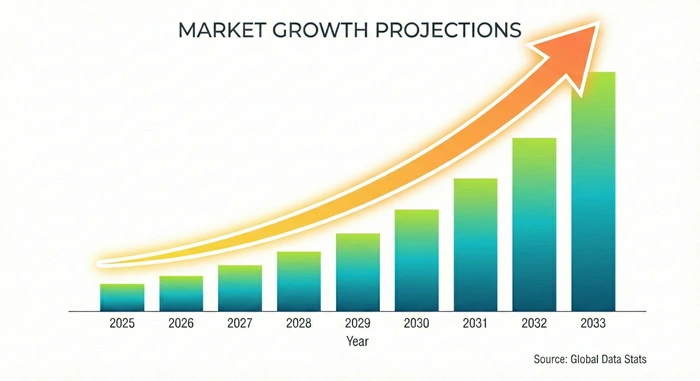
The global human fibrinogen concentrates market size is valued at USD 0.82 billion in 2025 and is predicted to increase from USD 0.91 billion in 2026 to approximately USD 2.19 billion by 2033, growing at a CAGR of 8.45% from 2026 to 2033.
Human fibrinogen concentrates represent specialized plasma-derived hemostatic agents used to treat congenital and acquired fibrinogen deficiencies by restoring normal clotting function through intravenous administration of purified fibrinogen protein. These concentrates play critical roles in managing bleeding disorders, supporting complex surgical procedures, controlling trauma-related hemorrhage, and preventing postpartum hemorrhage complications throughout diverse clinical settings. Healthcare systems worldwide increasingly prioritize fibrinogen replacement therapy as first-line treatment for hypofibrinogenemia due to superior safety profile compared to fresh frozen plasma, precise dosing capabilities, reduced volume load, and decreased transfusion-related complications supporting improved patient outcomes and reduced healthcare burden throughout complex bleeding management scenarios.

AI Impact on the Human Fibrinogen Concentrates Industry
Revolutionizing Bleeding Management and Treatment Optimization Through Predictive Analytics and Machine Learning Algorithms
Artificial intelligence transforms the human fibrinogen concentrates market by optimizing bleeding management through machine learning algorithms analyzing coagulation profiles, surgical complexity, patient characteristics, and real-time bleeding patterns identifying high-risk individuals requiring preemptive fibrinogen replacement therapy before catastrophic hemorrhage occurs. AI-powered clinical decision support systems integrate laboratory results, point-of-care testing data, and patient vital signs generating personalized fibrinogen dosing recommendations optimized for individual patient characteristics, surgical procedures, and bleeding risk profiles supporting evidence-based care delivery throughout complex clinical scenarios. Predictive analytics leverage historical data to forecast fibrinogen consumption patterns across surgical specialties, trauma centers, and intensive care units enabling hospitals to optimize inventory management, reduce product wastage, and prevent critical shortages during peak demand periods.
Natural language processing technologies analyze electronic health records, transfusion records, and adverse event reports extracting critical information supporting population health management, quality improvement initiatives, and clinical research identifying optimal fibrinogen replacement strategies for specific patient subgroups. Computer vision integration enables advanced imaging analysis detecting subtle bleeding patterns, tissue perfusion changes, and coagulation abnormalities supporting early intervention preventing complications. Digital health platforms connect laboratory systems, point-of-care testing devices, and electronic health records creating comprehensive bleeding management coordination supporting shared decision-making, treatment adherence support, and protocol standardization throughout complex surgical and trauma care requiring multidisciplinary collaboration. Machine learning models analyze real-world effectiveness data, adverse event reports, and patient outcomes generating evidence supporting guideline refinement, protocol optimization, and continuous quality improvement throughout fibrinogen replacement therapy implementation.
Growth Factors
Rising Surgical Volumes and Bleeding Disorder Prevalence Drive Robust Human Fibrinogen Concentrates Market Expansion
The human fibrinogen concentrates market experiences accelerated growth propelled by alarming increases in surgical procedure volumes worldwide, with estimates indicating over 300 million major surgeries performed annually creating substantial demand for effective hemostatic agents including fibrinogen concentrates. Growing scientific evidence documenting clinical effectiveness of fibrinogen replacement therapy in preventing and controlling bleeding during complex cardiac, orthopedic, neurosurgical, and trauma procedures motivates healthcare providers incorporating these treatments into standard care protocols, with clinical trials demonstrating reduced transfusion requirements, decreased bleeding complications, and improved patient outcomes compared to conventional approaches. The market gains tremendous momentum from technological advancement delivering improved fibrinogen concentrate formulations including higher purity products, reduced pathogen risk through advanced viral inactivation techniques, and improved stability characteristics supporting broader clinical utilization.
Healthcare infrastructure development throughout emerging economies creates favorable conditions for human fibrinogen concentrates market expansion, with governments investing in specialized trauma centers, cardiac surgery programs, and comprehensive surgical services supporting advanced hemostatic therapy capabilities. The human fibrinogen concentrates market benefits from favorable reimbursement policies and clinical guideline updates incorporating evidence-based fibrinogen replacement algorithms creating standardized care pathways supporting consistent utilization of proven therapies. Rising awareness among general populations regarding bleeding disorder symptoms, risk factors, and treatment options drives earlier healthcare seeking behavior, supporting timely diagnosis and intervention preventing disease progression to advanced stages requiring complex treatments and generating worse outcomes despite aggressive therapeutic approaches. Expanding indications for fibrinogen replacement therapy including postpartum hemorrhage management, trauma resuscitation, and acquired coagulation disorders create substantial growth opportunity beyond traditional congenital deficiency treatment expanding addressable market and supporting utilization growth throughout diverse clinical specialties.
Market Outlook
Strategic Innovation and Geographic Expansion Shape Promising Human Fibrinogen Concentrates Market Trajectory
The human fibrinogen concentrates market outlook reflects optimistic projections supported by continuing surgical volume growth, advancing hemostatic therapy capabilities, and expanding recognition of fibrinogen replacement as essential component of comprehensive bleeding management. Manufacturers invest substantially in research activities exploring novel fibrinogen concentrate formulations, advanced purification technologies, recombinant fibrinogen products, and improved viral inactivation methods enabling safer, more effective, and more convenient hemostatic solutions. Market dynamics increasingly favor capacity expansion through new manufacturing facilities, existing plant upgrades, and strategic partnerships enabling manufacturers to meet growing global demand while maintaining rigorous quality standards and regulatory compliance throughout complex international supply chains.
The industry witnesses consolidation trends as major plasma fractionation companies acquire specialized fibrinogen manufacturers, integrate complementary technologies, and establish comprehensive plasma-derived therapy portfolios creating one-stop solutions for healthcare providers. The human fibrinogen concentrates market adapts to sustainability considerations as environmentally conscious stakeholders prioritize suppliers implementing green manufacturing practices, reducing solvent usage, optimizing energy consumption, and developing eco-friendly packaging supporting environmental responsibility while maintaining product sterility and performance characteristics. Healthcare system integration advances through electronic health record connectivity, automated quality reporting, and population health management platforms identifying at-risk patients, monitoring treatment adherence, and coordinating multidisciplinary care teams throughout complex bleeding management requiring collaboration among surgery, anesthesia, hematology, and intensive care specialties. Emerging market penetration represents substantial growth opportunity as fibrinogen replacement capabilities expand throughout Asia-Pacific, Latin America, Middle East, and African regions where surgical volume growth, trauma incidence, and bleeding disorder prevalence create favorable conditions for advanced hemostatic therapy adoption.
Expert Speaks
-
Paul Perreault, President and CEO of CSL Behring, emphasized the company's commitment to leading the plasma-derived therapy industry through innovation, strategic investments, and operational excellence, noting the company's focus on plasma collection expansion, fractionation capacity growth, and pipeline development supporting long-term shareholder value creation while addressing unmet medical needs for patients with rare and chronic bleeding disorders requiring fibrinogen replacement therapy.
-
Alberto Grignolo, CEO of Grifols, highlighted that Grifols continues strengthening its leadership position in plasma collection and fractionation through strategic investments in new collection centers, advanced manufacturing facilities, and innovative plasma-derived therapies, noting the company's commitment to quality, safety, and sustainability supporting long-term growth while improving treatment access for patients worldwide requiring fibrinogen concentrates and other plasma protein products.
-
Jens B. Reinhardt, CEO of Octapharma, stated that Octapharma remains focused on advancing plasma medicine through research and development investments, manufacturing capacity expansion, and strategic partnerships, emphasizing the company's commitment to plasma safety, quality, and innovation supporting growth in fibrinogen concentrates, coagulation factors, and other plasma-derived products addressing diverse medical needs across global markets.
Key Report Takeaways
-
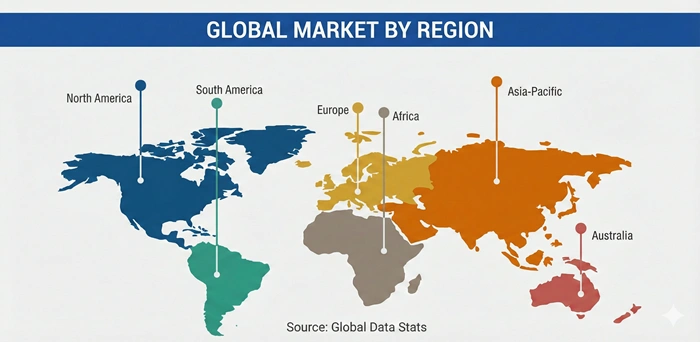
North America leads the human fibrinogen concentrates market with approximately 44 percent regional share, driven by advanced healthcare infrastructure, high surgical volume, comprehensive trauma systems, strong demand for plasma-derived therapies, stringent quality standards, and presence of major manufacturers including CSL Behring, Grifols, and Octapharma supporting continuous innovation and market leadership throughout fibrinogen replacement therapy applications.
-
Asia-Pacific demonstrates the fastest growth trajectory in the human fibrinogen concentrates market, expanding at a CAGR of approximately 10.2 percent, propelled by rapidly developing healthcare systems, increasing surgical procedure volumes, rising trauma incidence, expanding middle-class populations with insurance access, and growing awareness regarding advanced hemostatic therapies throughout China, India, Southeast Asian nations, and developing economies experiencing healthcare modernization.
-
Congenital bleeding disorders represent the largest application segment consuming human fibrinogen concentrates market with approximately 48 percent market share, as these conditions including congenital afibrinogenemia, hypofibrinogenemia, and dysfibrinogenemia require lifelong fibrinogen replacement therapy for effective bleeding prevention and management throughout diverse patient populations.
-
Hospitals and surgical centers dominate end-user categories accounting for approximately 66 percent market share, based on high treatment volumes performed in institutional settings, comprehensive infrastructure supporting complex surgical procedures, availability of specialized healthcare teams, established procurement processes, and formulary systems managing fibrinogen concentrate selection and standardization.
-
Plasma-derived fibrinogen concentrates contribute substantial revenue share at approximately 42 percent, driven by extensive clinical applications including congenital deficiency treatment, complex surgical support, trauma resuscitation, and postpartum hemorrhage management where restoring normal clotting function proves essential for patient stability and recovery.
-
Recombinant fibrinogen therapies will experience rapid future growth through 2033, expanding at a CAGR of approximately 11.8 percent and capturing increasing market share percentage as recombinant products offer potential advantages including reduced pathogen risk, consistent supply, and improved manufacturing control supporting expansion beyond traditional plasma-derived concentrates throughout developed markets with resources supporting premium pricing and advanced technology adoption.
Market Scope
| Report Coverage Details | |
|---|---|
| Market Size by 2033 | USD 2.19 Billion |
| Market Size by 2025 | USD 0.82 Billion |
| Market Size by 2026 | USD 0.91 Billion |
| Market Growth Rate from 2026 to 2033 | CAGR of 8.45% |
| Dominating Region | North America |
| Fastest Growing Region | Asia-Pacific |
| Base Year | 2025 |
| Forecast Period | 2026 to 2033 |
| Segments Covered | By Product Type, By Application, By End-User, By Region |
| Regions Covered | North America, Europe, Asia-Pacific, Latin America, Middle East & Africa |
Market Dynamics
Drivers Impact Analysis
Escalating Surgical Volume Growth and Bleeding Disorder Prevalence Propel Sustained Human Fibrinogen Concentrates Market Momentum
The human fibrinogen concentrates market benefits tremendously from relentless increases in surgical procedure volumes globally, driven by aging demographics requiring complex surgical interventions, technological advancement enabling more sophisticated procedures, and expanding healthcare access supporting surgical capacity growth creating sustained demand for effective hemostatic agents including fibrinogen concentrates. Growing scientific evidence documenting clinical effectiveness of fibrinogen replacement therapy in preventing and controlling bleeding during complex cardiac, orthopedic, neurosurgical, and trauma procedures motivates healthcare providers incorporating these treatments into standard care protocols, with clinical trials demonstrating reduced transfusion requirements, decreased bleeding complications, and improved patient outcomes compared to conventional approaches. The market gains momentum from technological advancement delivering improved fibrinogen concentrate formulations including higher purity products, reduced pathogen risk through advanced viral inactivation techniques, and improved stability characteristics supporting broader clinical utilization.
Healthcare infrastructure development throughout emerging economies creates favorable conditions for human fibrinogen concentrates market expansion, with governments investing in specialized trauma centers, cardiac surgery programs, and comprehensive surgical services supporting advanced hemostatic therapy capabilities. The human fibrinogen concentrates market benefits from favorable reimbursement policies and clinical guideline updates incorporating evidence-based fibrinogen replacement algorithms creating standardized care pathways supporting consistent utilization of proven therapies. Rising awareness among general populations regarding bleeding disorder symptoms, risk factors, and treatment options drives earlier healthcare seeking behavior, supporting timely diagnosis and intervention preventing disease progression to advanced stages requiring complex treatments and generating worse outcomes despite aggressive therapeutic approaches. Expanding indications for fibrinogen replacement therapy including postpartum hemorrhage management, trauma resuscitation, and acquired coagulation disorders create substantial growth opportunity beyond traditional congenital deficiency treatment expanding addressable market and supporting utilization growth throughout diverse clinical specialties.
| Driver Factor | ≈ Impact on CAGR Forecast | Geographic Relevance | Impact Timeline |
|---|---|---|---|
| Rising surgical procedure volumes and complexity | +2.0% to +2.5% | Global, particularly strong in aging populations | Immediate and ongoing |
| Bleeding disorder prevalence and congenital deficiency treatment | +1.6% to +2.0% | Primarily developed markets with advanced diagnostics | Immediate and ongoing |
| Healthcare infrastructure development and surgical capacity | +1.2% to +1.6% | Emerging markets with infrastructure gaps | Short to medium-term |
| Favorable reimbursement policies and guideline updates | +0.8% to +1.2% | Developed markets with established healthcare systems | Short to medium-term |
Restraints Impact Analysis
High Treatment Costs and Plasma Supply Constraints Moderate Human Fibrinogen Concentrates Market Growth Expectations
The human fibrinogen concentrates market confronts significant challenges from high treatment costs compared to conventional hemostatic approaches, with complex plasma fractionation processes requiring substantial research, development, manufacturing, and regulatory compliance investments creating premium pricing limiting access for patients and healthcare systems particularly acute in price-sensitive markets and resource-limited settings. Reimbursement limitations affect market penetration as insurance coverage policies implement prior authorization requirements, utilization management protocols, and formulary restrictions limiting access to expensive fibrinogen concentrates despite clinical appropriateness and potential long-term value. The market experiences headwinds from plasma supply constraints as fractionation capacity expansion outpaces plasma collection growth, creating raw material shortages and price volatility affecting production planning and product availability throughout global supply chains.
The human fibrinogen concentrates market faces challenges from regulatory complexity and compliance burdens, with manufacturers navigating diverse regulatory frameworks across multiple jurisdictions requiring extensive documentation, validation studies, and inspection readiness supporting global product registration and market access. Product-specific limitations including cold chain requirements, short shelf life, and complex administration procedures create logistical challenges limiting utilization in resource-limited settings with inadequate infrastructure. Competitive pressure from alternative hemostatic approaches including fresh frozen plasma, platelet transfusions, and other coagulation factor concentrates potentially displacing fibrinogen replacement therapy in specific clinical scenarios where alternatives demonstrate superior cost-effectiveness, ease of use, or clinical outcomes limiting overall addressable market size and growth potential. Healthcare access disparities with rural populations, underserved communities, and developing regions lacking adequate plasma collection infrastructure, fractionation facilities, and specialized healthcare teams create treatment gaps despite growing bleeding disorder prevalence requiring intervention.
| Restraint Factor | ≈ Impact on CAGR Forecast | Geographic Relevance | Impact Timeline |
|---|---|---|---|
| High treatment costs and financial burden concerns | -0.9% to -1.3% | Strongest in price-sensitive and resource-limited markets | Immediate and ongoing |
| Plasma supply constraints and fractionation capacity | -0.7% to -1.0% | Global, particularly affecting plasma-dependent manufacturers | Immediate and ongoing |
| Regulatory complexity and compliance burdens | -0.5% to -0.8% | Primarily affecting multinational manufacturers | Medium to long-term |
| Healthcare access disparities and infrastructure gaps | -0.4% to -0.6% | Particularly challenging in underserved regions | Ongoing |
Opportunities Impact Analysis
Emerging Market Expansion and Recombinant Technology Integration Create Substantial Human Fibrinogen Concentrates Market Growth Potential
The human fibrinogen concentrates market presents compelling opportunities through geographic expansion into rapidly developing regions throughout Asia-Pacific, Latin America, Middle East, and Africa where healthcare infrastructure improvements, rising surgical volumes, expanding trauma systems, and growing bleeding disorder prevalence create favorable conditions for fibrinogen replacement therapy adoption and treatment access expansion. Countries including China, India, Brazil, Indonesia, and Vietnam demonstrate particularly strong growth potential based on large populations, rapidly expanding healthcare expenditure, increasing numbers of trained healthcare professionals, and modernizing hospital facilities implementing international quality standards requiring high-performance hemostatic agents. Medical tourism growth throughout regions offering cost-effective surgical care creates demand for quality fibrinogen concentrates supporting outcome optimization, complication reduction, and international reputation building attracting patients from developed markets seeking affordable high-quality surgical interventions.
Research and development activities focused on recombinant fibrinogen technology offer differentiation opportunities addressing plasma supply limitations, reducing pathogen risk, and enabling more consistent product quality through controlled manufacturing processes. The human fibrinogen concentrates market benefits from regenerative medicine advancement incorporating bioengineered tissues, stem cell therapies, and gene treatments representing paradigm shift from symptomatic bleeding management toward underlying coagulation disorder correction. Partnership opportunities between plasma fractionators, pharmaceutical companies, and digital health platforms create synergistic product portfolios combining complementary technologies, expanded distribution networks, and shared research capabilities accelerating innovation and market penetration. Digital health integration including remote monitoring platforms, mobile health applications, and telemedicine consultations creates value-added service opportunities differentiating manufacturers beyond pure product attributes while supporting evidence generation demonstrating clinical and economic advantages justifying premium positioning compared to commodity alternatives throughout competitive procurement environments.
| Opportunity Factor | ≈ Impact on CAGR Forecast | Geographic Relevance | Impact Timeline |
|---|---|---|---|
| Emerging market healthcare infrastructure expansion | +1.2% to +1.7% | Asia-Pacific, Latin America, Middle East, Africa | Short to medium-term |
| Recombinant fibrinogen technology development | +0.9% to +1.3% | Initially developed markets expanding globally | Short to medium-term |
| Digital health integration and remote monitoring platforms | +0.7% to +1.0% | Technology-enabled healthcare systems globally | Short to medium-term |
| Regenerative medicine and novel therapeutic approaches | +0.5% to +0.8% | Research-intensive developed markets | Medium to long-term |
Segment Analysis
By Application - Congenital Bleeding Disorders
Essential Replacement Therapy Establishes Congenital Bleeding Disorders as Dominant Human Fibrinogen Concentrates Market Segment
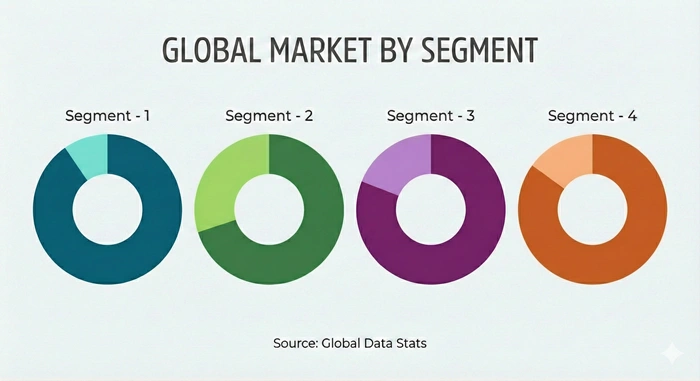
Congenital bleeding disorders command approximately 48 percent of the human fibrinogen concentrates market share, expanding at a CAGR of 8.1 percent throughout the forecast period as these conditions including congenital afibrinogenemia, hypofibrinogenemia, and dysfibrinogenemia require lifelong fibrinogen replacement therapy for effective bleeding prevention and management. Healthcare professionals appreciate congenital disorder versatility addressing diverse clinical indications including spontaneous bleeding episodes, surgical prophylaxis, and trauma management where restoring normal clotting function proves critical for symptom control and prevention of life-threatening complications. The segment benefits from particularly strong demand growth driven by improved diagnosis rates, expanded newborn screening programs, and growing awareness among hematologists regarding fibrinogen replacement therapy benefits supporting earlier intervention and comprehensive management.
North America maintains dominant congenital bleeding disorder consumption within the human fibrinogen concentrates market, supported by high prevalence of rare bleeding disorders, established treatment protocols incorporating fibrinogen replacement therapy, comprehensive reimbursement coverage supporting long-term treatment, and strong preference patterns favoring proven therapies with extensive safety documentation accumulated through decades of clinical experience. Europe demonstrates substantial utilization with particular strength in countries including Germany, United Kingdom, and France where quality-focused healthcare systems prioritize clinical outcomes over cost considerations alone. Leading manufacturers serving the congenital bleeding disorder segment include CSL Behring operating comprehensive plasma-derived therapy portfolio, Grifols providing diverse fibrinogen concentrate products, Octapharma marketing advanced fibrinogen replacement systems, Baxter supplying various plasma-derived therapies, and Takeda offering comprehensive hemophilia treatment portfolio. The human fibrinogen concentrates market benefits from continuing innovation including higher purity products, improved viral inactivation techniques, advanced formulations supporting convenient administration, and comprehensive patient support programs enhancing treatment adherence and therapeutic outcomes throughout long-term bleeding disorder management.
By Product Type - Plasma-Derived Fibrinogen Concentrates
Established Safety Profile Positions Plasma-Derived Fibrinogen Concentrates as Critical Human Fibrinogen Concentrates Market Product Segment
Plasma-derived fibrinogen concentrates account for approximately 42 percent of the human fibrinogen concentrates market product consumption, growing at a CAGR of 8.9 percent as these products provide essential hemostatic support through purified fibrinogen protein extracted from human plasma supporting congenital deficiency treatment, complex surgical support, trauma resuscitation, and postpartum hemorrhage management. Healthcare providers appreciate plasma-derived concentrate versatility addressing multiple therapeutic needs simultaneously including bleeding prevention, hemorrhage control, and clot stabilization through comprehensive hemostatic support. The segment encompasses diverse formulations including lyophilized powder vials requiring reconstitution and ready-to-use liquid formulations offering convenience and reduced preparation time supporting efficient utilization during time-sensitive bleeding management scenarios.
North America maintains the largest plasma-derived fibrinogen concentrates segment share for the human fibrinogen concentrates market, supported by comprehensive cardiac surgery programs, advanced trauma systems, and established bleeding disorder treatment centers requiring reliable hemostatic agents. Europe demonstrates strong plasma-derived concentrate utilization with particular emphasis on countries including Germany, United Kingdom, and France where advanced healthcare systems support routine access to sophisticated hemostatic therapies. Major companies specializing in plasma-derived fibrinogen concentrates include CSL Behring leading plasma-derived therapy market with products including fibrinogen concentrates and other plasma protein products, Grifols providing comprehensive plasma-derived portfolio, Octapharma offering fibrinogen replacement therapies, Baxter marketing plasma-derived therapies, and Takeda supplying various plasma-derived products. The segment benefits from extensive clinical validation demonstrating safety and effectiveness across millions of patient-years, established manufacturing processes ensuring consistent quality and adequate supply meeting global demand, and continuing refinement improving product performance including faster acting hemostasis, improved stability, and innovative packaging supporting efficient utilization during critical bleeding management workflows.
Regional Insights
North America
Advanced Healthcare Infrastructure and High Surgical Volume Establish North America as Dominant Human Fibrinogen Concentrates Market Leader
North America commands approximately 44 percent of the global human fibrinogen concentrates market share, expanding at a CAGR of 8.2 percent from 2026 to 2033, driven by sophisticated healthcare infrastructure, high surgical volume exceeding 50 million procedures annually, comprehensive trauma systems, favorable reimbursement coverage, stringent quality standards, and presence of major manufacturers including CSL Behring, Grifols, and Octapharma maintaining market leadership through continuous innovation. The region benefits from well-established bleeding management protocols incorporating systematic coagulation assessment, evidence-based treatment guidelines, advanced hemostatic therapy capabilities, and comprehensive rehabilitation programs supporting optimal patient outcomes. United States represents the dominant country market within North America, with healthcare expenditure exceeding 4 trillion USD annually including substantial surgical and trauma care allocations supporting advanced hemostatic technologies, innovative therapeutic approaches, and quality improvement initiatives.
The North American human fibrinogen concentrates market features leading manufacturers including CSL Behring operating comprehensive plasma-derived therapy portfolio, Grifols providing diverse fibrinogen concentrate products, Octapharma marketing advanced fibrinogen replacement systems, Baxter supplying various plasma-derived therapies, and Takeda offering comprehensive hemophilia treatment portfolio. Regulatory framework emphasizes rigorous clinical trial requirements, comprehensive safety monitoring, and post-market surveillance ensuring therapeutic effectiveness and patient safety throughout product lifecycle. The region demonstrates strong adoption of advanced technologies including point-of-care coagulation testing, advanced fibrinogen concentrates, and comprehensive bleeding management protocols supporting optimal therapy delivery. Market dynamics include intense competition among established manufacturers, continuous innovation cycles, sophisticated healthcare delivery systems implementing evidence-based protocols, and evolving reimbursement models emphasizing value-based care supporting outcome optimization over procedural volume maximization throughout surgical and trauma care continuum.
Asia-Pacific
Rapid Healthcare Development and Rising Surgical Volumes Position Asia-Pacific as Fastest Growing Human Fibrinogen Concentrates Market
Asia-Pacific demonstrates the fastest human fibrinogen concentrates market growth trajectory, expanding at a CAGR of 10.2 percent from 2026 to 2033, propelled by massive population bases exceeding 4.5 billion people, rapidly increasing surgical procedure volumes driven by urbanization and lifestyle changes, rising healthcare expenditure, expanding middle-class populations with insurance access, and growing awareness regarding advanced hemostatic therapies. The region encompasses diverse market characteristics ranging from highly developed systems in Japan, South Korea, Singapore, and Australia to rapidly emerging capabilities throughout China, India, Southeast Asian nations, and developing economies experiencing accelerated infrastructure investment. China represents particularly substantial growth opportunity with 1.4 billion population, rapidly expanding surgical capacity, increasing healthcare expenditure, and government initiatives prioritizing surgical safety and bleeding management quality improvement.
The Asia-Pacific human fibrinogen concentrates market features diverse competitive dynamics combining multinational corporations including CSL Behring, Grifols, and Octapharma establishing regional presence alongside domestic producers throughout China, India, Japan, and South Korea supplying local markets with products meeting regional preferences and price points. Healthcare infrastructure development throughout the region includes hospital construction, specialized trauma centers, advanced surgical facilities, and medical education expansion producing larger trained surgical workforce populations. Government healthcare initiatives implement surgical safety programs, treatment guideline standardization, and reimbursement system development supporting appropriate hemostatic therapy utilization. The region's market outlook remains exceptionally favorable based on continuing economic development, urbanization concentrating populations near advanced healthcare facilities, rising health insurance coverage expanding surgical care access, and increasing integration with global medical supply chains supporting international quality standards throughout bleeding management protocols.
Top Key Players
-
CSL Behring (Australia)
-
Grifols S.A. (Spain)
-
Octapharma AG (Switzerland)
-
Baxter International Inc. (United States)
-
Takeda Pharmaceutical Company Limited (Japan)
-
Kedrion Biopharma S.p.A. (Italy)
-
LFB S.A. (France)
-
Shanghai RAAS Blood Products Co. Ltd. (China)
-
Hualan Biological Engineering Inc. (China)
-
Tiantan Bio-pharmaceutical Co. Ltd. (China)
-
Beijing Tiantan Biological Products Co. Ltd. (China)
-
Shandong Taibang Bioengineering Group Co. Ltd. (China)
-
Hualan Bio-Pharmaceutical Co. Ltd. (China)
-
Zhejiang Medicine Co. Ltd. (China)
-
Tianjin Institute of Transfusion Medicine (China)
Recent Developments
-
CSL Behring - 2025: Advanced plasma-derived therapy portfolio through continued investment in clinical development programs investigating novel fibrinogen replacement approaches for managing bleeding disorders and supporting complex surgical procedures, while strengthening commercial presence throughout emerging markets supporting global access to innovative plasma-derived therapies and maintaining competitive positioning throughout rapidly evolving hemostatic therapy market with emphasis on outcomes-based evidence generation.
-
Grifols - 2024: Completed strategic acquisition of specialized plasma fractionator expanding fibrinogen concentrate portfolio, while investing in digital health partnerships enabling remote patient monitoring and treatment adherence support programs enhancing therapeutic effectiveness and patient outcomes throughout chronic bleeding disorder management requiring sustained engagement and behavioral modification supporting long-term hemostatic management and bleeding prevention.
-
Octapharma - 2024: Expanded fibrinogen concentrate portfolio through continued investment in manufacturing capacity enhancement, quality system improvements, and strategic partnerships with healthcare systems implementing value-based care models, while maintaining focus on evidence generation demonstrating clinical and economic value supporting favorable reimbursement positioning and guideline incorporation throughout competitive plasma-derived therapy market requiring differentiation beyond efficacy alone.
-
Baxter - 2023: Advanced hemostatic therapy portfolio through continued innovation in fibrinogen concentrates, coagulation factor products, and supportive therapies, manufacturing facility enhancements, and quality system improvements supporting expanded market reach throughout emerging economies while maintaining premium positioning in developed markets through comprehensive clinical evidence generation, technical support services, and healthcare professional education programs supporting evidence-based product selection and optimal application techniques maximizing clinical effectiveness and patient outcomes across diverse bleeding disorder indications.
-
Takeda - 2025: Enhanced plasma-derived therapy portfolio through continued investment in research and development, manufacturing capacity expansion, and strategic distribution partnerships extending market reach throughout emerging economies while maintaining premium positioning in developed markets through comprehensive clinical evidence generation, technical support services, and patient education programs supporting evidence-based product selection and optimal application techniques maximizing clinical effectiveness and patient outcomes across diverse hemostatic therapy indications.
Market Trends
Recombinant Technology Integration and Point-of-Care Testing Define Contemporary Human Fibrinogen Concentrates Market Evolution
The human fibrinogen concentrates market increasingly emphasizes recombinant fibrinogen technology development offering potential advantages including reduced pathogen risk, consistent supply, and improved manufacturing control supporting expansion beyond traditional plasma-derived concentrates. Manufacturers develop innovative recombinant fibrinogen products incorporating advanced expression systems, purification technologies, and formulation approaches creating comprehensive solutions supporting precise hemostatic support and convenient administration. Clinical evidence demonstrates that recombinant approaches improve outcomes through reduced transfusion-related complications, consistent product quality, and enhanced safety profiles supporting adoption throughout value-conscious healthcare environments.
Point-of-care coagulation testing innovation advances as manufacturers explore rapid fibrinogen measurement systems, viscoelastic testing devices, and integrated diagnostic platforms supporting real-time bleeding management decisions. The human fibrinogen concentrates market adapts to regenerative medicine innovations including bioengineered tissues, stem cell therapies, and gene treatments representing paradigm shift from symptomatic bleeding management toward underlying coagulation disorder correction. Application system innovation introduces combination therapies addressing multiple hemostatic targets simultaneously, novel administration devices simplifying complex bleeding management, and patient-friendly features supporting improved adherence and therapeutic outcomes. Value-based care adoption creates opportunities for integrated solutions demonstrating measurable bleeding reduction, transfusion avoidance, and quality of life improvement justifying premium positioning while supporting healthcare system efficiency objectives throughout evolving reimbursement landscapes rewarding outcomes over activity volumes throughout surgical and trauma care management.
Segments Covered in the Report
By Product Type
-
Plasma-Derived Fibrinogen Concentrates
-
Recombinant Fibrinogen Concentrates
-
Other Fibrinogen Products
By Application
-
Congenital Bleeding Disorders
-
Surgical Procedures
-
Trauma and Emergency Care
-
Postpartum Hemorrhage
-
Other Applications
By End-User
-
Hospitals
-
Surgical Centers
-
Trauma Centers
-
Hemophilia Treatment Centers
-
Specialty Clinics
By Region
-
North America (United States, Canada, Mexico)
-
Europe (Germany, United Kingdom, France, Italy, Spain, Rest of Europe)
-
Asia-Pacific (China, India, Japan, South Korea, Australia, Southeast Asia, Rest of Asia-Pacific)
-
Latin America (Brazil, Argentina, Rest of Latin America)
-
Middle East & Africa (Saudi Arabia, UAE, South Africa, Rest of MEA)
Frequently Asked Questions
Question 1: What is the expected human fibrinogen concentrates market size by 2033?
Answer: The global human fibrinogen concentrates market is projected to reach approximately USD 2.19 billion by 2033, growing from USD 0.91 billion in 2026. This substantial expansion reflects increasing surgical volumes, bleeding disorder prevalence, advanced hemostatic therapy adoption, and expanding healthcare infrastructure throughout emerging economies supporting comprehensive fibrinogen replacement capabilities.
Question 2: Which region dominates the human fibrinogen concentrates market currently?
Answer: North America dominates the human fibrinogen concentrates market with approximately 44 percent share, driven by advanced healthcare infrastructure and high surgical volume. The region benefits from comprehensive trauma systems, favorable reimbursement coverage, established treatment protocols, and presence of major manufacturers including CSL Behring, Grifols, and Octapharma maintaining market leadership through continuous innovation.
Question 3: What factors drive human fibrinogen concentrates market growth during the forecast period?
Answer: Rising surgical procedure volumes, bleeding disorder prevalence, advanced hemostatic therapy adoption, and healthcare infrastructure development drive human fibrinogen concentrates market growth. These factors collectively expand hemostatic therapy demand, support advanced technology adoption, enhance clinical outcomes, and deliver improved patient management throughout diverse populations requiring comprehensive bleeding disorder care.
Question 4: Which application segment holds the largest human fibrinogen concentrates market share?
Answer: Congenital bleeding disorders represent the largest application segment with approximately 48 percent human fibrinogen concentrates market share based on essential replacement therapy role. These conditions including congenital afibrinogenemia, hypofibrinogenemia, and dysfibrinogenemia require lifelong fibrinogen replacement therapy for effective bleeding prevention and management throughout diverse patient populations.
Question 5: How do plasma-derived fibrinogen concentrates contribute to the human fibrinogen concentrates market?
Answer: Plasma-derived fibrinogen concentrates account for approximately 42 percent of human fibrinogen concentrates market product consumption through critical role in hemostatic support. These products provide essential hemostatic support through purified fibrinogen protein extracted from human plasma supporting congenital deficiency treatment, complex surgical support, trauma resuscitation, and postpartum hemorrhage management throughout diverse clinical settings.