
Household Appliances Market Overview
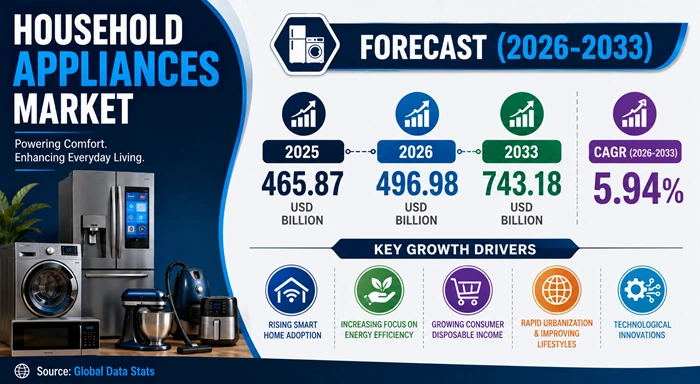
The global household appliances market size is valued at USD 465.87 billion in 2025 and is predicted to increase from USD 496.98 billion in 2026 to approximately USD 743.18 billion by 2033, growing at a CAGR of 5.94% from 2026 to 2033. Modern living standards increasingly depend on home appliances that simplify daily chores, improve comfort, and enhance quality of life for families worldwide. Smart technology integration, energy efficiency demands, and evolving consumer lifestyles are reshaping how households interact with essential domestic equipment.
AI Impact on the Household Appliances Industry
Artificial Intelligence Revolutionizing Smart Home Integration and Appliance Functionality
Artificial intelligence is fundamentally transforming the household appliances market by enabling predictive maintenance, personalized user experiences, and seamless smart home ecosystem integration that optimizes convenience and energy efficiency. Machine learning algorithms embedded in modern appliances analyze usage patterns, environmental conditions, and user preferences to automatically adjust settings, recommend optimal operating modes, and anticipate maintenance needs before failures occur. AI-powered refrigerators track food inventory, suggest recipes based on available ingredients, monitor expiration dates, and automatically generate shopping lists synchronized with mobile applications and grocery delivery services. Voice assistants integrated with washing machines, dishwashers, and cooking appliances enable hands-free operation through natural language commands, allowing users to start cycles, adjust settings, and receive status updates without physical interaction.
Computer vision systems in smart ovens recognize food types, automatically select cooking programs, and adjust temperatures and durations for optimal results while preventing overcooking or burning. Predictive analytics platforms aggregate data from millions of connected appliances to identify emerging failure patterns, enabling manufacturers to issue proactive software updates, replacement part recommendations, and preventive maintenance schedules that extend product lifespans. AI-driven energy management systems coordinate operation timing across multiple appliances to minimize electricity consumption during peak rate periods, leverage renewable energy availability, and reduce household utility costs by 20-30% compared to conventional uncoordinated usage. The household appliances market benefits from AI's ability to continuously improve appliance performance through remote software updates, adding new features and capabilities without requiring hardware replacement while generating valuable consumer insights that inform next-generation product development strategies.
Growth Factors
Rising Urbanization and Smart Home Adoption Drive Market Expansion
The household appliances market is experiencing robust growth driven by accelerating urbanization, rising disposable incomes, and increasing adoption of smart home technologies that enhance convenience and efficiency in domestic environments. Global urban population expansion concentrates millions of people in cities where modern apartment living and busy work schedules create strong demand for time-saving appliances that automate household chores. Middle-class expansion particularly in emerging markets enables more families to afford essential appliances including refrigerators, washing machines, air conditioners, and microwave ovens that were previously considered luxury items. The COVID-19 pandemic permanently altered consumer behavior by emphasizing home-centric lifestyles, driving demand for kitchen appliances, home entertainment systems, and comfort equipment as people spend more time at home.
Energy efficiency regulations and environmental consciousness motivate consumers to replace older appliances with modern energy-efficient models that reduce electricity consumption and lower utility bills while supporting sustainability goals. Smart home ecosystem development creates network effects where consumers who adopt connected devices increasingly seek compatible appliances that integrate seamlessly with voice assistants, mobile applications, and automated home management systems. E-commerce expansion and digital marketing enable appliance manufacturers to reach broader audiences cost-effectively, bypassing traditional retail limitations while offering competitive pricing, convenient delivery, and comprehensive product information that facilitates informed purchasing decisions. Technological innovation delivers continuous feature improvements including touchless controls, app connectivity, health monitoring capabilities, and specialized functions that differentiate premium products and justify price premiums throughout the household appliances market.
Market Outlook
Connected Ecosystems and Sustainability Define Future Industry Direction
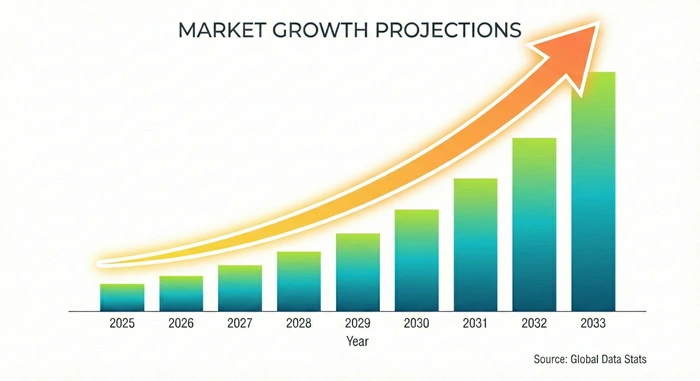
The household appliances market is positioned for sustained expansion through 2033 as manufacturers invest heavily in smart technology integration, sustainable design practices, and consumer-centric innovation strategies that address evolving lifestyle needs. Internet of Things connectivity becomes standard rather than premium feature, with appliances seamlessly communicating with each other, utility providers, and service networks to optimize performance, energy consumption, and maintenance scheduling. Subscription-based business models emerge where consumers pay monthly fees for appliance access, predictive maintenance, automated consumables replenishment, and guaranteed performance rather than traditional ownership, creating recurring revenue streams for manufacturers. Modular appliance designs enable component upgrades and repairs rather than complete replacement, extending product lifespans while reducing waste and appealing to environmentally conscious consumers.
Sustainability initiatives drive development of appliances using recycled materials, biodegradable components, and circular economy principles that facilitate end-of-life recycling and material recovery. Artificial intelligence and machine learning capabilities expand beyond basic automation to provide personalized recommendations, health monitoring through food management and air quality sensors, and proactive problem-solving that anticipates user needs. The convergence of appliances with healthcare monitoring, wellness tracking, and nutritional guidance creates new value propositions particularly for aging populations and health-conscious consumers. Emerging markets in Asia Pacific, Latin America, and Middle East represent enormous growth opportunities as infrastructure development, electrification expansion, and rising living standards drive first-time appliance purchases among billions of consumers throughout the household appliances market.
Expert Speaks
-
Marc Bitzer, Chairman and Chief Executive Officer of Whirlpool Corporation, emphasized that consumer preferences are shifting decisively toward connected appliances offering convenience and energy efficiency, with the company investing significantly in smart technology platforms, digital experiences, and sustainable manufacturing practices that position Whirlpool for long-term growth in evolving global markets.
-
Jong-Hee Han, Vice Chairman and CEO of Samsung Electronics, highlighted that artificial intelligence and Internet of Things integration represent strategic priorities across Samsung's home appliance portfolio, with SmartThings ecosystem enabling seamless device coordination that enhances user experiences while generating valuable data insights informing product innovation and service development initiatives.
-
Hak Cheol Shin, Chief Executive Officer of LG Electronics, stated that the company's commitment to lifestyle innovation drives development of intelligent appliances addressing diverse consumer needs from health and wellness to sustainability and convenience, with ThinQ AI platform serving as foundation for comprehensive smart home solutions that differentiate LG in competitive global markets.
Key Report Takeaways
-
Asia Pacific leads the household appliances market with approximately 38% market share in 2025, driven by massive populations in China and India, rapid urbanization, growing middle classes, increasing electrification, and strong domestic manufacturing capabilities from companies like Haier, Midea, and Gree Electric serving regional and global demand.
-
North America is growing significantly with a projected CAGR of 6.20% from 2026 to 2033, fueled by high consumer spending power, strong smart home adoption rates, frequent appliance replacement cycles, energy efficiency awareness, and robust e-commerce infrastructure enabling convenient appliance shopping and delivery experiences.
-
Urban households represent the primary consumer segment for household appliances, accounting for approximately 68% of market consumption as city dwellers demonstrate higher purchasing power, greater awareness of modern conveniences, access to retail and service networks, and lifestyle patterns favoring time-saving automated solutions.
-
The major appliances segment contributes the most to overall market revenue with approximately 61% share in 2025, reflecting essential nature and higher price points of large appliances including refrigerators, washing machines, dishwashers, and air conditioning systems that require significant consumer investment and infrequent replacement.
-
Online distribution channels are growing rapidly with approximately 36% market share and highest CAGR of 7.80%, as consumers increasingly research and purchase appliances through e-commerce platforms offering competitive pricing, convenient home delivery, detailed product specifications, customer reviews, and comparison shopping capabilities.
-
The smart appliances segment will grow quickly with an estimated CAGR of 8.90% and market share expanding from 18% to 26% by 2033, driven by IoT adoption, voice assistant integration, energy management capabilities, and consumer desire for connected home ecosystems offering automation, remote control, and personalized experiences.
Market Scope
| Report Coverage | Details |
|---|---|
| Market Size by 2033 | USD 743.18 Billion |
| Market Size by 2025 | USD 465.87 Billion |
| Market Size by 2026 | USD 496.98 Billion |
| Market Growth Rate from 2026 to 2033 | CAGR of 5.94% |
| Dominating Region | Asia Pacific |
| Fastest Growing Region | North America |
| Base Year | 2025 |
| Forecast Period | 2026 to 2033 |
| Segments Covered | Product Type, Functionality, Distribution Channel, Region |
| Regions Covered | North America, Europe, Asia Pacific, Latin America, Middle East and Africa |
Market Dynamics
Driver Impact Analysis
Smart Home Technology Adoption and Energy Efficiency Regulations Propel Market Growth
The explosive adoption of smart home technologies represents the most powerful driver propelling the household appliances market toward sustained expansion across developed and emerging markets worldwide. Connected home ecosystems create compelling value propositions where appliances communicate with each other, respond to voice commands, enable remote monitoring and control through smartphone applications, and optimize performance based on usage patterns and user preferences. Major technology platforms including Amazon Alexa, Google Assistant, Apple HomeKit, and Samsung SmartThings achieve massive household penetration, creating installed bases of millions of consumers actively seeking compatible appliances to expand their connected home capabilities. Voice-controlled operation eliminates physical interaction requirements, appealing particularly to aging populations, individuals with mobility limitations, and busy families seeking hands-free convenience while performing multiple tasks simultaneously.
Energy efficiency regulations implemented by governments worldwide mandate minimum performance standards, ban inefficient appliances, and require prominent energy labeling that influences consumer purchasing decisions toward more efficient models. The European Union's Ecodesign Directive, United States Energy Star program, China's energy efficiency standards, and India's BEE star rating system create regulatory frameworks that progressively tighten requirements, effectively forcing manufacturers to invest in efficiency improvements and consumers to replace older inefficient appliances. The household appliances market benefits from utility incentive programs and government rebates that reduce upfront costs for energy-efficient appliance purchases, making upgrades financially attractive even for budget-conscious consumers. Rising electricity costs motivate consumers to calculate lifetime operating expenses rather than focusing solely on purchase prices, revealing that premium energy-efficient appliances deliver superior total cost of ownership through reduced utility bills over 10-15 year product lifespans.
| Driver | ≈ % Impact on CAGR Forecast | Geographic Relevance | Impact Timeline |
|---|---|---|---|
| Smart Home Technology Adoption | +1.75% | Global, strongest in North America and Europe | 2026-2033 |
| Energy Efficiency Regulations | +1.50% | Global, particularly developed markets | 2026-2033 |
| Urbanization and Rising Incomes | +1.35% | Asia Pacific, Latin America, Middle East | 2026-2033 |
| E-commerce Expansion | +0.90% | Global, accelerated by COVID-19 | 2026-2033 |
Restraints Impact Analysis
High Initial Costs and Economic Uncertainty Limit Market Penetration
The household appliances market confronts significant challenges related to premium pricing of advanced appliances, economic uncertainty affecting consumer spending, and market saturation in developed regions that constrain growth potential. Smart and energy-efficient appliances typically command price premiums of 30-60% compared to basic conventional models, creating affordability barriers for middle and lower-income consumers particularly in emerging markets where price sensitivity remains high. Major appliances represent substantial household investments ranging from several hundred to several thousand dollars, requiring consumers to carefully consider purchases and often delaying replacements until existing equipment fails completely rather than proactively upgrading to newer technologies. Economic recessions, inflation pressures, and uncertain employment prospects cause consumers to postpone discretionary spending including appliance purchases, prioritizing essential expenses and deferring household improvements until financial conditions stabilize.
Market saturation in developed regions including North America, Western Europe, and Japan limits growth opportunities as household penetration rates for essential appliances exceed 95%, with replacement cycles extending 10-15 years or longer as manufacturers improve product durability and consumers maintain functional equipment despite availability of newer models. The household appliances market experiences intense price competition from low-cost manufacturers particularly based in China that offer basic functionality at significantly lower prices than established premium brands, eroding profit margins and forcing brand leaders to justify price premiums through superior features, quality, and service. Long product development and manufacturing cycles create risks where consumer preferences shift during development, technological innovations emerge mid-cycle, or economic conditions change dramatically between product conception and market launch, potentially leaving manufacturers with inventory misaligned with current demand patterns.
| Restraint | ≈ % Impact on CAGR Forecast | Geographic Relevance | Impact Timeline |
|---|---|---|---|
| High Initial Costs | -1.35% | Emerging markets, price-sensitive segments | 2026-2033 |
| Market Saturation | -1.10% | North America, Western Europe, Japan | 2026-2033 |
| Economic Uncertainty | -0.85% | Global, cyclical impact | 2026-2030 |
Opportunities Impact Analysis
Emerging Markets and Circular Economy Create Growth Avenues
Emerging market penetration represents enormous opportunities for the household appliances market as billions of consumers in developing regions achieve middle-class status and purchase essential appliances for the first time. Asia Pacific markets including India, Indonesia, Vietnam, Philippines, and other Southeast Asian nations show explosive growth potential driven by young demographics, rapid urbanization, infrastructure development, electrification expansion, and rising household incomes enabling appliance affordability. Latin American countries including Brazil, Mexico, Colombia, and Argentina demonstrate strong appliance demand as economic development and urbanization progress despite periodic macroeconomic challenges. Middle East and African markets present longer-term opportunities as economic diversification, population growth, and modernization initiatives create favorable conditions for appliance adoption.
Circular economy business models create new revenue streams and competitive advantages as manufacturers develop product-as-a-service offerings, leasing programs, refurbishment operations, and take-back schemes that keep products in use longer while maintaining ongoing customer relationships. The household appliances market benefits from subscription models where consumers pay monthly fees for appliance access, maintenance, consumables, and upgrades rather than large upfront purchases, reducing affordability barriers while generating predictable recurring revenue for manufacturers. Modular designs enabling component replacement and feature upgrades extend product lifespans, reduce waste, appeal to environmentally conscious consumers, and create aftermarket parts and service revenue opportunities. Partnerships with utilities, smart home platform providers, and service aggregators create ecosystem opportunities where appliance manufacturers participate in comprehensive home management solutions delivering integrated value exceeding individual product capabilities.
| Opportunity | ≈ % Impact on CAGR Forecast | Geographic Relevance | Impact Timeline |
|---|---|---|---|
| Emerging Market Expansion | +1.95% | Asia Pacific, Latin America, Africa | 2026-2033 |
| Circular Economy Models | +1.40% | Europe, North America | 2027-2033 |
| Smart Home Integration | +1.25% | Global, tech-savvy consumers | 2026-2033 |
| Health and Wellness Features | +0.85% | Developed markets, aging populations | 2027-2033 |
Segment Analysis
Major Appliances
Market Leadership Through Essential Nature and Premium Price Points
The major appliances segment dominates the household appliances market with approximately 61% share in 2025, reflecting the essential nature, higher unit prices, and fundamental role that large appliances play in modern household functioning. This segment's market leadership stems from refrigerators, washing machines, dishwashers, air conditioners, and cooking ranges representing substantial consumer investments typically ranging from USD 500 to USD 3000 per unit that generate significant revenue despite lower unit volumes compared to small appliances. Essential functionality and infrequent replacement cycles averaging 10-15 years create sustained demand as millions of households globally replace aging appliances annually, while new household formation drives first-time purchases. The segment benefits from continuous technological innovation including smart connectivity, energy efficiency improvements, capacity expansions, and specialized features that enable premium positioning and price differentiation.
Asia Pacific shows particularly strong major appliances growth with approximately 39% regional segment share and CAGR of 6.05%, driven by massive populations in China and India experiencing rapid urbanization and middle-class expansion that creates enormous demand for essential household equipment. Leading companies dominating the household appliances market including Whirlpool Corporation, Samsung Electronics, LG Electronics, Haier Group, and Midea Group invest heavily in manufacturing capacity, distribution networks, and localized product development addressing regional preferences and requirements. North America maintains strong major appliances consumption driven by large household sizes, frequent replacements, premium product preferences, and robust housing market activity including new construction and renovations that require complete appliance installations. The segment continues innovating with French-door refrigerators, front-load washers with advanced cleaning technologies, induction cooking surfaces, and smart appliances offering connectivity and automation capabilities that justify premium pricing.
Smart Appliances
Fastest Growing Segment Capitalizing on Connected Home Trends
The smart appliances segment represents the fastest-growing category in the household appliances market with a projected CAGR of 8.90% from 2026 to 2033, driven by explosive IoT adoption, voice assistant integration, and consumer demand for connected home ecosystems offering automation and remote control. Connected appliances incorporating Wi-Fi connectivity, mobile app interfaces, voice control compatibility, and cloud-based services deliver compelling benefits including remote monitoring and control, automated operation scheduling, energy consumption tracking, and proactive maintenance alerts that enhance convenience while reducing operating costs. Smart refrigerators track inventory, suggest recipes, display calendars and photos, and enable grocery ordering through integrated interfaces that transform appliances from passive equipment into active home management hubs. Voice assistant integration with major platforms including Amazon Alexa, Google Assistant, and Apple Siri enables hands-free appliance control through natural language commands for starting cycles, adjusting settings, and checking status.
North America leads smart appliances adoption with segment share approaching 24% and CAGR exceeding 9.20%, driven by high technology adoption rates, strong smart home platform penetration, premium product preferences, and willingness to pay price premiums for advanced features and connectivity capabilities. Key manufacturers serving the household appliances market including Samsung Electronics with SmartThings ecosystem, LG Electronics with ThinQ platform, Whirlpool Corporation, GE Appliances, and Miele develop comprehensive connected appliance portfolios spanning all major product categories. The segment benefits from declining connectivity component costs, standardized communication protocols, and maturing smart home platforms that reduce development complexity while improving interoperability across manufacturers and ecosystems. Energy management capabilities represent particularly compelling value propositions as smart appliances coordinate operation timing to leverage lower electricity rates during off-peak hours, integrate with solar power generation, and optimize overall household energy consumption patterns.
Regional Insights
Asia Pacific
Market Dominance Through Population Scale and Manufacturing Leadership
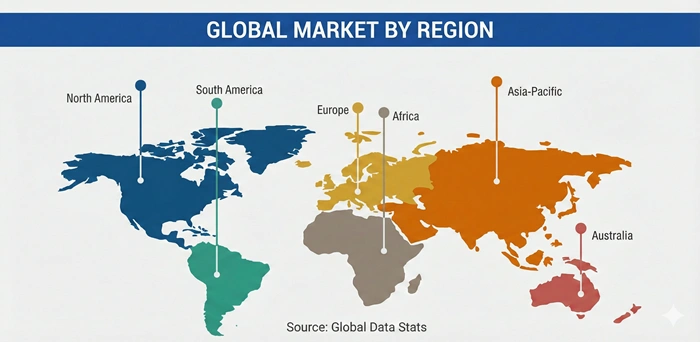
Asia Pacific maintains its position as the dominant region in the household appliances market, commanding approximately 38% of global market share in 2025 with an estimated value of USD 177.03 billion, projected to reach USD 274.87 billion by 2033 growing at a CAGR of 5.70%. The region's leadership stems from massive populations in China and India representing over 2.8 billion people, rapid urbanization concentrating millions in cities, expanding middle classes with rising disposable incomes, and infrastructure development increasing electrification and modern housing. China dominates regional production and consumption with approximately 48% share driven by enormous domestic market, sophisticated manufacturing capabilities, strong local brands, and position as global manufacturing hub exporting appliances worldwide. India shows particularly explosive growth with CAGR exceeding 7.50%, fueled by young demographic profile, accelerating urbanization, government electrification initiatives, and increasing appliance affordability.
Leading companies dominating the Asia Pacific household appliances market include Haier Group, Midea Group, Gree Electric Appliances, Hisense Group, and Aux Group from China, alongside Samsung Electronics and LG Electronics from South Korea, Panasonic Corporation and Hitachi from Japan, plus emerging Indian manufacturers including Voltas, Blue Star, and IFB Industries. The region benefits from cost advantages in manufacturing, component sourcing, and labor that enable competitive pricing for both domestic and export markets. E-commerce explosion through platforms including Alibaba, JD.com, Flipkart, and regional marketplaces facilitates product discovery and purchasing particularly in smaller cities and rural areas previously underserved by traditional retail. Government initiatives including smart city development, housing programs, and energy efficiency standards support appliance adoption while creating favorable regulatory environments for market expansion.
North America
Fastest Regional Growth Through Premium Segment and Smart Home Leadership
North America represents the fastest-growing region in the household appliances market with a projected CAGR of 6.20% from 2026 to 2033, with market value expected to increase from USD 144.99 billion in 2025 to USD 221.18 billion by 2033, capturing expanding global revenue share. The region's exceptional growth trajectory stems from high consumer spending power, strong smart home technology adoption, frequent appliance replacement cycles, premium product preferences, and robust housing market activity including new construction and renovations. The United States dominates North American demand with approximately 77% regional share driven by population exceeding 335 million, large household sizes requiring substantial appliance capacities, and consumer willingness to invest in latest technologies and premium features.
Key manufacturers serving the North American household appliances market including Whirlpool Corporation, GE Appliances (owned by Haier), Samsung Electronics, LG Electronics, and Electrolux Group operate extensive manufacturing facilities, distribution networks, and service infrastructures tailored to regional requirements. The region benefits from mature retail infrastructure including big-box stores, specialty appliance retailers, and advanced e-commerce platforms offering convenient purchasing experiences with home delivery and installation services. Smart home platform penetration leads globally with Amazon Alexa, Google Assistant, and Apple HomeKit achieving widespread adoption that creates strong demand for compatible connected appliances. Canada contributes approximately 17% of North American revenue through similar consumer preferences, high living standards, and regulatory frameworks promoting energy efficiency.
Top Key Players
-
Whirlpool Corporation (United States)
-
Samsung Electronics Co., Ltd. (South Korea)
-
LG Electronics Inc. (South Korea)
-
Haier Group Corporation (China)
-
Electrolux AB (Sweden)
-
Midea Group Co., Ltd. (China)
-
Robert Bosch GmbH (Germany)
-
Panasonic Corporation (Japan)
-
Gree Electric Appliances Inc. (China)
-
General Electric Company (United States)
-
Hitachi, Ltd. (Japan)
-
Miele & Cie. KG (Germany)
-
Godrej & Boyce Manufacturing Company Limited (India)
-
Sharp Corporation (Japan)
-
IFB Industries Limited (India)
Recent Developments
-
Samsung Electronics (2025): Launched Bespoke AI appliance lineup in January 2025 featuring advanced artificial intelligence capabilities, personalized user experiences, SmartThings ecosystem integration, and premium customizable design options across refrigerators, washing machines, and cooking appliances, targeting tech-savvy consumers seeking comprehensive connected home solutions in North American and European markets.
-
Whirlpool Corporation (2024): Completed acquisition of certain assets from InSinkErator's premium appliance division in November 2024 for undisclosed amount, expanding kitchen appliance portfolio with complementary products while strengthening market position in premium segment across North American residential and commercial channels.
-
LG Electronics (2024): Invested USD 240 million in Tennessee manufacturing facility expansion announced in September 2024, increasing washing machine and dryer production capacity by 35% to meet growing North American demand for energy-efficient appliances while reducing dependence on imports and improving supply chain resilience.
-
Haier Group (2023): Acquired majority stake in Candy Group's European operations in December 2023, strengthening position in European household appliances market while gaining access to established distribution networks, manufacturing facilities, and brand portfolios complementing existing Haier and GE Appliances offerings across major European markets.
-
Midea Group (2023): Expanded smart home appliance portfolio through strategic partnership with Google Cloud announced in October 2023, integrating Google Assistant voice control and AI-powered features across Midea's global appliance lineup while leveraging cloud infrastructure for enhanced connectivity and data analytics capabilities.
Market Trends
Sustainability and Health Features Reshape Product Development
The household appliances market is experiencing transformative shifts driven by sustainability imperatives, health and wellness integration, and personalization capabilities that redefine appliance value propositions beyond basic functionality. Environmental consciousness drives manufacturers to adopt circular economy principles including design for disassembly, recyclable materials, modular components enabling repairs and upgrades, and take-back programs facilitating end-of-life recycling and material recovery. Energy efficiency improvements continue advancing through inverter compressor technologies, heat pump systems, improved insulation materials, and intelligent operation modes that reduce electricity consumption by 30-50% compared to conventional designs while maintaining or enhancing performance. Water conservation features including precision spray systems, recirculation pumps, and load sensing optimize consumption particularly important in dishwashers and washing machines as water scarcity concerns intensify globally.
Health and wellness features emerge as key differentiators with refrigerators incorporating air purification systems, antimicrobial surfaces, and freshness-extending technologies that preserve food quality longer while reducing waste. Air purifiers integrated with HVAC systems and standalone units address indoor air quality concerns amplified by COVID-19 pandemic awareness of airborne health risks. Cooking appliances incorporate steam, sous vide, and air frying technologies that preserve nutrients while reducing oil requirements, appealing to health-conscious consumers seeking nutritious meal preparation methods. The household appliances market witnesses personalization through AI-driven recommendations, customizable aesthetics including interchangeable panels and finishes, and modular configurations addressing diverse household sizes and spatial constraints in urban living environments.
Segments Covered in the Report
By Product Type
-
Major Appliances
-
Refrigerators
-
Washing Machines
-
Dishwashers
-
Air Conditioners
-
Cooking Ranges
-
Ovens
-
Dryers
-
-
Small Appliances
-
Microwave Ovens
-
Vacuum Cleaners
-
Coffee Machines
-
Food Processors
-
Electric Kettles
-
Toasters
-
Personal Care Appliances
-
By Functionality
-
Manual Appliances
-
Smart Appliances
-
Wi-Fi Connected
-
Voice Control Enabled
-
App Controlled
-
By Distribution Channel
-
Offline
-
Retail Stores
-
Specialty Stores
-
Department Stores
-
Brand Showrooms
-
-
Online
-
E-commerce Platforms
-
Company Websites
-
Online Marketplaces
-
By Region
-
North America
-
United States
-
Canada
-
Mexico
-
-
Europe
-
Germany
-
United Kingdom
-
France
-
Italy
-
Spain
-
Rest of Europe
-
-
Asia Pacific
-
China
-
India
-
Japan
-
South Korea
-
Australia
-
Indonesia
-
Rest of Asia Pacific
-
-
Latin America
-
Brazil
-
Argentina
-
Rest of Latin America
-
-
Middle East and Africa
-
United Arab Emirates
-
Saudi Arabia
-
South Africa
-
Rest of Middle East and Africa
-
Frequently Asked Questions
Question 1: What is the projected household appliances market size by 2033?
Answer: The household appliances market is projected to reach USD 743.18 billion by 2033, growing from USD 496.98 billion in 2026. This represents steady expansion driven by urbanization, rising incomes, smart home adoption, energy efficiency regulations, and continuous technological innovation delivering enhanced convenience and performance.
Question 2: Which region dominates the global household appliances market share?
Answer: Asia Pacific dominates the global household appliances market with approximately 38% market share in 2025, valued at USD 177.03 billion. This leadership position reflects massive populations in China and India, rapid urbanization, expanding middle classes, strong manufacturing capabilities, and growing consumer demand for modern conveniences.
Question 3: What factors are driving the household appliances market growth?
Answer: Key factors driving household appliances market growth include smart home technology adoption with IoT connectivity and voice control, stringent energy efficiency regulations, rising urbanization and disposable incomes particularly in emerging markets, e-commerce expansion enabling convenient purchasing, and continuous innovation delivering advanced features. The COVID-19 pandemic also accelerated home-centric lifestyle trends boosting appliance demand.
Question 4: Which product segment holds the largest share in the household appliances market?
Answer: The major appliances segment holds the largest share in the household appliances market with approximately 61% in 2025. This dominance reflects essential nature of large appliances including refrigerators, washing machines, and air conditioners, higher unit prices generating significant revenue, and fundamental role these products play in modern household functioning.
Question 5: What are the emerging trends in the household appliances market?
Answer: Emerging trends in the household appliances market include comprehensive smart home integration with AI and voice assistants, sustainability focus through circular economy principles and energy efficiency, health and wellness features including air purification and food preservation technologies, and personalization through customizable designs and AI-driven recommendations. Subscription-based product-as-a-service models also gain traction as alternatives to traditional ownership.