
Home Fragrance Market Overview
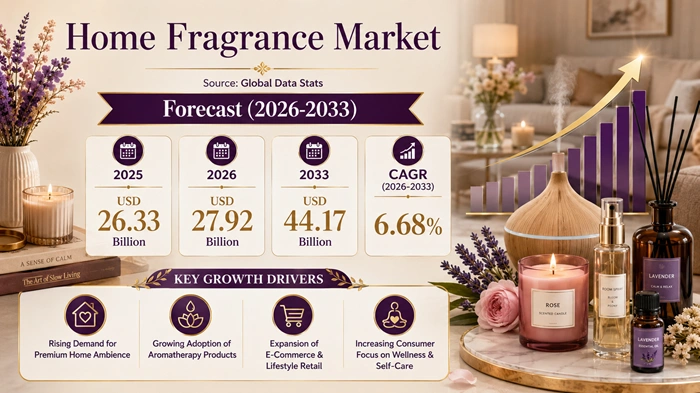
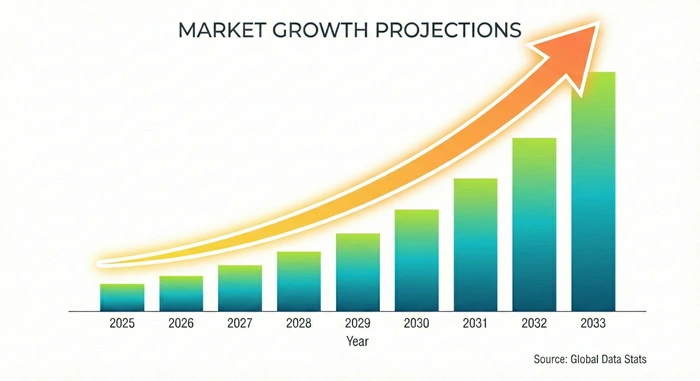
The global home fragrance market size is valued at USD 26.33 billion in 2025 and is predicted to increase from USD 27.92 billion in 2026 to approximately USD 44.17 billion by 2033, growing at a CAGR of 6.68% from 2026 to 2033. The rising consumer focus on creating personalized and inviting home environments drives demand for aromatic products that enhance ambiance, support wellness, and reflect individual style preferences. Home fragrance products including scented candles, room sprays, essential oil diffusers, and incense sticks have become essential elements in modern living spaces.
AI Impact on the Home Fragrance Industry
Artificial Intelligence Revolutionizing Personalization and Customer Experience
Artificial intelligence is fundamentally transforming the home fragrance market by enabling hyper-personalized scent recommendations, predictive consumer behavior analysis, and innovative product development that matches individual preferences with unprecedented accuracy. Machine learning algorithms analyze vast datasets including customer browsing patterns, purchase history, demographic information, seasonal preferences, and mood indicators to suggest fragrances that align perfectly with each consumer's unique taste profile. AI-powered quizzes and interactive tools engage shoppers through thoughtfully designed questions about lifestyle, favorite environments, emotional states, and desired atmospheres, curating customized fragrance selections that resonate deeply with personal identities. These intelligent systems bridge the gap between digital and physical shopping experiences by connecting customer profiles across multiple channels, ensuring consistent personalized recommendations whether consumers browse online, visit retail stores, or interact through mobile applications.
Natural language processing technologies enable AI chatbots to provide instant customer support, answer fragrance-related queries, suggest complementary products like scented lotions or decorative accessories, and guide shoppers through extensive product catalogs without human intervention. Computer vision applications allow consumers to visualize how candles, diffusers, and other fragrance products will look in their specific home environments through augmented reality features that digitally place items in real rooms using smartphone cameras. Predictive analytics forecast future customer needs by identifying patterns in purchasing behavior, suggesting seasonal fragrances before trends peak, and recommending replenishment timing based on typical consumption rates. The home fragrance market benefits enormously from AI-driven scent creation platforms that analyze millions of fragrance combinations, consumer feedback data, and olfactory preferences to develop innovative scent profiles that capture emerging consumer desires while reducing traditional product development timelines from years to months.
Growth Factors
Wellness Trends and Home Aesthetics Drive Market Expansion
The home fragrance market is experiencing robust growth driven by increasing consumer focus on wellness, mental health, and self-care practices that incorporate aromatherapy, stress reduction techniques, and mood enhancement through carefully selected scents. The COVID-19 pandemic permanently shifted consumer priorities toward home environments as people spent unprecedented time indoors, leading to heightened awareness about creating comfortable, healthy, and aesthetically pleasing living spaces that support emotional wellbeing. Aromatherapy applications using essential oils, scented candles, and diffusers have gained mainstream acceptance for promoting relaxation, improving sleep quality, reducing anxiety, and creating therapeutic atmospheres that support mental health management. Rising disposable incomes across developing nations enable middle-class consumers to invest in non-essential home products that enhance quality of life, with home fragrances positioned as affordable luxury items accessible to broader demographic segments.
Social media platforms including Instagram, Pinterest, and TikTok amplify awareness about home fragrance products through influencer marketing, aesthetic home decor content, and user-generated lifestyle posts that showcase beautifully curated living spaces featuring candles and diffusers as decorative focal points. Urbanization trends and smaller living spaces in densely populated cities increase the importance of creating inviting atmospheres in compact environments where thoughtfully chosen fragrances significantly impact perceived comfort and spaciousness. The home fragrance market benefits from growing gifting culture as scented candles, luxury diffuser sets, and premium fragrance collections serve as popular presents for housewarmings, birthdays, holidays, and appreciation occasions. Natural and organic product preferences drive demand for eco-friendly home fragrances made with sustainably sourced ingredients, plant-based waxes, and non-toxic formulations that appeal to environmentally conscious consumers concerned about indoor air quality and chemical exposure.
Market Outlook
Innovation and Sustainability Define Future Industry Evolution
The home fragrance market is positioned for sustained expansion through 2033 as manufacturers invest heavily in product innovation, sustainable practices, and technology integration that addresses evolving consumer expectations for quality, environmental responsibility, and personalized experiences. Smart home fragrance devices featuring app connectivity, customizable intensity settings, automated scent scheduling, and ambient sensing capabilities represent rapidly growing segment as tech-savvy consumers embrace connected home ecosystems. Subscription-based fragrance services offering monthly deliveries of curated scent collections, seasonal offerings, and discovery boxes gain traction by providing convenient exploration of new fragrances while building customer loyalty through recurring revenue models. Luxury and premium segments expand as affluent consumers seek artisanal hand-poured candles, bespoke fragrance blending services, and high-end designer collaborations that elevate home fragrances from functional products to sophisticated lifestyle statements.
Sustainable packaging innovations including refillable containers, biodegradable materials, recycled glass, and minimalist designs appeal to eco-conscious demographics while reducing environmental impact and operational costs. Natural ingredient sourcing, transparent supply chains, and certification programs like organic, vegan, and cruelty-free labels become standard expectations rather than premium differentiators as mainstream consumers prioritize ethical consumption. The home fragrance market witnesses channel diversification beyond traditional retail with direct-to-consumer brands leveraging e-commerce platforms, social media marketing, and influencer partnerships to build communities and reach global audiences without physical store investments. Experiential retail concepts including scent bars, fragrance workshops, and interactive store designs enhance brick-and-mortar experiences by allowing customers to test products, learn about aromatherapy benefits, and create personalized blends that cannot be replicated online.
Expert Speaks
-
Falguni Nayar, Founder and CEO of Nykaa, emphasized that home fragrance categories represent significant growth opportunities within lifestyle and beauty sectors as consumers increasingly view scented products as essential elements of self-care routines and home wellness practices, with successful brands balancing innovation, quality, and aspirational positioning.
-
Marc Pritchard, Chief Brand Officer of Procter & Gamble, highlighted that consumer expectations for home care products including fragrances continue evolving toward premium experiences, sustainable formulations, and digital engagement, with companies investing substantially in product innovation, marketing creativity, and omnichannel distribution to capture growth in dynamic categories.
-
Rakesh Kapoor, former Chief Executive Officer of Reckitt Benckiser Group, stated that home hygiene and fragrance markets demonstrate resilient growth patterns driven by fundamental consumer needs for cleanliness, comfort, and pleasant living environments, with successful brands leveraging strong equity, continuous innovation, and strategic marketing to maintain competitive advantages.
Key Report Takeaways
-
North America leads the home fragrance market with approximately 36% market share in 2025, driven by strong emphasis on home aesthetics, high disposable incomes enabling premium product purchases, established gifting culture featuring scented items, and widespread adoption of wellness practices incorporating aromatherapy.
-
Europe is growing the fastest with a projected CAGR of 7.10% from 2026 to 2033, fueled by strong environmental consciousness driving sustainable product demand, rich cultural traditions valuing home ambiance, growing aromatherapy acceptance, and increasing disposable incomes across Eastern European markets.
-
Fresh and citrus fragrances dominate with approximately 31% market share as these uplifting scents offering mood enhancement, stress reduction, and energizing properties appeal broadly across demographics, seasons, and cultural preferences while providing versatile aromatic profiles suitable for various room types.
-
The candles segment contributes the most to overall market revenue with approximately 38% share in 2025, reflecting that scented candles combine functional fragrance delivery with decorative appeal, offering ambient lighting, wide variety of designs, and strong gifting appeal that drives consistent consumer demand.
-
Mass category dominates with approximately 58% market share as affordability, wide availability through multiple retail channels, and effective mechanized production enable mass-market products to reach budget-conscious consumers and mainstream demographics seeking accessible home fragrance options.
-
The online channels segment will grow quickly with an estimated CAGR of 8.40% and market share expanding as e-commerce penetration increases, providing convenient shopping experiences, extensive product selections, price comparison capabilities, attractive discounts, and doorstep delivery that particularly appeals to younger tech-savvy consumers.
Market Scope
| Report Coverage | Details |
|---|---|
| Market Size by 2033 | USD 44.17 Billion |
| Market Size by 2025 | USD 26.33 Billion |
| Market Size by 2026 | USD 27.92 Billion |
| Market Growth Rate from 2026 to 2033 | CAGR of 6.68% |
| Dominating Region | North America |
| Fastest Growing Region | Europe |
| Base Year | 2025 |
| Forecast Period | 2026 to 2033 |
| Segments Covered | Product Type, Fragrance Type, Category, Distribution Channel, Region |
| Regions Covered | North America, Europe, Asia Pacific, Latin America, Middle East and Africa |
Market Dynamics
Driver Impact Analysis
Rising Focus on Home Ambiance and Wellness Creates Strong Demand
The increasing consumer emphasis on creating personalized, comfortable, and aesthetically pleasing home environments represents the most powerful driver propelling the home fragrance market toward sustained expansion across all geographic regions and demographic segments. Modern consumers view their homes as sanctuaries requiring thoughtful curation where every element including fragrances contributes to overall ambiance, emotional wellbeing, and self-expression. The COVID-19 pandemic permanently altered relationships with home spaces as remote work arrangements, lockdown periods, and reduced travel activities focused attention on residential environments, motivating significant investments in home improvement, decoration, and comfort enhancements. Scented candles, diffusers, and room sprays serve as accessible yet impactful tools for transforming ordinary spaces into inviting retreats that support relaxation, productivity, celebration, or contemplation depending on fragrance selection and application.
Aromatherapy's growing mainstream acceptance drives demand for home fragrance products positioned as wellness tools offering therapeutic benefits beyond pleasant scents, with essential oils, herbal fragrances, and carefully formulated blends addressing specific needs like stress relief, sleep improvement, energy enhancement, and mood stabilization. The home fragrance market benefits from social media influence amplifying awareness about fragrance products through visually appealing lifestyle content, home decor inspiration, product reviews, and influencer recommendations that position scented items as essential components of aspirational living. Rising disposable incomes in emerging markets including India, China, Brazil, and Southeast Asian nations enable expanding middle classes to afford non-essential home products, with fragrances representing affordable indulgences that deliver disproportionate impact on perceived quality of life. Gifting traditions featuring home fragrance products for housewarmings, holidays, birthdays, and appreciation occasions create consistent demand cycles independent of personal purchase motivations, with beautifully packaged candle sets and luxury diffusers serving as thoughtful presents suitable for diverse recipients and occasions.
| Driver | ≈ % Impact on CAGR Forecast | Geographic Relevance | Impact Timeline |
|---|---|---|---|
| Home Aesthetics Focus | +2.10% | Global, strongest in developed markets | 2026-2033 |
| Wellness and Aromatherapy | +1.80% | North America, Europe, Urban Asia | 2026-2033 |
| Rising Disposable Income | +1.50% | Emerging markets primarily | 2026-2033 |
| Social Media Influence | +1.20% | Global, younger demographics | 2026-2033 |
Restraints Impact Analysis
Health Concerns and Price Sensitivity Limit Market Penetration
The home fragrance market confronts significant barriers related to health and environmental concerns, price sensitivity among budget-conscious consumers, and regulatory complexity that limit adoption in certain demographic segments while constraining growth potential. Synthetic fragrances containing phthalates, parabens, and volatile organic compounds raise health concerns among increasingly informed consumers aware of potential respiratory irritation, allergic reactions, headaches, and indoor air quality degradation from chemical emissions. Individuals with asthma, chemical sensitivities, pregnant women, and households with young children exercise caution regarding fragrance product use, limiting market penetration within health-conscious demographics seeking chemical-free living environments. Environmental concerns about petroleum-based paraffin wax candles releasing harmful substances when burned, plastic packaging waste, and non-sustainable ingredient sourcing create skepticism among eco-conscious consumers evaluating product environmental footprints.
Premium home fragrance products featuring natural ingredients, artisanal production, luxury packaging, and designer branding command price points significantly higher than mass-market alternatives, creating affordability barriers for price-sensitive middle-income consumers who view fragrances as non-essential discretionary purchases easily eliminated during economic uncertainty. The home fragrance market suffers from perception challenges positioning scented products as fleeting indulgences rather than durable goods, making purchase justification difficult compared to tangible home improvements or functional items offering lasting value. Counterfeit and substandard products from unregulated manufacturers undermining consumer confidence particularly in developing markets where quality assurance lacks enforcement, safety standards remain undefined, and ingredient transparency proves difficult to verify. Regulatory complexity regarding fragrance ingredient disclosure, allergen labeling, safety testing, and marketing claims varies dramatically across jurisdictions, creating compliance burdens for international brands while confusing consumers attempting to make informed purchasing decisions.
| Restraint | ≈ % Impact on CAGR Forecast | Geographic Relevance | Impact Timeline |
|---|---|---|---|
| Health and Safety Concerns | -1.40% | Health-conscious demographics globally | 2026-2033 |
| Price Sensitivity | -1.10% | Middle-income segments, emerging markets | 2026-2033 |
| Environmental Concerns | -0.90% | Europe, environmentally aware consumers | 2026-2033 |
Opportunities Impact Analysis
Sustainable Products and Technological Innovation Create Growth Avenues
The rising consumer preference for natural, organic, and eco-friendly home fragrance products presents enormous opportunities for the home fragrance market as brands develop sustainable formulations, ethical sourcing practices, and environmentally responsible packaging that align with values-driven purchasing decisions. Plant-based candle waxes including soy, coconut, and beeswax alternatives to petroleum-derived paraffin appeal to eco-conscious consumers seeking renewable, biodegradable, and cleaner-burning options that reduce indoor air pollution while supporting sustainable agriculture. Essential oil-based fragrances derived from botanical sources without synthetic additives, phthalates, or artificial chemicals attract health-focused demographics seeking pure, therapeutic-grade aromatherapy products addressing wellness needs through natural means. Refillable diffuser systems, recyclable glass containers, minimalist packaging using recycled materials, and zero-waste product designs reduce environmental impact while appealing to sustainability-minded consumers willing to pay premiums for responsible brands.
Smart home fragrance devices featuring Wi-Fi connectivity, smartphone app controls, voice assistant integration, and automated scent scheduling create differentiated premium offerings for tech-savvy consumers embracing connected home ecosystems. The home fragrance market benefits from subscription box services providing curated monthly fragrance discoveries, seasonal scent rotations, and personalized selections based on preference profiles, building recurring revenue streams while enhancing customer engagement and brand loyalty. Experiential retail concepts including scent bars offering personalized fragrance blending, aromatherapy consultations explaining therapeutic benefits, and interactive workshops teaching candle-making techniques create memorable shopping experiences that justify premium pricing while fostering emotional connections with brands. Collaboration opportunities between fragrance brands and lifestyle, fashion, or home decor companies create cross-promotional synergies, expand distribution channels, and leverage complementary brand equities to reach new customer segments through creative partnerships.
| Opportunity | ≈ % Impact on CAGR Forecast | Geographic Relevance | Impact Timeline |
|---|---|---|---|
| Sustainable Product Development | +1.90% | Europe, North America primarily | 2026-2033 |
| Smart Home Integration | +1.60% | Tech-savvy markets globally | 2027-2033 |
| Subscription Services | +1.35% | North America, Europe, Urban Asia | 2026-2033 |
| Experiential Retail | +1.15% | Urban centers, affluent markets | 2027-2033 |
Segment Analysis
Candles
Market Leadership Through Dual Functionality and Aesthetic Appeal
The candles segment dominates the home fragrance market with approximately 38% share in 2025, reflecting the product category's unique combination of aromatic functionality, decorative appeal, ambient lighting capabilities, and strong emotional associations that drive consistent consumer demand across demographics and occasions. This segment's market leadership stems from scented candles' versatility serving multiple purposes simultaneously as fragrance delivery systems, decorative home accents, mood lighting sources, and relaxation tools that enhance various activities including bathing, meditation, reading, and entertaining. Candles offer extensive design variety through container styles, colors, sizes, and decorative elements that complement diverse interior design aesthetics from minimalist modern to rustic farmhouse, enabling consumers to select products matching personal style preferences while coordinating with existing decor. The segment benefits from strong gifting culture positioning beautifully packaged candle sets as thoughtful presents suitable for housewarmings, holidays, birthdays, thank-you occasions, and hostess gifts that combine practicality with aesthetic appeal.
North America shows particularly strong candle adoption with approximately 40% regional segment share and CAGR of 6.55%, driven by established candle-burning traditions, cultural associations with comfort and coziness, widespread aromatherapy acceptance, and premium product availability across retail channels. Leading companies serving the home fragrance market including Newell Brands through Yankee Candle, Bath & Body Works, Procter & Gamble through Febreze candles, Jo Malone London, and Diptyque dominate through extensive product ranges, strong brand recognition, innovative fragrance development, and strategic retail presence. Europe demonstrates substantial candle market growth as natural wax preferences, sustainable product demands, artisanal production appreciation, and aromatherapy traditions drive segment expansion particularly in United Kingdom, Germany, and France. The segment continues innovating through clean-burning formulations using soy, coconut, and beeswax alternatives, wooden wick designs creating ambient crackling sounds, multi-wick configurations for enhanced scent throw, and refillable luxury candle systems supporting sustainability while maintaining premium positioning.
Online Channels
Fastest Growing Distribution Channel Capitalizing on Digital Commerce Expansion
The online channels segment represents the fastest-growing category in the home fragrance market with a projected CAGR of 8.40% from 2026 to 2033, driven by accelerating e-commerce adoption, convenient shopping experiences, extensive product selections, competitive pricing, and doorstep delivery that particularly appeals to younger tech-savvy demographics. Online retail platforms offer unmatched product variety enabling consumers to browse thousands of fragrance options from global and niche brands unavailable through local physical stores, with detailed descriptions, customer reviews, and recommendation algorithms facilitating informed purchasing decisions. Price comparison capabilities, promotional discounts, subscription savings, and flash sales create compelling value propositions for budget-conscious shoppers seeking best deals, while free shipping thresholds, return policies, and customer service support reduce perceived purchasing risks associated with buying fragrances without physical testing.
Asia Pacific shows particularly explosive online channel growth with CAGR exceeding 9.50%, driven by smartphone penetration, mobile payment adoption, expanding middle classes, improving logistics infrastructure, and digital-native younger generations comfortable purchasing home products online without physical inspection. Key players serving the home fragrance market including Amazon, specialty retailers like Yankee Candle and Bath & Body Works through proprietary e-commerce sites, and direct-to-consumer brands like Homesick and Otherland leverage digital channels as primary distribution methods. The segment benefits from social media integration enabling Instagram shopping, influencer collaborations, user-generated content featuring products, and targeted advertising that drives traffic to online stores while building brand awareness among digitally engaged consumers. Subscription services offering automatic fragrance replenishment, curated monthly discoveries, and loyalty rewards programs build recurring revenue while enhancing customer lifetime value and reducing acquisition costs through improved retention.
Regional Insights
North America
Market Dominance Through Cultural Preferences and Established Infrastructure
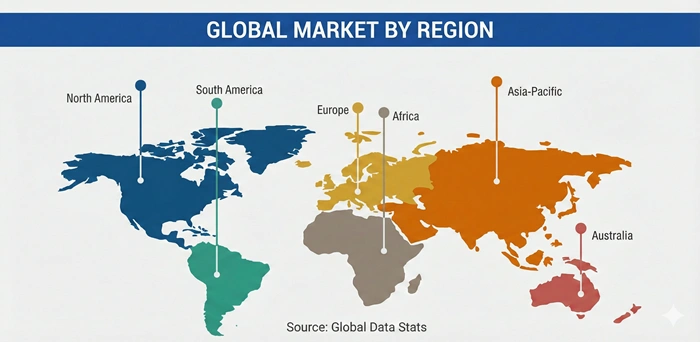
North America maintains its position as the dominant region in the home fragrance market, commanding approximately 36% of global market share in 2025 with an estimated value of USD 9.48 billion, projected to reach USD 14.93 billion by 2033 growing at a CAGR of 6.45%. The region's leadership stems from strong cultural emphasis on home comfort and aesthetics, high disposable incomes enabling discretionary spending on non-essential home products, and well-established retail infrastructure including specialty stores, mass merchants, and robust e-commerce channels. The United States dominates North American demand with approximately 78% regional share driven by widespread candle-burning traditions, aromatherapy acceptance, gifting culture featuring home fragrances, and consumer willingness to pay premiums for quality products from trusted brands.
Leading companies serving the North American home fragrance market including Newell Brands, Procter & Gamble, S.C. Johnson & Son, Bath & Body Works, and specialty retailers like Yankee Candle stores create extensive distribution networks, strong brand recognition, and continuous product innovation. Canada contributes approximately 18% of North American revenue through similar consumer preferences, growing wellness focus, environmental consciousness driving sustainable product demand, and increasing multicultural influences bringing diverse fragrance preferences. The region benefits from sophisticated marketing capabilities leveraging social media influencers, celebrity endorsements, lifestyle branding, and experiential retail concepts that position home fragrances as essential lifestyle products rather than mere air fresheners.
Europe
Fastest Regional Growth Through Sustainability Focus and Cultural Traditions
Europe represents the fastest-growing region in the home fragrance market with a projected CAGR of 7.10% from 2026 to 2033, with market value expected to increase from USD 8.43 billion in 2025 to USD 13.74 billion by 2033, capturing expanding global revenue share. The region's exceptional growth trajectory stems from strong environmental consciousness driving demand for natural, organic, and sustainably produced fragrances, rich cultural traditions valuing home ambiance and sensory experiences, and growing disposable incomes across Eastern European markets enabling category expansion beyond Western Europe. Germany, United Kingdom, France, and Italy combine as major markets accounting for over 60% of European demand, driven by premium product preferences, aromatherapy traditions, retail sophistication, and consumers valuing quality over price in fragrance selections.
Leading companies serving the European home fragrance market include Reckitt Benckiser Group, Procter & Gamble European operations, luxury brands like Diptyque and Jo Malone, and regional players like Rituals Cosmetics cultivating strong followings through quality products and experiential retail. The region benefits from stringent regulations ensuring product safety, ingredient transparency, and environmental standards that build consumer confidence while favoring established brands meeting compliance requirements over unregulated competitors. Eastern European countries including Poland, Czech Republic, and Romania demonstrate particularly strong growth as economic development, urbanization, and western lifestyle adoption drive home fragrance market penetration from relatively low baseline levels, creating substantial expansion opportunities for international and regional brands.
Top Key Players
-
Newell Brands (United States)
-
Procter & Gamble (United States)
-
Reckitt Benckiser Group PLC (United Kingdom)
-
S.C. Johnson & Son Inc. (United States)
-
The Estée Lauder Companies Inc. (United States)
-
L Brands Inc. (United States)
-
Henkel AG & Co. KGaA (Germany)
-
Bolsius International BV (Netherlands)
-
Diptyque Paris (France)
-
Lalique Group SA (France)
-
Archipelago Botanicals (United States)
-
Scentair Technologies LLC (United States)
-
Aromatique Inc. (United States)
-
Chesapeake Bay Candle (United States)
-
Village Candle (United States)
Recent Developments
-
Newell Brands (2025): Launched Yankee Candle's new sustainable collection in February 2025 featuring plant-based wax blends, recycled glass containers, recyclable packaging materials, and natural fragrance oils, responding to consumer demand for environmentally responsible products while maintaining premium quality and scent throw performance that built brand reputation over decades.
-
Procter & Gamble (2024): Expanded Febreze brand portfolio in November 2024 with introduction of Mood Collection featuring psychologically-designed fragrances targeting specific emotional states including relaxation, energy, focus, and comfort, leveraging aromatherapy research and consumer insights to position air care products as wellness tools beyond odor elimination.
-
Reckitt Benckiser (2024): Completed acquisition of specialty candle company in August 2024 adding premium product capabilities, artisanal manufacturing expertise, and access to affluent consumer segments, strengthening position in growing luxury home fragrance category while diversifying beyond mass-market air care dominance.
-
L Brands (2023): Invested USD 120 million in Bath & Body Works supply chain modernization and digital commerce capabilities during 2023, expanding production capacity, improving order fulfillment speed, enhancing mobile shopping experience, and implementing personalization technologies that increased online conversion rates and customer satisfaction scores.
-
The Estée Lauder Companies (2023): Expanded home fragrance portfolio through Jo Malone London brand in 2023 launching new cologne collections, home candle scents, and diffuser fragrances, leveraging luxury beauty expertise to capture growing premium home category while creating cross-selling opportunities with personal fragrance customers.
Market Trends
Personalization and Sustainability Reshape Consumer Expectations
The home fragrance market is experiencing transformative shifts driven by personalization demands, sustainability priorities, and wellness integration that redefine product development, marketing strategies, and consumer engagement approaches. Customization capabilities allowing consumers to create signature scents through online fragrance-building tools, in-store scent bars, or subscription services offering personalized selections based on preference profiles gain significant traction as buyers seek unique fragrances expressing individual identities rather than mass-produced generic options. Seasonal and limited-edition offerings creating urgency and exclusivity appeal to collectors and enthusiasts who purchase multiple products annually, with brands strategically releasing special scents tied to holidays, seasons, designer collaborations, or cultural moments that generate excitement and drive purchase frequency. Multi-sensory experiences extending beyond scent alone to incorporate visual aesthetics through beautiful packaging and decorative containers, auditory elements like crackling wooden wicks, and tactile qualities in product textures create holistic sensory engagements that justify premium pricing while enhancing emotional connections with brands.
Clean label movements demanding transparent ingredient disclosure, natural formulations free from synthetic chemicals, and certifications like organic, vegan, and cruelty-free become baseline expectations rather than premium features as mainstream consumers prioritize health and environmental considerations in purchasing decisions. The home fragrance market witnesses growing integration with smart home ecosystems as connected devices featuring app controls, voice activation, and automated scheduling appeal to tech-savvy consumers seeking convenient, customizable, and efficient home management solutions. Gender-neutral fragrances moving beyond traditional feminine floral or masculine woody classifications toward universal scent profiles based on mood, atmosphere, or sensory experience rather than demographic targeting reflect evolving consumer attitudes about gender expression and product marketing. Collaborations between fragrance brands and fashion designers, celebrities, interior designers, and lifestyle influencers create buzz, extend brand reach, and lend credibility through association with aspirational figures whose aesthetic sensibilities align with target customer values.
Segments Covered in the Report
By Product Type
-
Candles
-
Sprays
-
Diffusers
-
Essential Oils
-
Incense Sticks
-
Plug-in Devices
-
Potpourri and Sachets
-
Wax Melts
-
Others
By Fragrance Type
-
Fresh/Citrus
-
Floral
-
Woody
-
Oriental/Spicy
-
Herbal
-
Fruity
-
Sweet/Gourmand
-
Oceanic
-
Others
By Category
-
Mass
-
Premium
By Distribution Channel
-
Hypermarkets/Supermarkets
-
Specialty Stores
-
Online Channels
-
Others
By Region
-
North America
-
United States
-
Canada
-
Mexico
-
-
Europe
-
United Kingdom
-
Germany
-
France
-
Italy
-
Spain
-
Rest of Europe
-
-
Asia Pacific
-
China
-
India
-
Japan
-
South Korea
-
Australia
-
Rest of Asia Pacific
-
-
Latin America
-
Brazil
-
Argentina
-
Rest of Latin America
-
-
Middle East and Africa
-
United Arab Emirates
-
Saudi Arabia
-
South Africa
-
Rest of Middle East and Africa
-
Frequently Asked Questions
Question 1: What is the projected home fragrance market size by 2033?
Answer: The home fragrance market is projected to reach USD 44.17 billion by 2033, growing from USD 27.92 billion in 2026. This represents steady expansion driven by increasing focus on home aesthetics, wellness trends incorporating aromatherapy, rising disposable incomes, and social media influence amplifying awareness about scented products as essential home elements.
Question 2: Which region dominates the global home fragrance market share?
Answer: North America dominates the global home fragrance market with approximately 36% market share in 2025, valued at USD 9.48 billion. This leadership position reflects strong cultural emphasis on home comfort, high disposable incomes enabling premium purchases, established gifting traditions featuring scented products, and widespread acceptance of aromatherapy for wellness applications.
Question 3: What factors are driving the home fragrance market growth?
Answer: Key factors driving home fragrance market growth include increasing consumer emphasis on creating personalized comfortable home environments, rising wellness consciousness incorporating aromatherapy, growing disposable incomes in emerging markets, social media influence showcasing home aesthetics, and gifting culture featuring scented products. Natural and sustainable product preferences also contribute significantly to market expansion across demographics.
Question 4: Which product type segment holds the largest share in the home fragrance market?
Answer: The candles segment holds the largest share in the home fragrance market with approximately 38% in 2025. This dominance reflects scented candles' unique combination of aromatic functionality, decorative appeal, ambient lighting capabilities, and strong emotional associations driving consistent consumer demand across demographics, occasions, and geographic markets.
Question 5: What are the emerging trends in the home fragrance market?
Answer: Emerging trends in the home fragrance market include personalized fragrance customization through online tools and scent bars, seasonal limited-edition offerings creating exclusivity, clean label demands for natural ingredients and transparent formulations, smart home integration with connected devices, gender-neutral scent profiles, and brand collaborations with designers and influencers. Subscription services and experiential retail concepts also gain significant traction among consumers.