
HIV Drugs Market Overview
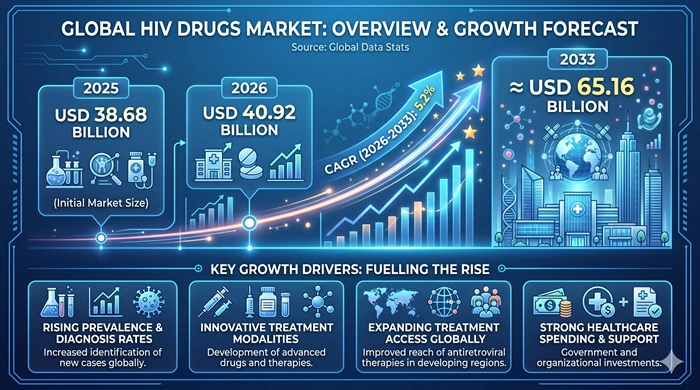
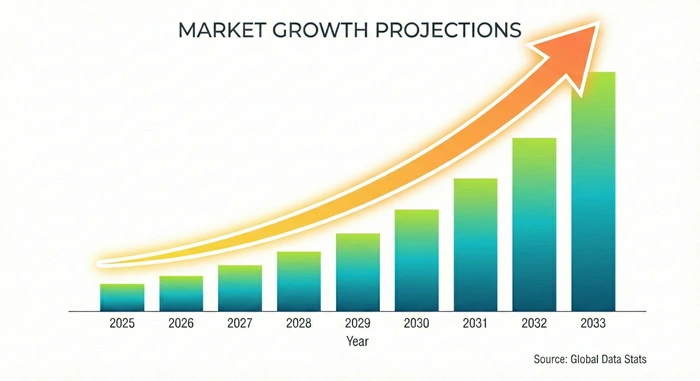
The global HIV drugs market size is valued at USD 38.68 billion in 2025 and is predicted to increase from USD 40.92 billion in 2026 to approximately USD 65.16 billion by 2033, growing at a CAGR of 5.2% from 2026 to 2033.
The HIV drugs market remains one of the most consistently robust and commercially significant segments in global pharmaceuticals, underpinned by a large and growing population of people living with HIV who require lifelong antiretroviral therapy. With over 39 million people worldwide living with HIV and global treatment access programs reaching unprecedented coverage levels, the demand for innovative, well-tolerated, and long-acting antiretroviral agents continues to grow at a steady pace. The market's trajectory through 2033 is shaped by the commercial success of integrase inhibitor-based regimens, a dynamic pipeline of long-acting formulations, and expanding treatment access in sub-Saharan Africa and Asia-Pacific.
AI Impact on the HIV Drugs Industry
Artificial Intelligence Is Transforming HIV Drug Discovery, Treatment Optimization, Resistance Prediction, and Patient Adherence Management Across the Global Antiretroviral Therapy Landscape
Artificial intelligence is beginning to reshape the HIV drugs market at multiple levels — from the laboratory bench to the bedside. In drug discovery, AI-powered molecular modeling platforms are accelerating the identification of novel antiretroviral compounds by predicting binding interactions between candidate molecules and HIV reverse transcriptase, integrase, and protease targets with far greater computational efficiency than traditional high-throughput screening approaches. Machine learning algorithms trained on large genomic and clinical datasets are also helping researchers anticipate resistance mutation patterns before they emerge in patient populations, enabling proactive drug design strategies that build higher resistance barriers into next-generation antiretroviral candidates.
On the clinical management side, AI is being applied to improve treatment adherence — one of the most persistent challenges in achieving durable viral suppression in HIV-positive populations globally. Digital health platforms incorporating AI-driven behavioral engagement tools, personalized medication reminders, and predictive analytics to identify patients at high risk of treatment interruption are being deployed by HIV care programs in both high-income and resource-limited settings. AI-powered precision medicine tools are also being used to optimize antiretroviral regimen selection for individual patients based on resistance testing results, comorbidity profiles, and pharmacogenomic data — improving treatment outcomes and reducing the burden of regimen switching in the HIV drugs market.
Growth Factors
Sustained Global HIV Prevalence, Innovation in Long-Acting Injectable and Oral Antiretroviral Formulations, and Expanding Treatment Access in Emerging Markets Are the Core Growth Drivers of the HIV Drugs Market
The most enduring structural driver of the HIV drugs market is the large and therapeutically dependent global HIV-positive population. HIV remains a chronic, incurable infection that requires lifelong antiretroviral therapy for viral suppression and prevention of disease progression to AIDS. With over 39 million people living with HIV globally — approximately 77% of whom are now on antiretroviral treatment according to UNAIDS data — the baseline commercial demand for antiretroviral agents is both enormous and highly predictable. Unlike many therapeutic markets where cure represents the ultimate commercial disruption, the absence of an HIV cure ensures that antiretroviral therapy generates recurring annual revenue for every patient receiving treatment, creating an exceptionally durable market foundation.
The rapid commercial adoption of integrase strand transfer inhibitor (INSTI)-based combination regimens — particularly Gilead Sciences' Biktarvy (bictegravir/emtricitabine/tenofovir alafenamide) and ViiV Healthcare's Cabenuva (cabotegravir plus rilpivirine long-acting injectable) — is the second major growth catalyst. Biktarvy achieved blockbuster status rapidly, displacing older first-line regimens due to its superior resistance barrier, tolerability profile, and convenient single-pill dosing. Cabenuva's commercial launch as the first complete monthly injectable antiretroviral regimen has been a milestone event, demonstrating that long-acting administration formats can achieve strong clinical uptake and opening a new premium product category within the HIV drugs market that will expand meaningfully over the forecast period.
Market Outlook
The HIV Drugs Market Is Positioned for Consistent Long-Term Expansion Through 2033, Driven by Long-Acting Injectable Adoption, Lenacapavir Pipeline Advancement, and Deepening Emerging Market Treatment Coverage
The commercial outlook for the HIV drugs market through 2033 is constructive and supported by multiple converging clinical and access-related tailwinds. The continued expansion of long-acting antiretroviral therapy — from monthly injectables toward twice-yearly and potentially annual dosing regimens — represents the most commercially exciting near-term development. Gilead Sciences' lenacapavir, already approved as a twice-yearly injectable for multidrug-resistant HIV and showing landmark efficacy results as PrEP (pre-exposure prophylaxis) in clinical trials, is positioned to become one of the most commercially transformative antiretroviral agents in the history of HIV treatment. Positive Phase 3 results from the PURPOSE 1 and PURPOSE 2 lenacapavir PrEP trials have created extraordinary commercial and public health momentum that is expected to materialize in substantial new market revenue within the forecast period.
Emerging market treatment access programs — funded through the President's Emergency Plan for AIDS Relief (PEPFAR), the Global Fund to Fight AIDS, Tuberculosis and Malaria, and individual national government healthcare budgets — continue to expand antiretroviral treatment coverage in sub-Saharan Africa and Asia-Pacific. As generic antiretroviral manufacturers supply affordable treatment to large public health programs and innovator companies expand access through tiered pricing and voluntary licensing agreements, the overall volume of antiretroviral therapy dispensed globally continues to grow year over year. This volume growth, combined with the premium pricing power of new long-acting formulations in high-income markets, creates a compelling dual-track commercial growth story that underpins the HIV drugs market's steady upward trajectory through 2033.
Expert Speaks
-
Daniel O'Day, Chairman & CEO, Gilead Sciences — "Lenacapavir's twice-yearly dosing results in the PURPOSE trials represent one of the most significant advances in HIV prevention in a generation. Our commitment is to ensure that this transformative option can reach every person who needs it, and we are working urgently with global health partners to make that a reality."
-
Albert Bourla, Chairman & CEO, Pfizer Inc. — "HIV remains one of the most important public health challenges of our time, and the pharmaceutical industry has an ongoing responsibility to innovate beyond existing treatment standards. Long-acting formulations and next-generation prevention options are changing the landscape of HIV management in ways that will benefit patients for decades to come."
-
Vas Narasimhan, CEO, Novartis — "The HIV treatment landscape demonstrates what sustained scientific commitment and strong public-private partnership can achieve in global infectious disease management. Continued innovation — particularly in long-acting therapeutic formats and broadly accessible prevention tools — is essential to reaching the global goal of ending AIDS as a public health threat."
Key Report Takeaways
-
North America leads the HIV drugs market, accounting for approximately 70% of global revenue in 2025, driven by the world's highest per-capita antiretroviral drug expenditure, the earliest and broadest commercial adoption of premium integrase inhibitor-based regimens and long-acting injectable therapies, strong insurance and government payer reimbursement, and the concentration of Gilead Sciences, ViiV Healthcare, and Merck's US commercial operations
-
Asia-Pacific is the fastest-growing region, projected to expand at a CAGR of over 7.8% through 2033, driven by rising HIV awareness and testing rates in China, India, and Southeast Asia, government-funded antiretroviral treatment scale-up programs, and growing adoption of newer-generation antiretroviral regimens in urban hospital and clinic settings
-
Integrase strand transfer inhibitors (INSTIs) are the dominant drug class segment, accounting for approximately 52% of total drug class revenue in 2025, reflecting the universal guideline endorsement of INSTI-based regimens as preferred first-line therapy globally and the blockbuster commercial success of Biktarvy (Gilead Sciences) and Triumeq/Dovato (ViiV Healthcare)
-
Treatment therapy is the dominant application segment, contributing the largest share of HIV drugs market revenue in 2025, reflecting the enormous global patient population requiring daily or long-acting antiretroviral regimens for lifelong viral suppression and the high per-patient annual therapy cost in high-income markets
-
Hospital pharmacies represent the dominant distribution channel in the HIV drugs market, accounting for approximately 51% of total distribution revenue in 2025, as the structured hospital pharmacy environment supports appropriate antiretroviral dispensing, adherence counseling, resistance monitoring, and drug interaction management for HIV-positive patients
-
Long-acting injectable antiretroviral therapies represent the fastest-growing segment in the HIV drugs market, projected to grow at a CAGR of 19.4% through 2033 and reach approximately 18% of total drug class market share by 2033, driven by the expanding commercial adoption of Cabenuva (monthly injectable), the anticipated launch of twice-yearly lenacapavir treatment regimens, and strong patient and clinician preference for reduced dosing frequency
Market Scope
| Report Coverage | Details |
|---|---|
| Market Size by 2033 | USD 65.16 Billion |
| Market Size by 2025 | USD 38.68 Billion |
| Market Size by 2026 | USD 40.92 Billion |
| Market Growth Rate (2026–2033) | CAGR of 5.2% |
| Dominating Region | North America |
| Fastest Growing Region | Asia-Pacific |
| Base Year | 2025 |
| Forecast Period | 2026 – 2033 |
| Segments Covered | Drug Class, Drug Type, Application, Distribution Channel, End User |
| Regions Covered | North America, Europe, Asia-Pacific, Latin America, Middle East & Africa |
Market Dynamics
Drivers Impact Analysis
Growing Global HIV Treatment Coverage, Blockbuster INSTI Regimen Adoption, and the Transformative Commercial Launch of Long-Acting Injectable and Twice-Yearly HIV Therapies Are the Core Engines of the HIV Drugs Market
| Driver | ≈ % Impact on CAGR Forecast | Geographic Relevance | Impact Timeline |
|---|---|---|---|
| Sustained HIV prevalence requiring lifelong antiretroviral therapy globally | ~30% | Global | Ongoing |
| Blockbuster commercial performance of Biktarvy and INSTI-based regimens | ~25% | North America, Europe | Short to Medium-term |
| Commercial launch and uptake of long-acting injectable antiretroviral regimens | ~22% | North America, Europe | Short to Long-term |
| Expanding HIV treatment coverage in emerging markets through global health funding | ~15% | Sub-Saharan Africa, Asia-Pacific | Medium to Long-term |
| Lenacapavir PrEP approval expanding HIV prevention drug market | ~8% | Global | Short to Medium-term |
The unmatched durability of the HIV drugs market's commercial foundation stems from the fundamental nature of HIV as a chronic infection requiring lifelong management. Unlike bacterial or viral infections that are cured with time-limited treatment courses, HIV integrates permanently into the host genome and resurges quickly if antiretroviral therapy is interrupted — making antiretroviral adherence a lifelong clinical imperative for the 39+ million people living with the virus. This structural characteristic guarantees consistent and predictable global antiretroviral demand that grows in direct proportion to treatment coverage expansion, creating commercial visibility for pharmaceutical manufacturers that few therapeutic markets can match.
The pivot to long-acting HIV therapy — most dramatically represented by ViiV Healthcare's Cabenuva (monthly injectable cabotegravir + rilpivirine) and Gilead Sciences' lenacapavir (twice-yearly capsid inhibitor) — is creating an important new premium product layer within the HIV drugs market with both strong patient demand and substantially higher per-patient revenue than daily oral regimens. Monthly and twice-yearly injection schedules dramatically reduce the daily pill burden that can cause adherence fatigue in long-term HIV-positive patients, improve privacy for patients in stigmatized communities, and deliver superior viral suppression rates in trials. The commercial acceleration of long-acting formats is expected to be the single most important driver of HIV drugs market revenue growth in high-income markets through 2033.
Restraints Impact Analysis
Generic Antiretroviral Price Erosion, Drug Access Inequality Between High- and Low-Income Markets, Side Effect Profiles of Established Agents, and Funding Pressure on Global HIV Programs Are the Primary Constraints on the HIV Drugs Market
| Restraint | ≈ % Impact on CAGR Forecast | Geographic Relevance | Impact Timeline |
|---|---|---|---|
| Rapid generic antiretroviral price erosion limiting revenue growth in emerging markets | ~32% | Emerging markets, Sub-Saharan Africa | Ongoing |
| Side effects and tolerability issues limiting uptake of certain antiretroviral agents | ~24% | Global | Ongoing |
| Funding pressure on PEPFAR and Global Fund programs affecting emerging market access | ~22% | Sub-Saharan Africa, Asia-Pacific | Short to Medium-term |
| HIV drug resistance reducing efficacy of established first-line regimens | ~14% | Global | Ongoing |
| Patent expiry of established brand-name antiretroviral drugs | ~8% | North America, Europe | Medium to Long-term |
Generic antiretroviral manufacturers — particularly those based in India and China, including Sun Pharmaceutical, Cipla, Aurobindo Pharma, and Hetero Labs — have driven prices for established antiretroviral combinations to extremely low levels in public health program markets. While this is an important public health achievement enabling broad treatment access in resource-limited settings, it substantially constrains the revenue potential of the generic and off-patent antiretroviral segment and reduces overall market value growth relative to prescription volume growth in emerging geographies. For innovator pharmaceutical companies, the commercial focus has necessarily shifted toward developing genuinely differentiated new products — particularly long-acting formats and novel mechanism agents — that can maintain premium pricing above the generic floor.
Funding uncertainty for global HIV treatment access programs represents a growing commercial and public health risk. PEPFAR, which funds antiretroviral treatment for millions of patients across more than 50 countries, has faced budget discussions in the United States that create uncertainty about the long-term stability of US government HIV program funding. Similarly, the Global Fund faces periodic fundraising shortfalls that can affect planned treatment scale-up timelines. Any significant reduction in program funding could disrupt treatment access for large patient populations in sub-Saharan Africa and Asia, with severe public health consequences and measurable downstream impact on global antiretroviral procurement volumes within the HIV drugs market.
Opportunities Impact Analysis
Lenacapavir-Based PrEP Expansion, Long-Acting Injectable Commercial Scale-Up, HIV Cure Research Monetization, and Emerging Market Premium Antiretroviral Adoption Are the Most Compelling Growth Opportunities
| Opportunity | ≈ % Impact on CAGR Forecast | Geographic Relevance | Impact Timeline |
|---|---|---|---|
| Twice-yearly lenacapavir PrEP approval and commercial launch | ~33% | North America, Europe, Africa | Short to Medium-term |
| Expanding commercial adoption of monthly and long-acting injectable HIV regimens | ~28% | North America, Europe | Short to Long-term |
| HIV functional cure and gene therapy research creating new product categories | ~18% | North America, Europe | Long-term |
| Emerging market adoption of newer-generation antiretrovirals above generic floor | ~13% | Asia-Pacific, Latin America | Medium to Long-term |
| Growing HIV testing and awareness programs expanding diagnosed and treated population | ~8% | Global | Short to Medium-term |
Lenacapavir's emergence as a potential twice-yearly PrEP agent represents the single most commercially impactful pipeline event in the HIV drugs market today. The PURPOSE 1 trial demonstrated 100% efficacy in preventing HIV infection in young women in sub-Saharan Africa — a result that attracted global scientific and public health attention — while PURPOSE 2 confirmed similar landmark efficacy in a broader population including men who have sex with men and transgender women. If approved as PrEP globally and made accessible through tiered pricing frameworks, lenacapavir could dramatically expand the addressable market for HIV prevention drugs, adding a major new revenue stream to the HIV drugs market beyond the existing treatment segment.
The commercial opportunity represented by HIV functional cure research is an emerging and longer-term but potentially transformative market development. Multiple approaches — including broadly neutralizing antibodies (bNAbs), gene editing using CRISPR technology, therapeutic vaccines, and latency-reversing agents — are advancing through clinical investigation with the goal of achieving sustained HIV remission without continuous antiretroviral therapy. While a curative approach would ultimately disrupt the lifelong treatment model that underpins the current HIV drugs market, the near-term commercial opportunity in functional cure agents — which may initially target reduction in treatment burden rather than complete cure — represents a meaningful new product category that could contribute significant incremental revenue within the extended forecast horizon.
Segment Analysis
By Drug Class
Integrase Strand Transfer Inhibitors Dominate the HIV Drugs Market as the Most Broadly Adopted and Clinically Preferred Antiretroviral Drug Class Globally, While Long-Acting Capsid Inhibitors Emerge as the Fastest-Growing Segment
Integrase strand transfer inhibitors (INSTIs) are the dominant drug class segment in the HIV drugs market, accounting for approximately 52% of total drug class revenue in 2025. This segment is projected to maintain a strong CAGR of 6.1% through 2033, driven by the universal guideline endorsement of INSTI-based regimens as preferred first-line therapy across the United States, Europe, and increasingly in developing countries. Biktarvy (bictegravir/emtricitabine/tenofovir alafenamide) from Gilead Sciences holds the largest single-product share within the INSTI segment and the broader HIV drugs market — generating revenues exceeding USD 12 billion annually — driven by its unmatched resistance barrier, favorable metabolic profile, and broad applicability across treatment-naive and treatment-experienced patients. North America dominates this drug class segment, where the majority of Biktarvy prescriptions are concentrated alongside ViiV Healthcare's dolutegravir-based products including Triumeq and Dovato.
Europe is the second-largest geography for INSTI prescribing, where dolutegravir-based regimens have achieved particularly strong penetration due to their favorable tolerability profile and generic availability through ViiV's access programs. Asia-Pacific is the fastest-growing region for INSTI adoption, as national HIV treatment guidelines across China, India, South Korea, and Southeast Asian countries progressively update to recommend INSTI-based first-line therapy over older efavirenz-based regimens, driving a meaningful regimen upgrade cycle across public and private healthcare settings. Key companies dominating the INSTI segment of the HIV drugs market globally include Gilead Sciences (bictegravir, elvitegravir), ViiV Healthcare/GlaxoSmithKline (dolutegravir, cabotegravir), and Merck & Co. (raltegravir).
By Drug Type
Branded Antiretroviral Drugs Hold the Largest Revenue Share in the HIV Drugs Market While Generic Antiretrovirals Dominate Prescription Volume in Emerging Market Public Health Treatment Programs
Branded antiretroviral drugs are the dominant drug type segment by revenue in the HIV drugs market, accounting for approximately 61% of total drug type revenue in 2025. This segment is projected to grow at a CAGR of 5.8% through 2033, supported by the premium pricing of blockbuster branded agents like Biktarvy, Cabenuva, and Sunlenca (lenacapavir for treatment), which generate disproportionately high revenue per prescription relative to generic alternatives. North America is by far the dominant region for branded antiretroviral revenue, where comprehensive insurance reimbursement — including Medicare and Medicaid coverage — supports patient access to premium branded regimens, and where prescribing decisions by HIV specialist physicians strongly favor newer-generation agents with superior clinical profiles. Key branded drug companies leading this segment include Gilead Sciences (United States), ViiV Healthcare (United Kingdom), and Janssen/Johnson & Johnson (United States).
The generic antiretroviral drug segment, while representing a smaller share of total global revenue, accounts for the majority of prescription volume in the HIV drugs market — particularly across sub-Saharan Africa and Asia-Pacific, where public health programs rely on affordable generic tenofovir-based and dolutegravir-based formulations to achieve large-scale treatment coverage. India-based manufacturers including Cipla, Sun Pharmaceutical Industries, Aurobindo Pharma, and Mylan are the dominant suppliers of generic antiretrovirals to global public health programs, operating under voluntary licensing agreements from innovator companies and through compulsory licensing provisions in countries with high HIV burden. The generic segment is growing at a CAGR of 4.3% through 2033, driven entirely by volume expansion in emerging market treatment programs rather than price growth, as continued generic competition maintains downward pricing pressure.
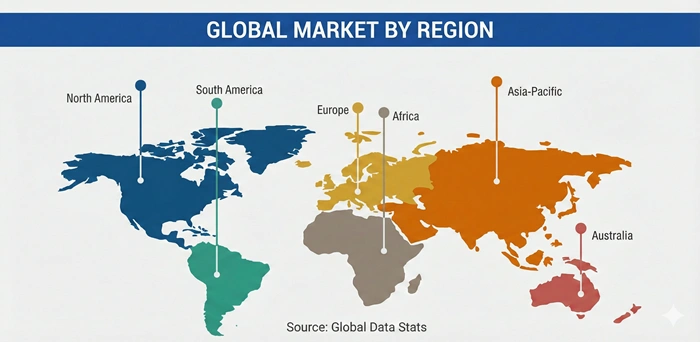
Regional Insights
North America
North America Dominates the Global HIV Drugs Market by an Overwhelming Revenue Margin, Anchored by Premium Branded Antiretroviral Prescribing, Comprehensive Treatment Coverage, and the World's Largest HIV Drug Commercial Infrastructure
North America holds an extraordinary dominant position in the global HIV drugs market, accounting for approximately 70% of total global revenue in 2025 and projected to maintain a CAGR of 5.0% through 2033. The United States is the overwhelmingly dominant national market, where high per-patient annual treatment costs — with branded single-tablet regimens often priced above USD 30,000 per year before rebates — and comprehensive health insurance coverage create a uniquely high-revenue environment for HIV pharmaceutical companies. The US HIV-positive population of approximately 1.2 million people living with HIV represents a fraction of the global burden, yet generates the majority of global HIV drugs market revenue by value, reflecting the enormous impact of pricing structures and payer coverage on market commercial dynamics. Key companies powering the North American HIV drugs market include Gilead Sciences, ViiV Healthcare (commercial operations in partnership with Pfizer and Shionogi), Janssen/Johnson & Johnson, and Merck & Co.
Canada maintains a strong secondary position within the North American HIV drugs market, with comprehensive public drug benefit coverage across provinces ensuring access to both established and newer-generation antiretroviral regimens for Canadian HIV-positive patients. The US market's continued evolution toward long-acting injectable regimens — with Cabenuva prescription volumes growing significantly year over year and lenacapavir PrEP approval anticipated — is expected to generate substantial incremental branded revenue within the North American HIV drugs market, sustaining the region's dominant global position throughout the forecast period despite the moderate overall market CAGR.
Asia-Pacific
Asia-Pacific Is the Fastest-Growing Regional Market in the HIV Drugs Landscape, Driven by Rising HIV Awareness, Expanding Government Treatment Programs, and Increasing Adoption of Newer Antiretroviral Regimens
Asia-Pacific is the most dynamic regional growth market in the global HIV drugs market, projected to expand at a CAGR of 7.8% from 2026 to 2033. The region currently accounts for approximately 9% of global HIV drugs market revenue, with China, India, Japan, South Korea, and Australia representing the largest national markets. China is the fastest-growing national market within the region, where a large estimated HIV-positive population — combined with government-mandated free antiretroviral therapy programs, increasing HIV testing rates, and progressive clinical guideline updates toward INSTI-based first-line therapy — is driving strong and sustained annual growth in antiretroviral prescription volumes. India has one of the world's largest HIV-positive populations and operates a massive national AIDS Control Programme providing free antiretroviral therapy to eligible patients, creating enormous generic antiretroviral volume demand supplied largely by Indian domestic manufacturers. Leading companies active across the Asia-Pacific HIV drugs market include Gilead Sciences, Cipla, Sun Pharmaceutical Industries, Aurobindo Pharma, and Mylan.
Japan and South Korea represent the premium segment of the Asia-Pacific HIV drugs market, where sophisticated healthcare systems, universal health insurance coverage, and clinician preferences aligned with international guidelines support adoption of branded newer-generation antiretroviral regimens including INSTI-based combinations. Southeast Asia — including Thailand, Vietnam, Indonesia, and Myanmar — represents a large treatment access market served primarily by generic and subsidized antiretrovirals within government and international donor-funded programs. The gradual upgrade of antiretroviral treatment standards across Asia-Pacific toward newer-generation regimens — supported by World Health Organization treatment guideline updates and improved drug availability — is expected to sustain the region's above-market-average growth rate within the global HIV drugs market through 2033.
Top Key Players
-
Gilead Sciences Inc. (United States)
-
ViiV Healthcare (United Kingdom)
-
Janssen Pharmaceuticals / Johnson & Johnson (United States)
-
Merck & Co. Inc. (United States)
-
AbbVie Inc. (United States)
-
Bristol Myers Squibb (United States)
-
Cipla Ltd. (India)
-
Sun Pharmaceutical Industries Ltd. (India)
-
Aurobindo Pharma Ltd. (India)
-
Mylan N.V. / Viatris Inc. (United States)
-
Hetero Labs Ltd. (India)
-
Pfizer Inc. (United States)
Recent Developments
-
Gilead Sciences (2025) — Reported landmark Phase 3 PURPOSE 2 trial results confirming twice-yearly lenacapavir's 96% efficacy in preventing HIV infection across a broad global population including men who have sex with men, transgender women, and people who inject drugs, advancing the regulatory submission for lenacapavir as PrEP that could fundamentally expand the commercial scope of the HIV drugs market beyond treatment into large-scale prevention
-
ViiV Healthcare (2025) — Advanced the commercial rollout of Cabenuva (monthly cabotegravir plus rilpivirine injectable) across European markets and reported growing prescribing adoption in the United States, while simultaneously advancing clinical development of the twice-monthly and longer-interval injectable cabotegravir formulations that could further reduce dosing frequency in long-acting HIV treatment
-
Gilead Sciences (2024) — Received FDA approval for Sunlenca (lenacapavir) for treatment-experienced adults with multidrug-resistant HIV and began commercial launch in the United States, establishing the first capsid inhibitor as a new mechanistic class within the HIV treatment armamentarium and opening a distinct premium product segment within the HIV drugs market for patients who have exhausted options with existing drug classes
-
Janssen / Johnson & Johnson (2025) — Advanced the dapivirine vaginal ring and oral rilpivirine pipeline and strengthened partnerships with global health organizations to expand access programs for HIV prevention and treatment in sub-Saharan African markets, reinforcing the company's commitment to HIV care access alongside its commercial operations in developed markets
-
Merck & Co. (2025) — Continued the commercial performance of islatravir-based long-acting combination HIV therapy programs in clinical development with Gilead Sciences, with Phase 3 data from islatravir plus lenacapavir combinations awaited as a potential next-generation once-weekly oral or injectable HIV treatment regimen targeting both treatment-naive and treatment-experienced populations within the global HIV drugs market
Market Trends
The Shift to Long-Acting Injectable and Extended-Dosing Oral Antiretroviral Regimens and the Breakthrough in Lenacapavir-Based HIV Prevention Are the Most Consequential Trends Redefining the HIV Drugs Market Today
The single most transformative trend in the HIV drugs market today is the accelerating commercial adoption of long-acting antiretroviral formats that fundamentally change the patient experience of HIV management. The success of Cabenuva as a monthly injectable complete HIV regimen — and the clinical breakthrough of lenacapavir as both a twice-yearly treatment and a highly efficacious PrEP agent — signals a paradigm shift in how HIV is managed that will define commercial market dynamics through 2033. Pharmaceutical investment is increasingly focused on developing even longer interval regimens, with islatravir-based combinations targeting once-weekly oral dosing and novel capsid and attachment inhibitors potentially enabling quarterly or annual administration. This shift is raising the commercial ceiling of the HIV drugs market considerably, as long-acting formats command significant price premiums over daily oral generic regimens while delivering genuine and measurable clinical and adherence benefits.
The second defining trend is the growing commercial and public health convergence around HIV prevention drug therapy, particularly in the context of lenacapavir's extraordinary PrEP efficacy results. Pre-exposure prophylaxis has already been a meaningful and growing component of the HIV drugs market through daily oral Truvada (tenofovir disoproxil fumarate/emtricitabine) and Descovy (tenofovir alafenamide/emtricitabine), but the potential approval of a twice-yearly injectable PrEP option would dramatically expand the addressable prevention market — particularly in high-incidence populations who face challenges with daily oral adherence. Gilead's voluntary licensing commitments to ensure affordable access to lenacapavir PrEP in high-burden developing countries will shape the global access landscape and influence the public health impact of this transformative development in the HIV drugs market through 2033.
Segments Covered in the Report
By Drug Class:
-
Integrase Strand Transfer Inhibitors (INSTIs) (Bictegravir, Dolutegravir, Raltegravir, Cabotegravir, Others)
-
Nucleoside/Nucleotide Reverse Transcriptase Inhibitors (NRTIs) (Tenofovir, Emtricitabine, Lamivudine, Abacavir, Others)
-
Non-Nucleoside Reverse Transcriptase Inhibitors (NNRTIs) (Rilpivirine, Efavirenz, Doravirine, Others)
-
HIV Protease Inhibitors (Darunavir, Atazanavir, Others)
-
Capsid Inhibitors (Lenacapavir)
-
Entry/Fusion Inhibitors and Others
By Drug Type:
-
Branded Antiretroviral Drugs
-
Generic Antiretroviral Drugs
By Application:
-
HIV Treatment (Antiretroviral Therapy)
-
HIV Prevention (PrEP — Pre-Exposure Prophylaxis)
-
Post-Exposure Prophylaxis (PEP)
By Distribution Channel:
-
Hospital Pharmacies
-
Retail and Community Pharmacies
-
Online Pharmacies
-
Government and Public Health Program Distribution
-
Others
By End User:
-
Hospitals and HIV Clinics
-
Ambulatory Care and Outpatient Centers
-
Community Health Centers
-
Homecare Settings
-
Others
By Region:
-
North America (United States, Canada, Mexico)
-
Europe (United Kingdom, Germany, France, Italy, Spain, Rest of Europe)
-
Asia-Pacific (China, India, Japan, South Korea, Australia, Rest of Asia-Pacific)
-
Latin America (Brazil, Argentina, Rest of Latin America)
-
Middle East & Africa (South Africa, Nigeria, Kenya, Rest of MEA)
Frequently Asked Questions
Question 1: What is the current size of the global HIV drugs market?
Answer: The global HIV drugs market is valued at USD 38.68 billion in 2025 and is projected to reach USD 65.16 billion by 2033. The market is growing at a CAGR of 5.2% from 2026 to 2033, driven by sustained global HIV prevalence requiring lifelong antiretroviral therapy, the blockbuster commercial performance of INSTI-based regimens, and the transformative launch of long-acting injectable antiretroviral products.
Question 2: Which drug class is the most dominant in the HIV drugs market?
Answer: Integrase strand transfer inhibitors (INSTIs) are the dominant drug class in the HIV drugs market, accounting for approximately 52% of total drug class revenue in 2025. The blockbuster success of Biktarvy (Gilead Sciences) and dolutegravir-based products (ViiV Healthcare) — universally endorsed as preferred first-line therapy across clinical guidelines globally — underpins this segment's leadership.
Question 3: What is the impact of long-acting injectable therapies on the HIV drugs market?
Answer: Long-acting injectable therapies are the fastest-growing segment in the HIV drugs market, projected to expand at a CAGR of 19.4% through 2033, driven by the commercial adoption of monthly Cabenuva (cabotegravir plus rilpivirine) and the anticipated launch of twice-yearly lenacapavir-based treatment regimens. These formats command significant price premiums over daily oral generics while delivering meaningful clinical benefits through reduced dosing frequency and improved patient adherence.
Question 4: Which region leads the HIV drugs market globally?
Answer: North America leads the HIV drugs market by a wide margin, accounting for approximately 70% of global revenue in 2025, driven by premium branded antiretroviral pricing, comprehensive insurance and government payer reimbursement, and the early and broad adoption of innovative long-acting antiretroviral therapies. The United States is the dominant national market, where blockbuster products from Gilead Sciences and ViiV Healthcare generate the majority of global HIV pharmaceutical revenue.
Question 5: What does lenacapavir mean for the future of the HIV drugs market?
Answer: Lenacapavir represents one of the most commercially and clinically significant pipeline events in the history of the HIV drugs market — demonstrating breakthrough efficacy as both a twice-yearly treatment for multidrug-resistant HIV and a highly effective twice-yearly PrEP option in landmark Phase 3 trials. If approved broadly as PrEP, lenacapavir could substantially expand the total addressable market for HIV drugs beyond the existing treatment-focused revenue base and redefine global HIV prevention strategy through 2033.