
Herbal Beauty Products Market Overview
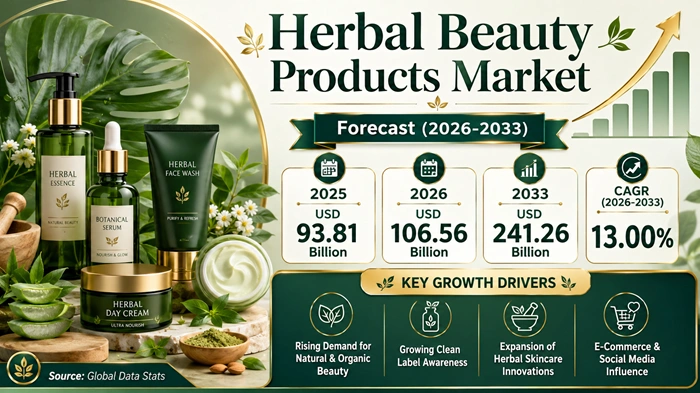
The global herbal beauty products market size is valued at USD 93.81 billion in 2025 and is predicted to increase from USD 106.56 billion in 2026 to approximately USD 241.26 billion by 2033, growing at a CAGR of 13.00% from 2026 to 2033. Consumers worldwide are increasingly shifting toward natural and organic personal care solutions as awareness about harmful synthetic chemicals grows. Plant-based beauty formulations derived from herbs, flowers, roots, and botanical extracts are transforming the cosmetics industry by offering chemical-free alternatives that promote holistic wellness.
AI Impact on the Herbal Beauty Products Industry
Artificial Intelligence Revolutionizing Product Formulation and Personalized Beauty Solutions
Artificial intelligence is fundamentally transforming the herbal beauty products market by enabling precision formulation development, personalized product recommendations, and predictive trend analysis that optimizes product development cycles. Machine learning algorithms analyze vast databases containing information about botanical ingredients, their synergistic combinations, stability profiles, and efficacy on different skin types to identify optimal herbal formulations that deliver superior performance while maintaining natural credentials. AI-powered skin analysis tools utilize computer vision and deep learning to evaluate individual skin conditions, concerns, and requirements, recommending customized herbal beauty products precisely matched to each user's unique dermatological needs and preferences. Natural language processing systems scan millions of customer reviews, social media conversations, and beauty forums to identify emerging ingredient preferences, efficacy concerns, and unmet needs that guide product innovation strategies.
Predictive analytics platforms forecast ingredient sourcing challenges, price fluctuations, and supply chain disruptions for critical botanical raw materials, enabling manufacturers to develop contingency strategies and secure alternative sourcing arrangements. AI chatbots provide instant customer support, ingredient education, usage guidance, and personalized skincare routines incorporating herbal products, enhancing consumer confidence while reducing support costs. Virtual try-on technologies powered by augmented reality and AI enable consumers to visualize how herbal makeup products will appear on their skin tones before purchasing, reducing return rates and improving customer satisfaction. The herbal beauty products market benefits from AI-driven quality control systems that monitor manufacturing processes continuously, detecting contamination risks, ingredient authenticity issues, and formulation deviations that could compromise product safety or efficacy.
Growth Factors
Rising Health Consciousness and Clean Beauty Movement Drive Market Expansion
The herbal beauty products market is experiencing robust growth driven by heightened consumer awareness regarding harmful effects of synthetic chemicals, parabens, sulfates, and artificial fragrances commonly found in conventional cosmetics. Medical research documenting links between chemical exposure and various health concerns including hormone disruption, allergic reactions, and long-term toxicity motivates consumers to seek safer alternatives formulated with natural botanical ingredients. The clean beauty movement gains tremendous momentum globally as millennials and Gen Z consumers demand complete ingredient transparency, ethical sourcing, cruelty-free testing practices, and environmentally sustainable production methods that align with their values. Social media influencers, beauty bloggers, and wellness advocates amplify awareness about herbal beauty benefits through authentic testimonials, ingredient education content, and before-after transformations that inspire followers to adopt natural beauty routines.
Rising disposable incomes particularly in emerging markets enable more consumers to afford premium herbal cosmetics that typically command higher price points compared to mass-market synthetic alternatives. The COVID-19 pandemic permanently altered consumer behavior by emphasizing health, wellness, and self-care practices, with many individuals discovering herbal beauty products during lockdowns and maintaining these habits subsequently. Growing scientific validation of traditional botanical knowledge through clinical studies demonstrating measurable efficacy of herbal ingredients like turmeric, neem, aloe vera, and green tea provides evidence-based credibility that convinces skeptical consumers. E-commerce expansion and digital marketing capabilities enable niche herbal beauty brands to reach global audiences cost-effectively, bypassing traditional retail gatekeepers and building direct relationships with customers who value authentic brand stories and product transparency throughout the herbal beauty products market.
Market Outlook
Sustainability and Authenticity Define Future Growth Trajectory
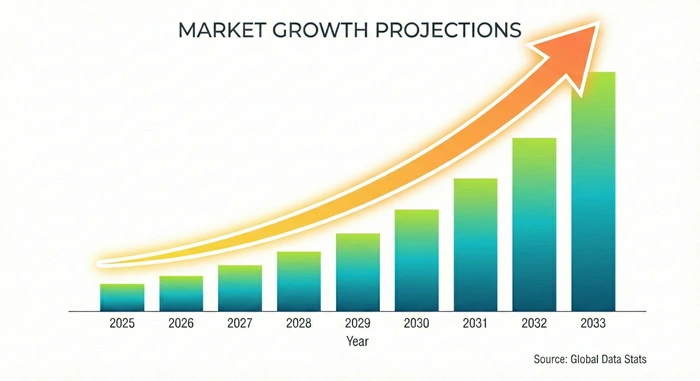
The herbal beauty products market is positioned for sustained expansion through 2033 as manufacturers innovate to meet evolving consumer demands for authentic natural formulations, sustainable packaging, and traceable ingredient sourcing. Ayurvedic, Traditional Chinese Medicine, and other ancient herbal beauty systems gain mainstream acceptance as consumers appreciate time-tested botanical wisdom that delivers results without synthetic chemical dependencies. Premium positioning strategies enable herbal brands to command higher margins while delivering demonstrable benefits including reduced skin irritation, enhanced efficacy through bioactive compounds, and alignment with wellness lifestyles that view beauty as holistic health rather than superficial appearance. Ingredient innovation focuses on discovering lesser-known botanical species, developing standardized herbal extracts with consistent potency, and creating synergistic formulations that amplify individual ingredient benefits.
Sustainability initiatives drive development of biodegradable packaging, waterless formulations, refillable containers, and zero-waste production processes that minimize environmental footprint while appealing to eco-conscious consumers. Regulatory frameworks worldwide are tightening standards for natural and organic claims, requiring third-party certifications, ingredient authenticity verification, and stricter labeling requirements that separate genuinely natural products from greenwashed alternatives. The convergence of herbal beauty with technology including smart packaging containing NFC chips for authentication, blockchain-based ingredient traceability, and AI-powered personalization creates premium experiences that justify higher price points. Emerging markets in Asia Pacific, Latin America, and Middle East represent enormous growth opportunities as rising middle classes, urbanization, and increasing beauty consciousness drive first-time adoption of premium herbal cosmetics previously considered luxury items throughout the herbal beauty products market.
Expert Speaks
-
Nicolas Hieronimus, Chief Executive Officer of L'Oréal Groupe, emphasized that sustainability and green sciences represent core strategic priorities for the company, with significant investments in biotechnology, fermentation processes, and sustainable ingredient cultivation that advance natural cosmetic formulations while reducing environmental impact across the entire value chain.
-
Fabrizio Freda, President and Chief Executive Officer of The Estée Lauder Companies Inc., highlighted that consumer preferences are shifting dramatically toward clean beauty and wellness-focused products, driving the company to expand natural product lines, enhance ingredient transparency, and invest in botanical innovation that meets growing demand for efficacious natural alternatives.
-
Hein Schumacher, Chief Executive Officer of Unilever plc, stated that purpose-driven brands focusing on natural ingredients, sustainability, and social responsibility consistently outperform conventional competitors, reflecting fundamental shifts in consumer values that reward authentic brand commitments to health, environmental stewardship, and ethical business practices.
Key Report Takeaways
-
Asia Pacific leads the herbal beauty products market with approximately 37% market share in 2025, driven by deep cultural traditions of herbal medicine, abundant botanical resources, strong Ayurvedic and Traditional Chinese Medicine heritage, rapidly growing middle classes, and increasing urbanization creating demand for premium natural cosmetics.
-
North America is growing the fastest with a projected CAGR of 13.85% from 2026 to 2033, fueled by strong clean beauty movement, high consumer awareness about chemical hazards, robust e-commerce infrastructure, influential wellness culture, and willingness to pay premium prices for certified organic and natural beauty products.
-
Female consumers represent the primary user segment for herbal beauty products, accounting for approximately 73% of market consumption as women traditionally dominate personal care purchasing while increasingly seeking natural alternatives that provide effective results without compromising health or environmental values.
-
The skin care segment contributes the most to overall market revenue with approximately 44% share in 2025, reflecting universal need for daily facial cleansing, moisturizing, and treatment products where natural herbal formulations address diverse concerns including aging, acne, pigmentation, and sensitivity without harsh chemical side effects.
-
Offline distribution channels dominate sales with approximately 64% market share as consumers prefer physically experiencing product textures, fragrances, and seeking expert guidance from trained beauty advisors, though online channels are growing rapidly through expanded selections and competitive pricing.
-
The male grooming segment will grow quickly with an estimated CAGR of 14.50% and market share expanding from 19% to 23% by 2033, driven by increasing acceptance of male personal care routines, growing awareness about grooming benefits, and expanding product ranges specifically formulated for men's skin and hair needs.
Market Scope
| Report Coverage | Details |
|---|---|
| Market Size by 2033 | USD 241.26 Billion |
| Market Size by 2025 | USD 93.81 Billion |
| Market Size by 2026 | USD 106.56 Billion |
| Market Growth Rate from 2026 to 2033 | CAGR of 13.00% |
| Dominating Region | Asia Pacific |
| Fastest Growing Region | North America |
| Base Year | 2025 |
| Forecast Period | 2026 to 2033 |
| Segments Covered | Product Type, Distribution Channel, Gender, Region |
| Regions Covered | North America, Europe, Asia Pacific, Latin America, Middle East and Africa |
Market Dynamics
Driver Impact Analysis
Clean Beauty Movement and Chemical-Free Demand Accelerate Market Growth
The explosive growth of clean beauty consciousness represents the most powerful driver propelling the herbal beauty products market toward sustained expansion across all demographic segments and geographic regions. Consumers increasingly scrutinize ingredient labels, research chemical compositions, and make informed purchasing decisions based on safety profiles rather than simply accepting manufacturer marketing claims. Scientific studies documenting endocrine disruption from parabens, carcinogenic potential of certain synthetic preservatives, and allergic reactions from artificial fragrances create legitimate health concerns that motivate switches to herbal alternatives formulated without these controversial ingredients. The Environmental Working Group's Skin Deep database and similar resources empower consumers with accessible information about cosmetic ingredient safety, enabling comparison shopping based on health considerations rather than price or brand recognition alone.
Social media amplification of clean beauty values through influencer partnerships, educational content, and community discussions creates powerful network effects where early adopters influence broader populations to reconsider conventional beauty products. Celebrity endorsements and brand launches by high-profile personalities lend credibility and aspirational appeal to herbal beauty, transforming natural cosmetics from niche health store offerings into mainstream luxury lifestyle choices. The herbal beauty products market benefits from regulatory pressure in Europe, North America, and other developed markets banning or restricting certain synthetic chemicals in cosmetics, effectively pushing entire industries toward natural formulations. Generational shifts in purchasing power toward millennials and Gen Z consumers who prioritize sustainability, health, and ethical consumption over brand legacy or advertising spending favor herbal beauty brands that authentically embody these values through transparent ingredient sourcing, sustainable packaging, and social responsibility initiatives.
| Driver | ≈ % Impact on CAGR Forecast | Geographic Relevance | Impact Timeline |
|---|---|---|---|
| Clean Beauty Movement | +3.40% | Global, strongest in North America and Europe | 2026-2033 |
| Health and Wellness Trends | +2.90% | Developed markets worldwide | 2026-2033 |
| Social Media Influence | +2.50% | Global, particularly youth demographics | 2026-2033 |
| E-commerce Expansion | +2.20% | Asia Pacific, Latin America | 2026-2033 |
Restraints Impact Analysis
High Costs and Limited Shelf Life Challenge Market Penetration
The herbal beauty products market confronts significant barriers related to premium pricing, shorter shelf life compared to synthetic alternatives, and limited availability in mainstream retail channels that constrain adoption among price-sensitive consumers and those accustomed to conventional products. Natural botanical ingredients typically cost substantially more than synthetic chemicals, with organic certification requirements, sustainable sourcing commitments, and smaller production volumes creating higher raw material expenses that translate into retail prices often 50-100% higher than mass-market alternatives. Product formulation challenges arise because natural preservatives like vitamin E, rosemary extract, and essential oils provide weaker antimicrobial protection compared to synthetic parabens and phenoxyethanol, resulting in shorter shelf lives ranging from 6-18 months versus 2-3 years for conventional cosmetics. Limited distribution networks restrict consumer access to herbal beauty products, particularly in smaller cities and rural areas where specialized natural product retailers may not exist and mainstream drug stores allocate minimal shelf space to natural alternatives.
Consumer skepticism persists regarding efficacy of herbal formulations, with some perceiving natural products as less effective than synthetic alternatives containing pharmaceutical-grade active ingredients like retinoids, hydroquinone, and chemical exfoliants. The herbal beauty products market suffers from inconsistent product quality and performance variability due to natural ingredient variations based on growing conditions, harvest timing, extraction methods, and storage that create batch-to-batch inconsistencies absent in standardized synthetic formulations. Greenwashing practices by conventional brands making misleading natural claims without genuine formula changes create consumer confusion and erode trust in the entire natural beauty category. Lack of standardized definitions and weak regulatory enforcement for terms like "natural," "organic," and "herbal" enable misleading marketing that dilutes credibility of authentic natural products while making it difficult for consumers to differentiate genuinely clean formulations from conventional products with token natural ingredients.
| Restraint | ≈ % Impact on CAGR Forecast | Geographic Relevance | Impact Timeline |
|---|---|---|---|
| Premium Pricing | -2.10% | Emerging markets, price-sensitive segments | 2026-2033 |
| Limited Shelf Life | -1.60% | Global, particularly tropical climates | 2026-2033 |
| Distribution Challenges | -1.30% | Rural areas, developing markets | 2026-2030 |
Opportunities Impact Analysis
Male Grooming and Personalization Create Growth Avenues
The emerging male grooming segment presents substantial opportunities for the herbal beauty products market as traditional gender barriers dissolve and men increasingly adopt comprehensive personal care routines extending beyond basic hygiene. Male consumers show growing interest in natural grooming products addressing specific concerns including beard care, hair loss prevention, anti-aging treatments, and skin clarification, creating demand for herbal formulations tailored to masculine preferences and marketed without feminine aesthetics. Product development opportunities exist for herbal men's lines featuring masculine fragrances, simplified routines, multifunctional products, and clinical positioning that appeals to male sensibilities while delivering natural ingredient benefits. The segment benefits from celebrity male influencers, professional athletes, and entertainment personalities openly discussing grooming routines and endorsing natural products, normalizing comprehensive male self-care previously considered feminine or vain.
Personalization technologies enable mass customization of herbal beauty products matched to individual skin types, concerns, genetic profiles, and environmental factors, creating premium experiences that justify higher prices while improving efficacy through tailored formulations. AI-powered skin diagnosis tools, DNA testing kits, and comprehensive questionnaires gather data enabling precise product recommendations or custom-blended formulations addressing unique requirements unavailable from one-size-fits-all products. The herbal beauty products market benefits from direct-to-consumer subscription models delivering curated natural product selections or personalized formulations monthly, creating predictable recurring revenue streams and deeper customer relationships beyond transactional retail sales. Emerging markets in Southeast Asia, Latin America, Middle East, and Africa present enormous untapped opportunities as rising middle classes, urbanization, increasing beauty consciousness, and growing awareness about chemical hazards drive first-time adoption of premium herbal cosmetics.
| Opportunity | ≈ % Impact on CAGR Forecast | Geographic Relevance | Impact Timeline |
|---|---|---|---|
| Male Grooming Expansion | +2.60% | Global, particularly developed markets | 2027-2033 |
| Personalization Technology | +2.30% | North America, Europe, Urban Asia | 2027-2033 |
| Emerging Market Penetration | +2.00% | Asia Pacific, Latin America, Africa | 2026-2033 |
| Ayurvedic/TCM Integration | +1.70% | Asia Pacific, wellness-focused consumers | 2026-2033 |
Segment Analysis
Skin Care Products
Market Leadership Through Universal Need and Daily Use Frequency
The skin care segment dominates the herbal beauty products market with approximately 44% share in 2025, reflecting fundamental consumer needs for daily facial cleansing, moisturizing, treatment, and sun protection where natural botanical formulations deliver efficacy without harsh chemical side effects. This segment's market leadership stems from skin care's position as highest-frequency personal care routine with consumers using multiple products daily including cleansers, toners, serums, moisturizers, and sunscreens, creating sustained repurchase patterns and strong brand loyalty. Herbal skin care products address diverse concerns spanning aging prevention, acne treatment, hyperpigmentation reduction, sensitivity management, and barrier repair through clinically-validated botanical actives including turmeric, neem, aloe vera, green tea, and rosehip oil. The segment benefits from scientific research demonstrating measurable benefits of plant-based ingredients like antioxidants, anti-inflammatory compounds, vitamins, and minerals that support skin health while avoiding synthetic chemicals linked to irritation or long-term health concerns.
North America shows particularly strong herbal skin care adoption with approximately 46% regional segment share and CAGR of 14.10%, driven by influential clean beauty culture, high consumer awareness about chemical hazards, willingness to invest in premium natural products, and robust e-commerce enabling direct-to-consumer brand success. Leading companies in the herbal beauty products market including Estée Lauder's Origins division, L'Oréal's Garnier Bio line, Unilever's Love Beauty and Planet brand, and independent players like Herbivore Botanicals, Tata Harper, and Youth to the People dominate through comprehensive product portfolios spanning cleansers, moisturizers, masks, and targeted treatments formulated with certified organic and wildcrafted botanical ingredients. Asia Pacific markets particularly India show explosive growth driven by Ayurvedic heritage brands including Himalaya Herbals, Forest Essentials, Kama Ayurveda, and Biotique expanding domestically and internationally while multinational brands develop herbal lines specifically for Asian skin types and preferences. The segment continues innovating with waterless formulations, probiotic-enriched products, adaptogenic herbs, and CBD-infused treatments that attract wellness-oriented consumers seeking cutting-edge natural solutions.
Hair Care Products
Fastest Growing Segment Capitalizing on Natural Solutions for Common Concerns
The hair care segment represents the fastest-growing category in the herbal beauty products market with a projected CAGR of 13.95% from 2026 to 2033, driven by growing consumer awareness that synthetic sulfates, silicones, and chemical treatments damage hair health while herbal alternatives deliver comparable cleansing and conditioning without harmful side effects. Natural hair movement particularly among African American and multicultural consumers drives demand for herbal products celebrating natural textures, curl patterns, and chemical-free styling approaches that reject damaging relaxers, perms, and chemical straightening treatments. Herbal shampoos, conditioners, hair oils, and scalp treatments address universal concerns including hair loss, dandruff, dryness, damage, and premature graying through botanical ingredients like biotin-rich herbs, protein-packed seeds, and circulation-stimulating essential oils. The segment benefits from traditional knowledge systems including Ayurvedic hair oiling practices, Chinese herbal medicine scalp treatments, and indigenous botanical hair care rituals gaining mainstream recognition and commercial development.
Europe leads herbal hair care growth with CAGR exceeding 14.20%, fueled by stringent chemical regulations, strong organic movement, environmental consciousness, and consumer willingness to pay premium prices for certified natural products from brands like Weleda, Dr. Hauschka, and Logona. Key manufacturers serving the herbal beauty products market including Procter & Gamble's Herbal Essences line, Henkel's Nature Box brand, L'Oréal's Botanicals Fresh Care, and specialized players like Rahua, Briogeo, and Innersense Organic Beauty invest heavily in botanical research, sustainable sourcing partnerships, and clinical studies demonstrating herbal efficacy. The segment gains momentum from sulfate-free and silicone-free formulations becoming mainstream preferences even among conventional consumers concerned about ingredient safety, environmental impact, and long-term hair health. Male consumers represent particularly strong growth demographic for herbal hair care products addressing male pattern baldness, scalp health, beard conditioning, and style control through natural ingredients offering pharmaceutical-grade efficacy without synthetic chemical dependencies or side effects.
Regional Insights
Asia Pacific
Market Dominance Through Cultural Heritage and Botanical Abundance
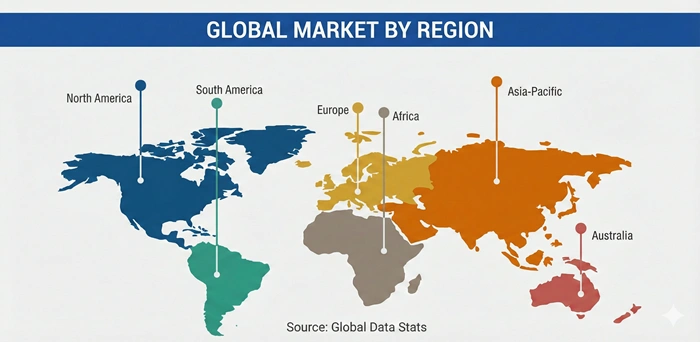
Asia Pacific maintains its position as the dominant region in the herbal beauty products market, commanding approximately 37% of global market share in 2025 with an estimated value of USD 34.71 billion, projected to reach USD 84.33 billion by 2033 growing at a CAGR of 12.70%. The region's leadership stems from millennia-old herbal medicine traditions including Ayurveda in India, Traditional Chinese Medicine, Kampo medicine in Japan, and Jamu in Indonesia that inform contemporary beauty formulations rooted in time-tested botanical knowledge. Abundant biodiversity across tropical and temperate ecosystems provides access to thousands of medicinal plants, herbs, and botanicals that serve as raw materials for herbal cosmetics manufactured locally and exported globally. Countries including India, China, South Korea, Japan, and Thailand host thriving domestic herbal beauty industries serving enormous populations increasingly affluent and beauty-conscious while maintaining strong cultural preferences for natural ingredients.
Leading companies dominating the Asia Pacific herbal beauty products market include Himalaya Wellness Company, Dabur India Limited, Patanjali Ayurved, Shahnaz Husain Group, and Vicco Laboratories from India, along with established players like Shiseido, Kao Corporation, and AmorePacific incorporating traditional herbal ingredients into modern formulations targeting both domestic and international markets. The region benefits from cost advantages in botanical ingredient cultivation, extraction, and manufacturing enabling competitive pricing that makes herbal products accessible to broader consumer segments compared to premium-priced Western natural brands. E-commerce explosion through platforms including Alibaba, JD.com, Nykaa, and regional marketplaces facilitates product discovery, comparison shopping, and direct brand access for millions of consumers in smaller cities and rural areas previously underserved by premium beauty retail infrastructure.
North America
Fastest Regional Growth Driven by Clean Beauty Culture and Premium Positioning
North America represents the fastest-growing region in the herbal beauty products market with a projected CAGR of 13.85% from 2026 to 2033, with market value expected to increase from USD 28.14 billion in 2025 to USD 69.02 billion by 2033, capturing expanding global revenue share. The region's exceptional growth trajectory stems from influential clean beauty movement, high consumer education levels about chemical hazards, strong organic food culture extending into personal care, and willingness to pay substantial premiums for certified organic and natural products. The United States dominates North American demand with approximately 79% regional share driven by sophisticated beauty consumers, extensive natural products retail infrastructure including Whole Foods and specialty stores, powerful influencer culture, and hundreds of innovative indie herbal beauty brands disrupting established cosmetics giants.
Key manufacturers serving the North American herbal beauty products market including Estée Lauder Companies through Origins and Aveda brands, Coty Inc., Beiersdorf AG's Eucerin Natural range, alongside successful independent brands like Drunk Elephant, Herbivore Botanicals, Tata Harper Skincare, and Ilia Beauty achieve remarkable growth through authentic natural positioning, ingredient transparency, sustainable practices, and direct-to-consumer strategies leveraging social media marketing and e-commerce platforms. Canada contributes approximately 15% of North American revenue through strong organic movement, environmental consciousness, and brands like Saje Natural Wellness and Consonant Skincare gaining domestic and cross-border recognition. The region benefits from rigorous third-party certification systems including USDA Organic, Ecocert, and Leaping Bunny that validate natural claims and build consumer confidence in herbal product authenticity unavailable in less regulated markets.
Top Key Players
-
The Estée Lauder Companies Inc. (United States)
-
L'Oréal S.A. (France)
-
Unilever plc (United Kingdom)
-
Procter & Gamble Company (United States)
-
Shiseido Company, Limited (Japan)
-
Himalaya Wellness Company (India)
-
Dabur India Limited (India)
-
Burt's Bees, Inc. (United States)
-
The Body Shop International Limited (United Kingdom)
-
Weleda AG (Switzerland)
-
Aveda Corporation (United States)
-
Forest Essentials (India)
-
Kiehl's LLC (United States)
-
Arbonne International, LLC (United States)
-
Herbivore Botanicals LLC (United States)
Recent Developments
-
The Estée Lauder Companies (2025): Expanded Origins natural skincare line in January 2025 with launch of new Mega-Mushroom collection featuring adaptogenic mushroom blends and fermented botanicals, targeting stress-impacted skin concerns while strengthening brand's natural credentials across North American and European markets with enhanced sustainability packaging and vegan formulations.
-
L'Oréal (2024): Acquired majority stake in Indian natural beauty brand Forest Essentials in November 2024 for undisclosed amount, strengthening position in rapidly growing Asian herbal cosmetics market while gaining access to Ayurvedic formulation expertise, premium positioning, and loyal customer base valuing authentic traditional ingredients and luxury natural skincare experiences.
-
Unilever (2024): Launched Love Home and Planet brand extension into personal care category in August 2024 featuring plant-based vegan formulations, recyclable packaging, and carbon-neutral manufacturing across shampoos, conditioners, and body care products, targeting environmentally conscious consumers seeking affordable natural alternatives to premium herbal beauty brands.
-
Himalaya Wellness Company (2023): Expanded international footprint through strategic partnerships with major retailers in Middle East, Southeast Asia, and Africa during 2023, growing presence to over 100 countries while maintaining authenticity of Ayurvedic heritage formulations that differentiate brand in competitive global natural cosmetics marketplace dominated by Western multinationals.
-
Dabur India Limited (2023): Invested INR 500 crore in manufacturing capacity expansion and research facilities during 2023 to support growing domestic and export demand for herbal personal care products under Vatika and Real brands, strengthening position as leading Ayurvedic beauty company serving Indian diaspora communities and mainstream international consumers discovering herbal alternatives.
Market Trends
Transparency and Traceability Reshape Consumer Expectations
The herbal beauty products market is experiencing transformative shifts driven by radical transparency demands, blockchain-enabled ingredient traceability, and authenticity verification systems that empower consumers to validate natural product claims. Brands implement comprehensive supply chain documentation tracking botanical ingredients from farm to finished product, including cultivation methods, harvest dates, extraction processes, and quality testing results accessible through QR codes or smartphone applications. Ingredient storytelling becomes critical marketing differentiation as consumers appreciate narratives about indigenous communities cultivating botanicals, sustainable harvesting practices protecting endangered species, fair trade partnerships supporting small farmers, and traditional knowledge preservation. Certifications proliferate including USDA Organic, Ecocert, COSMOS, Leaping Bunny, and Fair Trade that provide third-party validation of natural claims, ethical sourcing, and production practices, though certification costs and complexity create barriers for smaller independent brands.
Waterless beauty formulations gain traction as sustainability focus intensifies, with brands developing concentrated products, powder formats, and oil-based systems eliminating water content that reduces packaging weight, extends shelf life, and conserves critical water resources. Probiotic and microbiome-focused skincare represents cutting-edge trend incorporating live bacterial cultures, prebiotic fibers, and postbiotic metabolites that support skin's microbial ecosystem for enhanced barrier function, reduced sensitivity, and improved overall skin health. Adaptogenic herbs including ashwagandha, rhodiola, holy basil, and reishi mushroom are integrated into formulations targeting stress-induced skin concerns, hormonal imbalances, and environmental protection through plants' natural defense compounds. The herbal beauty products market witnesses ingredient innovation featuring lesser-known botanicals from biodiversity hotspots, bioengineered plant stem cells, fermented botanical extracts with enhanced bioavailability, and supercritical CO2 extraction methods preserving volatile compounds typically destroyed by conventional processing.
Segments Covered in the Report
By Product Type
-
Skin Care
-
Face Cream
-
Face Wash
-
Face Serum
-
Body Lotion
-
Sunscreen
-
-
Hair Care
-
Shampoo
-
Conditioner
-
Hair Oil
-
Hair Mask
-
-
Fragrances
-
Perfumes
-
Deodorants
-
-
Color Cosmetics
-
Lipstick
-
Foundation
-
Eye Makeup
-
Nail Polish
-
By Distribution Channel
-
Online
-
E-commerce Platforms
-
Brand Websites
-
Subscription Services
-
-
Offline
-
Supermarkets and Hypermarkets
-
Specialty Stores
-
Department Stores
-
Pharmacy and Drug Stores
-
By Gender
-
Male
-
Female
-
Unisex
By Region
-
North America
-
United States
-
Canada
-
Mexico
-
-
Europe
-
United Kingdom
-
Germany
-
France
-
Italy
-
Spain
-
Rest of Europe
-
-
Asia Pacific
-
China
-
India
-
Japan
-
South Korea
-
Australia
-
Indonesia
-
Rest of Asia Pacific
-
-
Latin America
-
Brazil
-
Argentina
-
Rest of Latin America
-
-
Middle East and Africa
-
United Arab Emirates
-
Saudi Arabia
-
South Africa
-
Rest of Middle East and Africa
-
Frequently Asked Questions
Question 1: What is the projected herbal beauty products market size by 2033?
Answer: The herbal beauty products market is projected to reach USD 241.26 billion by 2033, growing from USD 106.56 billion in 2026. This represents robust expansion driven by clean beauty movement, rising health consciousness, increasing demand for chemical-free products, and growing consumer preference for sustainable and ethical beauty solutions.
Question 2: Which region dominates the global herbal beauty products market share?
Answer: Asia Pacific dominates the global herbal beauty products market with approximately 37% market share in 2025, valued at USD 34.71 billion. This leadership position reflects deep cultural heritage of herbal medicine including Ayurveda and Traditional Chinese Medicine, abundant botanical resources, rapidly growing middle classes, and strong domestic manufacturing capabilities.
Question 3: What factors are driving the herbal beauty products market growth?
Answer: Key factors driving herbal beauty products market growth include rising consumer awareness about harmful synthetic chemicals, clean beauty movement emphasizing natural ingredients, increasing health and wellness consciousness, social media influence promoting natural alternatives, e-commerce expansion enabling brand accessibility, and growing scientific validation of botanical ingredient efficacy. Sustainability concerns and ethical consumption values also contribute significantly.
Question 4: Which product segment holds the largest share in the herbal beauty products market?
Answer: The skin care segment holds the largest share in the herbal beauty products market with approximately 44% in 2025. This dominance reflects universal need for daily facial care routines including cleansing, moisturizing, and treatment products where herbal formulations address diverse concerns including aging, acne, sensitivity, and pigmentation without harsh chemical side effects.
Question 5: What are the emerging trends in the herbal beauty products market?
Answer: Emerging trends in the herbal beauty products market include radical ingredient transparency with blockchain traceability, personalized formulations using AI technology, waterless beauty products for sustainability, probiotic and microbiome-focused skincare, adaptogenic herbs addressing stress-induced concerns, and male grooming expansion. Clean label certifications, zero-waste packaging, and direct-to-consumer subscription models also gain significant traction among conscious consumers.