
Hearing Aids Market Overview
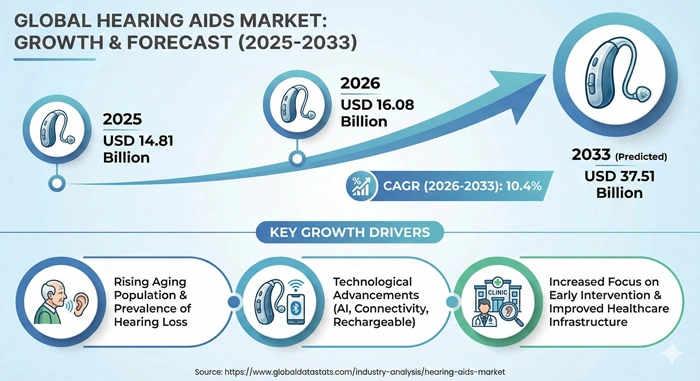
The global hearing aids market size is valued at USD 14.81 billion in 2025 and is predicted to increase from USD 16.08 billion in 2026 to approximately USD 37.51 billion by 2033, growing at a CAGR of 10.4% from 2026 to 2033. This substantial growth trajectory is supported by rising prevalence of hearing impairment worldwide, technological innovations in digital hearing solutions, expanding elderly populations, and increasing awareness about auditory health management.
Hearing loss affects millions globally, with aging demographics and noise-induced hearing damage contributing significantly to market expansion. Modern hearing aids have evolved from basic amplification devices into sophisticated wearable technology equipped with artificial intelligence, Bluetooth connectivity, rechargeable batteries, and personalized sound processing capabilities. These advancements enhance user experience while addressing the diverse needs of patients across different age groups and hearing loss severity levels. The shift toward invisible and discreet designs combined with smart features has reduced the stigma traditionally associated with hearing aid usage, encouraging higher adoption rates among younger populations.
Healthcare systems worldwide are recognizing hearing health as an integral component of overall wellness, driving initiatives for early detection and intervention programs. The regulatory landscape has also transformed with over-the-counter availability of certain hearing aid categories, democratizing access while maintaining quality standards. Major manufacturers continue investing in research and development to create next-generation products that seamlessly integrate with digital lifestyles, positioning the hearing aids market for sustained long-term growth throughout the forecast period.
AI Impact on the Hearing Aids Industry
Revolutionizing Sound Processing and Personalizing Auditory Experiences
Artificial intelligence is fundamentally transforming the hearing aids market by enabling real-time sound optimization that adapts to changing acoustic environments without user intervention. Machine learning algorithms analyze millions of sound patterns to distinguish between speech and background noise, automatically adjusting amplification levels and frequency responses to enhance clarity and comprehension. AI-powered hearing aids can now recognize specific listening situations such as restaurants, concerts, or one-on-one conversations, applying customized sound profiles that maximize comfort and effectiveness. This intelligent processing reduces the cognitive load on users, making conversations less exhausting while improving overall hearing quality across diverse settings.
The integration of AI extends beyond sound processing to encompass health monitoring and predictive maintenance capabilities that enhance the value proposition of modern hearing devices. Advanced hearing aids now track usage patterns, identify early signs of cognitive decline through speech recognition analysis, and monitor physical activity levels to provide holistic health insights. AI-driven mobile applications enable remote fine-tuning by audiologists, eliminating the need for frequent clinic visits while ensuring optimal device performance. Manufacturers are leveraging artificial intelligence throughout the product development cycle to accelerate innovation, reduce testing timelines, and identify user preferences that inform future design decisions, ultimately driving competitive differentiation in an increasingly technology-driven hearing aids market landscape.
Growth Factors
Aging Demographics and Rising Hearing Loss Prevalence Create Expanding Patient Populations
The hearing aids market benefits tremendously from global demographic shifts characterized by rapidly aging populations, particularly in developed economies where life expectancy continues increasing. Age-related hearing loss represents the most significant risk factor for hearing impairment, with prevalence rates rising sharply among individuals over 65 years. Healthcare organizations worldwide project exponential growth in elderly populations through 2033, creating sustained demand for hearing assistive technologies. Additionally, lifestyle factors including prolonged exposure to loud music through personal audio devices, occupational noise in industrial settings, and recreational activities have contributed to earlier onset of hearing difficulties among younger demographics, expanding the addressable market beyond traditional elderly patient segments.
Technological breakthroughs in miniaturization, wireless connectivity, and battery efficiency have revolutionized product offerings within the hearing aids market, making devices more appealing to consumers who previously resisted adoption. Rechargeable hearing aids eliminate the inconvenience of frequent battery replacements while reducing long-term operating costs, addressing common user complaints that historically limited market penetration. Bluetooth-enabled devices seamlessly connect with smartphones, televisions, and other digital devices, transforming hearing aids into multifunctional audio accessories that enhance daily life beyond basic hearing assistance. The availability of over-the-counter hearing aids following regulatory reforms has lowered barriers to entry, enabling consumers with mild to moderate hearing loss to access affordable solutions without prescription requirements, significantly broadening market reach and stimulating volume growth across multiple price segments.
Market Outlook
Innovation Pipeline and Expanding Distribution Channels Support Optimistic Growth Projections
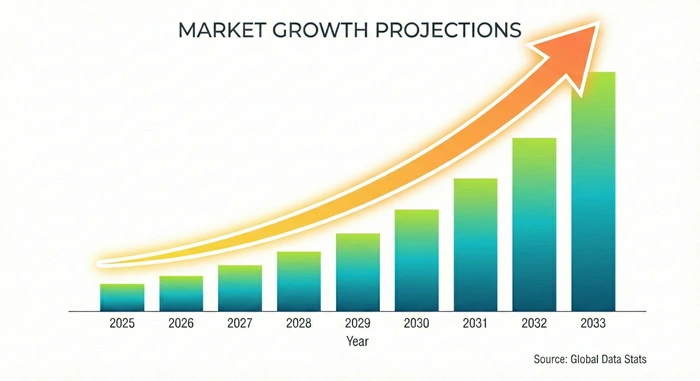
The hearing aids market outlook remains exceptionally positive as manufacturers continue launching breakthrough products that combine clinical efficacy with consumer electronics appeal. Next-generation hearing aids incorporate sophisticated features such as fall detection, language translation, and voice assistant integration, positioning these devices as comprehensive health and lifestyle enablers rather than purely medical appliances. The convergence of hearing aid technology with hearable devices and consumer electronics is blurring traditional market boundaries, attracting new entrants from technology sectors and intensifying competitive dynamics that drive faster innovation cycles. Regulatory agencies are establishing frameworks that balance safety requirements with accessibility objectives, creating favorable conditions for market expansion while maintaining consumer protection standards.
Distribution channel diversification represents a critical growth driver as traditional audiology clinic models adapt to accommodate direct-to-consumer sales through online platforms and retail partnerships. E-commerce channels have democratized access to hearing aids, particularly in underserved rural and remote areas where specialized audiology services remain limited. Major retailers and pharmacy chains are establishing hearing care departments that provide basic fitting services and ongoing support, leveraging their extensive networks to reach broader customer bases. The hearing aids market is also witnessing increased insurance coverage and reimbursement support in various countries, reducing out-of-pocket costs that previously deterred adoption. Pharmaceutical companies and healthcare providers are forming strategic alliances with hearing aid manufacturers to integrate auditory health screening into routine medical examinations, facilitating early detection and intervention that captures patients before hearing loss progresses to severe stages requiring more extensive treatment approaches.
Expert Speaks
-
Arnd Kaldowski, CEO of Sonova Holding AG, stated that the company is entering the new financial year from a position of strength with significant innovation in hearing aids providing tangible benefits to consumers, emphasizing that their disciplined approach to research and development has supported breakthrough advances in sound quality, speech understanding, and connectivity that help people live better lives.
-
Peter Karlströmer, Group CEO of GN Store Nord, highlighted that the company is executing well on strategies in a challenging market environment, noting strong performance driven by new product launches including the ReSound Vivia hearing aid platform, while continuing to gain market share through attractive market fundamentals and ongoing favorable demographic trends supporting sustained growth.
-
Brandon Sawalich, President and CEO of Starkey Hearing Technologies, announced groundbreaking partnerships focused on advancing Bluetooth connectivity and seamless audio experiences for users, demonstrating the company's commitment to patient-first innovation and expanding access to the latest hearing technology available to users worldwide through collaborative ecosystem development.
Key Report Takeaways
-
North America leads the hearing aids market with the largest market share of approximately 38.5% due to advanced healthcare infrastructure, high prevalence of hearing loss among aging populations, strong reimbursement frameworks, early adoption of innovative technologies, and presence of major industry players driving sustained revenue generation throughout the forecast period.
-
Asia-Pacific region is growing fastest with the highest CAGR of approximately 11.8% driven by large patient populations, increasing awareness of hearing health, expanding middle-class demographics with higher disposable incomes, improving healthcare access in emerging economies, and growing investments by manufacturers to establish distribution networks across high-growth markets including China, India, and Southeast Asian nations.
-
Behind-the-ear hearing aids dominate usage patterns among patients and healthcare providers, representing approximately 44% market share due to versatile design accommodating various hearing loss severities, powerful amplification capabilities, longer battery life compared to smaller alternatives, compatibility with advanced features, and suitability for pediatric patients requiring durable devices that accommodate growth and development.
-
Retail stores contribute the most to distribution channels with approximately 46% market share, serving as primary access points where customers receive professional fitting services, personalized consultations, device demonstrations, ongoing adjustments, and comprehensive after-sales support that ensures optimal device performance and user satisfaction throughout the product lifecycle.
-
Digital hearing aids represent the most popular technology segment, accounting for approximately 87% market share due to superior sound quality, programmable features enabling customization, better noise reduction capabilities, wireless connectivity options, rechargeable battery integration, and compatibility with smartphone applications that provide user control and remote adjustment functionality.
-
Receiver-in-canal hearing aids will experience rapid future growth with projected CAGR of 11.6% and increasing market share reaching approximately 36% by 2033, driven by discreet design addressing cosmetic concerns, excellent sound quality from speaker positioning, reduced occlusion effect, suitability for wide range of hearing loss types, and strong preference among younger users seeking invisible devices that maintain lifestyle aesthetics.
Market Scope
| Report Coverage Details | |
|---|---|
| Market Size by 2033 | USD 37.51 Billion |
| Market Size by 2025 | USD 14.81 Billion |
| Market Size by 2026 | USD 16.08 Billion |
| Market Growth Rate from 2026 to 2033 | CAGR of 10.4% |
| Dominating Region | North America |
| Fastest Growing Region | Asia-Pacific |
| Base Year | 2025 |
| Forecast Period | 2026 to 2033 |
| Segments Covered | Product Type, Technology, Type of Hearing Loss, Patient Type, Distribution Channel, Region |
| Regions Covered | North America, Europe, Asia-Pacific, Latin America, Middle East and Africa |
Market Dynamics
Drivers Impact Analysis
Rising Global Aging Populations and Hearing Loss Prevalence Fuel Market Expansion
The hearing aids market experiences substantial growth momentum from escalating global aging demographics, with the World Health Organization projecting that the population aged 60 years and older will double by 2050, creating unprecedented demand for hearing assistive technologies. Age-related hearing loss affects approximately one-third of individuals over 65 years and nearly half of those over 75 years, representing a massive and continuously expanding patient population requiring intervention. This demographic shift is particularly pronounced in developed markets including North America, Europe, and Japan, where comprehensive healthcare systems and higher awareness levels translate into greater treatment-seeking behavior and market penetration compared to younger patient cohorts.
Beyond aging populations, the hearing aids market benefits from increasing recognition of hearing loss as a preventable and treatable condition linked to broader health outcomes including cognitive decline, social isolation, and reduced quality of life. Public health campaigns emphasizing the importance of hearing screening and early intervention have elevated awareness among healthcare providers and consumers, driving earlier diagnosis and treatment initiation before hearing loss progresses to severe stages. Noise-induced hearing loss from occupational exposure and recreational activities represents another significant growth driver, affecting younger demographics and expanding the addressable market beyond traditional elderly patient segments. Manufacturers have responded by developing lifestyle-oriented products with smart features and discreet designs that appeal to younger users, reducing stigma and encouraging adoption among populations who historically resisted hearing aid usage due to cosmetic concerns and perceived associations with aging.
| Factor | (≈) % Impact on CAGR Forecast | Geographic Relevance | Impact Timeline |
|---|---|---|---|
| Aging global populations | 4.5% | Global, particularly North America, Europe, Japan | Sustained impact throughout forecast period |
| Hearing health awareness | 2.8% | Developed markets expanding to emerging economies | Progressive increase through 2033 |
Restraints Impact Analysis
High Device Costs and Limited Insurance Coverage Create Affordability Barriers
The hearing aids market faces significant challenges from high device prices that often exceed several thousand dollars per unit, creating substantial affordability barriers that limit market penetration particularly among price-sensitive consumer segments and underserved populations in developing economies. Premium hearing aids with advanced features including artificial intelligence, wireless connectivity, and rechargeable batteries command prices ranging from USD 2000 to USD 6000 per device, with most patients requiring bilateral fitting that doubles total costs. Limited insurance coverage and reimbursement support in many markets means patients bear most expenses out-of-pocket, deterring adoption among individuals with fixed incomes or limited financial resources despite clinical need for intervention.
Persistent social stigma associated with hearing aid usage represents another restraint affecting the hearing aids market, particularly among younger adults and working professionals who perceive devices as visible signs of aging or disability. Many individuals with mild to moderate hearing loss delay seeking treatment for years, allowing conditions to progress to more severe stages that require more expensive interventions and result in permanent communication difficulties and quality of life impacts. Additionally, the complexity of fitting processes requiring multiple audiology visits, adjustment periods, and ongoing maintenance creates barriers for consumers seeking convenient solutions compatible with busy lifestyles. Technical challenges including device maintenance, battery replacement, and learning curves associated with operating advanced features contribute to user frustration and device abandonment rates that undermine market growth potential.
| Factor | (≈) % Impact on CAGR Forecast | Geographic Relevance | Impact Timeline |
|---|---|---|---|
| High device costs | -2.1% | Global, particularly developing markets | Sustained constraint with gradual improvement |
| Social stigma | -1.4% | Global with variation by cultural context | Declining impact as designs improve |
Opportunities Impact Analysis
Over-The-Counter Market Expansion and Emerging Economy Growth Create New Revenue Streams
The hearing aids market presents substantial opportunities through regulatory reforms enabling over-the-counter sales of hearing aids for mild to moderate hearing loss, dramatically expanding access and lowering cost barriers that previously limited adoption. The FDA's establishment of OTC hearing aid categories in the United States has catalyzed similar regulatory developments globally, creating new market segments served by simplified devices available through retail channels without prescription requirements or professional fitting services. This democratization of access is expected to significantly increase hearing aid adoption rates by addressing the estimated 80% of individuals with hearing loss who currently do not use assistive devices, primarily due to cost, convenience, and accessibility constraints.
Emerging markets across Asia-Pacific, Latin America, and Middle East regions represent another major opportunity for hearing aids market expansion as rising disposable incomes, improving healthcare infrastructure, and increasing awareness drive demand growth rates substantially exceeding developed market averages. Manufacturers are developing affordable product lines specifically tailored to price-sensitive markets, leveraging local partnerships and distribution networks to penetrate underserved populations. The integration of telehealth and remote fitting capabilities enabled by smartphone connectivity creates opportunities to serve rural and remote areas lacking specialized audiology services, expanding addressable markets while reducing service delivery costs. Additionally, the convergence of hearing aids with consumer electronics opens opportunities for cross-selling and ecosystem development, positioning hearing devices as essential components of connected health and lifestyle platforms that generate recurring revenue through subscription services, software upgrades, and complementary product offerings.
| Factor | (≈) % Impact on CAGR Forecast | Geographic Relevance | Impact Timeline |
|---|---|---|---|
| OTC hearing aid expansion | 3.2% | Primarily North America expanding globally | Accelerating from 2025 onwards |
| Emerging market growth | 4.6% | Asia-Pacific, Latin America, Middle East | Strong sustained impact through 2033 |
Segment Analysis
Behind-The-Ear Hearing Aids
Versatile Design and Clinical Efficacy Sustain Segment Leadership Position
The behind-the-ear hearing aids segment dominates the hearing aids market with approximately 44% market share and projected CAGR of 9.8% throughout the forecast period, driven by versatile design accommodating diverse hearing loss severities, powerful amplification capabilities, extended battery life, and compatibility with advanced technological features. Behind-the-ear devices position the main components behind the ear with a tube connecting to an ear mold or dome inserted in the ear canal, offering robust performance for mild to profound hearing loss while providing sufficient space for sophisticated electronics, wireless connectivity modules, and rechargeable battery systems. The segment benefits from strong acceptance among audiologists who appreciate the devices' flexibility for programming and adjustment, durability for long-term use, and suitability across different patient populations including pediatric cases requiring growth accommodation.
North America and Europe represent the largest markets for behind-the-ear hearing aids, accounting for approximately 62% of segment revenue, with major manufacturers including Sonova Holding AG, Demant A/S, GN Store Nord A/S, and Starkey Hearing Technologies maintaining dominant positions through continuous innovation and strong brand recognition. The segment experiences particularly strong growth in pediatric applications where behind-the-ear designs offer durability, ease of handling by parents and caregivers, and compatibility with assistive listening systems used in educational settings. Recent technological advances have reduced device size while maintaining performance characteristics, addressing cosmetic concerns that previously drove patients toward smaller alternatives. The hearing aids market segment continues evolving through integration of artificial intelligence for automatic sound environment detection, improved noise reduction algorithms, and health tracking capabilities that position behind-the-ear devices as comprehensive wellness tools beyond basic hearing assistance.
Receiver-In-Canal Hearing Aids
Discreet Design and Superior Sound Quality Drive Rapid Adoption Growth
The receiver-in-canal hearing aids segment represents the fastest-growing category within the hearing aids market with projected CAGR of 11.6% and expanding market share reaching approximately 36% by 2033, fueled by discreet cosmetic design addressing patient concerns about device visibility, superior natural sound quality from speaker positioning within the ear canal, reduced occlusion effect compared to traditional designs, and strong preference among younger users seeking invisible solutions. Receiver-in-canal devices separate the speaker from the main processor, placing it directly in the ear canal connected by a thin wire, enabling smaller behind-the-ear components that are less visible while delivering enhanced sound quality through proximity to the eardrum. This design innovation has revolutionized market preferences by combining the clinical benefits of behind-the-ear amplification with the cosmetic appeal of in-the-ear devices, attracting patient segments who previously rejected hearing aids due to appearance concerns.
The receiver-in-canal segment experiences strongest growth in developed markets including North America, Western Europe, and Japan where consumers demonstrate willingness to pay premium prices for advanced features and discreet designs, with manufacturers such as Sonova Holding AG, WS Audiology, and GN Store Nord A/S leading innovation through proprietary speaker technologies and miniaturized electronics platforms. Asia-Pacific markets are rapidly adopting receiver-in-canal designs as awareness increases and distribution networks expand, driven by growing middle-class populations seeking lifestyle-compatible solutions that maintain professional appearance and social comfort. The segment benefits from technological advances enabling smaller components with greater functionality, extended frequency response ranges that improve music listening quality, and compatibility with wireless streaming features that transform hearing aids into multifunctional audio devices. Manufacturers are investing heavily in research and development to address moisture management challenges inherent to in-canal speaker placement, developing hydrophobic coatings and ventilation designs that extend device reliability while maintaining acoustic performance across diverse environmental conditions.
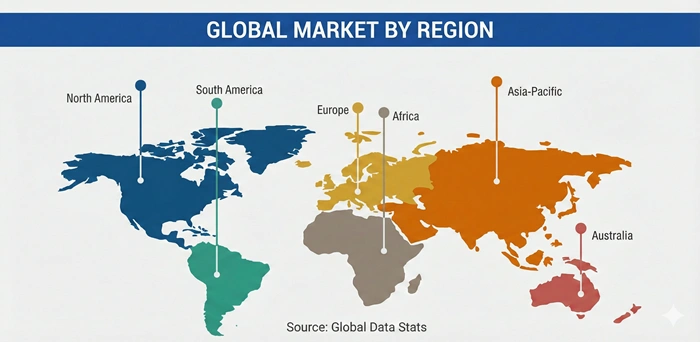
Regional Insights
North America
Advanced Healthcare Infrastructure and High Awareness Drive Market Leadership
North America maintains its position as the dominant region in the hearing aids market with approximately 38.5% market share and steady CAGR of 9.7% throughout the forecast period, supported by advanced healthcare infrastructure, high prevalence of hearing loss among aging baby boomer populations, comprehensive insurance coverage frameworks, strong consumer awareness of hearing health importance, and early adoption of innovative technologies. The United States represents the primary contributor to regional revenue, driven by an estimated 37.5 million adults reporting hearing difficulties and favorable regulatory environment including recent over-the-counter hearing aid availability that expands access beyond traditional prescription channels. The region benefits from concentration of leading manufacturers including Starkey Hearing Technologies, alongside strong commercial presence of international players such as Sonova Holding AG, Demant A/S, and GN Store Nord A/S.
The North American hearing aids market experiences favorable dynamics through established audiology networks, retail partnerships with major pharmacy chains including Costco and Walgreens, and growing direct-to-consumer channels leveraging telehealth capabilities for remote fitting and adjustment services. Government initiatives through Medicare Advantage plans and veterans' healthcare programs provide coverage supporting adoption among elderly and military populations with high hearing loss prevalence. The region also serves as primary innovation hub where manufacturers conduct clinical research, launch breakthrough products, and establish best practices subsequently adopted in global markets, maintaining technological leadership that drives premium pricing and strong profitability supporting continued research and development investments throughout the forecast period.
Asia-Pacific
Large Patient Populations and Rising Healthcare Access Accelerate Regional Growth
Asia-Pacific emerges as the fastest-growing region in the hearing aids market with remarkable CAGR of 11.8% driven by massive patient populations exceeding one billion people, rapidly aging demographics particularly in China and Japan, rising disposable incomes among expanding middle classes, improving healthcare infrastructure and awareness, and increasing government focus on addressing unmet healthcare needs including hearing loss. China, Japan, India, and South Korea represent the largest markets within the region, collectively accounting for approximately 78% of Asia-Pacific revenue, with international manufacturers including Sonova Holding AG, Demant A/S, GN Store Nord A/S, and WS Audiology establishing manufacturing facilities, research centers, and distribution partnerships to capture growth opportunities.
The Asia-Pacific hearing aids market benefits from cultural shifts reducing stigma associated with hearing device usage, growing awareness of hearing health importance through public education campaigns, and expanding healthcare spending as economic development progresses. Regional manufacturers are emerging as competitive forces, developing affordable products tailored to price-sensitive markets while gradually advancing technological capabilities to challenge international brands in mid-tier segments. Government initiatives including hearing screening programs in schools and workplaces, insurance expansion covering hearing aids in countries like Japan and South Korea, and regulatory harmonization facilitating faster product approvals are creating favorable market conditions supporting sustained high growth rates. The region also presents opportunities for innovative distribution models including mobile audiology clinics serving rural populations, online direct-to-consumer channels reaching underserved areas, and partnerships with general healthcare providers integrating hearing screening into routine medical examinations.
Top Key Players
-
Sonova Holding AG (Switzerland)
-
Demant A/S (Denmark)
-
GN Store Nord A/S (Denmark)
-
WS Audiology (Singapore)
-
Starkey Hearing Technologies (United States)
-
Cochlear Limited (Australia)
-
Amplifon S.p.A (Italy)
-
Eargo Inc. (United States)
-
Widex (Denmark)
-
Sivantos Pte. Ltd. (Singapore)
-
MED-EL (Austria)
-
Rion Co. Ltd. (Japan)
-
IntriCon Corporation (United States)
-
Audina Hearing Instruments Inc. (United States)
-
Horentek (Italy)
Recent Developments
-
Sonova Holding AG completed acquisition of Audibel in October 2024 valued at approximately USD 1.5 billion, expanding its market presence in the United States and strengthening its product portfolio in the retail hearing care segment, demonstrating continued industry consolidation among leading manufacturers pursuing growth through strategic mergers and acquisitions.
-
Starkey Hearing Technologies and MED-EL announced DualSync partnership in June 2025 enabling seamless Bluetooth streaming between compatible Starkey hearing aids and MED-EL cochlear implants for bimodal users, representing breakthrough collaboration that provides unified wireless audio experience from smartphones and media devices for patients using both technologies simultaneously.
-
GN Store Nord launched ReSound Vivia hearing aid platform in February 2025 delivering unparalleled sound quality in noisy environments and all-day comfort with advanced noise reduction algorithms, rechargeable batteries, and wireless connectivity features, contributing to strong organic revenue growth of 7% in the hearing division during third quarter 2025.
-
The FDA issued over-the-counter hearing aid final rule in February 2025 allowing consumers with mild to moderate hearing loss to purchase certain hearing aids without prescription requirements, representing paradigmatic regulatory shift that dramatically expands market access and stimulates competition from new entrants including consumer electronics companies.
-
Signia introduced Styletto Connect X hearing aids in March 2024 integrating direct-to-phone streaming capabilities and hands-free phone call functionality with sleek charging case design, representing continued innovation in premium hearing aid segment combining clinical efficacy with consumer electronics appeal targeting younger users seeking lifestyle-compatible devices.
Market Trends
Smart Connectivity and Multifunctional Health Monitoring Transform Product Value Propositions
The hearing aids market is experiencing transformative evolution toward smart connected devices that function as comprehensive health and lifestyle platforms extending far beyond basic hearing amplification. Modern hearing aids now seamlessly integrate with smartphones, televisions, and smart home systems through Bluetooth connectivity, enabling direct audio streaming, hands-free phone calls, and voice assistant access that position devices as essential components of connected digital lifestyles. Manufacturers are incorporating sophisticated sensors and artificial intelligence algorithms that monitor physical activity, detect falls, track cognitive health through speech pattern analysis, and provide real-time language translation capabilities, creating value propositions that appeal to health-conscious consumers seeking multifunctional wearable technology. This convergence of hearing aids with consumer electronics and wellness devices is attracting new market entrants from technology sectors, intensifying competition while accelerating innovation cycles that benefit end users through rapidly improving features and declining prices across the hearing aids market spectrum.
Customization and personalization represent another dominant trend reshaping the hearing aids market as manufacturers leverage mobile applications and cloud-based platforms to provide users with unprecedented control over device settings and performance characteristics. Advanced hearing aids now support self-adjustment through smartphone apps that guide users through sound environment assessments and preference selections, reducing dependence on professional audiologist visits while improving satisfaction through personalized optimization. Machine learning algorithms continuously analyze usage patterns and listening preferences to automatically refine sound processing parameters, creating adaptive devices that improve performance over time rather than requiring manual reprogramming. Manufacturers are also developing modular designs enabling component upgrades that extend device lifespans, rechargeable battery systems eliminating disposable battery waste, and eco-friendly materials addressing sustainability concerns among environmentally conscious consumers, positioning the hearing aids market for sustained innovation-driven growth throughout the forecast period.
Segments Covered in the Report
By Product Type
-
Behind-The-Ear (BTE)
-
Receiver-In-Canal (RIC)
-
In-The-Ear (ITE)
-
In-The-Canal (ITC)
-
Completely-In-Canal (CIC)
-
Invisible-In-Canal (IIC)
By Technology
-
Digital Hearing Aids
-
Analog Hearing Aids
By Type of Hearing Loss
-
Sensorineural Hearing Loss
-
Conductive Hearing Loss
-
Mixed Hearing Loss
By Patient Type
-
Adults
-
Pediatrics
By Distribution Channel
-
Retail Stores
-
Audiology Clinics
-
Hearing Aid Centers
-
Pharmacy Chains
-
-
Online Platforms
-
Clinics and Hospitals
By Region
-
North America
-
United States
-
Canada
-
Mexico
-
-
Europe
-
Germany
-
United Kingdom
-
France
-
Italy
-
Spain
-
Switzerland
-
Denmark
-
Rest of Europe
-
-
Asia-Pacific
-
China
-
Japan
-
India
-
South Korea
-
Australia
-
Singapore
-
Rest of Asia-Pacific
-
-
Latin America
-
Brazil
-
Argentina
-
Rest of Latin America
-
-
Middle East and Africa
-
GCC Countries
-
South Africa
-
Rest of Middle East and Africa
-
Frequently Asked Questions
Question 1: What is the expected hearing aids market size by 2033?
Answer: The global hearing aids market is projected to reach approximately USD 37.51 billion by 2033. This growth is driven by aging populations, technological innovations, and increasing awareness of hearing health importance.
Question 2: Which region dominates the hearing aids market currently?
Answer: North America dominates the hearing aids market with approximately 38.5% market share. The region benefits from advanced healthcare infrastructure, high awareness levels, and early adoption of innovative devices.
Question 3: What are the key drivers of hearing aids market growth?
Answer: Primary drivers include rapidly aging global populations, rising hearing loss prevalence, technological breakthroughs in AI and connectivity, regulatory reforms enabling over-the-counter sales, and increasing awareness of hearing health importance. These factors collectively support sustained market expansion.
Question 4: Which product segment is growing fastest in the hearing aids market?
Answer: The receiver-in-canal hearing aids segment is experiencing the fastest growth with projected CAGR of 11.6%. This acceleration reflects strong demand for discreet designs combining superior sound quality with cosmetic appeal.
Question 5: What is the hearing aids market CAGR from 2026 to 2033?
Answer: The hearing aids market is expected to grow at a CAGR of 10.4% from 2026 to 2033. This robust growth reflects strong demand for advanced digital hearing solutions with smart connectivity features.