
Healthcare Gamification Market Overview
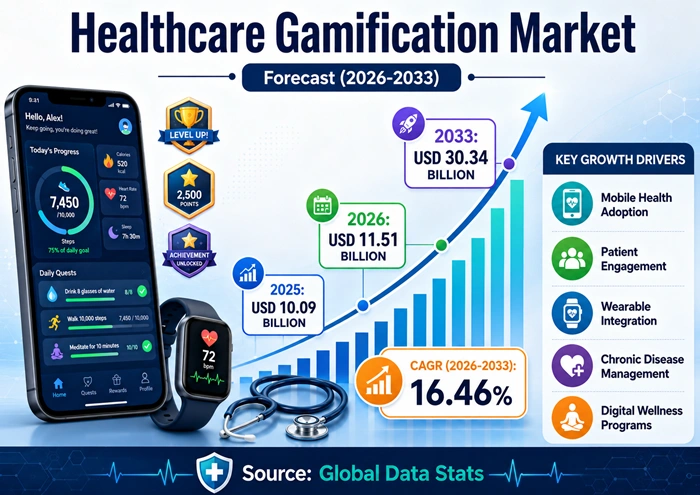
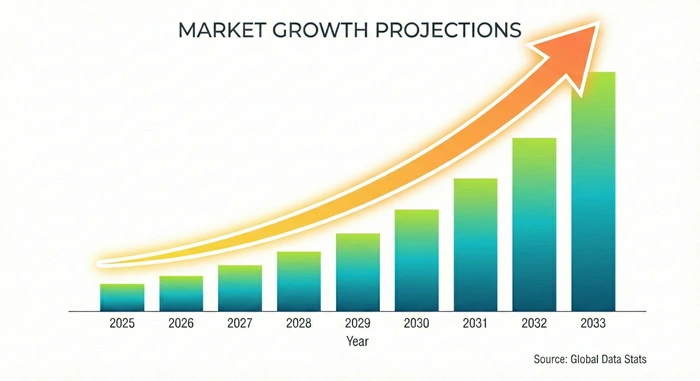
The global healthcare gamification market size is valued at USD 10.09 billion in 2025 and is predicted to increase from USD 11.51 billion in 2026 to approximately USD 30.34 billion by 2033, growing at a CAGR of 16.46% from 2026 to 2033.
Healthcare gamification — the integration of game design elements such as rewards, challenges, leaderboards, and progress tracking into health-related applications and platforms — is emerging as a transformative force across the global healthcare industry. Rising rates of chronic disease, mounting patient disengagement challenges, and the widespread adoption of smartphones and wearable health devices are collectively creating ideal conditions for gamified health solutions to thrive. The healthcare gamification market is attracting strong investment from technology companies, health systems, pharmaceutical firms, and digital health startups — all recognizing that making health management engaging and interactive is a key lever for improving outcomes and reducing long-term care costs.
AI Impact on the Healthcare Industry
Artificial Intelligence Is Amplifying the Therapeutic Power of Healthcare Gamification by Enabling Adaptive Personalization, Predictive Engagement, and Clinically Validated Behavioral Change at Scale
Artificial intelligence is fundamentally elevating what healthcare gamification can achieve in clinical and wellness settings. Traditional gamified health programs applied uniform game mechanics — fixed reward schedules, identical challenges, and standard progress benchmarks — that produced inconsistent engagement across diverse patient populations. AI-driven platforms have moved well beyond this limitation, using machine learning models to analyze individual behavioral patterns, health data streams, and engagement histories to continuously personalize game mechanics, challenge difficulty, and reward structures in real time. This adaptive personalization ensures that each patient receives a gamified experience calibrated to their specific motivational profile, health literacy level, and therapeutic goals — dramatically improving both short-term engagement and long-term adherence outcomes compared to standardized programs.
Beyond personalization, AI is enabling predictive analytics capabilities within healthcare gamification platforms that identify patients at risk of disengagement or treatment non-adherence before these behaviors manifest. Natural language processing tools analyze user-generated content in app reviews, chatbot conversations, and session feedback to detect early signals of frustration, confusion, or declining motivation — allowing clinical coordinators to intervene proactively with personalized support. Computer vision is being integrated into rehabilitation gamification platforms, enabling real-time movement analysis that validates exercise quality, provides corrective feedback, and adjusts therapy progression automatically without requiring in-person physiotherapy supervision. These AI capabilities are transforming the healthcare gamification market from an engagement tool into a clinically meaningful care delivery channel that can complement and in some cases replace traditional face-to-face interventions.
Growth Factors
Rising Chronic Disease Burden, Expanding Digital Health Infrastructure, and Growing Patient Engagement Mandates Are Creating a Multi-Dimensional Growth Engine That Sustains Strong Market Expansion
The most powerful growth driver underpinning the healthcare gamification market is the escalating global burden of chronic diseases including diabetes, obesity, hypertension, cardiovascular conditions, and mental health disorders. These conditions require sustained behavioral change and long-term adherence to medication, lifestyle modification, and monitoring protocols — precisely the areas where traditional clinical instruction consistently underdelivers and gamification excels. Studies across multiple therapeutic areas have demonstrated that gamified interventions improve medication adherence rates by 20–30%, increase physical activity levels among sedentary populations, and measurably reduce clinical outcomes including HbA1c levels in diabetic patients. As health systems face growing pressure to manage chronic disease populations at scale with constrained clinical resources, gamification is increasingly being recognized as a cost-effective tool for driving behavior change outside the clinic walls.
The rapid expansion of digital health infrastructure — including telemedicine platforms, electronic health records, remote patient monitoring devices, and mobile health applications — is providing the technical foundation that enables healthcare gamification to be deployed at scale across diverse care settings. The post-pandemic normalization of digital health engagement has dramatically increased patient comfort with app-based health management, removing a significant adoption barrier that previously slowed gamification uptake among older and less tech-savvy patient segments. Additionally, growing pressure from healthcare payers and employers on patient and employee wellness outcomes is generating institutional demand for evidence-based gamified wellness programs. Health insurers in North America and Europe are increasingly incorporating gamified wellness apps into their member benefit packages — creating a powerful B2B demand channel that is substantially expanding the addressable commercial footprint of the healthcare gamification market.
Market Outlook
The Healthcare Gamification Market Is Positioned for Substantial Structural Growth as Integration With Virtual Reality, Wearables, and AI-Driven Behavioral Science Deepens Through 2033
The outlook for the healthcare gamification market through 2033 is highly positive, shaped by technological maturation, expanding clinical evidence bases, and growing institutional commitment across healthcare systems globally. As randomized controlled trial data for gamified digital therapeutics accumulates, regulatory agencies including the U.S. FDA and EMA are developing clearer classification and approval pathways for prescription digital therapeutics — a development that will unlock insurance reimbursement for clinical-grade gamification products and substantially expand the commercial market. The FDA's Digital Health Center of Excellence is actively developing frameworks for software-as-medical-device (SaMD) classifications that include gamified therapeutic applications, signaling regulatory support for the market's continued maturation. These developments are attracting a new wave of pharmaceutical company investment in gamified companion app programs that support drug therapy adherence and outcomes measurement.
The integration of virtual reality and augmented reality technologies into healthcare gamification represents the market's most exciting long-term growth frontier. VR-based rehabilitation programs — where patients recover motor function through immersive game-based therapy sessions — are already demonstrating superior outcomes to conventional physiotherapy in published clinical research. Pain management gamification using VR distraction therapy is being deployed in hospital settings as a non-pharmacological intervention that reduces opioid requirements during painful procedures. As VR hardware costs continue to decline toward consumer accessibility thresholds, XR-enabled healthcare gamification is expected to transition from specialized clinical research settings into mainstream home-based care programs within the 2026 to 2033 forecast window. This platform evolution will add premium product tiers that substantially expand average revenue per user and total addressable market revenue for leading healthcare gamification vendors globally.
Expert Speaks
-
"The future of patient engagement is personalized, interactive, and data-driven. Healthcare gamification platforms that combine AI-driven behavioral science with clinically validated game mechanics are among the most promising tools we have for improving health outcomes at the population scale that modern health systems require." — Albert Bourla, CEO, Pfizer
-
"Digital health tools that make chronic disease management genuinely engaging rather than burdensome represent a fundamental shift in how we think about preventive care. We are seeing compelling evidence that gamification improves adherence, reduces hospitalizations, and empowers patients to take ownership of their health journeys." — Sheri Fink, Chief Patient Officer, Johnson & Johnson
-
"The intersection of gaming psychology and healthcare is creating powerful new possibilities for mental health, rehabilitation, and wellness. Companies that build clinically validated gamification platforms backed by rigorous behavioral data will play a defining role in shaping the next generation of digital health delivery." — Satya Nadella, CEO, Microsoft
Key Report Takeaways
-
North America leads the healthcare gamification market with approximately 38.5% of global 2024 revenues, driven by advanced digital health infrastructure, strong institutional adoption of patient engagement platforms, and active investment from health insurers and employer wellness programs deploying gamified benefits for members and employees.
-
Asia Pacific is the fastest-growing region, projected to record a CAGR significantly above the global average through 2033, driven by massive smartphone penetration, large populations managing chronic diseases, and accelerating government and private sector investment in digital health technology across China, India, Japan, and South Korea.
-
The consumer-based solutions segment dominates the market with over 59.4% of 2024 revenues, as individually accessed fitness apps, medication management tools, mental health platforms, and chronic disease management applications drive the highest user volume across all end-user segments globally.
-
Fitness management and wellness represent the largest application category, contributing approximately 36.2% of total 2024 market revenues, reflecting the enormous global consumer appetite for gamified physical activity tracking, step challenges, leaderboards, and reward-based healthy lifestyle programs delivered through smartphones and wearable devices.
-
Mobile-based delivery is the most widely adopted deployment modality, accounting for over 64.8% of market revenues, as smartphone-first platform design has become standard for healthcare gamification vendors targeting both consumer and institutional end-user segments globally.
-
The mental health gamification segment is projected to be the fastest-growing future segment, expected to grow at a CAGR of approximately 19.7% through 2033, driven by soaring global demand for digital mental health tools, growing clinical validation of gamified cognitive behavioral therapy programs, and expanding insurance coverage for prescription digital therapeutics in the U.S. and EU markets.
Market Scope
| Report Coverage | Details |
|---|---|
| Market Size by 2033 | USD 30.34 Billion |
| Market Size by 2025 | USD 10.09 Billion |
| Market Size by 2026 | USD 11.51 Billion |
| Market Growth Rate from 2026 to 2033 | CAGR of 16.46% |
| Dominating Region | North America |
| Fastest Growing Region | Asia Pacific |
| Base Year | 2025 |
| Forecast Period | 2026 – 2033 |
| Segments Covered | By Solution Type, By Delivery Mode, By Application, By End-User, By Region |
| Regions Covered | North America, Europe, Asia Pacific, Latin America, Middle East & Africa |
Market Dynamics
Drivers Impact Analysis
Chronic Disease Prevalence, Digital Health Adoption, and Institutional Demand for Scalable Patient Engagement Solutions Are the Core Growth Catalysts of the Healthcare Gamification Market
| Driver | ≈ % Impact on CAGR Forecast | Geographic Relevance | Impact Timeline |
|---|---|---|---|
| Rising global prevalence of chronic diseases requiring long-term behavioral management | ~32% | Global; highest in North America, Europe, Asia Pacific | Long Term (≥ 4 years) |
| Growing institutional adoption of patient engagement platforms by payers and employers | ~27% | North America, Europe | Medium to Long Term |
| Rapid expansion of mobile health ecosystems and wearable health devices | ~24% | Global; accelerating in APAC and LATAM | Short to Medium Term |
| Increasing clinical evidence validating gamification's therapeutic efficacy | ~17% | North America, Europe, Asia Pacific | Medium Term (2–4 years) |
The global chronic disease crisis is the single most structurally significant driver of the healthcare gamification market. Over 60% of adults in high-income countries live with at least one chronic condition requiring ongoing management, and treatment adherence across these populations rarely exceeds 50% using conventional care delivery models. Gamification directly addresses the motivational and behavioral barriers that drive non-adherence by embedding health management tasks within engaging, rewarding digital experiences that sustain consistent user participation over extended periods. The cost of non-adherence to global health systems — estimated at hundreds of billions annually in avoidable hospitalizations, emergency care, and disease complications — is creating powerful institutional incentives for health systems and payers to fund scalable gamification programs as a cost-effective intervention. As evidence accumulates demonstrating measurable ROI from gamified wellness investments, healthcare procurement cycles for these tools are shortening and budget allocations are increasing.
The rise of digital health ecosystems — where patient data flows continuously between wearables, smartphones, EHRs, and remote monitoring platforms — is simultaneously creating the technical infrastructure that enables healthcare gamification to operate with clinical precision. Gamification platforms that can pull real-time health metrics from connected devices — including step counts, heart rate, sleep quality, glucose levels, and blood pressure readings — can design game mechanics that are anchored in objective health data rather than subjective self-reporting. This data integration capability elevates gamified health apps from simple entertainment tools to clinically meaningful care companions that provide healthcare providers with longitudinal behavioral datasets alongside clinical metrics. As health system procurement teams recognize the data value generated by engaged gamification users, enterprise-grade licensing models are replacing consumer-only strategies — expanding the healthcare gamification market's revenue base and average contract value significantly.
Restraints Impact Analysis
Privacy Regulations, Clinical Validation Gaps, User Disengagement Over Time, and Reimbursement Barriers Represent the Key Challenges Moderating Healthcare Gamification Market Growth
| Restraint | ≈ % Impact on CAGR Forecast | Geographic Relevance | Impact Timeline |
|---|---|---|---|
| Data privacy concerns and regulatory compliance requirements | ~35% | Global; pronounced in Europe and North America | Short to Medium Term |
| Long-term user disengagement and app abandonment after initial novelty wears off | ~30% | Global | Medium Term (2–4 years) |
| Limited reimbursement coverage for digital health gamification tools | ~22% | Global; particularly in developing markets | Medium Term |
| Resistance from clinicians and healthcare institutions to adopting unvalidated digital tools | ~13% | North America, Europe | Short to Medium Term |
Healthcare gamification platforms handle highly sensitive personal health data — including medication schedules, mental health conditions, chronic disease diagnoses, and behavioral health metrics — which places them squarely within the regulatory scope of HIPAA in the United States, GDPR in Europe, and an expanding set of equivalent frameworks globally. The compliance costs associated with meeting these requirements — particularly for smaller startups and mid-market vendors — are substantial, encompassing data encryption, access control architecture, audit trail maintenance, data processing agreements with cloud providers, and ongoing regulatory monitoring. As governments worldwide tighten data governance standards for digital health applications, the administrative burden on vendors is increasing, creating a meaningful barrier to market entry that is accelerating consolidation among well-capitalized platform providers.
Long-term user disengagement is a persistent technical and behavioral challenge that significantly limits the sustained impact of many healthcare gamification programs. Research consistently shows that engagement with health apps peaks sharply at launch and declines over subsequent weeks and months as the novelty of game mechanics wanes and the intrinsic challenge of sustained behavioral change reasserts itself. Vendors that rely on static game structures without adaptive personalization, social features, or regularly refreshed content struggle to maintain the engagement levels needed to deliver therapeutic outcomes over extended periods. This disengagement challenge also complicates clinical outcome measurement and makes it more difficult for vendors to generate the longitudinal efficacy data required by regulators and institutional buyers — creating a circular barrier to market maturation that requires sustained investment in product development and behavioral science expertise to overcome.
Opportunities Impact Analysis
Digital Therapeutics Regulation, VR-Based Rehabilitation, Mental Health Gamification, and Emerging Market Expansion Represent the Most Compelling Growth Opportunities for Healthcare Gamification Market Participants
| Opportunity | ≈ % Impact on CAGR Forecast | Geographic Relevance | Impact Timeline |
|---|---|---|---|
| Prescription digital therapeutics (PDT) regulatory approval and reimbursement | ~35% | North America, Europe | Short to Medium Term |
| Virtual reality and augmented reality integration for rehabilitation and pain management | ~28% | North America, Europe, Asia Pacific | Medium to Long Term |
| Mental health gamification driven by rising global demand for digital therapy | ~24% | Global | Medium Term (2–4 years) |
| Expansion into emerging markets across APAC, LATAM, and MEA | ~13% | Asia Pacific, Latin America, MEA | Medium Term |
The emerging prescription digital therapeutics (PDT) sector represents the single most significant regulatory and commercial opportunity for the healthcare gamification market over the next several years. A growing number of gamified therapeutic applications are now in clinical trials or regulatory review for formal FDA clearance or EU CE marking as medical devices, with several programs targeting conditions including ADHD, substance use disorder, type 2 diabetes, and post-stroke rehabilitation already receiving marketing authorization. Once approved, these platforms become eligible for insurance reimbursement — transforming their commercial model from consumer subscription to clinically prescribed, insurer-funded products. This reimbursement pathway dramatically expands the addressable market and average contract value, while simultaneously elevating the credibility and institutional adoption of healthcare gamification as a clinical intervention category.
Mental health represents the most rapidly growing application opportunity within the healthcare gamification market, driven by the extraordinary increase in global mental health condition prevalence that accelerated sharply during and after the COVID-19 pandemic. Digital mental health apps incorporating gamified cognitive behavioral therapy, mindfulness training, mood tracking, and peer support challenges are reaching populations that have historically faced barriers to traditional mental health care access — including cost, stigma, and therapist availability limitations. Platforms like Woebot Health, Spring Health, and Happify Health are demonstrating clinically meaningful improvements in depression and anxiety outcomes through rigorous validation studies, building the evidence foundation required for institutional adoption. As reimbursement frameworks for digital mental health tools expand across North America and Europe, the mental health segment is expected to become the fastest-growing application vertical within the healthcare gamification market by a significant margin.
Segment Analysis
By Solution Type
Consumer-Based Solutions Lead the Market Through Scale and Accessibility While Enterprise-Based Platforms Drive the Highest Revenue Per Engagement Through Institutional Licensing
The consumer-based solutions segment commands over 59.4% of total 2024 healthcare gamification market revenues, representing the largest and most widely accessed category of gamified health products. This segment encompasses the direct-to-consumer mobile applications, wearable companion platforms, subscription wellness programs, and over-the-counter digital health tools that individuals use to manage fitness, nutrition, sleep, mental wellness, and chronic condition self-management outside of formal clinical settings. The consumer segment's dominance is driven by the enormous global base of smartphone users who are proactively engaged in personal health optimization — a population that has grown substantially as health awareness campaigns, pandemic-era digital health adoption, and the pervasive influence of wellness culture on social media have normalized app-based health management. North America and Asia Pacific are the largest consumer segment markets, with leading companies including Noom Inc. (United States), Fitbit/Google (United States), and SWORD Health (Portugal, U.S.-deployed) generating strong recurring revenues from subscription-based consumer wellness programs. The consumer segment is growing at a consistent double-digit CAGR, supported by the expanding adoption of AI-personalized wellness apps and the mainstreaming of wearable health tracking among broader age demographics.
The enterprise-based solutions segment currently holds approximately 40.6% of total market share but is growing at a faster CAGR than the consumer segment, driven by accelerating institutional adoption among hospitals, pharmaceutical companies, health insurers, and corporate employer wellness programs. Enterprise clients deploy gamified health platforms as structured programs within defined patient populations or employee groups — providing deeper integration with clinical workflows, EHR systems, and benefits administration platforms than consumer apps typically offer. Pharmaceutical companies are investing in gamified medication adherence companion apps as licensed digital support tools for patients on their branded drug therapies — a strategy that improves clinical trial outcomes, supports real-world evidence collection, and differentiates branded medications in competitive therapeutic categories. The enterprise segment generates significantly higher average contract values than the consumer segment, making it the primary revenue growth driver for the healthcare gamification market among institutionally focused vendors. Europe is the fastest-growing region for enterprise adoption, where NHS digital health investment programs in the U.K. and EU-funded digital health initiatives are accelerating clinical-grade gamification deployment across public health systems.
By Application
Fitness and Wellness Anchors the Market While Mental Health Gamification Accelerates as the Most Commercially Significant Emerging Application Category Through 2033
The fitness management and wellness application segment holds the largest share of the healthcare gamification market at approximately 36.2% of 2024 revenues, firmly establishing itself as the category that introduced gamification to mainstream health consumers and continues to drive the highest absolute user volumes. Daily step challenges, calorie tracking reward systems, workout streak leaderboards, and social fitness competition features embedded in platforms like Fitbit, Apple Health, Strava, and Noom have made game-based fitness management a culturally normalized component of everyday health behavior for hundreds of millions of users globally. The segment is growing most rapidly in Asia Pacific, where the combination of high smartphone penetration, rapidly rising middle-class health consciousness, and government-sponsored wellness initiatives in China, Japan, and South Korea is expanding the addressable user base at a faster pace than in established Western markets. Leading players in the Asia Pacific fitness gamification space include Xiaomi's Mi Fit (China), Keep (China), and Samsung Health (South Korea), which are capturing large user bases through deeply integrated hardware-software wellness ecosystems.
The mental health application segment is the standout growth story across all healthcare gamification application categories, expected to sustain a CAGR of approximately 19.7% through 2033, significantly above the overall market average. The segment encompasses gamified cognitive behavioral therapy platforms, mindfulness and meditation apps with achievement systems, mood tracking tools with reward mechanics, and peer support communities with social engagement features — all designed to make mental health management accessible, stigma-reducing, and sustainably engaging. Clinical validation is strengthening rapidly in this segment, with peer-reviewed publications demonstrating that gamified digital mental health interventions produce measurable, clinically significant improvements in anxiety and depression symptoms when used as standalone tools or adjuncts to traditional therapy. North America is the dominant region for mental health gamification adoption, where favorable FDA regulatory frameworks, strong venture investment in mental health tech, and growing insurance coverage for digital mental health tools are creating ideal conditions for commercial scale. The FDA clearance of EndeavorRx as the first prescription video game therapy for pediatric ADHD has established a precedent that is accelerating investment in gamified mental health therapeutics across the entire application landscape.
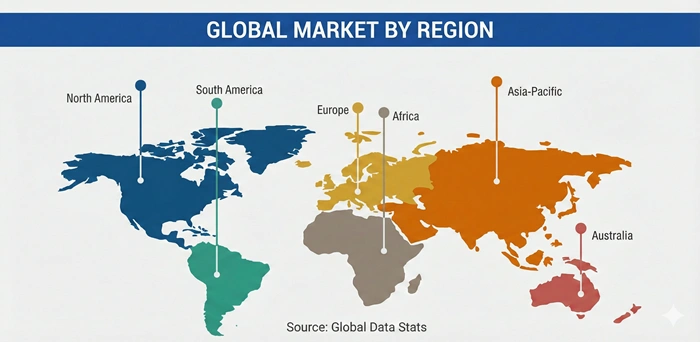
Regional Insights
North America
North America's Advanced Digital Health Ecosystem, Strong Institutional Demand, and Favorable Regulatory Environment Sustain Its Position as the Global Leader of the Healthcare Gamification Market
High Insurance Reimbursement Activity, Active FDA Digital Therapeutics Regulation, and Deep Venture Investment in Health Tech Collectively Create North America's Dominant Market Revenue Position
North America leads the healthcare gamification market with approximately 38.5% of global 2024 revenues, a position built on the region's unmatched combination of digital health infrastructure maturity, institutional demand from health systems and payers, and a vibrant startup ecosystem producing innovative gamification solutions. The United States drives the overwhelming majority of North American revenues, supported by the FDA's active engagement with prescription digital therapeutics, CMS's expanding reimbursement coverage for digital health tools, and a large base of enterprise health system and employer wellness buyers deploying gamified patient and employee engagement programs at scale. Key companies anchoring the North American market include Noom Inc. (United States), SWORD Health (Portugal, U.S.-headquartered), Fitbit / Google (United States), Microsoft Corporation (United States), and Nike Inc. (United States) — all of which have substantial healthcare gamification capabilities embedded within broader wellness and digital health platform offerings. North America is growing at a low-to-mid-teen CAGR within the healthcare gamification market, with growth increasingly concentrated in the enterprise and prescription digital therapeutics segments as consumer market penetration approaches maturity.
Canada is a growing secondary contributor to regional market growth, with government-backed digital health investment programs — including Canada Health Infoway's digital health transformation funding — supporting the deployment of gamified patient engagement tools across provincial health systems. North American health insurers including UnitedHealthcare, Aetna, and Blue Cross Blue Shield are now routinely including gamified wellness apps as standard components of member health benefit packages, creating a large and financially supported institutional demand channel that sustains consistent market expansion. The North American market's regulatory clarity on digital therapeutics, combined with its deep clinical trial infrastructure and strong behavioral health research community, positions the region to maintain global market leadership through 2033 even as Asia Pacific's growth rate continues to accelerate.
Asia Pacific
Asia Pacific's Massive Digital Health Investment, Enormous Patient Populations, and Rapidly Expanding Smartphone Ecosystem Are Fueling the Region's Emergence as the Fastest-Growing Healthcare Gamification Market
Government Digital Health Programs, Rising Chronic Disease Rates, and a Thriving Health Tech Startup Ecosystem Are Creating the Conditions for Extraordinary Market Expansion Across the Region Through 2033
Asia Pacific is the fastest-growing region in the healthcare gamification market, recording a double-digit CAGR that substantially exceeds the global average, driven by a convergence of demographic, technological, and policy factors that uniquely favor rapid market expansion. China, India, Japan, and South Korea are the primary growth contributors within the region, collectively representing the world's largest patient populations managing chronic diseases — including type 2 diabetes, hypertension, and respiratory conditions — for which gamified adherence and self-management tools offer enormous therapeutic and economic value. Government-led digital health transformation programs across the region — including India's Ayushman Bharat Digital Mission, China's Healthy China 2030 initiative, and South Korea's Smart Healthcare Program — are driving institutional adoption of digital patient engagement platforms that incorporate gamification as a core engagement strategy. Key companies leading the Asia Pacific market include Xiaomi Corporation (China), Samsung Electronics (South Korea), Keep Inc. (China), and numerous regional health tech startups backed by venture capital programs in India, Singapore, and South Korea.
India is emerging as the most exciting near-term growth opportunity within Asia Pacific, combining the world's largest youth population, the fastest-growing smartphone market, rapidly increasing rates of lifestyle-related chronic diseases, and an explosion of health and wellness app usage among urban consumers. The Indian government's push toward preventive healthcare and digital health literacy through national wellness campaigns is creating favorable cultural and regulatory conditions for gamified health apps targeting metabolic health, mental wellness, and maternal care. Japan and South Korea maintain highly sophisticated healthcare IT environments where enterprise-grade healthcare gamification platforms are being deployed within hospital systems and corporate wellness programs at scale. As Asia Pacific's middle class expands and digital health infrastructure matures across Southeast Asian markets including Indonesia, Vietnam, and the Philippines, the region is expected to become the world's largest healthcare gamification market by user volume well before the 2033 forecast period concludes.
Report Customization Available for All Regions and Countries
This Report Offers Full Region-Wise and Country-Wise Customization, Delivering Targeted, Geography-Specific Healthcare Gamification Market Intelligence That Aligns With Your Strategic Priorities
This report is available for comprehensive customization at the region and country level, providing organizations with the precise healthcare gamification market data, competitive intelligence, regulatory environment analysis, and growth opportunity mapping required to make confident geography-specific strategic decisions. From startups identifying optimal launch markets to global health tech enterprises benchmarking regional competitive dynamics, the customized report delivers intelligence tailored exactly to your target geography and business requirements.
Customized reports are available for the following regions and countries, each providing detailed insights, market analysis, trends, opportunities, and other relevant intelligence tailored to the selected geography:
North America
-
Customized insights available for U.S., Canada, and Mexico, covering FDA digital therapeutics regulatory pathways, insurance reimbursement trends, enterprise wellness program adoption rates, venture investment activity, and country-level competitive dynamics in the healthcare gamification market.
Europe
-
Tailored analysis available for U.K., Germany, France, Italy, and Rest of Europe, including national digital health program investments, NHS and EU-funded gamification deployments, GDPR compliance requirements, DiGA-equivalent reimbursement frameworks, and country-specific adoption trends.
Asia Pacific
-
Detailed coverage for China, India, Japan, South Korea, Australia, and Rest of Asia Pacific, encompassing government digital health initiative impact, chronic disease burden data, smartphone health app penetration rates, and regional startup ecosystem activity in healthcare gamification.
Latin America
-
Country-level customization for Brazil, Argentina, and Rest of Latin America, covering digital health infrastructure maturity, wellness app adoption trends, corporate wellness program growth, and regulatory environment dynamics affecting healthcare gamification platform deployment.
Middle East & Africa
-
Targeted intelligence for UAE, Saudi Arabia, and Rest of MEA, addressing Vision 2030 health transformation programs, digital patient engagement investment, regional chronic disease management priorities, and emerging health tech ecosystem development opportunities.
Top Key Players
-
Noom Inc. (United States)
-
SWORD Health (Portugal)
-
Fitbit / Google LLC (United States)
-
Microsoft Corporation (United States)
-
Nike Inc. (United States)
-
Mango Health / PDR LLC (United States)
-
Akili Interactive Labs Inc. (United States)
-
Cognoa Inc. (United States)
-
Healthwise Inc. (United States)
-
Zamzee Company (United States)
-
Huawei Technologies Co. Ltd. (China)
-
Samsung Electronics Co. Ltd. (South Korea)
-
Keep Inc. (China)
-
Woebot Health (United States)
-
UBISOFT Entertainment SA (France)
Recent Developments
-
In April 2025, Akili Interactive Labs announced an expanded clinical partnership with a major U.S. health insurer to deploy EndeavorRx — its FDA-cleared prescription digital therapeutic video game for pediatric ADHD — as a covered benefit within pediatric behavioral health plans, marking one of the first large-scale insurance reimbursement deployments of a prescription healthcare gamification product in the United States.
-
In February 2025, SWORD Health raised USD 130 million in a Series D funding round to accelerate the global expansion of its gamified digital musculoskeletal therapy platform, which uses AI-powered motion analysis and adaptive game-based exercise programs to deliver physical therapy outcomes comparable to in-person physiotherapy at a fraction of the cost.
-
In November 2024, Woebot Health secured FDA Breakthrough Device Designation for its AI-powered gamified cognitive behavioral therapy platform targeting postpartum depression, significantly accelerating its path to regulatory clearance and insurance reimbursement as a prescription digital therapeutic in the growing mental health gamification segment.
-
In September 2024, Microsoft announced the integration of Azure Health Bot with its gamification framework for corporate wellness programs, enabling enterprise health plan administrators to deploy customized gamified wellness challenges — including step competitions, stress management challenges, and preventive screening incentive programs — directly within Microsoft Teams environments used by millions of corporate employees globally.
-
In July 2024, Noom launched Noom Med, a clinically supervised metabolic health program that combines its proven gamified behavioral psychology platform with prescription GLP-1 medication management and gamified lifestyle coaching — positioning Noom as the first major wellness gamification company to bridge consumer behavior change and prescription pharmaceutical care within a single integrated platform.
Market Trends
Prescription Digital Therapeutics Validation and the Convergence of Gamification With Virtual Reality and Wearable Health Technology Are the Defining Trends of the Evolving Healthcare Gamification Market
The most consequential trend reshaping the healthcare gamification market is the accelerating clinical validation and regulatory recognition of prescription digital therapeutics — an evolution that is transforming the market's commercial architecture from primarily consumer-discretionary to clinically prescribed and insurance-reimbursed. The FDA's authorization of EndeavorRx for pediatric ADHD and its ongoing review of gamified therapeutic applications for substance use disorder, major depressive disorder, and post-stroke rehabilitation are establishing precedents that are reshaping how pharmaceutical companies, health systems, and institutional investors approach healthcare gamification as a business category. As more gamified digital therapeutics complete clinical trials and receive regulatory authorization in the United States, EU, and other major markets, the previously sharp boundary between "health entertainment" and "clinical treatment" is dissolving — creating a new premium market tier that generates substantially higher revenue per user and commands multi-year institutional licensing contracts.
A second defining trend is the deep convergence of healthcare gamification with wearable health technology and immersive extended reality environments. Wearable devices including smartwatches, continuous glucose monitors, activity trackers, and biosensor-equipped fitness garments are generating real-time physiological data streams that leading gamification platforms are now integrating as live game mechanics — where a patient's actual heart rate, step count, sleep quality, or glucose level directly determines game challenges, reward eligibility, and progress visualization. This data-grounded gamification architecture creates substantially stronger therapeutic efficacy than app-based self-reporting systems by eliminating manual data entry friction and ensuring that game mechanics reflect the patient's genuine physiological state. Simultaneously, VR-based healthcare gamification is expanding from clinical research settings into home-based care programs for rehabilitation, pain management, and mental health, driven by declining hardware costs and growing clinical evidence that immersive game-based therapy delivers superior patient engagement and outcome data compared to standard digital health formats.
Segments Covered in the Report
-
By Solution Type
-
Consumer-Based Solutions
-
Fitness & Wellness Apps
-
Medication Management Apps
-
Mental Health Apps
-
Chronic Disease Management Apps
-
-
Enterprise-Based Solutions
-
Hospital & Clinical Platforms
-
Pharmaceutical Companion Apps
-
Corporate Wellness Programs
-
Health Insurance Member Platforms
-
-
-
By Delivery Mode
-
Mobile (Smartphones & Tablets)
-
Wearable Devices
-
Web-Based Platforms
-
Virtual Reality (VR) / Augmented Reality (AR)
-
-
By Application
-
Fitness Management & Wellness
-
Medication Management & Adherence
-
Mental Health Therapy
-
Chronic Disease Management
-
Physical Therapy & Rehabilitation
-
Medical Education & Training
-
Others
-
-
By End-User
-
Individual Patients & Consumers
-
Hospitals & Health Systems
-
Pharmaceutical Companies
-
Health Insurers & Payers
-
Corporate Employers
-
-
By Region
-
North America (U.S., Canada, Mexico)
-
Europe (U.K., Germany, France, Italy, Rest of Europe)
-
Asia Pacific (China, India, Japan, South Korea, Australia, Rest of Asia Pacific)
-
Latin America (Brazil, Argentina, Rest of Latin America)
-
Middle East & Africa (UAE, Saudi Arabia, Rest of MEA)
-
❝ Built for Every Level — From Startups to Industry Giants ❞
Here Is Exactly How This Report Works for You
-
From digital health startups seeking their first institutional client to global pharmaceutical enterprises evaluating companion app strategies for pipeline drug programs, this report delivers the segment-level CAGR intelligence, competitive revenue analysis, and regional market share data required to identify exactly where the healthcare gamification market's highest-value opportunities are concentrating — and what product, pricing, and partnership strategies leading companies are deploying to capture them ahead of the competitive curve.
-
For investors, corporate development teams, and enterprise health system executives assessing the impact of geopolitical dynamics — including cross-border health data regulations, government digital health investment programs, and pharmaceutical market access policies — on the competitive landscape and supply chain architecture of the healthcare gamification sector, this report provides a structured geopolitical risk and opportunity framework covering all major global regions, enabling evidence-based capital allocation and market entry decisions in an environment of increasing policy complexity.
-
The full purchased version of this report includes complete competitor revenue profiles, detailed revenue source breakdowns by product line and geography, supply-demand dynamics analysis, country-level market sizing, and a multi-scenario growth forecast covering base-case and high-growth trajectories — making it an essential strategic intelligence tool for product leaders, investors, and C-suite decision-makers committed to winning in the rapidly expanding global healthcare gamification market through 2033.
Frequently Asked Questions
Question 1: What is the current size of the healthcare gamification market and what growth is expected by 2033?
Answer: The global healthcare gamification market is valued at USD 10.09 billion in 2025 and is projected to reach USD 30.34 billion by 2033, growing at a CAGR of 16.46% from 2026 to 2033. This strong growth trajectory is driven by rising chronic disease prevalence, expanding digital health infrastructure, and growing institutional adoption of gamified patient engagement platforms globally.
Question 2: Which region dominates the healthcare gamification market?
Answer: North America leads the healthcare gamification market with approximately 38.5% of global 2024 revenues, driven by advanced digital health infrastructure, favorable FDA regulatory pathways for prescription digital therapeutics, and strong enterprise adoption among health insurers and employer wellness programs. Asia Pacific is the fastest-growing region, recording a CAGR above the global average, powered by massive patient populations, government digital health investments, and rapidly expanding smartphone penetration.
Question 3: What are the key applications driving growth in the healthcare gamification market?
Answer: The healthcare gamification market is primarily driven by applications in fitness and wellness management, medication adherence, mental health therapy, and chronic disease management — all of which leverage game mechanics to improve patient motivation, engagement, and behavioral compliance with treatment protocols. Mental health gamification is the fastest-growing application category, advancing at approximately 19.7% CAGR through 2033, fueled by rising global demand for accessible digital mental health tools and expanding clinical validation of gamified cognitive behavioral therapy programs.
Question 4: What are the main barriers to adoption in the healthcare gamification market?
Answer: The healthcare gamification market faces key challenges including data privacy and HIPAA/GDPR compliance requirements that add operational costs for platform developers, and long-term user disengagement that limits the sustained therapeutic impact of many programs. Limited insurance reimbursement coverage for non-prescribed gamified health tools and clinician resistance to adopting digitally unvalidated solutions also moderate adoption rates in institutional healthcare settings.
Question 5: How is AI transforming the healthcare gamification market?
Answer: Artificial intelligence is transforming the healthcare gamification market by enabling adaptive personalization of game mechanics based on individual patient behavioral data, health metrics, and motivational profiles — dramatically improving sustained engagement compared to static gamified programs. AI also enables predictive analytics that identify disengagement risk before drop-off occurs, and powers passive health monitoring integrations that anchor game mechanics in real-time physiological data from wearables and connected health devices.