
Green Cardamom Market Overview
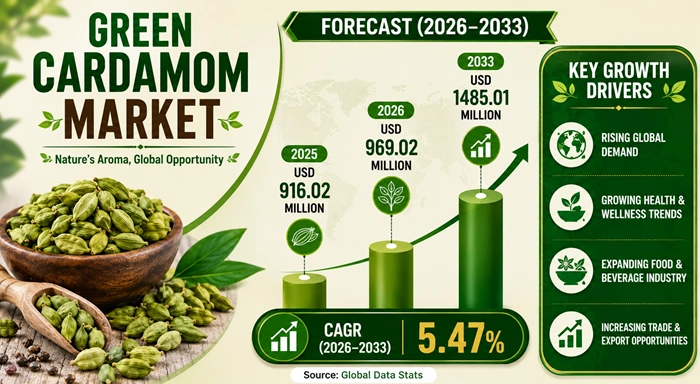
The global green cardamom market size is valued at USD 916.02 million in 2025 and is predicted to increase from USD 969.02 million in 2026 to approximately USD 1485.01 million by 2033, growing at a CAGR of 5.47% from 2026 to 2033.
Rising consumer demand for natural aromatic spices drives unprecedented interest in this premium spice known as the "queen of spices" prized for distinctive flavor, medicinal properties, and culinary versatility. Green cardamom containing essential oils, antioxidants, and bioactive compounds supports digestive health, respiratory wellness, and overall vitality making it essential ingredient in food preparations, traditional medicines, and wellness products across global markets.
AI Impact on the Green Cardamom Industry
Artificial Intelligence Revolutionizing Cultivation Practices and Quality Assessment
Artificial intelligence is fundamentally transforming the green cardamom market by enabling precision agriculture optimization, predictive yield forecasting, automated quality grading, supply chain traceability, and market demand prediction that enhance cultivation efficiency while ensuring product quality and fair pricing for farmers. Machine learning algorithms analyze satellite imagery, weather patterns, soil moisture levels, temperature data, and historical yield records predicting optimal planting times, irrigation schedules, fertilizer applications, and pest management interventions maximizing cardamom pod production while minimizing resource consumption and environmental impact across plantations in India, Guatemala, and other producing regions. AI-powered drone surveillance monitors plantation health detecting disease symptoms, pest infestations, nutrient deficiencies, and water stress early enabling targeted interventions preventing crop losses that traditionally devastate entire harvests when problems remain undetected until advanced stages.
Computer vision systems integrated with sorting facilities automatically grade cardamom pods by size, color uniformity, oil content, and quality characteristics with 99% accuracy ensuring consistent premium grades reach international markets while eliminating human error and labor costs associated with manual sorting processes. Blockchain integration combined with AI enables complete supply chain transparency tracking cardamom from plantation to export recording cultivation practices, processing methods, quality certifications, and transportation logistics providing authenticity verification consumers and importers demand combating adulteration and fraud prevalent in spice trade. The green cardamom market benefits from AI-driven market intelligence analyzing global demand patterns, price fluctuations, seasonal trends, currency movements, and geopolitical factors providing farmers and exporters with actionable insights optimizing harvest timing, pricing strategies, and market selection maximizing returns while reducing speculation-driven losses. Smart warehousing systems leverage AI monitoring storage temperature, humidity levels, and pest activity automatically adjusting environmental controls preserving essential oil content and preventing quality degradation during extended storage periods ensuring product freshness when markets reopen after seasonal closures.
Growth Factors
Health Benefits Awareness and Culinary Tourism Drive Market Expansion
The green cardamom market is experiencing robust growth driven by escalating awareness about health benefits, rising global culinary tourism introducing exotic flavors, increasing demand for natural food additives, expanding pharmaceutical applications, and growing middle-class populations in developing markets seeking premium spices. Health consciousness transformation positions green cardamom as functional spice with consumers increasingly aware that cardamom provides digestive health benefits alleviating bloating and indigestion, respiratory support treating coughs and congestion, antimicrobial properties fighting oral bacteria and bad breath, antioxidant protection reducing inflammation, and blood pressure regulation supporting cardiovascular health documented through traditional Ayurvedic medicine and modern scientific research. Medical recommendations from Ayurvedic practitioners, naturopaths, and integrative medicine specialists advocating cardamom consumption for digestive wellness, detoxification, and immunity support drive sustained demand particularly among health-conscious consumers prioritizing natural remedies over pharmaceutical interventions.
Culinary tourism explosion introduces global consumers to authentic ethnic cuisines particularly Indian, Middle Eastern, and Scandinavian dishes where cardamom plays starring role in biryanis, curries, chai tea, Arabic coffee, Swedish buns, and desserts creating familiarity and appreciation motivating home cooking experimentation. The green cardamom market benefits from clean-label movements demanding natural flavoring alternatives with food manufacturers replacing artificial additives with authentic spices including cardamom in bakery products, beverages, confectionery, and processed foods meeting consumer expectations for recognizable ingredient lists without synthetic chemicals. Rising disposable incomes particularly across emerging markets in Asia Pacific, Middle East, and Latin America enable consumers previously unable to afford expensive cardamom costing USD 30-50 per kilogram to regularly purchase premium spices as economic prosperity increases discretionary spending on quality ingredients and ethnic foods. Social media influence from food bloggers, celebrity chefs, and culinary influencers showcasing cardamom recipes, explaining health benefits, and featuring spice in trending beverages including cardamom lattes and wellness teas reaches millions of engaged followers creating aspirational associations normalizing cardamom consumption beyond traditional ethnic demographics into mainstream western markets.
Market Outlook
Sustainability Certifications and Value-Added Products Define Future Industry Evolution
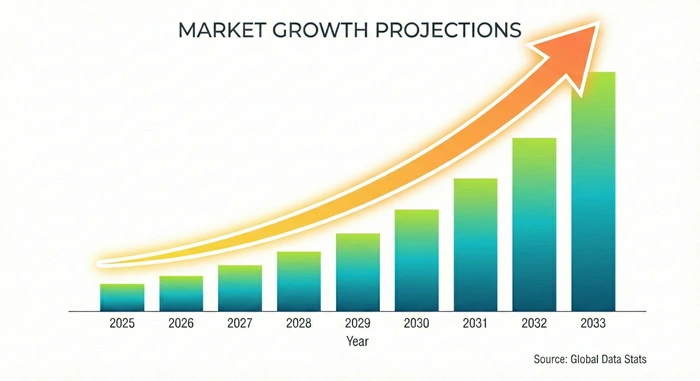
The green cardamom market is positioned for sustained expansion through 2033 as stakeholders invest heavily in organic certification, develop value-added convenience products, expand direct-to-consumer distribution, leverage fair trade practices, and address climate change impacts reshaping cultivation practices toward resilience. Organic cardamom certification creates premium segments commanding 30-40% price premiums appealing to health-conscious and environmentally aware consumers prioritizing pesticide-free cultivation, sustainable farming practices, and ecological preservation while supporting farmer livelihoods through fair pricing structures. Value-added cardamom products including ground powder reducing preparation time, cardamom extract concentrates for beverage manufacturing, cardamom essential oils for aromatherapy and cosmetics, and ready-to-use spice blends incorporating cardamom address convenience demands from busy consumers and food processors seeking simplified ingredient sourcing.
E-commerce transformation enables direct farmer-to-consumer models bypassing multiple intermediaries traditionally capturing margins, specialty spice retailers curating premium single-origin cardamom, and subscription services delivering fresh spices regularly creating convenient home delivery while educating consumers about quality differences and proper usage. The green cardamom market witnesses fair trade certification adoption ensuring ethical labor practices, minimum price guarantees protecting farmers from exploitation, community development investments in producing regions, and transparent supply chains addressing ethical consumption concerns particularly important to millennial and Gen Z demographics prioritizing social responsibility in purchasing decisions. Climate change adaptation becomes imperative as temperature fluctuations, erratic rainfall patterns, and increasing pest pressures threaten traditional cultivation regions requiring development of drought-resistant varieties, shade management techniques, integrated pest management, and crop diversification strategies ensuring long-term production sustainability protecting global supply from environmental disruptions. Research investments in high-yielding varieties, disease-resistant cultivars, and propagation technologies support productivity improvements enabling farmers to meet growing global demand while biotechnology advances in essential oil optimization create cardamom varieties with enhanced aromatic profiles commanding ultra-premium pricing from perfumery and pharmaceutical applications.
Expert Speaks
-
Ajay Surana, Managing Director of AVT Natural Products Ltd., emphasized that sustainable cardamom sourcing represents business imperative with AVT implementing farmer partnership programs, organic certification support, and quality training ensuring long-term supply reliability while meeting growing international demand from food manufacturers, pharmaceutical companies, and personal care brands seeking authentic Indian cardamom commanding premium positioning.
-
Rajeev Agarwal, Chief Executive Officer of Synthite Industries Ltd., highlighted that cardamom extract technologies enable value addition converting whole spice into standardized oleoresins and essential oils serving industrial customers requiring consistent potency, extended shelf life, and convenient liquid formats with innovation in extraction efficiency, quality preservation, and customer application support driving market leadership.
-
Pablo Salazar, Export Director of Corporación de Servicios Agropecuarios Guatemala, stated that Guatemalan cardamom industry demonstrates sustained growth through quality excellence, sustainable cultivation practices, and strategic marketing positioning Guatemalan cardamom as premium alternative to Indian varieties with unique flavor profiles, larger pod sizes, and consistent supply supporting market diversification reducing global dependence on single-origin supplies.
Key Report Takeaways
-
Asia Pacific leads the green cardamom market with approximately 62% market share in 2025, driven by India's production dominance supplying 70% of global cardamom from Kerala, Karnataka, and Tamil Nadu plantations, traditional consumption in Indian and Middle Eastern cuisines, established processing infrastructure, and cultural significance making cardamom essential household spice.
-
North America is growing rapidly with a projected CAGR of 5.87% from 2026 to 2033, fueled by rising ethnic food popularity, health-conscious consumers seeking natural digestive aids, specialty coffee and chai tea adoption incorporating cardamom, expanding Indian and Middle Eastern immigrant populations, and premium spice retailers educating mainstream consumers.
-
Whole pods dominate with approximately 68% market share as whole cardamom preserves essential oils better than ground forms, provides authenticity verification preventing adulteration, enables flexible usage from whole pod infusion to fresh grinding, and commands premium pricing from quality-conscious consumers and professional chefs.
-
The food and beverages application contributes the most to overall market revenue with approximately 71% share in 2025, reflecting cardamom's essential role in Indian curries, Middle Eastern dishes, Scandinavian baked goods, chai tea, Arabic coffee, desserts, and confectionery where distinctive sweet-spicy flavor provides irreplaceable aromatic complexity.
-
Conventional nature dominates production with approximately 72% market share as conventional farming methods provide lower production costs enabling competitive pricing, established supply chains ensuring consistent availability, and traditional practices familiar to smallholder farmers lacking organic certification access or premium market connections.
-
The online retail segment will grow quickly with an estimated CAGR of 7.20% as e-commerce platforms enable specialty spice retailers reaching global consumers, direct farmer sales bypassing intermediaries, subscription services delivering fresh spices regularly, and detailed product information educating buyers about quality grades and origin authenticity.
Market Scope
| Report Coverage | Details |
|---|---|
| Market Size by 2033 | USD 1485.01 Million |
| Market Size by 2025 | USD 916.02 Million |
| Market Size by 2026 | USD 969.02 Million |
| Market Growth Rate from 2026 to 2033 | CAGR of 5.47% |
| Dominating Region | Asia Pacific |
| Fastest Growing Region | North America |
| Base Year | 2025 |
| Forecast Period | 2026 to 2033 |
| Segments Covered | Nature, Form, Application, Distribution Channel, Region |
| Regions Covered | North America, Europe, Asia Pacific, Latin America, Middle East and Africa |
Market Dynamics
Driver Impact Analysis
Rising Health Awareness and Natural Product Preference Propel Market Growth
The escalating global health awareness combined with consumer preference for natural aromatic ingredients represents the most powerful driver propelling the green cardamom market toward sustained expansion across all geographic regions and application segments. Health consciousness transformation positions cardamom as functional superfood with consumers increasingly recognizing connections between spice consumption and wellness outcomes including digestive health supporting gut microbiome balance and relieving bloating, respiratory benefits alleviating coughs and clearing congestion, oral health providing antimicrobial protection against cavity-causing bacteria, blood pressure management through diuretic properties, and anti-inflammatory effects reducing chronic disease risks documented through Ayurvedic tradition and modern pharmacological research. Traditional medicine systems particularly Ayurveda practiced across India for millennia position cardamom as essential digestive tonic, breath freshener, and medicinal ingredient creating cultural familiarity and trust among hundreds of millions of consumers while modern scientific validation through clinical studies demonstrating cardiovascular benefits, antioxidant activity, and metabolic support provides credibility converting skeptical western consumers.
Clean-label movements demanding natural food additives drive food manufacturer adoption replacing artificial flavoring compounds with authentic cardamom extract, ground cardamom, or cardamom essential oil in bakery products, beverages, confectionery, and processed foods meeting regulatory pressures and consumer expectations for recognizable ingredient lists without synthetic chemicals. The green cardamom market benefits from aromatherapy and wellness trends incorporating cardamom essential oil in diffusers, massage oils, and relaxation products leveraging distinctive warm-spicy aroma providing stress relief, mental clarity, and mood enhancement appealing to wellness-conscious consumers investing in holistic health practices. Culinary exploration through food tourism, cooking shows, and social media platforms introduces global audiences to authentic ethnic cuisines where cardamom features prominently creating appreciation for complex flavor profiles and motivating home cooking experimentation with previously unfamiliar spices expanding beyond traditional demographics. Rising middle-class populations across India, China, Southeast Asia, Middle East, and Latin America with improving purchasing power increasingly afford premium spices including expensive cardamom costing 10-20 times common spices enabling regular consumption supporting sustained volume growth in populous emerging markets representing future demand engine.
| Driver | ≈ % Impact on CAGR Forecast | Geographic Relevance | Impact Timeline |
|---|---|---|---|
| Health Awareness and Medicinal Benefits | +1.80% | Global, strongest in developed markets | 2026-2033 |
| Natural Food Additive Demand | +1.60% | North America, Europe, premium segments | 2026-2033 |
| Culinary Tourism and Ethnic Cuisine | +1.40% | Urban centers, millennial demographics | 2026-2033 |
| Rising Disposable Income | +1.20% | Emerging markets, Asia Pacific | 2026-2033 |
Restraints Impact Analysis
High Prices and Supply Volatility Limit Market Penetration
The green cardamom market confronts significant barriers related to premium pricing exceeding affordable ranges for many consumers, supply volatility from limited cultivation regions, labor-intensive harvesting processes, climate change impacts, and competition from substitute spices that constrain adoption among price-sensitive segments and create uncertainty for commercial users. Premium pricing represents fundamental challenge with cardamom costing USD 30-50 per kilogram significantly exceeding affordable spice prices creating luxury positioning limiting consumption frequency among middle and lower-income households particularly in developing markets where consumers allocate limited food budgets primarily to staple necessities rather than premium flavoring ingredients despite culinary traditions. Supply concentration in two primary producing regions India supplying approximately 70% and Guatemala providing 20% of global production creates vulnerability to regional disruptions including monsoon failures, political instability, disease outbreaks, and labor disputes causing dramatic price spikes and supply shortages affecting commercial users requiring consistent ingredient availability for manufacturing operations.
Labor-intensive cultivation and harvesting requiring manual picking of individual pods at optimal ripeness, selective harvesting over extended flowering periods, and careful post-harvest processing drives high production costs while labor shortages in rural agricultural regions as young populations migrate to urban employment creates workforce constraints limiting production expansion. The green cardamom market suffers from climate change impacts with cardamom cultivation requiring specific altitudinal ranges between 600-1500 meters, consistent rainfall distribution, and moderate temperatures making production vulnerable to temperature extremes, erratic monsoons, and shifting weather patterns threatening traditional growing regions while adaptation requires expensive interventions including irrigation infrastructure, shade management, and variety development. Competition from substitute aromatics including cheaper spices like cinnamon, ginger, and cloves providing alternative flavor profiles, artificial cardamom flavoring compounds offering consistent potency at fraction of natural cardamom cost, and consumer substitution toward more affordable alternatives during price spikes creates elasticity limiting premium pricing power. Adulteration concerns particularly in ground cardamom powder mixed with cheaper fillers, spent cardamom lacking essential oils, or synthetic compounds labeled as natural create consumer skepticism and quality uncertainty undermining market integrity while forcing quality-conscious buyers toward expensive whole pods eliminating ground product convenience.
| Restraint | ≈ % Impact on CAGR Forecast | Geographic Relevance | Impact Timeline |
|---|---|---|---|
| Premium Pricing and Affordability | -1.40% | Price-sensitive markets, developing economies | 2026-2033 |
| Supply Concentration and Volatility | -1.20% | Global, commercial users | 2026-2033 |
| Labor Intensity and Workforce Constraints | -1.00% | Producing regions, rural areas | 2026-2033 |
| Climate Change Impacts | -0.90% | Traditional cultivation regions | 2027-2033 |
Opportunities Impact Analysis
Organic Certification and Value-Added Innovation Create Growth Avenues
The development of organic certified cardamom combined with value-added product innovation presents enormous opportunities for the green cardamom market by addressing health concerns, creating premium differentiation, meeting convenience demands, and building direct farmer relationships through ethical sourcing. Organic cardamom cultivation following strict protocols prohibiting synthetic pesticides, chemical fertilizers, and GMO materials creates ultra-premium segment commanding 30-40% price premiums from health-conscious consumers prioritizing pesticide-free spices, environmentally aware buyers supporting sustainable agriculture, and quality-focused chefs demanding purest ingredients while certification provides third-party verification differentiating authentic organic from conventional cardamom. Fair trade certification ensures ethical labor practices including minimum wage guarantees, safe working conditions, prohibition of child labor, and community development investments appealing to socially responsible consumers willing to pay premiums supporting farmer livelihoods while transparency requirements including traceability and audit trails combat exploitation prevalent in agricultural supply chains benefiting smallholder producers.
Value-added cardamom products including ground powder providing convenience eliminating grinding effort, cardamom extract concentrates serving industrial food and beverage manufacturers requiring standardized potency, cardamom essential oil meeting aromatherapy and cosmetics demand, decaffeinated cardamom tea bags, and ready-to-use spice blends address usage barriers and expand application opportunities. The green cardamom market benefits from functional food formulations incorporating cardamom in protein bars, wellness shots, probiotic beverages, and nutraceutical supplements leveraging digestive health benefits, antioxidant properties, and aromatic appeal creating premium health products differentiating from commodity supplements through exotic ingredient storytelling. Direct-to-consumer e-commerce models enable specialty spice retailers, farmer cooperatives, and estate brands reaching global customers bypassing traditional distribution intermediaries capturing margins while building brand relationships, educating consumers about quality differences through detailed product descriptions and origin stories, and offering subscription services ensuring recurring revenue and customer loyalty. Emerging market penetration across Africa, Southeast Asia, and Latin America where cardamom consumption remains minimal compared to traditional markets presents massive untapped populations with improving incomes, growing interest in ethnic cuisines, expanding retail infrastructure, and increasing health consciousness creating favorable long-term growth conditions particularly as younger generations adopt global food trends through social media exposure.
| Opportunity | ≈ % Impact on CAGR Forecast | Geographic Relevance | Impact Timeline |
|---|---|---|---|
| Organic and Fair Trade Certification | +1.70% | Premium markets, ethical consumers | 2026-2033 |
| Value-Added Product Innovation | +1.60% | Industrial users, convenience segments | 2026-2033 |
| Direct-to-Consumer E-Commerce | +1.40% | Global, specialty retailers | 2027-2033 |
| Functional Foods and Nutraceuticals | +1.30% | Health-conscious markets, wellness segments | 2027-2033 |
Segment Analysis
Food and Beverages Application
Dominant Segment Driven by Culinary Essential Status and Versatile Usage
The food and beverages application segment dominates the green cardamom market with approximately 71% share in 2025 and steady CAGR of 5.43% from 2026 to 2033, driven by the segment's irreplaceable role in traditional cuisines, expanding ethnic food popularity, beverage innovation incorporating aromatic spices, bakery and confectionery applications, and clean-label trends favoring natural flavoring. Cardamom provides distinctive sweet-spicy flavor profile impossible to replicate with other spices or artificial compounds making it essential ingredient in Indian biryanis, curries, and desserts, Middle Eastern coffee and rice dishes, Scandinavian baked goods particularly Swedish cardamom buns and Finnish pulla bread, and fusion cuisines combining global flavors appealing to adventurous consumers. Beverage applications experience explosive growth particularly chai tea blends, cardamom-infused coffee popular in Middle East, cardamom lattes trending in specialty coffee shops, wellness teas combining cardamom with ginger and turmeric, and craft cocktails leveraging cardamom's aromatic complexity creating premium drinking experiences.
Asia Pacific shows particularly strong food application dominance with approximately 75% regional segment share and CAGR of 5.90%, driven by Indian cooking traditions using cardamom daily in both savory and sweet preparations, Middle Eastern immigration maintaining cultural food practices, Southeast Asian cuisines incorporating cardamom in curries and desserts, and growing affluence enabling frequent use of expensive spice. Leading companies serving the green cardamom market including AVT Natural Products, Synthite Industries, Kerala State Industrial Development Corporation, Ecom Agro Industrial Corp, and regional processors dominate through direct plantation sourcing ensuring quality, advanced processing facilities preserving essential oils, product innovation creating convenient formats, and export networks reaching global food manufacturers. The segment continues evolving through organic cardamom adoption in premium food products, cardamom extract standardization serving industrial users requiring consistent potency, encapsulation technologies protecting volatile oils during processing and storage, and culinary education through cooking shows and social media expanding cardamom usage beyond traditional ethnic applications into mainstream western cooking inspiring home chefs to experiment with aromatic spice combinations.
Online Retail Distribution Channel
Fastest Growing Segment Capitalizing on Specialty Product Discovery and Convenience
The online retail distribution channel represents the fastest-growing segment in the green cardamom market with a projected CAGR of 7.20% from 2026 to 2033, driven by specialty spice e-tailers curating premium single-origin cardamom, direct farmer platforms bypassing intermediaries, subscription services delivering fresh spices regularly, detailed product information educating quality-conscious buyers, and younger demographics comfortable purchasing food ingredients online. Online platforms including specialty retailers like The Spice House, Diaspora Co., and Burlap & Barrel offer extensive cardamom varieties unavailable in supermarkets including Indian green cardamom from Kerala estates, Guatemalan varieties with distinct flavor profiles, wild cardamom from Nepal, and organic certified options with detailed sourcing transparency, origin stories, and usage suggestions supporting informed purchasing decisions impossible at generic retail stores displaying minimal product information.
North America shows particularly explosive online cardamom sales growth with CAGR exceeding 8.20%, driven by limited physical retail availability of premium cardamom varieties, consumer desire for authentic ethnic ingredients matching restaurant experiences, subscription spice services including RawSpiceBar and Spice Tribe introducing customers to diverse global spices, and pandemic-accelerated e-commerce adoption normalizing online grocery purchasing including specialty ingredients. Key players serving the green cardamom market including specialized spice brands, farmer cooperatives establishing direct sales platforms, and marketplace platforms like Amazon expanding spice categories invest heavily in digital marketing showcasing cardamom benefits and recipes, influencer partnerships with food bloggers demonstrating usage, educational content explaining quality differences between commodity and single-origin cardamom, and optimized packaging ensuring freshness during shipping. The segment benefits from transparent supply chains made possible through digital platforms providing detailed information about cultivation practices, farmer profiles, harvest dates, and processing methods appealing to conscious consumers prioritizing traceability and ethical sourcing while QR code integration enables authentication verification combating adulteration concerns building trust supporting premium pricing. Social commerce through Instagram shops, YouTube cooking channels, and Pinterest recipe sharing drives cardamom discovery as food influencers feature spice in trending recipes reaching engaged audiences creating aspirational associations and impulse purchasing particularly effective with millennial and Gen Z demographics representing future market growth engine embracing ethnic cuisines and exotic flavors.
Regional Insights
Asia Pacific
Market Leadership Through Production Dominance and Cultural Consumption
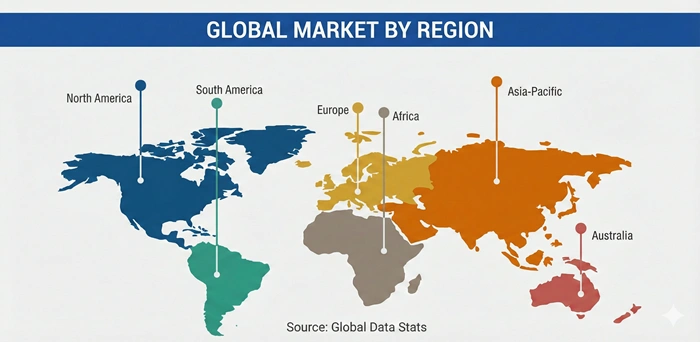
Asia Pacific maintains its position as the dominant region in the green cardamom market, commanding approximately 62% of global market share in 2025 with an estimated value of USD 567.93 million, projected to reach USD 894.99 million by 2033 growing at a CAGR of 5.92%. The region's leadership stems from India's production dominance supplying approximately 70% of global cardamom from Kerala, Karnataka, and Tamil Nadu plantations located in Western Ghats mountain ranges providing ideal elevation, rainfall, and temperature conditions, established processing infrastructure including cleaning, grading, and export facilities, and deep cultural integration making cardamom essential household spice used daily in cooking, chai tea, mouth freshening, and traditional medicine. India's Spices Board government agency provides technical support, quality standards, market intelligence, and export promotion strengthening industry while farmer cooperatives in Kerala including Kerala State Cardamom Company organize smallholder producers improving negotiating power and market access.
Leading companies serving the Asia Pacific green cardamom market include AVT Natural Products, Synthite Industries, Kerala State Industrial Development Corporation, Olam International, Ecom Agro Industrial Corp, and numerous regional traders and processors adapting products for domestic consumption and export markets. The region benefits from traditional consumption patterns with Indian households using cardamom in everyday cooking across regional cuisines from North Indian Mughlai dishes to South Indian filter coffee, Middle Eastern expatriate populations maintaining cultural food practices including cardamom-infused Arabic coffee and rice dishes, and Southeast Asian cuisines incorporating cardamom in curries and sweet preparations. Growing affluence across India, China, and Southeast Asia enables middle-class consumers increasingly affording premium spices including cardamom traditionally considered luxury ingredient reserved for special occasions, with rising disposable incomes supporting frequency increases and volume expansion. The region witnesses organic cardamom cultivation growth particularly in Kerala and Tamil Nadu where farmers transition to chemical-free practices responding to premium pricing opportunities while sustainable agriculture initiatives promote environmental conservation, biodiversity protection, and farmer livelihood improvement addressing social responsibility concerns increasingly important to international buyers and conscious consumers.
North America
Fastest Regional Growth Through Ethnic Cuisine Adoption and Health Trends
North America represents the fastest-growing region in the green cardamom market with a projected CAGR of 5.87% from 2026 to 2033, with market value expected to increase from USD 128.02 million in 2025 to USD 194.55 million by 2033, capturing expanding global revenue share. The region's exceptional growth trajectory stems from rising ethnic food popularity particularly Indian, Middle Eastern, and Scandinavian cuisines incorporating cardamom, health-conscious consumers seeking natural digestive aids and aromatic wellness products, specialty coffee and chai tea adoption, expanding immigrant populations maintaining traditional food practices, and premium spice retailers educating mainstream consumers about quality differences and culinary applications. United States dominates regional demand with approximately 82% share driven by metropolitan areas including New York, Los Angeles, Chicago, and Houston with diverse populations, specialty grocery stores like Whole Foods and Trader Joe's merchandising premium spices, and restaurant exposure creating familiarity motivating home cooking experimentation.
Leading companies serving the North American green cardamom market include McCormick & Company, Frontier Co-op, Simply Organic, The Spice House, specialty importers, and direct-to-consumer brands educating consumers through digital marketing and recipe content. The region benefits from wellness trends positioning cardamom as functional ingredient in adaptogenic beverages, digestive health supplements, aromatherapy products, and natural oral care supporting market diversification beyond cooking applications. Specialty coffee culture incorporating cardamom in signature drinks, chai tea latte popularity at cafes, and home barista trends replicating café experiences drive beverage application growth while Scandinavian baking traditions preserved among immigrant communities introduce wider audiences to cardamom's aromatic appeal through shared treats and community events. E-commerce growth enables specialty spice retailers bypassing limited supermarket shelf space reaching quality-conscious consumers nationwide while subscription services introduce cardamom through curated spice collections building awareness and trial among previously unfamiliar demographics. The region witnesses increasing demand for organic and fair trade certified cardamom reflecting ethical consumption values and willingness to pay substantial premiums supporting farmer livelihoods and sustainable agriculture addressing social responsibility priorities particularly important to millennial and Gen Z consumers driving future consumption patterns.
Top Key Players
-
AVT Natural Products Ltd. (India)
-
Synthite Industries Ltd. (India)
-
Kerala State Industrial Development Corporation (India)
-
Olam International Limited (Singapore)
-
Ecom Agro Industrial Corp Limited (India)
-
McCormick & Company Inc. (United States)
-
Frontier Co-op (United States)
-
Mountain Rose Herbs (United States)
-
Organic Spices Inc. (United States)
-
Elite Spice (India)
-
DS Group (India)
-
Shriram Overseas Exports (India)
-
Kancor Ingredients Limited (India)
-
Spice Board of India (India)
-
Cardamom Planters Association (India)
Recent Developments
-
AVT Natural Products (2025): Expanded organic cardamom sourcing program in Kerala in March 2025 partnering with 500 additional smallholder farmers providing organic certification support, technical training in sustainable cultivation practices, and guaranteed minimum pricing protecting farmers from market volatility while securing consistent premium organic supply meeting growing international demand from food manufacturers and specialty retailers.
-
Synthite Industries (2024): Launched advanced cardamom extract production facility in Karnataka in November 2024 implementing supercritical CO2 extraction technology preserving delicate aromatic compounds, volatile oils, and bioactive components producing superior quality extracts and oleoresins serving pharmaceutical, nutraceutical, and premium food applications commanding higher margins versus commodity spice trade.
-
McCormick & Company (2025): Introduced premium single-origin cardamom line in January 2025 featuring Kerala estate cardamom with detailed traceability information, harvest date transparency, and farmer partnership stories targeting quality-conscious consumers willing to pay premiums for authenticity and ethical sourcing differentiating from commodity spice offerings through storytelling and transparency.
-
Olam International (2024): Invested USD 15 million in Guatemala cardamom supply chain infrastructure in September 2024 establishing modern processing facilities, implementing quality control systems, and developing farmer training programs supporting sustainable cultivation practices ensuring consistent export quality while strengthening position as leading Guatemalan cardamom exporter supplying global markets.
-
Kerala State Industrial Development Corporation (2025): Launched blockchain-based cardamom traceability platform in June 2025 enabling consumers to verify origin authenticity, cultivation practices, and quality certifications through QR code scanning combating adulteration prevalent in spice trade while supporting premium pricing for genuine Kerala cardamom differentiating from inferior substitutes and fraudulent products undermining market integrity.
Market Trends
Sustainability Practices and Premium Positioning Reshape Industry Standards
The green cardamom market is experiencing transformative shifts driven by organic cultivation adoption addressing pesticide concerns, fair trade certification ensuring ethical sourcing, single-origin positioning creating premium differentiation, value-added products expanding application convenience, and traceability technologies combating fraud prevalent in spice trade. Organic cardamom production expands rapidly particularly in Kerala, Guatemala, and Sri Lanka where farmers transition from conventional practices to certified organic methods eliminating synthetic pesticides and chemical fertilizers responding to premium pricing opportunities commanding 30-40% higher prices while meeting consumer demand for clean-label ingredients and supporting environmental sustainability through biodiversity conservation and soil health improvement. Fair trade certification gains momentum ensuring minimum price guarantees protecting farmers from exploitative middlemen, safe working conditions meeting labor standards, community development fund allocations supporting education and healthcare in producing regions, and transparent supply chains providing social impact verification appealing to conscious consumers prioritizing ethical consumption.
Single-origin cardamom positioning creates premium segments highlighting distinctive terroir characteristics including Kerala cardamom known for intense aromatic profile and small pod size, Guatemalan cardamom offering milder flavor and larger pods, and wild cardamom from Nepal providing unique flavor complexity while origin transparency through detailed sourcing information, estate names, and farmer profiles builds authenticity and trust supporting substantial price premiums over commodity blended cardamom. The green cardamom market witnesses value-added innovation including ready-to-use ground cardamom extending convenience, cardamom tea bags providing beverage convenience, cardamom extract concentrates serving industrial users, essential oil production meeting aromatherapy demand, and functional food incorporation in protein bars and wellness shots leveraging health benefits expanding beyond traditional cooking applications. Traceability technologies including blockchain recording supply chain data, DNA testing verifying botanical authenticity, and isotope analysis confirming geographic origin combat pervasive adulteration estimated at 20-30% of ground cardamom protecting consumers from fraud while enabling premium pricing for verified authentic products differentiating quality suppliers from fraudulent competitors. Climate adaptation strategies become imperative as temperature changes and rainfall unpredictability threaten traditional growing regions driving research into drought-resistant varieties, shade management techniques optimizing microclimate, integrated pest management reducing chemical dependency, and elevation migration moving cultivation to higher altitudes maintaining optimal growing conditions ensuring long-term production sustainability.
Segments Covered in the Report
By Nature
-
Organic
-
Conventional
By Form
-
Whole Pods
-
Ground Powder
-
Seeds
-
Extract and Oil
By Application
-
Food and Beverages
-
Culinary Uses
-
Bakery and Confectionery
-
Beverages
-
Others
-
-
Pharmaceuticals
-
Personal Care and Cosmetics
-
Others
By Distribution Channel
-
Supermarkets and Hypermarkets
-
Specialty Stores
-
Online Retail
-
Direct Sales
-
Others
By Region
-
North America
-
United States
-
Canada
-
Mexico
-
-
Europe
-
Germany
-
United Kingdom
-
France
-
Scandinavia
-
Rest of Europe
-
-
Asia Pacific
-
India
-
China
-
Japan
-
Southeast Asia
-
Rest of Asia Pacific
-
-
Latin America
-
Guatemala
-
Brazil
-
Rest of Latin America
-
-
Middle East and Africa
-
Saudi Arabia
-
United Arab Emirates
-
South Africa
-
Rest of Middle East and Africa
-
Frequently Asked Questions
Question 1: What is the projected green cardamom market size by 2033?
Answer: The green cardamom market is projected to reach USD 1485.01 million by 2033, growing from USD 969.02 million in 2026. This represents steady expansion driven by rising health awareness, increasing ethnic food popularity, natural flavoring demand, pharmaceutical applications, and growing middle-class populations in emerging markets affording premium spices.
Question 2: Which region dominates the global green cardamom market share?
Answer: Asia Pacific dominates the global green cardamom market with approximately 62% market share in 2025, valued at USD 567.93 million. This leadership position reflects India's production dominance supplying 70% of global cardamom, traditional consumption in Asian cuisines, established processing infrastructure, and cultural significance making cardamom essential household spice.
Question 3: What factors are driving the green cardamom market growth?
Answer: Key factors driving green cardamom market growth include escalating health awareness about digestive and respiratory benefits, clean-label trends favoring natural food additives, culinary tourism introducing ethnic cuisines, rising disposable incomes in emerging markets, social media influence expanding usage, and traditional medicine validation. Beverage innovation incorporating cardamom also contributes significantly.
Question 4: Which application segment holds the largest share in the green cardamom market?
Answer: The food and beverages application segment holds the largest share in the green cardamom market with approximately 71% in 2025. This dominance reflects cardamom's irreplaceable role in Indian, Middle Eastern, and Scandinavian cuisines, expanding chai tea and specialty coffee adoption, bakery applications, and clean-label trends favoring natural aromatic flavoring.
Question 5: What are the emerging trends in the green cardamom market?
Answer: Emerging trends in the green cardamom market include organic certification adoption commanding premium pricing, fair trade practices ensuring ethical sourcing, single-origin positioning creating differentiation, value-added products including extracts and convenient formats, blockchain traceability combating adulteration, and climate adaptation strategies. Direct-to-consumer e-commerce and functional food applications also gain significant traction.