
Geosynthetics Market Overview
Advancing Infrastructure and Sustainability Drive Robust Growth in Polymer-Based Construction Solutions
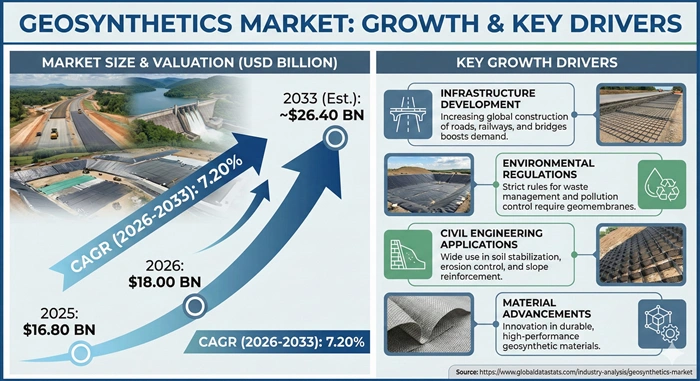
The global geosynthetics market size is valued at USD 16.80 billion in 2025 and is predicted to increase from USD 18.00 billion in 2026 to approximately USD 26.40 billion by 2033, growing at a CAGR of 7.20% from 2026 to 2033. The geosynthetics market represents a dynamic sector within the broader construction and civil engineering industry, encompassing polymer-based materials such as geotextiles, geomembranes, geogrids, geonets, and geocomposites that serve critical functions in infrastructure projects worldwide. These specialized materials have become indispensable for applications ranging from soil reinforcement and drainage systems to erosion control and environmental containment, driven by increasing urbanization and the global push toward sustainable construction practices.
The rising demand for geosynthetics stems from their ability to enhance structural performance while reducing construction costs and project timelines. Infrastructure development initiatives across emerging economies, coupled with stringent environmental regulations in developed nations, have created a favorable environment for market expansion. The construction industry increasingly recognizes geosynthetics as cost-effective alternatives to traditional materials, particularly in challenging terrain and environmentally sensitive projects. Government investments in transportation networks, water management systems, and smart city programs continue to fuel adoption rates across diverse geographic markets.
AI Impact on the Geosynthetics Industry
Transforming Design Efficiency and Manufacturing Precision Through Advanced Technologies
Artificial intelligence is revolutionizing the geosynthetics industry by optimizing design processes, quality control mechanisms, and production workflows. AI-powered technologies enable manufacturers to enhance product consistency while reducing manufacturing costs through automated quality inspection systems and predictive maintenance protocols. Advanced machine learning algorithms analyze complex soil conditions and project requirements, allowing engineers to select optimal geosynthetic solutions with greater precision and confidence. This technological integration has compressed project development timelines significantly, with some infrastructure projects experiencing time reductions of up to 75% through AI-assisted design verification and compliance checking.
The implementation of AI in the geosynthetics market extends beyond manufacturing to encompass data-driven decision-making across entire asset lifecycles. Infrastructure professionals are leveraging AI tools to automate document-related processes, improve cost estimation accuracy, and enhance construction scheduling efficiency. Industry surveys indicate that approximately 35% of organizations expect more than half of their design and engineering projects to leverage AI capabilities within the next three years, signaling a fundamental shift in how geosynthetic solutions are specified and deployed. This digital transformation addresses the productivity gap that has challenged the construction sector for decades, positioning geosynthetics manufacturers to deliver superior performance while meeting increasingly stringent sustainability requirements.
Growth Factors
Infrastructure Modernization and Environmental Imperatives Fuel Market Expansion
The primary growth factor driving the geosynthetics market is unprecedented global infrastructure development activity, particularly in emerging economies where urbanization rates continue to accelerate. Governments worldwide are allocating substantial budgets to transportation networks, including highways, railways, airports, and metro systems, all of which require significant quantities of geotextiles, geomembranes, and geogrids for soil stabilization and drainage applications. China's Belt and Road Initiative and India's Smart Cities Mission exemplify large-scale infrastructure programs that specify geosynthetic materials as essential components, creating sustained demand across multiple project categories. The construction sector's recognition of geosynthetics' ability to reinforce weak soils, improve drainage efficiency, and prevent erosion while reducing overall project costs has accelerated adoption rates globally.
Environmental sustainability concerns represent another powerful growth catalyst for the geosynthetics market, as regulatory frameworks increasingly mandate eco-friendly construction practices. The shift toward recycled polymers and long-lasting erosion control systems aligns with green infrastructure initiatives, stormwater management requirements, and sustainable road construction standards. Water conservation needs and waste management challenges further amplify demand for geomembrane containment systems in landfills and wastewater treatment facilities. The growing emphasis on climate adaptation strategies and coastal protection works has expanded application opportunities for geosynthetic solutions in erosion control and flood management projects.
Market Outlook
Sustainable Solutions and Technological Innovation Position Industry for Long-Term Success
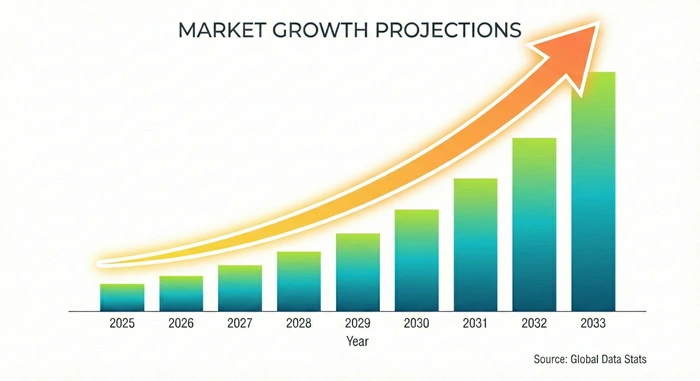
The geosynthetics market outlook remains exceptionally positive through 2033, supported by robust infrastructure spending projections and the construction industry's ongoing productivity transformation. Global construction spending is expected to exceed 10 trillion dollars by 2025, creating vast opportunities for geosynthetic material suppliers who can deliver cost-effective and durable solutions. The market's evolution toward sustainable materials, including products manufactured from recycled plastics, addresses both environmental concerns and circular economy objectives, opening new market segments for innovative manufacturers. Strategic partnerships between material producers and construction firms are strengthening supply chains and accelerating product development cycles focused on specialized applications.
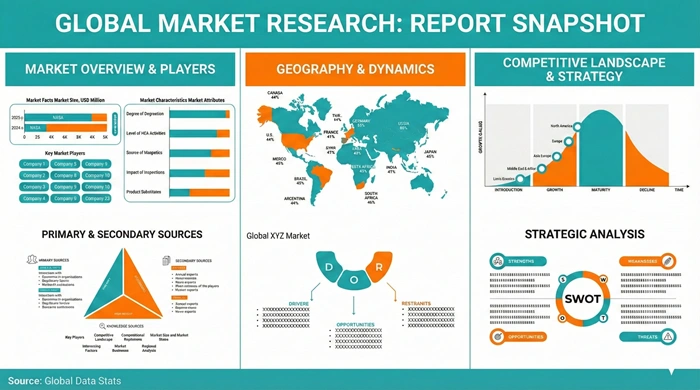
Regional dynamics indicate that Asia Pacific will maintain its dominant position while North America demonstrates the fastest growth trajectory due to infrastructure modernization programs and advanced construction technology adoption. The integration of geosynthetics into mandatory construction standards and climate resilience strategies will unlock additional revenue streams across multiple application categories. Companies investing in research and development, particularly those focusing on enhanced product performance and sustainability credentials, are positioned to capture market share as specifications become more demanding. The convergence of favorable demographic trends, regulatory support, and technological advancement suggests sustained expansion potential through the forecast period and beyond.
Expert Speaks
-
Leading infrastructure executives emphasize that geosynthetic materials have become fundamental to modern construction practices, enabling projects that would be economically unfeasible using traditional methods, while meeting increasingly stringent environmental compliance requirements that govern civil engineering projects worldwide.
-
Industry leaders from major polymer manufacturing corporations highlight that the transition toward recycled materials in geosynthetic production represents both an environmental imperative and a competitive opportunity, as client specifications increasingly prioritize sustainability alongside technical performance in material procurement decisions.
-
Construction sector executives note that AI integration and digital workflow optimization are transforming how geosynthetic solutions are specified and deployed, with data-driven approaches delivering measurable improvements in project timelines, cost predictability, and long-term infrastructure asset performance.
Key Report Takeaways
-
Asia Pacific leads the geosynthetics market with approximately 45% global market share in 2026, driven by massive infrastructure investments in China, India, and Southeast Asian nations undertaking transportation network expansions and urban development programs.
-
North America demonstrates the fastest regional growth rate, fueled by infrastructure modernization initiatives, government support for environmental conservation projects, and widespread adoption of advanced construction technologies that leverage geosynthetic materials for improved project outcomes.
-
Geotextiles dominate product type segments with the highest market share due to extensive applications in road construction, railway projects, and drainage systems where separation, filtration, and reinforcement functions are essential for structural performance.
-
Road construction applications contribute the largest revenue share, as highway expansion programs and urban roadway development projects worldwide specify geosynthetic solutions for soil stabilization, base reinforcement, and pavement performance enhancement.
-
Polypropylene materials represent the most popular manufacturing input, valued for cost-effectiveness, chemical resistance, and mechanical properties that suit diverse geosynthetic applications across construction, environmental, and agricultural sectors.
-
Geocells will experience the fastest segment growth with projected CAGR exceeding 9.5% through 2033, driven by increasing adoption in soil stabilization applications, slope protection projects, and cost-effective erosion control solutions in developing markets.
Market Scope
| Report Coverage | Details |
|---|---|
| Market Size by 2033 | USD 26.40 Billion |
| Market Size by 2025 | USD 16.80 Billion |
| Market Size by 2026 | USD 18.00 Billion |
| Market Growth Rate from 2026 to 2033 | CAGR of 7.20% |
| Dominating Region | Asia Pacific |
| Fastest Growing Region | North America |
| Base Year | 2025 |
| Forecast Period | 2026 - 2033 |
| Segments Covered | Type, Material, Application, Region |
| Regions Covered | North America, Europe, Asia Pacific, Latin America, Middle East & Africa |
Market Dynamics
Drivers Impact Analysis
Accelerating Infrastructure Investment Creates Sustained Demand Across Global Markets
| Metric | Details |
|---|---|
| ≈ Impact on CAGR Forecast | +2.5% to +3.0% |
| Geographic Relevance | Global, particularly Asia Pacific and Middle East |
| Impact Timeline | 2026 - 2033 |
The escalating pace of infrastructure development worldwide represents the most significant driver propelling the geosynthetics market forward, as governments and private sector entities prioritize transportation networks, urban expansion projects, and connectivity enhancements. Massive public works programs in emerging economies, including highway construction, railway modernization, airport expansion, and metro system development, require substantial volumes of geosynthetic materials for foundational support, drainage management, and soil reinforcement applications. These infrastructure initiatives address population growth pressures, economic development objectives, and regional connectivity goals that will sustain construction activity through the forecast period and beyond. The geosynthetics market benefits directly from this momentum as project specifications increasingly mandate polymer-based solutions for their proven ability to enhance structural integrity while reducing material costs and construction timelines.
Beyond traditional infrastructure, environmental engineering projects and climate adaptation initiatives are creating new application opportunities for geosynthetic materials across coastal protection, flood management, and water conservation systems. Smart city programs incorporate geosynthetics into stormwater management infrastructure, green spaces, and sustainable transportation networks that balance development needs with environmental stewardship. The growing recognition among civil engineers and contractors that geosynthetics deliver superior performance in challenging soil conditions, particularly where traditional materials would prove economically prohibitive or technically inadequate, reinforces their specification in diverse project types. This driver's impact will intensify as developing nations accelerate urbanization efforts and developed markets focus on aging infrastructure replacement and climate resilience upgrades.
Restraints Impact Analysis
Material Price Volatility and Technical Knowledge Gaps Challenge Market Participants
| Metric | Details |
|---|---|
| ≈ Impact on CAGR Forecast | -0.8% to -1.2% |
| Geographic Relevance | Global, more pronounced in developing markets |
| Impact Timeline | 2026 - 2029 |
Raw material price fluctuations pose a persistent challenge for geosynthetics manufacturers, as petroleum-based polymers including polypropylene, polyester, and polyethylene constitute primary production inputs subject to volatile commodity market dynamics. These price variations impact profit margins and create uncertainty in project budgeting, particularly for large-scale infrastructure contracts with fixed pricing structures negotiated months before material procurement. The geosynthetics market experiences periodic demand compression when polymer costs spike unexpectedly, as contractors may delay projects or seek alternative solutions until pricing stabilizes. Supply chain disruptions affecting polymer availability can similarly constrain production capacity and delivery timelines, creating friction in markets where just-in-time delivery expectations prevail.
Technical knowledge limitations represent another restraint, particularly in emerging markets where familiarity with geosynthetic applications and installation best practices remains underdeveloped among engineering professionals and construction workforce populations. Improper material selection, inadequate site preparation, or installation errors can compromise performance and generate negative perceptions that slow adoption rates in regions where geosynthetics market penetration remains nascent. The absence of standardized testing protocols and quality certification frameworks in certain jurisdictions creates ambiguity around product specifications and performance expectations, complicating procurement decisions and increasing project risk profiles. Education initiatives, technical training programs, and industry collaboration efforts are gradually addressing these knowledge gaps, though progress varies significantly across geographic markets and application categories.
Opportunities Impact Analysis
Sustainable Material Innovation and Recycling Integration Open New Revenue Channels
| Metric | Details |
|---|---|
| ≈ Impact on CAGR Forecast | +1.5% to +2.0% |
| Geographic Relevance | Europe, North America, developed Asia Pacific markets |
| Impact Timeline | 2027 - 2033 |
The development of geosynthetic products manufactured from recycled plastics presents a transformative opportunity that addresses environmental imperatives while differentiating manufacturers in increasingly sustainability-conscious markets. This innovation aligns perfectly with circular economy principles gaining traction across construction sectors, as clients seek materials that demonstrate verifiable environmental credentials without compromising technical performance. Geosynthetics market participants who successfully commercialize recycled polymer products can access premium pricing segments, qualify for green building certifications, and meet procurement specifications that prioritize sustainability alongside cost and performance criteria. Government incentive programs supporting recycled content utilization further enhance the commercial viability of these product lines, creating competitive advantages for early movers in sustainable material development.
Expansion into specialized application niches offers additional growth pathways, particularly in agricultural water management, mining rehabilitation, and renewable energy installation projects where geosynthetic solutions address unique technical challenges. The agricultural sector's growing focus on irrigation efficiency and soil conservation creates demand for geomembrane liners, drainage composites, and erosion control systems that optimize water usage while protecting valuable topsoil resources. Mining operations require containment solutions for tailings management and site rehabilitation that meet stringent environmental standards, specifications that geosynthetic materials fulfill effectively. Solar and wind energy projects utilize geotextiles and geogrids for site preparation, access road construction, and erosion control, expanding application diversity beyond traditional civil engineering categories. These specialized opportunities allow geosynthetics market participants to reduce dependence on cyclical construction spending while building expertise in higher-margin application segments.
Segment Analysis
By Type: Geotextiles
Market-Leading Product Category Driven by Versatile Applications and Cost-Effectiveness
Geotextiles command the largest share of the geosynthetics market, accounting for approximately 45% of global revenue in 2026, propelled by widespread adoption across road construction, railway infrastructure, drainage systems, and erosion control applications where separation, filtration, and reinforcement functions deliver measurable performance benefits. These permeable fabrics manufactured from polypropylene or polyester fibers have become standard specifications in highway projects worldwide, particularly in Asia Pacific markets where rapid transportation network expansion drives consumption volumes to unprecedented levels. The geotextiles segment benefits from established supply chains, mature manufacturing processes, and extensive contractor familiarity that facilitate specification and deployment across diverse project types and geographic contexts. Major producers including TenCate Geosynthetics, Huesker Group, and NAUE GmbH dominate this segment through comprehensive product portfolios spanning woven, nonwoven, and knitted fabric configurations optimized for specific engineering applications.
The segment demonstrates robust growth potential through 2033, supported by infrastructure modernization initiatives in developed markets and baseline development programs in emerging economies that prioritize transportation connectivity and urban expansion. Geotextiles excel in challenging soil conditions where traditional construction methods prove economically prohibitive, enabling projects in marshy terrain, steep slopes, and areas with poor load-bearing capacity that would otherwise require extensive excavation and material replacement. Innovation in geotextile manufacturing, including development of geocomposite products that combine filtration and drainage functions in single integrated solutions, expands application opportunities while delivering installation efficiency improvements that reduce labor costs. North American markets show particularly strong geotextile adoption in environmental applications including landfill construction and wetland protection, where regulatory requirements mandate proven containment and filtration performance. The segment's projected CAGR of approximately 7.5% through 2033 reflects sustained demand from core infrastructure applications complemented by emerging opportunities in sustainable construction and climate adaptation projects.
By Application: Road Construction
Infrastructure Backbone Application Generates Largest Revenue Contribution
Road construction applications dominate the geosynthetics market, representing the largest revenue-generating segment due to massive global investment in highway networks, urban roadways, and rural connectivity programs that specify geosynthetic materials for base reinforcement, subgrade stabilization, and pavement performance enhancement. Transportation infrastructure constitutes a fundamental economic development priority across emerging and developed markets alike, with governments allocating substantial budgets to road network expansion, maintenance, and modernization initiatives that create sustained demand for geogrids, geotextiles, and geocomposites. The geosynthetics market benefits from engineering recognition that polymer-based reinforcement solutions extend pavement service life, reduce maintenance requirements, and enable construction in challenging terrain where conventional approaches would necessitate costly material importation or extensive ground preparation. Asia Pacific leads global road construction activity, with China and India investing heavily in national highway systems and rural road connectivity projects that consume massive quantities of geosynthetic materials annually.
This application segment exhibits strong growth momentum through the forecast period, driven by aging infrastructure replacement needs in developed markets and baseline network development in emerging economies pursuing economic growth objectives. Geosynthetics demonstrate particular value in road construction by reducing aggregate requirements, minimizing excavation depth, and accelerating project completion timelines through simplified installation procedures compared to traditional construction methodologies. Leading manufacturers including Solmax, Berry Global, and Tensar International have developed specialized product lines optimized for roadway applications, offering engineering support services that facilitate material selection and installation quality assurance. North American markets show increasing geosynthetic adoption in road rehabilitation projects where budgetary constraints and traffic management considerations favor solutions that deliver performance improvements with minimal disruption. European road construction specifications increasingly mandate geosynthetic inclusion for sustainability reasons, as these materials reduce carbon footprints associated with aggregate extraction and transportation while improving pavement durability. The segment's projected growth rate of approximately 7.0% through 2033 reflects stable infrastructure spending commitments combined with expanding technical acceptance among transportation engineering communities worldwide.
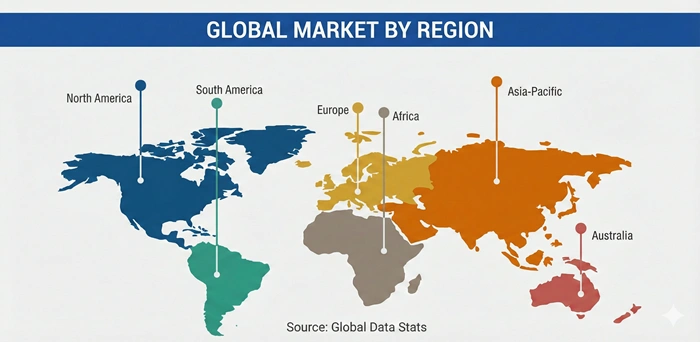
Regional Insights
Asia Pacific
Infrastructure Powerhouse Commands Global Market Leadership Through Massive Development Programs
Asia Pacific dominates the global geosynthetics market with approximately 45% revenue share in 2026, sustained by unprecedented infrastructure investment across China, India, Indonesia, Vietnam, and other rapidly developing economies pursuing urbanization and economic modernization objectives. The region's commanding position stems from large-scale government programs including China's Belt and Road Initiative, which specifies geosynthetic materials across thousands of transportation, energy, and industrial projects spanning multiple continents. India's Smart Cities Mission and extensive highway development programs under the National Infrastructure Pipeline create sustained demand for geotextiles, geomembranes, and geogrids in urban development, transportation networks, and environmental engineering applications. The geosynthetics market in Asia Pacific benefits from favorable demographic trends, including population growth and urban migration patterns that necessitate continuous infrastructure expansion to support economic activity and quality of life improvements. Regional market share reaches approximately 44.36% in 2025 with projected CAGR of 9.70% through 2031, reflecting sustained momentum across multiple application categories and geographic submarkets.
Manufacturing ecosystems in Asia Pacific have evolved to support domestic demand while serving export markets, with major production facilities concentrated in China, India, and Southeast Asian nations offering cost-competitive geosynthetic solutions. Leading regional players including Global Synthetics, CTM Geosynthetics, and numerous domestic manufacturers compete alongside multinational corporations including NAUE GmbH, Solmax, and Berry Global that maintain significant production and distribution presence throughout the region. Infrastructure spending commitments remain robust across Asia Pacific, with governments allocating resources to metro systems, airports, ports, industrial corridors, and coastal protection works that require geosynthetic materials for construction and environmental management. The region's geosynthetics market also benefits from expanding application diversity, including agricultural water management systems, aquaculture pond liners, and mining site rehabilitation projects that complement traditional civil engineering demand. Technical knowledge development through engineering education programs and contractor training initiatives supports specification confidence and installation quality improvements that reinforce market growth trajectories.
North America
Advanced Technology Adoption and Infrastructure Modernization Drive Fastest Regional Growth
North America demonstrates the fastest regional growth rate in the global geosynthetics market, propelled by infrastructure modernization initiatives, advanced construction technology adoption, and robust environmental protection frameworks that favor geosynthetic solutions over traditional materials. The region's growth acceleration reflects substantial government investment commitments including the United States Infrastructure Investment and Jobs Act, which allocates funding for highway rehabilitation, bridge replacement, water system upgrades, and environmental remediation projects that extensively specify geosynthetic materials. Canada similarly pursues infrastructure renewal programs addressing aging transportation networks and municipal systems while expanding resource sector projects that utilize geomembranes and geotextiles for environmental containment and site preparation. The geosynthetics market in North America benefits from sophisticated engineering communities familiar with polymer-based construction solutions and regulatory environments that mandate performance specifications readily met by modern geosynthetic products.
Market leadership in North America includes prominent domestic manufacturers and international corporations maintaining significant regional operations, including Solmax (Canada), AGRU America, Berry Global (United States), and TYPAR Geosynthetics, alongside specialized distributors such as ACF West serving contractor and municipal customer segments. These companies invest heavily in research and development, producing innovative products including recycled polymer geosynthetics, high-performance geocomposites, and specialized solutions for demanding applications in landfill engineering, coastal protection, and contaminated site remediation. Regional market share for North America approximates 35% in 2026 with projected CAGR exceeding 8.5% through 2033, driven by combination of replacement demand for aging infrastructure and new construction in population growth corridors. Environmental applications represent particular strength in North America, where stringent regulations governing landfill construction, mining operations, and wastewater management create consistent demand for geomembrane containment systems and leachate collection solutions. The region's emphasis on sustainability and circular economy principles supports adoption of recycled content geosynthetics and bio-based materials that differentiate North American markets from cost-focused developing regions.
Top Key Players
-
Solmax (Canada)
-
NAUE GmbH & Co. KG (Germany)
-
Officine Maccaferri Spa (Italy)
-
Berry Global Inc. (United States)
-
AGRU America Inc. (United States)
-
Huesker Synthetic GmbH (Germany)
-
TenCate Geosynthetics (Netherlands)
-
GSE Environmental (United States)
-
Fibertex Nonwovens A/S (Denmark)
-
Tensar International Corporation (United States)
-
TYPAR Geosynthetics (United States)
-
Freudenberg Group (Germany)
-
Global Synthetics (Australia)
-
Asahi Kasei Corporation (Japan)
-
Propex Operating Company (United States)
Recent Developments
-
Commercial Metals Company (United States) - 2022: Acquired Tensar International Corporation, a leading manufacturer of proven geosynthetic products, strengthening the company's position in construction reinforcement markets and expanding its value-added product portfolio for infrastructure applications across North America and global markets.
-
Core & Main Inc. (United States) - 2024: Entered definitive agreement to acquire ACF West Inc., a prominent distributor of geosynthetic materials operating six facilities across Oregon, Washington, Idaho, and Utah, significantly expanding the company's geosynthetics distribution footprint throughout the western United States and enhancing engineered solution capabilities for municipal, contractor, and DOT customer segments.
-
Solmax (Canada) - 2023: Expanded manufacturing capacity through new production facility investments in North America and Europe, introducing advanced geomembrane product lines manufactured from recycled polymers to meet growing demand for sustainable containment solutions in environmental engineering and mining applications across global markets.
-
NAUE GmbH & Co. KG (Germany) - 2024: Launched innovative geocomposite drainage products combining filtration and conveyance functions in integrated systems designed for landfill applications, infrastructure projects, and environmental remediation sites, leveraging advanced polymer technology to deliver superior hydraulic performance and installation efficiency.
-
Berry Global Inc. (United States) - 2023: Introduced new geotextile product series featuring enhanced tensile strength and filtration characteristics specifically engineered for demanding road construction and railway applications, supported by comprehensive technical support programs assisting engineers and contractors with material selection and installation quality assurance across transportation infrastructure projects.
Market Trends
Digital Integration and Sustainability Imperatives Reshape Industry Competitive Dynamics
The geosynthetics market is experiencing profound transformation driven by digital technology integration and accelerating sustainability requirements that reshape product development, customer engagement, and competitive positioning strategies. Manufacturers increasingly leverage artificial intelligence, data analytics, and digital platforms to optimize production processes, enhance quality control mechanisms, and deliver engineering support services that differentiate their offerings in competitive procurement environments. Subscription-based material leasing models and direct-to-customer digital platforms represent emerging business approaches that challenge traditional distribution channels while creating opportunities for companies to strengthen customer relationships and capture lifecycle value beyond initial product sales. The integration of geosynthetics into Building Information Modeling (BIM) workflows and digital project management systems facilitates specification accuracy, improves installation planning, and enables performance monitoring that demonstrates long-term value to infrastructure asset owners.
Sustainability has evolved from peripheral consideration to central competitive factor, with clients increasingly prioritizing recycled content, carbon footprint reduction, and circular economy compatibility in procurement specifications alongside traditional performance and cost criteria. Leading manufacturers respond by developing products from post-consumer and post-industrial recycled plastics, implementing take-back programs for end-of-life materials, and publishing environmental product declarations that document sustainability credentials through third-party verification. This trend accelerates in European and North American markets where green building certifications, government procurement preferences, and corporate sustainability commitments create tangible commercial advantages for environmentally responsible product lines. Geosynthetics market participants pursuing innovation in bio-based polymers, recyclability improvements, and manufacturing process optimization position themselves advantageously as sustainability requirements intensify globally, while companies slow to adapt risk specification exclusion in growing segments where environmental performance carries decision-making weight.
Segments Covered in the Report
By Type
-
Geotextiles
-
Woven Geotextiles
-
Nonwoven Geotextiles
-
Knitted Geotextiles
-
-
Geomembranes
-
HDPE Geomembranes
-
LLDPE Geomembranes
-
PVC Geomembranes
-
EPDM Geomembranes
-
-
Geogrids
-
Uniaxial Geogrids
-
Biaxial Geogrids
-
Triaxial Geogrids
-
-
Geonets
-
Geocomposites
-
Geocells
-
Geosynthetic Clay Liners
By Material
-
Polypropylene
-
Polyester
-
Polyethylene
-
PVC (Polyvinyl Chloride)
-
Others (Rubber, Bitumen, etc.)
By Application
-
Road Construction
-
Railway Works
-
Soil Stabilization
-
Drainage Systems
-
Erosion Control
-
Landfill Management
-
Water Management
-
Coastal Engineering
-
Mining Operations
-
Agriculture
By Region
-
North America
-
United States
-
Canada
-
Mexico
-
-
Europe
-
Germany
-
United Kingdom
-
France
-
Italy
-
Spain
-
Rest of Europe
-
-
Asia Pacific
-
China
-
India
-
Japan
-
South Korea
-
Australia
-
Southeast Asia
-
Rest of Asia Pacific
-
-
Latin America
-
Brazil
-
Argentina
-
Rest of Latin America
-
-
Middle East & Africa
-
GCC Countries
-
South Africa
-
Rest of Middle East & Africa
-
Frequently Asked Questions
Question 1: What is the projected geosynthetics market size by 2033?
Answer: The global geosynthetics market is projected to reach USD 26.40 billion by 2033, growing from USD 18.00 billion in 2026. This expansion reflects sustained infrastructure investment and increasing adoption of sustainable construction practices globally.
Question 2: Which region dominates the geosynthetics market currently?
Answer: Asia Pacific dominates the geosynthetics market with approximately 45% global share in 2026, driven by massive infrastructure programs in China and India. The region benefits from rapid urbanization and extensive transportation network development.
Question 3: What are the primary drivers of geosynthetics market growth?
Answer: Infrastructure development initiatives and environmental sustainability requirements constitute the primary geosynthetics market growth drivers. Government investments in transportation networks, water management systems, and smart city programs fuel sustained demand across global markets.
Question 4: Which product type leads the geosynthetics market?
Answer: Geotextiles lead the geosynthetics market with approximately 45% share due to widespread applications in road construction and drainage systems. Their versatility in separation, filtration, and reinforcement functions drives dominant market position.
Question 5: How is AI impacting the geosynthetics market?
Answer: Artificial intelligence optimizes geosynthetics market operations through enhanced design efficiency, automated quality control, and improved project planning. AI technologies compress development timelines and reduce costs while improving material selection precision for infrastructure applications.