
Genitourinary Syndrome of Menopause (GSM) Market Overview
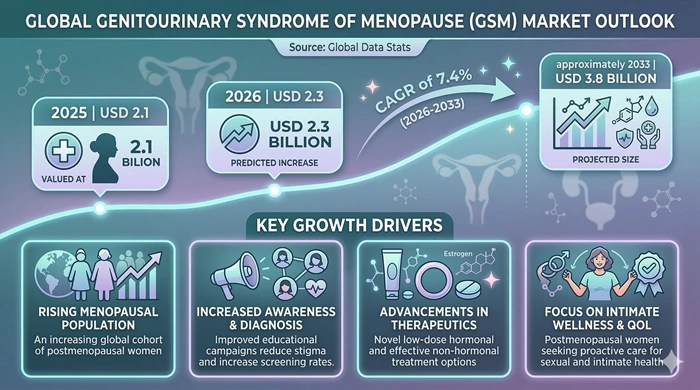
The global Genitourinary Syndrome of Menopause (GSM) market size is valued at USD 2.1 billion in 2025 and is predicted to increase from USD 2.3 billion in 2026 to approximately USD 3.8 billion by 2033, growing at a CAGR of 7.4% from 2026 to 2033.
GSM is a chronic, progressive condition affecting a significant proportion of postmenopausal women, characterized by symptoms including vaginal dryness, irritation, painful intercourse, and urinary disturbances. As awareness grows and the global postmenopausal female population expands, demand for both hormonal and non-hormonal therapeutic solutions continues to rise at a consistent pace. Pharmaceutical innovation, improved diagnosis rates, and shifting attitudes toward women's midlife health are all contributing to steady market expansion across major geographies.
AI Impact on the GSM Industry
Artificial Intelligence Is Transforming Diagnosis Accuracy, Drug Development Timelines, and Personalized Treatment Planning for Postmenopausal Women's Health
Artificial intelligence is beginning to leave a meaningful mark on the Genitourinary Syndrome of Menopause (GSM) market by accelerating drug discovery and improving clinical decision-making. AI-driven platforms are being used to analyze patient symptom data, hormonal profiles, and medical histories to identify optimal treatment pathways for individual women. This level of personalization was previously difficult to achieve at scale, but machine learning tools are now making it more accessible within gynecology and menopause specialty care settings.
Beyond diagnostics, AI is also assisting pharmaceutical companies in identifying novel molecular targets for non-hormonal GSM therapies. Natural language processing tools are being deployed to mine clinical trial data and real-world evidence, helping researchers spot efficacy signals earlier in development. As regulatory agencies begin incorporating AI-assisted review processes, the time from molecule discovery to market approval for GSM treatments is expected to shorten, which will benefit both manufacturers and the large patient population awaiting more effective therapeutic options.
Growth Factors
Rising Global Postmenopausal Population, Growing Patient Awareness, and Expanding Non-Hormonal Therapy Options Are Driving Consistent Market Growth
The single most important growth driver for this market is the rapidly expanding global population of postmenopausal women. Estimates suggest that by 2030, over one billion women worldwide will be aged 50 and above, many of whom will experience GSM symptoms. Despite the high prevalence, the condition remains significantly underdiagnosed due to patient reluctance to discuss intimate symptoms with healthcare providers. Increasing public health campaigns and educational initiatives aimed at breaking this taboo are gradually improving diagnosis rates, which directly expands the treated patient pool.
Pharmaceutical companies have also been intensifying their focus on non-hormonal alternatives, particularly for women who are unable or unwilling to use estrogen-based therapies due to personal preference, contraindications, or breast cancer history. The regulatory approval and growing clinical use of ospemifene, a selective estrogen receptor modulator, and novel laser-based vaginal rejuvenation therapies have added new dimensions to the treatment landscape. These innovations are broadening the addressable market and giving clinicians more flexible tools to manage GSM effectively across diverse patient profiles.
Market Outlook
With a Robust Pipeline, Growing Reimbursement Support, and Rising Acceptance of Menopause as a Clinical Priority, the GSM Market Is Set for Sustained Growth Through 2033
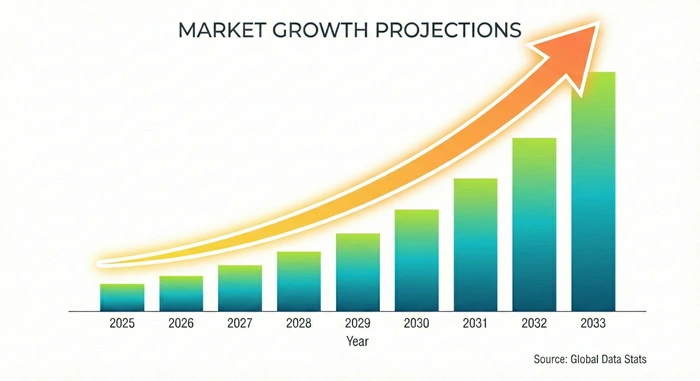
The medium-to-long-term outlook for the Genitourinary Syndrome of Menopause (GSM) market is encouraging, supported by a healthy clinical pipeline and growing institutional interest in women's midlife health. Several pharmaceutical companies are advancing next-generation vaginal DHEA formulations, novel SERMs, and biologic-based interventions through clinical trials. These pipeline additions are expected to yield new approvals between 2027 and 2031, which will meaningfully diversify treatment options and stimulate fresh market demand.
From a policy standpoint, major healthcare systems in North America and Europe are beginning to formally recognize GSM as a treatable medical condition deserving of insurance coverage and clinical guidelines. As reimbursement frameworks evolve, more women are expected to seek treatment rather than suffering in silence. Combined with growing telehealth access that makes it easier for women to consult menopause specialists remotely, the market is well-positioned to achieve strong and consistent growth through the end of the forecast period.
Expert Speaks
-
Karen Lynch, CEO, CVS Health — "Women's health, particularly postmenopausal care, represents one of the most underserved areas in the healthcare system. We are actively expanding our pharmacy and telehealth services to ensure women have easier access to GSM treatments and specialist consultations without the barriers that have historically delayed care."
-
Albert Bourla, CEO, Pfizer — "The science of menopause and its associated conditions like genitourinary syndrome is advancing quickly. We believe investing in this space is not only commercially meaningful but genuinely important for improving quality of life for hundreds of millions of women globally."
-
Emma Walmsley, CEO, GSK — "Menopause management has been chronically underfunded and underresearched for decades. The growing momentum behind GSM awareness and treatment innovation is a welcome shift, and we see significant long-term value in developing therapies that directly address the needs of postmenopausal women."
Key Report Takeaways
-
North America dominates the Genitourinary Syndrome of Menopause (GSM) market with approximately 41% of global revenue in 2026, driven by high diagnosis rates, established reimbursement pathways, and the presence of leading pharmaceutical manufacturers
-
Asia Pacific is the fastest-growing region, projected to expand at a CAGR of approximately 9.2% through 2033, driven by a rapidly growing aging female population and improving access to gynecology and menopause care services in China, Japan, and India
-
Hormonal therapies, particularly local estrogen therapy, contribute the highest revenue share at approximately 48% in 2026, as they remain the gold standard clinical recommendation for symptomatic GSM management
-
Hospital pharmacies represent the leading distribution channel, accounting for nearly 40% of market revenue, as most initial GSM prescriptions are issued during hospital-based gynecological consultations
-
Ospemifene, within the oral hormonal therapy sub-segment, is the fastest-growing individual treatment modality, with strong CAGR projections through 2033 due to its suitability for estrogen-averse patients
-
Online pharmacies are the fastest-growing distribution sub-segment with a CAGR exceeding 11% through 2033, reflecting greater patient comfort purchasing intimate health products through discreet digital platforms and the expansion of telehealth prescription services
Market Scope
| Report Coverage | Details |
|---|---|
| Market Size by 2033 | USD 3.8 Billion |
| Market Size by 2025 | USD 2.1 Billion |
| Market Size by 2026 | USD 2.3 Billion |
| Market Growth Rate (2026–2033) | CAGR of 7.4% |
| Dominating Region | North America |
| Fastest Growing Region | Asia Pacific |
| Base Year | 2025 |
| Forecast Period | 2026 – 2033 |
| Segments Covered | Treatment Type, Route of Administration, Distribution Channel, End User |
| Regions Covered | North America, Europe, Asia Pacific, Latin America, Middle East & Africa |
Market Dynamics
Drivers Impact Analysis
Expanding Postmenopausal Demographics, Clinical Recognition of GSM, and Non-Hormonal Innovation Are the Three Core Forces Accelerating Market Expansion
| Driver | ≈ % Impact on CAGR Forecast | Geographic Relevance | Impact Timeline |
|---|---|---|---|
| Growing global postmenopausal female population | ~32% | Global, especially Asia Pacific & North America | Near to Long Term |
| Rising GSM diagnosis rates and awareness campaigns | ~27% | North America, Europe | Near to Mid Term |
| Expansion of non-hormonal and device-based therapies | ~23% | North America, Europe, Asia Pacific | Mid to Long Term |
| Favorable reimbursement policy evolution | ~18% | North America, Western Europe | Mid Term |
The Genitourinary Syndrome of Menopause (GSM) market is fundamentally driven by demographic change. As life expectancy increases globally, women are spending more of their lives in the postmenopausal phase, which substantially raises the population at risk for GSM. Surveys consistently show that over 50% of postmenopausal women experience clinically meaningful GSM symptoms, yet fewer than a quarter seek treatment. This treatment gap represents a significant commercial opportunity that is gradually being addressed through improved physician education and patient advocacy.
Clinical guidelines issued by major gynecological societies in North America and Europe have also been updated to formally include GSM as a diagnosis requiring active management. This shift has encouraged primary care physicians, not just specialists, to screen for and treat the condition. As frontline clinicians become more confident discussing and addressing GSM, the number of treated patients will rise meaningfully, sustaining market growth well into the 2030s.
Restraints Impact Analysis
Social Stigma Around Intimate Health, Safety Concerns Over Hormonal Therapies, and Limited Awareness in Developing Regions Constrain Broader Market Penetration
| Restraint | ≈ % Impact on CAGR Forecast | Geographic Relevance | Impact Timeline |
|---|---|---|---|
| Social stigma and underreporting of GSM symptoms | ~30% | Global, especially Asia Pacific & MEA | Near to Long Term |
| Safety concerns and hesitancy toward estrogen therapy | ~28% | Global | Near to Mid Term |
| Limited specialist availability in low-income regions | ~24% | Latin America, Africa, South Asia | Mid to Long Term |
| Generic competition reducing branded product margins | ~18% | North America, Europe | Mid Term |
Despite its high prevalence, the genitourinary syndrome of menopause market faces persistent barriers rooted in social stigma. Many women feel embarrassed discussing intimate symptoms with their doctors, leading to significant underreporting and delayed diagnosis. In culturally conservative societies across the Middle East, Africa, and parts of Asia, this problem is even more pronounced, effectively limiting the addressable market in those regions.
Concerns about the long-term safety of hormonal therapies following past studies linking estrogen use to breast cancer risk also deter a meaningful portion of potential patients from pursuing treatment. Although subsequent research has significantly refined those risk assessments and local estrogen therapy is now considered safe for most women, the perception barrier remains difficult to overcome. Pharmaceutical companies and healthcare organizations must continue investing in public communication to correct these misconceptions and encourage more women to seek the care they need.
Opportunities Impact Analysis
Telehealth Expansion, Novel Non-Hormonal Molecules, and Untapped Emerging Markets Represent Significant Growth Avenues for Industry Participants
| Opportunity | ≈ % Impact on CAGR Forecast | Geographic Relevance | Impact Timeline |
|---|---|---|---|
| Telehealth-based menopause care platforms | ~33% | North America, Europe, Asia Pacific | Near to Mid Term |
| New SERM and vaginal microbiome-based therapies | ~28% | Global | Mid to Long Term |
| Penetration into underserved emerging markets | ~24% | Asia Pacific, Latin America, MEA | Mid to Long Term |
| Combination product development for GSM | ~15% | Global | Long Term |
Telehealth is emerging as one of the most powerful accelerators for the GSM market. Digital health platforms that allow women to consult menopause specialists from home have removed the consultation barrier that previously prevented many patients from seeking care. Companies like Gennev, Midi Health, and Elektra Health in the U.S. are building subscription-based menopause care programs that incorporate GSM management and are attracting millions of users.
The development of vaginal microbiome-targeted therapies represents another exciting frontier. Researchers are exploring how restoring lactobacillus-dominant vaginal flora can alleviate GSM symptoms in a safe, hormone-free way. Several early-stage biotechs are developing live biotherapeutic products aimed at the vaginal microbiome, and if clinical trials succeed, these products could significantly expand the non-hormonal treatment segment over the next decade.
Segment Analysis
By Treatment Type
Local Estrogen Therapy Maintains Clinical Leadership While Ospemifene and Laser-Based Options Gain Rapid Adoption Among Estrogen-Averse Patient Segments
The hormonal therapies segment leads the Genitourinary Syndrome of Menopause (GSM) market with approximately 48% revenue share in 2026, and this sub-segment is growing at a CAGR of around 6.8% through 2033. Local estrogen therapy, which includes vaginal creams, rings, and tablets, remains the preferred first-line treatment recommended by gynecologists globally due to its proven efficacy and well-established safety profile. North America is the dominant region for this sub-segment, supported by high physician familiarity and broad insurance coverage. Companies such as Pfizer, TherapeuticsMD (now Mayne Pharma), and Novo Nordisk have strong product portfolios in this category.
Ospemifene, a selective estrogen receptor modulator taken orally, is the fastest-growing product within the hormonal therapy sub-segment, making it appealing for women with breast cancer history or personal reluctance to use estrogen directly. Europe is an important growth region for ospemifene, with regulators in Germany, France, and the UK having approved its use in recent years. Shionogi & Co. and its licensing partners are leading the commercial expansion of ospemifene across multiple markets. The non-hormonal segment, which includes vaginal moisturizers, lubricants, and energy-based devices, holds approximately 30% of market share in 2026 and is growing at a faster CAGR of about 8.6%, reflecting strong demand from patients seeking estrogen-free alternatives.
By Route of Administration
Vaginal Route Dominates Administration Preferences Due to Localized Efficacy, While Oral Route Gains Traction With Patient Convenience and Systemic Benefits
The vaginal route of administration holds the largest share within the route of administration segment at approximately 44% in 2026, with a projected CAGR of 6.5% through 2033. Vaginal drug delivery offers the dual benefit of targeting the site of symptom origin while minimizing systemic hormone exposure, which is a key clinical advantage in postmenopausal care. North America and Western Europe are the primary regions driving vaginal route adoption, where local estrogen formulations such as vaginal rings, tablets, and suppositories are widely prescribed. AbbVie, Pfizer, and Besins Healthcare are among the key manufacturers with robust vaginal formulation portfolios serving these markets.
The oral route is gaining consistent momentum, projected at a CAGR of approximately 8.2% through 2033, largely driven by the commercial uptake of ospemifene and ongoing development of oral DHEA-based formulations. Patients who find vaginal product application inconvenient or uncomfortable tend to prefer oral medications, especially as new molecules demonstrate strong efficacy in clinical trials. Asia Pacific is showing notable growth in oral GSM treatments, as many women in Japan and South Korea express preference for pill-based regimens over topical vaginal products. Shionogi's established presence in Japan and its aggressive expansion across Southeast Asia makes it a significant player to watch in this sub-segment.
Regional Insights
North America
North America Anchors the GSM Market With the Highest Revenue Share, Backed by Advanced Menopause Care Infrastructure and Strong Pharmaceutical Innovation
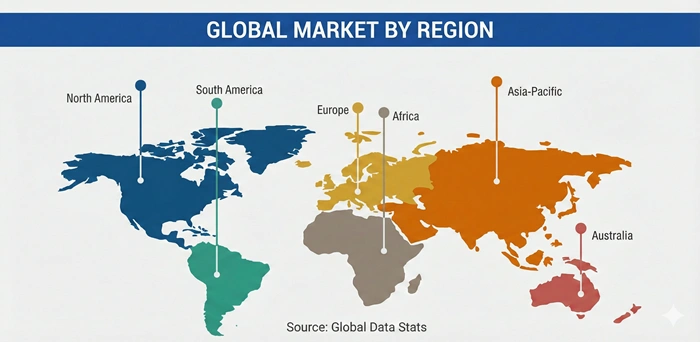
North America holds the dominant position in the Genitourinary Syndrome of Menopause (GSM) market, commanding approximately 41% of global market revenue in 2026 and growing at a CAGR of around 6.9% through 2033. The United States is the primary contributor to this regional leadership, supported by a highly developed women's health specialty network, strong insurance reimbursement for approved GSM therapies, and active patient advocacy organizations promoting menopause care awareness. Key players driving North America's dominance include Pfizer, AbbVie, TherapeuticsMD (Mayne Pharma), and Shionogi's U.S. commercial operations. The region also benefits from a well-funded menopause research ecosystem and a comparatively open cultural dialogue around postmenopausal women's health.
Canada contributes meaningfully to North America's market share, with Health Canada having approved several local estrogen and ospemifene therapies. Growing investment in virtual menopause care clinics and digital prescription platforms in both the U.S. and Canada is accelerating patient access and driving prescription volumes. The North American market is expected to remain the global revenue leader through 2033, supported by continued pipeline activity, label expansions for existing therapies, and increasing telehealth-based GSM consultations.
Asia Pacific
Asia Pacific Is the Fastest-Growing Regional Market for GSM Therapies, Fueled by an Aging Female Population and Rapidly Improving Gynecological Care Access
Asia Pacific represents the fastest-growing regional market, with an estimated 21% of global market share in 2026 and a projected CAGR of approximately 9.2% through 2033. The region's growth is primarily underpinned by the massive and rapidly aging female population in China, Japan, and India, where the number of postmenopausal women is expected to surge over the coming decade. Japan leads Asia Pacific in treatment maturity, with a well-established menopause care specialty and companies like Shionogi and Kissei Pharmaceutical actively marketing locally approved GSM treatments. China and India are at earlier stages of market development but are experiencing rapid growth as awareness campaigns and improved healthcare infrastructure begin to bridge the diagnosis and treatment gap.
The genitourinary syndrome of menopause market in Asia Pacific is further supported by growing government initiatives focused on non-communicable diseases affecting women, which are starting to include postmenopausal health as a priority. South Korea is an important innovation hub in energy-based vaginal therapy, with medical device companies developing and exporting fractional laser and radiofrequency-based GSM treatment systems. As affordability improves and more trained gynecologists enter the workforce across Southeast Asia, the regional market is expected to accelerate significantly in the latter half of the forecast period.
Top Key Players
-
Pfizer Inc. (United States)
-
AbbVie Inc. (United States)
-
Shionogi & Co., Ltd. (Japan)
-
Novo Nordisk A/S (Denmark)
-
Besins Healthcare (France)
-
Mayne Pharma Group (TherapeuticsMD) (Australia / United States)
-
Bayer AG (Germany)
-
Duchesnay Inc. (Canada)
-
Teva Pharmaceutical Industries Ltd. (Israel)
-
Amneal Pharmaceuticals (United States)
-
Hisamitsu Pharmaceutical Co., Inc. (Japan)
-
Kissei Pharmaceutical Co., Ltd. (Japan)
Recent Developments
-
Pfizer Inc. (2025): Received expanded regulatory recognition for its vaginal estradiol products across several European Union member states, strengthening its position in the local hormone therapy segment and enabling broader commercial access for postmenopausal women managing GSM symptoms.
-
AbbVie Inc. (2024): Finalized the integration of its women's health portfolio following the Allergan acquisition, consolidating its topical and systemic menopause therapy lines under a unified commercial strategy that has resulted in increased market penetration across North America and Western Europe.
-
Shionogi & Co. (2025): Secured additional marketing approvals for ospemifene in three new Asia Pacific markets, including South Korea and Taiwan, extending the reach of its flagship GSM oral therapy and significantly strengthening its competitive position in the fastest-growing regional market.
-
Bayer AG (2024): Launched a large-scale real-world evidence study across Germany and the UK to assess the long-term safety and effectiveness of its low-dose vaginal estrogen therapy in GSM patients, a move designed to build physician and patient confidence in extended use of local hormonal treatments.
-
Mayne Pharma (TherapeuticsMD) (2025): Completed a licensing deal with a specialty telehealth platform in the United States to co-distribute its BIJUVA and Annovera products through digital prescription channels, marking a strategic shift toward capturing the growing online menopause care patient segment.
Market Trends
Non-Hormonal Therapeutic Innovation and the Digitalization of Menopause Care Are the Two Most Defining Trends Reshaping the GSM Treatment Landscape
Energy-based vaginal therapies, including fractional CO2 laser and radiofrequency devices, are rapidly gaining traction as non-hormonal options for GSM management. Clinical studies have demonstrated that these treatments can meaningfully improve vaginal tissue health and reduce dryness and dyspareunia without systemic hormone exposure. Medical device companies in South Korea, Italy, and the United States are driving this space forward, and as more clinical data accumulates supporting long-term efficacy, adoption among gynecologists is expected to accelerate in both established and emerging markets.
At the same time, the growing integration of menopause-specific digital health platforms is redefining how GSM is identified and managed at a population level. Symptom tracking apps, AI-powered chatbots offering triage and clinical navigation, and virtual consultation services staffed by menopause-certified practitioners are making it easier for women to seek timely, expert-guided treatment. This digitalization trend is particularly impactful in underserved geographies where in-person specialist access is limited, and it is expected to unlock significant new patient populations for the GSM treatment market through 2033.
Segments Covered in the Report
By Treatment Type
-
Hormonal Therapies
-
Local Estrogen Therapy
-
Systemic Hormone Therapy
-
Ospemifene (SERM)
-
-
Non-Hormonal Therapies
-
Vaginal Moisturizers & Lubricants
-
Laser Therapy (Fractional CO2 / Er:YAG)
-
Radiofrequency-Based Therapy
-
Platelet-Rich Plasma (PRP) Therapy
-
By Route of Administration
-
Topical
-
Oral
-
Vaginal
-
Injectable
By Distribution Channel
-
Hospital Pharmacies
-
Retail Pharmacies
-
Online Pharmacies
By End User
-
Hospitals & Clinics
-
Gynecology Specialty Centers
-
Homecare Settings
By Region
-
North America
-
Europe
-
Asia Pacific
-
Latin America
-
Middle East & Africa
Frequently Asked Questions
Question 1: What is the current market size of the Genitourinary Syndrome of Menopause (GSM) market and what growth is expected?
Answer: The Genitourinary Syndrome of Menopause (GSM) market was valued at USD 2.1 billion in 2025 and is projected to reach USD 3.8 billion by 2033, growing at a CAGR of 7.4%. This growth is driven by rising postmenopausal populations and increasing awareness of GSM as a treatable medical condition.
Question 2: Which treatment type dominates the Genitourinary Syndrome of Menopause (GSM) market today?
Answer: Hormonal therapies, particularly local estrogen therapy, hold the largest share of the Genitourinary Syndrome of Menopause (GSM) market with approximately 48% of revenue in 2026. Their strong clinical evidence base and established prescribing patterns among gynecologists continue to support their market leadership.
Question 3: Which region leads the Genitourinary Syndrome of Menopause (GSM) market and which is growing the fastest?
Answer: North America is the leading region in the Genitourinary Syndrome of Menopause (GSM) market with around 41% of global share, while Asia Pacific is growing the fastest at approximately 9.2% CAGR through 2033. Asia Pacific's growth is powered by a rapidly aging female population and expanding healthcare infrastructure.
Question 4: What are the biggest barriers to wider adoption of GSM treatments?
Answer: Social stigma around intimate symptoms and safety concerns regarding hormonal therapies are the most significant barriers in the Genitourinary Syndrome of Menopause (GSM) market. Many women avoid seeking treatment due to embarrassment or misconceptions about estrogen safety, leading to widespread underdiagnosis and undertreatment.
Question 5: How is telehealth influencing access to Genitourinary Syndrome of Menopause (GSM) care?
Answer: Telehealth platforms are playing a growing role in the Genitourinary Syndrome of Menopause (GSM) market by enabling women to consult menopause specialists from home, removing the access and stigma barriers that have historically delayed care. Digital prescription services and app-based symptom tracking tools are helping more women receive timely, personalized GSM management.