
Gene Identification Tools Market Overview
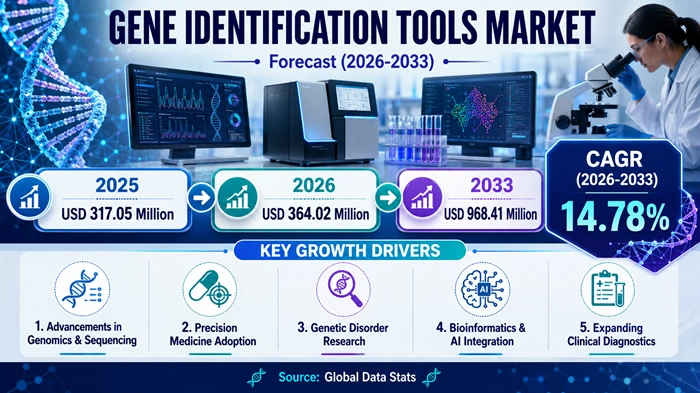
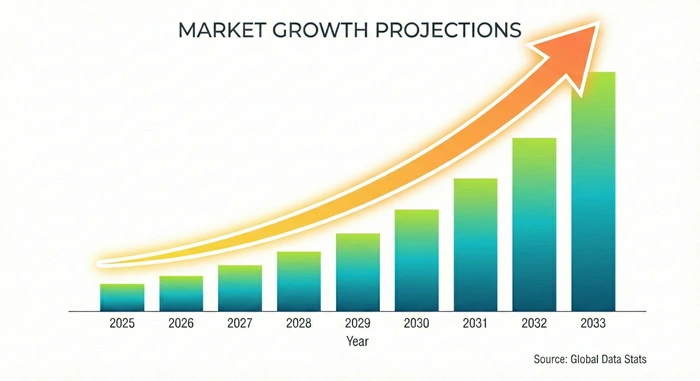
The global gene identification tools market size is valued at USD 317.05 million in 2025 and is predicted to increase from USD 364.02 million in 2026 to approximately USD 968.41 million by 2033, growing at a CAGR of 14.78% from 2026 to 2033. This strong and consistent growth is driven by the rapid advancement of next-generation sequencing technologies, the expanding global adoption of precision medicine and personalized therapeutics, rising government funding for population-scale genomics programs, and the accelerating integration of artificial intelligence into genomic data analysis workflows that are transforming gene discovery speed, accuracy, and clinical utility.
Gene identification tools encompass the full spectrum of technologies, platforms, assays, and software systems used to detect, annotate, and validate genes — including coding sequences, non-coding regions, and regulatory elements — across human clinical, research, agricultural, and pharmaceutical applications. Their expanding role in oncology, rare disease diagnosis, drug discovery, and crop genomics makes them indispensable to the modern life sciences ecosystem.
AI Impact on the Gene Identification Tools Industry
Artificial Intelligence and Deep Learning Are Redefining What Is Computationally Possible in Gene Discovery — Enabling Faster Variant Identification, More Accurate Genome Annotation, and Smarter Functional Prediction Than Any Traditional Bioinformatics Approach Has Achieved
Artificial intelligence is fundamentally transforming the gene identification tools market by solving the core computational bottleneck that has historically limited genomic research: the challenge of extracting meaningful biological signal from the enormous volume of raw sequencing data generated by modern NGS and long-read platforms. Traditional bioinformatics workflows using rule-based algorithms and statistical models have always required significant computational time and specialized expertise, and their accuracy degrades significantly when applied to complex genomic regions, structural variants, or novel organisms where no reference data is available. AI-powered tools — including convolutional neural networks for sequence pattern recognition, transformer-based models for RNA binding site prediction, and deep learning frameworks for variant classification — are now delivering accuracy improvements of 15–30% over conventional methods in benchmark tests, while simultaneously reducing analysis time from days to hours.
The September 2023 launch by Deep Genomics of BigRNA — an AI-driven genomic foundation model capable of identifying tissue-specific RNA regulatory mechanisms, protein binding sites, and the effects of genetic variants with unprecedented precision — illustrates how rapidly the field is advancing. Similarly, in July 2025, the Salk Institute introduced ShortStop, a machine learning framework specifically designed to explore previously overlooked regions of the human genome and identify functional microproteins encoded in non-canonical open reading frames. These innovations signal a broader industry-wide transition in which AI is not merely augmenting existing gene identification workflows but actively enabling the discovery of entirely new classes of genomic features that conventional tools were structurally incapable of detecting. As AI genomics models grow more powerful and cloud-based deployment makes them increasingly accessible to researchers without deep computational infrastructure, they are expected to drive a significant expansion in the addressable scope and commercial scale of the gene identification tools market through 2033.
Growth Factors
Rising Chronic and Rare Disease Burden, Expanding Precision Medicine Adoption, and Surging Government Investment in National Genomics Programs Are the Three Primary Forces Accelerating Global Demand in the Gene Identification Tools Market
The global burden of genetic and chronic diseases is one of the most powerful structural drivers of the gene identification tools market. Cancers, rare hereditary disorders, cardiovascular genetic syndromes, and neurodegenerative diseases with genetic components collectively affect hundreds of millions of patients worldwide — and for each of these conditions, accurate gene identification is either prerequisite to diagnosis, necessary for treatment selection, or central to drug development. The growing clinical consensus that most cancers are fundamentally genomic diseases — characterized by specific somatic mutations, copy number variations, and gene fusion events that drive tumor behavior — has made comprehensive gene panel testing a standard component of oncology care pathways in North America, Europe, and major Asia Pacific healthcare markets. Each cancer panel test performed, each rare disease workup conducted, and each pharmacogenomics assessment ordered represents direct commercial demand for the reagents, instruments, software, and services that constitute the gene identification tools market.
Government investment in large-scale national genomics programs is creating a sustained, policy-driven demand tailwind that is particularly important for market growth in emerging economies. Programs including the UK Biobank, the U.S. All of Us Research Program, China's Precision Medicine Initiative, the Genome India Initiative, and Australia's Genomics Health Futures Mission are collectively sequencing millions of genomes, creating demand for the instruments, software, library preparation kits, and analytical platforms that constitute the core product families of the gene identification tools market. Beyond the direct procurement demand these programs generate, they are simultaneously expanding the genomic reference databases and clinically validated variant annotations that improve the accuracy and commercial utility of gene identification tools for clinical and research users — creating a virtuous cycle in which program-funded sequencing investments strengthen the evidence base that drives broader clinical adoption.
Market Outlook
Falling Sequencing Costs, Expanding CRISPR Functional Genomics Applications, and the Emergence of Cloud-Based Bioinformatics Platforms Are Together Creating the Conditions for Sustained Above-Average Growth in the Gene Identification Tools Market Through 2033
The long-term outlook for the gene identification tools market is exceptionally positive, anchored by the converging dynamics of technology cost reduction, clinical adoption expansion, and pharmaceutical investment growth. The cost of whole-genome sequencing has fallen from approximately $1,000 per genome in 2013 to well under $200 in 2025, and the continued development of nanopore and next-generation short-read platforms is expected to push costs below $100 per genome within the forecast period — a threshold that would make genome-level gene identification accessible for routine clinical diagnostics in healthcare systems that currently restrict it to research or specialized rare disease programs. This cost trajectory is the single most powerful long-term demand enabler for the entire gene identification ecosystem, because lower sequencing costs translate directly into higher procedure volumes, larger patient cohorts, broader pharmaceutical screening programs, and more ambitious population health genomics initiatives.
The rapid commercial expansion of CRISPR-based functional genomics screening is opening a new high-growth application domain within the gene identification tools market that is largely independent of clinical sequencing adoption trends. Large-scale genome-wide CRISPR screens — in which thousands or millions of guide RNAs are used to systematically knock out or activate every gene in a cellular model — have become standard tools in pharmaceutical target discovery programs at major biopharma companies including Novartis, Eli Lilly, Pfizer, and AstraZeneca. These programs require specialized library preparation kits, high-throughput sequencing, and sophisticated bioinformatics software pipelines that are all commercially supplied by gene identification tools vendors. As the pharmaceutical industry's investment in functional genomics for target discovery continues to grow — driven by the commercial success of the first wave of genomically targeted therapies — CRISPR screening tools and their supporting analytical infrastructure will represent an increasingly important revenue segment within the broader market.
Expert Speaks
-
"At Thermo Fisher Scientific, we see gene identification technology as the foundational layer of the entire precision medicine ecosystem. Every personalized therapy, every rare disease diagnosis, and every population health genomics program depends on having the right tools to accurately identify and interpret genetic information — and the pace of innovation in this space is accelerating faster than at any point in our industry's history." — CEO, Thermo Fisher Scientific Inc.
-
"Illumina's mission has always been to unlock the power of the genome. The combination of dramatically falling sequencing costs, increasingly powerful bioinformatics, and the clinical validation of genomic medicine is creating a market opportunity for gene identification tools that is larger and more durable than anything we have seen before." — CEO, Illumina Inc.
-
"QIAGEN's portfolio spans the full continuum from sample collection through genomic analysis and clinical reporting, and what we are seeing is a sustained acceleration in the demand for validated, clinical-grade gene identification solutions across oncology, infectious disease, and rare disease programs globally. The regulatory environment is increasingly supporting genomic diagnostics, and institutional investment in genomic medicine infrastructure has never been stronger." — CEO, QIAGEN N.V.
Key Report Takeaways
-
North America dominates the gene identification tools market with approximately 40% of global revenue share in 2025, supported by robust NIH and BARDA research funding, a highly developed biopharma and biotech industry base, leading precision oncology clinical programs, and the presence of global genomic tools leaders including Thermo Fisher Scientific, Illumina, and Pacific Biosciences
-
Asia Pacific is the fastest-growing region, projected to expand at a CAGR of approximately 17.5% from 2026 to 2033, driven by large-scale government genomics programs in China and India, rapidly expanding biotech sectors in South Korea and Japan, falling sequencing costs enabling new clinical applications, and growing demand for agricultural genomics tools across the region
-
Academic and research institutions are the dominant end-user segment, accounting for approximately 38% of market revenue in 2025, as universities, government-funded genomics centers, and independent research institutes remain the primary early adopters and largest volume users of gene identification platforms for both fundamental research and translational genomics programs
-
Clinical diagnostics is the leading application area, contributing approximately 35% of total market revenue in 2025, driven by the broad adoption of NGS-based cancer gene panels, rare disease diagnostic sequencing, and pharmacogenomics testing in clinical laboratory settings across North America and Europe
-
Sequencing technologies — including NGS, Sanger, and third-generation long-read platforms — are the dominant technology segment, holding approximately 45% of market share in 2025, valued for their unmatched throughput, sensitivity, and versatility across applications from whole-genome sequencing to targeted gene panel diagnostics
-
The software and analytics segment is projected to grow the fastest, expected to expand at a CAGR of approximately 18.5% through 2033, as the volume of genomic data generated by expanding sequencing programs creates an accelerating demand for AI-powered variant calling, genome annotation, and clinical interpretation platforms that can convert raw sequencing output into actionable biological and clinical insights
Market Scope
| Report Coverage | Details |
|---|---|
| Market Size by 2033 | USD 968.41 Million |
| Market Size by 2025 | USD 317.05 Million |
| Market Size by 2026 | USD 364.02 Million |
| Market Growth Rate from 2026 to 2033 | CAGR of 14.78% |
| Dominating Region | North America |
| Fastest Growing Region | Asia Pacific |
| Base Year | 2025 |
| Forecast Period | 2026 – 2033 |
| Segments Covered | Technology/Platform Type, Application Area, Product/Service Offering, End User, Region |
| Regions Covered | North America, Europe, Asia Pacific, Latin America, Middle East & Africa |
Market Dynamics
Drivers Impact Analysis
Precision Medicine Adoption, Rising Genetic Disease Burden, and Government-Funded National Genomics Programs Are the Three Defining Forces Driving Consistent Above-Average Revenue Growth in the Gene Identification Tools Market
| Driver | ≈ % Impact on CAGR Forecast | Geographic Relevance | Impact Timeline |
|---|---|---|---|
| Precision medicine and personalized therapeutics demand | ~30% | Global, strongest in North America & Europe | Short to Long Term |
| Rising prevalence of cancer, rare diseases, and genetic disorders | ~25% | Global | Short to Long Term |
| Government-funded national genomics programs | ~22% | North America, Europe, Asia Pacific | Medium to Long Term |
| CRISPR functional genomics in pharmaceutical drug discovery | ~14% | North America, Europe | Short to Medium Term |
| Declining cost of whole-genome and targeted sequencing | ~9% | Global | Long Term |
The gene identification tools market is experiencing broad demand growth because the clinical, pharmaceutical, and agricultural sectors that rely most heavily on accurate genomic analysis are simultaneously scaling their investment in genomic programs and expanding the range of applications they pursue. In oncology alone, the shift from histological to molecular tumor classification — in which treatment selection is guided not by the anatomical location of the cancer but by the specific gene mutations, amplifications, and fusions driving tumor growth — has transformed gene panel testing from a research activity into a clinical standard of care for most solid tumor types and many hematological malignancies. As each new targeted therapy achieves regulatory approval for a specific genomic biomarker-defined patient population, the companion diagnostic gene identification tools required to identify eligible patients enter mandatory clinical use — creating a sustained stream of commercially validated, regulatory-required demand.
Government genomics investment programs are creating a particularly important demand dynamic in emerging markets where commercial healthcare adoption of genomic tools has historically been limited by infrastructure and cost constraints. The Genome India Initiative — which aims to sequence 10,000 Indian genomes to build a representative national reference database — the China Precision Medicine Initiative, and Singapore's National Precision Medicine strategy are all generating direct procurement demand for sequencing instruments, library preparation kits, and bioinformatics platforms while simultaneously building the clinical evidence and regulatory framework that will support broader adoption of gene identification tools in these markets. As national genomic infrastructure investments mature into clinical application programs, the commercial opportunity in these emerging markets for international gene identification tools vendors grows substantially — creating long-term growth opportunities that complement the more mature demand dynamics of North American and European markets.
Restraints Impact Analysis
High Cost of Advanced Gene Identification Platforms, Data Privacy and Ethical Concerns Around Genetic Data, and the Shortage of Bioinformatics Expertise Are the Primary Factors Limiting Faster Adoption in the Gene Identification Tools Market
| Restraint | ≈ % Impact on CAGR Forecast | Geographic Relevance | Impact Timeline |
|---|---|---|---|
| High cost of instruments, reagents, and sequencing infrastructure | ~-30% | Emerging markets, smaller research institutions | Ongoing |
| Data privacy, security, and regulatory compliance complexity | ~-25% | Global | Medium to Long Term |
| Shortage of bioinformatics and genomic data science expertise | ~-22% | Emerging markets, clinical settings | Ongoing |
| Regulatory heterogeneity for genomic diagnostics across markets | ~-14% | Global | Medium Term |
| Data integration and interoperability challenges across platforms | ~-9% | Global | Medium to Long Term |
The high cost associated with advanced gene identification platforms remains the most significant near-term barrier to broader adoption, particularly for smaller research institutions, community hospitals, and healthcare systems in developing markets. A complete next-generation sequencing workflow — comprising instrument capital costs, library preparation reagents, sequencing run consumables, data storage infrastructure, and bioinformatics analysis software — requires substantial ongoing investment that strains research budgets and forces prioritization choices between genomic programs and competing laboratory needs. While the cost of sequencing per base pair has fallen dramatically over the past decade, the total cost of operating a clinical-grade gene identification program — including instrument maintenance, staff training, quality control, and regulatory compliance — remains significant enough to be a genuine barrier for institutions that lack dedicated genomics infrastructure or external funding support.
The shortage of qualified bioinformatics scientists represents a structural constraint that affects not just emerging markets but also many healthcare institutions and research groups in North America and Europe that have acquired sequencing instruments but lack the analytical expertise to convert raw data into high-quality, clinically actionable findings. The computational analysis of NGS data — including read alignment, variant calling, annotation, filtering for clinical significance, and report generation — requires specialized training in both computational methods and clinical genomics interpretation that is not yet widely available through standard biomedical education programs. This expertise gap is one of the primary drivers of demand for automated, AI-powered analysis platforms that can reduce the bioinformatics skill requirements for producing high-quality genomic results — but it also means that many potential users of gene identification tools cannot fully exploit their capabilities without significant workforce development investment.
Opportunities Impact Analysis
Cloud-Based Bioinformatics Platforms, Agricultural Genomics Expansion, and Single-Cell Multi-Omics Tool Development Represent the Most Strategically Valuable Growth Opportunities in the Gene Identification Tools Market
| Opportunity | ≈ % Impact on CAGR Forecast | Geographic Relevance | Impact Timeline |
|---|---|---|---|
| Cloud-based bioinformatics and SaaS genomics analysis platforms | ~+32% | Global | Short to Medium Term |
| Agricultural and crop genomics applications | ~+25% | Asia Pacific, Latin America, MEA | Medium to Long Term |
| Single-cell sequencing and multi-omics tool development | ~+22% | North America, Europe, Asia Pacific | Medium to Long Term |
| Liquid biopsy and non-invasive genomic testing expansion | ~+14% | Global | Short to Medium Term |
| Pharmacogenomics integration into clinical care pathways | ~+7% | North America, Europe | Short to Medium Term |
Cloud-based bioinformatics platforms represent the most transformative near-term opportunity in the gene identification tools market, with the potential to dramatically expand the addressable customer base by eliminating the computational infrastructure and specialized IT management requirements that have historically limited genomic analysis adoption to well-resourced research institutions and large hospitals. Cloud platforms developed by companies including Illumina (DRAGEN on AWS), Microsoft Azure Genomics, Google Cloud Genomics, and Verily Life Sciences allow researchers and clinicians to access high-performance genomic analysis pipelines on a pay-per-use basis without capital investment in servers, storage, or software licensing — making comprehensive gene identification workflows economically viable for mid-tier hospitals, community cancer centers, biotech startups, and researchers in emerging market institutions who previously could not afford to build the necessary infrastructure independently.
Agricultural and crop genomics is an increasingly important and underappreciated growth opportunity for the gene identification tools market, particularly in Asia Pacific, Latin America, and Sub-Saharan Africa where food security pressures, climate change adaptation requirements, and the competitive pressure of global commodity markets are driving substantial investment in crop improvement genomics. The use of gene identification tools to characterize disease resistance genes, yield-related quantitative trait loci, drought tolerance mechanisms, and nutritional quality traits in staple crops — including rice, maize, wheat, soybean, and cassava — is expanding rapidly as governments and agri-biotech companies invest in genomics-assisted breeding programs. The January 2026 collaboration between Gene Solutions and Pangea Laboratory to advance liquid biopsy assays further illustrates how the cross-sector application of gene identification approaches is creating new commercial domains within what has historically been considered a predominantly human healthcare market.
Segment Analysis
By Technology/Platform Type
Next-Generation Sequencing Platforms Anchor Market Leadership While CRISPR Gene Editing Screening Tools Emerge as the Fastest-Growing Technology Segment in the Gene Identification Tools Market
Sequencing technologies — including NGS, Sanger sequencing, and third-generation long-read platforms — account for approximately 45% of the total gene identification tools market revenue in 2025 and are growing at a CAGR of approximately 13.5% through 2033, reflecting their central role as the primary data generation engine across virtually all gene identification workflows. NGS platforms deliver unmatched throughput and scalability for clinical cancer panel testing, population genomics programs, and pharmaceutical functional genomics screens, while third-generation platforms from Pacific Biosciences and Oxford Nanopore Technologies are increasingly preferred for applications requiring long reads — including structural variant detection, phasing of complex genomic regions, and direct RNA sequencing — that short-read NGS cannot reliably address. North America is the dominant geography for sequencing platform revenue, driven by the enormous installed base of Illumina instruments across U.S. hospital laboratories, research institutions, and pharmaceutical companies; key vendors including Illumina (USA), Pacific Biosciences (USA), Thermo Fisher Scientific (USA), and Oxford Nanopore Technologies (UK) collectively command the large majority of this segment's commercial revenue.
The CRISPR and gene editing screening tools segment currently holds approximately 12% of market share but is projected to grow at the fastest technology CAGR of approximately 22% from 2026 to 2033, driven by the explosive expansion of genome-wide CRISPR functional screens in pharmaceutical drug discovery programs and the growing commercial deployment of CRISPR-based diagnostic tools. Pharmaceutical companies including Novartis, Pfizer, and AstraZeneca are running increasingly large-scale CRISPR loss-of-function and gain-of-function screens to systematically identify novel drug targets and resistance mechanisms — each requiring the specialized guide RNA libraries, lentiviral delivery systems, deep sequencing analysis, and bioinformatics pipelines that gene identification tools vendors supply commercially. Asia Pacific is emerging as a dynamic growth geography for CRISPR tools, driven by rapid expansion of genomics research infrastructure in China, South Korea, and Singapore, where government-backed biotechnology investment programs and a large academic research base are generating strong demand for cutting-edge functional genomics platforms from companies including GenScript (China/USA), BGI Genomics (China), and Twist Bioscience (USA).
By Application Area
Clinical Diagnostics Leads Application Revenue While Agriculture and Animal Genomics Emerges as the Fastest-Growing Application Segment Across the Gene Identification Tools Market
Clinical diagnostics — encompassing rare disease genetic workups, cancer gene panel testing, carrier screening, and prenatal genomic diagnosis — holds approximately 35% of total gene identification tools market revenue in 2025 and grows at a CAGR of approximately 14% through 2033, anchored by the non-discretionary nature of genomic testing demand in clinical oncology and rare disease medicine. The expanding adoption of comprehensive cancer gene panels as standard of care across breast, colorectal, lung, prostate, and hematological malignancies is generating sustained reagent and software demand from hospital molecular pathology laboratories, commercial reference laboratories, and integrated cancer center programs. North America leads clinical diagnostics tool adoption, with Quest Diagnostics (USA), Laboratory Corporation of America (USA), and Myriad Genetics (USA) among the largest commercial users of clinical gene identification platforms; European adoption is growing rapidly supported by the EU's regulatory alignment on genomic companion diagnostics and the expansion of national precision oncology programs in France, Germany, and the UK.
Agriculture and animal genomics is the fastest-growing application segment within the gene identification tools market, projected to expand at a CAGR of approximately 19.5% from 2026 to 2033 as governments and agri-biotech companies dramatically scale their investment in genomics-assisted crop improvement and livestock breeding programs. The use of targeted gene identification tools to characterize stress tolerance traits, disease resistance loci, and yield-associated variants in major crop species is becoming standard practice among leading seed companies and public agricultural research programs — with Asia Pacific representing the most dynamic regional growth geography, driven by China's national crop genomics programs, India's genomics-assisted agricultural modernization initiatives, and the region's critical dependence on staple crop productivity for food security. Key companies providing gene identification tools for agricultural applications include Thermo Fisher Scientific (USA), Agilent Technologies (USA), BGI Genomics (China), and Twist Bioscience (USA), each of which has developed product lines specifically optimized for plant and livestock genomics workflows at the throughput scales demanded by commercial breeding programs.
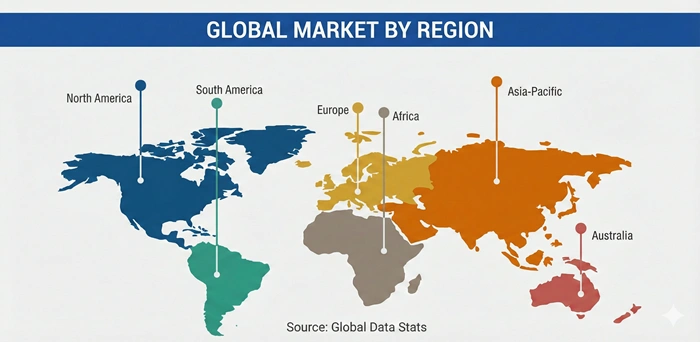
Regional Insights
North America's Research Leadership and Asia Pacific's Explosive Genomics Investment Growth Define the Two Most Strategically Critical Geographies in the Global Gene Identification Tools Market
North America
North America's Unmatched Combination of NIH Research Funding, Biopharma Genomics Investment, Precision Oncology Clinical Programs, and World-Leading Genomic Tool Vendors Establishes It as the Global Leader in the Gene Identification Tools Market
North America holds the dominant position in the gene identification tools market, accounting for approximately 40% of global revenue in 2025 and growing at a CAGR of approximately 13.8% from 2026 to 2033. The United States drives the overwhelming majority of regional demand, supported by the world's largest biomedical research funding system — led by the NIH, which directs tens of billions of dollars annually into genomics, precision medicine, and cancer biology research that generates sustained demand for sequencing instruments, library preparation reagents, and bioinformatics platforms. The U.S. biopharma industry's intensive use of genome-wide CRISPR screens, NGS-based drug target validation, and pharmacogenomics studies across its drug development pipelines creates additional high-value commercial demand that is particularly important for premium reagent kit and specialized platform segments of the market.
Key companies headquartered in North America with dominant regional and global market positions include Thermo Fisher Scientific (USA), Illumina (USA), Pacific Biosciences (USA), Agilent Technologies (USA), Bio-Rad Laboratories (USA), Verily Life Sciences (USA), and 10X Genomics (USA) — collectively representing the majority of global gene identification tools commercial revenue. Canada contributes meaningfully through its government-backed genomics research programs, including Genome Canada investments that have funded over 100 major R&D projects, and through a growing cluster of genomics-focused biotech companies in Toronto, Vancouver, and Montreal that are active users and developers of gene identification technology platforms.
Asia Pacific
Asia Pacific's Rapidly Scaling Government Genomics Programs, Expanding Biopharma Sector, and Strong Agricultural Genomics Investment Are Establishing It as the Fastest-Growing Region in the Gene Identification Tools Market
Asia Pacific is the fastest-growing region in the gene identification tools market, projected to expand at a CAGR of approximately 17.5% from 2026 to 2033 — significantly above the global average — driven by the extraordinary pace of genomics investment across China, India, Japan, South Korea, and Singapore. China represents the single most important growth market in the region, with BGI Genomics (China) — one of the world's largest genomic services providers — serving as both a major consumer and supplier of gene identification tools within the domestic market, while government programs including the China Precision Medicine Initiative and major hospital group investments in molecular oncology laboratories are generating broad institutional demand for sequencing platforms and analytical software. In August 2023, Illumina opened its Solutions Centre in Bengaluru, India, specifically to enhance regional sequencing capabilities and support the Genome India Initiative's large-scale population genomics ambitions — signaling the strategic importance that global gene identification tools vendors are placing on capturing Asia Pacific market growth.
South Korea's strong semiconductor and electronics manufacturing base provides important photonics and microfluidics technology transfer advantages that are enabling local companies to develop competitive sequencing component platforms, while Japan's deep precision manufacturing and robotics capabilities support high-quality genomic instrument production. Australia contributes both as a growing clinical genomics market and as an important research geography, with Garvan Institute and several other major Australian research institutions running sophisticated genomics programs that consume significant volumes of gene identification tools. India is emerging as a key manufacturing and services hub for global gene identification workflows, with companies including Strand Life Sciences (India) developing competitive bioinformatics software platforms for clinical genomics applications that are gaining recognition in both domestic and international markets.
Report Customization Available by Region and Country
This report is fully customizable to deliver targeted gene identification tools market intelligence for specific regions, countries, and geographies, providing localized market sizing, competitive landscape analysis, research funding environment assessments, technology adoption trends, and strategic growth opportunity maps tailored to your precise geographic focus area.
Customized versions of this report are available for every major global region and their constituent countries, ensuring that your business development, product strategy, and investment decisions are grounded in granular, locally validated market intelligence. Whether you need a focused national genomics market deep-dive or a comparative cross-regional competitive intelligence overview, the report can be configured to deliver precisely the geographic depth your organization requires.
North America
-
United States — World's largest gene identification tools market driven by NIH funding, leading biopharma genomics investment, precision oncology clinical programs, and global tool vendors including Illumina and Thermo Fisher Scientific
-
Canada — Active genomics research market supported by Genome Canada programs, growing precision medicine clinical adoption, and expanding biotech cluster genomic tool demand
-
Mexico — Developing market with growing clinical genomics adoption in private hospital groups and expanding agricultural genomics applications
Europe
-
United Kingdom — Major gene identification tools market driven by UK Biobank, NHS Genomics Medicine Service, and strong academic genomics research programs at leading universities and research institutes
-
Germany — Europe's largest gene tools market with strong oncology research, government-funded genomics infrastructure investment, and expanding pharmaceutical functional genomics programs
-
France — Active market driven by national precision medicine program investments, cancer genomics clinical adoption, and growing rare disease diagnostics demand
-
Italy — Growing gene identification tools market with expanding clinical genomics adoption in leading hospital centers and academic genomics research programs
-
Rest of Europe — Includes Netherlands, Sweden, Belgium, and Switzerland as active research and pharmaceutical genomics markets with significant gene identification tool demand
Asia Pacific
-
China — Largest Asia Pacific gene identification tools market driven by BGI Genomics, national precision medicine programs, massive clinical genomics adoption, and strong agricultural genomics investment
-
India — Fastest-growing Asia Pacific country market with Genome India Initiative, expanding biopharma sector, and growing clinical diagnostics genomics adoption
-
Japan — Advanced precision medicine market with strong genomics research infrastructure and significant clinical cancer genomics program investment
-
South Korea — Active genomics market with strong government R&D investment, growing biopharma sector genomics tools demand, and emerging local sequencing platform development
-
Australia — Established research and clinical genomics market with strong national genome program investment and significant pharmaceutical genomics collaboration activity
-
Rest of Asia Pacific — Includes Singapore, Taiwan, and Thailand as growing genomics research and clinical diagnostics markets with expanding gene identification tool adoption
Latin America
-
Brazil — Largest Latin American genomics market with growing clinical cancer genomics adoption, expanding agricultural genomics programs, and increasing government research funding
-
Argentina — Active agricultural genomics market with growing precision medicine clinical adoption and expanding biotech research sector
-
Rest of Latin America — Includes Chile, Colombia, and Mexico as developing genomics markets with increasing gene identification tools investment driven by agricultural and clinical applications
Middle East & Africa
-
UAE — Advanced healthcare market with strong government-backed precision medicine investment, growing clinical genomics programs, and increasing adoption of gene identification tools for hereditary disease diagnostics
-
Saudi Arabia — Expanding genomics investment driven by Vision 2030 healthcare diversification, growing clinical genetics program development, and increasing population genomics research activity
-
Rest of MEA — Includes South Africa, Egypt, and Turkey as developing markets with growing genomics research investment and increasing agricultural genomics program adoption
Top Key Players
-
Thermo Fisher Scientific Inc. (United States)
-
Illumina Inc. (United States)
-
QIAGEN N.V. (Netherlands)
-
Agilent Technologies Inc. (United States)
-
BGI Genomics Co. Ltd. (China)
-
Roche Holding AG (Switzerland)
-
Bio-Rad Laboratories Inc. (United States)
-
Pacific Biosciences of California Inc. (United States)
-
Oxford Nanopore Technologies plc (United Kingdom)
-
GenScript Biotech Corporation (China / United States)
-
10X Genomics Inc. (United States)
-
Twist Bioscience Corporation (United States)
-
Geneious (Dotmatics) (United Kingdom / United States)
-
Softberry Inc. (United States)
-
DNASTAR Inc. (United States)
Recent Developments
-
In January 2026, Gene Solutions and Pangea Laboratory announced a strategic research collaboration to advance U.S. clinical verification and validation of liquid biopsy assay platforms specifically designed for cancer detection, molecular profiling, and treatment response monitoring — representing a significant expansion of next-generation sequencing-based gene identification applications in oncology diagnostics
-
In January 2026, Gordian Bio announced a non-exclusive research collaboration with Pfizer to apply Gordian's proprietary in vivo mosaic CRISPR screening platform to accelerate the discovery of novel therapeutic targets for obesity — illustrating the growing pharmaceutical industry adoption of functional genomics screening tools for metabolic disease target identification
-
In July 2025, the Salk Institute introduced ShortStop, a pioneering AI-powered machine learning framework that provides the first comprehensive approach to identifying and characterizing functional microproteins encoded within previously uncharacterized regions of the human genome, significantly expanding the accessible scope of human gene identification
-
In April 2025, scientists from Mass General Brigham and Beth Israel Deaconess Medical Center developed STITCHR, a new gene editing and identification tool designed to simplify genomic modification workflows and offer improved potential as a one-time therapeutic intervention for genetic disorders, extending the clinical utility of gene identification and editing platforms
-
In 2024, Illumina inaugurated its Solutions Centre in Bengaluru, India, establishing a regional hub dedicated to advancing sequencing capabilities, supporting the Genome India Initiative, and fostering strategic research collaborations between Indian academic institutions, clinical laboratories, and global genomics technology partners
Market Trends
The Convergence of AI-Powered Genomic Analysis, Single-Cell Sequencing Expansion, and Multi-Omics Integration Is Creating a New Generation of Gene Identification Tools With Dramatically Greater Resolution, Speed, and Clinical Utility Than Any Previous Platform Generation
The most consequential technology trend reshaping the gene identification tools market is the rapid maturation and commercial deployment of single-cell sequencing platforms that can characterize gene expression patterns, chromatin accessibility, and genomic mutations at single-cell resolution — enabling researchers to map cellular heterogeneity within tumors, tissues, and developmental systems with unprecedented precision. Companies including 10X Genomics, Parse Biosciences, and BD Biosciences have built commercially successful single-cell genomics platforms that are now standard tools in academic and pharmaceutical research settings, and the data they generate is revealing fundamentally new layers of biological complexity — including rare cell type identification, tumor microenvironment characterization, and developmental trajectory mapping — that are creating demand for new generations of gene identification and annotation tools specifically designed to operate on the complexity of single-cell multi-omic datasets.
Simultaneously, the integration of multi-omics approaches — combining genomic, transcriptomic, proteomic, and epigenomic data from the same sample — is driving demand for gene identification tools that can contextualize gene sequence information within the broader regulatory and functional landscape of the cell. Variants identified by genomic sequencing carry far greater interpretive value when they can be directly correlated with the transcriptomic, proteomic, and epigenetic signatures they produce — an integration that requires sophisticated software platforms, powerful computational infrastructure, and validated analytical workflows that represent high-value commercial opportunities for gene identification tools vendors capable of delivering end-to-end multi-omic analysis solutions. As these integrated analytical approaches move from pioneering research settings into pharmaceutical drug discovery and clinical translational programs, they will drive a sustained expansion in both the technical scope and the commercial scale of the gene identification tools market through 2033.
Segments Covered in the Report
-
By Technology/Platform Type
-
Sequencing Technologies (NGS, Sanger, Third-Generation)
-
Microarrays/Gene Expression Arrays
-
PCR-Based Methods (qPCR, ddPCR, RT-PCR)
-
Hybrid Capture & Enrichment Panels
-
CRISPR/Gene Editing Screening Tools
-
Bioinformatics/Software Tools (Gene Prediction, Annotation, Variant Calling)
-
-
By Application Area
-
Clinical Diagnostics (Rare Disease, Cancer Panels)
-
Research & Functional Genomics
-
Agriculture & Animal Genomics
-
Pharmaceutical/Drug Discovery
-
Forensics & Ancestry
-
-
By Product/Service Offering
-
Kits & Reagents (Library Prep, Probes, Primers)
-
Instruments/Platforms (Sequencers, PCR Machines)
-
Software & Analytics (Variant Calling, Annotation, Interpretation)
-
Services (Gene Discovery, Sequencing Services, Custom Panels)
-
-
By End User
-
Academic & Research Institutions
-
Hospitals & Clinical Laboratories
-
Biotechnology & Pharmaceutical Companies
-
Agricultural/Agri-Tech Firms
-
Contract Research Organizations (CROs)
-
-
By Region
-
North America
-
U.S.
-
Canada
-
Mexico
-
-
Europe
-
U.K.
-
Germany
-
France
-
Italy
-
Rest of Europe
-
-
Asia Pacific
-
China
-
India
-
Japan
-
South Korea
-
Australia
-
Rest of Asia Pacific
-
-
Latin America
-
Brazil
-
Argentina
-
Rest of Latin America
-
-
Middle East & Africa
-
UAE
-
Saudi Arabia
-
Rest of MEA
-
-
❝ Built for Every Level — From Startups to Industry Giants ❞
Here Is Exactly How This Report Works for You
-
For tier-1 life sciences corporations, global biopharma companies, and institutional investors evaluating the genomics tools landscape, this report delivers precise gene identification tools market sizing by segment and geography, competitor revenue analysis by product line, supply chain dynamics assessment, and geopolitical risk intelligence — including how U.S.-China genomics technology competition, EU data privacy regulations affecting genomic data, and rare earth supply chain risks are reshaping competitive strategy, pricing power, and partnership structures across the global market
-
For mid-market sequencing reagent manufacturers, bioinformatics software companies, and genomic services providers, the report provides segment-level demand forecasts, end-user adoption driver analysis, top vendor market share data, and technology adoption curve intelligence — enabling sales teams and product strategists to identify which application areas are generating the fastest procurement growth, how the competitive landscape is evolving between proprietary hardware platforms and open software ecosystems, and which geographic markets represent the strongest near-term business development opportunities
-
Startups developing next-generation gene prediction algorithms, cloud-based genomic analysis platforms, or CRISPR screening tools will find the report's technology white-space mapping, customer willingness-to-invest benchmarking, competitive entry barrier analysis, and emerging application domain forecasts indispensable for sharpening product-market fit, building investor narratives anchored in verified market data, and making confident, evidence-based decisions about which segments and geographies to prioritize in the rapidly expanding gene identification tools market
Frequently Asked Questions
Question 1: What is the projected size of the gene identification tools market by 2033?
Answer: The gene identification tools market is projected to reach approximately USD 968.41 million by 2033, growing from USD 364.02 million in 2026 at a CAGR of 14.78%. This growth is driven by expanding precision medicine adoption, rising demand for clinical genomic diagnostics, and accelerating AI integration into genomic analysis workflows.
Question 2: Which technology segment leads the gene identification tools market?
Answer: Sequencing technologies — including NGS, Sanger, and third-generation long-read platforms — dominate the gene identification tools market, holding approximately 45% of revenue in 2025 due to their unmatched versatility across clinical diagnostics, pharmaceutical research, and population genomics applications. The CRISPR and gene editing screening tools segment is the fastest-growing technology category, projected to expand at approximately 22% CAGR through 2033.
Question 3: Which region dominates the gene identification tools market?
Answer: North America holds the dominant position in the gene identification tools market with approximately 40% of global revenue share in 2025, driven by NIH research funding, strong biopharma genomics investment, and the presence of leading platform vendors including Illumina and Thermo Fisher Scientific. Asia Pacific is the fastest-growing region, projected to expand at approximately 17.5% CAGR from 2026 to 2033.
Question 4: How is AI changing the gene identification tools market?
Answer: AI and deep learning are transforming the gene identification tools market by enabling far more accurate and faster genomic annotation, variant classification, and gene function prediction than traditional bioinformatics methods can achieve — tools like BigRNA and ShortStop represent this new generation of AI-powered genomic analysis capability. Cloud-based AI analysis platforms are also dramatically expanding market accessibility by eliminating the computational infrastructure barriers that have historically restricted gene identification workflows to well-resourced institutions.
Question 5: What are the key companies operating in the gene identification tools market?
Answer: The gene identification tools market is led by Thermo Fisher Scientific, Illumina, QIAGEN, Agilent Technologies, and BGI Genomics, supported by important players including Pacific Biosciences, Oxford Nanopore Technologies, Roche, GenScript, and 10X Genomics. These companies collectively command the majority of global market revenue across instruments, reagents, software, and services segments.