
Functional Beverages Market Overview
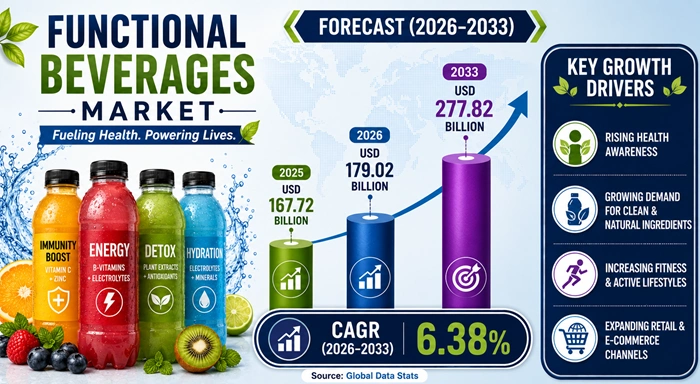
The global functional beverages market size is valued at USD 167.72 billion in 2025 and is predicted to increase from USD 179.02 billion in 2026 to approximately USD 277.82 billion by 2033, growing at a CAGR of 6.38% from 2026 to 2033.
Rising health consciousness among consumers worldwide drives unprecedented demand for beverages delivering functional benefits beyond basic hydration and refreshment. Functional beverages incorporating vitamins, minerals, probiotics, proteins, and other bioactive ingredients support specific health goals including energy enhancement, immunity support, digestive wellness, and performance optimization appealing to health-focused demographics seeking convenient nutrition solutions.
AI Impact on the Functional Beverages Industry
Artificial Intelligence Revolutionizing Product Development and Consumer Personalization
Artificial intelligence is fundamentally transforming the functional beverages market by enabling precision formulation optimization, predictive flavor profiling, personalized nutrition recommendations, supply chain efficiency, and targeted consumer marketing that enhance product development speed while ensuring taste satisfaction and functional efficacy. Machine learning algorithms analyze vast consumer preference datasets including taste profiles, health priorities, demographic characteristics, purchasing patterns, and social media sentiment identifying emerging flavor trends, functional ingredient preferences, and unmet consumer needs guiding beverage companies toward market-ready innovations reducing development cycles from years to months. AI-powered sensory prediction models simulate how ingredient combinations taste, assess mouthfeel characteristics, predict color stability, and evaluate sweetness perception enabling virtual formulation testing before expensive pilot production reducing R&D costs while accelerating time-to-market for innovative functional beverages.
Computer vision systems integrated with production lines inspect beverage appearance, detect color variations, identify packaging defects, and verify fill levels automatically with 99% accuracy ensuring only perfect products reach retailers while preventing costly recalls from quality issues. Natural language processing technologies monitor social media conversations, customer reviews, health forums, and fitness communities identifying consumer discussions about energy needs, recovery priorities, immunity concerns, and wellness goals informing marketing messages, product positioning, and ingredient selections resonating with target demographics. The functional beverages market benefits from AI-driven personalized nutrition platforms analyzing individual health data, fitness goals, dietary restrictions, taste preferences, and lifestyle factors recommending customized functional beverage selections, optimal consumption timing, and serving suggestions maximizing health benefits while building brand loyalty through tailored experiences. Predictive analytics forecast demand patterns across energy drinks, sports drinks, and wellness beverages by analyzing seasonal fitness trends, work-from-home impacts, gym membership fluctuations, and economic conditions enabling manufacturers to optimize production schedules, inventory levels, and distribution strategies avoiding stockouts during peak demand or costly overproduction.
Growth Factors
Fitness Culture and Convenience Demand Drive Market Expansion
The functional beverages market is experiencing robust growth driven by escalating fitness culture participation, rising health consciousness about preventive nutrition, increasing demand for convenient on-the-go nutrition, expanding working professional demographic seeking energy solutions, and growing awareness about gut health and immunity. Global fitness participation reaches unprecedented levels with gym memberships exceeding 200 million, running events attracting millions of participants, yoga and Pilates studio proliferation, home workout adoption accelerating post-pandemic, and wearable fitness trackers motivating active lifestyles creating massive demand for sports drinks, protein beverages, and recovery drinks supporting workout performance and post-exercise recovery. Health consciousness transformation positions nutrition as preventive medicine with consumers actively seeking beverages delivering specific functional benefits including immunity support, digestive wellness, mental focus enhancement, stress reduction, and energy optimization beyond empty calories from traditional sodas and juices.
Convenience demand from urbanization concentrating populations in fast-paced cities, dual-income households lacking meal preparation time, long commuting hours reducing eating occasions, and busy professionals seeking portable nutrition drives functional beverage adoption as meal replacements, mid-morning energy boosters, and afternoon pick-me-ups. The functional beverages market benefits from energy drink normalization particularly among younger demographics with students consuming energy drinks during exam periods, young professionals relying on caffeine for productivity, gamers seeking sustained focus during extended sessions, and shift workers requiring alertness during overnight hours creating sustained demand across demographics and occasions. Gut health awareness explosion driven by microbiome research, probiotic supplement popularity, and digestive wellness emphasis motivates functional beverage consumption particularly kombucha, kefir, and probiotic-enhanced drinks marketed for digestive health creating rapidly growing segment appealing to wellness-conscious consumers. Social media influence from fitness influencers promoting protein shakes, wellness advocates showcasing matcha lattes and adaptogenic beverages, and celebrity endorsements of functional drink brands reaches millions of engaged followers creating aspirational associations and normalizing functional beverage consumption as lifestyle choice rather than niche health behavior.
Market Outlook
Innovation and Plant-Based Formulations Define Future Industry Evolution
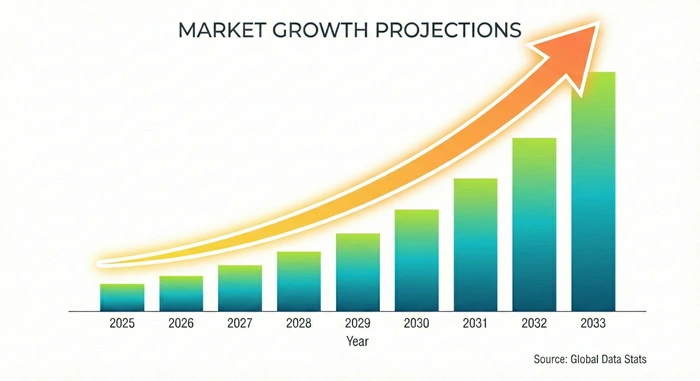
The functional beverages market is positioned for sustained expansion through 2033 as manufacturers invest heavily in clean-label formulations, develop plant-based alternatives, expand personalized nutrition offerings, leverage novel functional ingredients, and address sugar reduction demands reshaping product portfolios toward healthier profiles. Clean-label movements demand functional beverages produced with recognizable ingredients, minimal processing, natural sweeteners, real fruit extracts, and elimination of artificial colors, flavors, and preservatives creating premium segments commanding higher prices from ingredient-conscious consumers scrutinizing labels. Plant-based functional beverages leveraging almond milk, oat milk, coconut water, and pea protein provide dairy-free alternatives appealing to vegan, lactose-intolerant, and environmentally conscious consumers while delivering comparable functional benefits including protein content, electrolyte replacement, and nutritional fortification.
Novel functional ingredients including adaptogens like ashwagandha and rhodiola for stress management, nootropics supporting cognitive function, collagen peptides for beauty-from-within benefits, and CBD for relaxation create differentiated products targeting specific consumer wellness priorities beyond traditional vitamin and mineral fortification. The functional beverages market witnesses sugar reduction innovations using natural sweeteners including stevia, monk fruit, allulose, and erythritol maintaining sweetness satisfaction while reducing calorie content addressing obesity concerns, diabetes prevalence, and government sugar taxes impacting traditional energy and sports drinks. Personalized functional beverages emerge through direct-to-consumer models offering customized formulations based on DNA testing, health assessments, fitness goals, and taste preferences creating premium subscription services building recurring revenue while deepening customer relationships through tailored nutrition solutions. Sustainability initiatives including aluminum can adoption reducing plastic usage, concentrated formats minimizing transportation emissions, recyclable packaging meeting circular economy goals, and regenerative agriculture sourcing address environmental concerns particularly important to younger demographics prioritizing climate action in purchasing decisions.
Expert Speaks
-
Ramon Laguarta, Chairman and Chief Executive Officer of PepsiCo, emphasized that functional beverages represent strategic growth priority with PepsiCo's portfolio including Gatorade sports drinks, Rockstar energy, and enhanced waters responding to consumer demand for performance, energy, and wellness benefits, with continued investment in better-for-you formulations, sugar reduction innovations, and functional ingredient research advancing category leadership in rapidly evolving market.
-
James Quincey, Chairman and Chief Executive Officer of The Coca-Cola Company, highlighted that beverage industry transformation from traditional sodas toward functional offerings reflects fundamental consumer preference shifts prioritizing health, with Coca-Cola's portfolio expansion including Powerade, Vitaminwater, Bodyarmor, and functional tea and coffee brands positioning company to capture functional beverage growth through innovation, acquisition, and strategic partnerships.
-
Rodney Sacks, Co-Chief Executive Officer of Monster Beverage Corporation, stated that energy drink category demonstrates sustained growth momentum driven by expanding consumer base beyond traditional young males toward women, older demographics, and diverse occasions including morning consumption, with product innovation in natural energy, functional benefits, and flavor variety supporting continued market leadership and category expansion globally.
Key Report Takeaways
-
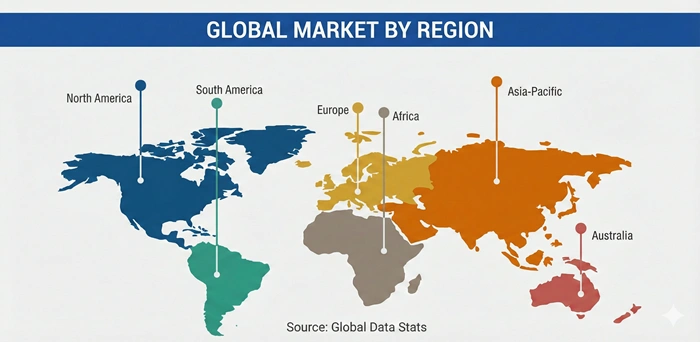
North America leads the functional beverages market with approximately 44% market share in 2025, driven by mature fitness culture, established energy drink adoption, health-conscious consumer base, extensive retail distribution including convenience stores and gyms, high disposable incomes enabling premium product purchases, and influential wellness movements normalizing functional beverage consumption.
-
Asia Pacific is growing the fastest with a projected CAGR of 7.98% from 2026 to 2033, fueled by massive populations, rapid urbanization creating busy lifestyles, rising middle-class incomes, growing fitness participation particularly in China and India, increasing health awareness, expanding organized retail infrastructure, and younger demographics adopting western beverage consumption patterns.
-
Energy drinks dominate with approximately 42% market share as category offers immediate energy delivery, mental focus enhancement, and performance support appealing to students, working professionals, athletes, and active consumers seeking convenient caffeine and stimulant sources for productivity and alertness throughout demanding schedules.
-
The health and wellness function contributes the most to overall market revenue with approximately 81% share in 2025, reflecting consumer priorities for beverages delivering immunity support, digestive wellness, vitamin fortification, and overall wellbeing rather than single-purpose weight management or specific therapeutic applications.
-
Supermarkets and hypermarkets dominate distribution with approximately 40% market share as large-format retailers provide extensive product variety, competitive pricing, convenient one-stop shopping, prominent display placement, and impulse purchase opportunities that mainstream functional beverage consumption beyond specialty health stores.
-
The online retail segment will grow quickly with an estimated CAGR of 8.61% as e-commerce adoption accelerates, direct-to-consumer brands proliferate, subscription services gain popularity, social commerce enables influencer-driven purchases, and younger demographics embrace convenient home delivery of shelf-stable functional beverages avoiding physical store visits.
Market Scope
| Report Coverage | Details |
|---|---|
| Market Size by 2033 | USD 277.82 Billion |
| Market Size by 2025 | USD 167.72 Billion |
| Market Size by 2026 | USD 179.02 Billion |
| Market Growth Rate from 2026 to 2033 | CAGR of 6.38% |
| Dominating Region | North America |
| Fastest Growing Region | Asia Pacific |
| Base Year | 2025 |
| Forecast Period | 2026 to 2033 |
| Segments Covered | Type, Function, Distribution Channel, Region |
| Regions Covered | North America, Europe, Asia Pacific, Latin America, Middle East and Africa |
Market Dynamics
Driver Impact Analysis
Rising Health Consciousness and Active Lifestyle Adoption Propel Market Growth
The escalating global health consciousness combined with active lifestyle adoption across demographics represents the most powerful driver propelling the functional beverages market toward sustained expansion across all geographic regions and consumer segments. Health awareness reaches mainstream consciousness as consumers increasingly recognize connections between nutrition and overall wellness, disease prevention, energy levels, immune function, and longevity motivating proactive dietary choices including functional beverage consumption delivering targeted health benefits beyond basic hydration. The COVID-19 pandemic permanently elevated immunity priorities with consumers seeking beverages fortified with vitamin C, zinc, elderberry, and probiotics supporting immune defense creating sustained demand for functional ingredients post-pandemic as preventive health becomes lifestyle priority rather than temporary reaction to crisis.
Fitness culture proliferation across age groups drives functional beverage adoption with millennials embracing boutique fitness studios, Gen Z prioritizing mental and physical wellness, older adults maintaining active lifestyles through yoga and walking, and corporate wellness programs encouraging employee fitness creating diverse demographic base consuming sports drinks, protein beverages, and recovery drinks. The functional beverages market benefits from urbanization concentrating populations in fast-paced cities where hectic lifestyles, long work hours, stressful environments, and time scarcity create demand for convenient portable nutrition including energy drinks providing alertness, enhanced waters offering hydration and vitamins, and protein shakes delivering meal replacement without preparation time. Social media amplification through fitness influencers sharing pre-workout drinks, wellness advocates promoting adaptogenic beverages, nutritionists explaining functional ingredient benefits, and celebrities endorsing functional brands reaches engaged audiences creating aspirational associations normalizing functional beverage consumption as essential component of healthy modern lifestyle. Wearable fitness technology including smartwatches and fitness trackers motivates active behaviors while highlighting nutritional needs, recovery requirements, and hydration status encouraging consumers to seek functional beverages optimizing workout performance, supporting recovery, and achieving fitness goals tracked through connected devices.
| Driver | ≈ % Impact on CAGR Forecast | Geographic Relevance | Impact Timeline |
|---|---|---|---|
| Health Consciousness and Wellness Focus | +2.10% | Global, strongest in developed markets | 2026-2033 |
| Fitness Culture and Active Lifestyles | +1.80% | North America, Europe, urban Asia | 2026-2033 |
| Convenience Demand from Urbanization | +1.60% | Urban centers, developing markets | 2026-2033 |
| Energy and Performance Needs | +1.40% | Working professionals, students, athletes | 2026-2033 |
Restraints Impact Analysis
Sugar Content Concerns and Premium Pricing Limit Market Penetration
The functional beverages market confronts significant barriers related to high sugar content in traditional formulations, premium pricing versus conventional beverages, taste challenges in healthier alternatives, caffeine sensitivity concerns, and competition from whole food nutrition that constrain adoption among price-sensitive consumers and health purists questioning processed functional drinks. Sugar content concerns particularly in energy drinks and enhanced juices create negative health perceptions as consumers increasingly aware of obesity epidemic, diabetes risks, and dental health impacts scrutinize nutrition labels avoiding products with 30-50 grams sugar per serving comparable to traditional sodas. Government sugar taxes implemented across Mexico, UK, France, and numerous jurisdictions specifically target sugary beverages including energy and sports drinks increasing retail prices, reducing profit margins, and motivating reformulation toward low-sugar alternatives often requiring expensive natural sweetener ingredients.
Premium pricing creates accessibility barriers with functional beverages costing 2-3 times conventional soft drinks limiting adoption among middle and lower-income consumers particularly in developing markets where price sensitivity outweighs health benefit perception making functional beverages occasional treats rather than daily habits. The functional beverages market suffers from taste challenges in healthier reformulations as natural sweeteners like stevia exhibit aftertaste characteristics, protein beverages struggle with chalky textures, and reduced-sugar energy drinks lack sweetness satisfaction creating consumer disappointment and repeat purchase resistance despite functional benefits. Caffeine sensitivity and anxiety concerns particularly about high-caffeine energy drinks containing 150-300mg per serving create negative perceptions about safety, sleep disruption, heart palpitations, and addiction potential especially among parents restricting children's consumption and health-conscious adults avoiding stimulants. Competition from whole food nutrition including fresh fruits for vitamins, homemade smoothies for protein, water for hydration, and coffee for caffeine creates philosophical resistance among consumers preferring minimally processed options questioning necessity of packaged functional beverages containing ingredient lists with unfamiliar additives and preservatives.
| Restraint | ≈ % Impact on CAGR Forecast | Geographic Relevance | Impact Timeline |
|---|---|---|---|
| High Sugar Content Concerns | -1.40% | Health-conscious markets, sugar-tax regions | 2026-2033 |
| Premium Pricing Barriers | -1.20% | Price-sensitive markets, developing economies | 2026-2033 |
| Taste Challenges in Healthy Alternatives | -1.00% | Reformulated products, natural sweeteners | 2026-2033 |
| Caffeine and Ingredient Safety Concerns | -0.90% | Energy drinks, high-caffeine products | 2026-2033 |
Opportunities Impact Analysis
Plant-Based Formulations and Personalized Nutrition Create Growth Avenues
The development of plant-based functional beverages combined with personalized nutrition services presents enormous opportunities for the functional beverages market by addressing dietary restrictions, meeting ethical consumption values, creating premium differentiation, and building direct consumer relationships through customization. Plant-based functional beverages leveraging oat milk, almond milk, coconut water, and pea protein appeal to rapidly growing vegan, vegetarian, and flexitarian populations estimated at 25-30% of consumers in developed markets while accommodating lactose intolerance affecting 65% global population and addressing environmental sustainability concerns about dairy production's carbon footprint and water usage. Protein functional beverages using plant proteins including pea, soy, hemp, and rice provide complete amino acid profiles comparable to dairy proteins creating muscle-building alternatives appealing to athletes, fitness enthusiasts, and health-conscious consumers seeking clean-label alternatives to whey-based sports nutrition products.
Adaptogenic beverages incorporating ashwagandha for stress reduction, rhodiola for endurance, lion's mane for cognitive function, and reishi for immunity create premium wellness segment targeting stress management, mental performance, and holistic health appealing to sophisticated consumers willing to pay substantial premiums for science-backed botanical ingredients. The functional beverages market benefits from beauty-from-within formulations incorporating collagen peptides for skin elasticity, biotin for hair health, hyaluronic acid for hydration, and antioxidants for anti-aging creating crossover appeal from supplement category into beverage consumption as beauty-conscious consumers particularly women invest substantially in appearance enhancement through internal nutrition. Personalized functional beverages through direct-to-consumer models offer customized formulations based on DNA testing revealing nutritional needs, health assessments identifying deficiencies, fitness tracker data showing activity levels, and taste preference surveys creating tailored products unavailable through mass retail while building subscription revenue and customer loyalty. Emerging market penetration across India, Southeast Asia, Latin America, and Africa where functional beverage consumption remains fraction of developed market levels presents massive untapped populations with improving incomes, growing health awareness, expanding organized retail, and increasing acceptance of packaged beverages creating favorable long-term growth conditions.
| Opportunity | ≈ % Impact on CAGR Forecast | Geographic Relevance | Impact Timeline |
|---|---|---|---|
| Plant-Based and Dairy-Free Innovation | +1.80% | Vegan markets, lactose-intolerant demographics | 2026-2033 |
| Personalized Nutrition Services | +1.70% | Developed markets, tech-savvy consumers | 2027-2033 |
| Adaptogenic and Botanical Ingredients | +1.50% | Wellness-focused, premium segments | 2027-2033 |
| Emerging Market Expansion | +1.40% | Asia Pacific, Latin America, Africa | 2028-2033 |
Segment Analysis
Energy Drinks
Dominant Segment Driven by Performance Needs and Convenience Appeal
The energy drinks segment dominates the functional beverages market with approximately 42% share in 2025 and steady CAGR of 7.30% from 2026 to 2033, driven by the segment's immediate energy delivery, mental focus enhancement, widespread availability, aggressive marketing, and expanding consumer base beyond traditional young male demographics. Energy drinks provide convenient portable caffeine delivery averaging 80-300mg per serving comparable to coffee but with added functional ingredients including taurine, B-vitamins, guarana, and ginseng creating synergistic effects supporting alertness, concentration, and physical performance appealing to students during exams, working professionals managing demanding schedules, athletes requiring pre-workout energy, and shift workers maintaining overnight alertness. Flavor innovation including tropical varieties, sugar-free options, organic formulations, and hybrid combinations with fruit juices or coconut water maintains consumer interest while addressing health concerns about traditional high-sugar energy drinks.
North America shows particularly strong energy drink consumption with approximately 45% regional segment share and CAGR of 6.68%, driven by established category acceptance, extensive convenience store distribution, morning consumption occasions replacing coffee, afternoon slump solutions, fitness pre-workout routines, and cultural normalization through ubiquitous availability and marketing saturation. Leading companies serving the functional beverages market including Monster Beverage Corporation, Red Bull GmbH, PepsiCo, The Coca-Cola Company, Rockstar Energy, Bang Energy, and regional brands compete through continuous flavor innovation, functional benefit enhancement including nootropics and adaptogens, packaging format diversification, pricing strategies, and strategic distribution partnerships with convenience stores, gas stations, and gyms. The segment continues evolving through natural energy drinks using green tea caffeine, yerba mate, and guarana positioning as healthier alternatives, performance-focused formulations with amino acids and electrolytes, and morning energy drinks specifically marketed as coffee replacements expanding consumption occasions beyond afternoon and evening.
Online Retail Distribution Channel
Fastest Growing Segment Capitalizing on E-Commerce Revolution and Subscription Models
The online retail distribution channel represents the fastest-growing segment in the functional beverages market with a projected CAGR of 8.61% from 2026 to 2033, driven by e-commerce adoption acceleration, direct-to-consumer brand proliferation, subscription service convenience, social commerce integration, and younger demographics' preference for digital shopping over traditional retail. Online platforms including Amazon, specialized beverage e-tailers, brand websites, and grocery delivery services offer unlimited product selection unavailable in physical stores, detailed nutritional information and customer reviews supporting informed decisions, competitive pricing through reduced overhead, and convenient home delivery eliminating shopping trips appealing to time-constrained consumers seeking convenience.
Asia Pacific shows particularly explosive online functional beverage sales growth with CAGR exceeding 10.20%, driven by massive smartphone penetration, mobile commerce dominance, expanding middle classes comfortable with digital purchasing, improving delivery infrastructure, and younger populations lacking attachment to traditional retail shopping habits. Key players serving the functional beverages market including emerging direct-to-consumer brands like Olipop, Athletic Greens, Vital Proteins, established brands launching online channels, and e-commerce platforms expanding beverage categories invest heavily in digital marketing, influencer partnerships, subscription models, and optimized logistics ensuring fresh product delivery. The segment benefits from subscription services offering automatic delivery of favorite functional beverages providing convenience, ensuring consumption consistency, building recurring revenue while collecting valuable consumer data informing product development. Social commerce through Instagram shops, TikTok storefronts, and influencer-driven sales channels reaches consumers where they spend time, enabling impulse purchases through integrated checkout, leveraging authentic recommendations from trusted fitness and wellness personalities creating viral trends particularly effective with Gen Z and millennial target demographics representing future growth engine.
Regional Insights
North America
Market Leadership Through Established Category and Health Culture
North America maintains its position as the dominant region in the functional beverages market, commanding approximately 44% of global market share in 2025 with an estimated value of USD 73.80 billion, projected to reach USD 119.74 billion by 2033 growing at a CAGR of 6.58%. The region's leadership stems from mature energy drink category with decades-long Red Bull and Monster presence, extensive sports drink adoption through Gatorade and Powerade dominance, health-conscious consumer base prioritizing functional benefits, robust fitness culture including 67 million gym memberships, and widespread distribution infrastructure ensuring product availability across channels. The United States dominates regional demand with approximately 84% share driven by busy professional lifestyles demanding convenient energy, established supplement culture extending to functional beverages, influential wellness movements, celebrity endorsements creating aspirational consumption, and disposable incomes enabling premium product purchases.
Leading companies serving the North American functional beverages market including PepsiCo, The Coca-Cola Company, Monster Beverage Corporation, Red Bull North America, Keurig Dr Pepper, and specialized brands compete through continuous innovation in sugar reduction, natural ingredients, functional enhancements, flavor varieties, and strategic distribution partnerships with convenience stores, gyms, and online platforms. Canada contributes approximately 12% of North American revenue through similar health-conscious trends, active lifestyle adoption, protein beverage popularity, and organic functional drink preference reflecting environmental consciousness. The region benefits from extensive research infrastructure advancing functional ingredient science, clinical validation supporting health claims, regulatory frameworks enabling innovation, and sophisticated marketing creating brand differentiation in competitive marketplace where hundreds of functional beverage brands compete for retailer shelf space and consumer attention.
Asia Pacific
Fastest Regional Growth Through Urbanization and Rising Health Awareness
Asia Pacific represents the fastest-growing region in the functional beverages market with a projected CAGR of 7.98% from 2026 to 2033, with market value expected to increase from USD 60.20 billion in 2025 to USD 112.18 billion by 2033, capturing expanding global revenue share. The region's exceptional growth trajectory stems from massive population bases exceeding 4.6 billion people, rapid urbanization creating busy lifestyles demanding convenient nutrition, rising middle-class incomes enabling discretionary beverage purchases, growing fitness participation particularly in China and India, increasing health awareness driven by chronic disease concerns, and expanding organized retail infrastructure including convenience stores and supermarkets making functional beverages accessible beyond traditional markets.
Leading companies serving the Asia Pacific functional beverages market include PepsiCo Asia, The Coca-Cola Company Asia Pacific, Otsuka Pharmaceutical (Pocari Sweat), Yakult Honsha, Nestlé Asia, Red Bull, and numerous regional players including Chinese, Japanese, and Korean brands adapting products for local tastes, preferences, and regulatory requirements. China emerges as dynamic growth market with government health initiatives promoting active lifestyles, booming fitness industry, growing energy drink adoption among students and young professionals, expanding e-commerce enabling convenient purchases, and massive urban population seeking convenient nutrition during hectic schedules. India demonstrates strong potential with massive young population embracing fitness, traditional Ayurvedic beverage culture providing foundation for functional drinks, rapidly growing middle class, expanding organized retail, and increasing sports participation creating favorable conditions. The region witnesses explosive growth in traditional Asian functional beverages including Korean ginseng drinks, Japanese amino acid beverages, and Chinese herbal teas modernized with contemporary packaging, functional benefits communication, and convenient formats appealing to younger generations while respecting cultural heritage.
Top Key Players
-
PepsiCo Inc. (United States)
-
The Coca-Cola Company (United States)
-
Monster Beverage Corporation (United States)
-
Red Bull GmbH (Austria)
-
Nestlé S.A. (Switzerland)
-
Danone S.A. (France)
-
Keurig Dr Pepper Inc. (United States)
-
Suntory Holdings Limited (Japan)
-
Unilever PLC (United Kingdom)
-
Campbell Soup Company (United States)
-
Ocean Spray Cranberries Inc. (United States)
-
Otsuka Pharmaceutical Co. Ltd. (Japan)
-
Arizona Beverages USA (United States)
-
Living Essentials LLC (United States)
-
Rockstar Inc. (United States)
Recent Developments
-
Monster Beverage Corporation (2025): Expanded energy drink portfolio in June 2025 with new Monster Ultra line featuring zero sugar, enhanced B-vitamins, and natural caffeine from green coffee beans responding to health-conscious consumer demand for better-for-you energy drinks maintaining performance benefits while reducing sugar intake, strengthening market position in premium natural energy segment.
-
PepsiCo (2024): Launched Gatorade Fast Twitch in November 2024 targeting pre-workout energy and focus with 200mg caffeine, electrolytes, and B-vitamins creating hybrid sports nutrition and energy drink product appealing to fitness enthusiasts seeking performance enhancement beyond traditional sports drinks, demonstrating portfolio innovation strategy capturing emerging consumer needs.
-
The Coca-Cola Company (2025): Introduced Bodyarmor Flash I.V. in March 2025 offering rapid hydration through electrolyte optimization and osmolality design enabling faster absorption than traditional sports drinks, addressing athletes' recovery needs with science-backed formulation validated through clinical research differentiating premium positioning justifying higher pricing versus conventional hydration beverages.
-
Olipop (2024): Raised USD 50 million in Series C funding in May 2024 valuing prebiotic soda company at USD 900 million reflecting investor confidence in functional carbonated beverages offering gut health benefits through plant fiber, prebiotics, and botanical extracts while maintaining soda taste satisfaction demonstrating market appetite for digestive wellness beverages.
-
Athletic Greens (2025): Achieved USD 1.4 billion valuation in January 2025 through growth as leading comprehensive daily nutrition drink combining 75 vitamins, minerals, probiotics, and adaptogens demonstrating direct-to-consumer functional beverage success through subscription model, influencer marketing, and science-backed formulation appealing to health-optimization consumers willing to invest substantially in preventive nutrition.
Market Trends
Clean Label Demand and Functional Ingredient Innovation Reshape Product Development
The functional beverages market is experiencing transformative shifts driven by clean-label demands prioritizing natural ingredients and minimal processing, sugar reduction imperatives addressing health concerns, adaptogenic and nootropic ingredient incorporation, plant-based formulation proliferation, and sustainability initiatives responding to environmental pressures reshaping manufacturing and packaging practices. Clean-label movements demand functional beverages produced with recognizable ingredients, natural sweeteners replacing artificial alternatives, real fruit extracts over artificial flavors, plant-based colors eliminating synthetic dyes, and short ingredient lists creating transparency appealing to label-reading consumers scrutinizing formulations. Sugar reduction innovations using natural sweeteners including stevia, monk fruit, allulose, and erythritol maintain sweetness satisfaction while dramatically reducing calorie content addressing obesity concerns, diabetes prevalence, government sugar taxes, and dental health awareness driving reformulation across energy drinks, sports drinks, and enhanced waters.
Adaptogenic and nootropic ingredients including ashwagandha for stress management, lion's mane for cognitive function, L-theanine for calm focus, and rhodiola for endurance create premium functional segments targeting mental performance, stress reduction, and holistic wellness beyond traditional physical energy and hydration benefits. The functional beverages market witnesses plant-based formulation explosion using oat milk, almond milk, coconut water, and pea protein providing dairy-free alternatives appealing to vegan, lactose-intolerant, and environmentally conscious consumers while delivering comparable nutritional profiles and functional benefits. Sustainability initiatives including aluminum can adoption replacing plastic bottles, concentrated formats reducing transportation emissions and packaging waste, recyclable materials meeting circular economy goals, carbon-neutral manufacturing through renewable energy, and regenerative agriculture sourcing address environmental concerns particularly important to younger demographics prioritizing climate action. Personalization trends enable customized functional beverage formulations through direct-to-consumer services offering tailored ingredient selections, optimal dosing recommendations, and flavor preferences based on DNA testing, health assessments, fitness data, and wellness goals creating premium subscription models building customer loyalty.
Segments Covered in the Report
By Type
-
Energy Drinks
-
Sports Drinks
-
Nutraceutical Drinks
-
Dairy-Based Beverages
-
Juices
-
Enhanced Water
-
Protein Drinks
-
Ready-to-Drink Tea and Coffee
By Function
-
Health and Wellness
-
Weight Management
-
Immunity
-
Hydration
-
Performance and Recovery
-
Digestive Health
By Distribution Channel
-
Supermarkets and Hypermarkets
-
Convenience Stores
-
Online Retail
-
Specialty Stores
-
Gyms and Fitness Centers
-
Vending Machines
By Packaging
-
Bottles
-
Cans
-
Cartons
-
Others
By Region
-
North America
-
United States
-
Canada
-
Mexico
-
-
Europe
-
Germany
-
United Kingdom
-
France
-
Italy
-
Spain
-
Rest of Europe
-
-
Asia Pacific
-
China
-
India
-
Japan
-
Australia
-
South Korea
-
Southeast Asia
-
Rest of Asia Pacific
-
-
Latin America
-
Brazil
-
Argentina
-
Rest of Latin America
-
-
Middle East and Africa
-
Saudi Arabia
-
United Arab Emirates
-
South Africa
-
Rest of Middle East and Africa
-
Frequently Asked Questions
Question 1: What is the projected functional beverages market size by 2033?
Answer: The functional beverages market is projected to reach USD 277.82 billion by 2033, growing from USD 179.02 billion in 2026. This represents steady expansion driven by rising health consciousness, fitness culture adoption, convenience demand from urbanization, energy and performance needs, and functional ingredient innovation creating targeted wellness solutions.
Question 2: Which region dominates the global functional beverages market share?
Answer: North America dominates the global functional beverages market with approximately 44% market share in 2025, valued at USD 73.80 billion. This leadership position reflects mature energy drink category, established sports drink adoption, health-conscious consumer base, robust fitness culture, extensive distribution infrastructure, and disposable incomes enabling premium product purchases.
Question 3: What factors are driving the functional beverages market growth?
Answer: Key factors driving functional beverages market growth include escalating health consciousness prioritizing preventive nutrition, fitness culture participation creating sports nutrition demand, urbanization generating convenient portable nutrition needs, COVID-19 immunity focus sustaining supplement consumption, energy requirements from busy professional lifestyles, and social media influence normalizing functional beverage consumption. Wearable fitness technology and gut health awareness also contribute significantly.
Question 4: Which type segment holds the largest share in the functional beverages market?
Answer: The energy drinks segment holds the largest share in the functional beverages market with approximately 42% in 2025. This dominance reflects category's immediate energy delivery, mental focus enhancement, widespread availability through convenience stores, aggressive marketing creating brand loyalty, and expanding consumer base beyond traditional young males toward women, older demographics, and morning consumption occasions.
Question 5: What are the emerging trends in the functional beverages market?
Answer: Emerging trends in the functional beverages market include clean-label formulations with natural ingredients, sugar reduction using alternative sweeteners, adaptogenic and nootropic ingredients for mental wellness, plant-based dairy-free alternatives, personalized nutrition through customized formulations, beauty-from-within beverages with collagen, and sustainability initiatives including aluminum packaging. Direct-to-consumer subscription models and social commerce also gain significant traction.