
Fluoroquinolones Market Overview
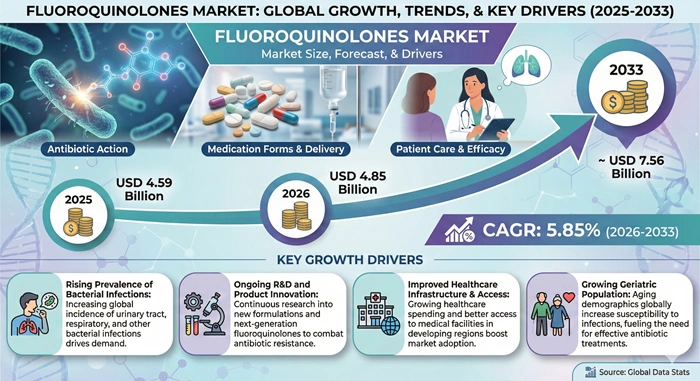
The global fluoroquinolones market size is valued at USD 4.59 billion in 2025 and is predicted to increase from USD 4.85 billion in 2026 to approximately USD 7.56 billion by 2033, growing at a CAGR of 5.85% from 2026 to 2033.
Fluoroquinolones represent a critical class of broad-spectrum antibiotics extensively utilized in treating various bacterial infections across respiratory, urinary, gastrointestinal, and skin infection categories. The pharmaceutical industry continues to witness sustained demand for these antimicrobial agents due to their proven efficacy against gram-positive and gram-negative bacteria. Healthcare providers globally rely on fluoroquinolones as effective alternatives when first-line antibiotics demonstrate limited effectiveness or when patients exhibit allergic reactions to penicillin-based medications. The market expansion reflects the increasing burden of bacterial infections worldwide, coupled with rising healthcare expenditure and improved access to medical facilities in developing economies.
AI Impact on the Fluoroquinolones Industry
Revolutionizing Drug Discovery and Clinical Development Through Advanced Machine Learning and Predictive Analytics
Artificial intelligence is fundamentally transforming the fluoroquinolones market by accelerating drug discovery timelines and enhancing clinical trial efficiency. Machine learning algorithms analyze massive datasets containing molecular structures, pharmacokinetic properties, and patient response patterns to identify promising fluoroquinolone candidates with improved efficacy profiles and reduced adverse effects. AI-powered predictive modeling enables pharmaceutical researchers to forecast drug interactions, optimize dosage formulations, and anticipate potential safety concerns before progressing to expensive clinical trials. This technological integration has reduced research and development cycles by approximately 30 to 40 percent, allowing manufacturers to bring innovative fluoroquinolone derivatives to market faster while maintaining rigorous safety standards.
Digital diagnostic tools enhanced by artificial intelligence support healthcare professionals in accurately identifying bacterial infections that respond optimally to fluoroquinolone treatment. AI systems process patient medical histories, laboratory results, and imaging data to recommend targeted antibiotic therapy, thereby reducing inappropriate prescribing and combating antimicrobial resistance. Supply chain management benefits significantly from AI-driven demand forecasting models that predict fluoroquinolones market consumption patterns across different geographic regions, minimizing medication shortages and inventory wastage. Pharmacovigilance systems leveraging artificial intelligence continuously monitor real-world patient data to detect adverse events associated with fluoroquinolone usage, enabling regulatory authorities and manufacturers to implement timely safety interventions and improve overall treatment outcomes.
Growth Factors
Rising Bacterial Infection Prevalence and Growing Antibiotic Resistance Drive Sustained Fluoroquinolones Market Expansion
The escalating global burden of bacterial infections serves as the primary catalyst propelling fluoroquinolones market growth across developed and emerging economies. Respiratory tract infections, urinary tract infections, gastrointestinal infections, and skin infections collectively affect hundreds of millions of patients annually, creating substantial demand for effective antimicrobial treatments. Healthcare systems worldwide face mounting challenges from antibiotic-resistant bacterial strains that fail to respond to conventional penicillin and cephalosporin therapies, positioning fluoroquinolones as essential therapeutic alternatives. The aging global population demonstrates increased susceptibility to bacterial infections due to weakened immune systems and higher rates of chronic diseases, further amplifying fluoroquinolones market consumption. Government healthcare initiatives in developing nations focus on expanding access to essential medicines, including broad-spectrum antibiotics, thereby broadening the patient population receiving fluoroquinolone prescriptions.
Pharmaceutical companies continue investing in research activities focused on developing next-generation fluoroquinolone formulations with enhanced antimicrobial activity and improved safety profiles. Generic fluoroquinolone manufacturers leverage patent expirations of branded products to introduce cost-effective alternatives, significantly expanding market accessibility in price-sensitive regions across Asia-Pacific, Latin America, and Africa. Healthcare providers appreciate fluoroquinolones for their convenient oral administration, excellent tissue penetration, and broad-spectrum coverage, making these antibiotics suitable for both hospital and outpatient treatment settings. The fluoroquinolones market benefits from established clinical acceptance accumulated over decades of medical use, with extensive published literature supporting their efficacy across diverse infection types and patient populations.
Market Outlook
Strategic Antibiotic Stewardship and Generic Competition Shape Future Fluoroquinolones Market Dynamics
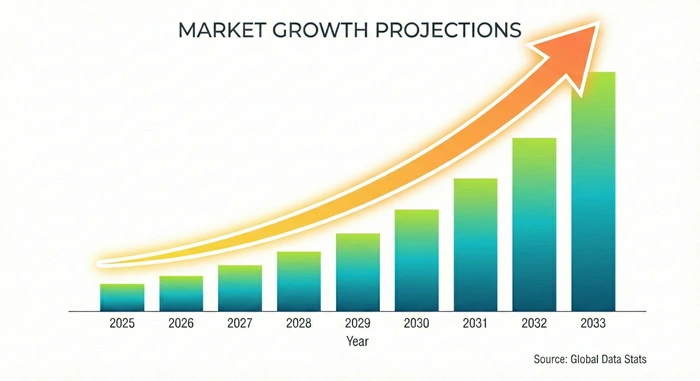
The fluoroquinolones market outlook reflects a balanced trajectory influenced by sustained infection rates and evolving prescribing practices emphasizing responsible antibiotic use. Healthcare institutions globally implement antibiotic stewardship programs designed to optimize fluoroquinolone prescribing patterns, ensuring these valuable antimicrobials remain effective for future generations while addressing immediate patient needs. Regulatory authorities continue monitoring fluoroquinolone safety profiles, particularly regarding potential side effects including tendinitis, tendon rupture, and peripheral neuropathy, which influences prescribing decisions among cautious healthcare providers. The market demonstrates resilience through diversified application areas spanning hospitals, specialty clinics, ambulatory surgical centers, and retail pharmacy channels, providing multiple revenue streams for fluoroquinolone manufacturers.
Generic fluoroquinolone products dominate market volume, particularly in emerging economies where healthcare budgets prioritize affordability and access over branded medications. Asia-Pacific pharmaceutical manufacturers leverage robust production capabilities to supply global markets with cost-effective fluoroquinolone formulations meeting international quality standards. The fluoroquinolones market faces competitive pressure from alternative antibiotic classes and novel antimicrobial agents entering clinical development pipelines, requiring established manufacturers to differentiate through value-added services, combination therapies, and patient support programs. Strategic partnerships between multinational pharmaceutical companies and regional distributors facilitate market penetration in underserved geographies, while digital health platforms enable telemedicine-based antibiotic prescribing that expands fluoroquinolone accessibility beyond traditional healthcare settings.
Expert Speaks
-
Dr. Albert Bourla, CEO of Pfizer Inc., emphasized the company's commitment to strengthening its pharmaceutical foundation through focused execution and strategic investments, stating that 2026 represents an important year with approximately 20 key pivotal study starts expected to maximize opportunities for industry-leading growth.
-
David Denton, CFO and EVP of Pfizer Inc., highlighted the company's solid financial performance driven by focused commercial execution, delivering operational revenue growth of 6 percent for their non-COVID portfolio through continued financial discipline and strong earnings performance.
-
Joaquin Duato, CEO of Johnson & Johnson, expressed optimism about the future of pharmaceutical innovation in the healthcare sector, reinforcing confidence in the industry's ability to develop breakthrough medicines despite regulatory challenges and evolving market dynamics.
Key Report Takeaways
-
Asia-Pacific leads the fluoroquinolones market with approximately 40 percent regional share, driven by extensive generic manufacturing capabilities, high bacterial infection burden, expanding healthcare infrastructure, and strong antibiotic demand across China, India, and Southeast Asian nations experiencing rapid economic development and improving medical access.
-
North America demonstrates the fastest growth trajectory in the fluoroquinolones market, propelled by rising antibiotic-resistant infection cases, advanced healthcare technology adoption, robust pharmaceutical company presence, enhanced infectious disease management awareness, and expanding hospital networks with sophisticated diagnostic capabilities.
-
Oral administration route dominates fluoroquinolones market consumption with approximately 42 percent share, as patients and healthcare providers prefer convenient tablet and capsule formulations that enable outpatient treatment, improve medication adherence, and eliminate hospitalization requirements for mild to moderate bacterial infections.
-
Hospital end-users contribute the largest fluoroquinolones market revenue segment, accounting for approximately 45 percent share, due to higher patient volumes, complex infection treatment requirements, intravenous formulation availability, and comprehensive antibiotic stewardship programs implemented in inpatient healthcare facilities worldwide.
-
Ciprofloxacin maintains the most popular fluoroquinolone molecule position, representing approximately 35 percent market share, based on broad-spectrum antimicrobial activity, extensive clinical evidence, widespread generic availability, favorable pharmacokinetic profile, and established efficacy across urinary tract infections, respiratory infections, and gastrointestinal bacterial diseases.
-
Respiratory infection therapeutic indication will experience the fastest segment growth through 2033, expanding at a CAGR of approximately 6.2 percent and capturing growing market share percentage, driven by increasing chronic respiratory disease prevalence, seasonal infection patterns, and fluoroquinolone effectiveness against respiratory pathogens including atypical bacteria.
Market Scope
| Report Coverage Details | |
|---|---|
| Market Size by 2033 | USD 7.56 Billion |
| Market Size by 2025 | USD 4.59 Billion |
| Market Size by 2026 | USD 4.85 Billion |
| Market Growth Rate from 2026 to 2033 | CAGR of 5.85% |
| Dominating Region | Asia-Pacific |
| Fastest Growing Region | North America |
| Base Year | 2025 |
| Forecast Period | 2026 to 2033 |
| Segments Covered | By Molecule, By Route of Administration, By Therapeutic Indication, By End-User, By Drug Type, By Distribution Channel, By Region |
| Regions Covered | North America, Europe, Asia-Pacific, Latin America, Middle East & Africa |
Market Dynamics
Drivers Impact Analysis
Escalating Bacterial Infection Rates and Antibiotic Resistance Propel Fluoroquinolones Market Demand
The fluoroquinolones market experiences robust growth momentum driven by the accelerating global prevalence of bacterial infections requiring broad-spectrum antimicrobial intervention. Respiratory tract infections affect approximately 400 million patients annually worldwide, with urinary tract infections representing another 150 million cases, creating substantial and recurring demand for effective fluoroquinolone treatments across diverse patient demographics. Healthcare systems confront mounting challenges from antibiotic-resistant bacterial strains that demonstrate reduced susceptibility to conventional beta-lactam antibiotics, positioning fluoroquinolones as critical therapeutic alternatives for managing complicated infections. The aging demographic trend across developed nations correlates directly with increased bacterial infection incidence, as elderly patients exhibit compromised immune function, higher comorbidity rates, and greater susceptibility to nosocomial infections requiring potent antibiotic therapy. Fluoroquinolones market expansion benefits from these antibiotics' proven efficacy against both gram-positive and gram-negative pathogens, including difficult-to-treat organisms responsible for pneumonia, pyelonephritis, and intra-abdominal infections.
Government healthcare initiatives throughout Asia-Pacific, Africa, and Latin America prioritize expanding essential medicine access, including broad-spectrum antibiotics, to underserved populations lacking adequate infectious disease treatment options. The fluoroquinolones market gains momentum from pharmaceutical companies' continued investment in developing improved formulations with enhanced antimicrobial potency, reduced side effect profiles, and convenient dosing schedules that improve patient compliance. Generic fluoroquinolone availability following patent expirations dramatically reduces treatment costs, making these life-saving antibiotics accessible to price-sensitive healthcare systems and individual patients in low- and middle-income countries. Healthcare providers value fluoroquinolones' pharmacokinetic advantages including excellent tissue penetration, high bioavailability, and extended half-lives enabling once-daily or twice-daily dosing regimens suitable for outpatient management of bacterial infections that previously required hospitalization and intravenous antibiotic administration.
| Driver Factor | ≈ Impact on CAGR Forecast | Geographic Relevance | Impact Timeline |
|---|---|---|---|
| Rising bacterial infection prevalence | +2.0% to +2.5% | Global, particularly Asia-Pacific and Africa | Immediate and ongoing |
| Increasing antibiotic resistance | +1.5% to +2.0% | Global, especially North America and Europe | Immediate and ongoing |
| Aging population demographics | +0.8% to +1.2% | Primarily Europe, North America, East Asia | Medium to long-term |
| Generic fluoroquinolone availability | +0.7% to +1.0% | Strongest in Asia-Pacific and Latin America | Immediate and ongoing |
Restraints Impact Analysis
Safety Concerns and Antimicrobial Resistance Challenges Moderate Fluoroquinolones Market Growth Trajectory
The fluoroquinolones market faces significant headwinds from escalating safety concerns documented through post-marketing surveillance and regulatory agency warnings regarding potentially serious adverse effects. Healthcare regulatory authorities including the FDA and EMA have issued black box warnings highlighting fluoroquinolone associations with tendinitis, tendon rupture, peripheral neuropathy, central nervous system effects, and exacerbation of myasthenia gravis symptoms, prompting conservative prescribing practices among cautious physicians. These safety considerations particularly impact elderly patients, athletes, and individuals with pre-existing musculoskeletal conditions, effectively restricting the eligible patient population for fluoroquinolone therapy. The fluoroquinolones market confronts mounting evidence of increasing bacterial resistance rates, with surveillance data indicating declining susceptibility among urinary tract infection pathogens, respiratory bacteria, and gastrointestinal organisms that traditionally responded well to fluoroquinolone treatment. Medical professional societies and infectious disease specialists increasingly recommend reserving fluoroquinolones for situations where alternative antibiotics prove ineffective or contraindicated, limiting first-line prescribing opportunities.
Antibiotic stewardship programs implemented across hospitals, healthcare networks, and national health systems establish restrictive formulary policies requiring infectious disease consultation or justification documentation before fluoroquinolone prescribing authorization. The fluoroquinolones market experiences competitive pressure from newer antibiotic classes including advanced cephalosporins, beta-lactam/beta-lactamase inhibitor combinations, and novel antimicrobial agents demonstrating comparable or superior efficacy with potentially improved safety profiles. Stringent regulatory requirements for antibiotic approval, post-marketing surveillance obligations, and extensive safety documentation increase development costs and timeline uncertainties for pharmaceutical companies considering fluoroquinolone pipeline investments. Generic market saturation in established economies creates intense price competition that erodes profit margins for fluoroquinolone manufacturers, while counterfeit and substandard fluoroquinolone products in unregulated markets undermine quality perceptions and potentially contribute to resistance development through inconsistent dosing and inadequate treatment courses.
| Restraint Factor | ≈ Impact on CAGR Forecast | Geographic Relevance | Impact Timeline |
|---|---|---|---|
| Safety concerns and regulatory warnings | -1.2% to -1.5% | Strongest in North America and Europe | Immediate and ongoing |
| Increasing antimicrobial resistance | -0.8% to -1.2% | Global, particularly urban healthcare centers | Ongoing and accelerating |
| Antibiotic stewardship restrictions | -0.5% to -0.8% | Primarily developed healthcare markets | Medium-term |
| Generic price competition | -0.4% to -0.6% | Established markets with patent expirations | Immediate and ongoing |
Opportunities Impact Analysis
Emerging Markets and Novel Formulation Development Create Substantial Fluoroquinolones Market Expansion Potential
The fluoroquinolones market presents compelling growth opportunities through geographic expansion into underserved regions experiencing healthcare infrastructure development and rising middle-class populations demanding quality medical care. Countries throughout Southeast Asia, Sub-Saharan Africa, and Latin America demonstrate rapidly growing pharmaceutical markets characterized by increasing healthcare expenditure, expanding insurance coverage, improving diagnostic capabilities, and greater awareness of appropriate antibiotic treatment for bacterial infections. The fluoroquinolones market benefits from these regions' high bacterial infection burden combined with limited access to advanced healthcare facilities, creating substantial demand for effective oral antibiotics suitable for community-based treatment. Pharmaceutical companies can capitalize on partnership opportunities with local manufacturers, distributors, and healthcare providers to establish market presence while navigating regulatory requirements and pricing expectations in emerging economies.
Research and development initiatives focused on novel fluoroquinolone derivatives with improved antimicrobial spectra, enhanced safety profiles, and activity against resistant bacterial strains represent significant fluoroquinolones market opportunities. Combination therapy approaches pairing fluoroquinolones with beta-lactamase inhibitors or complementary antimicrobial agents may overcome resistance mechanisms while expanding clinical applications. The fluoroquinolones market can leverage digital health technologies including telemedicine platforms, electronic prescribing systems, and mobile health applications to facilitate appropriate antibiotic access in remote areas lacking traditional healthcare infrastructure. Specialty formulations addressing unmet medical needs such as pediatric-friendly suspensions, extended-release preparations enabling simplified dosing regimens, and topical fluoroquinolone products for ocular and dermatological infections provide differentiation opportunities. Strategic acquisitions of regional fluoroquinolone manufacturers, licensing agreements for proprietary formulations, and contract manufacturing arrangements enable rapid market entry while optimizing capital efficiency and operational flexibility across diverse geographic markets.
| Opportunity Factor | ≈ Impact on CAGR Forecast | Geographic Relevance | Impact Timeline |
|---|---|---|---|
| Emerging market expansion | +1.5% to +2.0% | Asia-Pacific, Latin America, Africa | Short to medium-term |
| Novel formulation development | +0.8% to +1.2% | Global, particularly developed markets | Medium to long-term |
| Combination therapy approaches | +0.6% to +0.9% | Global healthcare systems | Medium-term |
| Digital health integration | +0.5% to +0.8% | Developing markets and rural areas | Medium to long-term |
Segment Analysis
By Route of Administration - Oral Fluoroquinolones
Convenient Tablet and Capsule Formulations Dominate Patient Preferences and Healthcare Provider Prescribing Patterns
Oral fluoroquinolones command approximately 42 percent of the fluoroquinolones market share, expanding at a robust CAGR of 6.1 percent throughout the forecast period as patients and healthcare systems prioritize convenient administration routes that eliminate hospitalization requirements. The oral segment's dominance reflects fluoroquinolones' excellent bioavailability characteristics, with most molecules demonstrating 70 to 95 percent absorption following oral administration, achieving therapeutic blood concentrations comparable to intravenous formulations. Healthcare providers across ambulatory care settings, primary care clinics, and urgent care facilities preferentially prescribe oral fluoroquinolones for managing uncomplicated urinary tract infections, respiratory infections, gastrointestinal infections, and skin infections that do not require intensive monitoring or parenteral therapy. Patients strongly prefer oral antibiotic formulations that enable home-based treatment, avoid needle-related discomfort, preserve normal daily activities, and reduce healthcare costs associated with emergency department visits or hospital admissions for intravenous antibiotic administration.
Asia-Pacific leads oral fluoroquinolones market growth, driven by extensive generic manufacturing in India and China supplying affordable tablet formulations to domestic and export markets across Southeast Asia, the Middle East, and Africa. Major pharmaceutical companies including Cipla Limited, Dr. Reddy's Laboratories, Sun Pharmaceutical Industries, and Lupin Pharmaceuticals maintain dominant positions in the Asia-Pacific oral fluoroquinolones market through vertically integrated manufacturing operations, broad distribution networks, and competitive pricing strategies. North American and European markets demonstrate steady oral fluoroquinolones market consumption supported by established prescribing patterns, comprehensive insurance coverage for outpatient antimicrobial therapy, and patient preference for avoiding hospital-based intravenous treatment when oral alternatives provide comparable clinical outcomes. The oral segment benefits from ongoing formulation innovations including extended-release tablets enabling once-daily dosing, combination products incorporating complementary antimicrobial agents, and orally disintegrating tablets improving administration ease for elderly patients experiencing swallowing difficulties.
By Therapeutic Indication - Urinary Tract Infections
Widespread UTI Prevalence and Fluoroquinolone Treatment Efficacy Sustain Substantial Market Revenue Contribution
Urinary tract infections represent the largest therapeutic indication segment in the fluoroquinolones market, accounting for approximately 38 percent market share with steady CAGR growth of 5.7 percent as these antibiotics remain preferred treatment options for complicated and recurrent UTI cases. Fluoroquinolones demonstrate exceptional urinary tract tissue penetration and achieve high urine concentrations significantly exceeding minimum inhibitory concentrations against common uropathogens including Escherichia coli, Klebsiella pneumoniae, Proteus mirabilis, and Enterococcus species. Healthcare guidelines globally recognize fluoroquinolones as effective second-line or first-line alternatives for managing pyelonephritis, complicated cystitis, catheter-associated urinary tract infections, and recurrent UTI cases where initial antibiotic therapy proved unsuccessful. The urinary tract infection indication benefits from fluoroquinolones' favorable pharmacokinetic profiles enabling convenient twice-daily or once-daily oral dosing regimens that improve patient adherence compared to antibiotics requiring multiple daily doses or extended treatment durations.
North America maintains the largest urinary tract infection fluoroquinolones market share, supported by high UTI incidence rates affecting approximately 10 to 15 million patients annually in the United States, established fluoroquinolone prescribing patterns among urologists and primary care physicians, and comprehensive healthcare insurance coverage for antibiotic prescriptions. Europe demonstrates substantial urinary tract infection segment consumption, particularly in countries including Germany, France, United Kingdom, and Italy where aging populations experience elevated UTI rates requiring effective antimicrobial management. Leading fluoroquinolone manufacturers serving the urinary tract infection indication include Bayer AG with ciprofloxacin products, Pfizer Inc. offering branded and generic formulations, Johnson & Johnson through subsidiary companies, and Teva Pharmaceutical Industries supplying cost-effective generic alternatives across multiple geographic markets. The segment faces evolving dynamics as antibiotic stewardship initiatives encourage judicious fluoroquinolone use for urinary infections, promoting alternative antibiotics for uncomplicated cases while preserving fluoroquinolones for complicated infections, resistant organisms, and patients with beta-lactam allergies limiting treatment options.
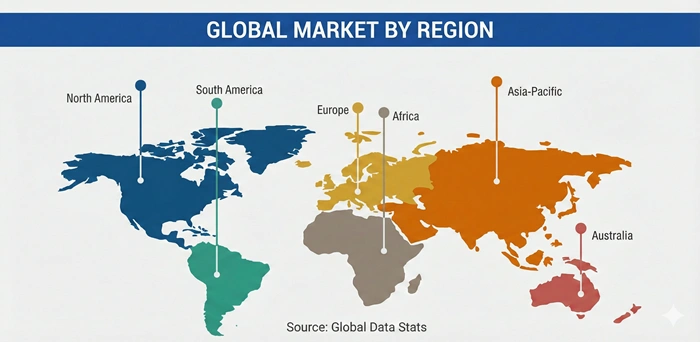
Regional Insights
Asia-Pacific
Manufacturing Excellence and High Disease Burden Position Asia-Pacific as Dominant Fluoroquinolones Market Leader
Asia-Pacific commands approximately 40 percent of the global fluoroquinolones market share, expanding at a CAGR of 6.3 percent driven by robust generic pharmaceutical manufacturing capabilities, substantial bacterial infection prevalence, rapidly improving healthcare infrastructure, and large patient populations across China, India, Indonesia, and other developing economies. The region's dominance reflects India's position as the world's leading generic medication supplier, with major pharmaceutical companies including Cipla Limited, Dr. Reddy's Laboratories, Sun Pharmaceutical Industries, Lupin Pharmaceuticals, and Aurobindo Pharma operating state-of-the-art fluoroquinolone production facilities meeting international quality standards. These manufacturers leverage cost-efficient operations, skilled scientific workforces, and favorable regulatory environments to supply domestic markets while exporting substantial fluoroquinolone volumes to Africa, Latin America, Middle East, and regulated markets including the United States and Europe following regulatory approvals.
China represents the largest individual country market within Asia-Pacific, consuming extensive fluoroquinolone volumes through its vast hospital network, community health centers, and retail pharmacy channels serving 1.4 billion citizens. The fluoroquinolones market in Asia-Pacific benefits from high bacterial infection incidence associated with tropical climates, dense urban populations, variable sanitation infrastructure, and limited antibiotic stewardship implementation outside major metropolitan hospitals. Government healthcare initiatives throughout the region focus on achieving universal health coverage, expanding essential medicine access, and reducing out-of-pocket healthcare expenditure, creating favorable conditions for affordable generic fluoroquinolone consumption. Major international pharmaceutical companies including Bayer AG, Pfizer Inc., Novartis AG through Sandoz division, and Johnson & Johnson maintain strategic presence across Asia-Pacific through local subsidiaries, manufacturing partnerships, and distribution agreements enabling market participation while navigating diverse regulatory requirements, pricing pressures, and competitive dynamics across individual countries.
North America
Advanced Healthcare Systems and Rising Resistance Patterns Drive North America as Fastest Growing Fluoroquinolones Market
North America demonstrates the fastest fluoroquinolones market growth trajectory, expanding at a CAGR of 6.8 percent from 2026 to 2033, propelled by increasing antibiotic-resistant bacterial infections, sophisticated diagnostic capabilities enabling appropriate antibiotic selection, strong pharmaceutical company presence, and comprehensive healthcare insurance coverage supporting antibiotic prescriptions. The region accounts for approximately 35 percent global fluoroquinolones market share, with the United States representing the dominant country market characterized by high per capita healthcare expenditure, extensive hospital networks, established outpatient care infrastructure, and widespread electronic health record systems facilitating antimicrobial stewardship monitoring. Healthcare providers across North America increasingly encounter bacterial strains demonstrating resistance to first-line antibiotics, necessitating fluoroquinolone prescribing for complicated infections, hospitalized patients, and individuals with beta-lactam allergies limiting therapeutic alternatives.
The North American fluoroquinolones market features leading pharmaceutical companies including Bayer AG with extensive ciprofloxacin product portfolios, Pfizer Inc. offering branded and generic formulations, Johnson & Johnson through subsidiary operations, Merck & Co. Inc. with specialty fluoroquinolone products, and Teva Pharmaceutical Industries supplying cost-effective generic alternatives capturing market share following patent expirations. Canada contributes meaningful fluoroquinolones market revenue through its universal healthcare system providing comprehensive prescription coverage for medically necessary antibiotic treatments. The region's market dynamics reflect complex interactions between clinical guidelines recommending judicious fluoroquinolone use, antibiotic stewardship programs implementing prescribing restrictions, regulatory oversight monitoring safety signals, and ongoing bacterial resistance surveillance influencing treatment recommendations. North American fluoroquinolones market growth benefits from research activities conducted at academic medical centers, pharmaceutical company laboratories, and biotechnology firms developing next-generation fluoroquinolone derivatives with improved safety profiles and activity against resistant organisms.
Top Key Players
-
Bayer AG (Germany)
-
Pfizer Inc. (United States)
-
Johnson & Johnson Services Inc. (United States)
-
Novartis AG / Sandoz Group AG (Switzerland)
-
Teva Pharmaceutical Industries Ltd. (Israel)
-
Cipla Limited (India)
-
Sun Pharmaceutical Industries Ltd. (India)
-
Dr. Reddy's Laboratories Ltd. (India)
-
Lupin Pharmaceuticals (India)
-
Merck & Co. Inc. (United States)
-
Astellas Pharma Inc. (Japan)
-
Hikma Pharmaceuticals plc (United Kingdom)
-
Aurobindo Pharma Limited (India)
-
Fresenius Kabi AG (Germany)
-
Zydus Cadila (India)
Recent Developments
-
Bayer AG - 2025: The company announced in March 2025 the strategic acquisition of global ciprofloxacin manufacturing assets and associated distribution rights, significantly strengthening its market position in the fluoroquinolones antibiotics segment and expanding production capacity to meet growing global demand.
-
Pfizer Inc. - 2025: Reported solid full-year financial performance with focused commercial execution delivering operational revenue growth of 6 percent for its non-COVID pharmaceutical portfolio, while announcing plans to initiate approximately 20 key pivotal studies in 2026 supporting future growth objectives across therapeutic areas.
-
Sandoz Group AG - 2024: Completed separation from Novartis AG to operate as an independent generic and biosimilar pharmaceutical company, establishing enhanced strategic focus on expanding its fluoroquinolone product portfolio and strengthening market presence across key geographic regions.
-
Cipla Limited - 2024: Expanded its antibiotic manufacturing capabilities through capacity enhancement initiatives at production facilities in India, targeting increased fluoroquinolone production volumes to supply growing demand across domestic and international markets including Africa and Asia-Pacific.
-
Teva Pharmaceutical Industries - 2025: Strengthened its generic fluoroquinolone product offerings through multiple regulatory approvals in the United States and European markets, enabling expanded market access for cost-effective ciprofloxacin, levofloxacin, and moxifloxacin generic formulations.
Market Trends
Generic Competition and Antibiotic Stewardship Reshape Fluoroquinolones Market Competitive Landscape
The fluoroquinolones market experiences intensifying generic competition following patent expirations of major branded products, with multiple manufacturers offering bioequivalent formulations at significantly reduced prices compared to originator products. This competitive dynamic particularly impacts established markets across North America and Europe where healthcare systems and pharmacy benefit managers preferentially select lowest-cost generic alternatives meeting regulatory quality standards. Pharmaceutical companies respond through value-added differentiation strategies including patient assistance programs, healthcare provider education initiatives, combination product development, and specialty formulation introductions addressing specific clinical needs not adequately served by standard generic tablets. The market witnesses strategic consolidation activities as larger pharmaceutical companies acquire regional fluoroquinolone manufacturers to expand geographic presence, achieve production synergies, and secure supply chain reliability for critical antibiotic products.
Antibiotic stewardship programs implemented across hospitals, healthcare networks, and national health systems substantially influence fluoroquinolones market dynamics by establishing prescribing guidelines that reserve these antibiotics for appropriate clinical situations. Healthcare institutions develop formulary restrictions requiring infectious disease specialist consultation, microbiology culture confirmation, or documented treatment failures before authorizing fluoroquinolone prescriptions for certain infection types. These stewardship initiatives aim to preserve fluoroquinolone effectiveness by preventing inappropriate use while ensuring access for patients with genuine medical need, creating a more sustainable long-term market trajectory compared to unrestricted prescribing patterns that accelerate resistance development. The fluoroquinolones market adapts through enhanced surveillance systems monitoring consumption patterns, resistance trends, and clinical outcomes, enabling evidence-based guideline refinements that balance infection treatment imperatives against antimicrobial stewardship objectives.
Segments Covered in the Report
By Molecule
-
Ciprofloxacin
-
Levofloxacin
-
Moxifloxacin
-
Ofloxacin
-
Norfloxacin
-
Gemifloxacin
-
Delafloxacin
-
Others
By Route of Administration
-
Oral
-
Intravenous
-
Topical
By Therapeutic Indication
-
Urinary Tract Infections
-
Respiratory Tract Infections
-
Gastrointestinal Infections
-
Skin and Soft Tissue Infections
-
Bone and Joint Infections
-
Sexually Transmitted Infections
-
Others
By End-User
-
Hospitals
-
Specialty Clinics
-
Ambulatory Surgical Centers
-
Homecare Settings
By Drug Type
-
Branded
-
Generic
By Distribution Channel
-
Hospital Pharmacies
-
Retail Pharmacies
-
Online Pharmacies
By Region
-
North America (United States, Canada, Mexico)
-
Europe (Germany, United Kingdom, France, Italy, Spain, Rest of Europe)
-
Asia-Pacific (China, India, Japan, South Korea, Australia, Southeast Asia, Rest of Asia-Pacific)
-
Latin America (Brazil, Argentina, Rest of Latin America)
-
Middle East & Africa (GCC Countries, South Africa, Rest of MEA)
Frequently Asked Questions
Question 1: What is the expected fluoroquinolones market size by 2033?
Answer: The global fluoroquinolones market is projected to reach approximately USD 7.56 billion by 2033. This growth reflects sustained demand for broad-spectrum antibiotics treating various bacterial infections across healthcare settings worldwide.
Question 2: Which region dominates the fluoroquinolones market currently?
Answer: Asia-Pacific dominates the fluoroquinolones market with approximately 40 percent share, driven by extensive generic manufacturing capabilities and high bacterial infection prevalence. Major pharmaceutical production hubs in India and China supply domestic and international markets with affordable fluoroquinolone formulations.
Question 3: What factors drive fluoroquinolones market growth during the forecast period?
Answer: Rising bacterial infection rates, increasing antibiotic resistance patterns, aging population demographics, and expanding healthcare access in developing economies drive fluoroquinolones market growth. Generic availability following patent expirations also enhances market accessibility across price-sensitive regions.
Question 4: Which therapeutic indication consumes the most fluoroquinolones market share?
Answer: Urinary tract infections represent the largest therapeutic indication segment, accounting for approximately 38 percent of fluoroquinolones market consumption. These antibiotics demonstrate exceptional efficacy against uropathogens and achieve high urinary concentrations supporting treatment success.
Question 5: How do antibiotic stewardship programs affect the fluoroquinolones market outlook?
Answer: Antibiotic stewardship programs influence fluoroquinolones market dynamics by promoting judicious prescribing practices and establishing usage guidelines. These initiatives aim to preserve antibiotic effectiveness while ensuring appropriate patient access, creating sustainable long-term market growth patterns.