
Extruded Snacks Market Overview
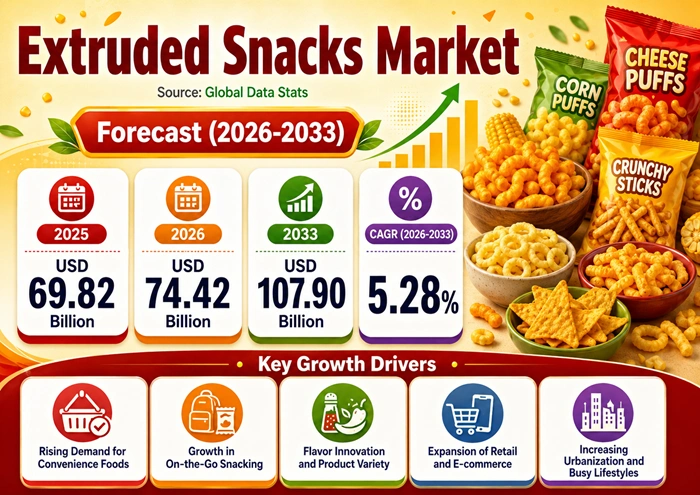
The global extruded snacks market size is valued at USD 69.82 billion in 2025 and is predicted to increase from USD 74.42 billion in 2026 to approximately USD 107.90 billion by 2033, growing at a CAGR of 5.28% from 2026 to 2033.
Rising urbanization combined with busy lifestyles drives unprecedented demand for convenient ready-to-eat snacking options that deliver instant satiety and flavor satisfaction. Extruded snacks manufactured through high-temperature short-time processing using cereals, starches, and various raw materials offer diverse shapes, textures, and flavors appealing to consumers seeking portable energy-boosting foods for on-the-go consumption throughout busy workdays and leisure activities.
AI Impact on the Extruded Snacks Industry
Artificial Intelligence Revolutionizing Production Efficiency and Quality Control
Artificial intelligence is fundamentally transforming the extruded snacks market by enabling precision extrusion parameter optimization, automated quality inspection, predictive maintenance, flavor development innovation, and personalized consumer targeting that enhance manufacturing efficiency while ensuring consistent product quality and appealing taste profiles. Machine learning algorithms analyze vast datasets from extrusion processes including barrel temperature zones, screw speed configurations, feed rate adjustments, moisture content levels, and die pressure readings to optimize processing parameters maximizing product expansion, achieving desired texture characteristics, minimizing energy consumption, and reducing raw material waste. AI-powered computer vision systems inspect extruded products throughout production lines detecting shape irregularities, color variations, size inconsistencies, and foreign material contamination automatically with 99% accuracy ensuring only perfect snacks meeting quality specifications reach packaging and consumers while identifying processing issues before significant batch losses occur.
Predictive maintenance algorithms monitor extruder equipment performance analyzing vibration patterns, temperature fluctuations, pressure anomalies, and motor current variations to predict component failures before breakdowns occur, scheduling maintenance during planned downtimes rather than experiencing costly unplanned production stoppages that disrupt supply chains. Natural language processing technologies analyze consumer reviews, social media conversations, search queries, and focus group feedback identifying emerging flavor preferences, texture desires, health attribute priorities, and packaging innovations consumers seek guiding product development teams toward market-ready innovations. The extruded snacks market benefits from AI-driven flavor formulation systems that model ingredient interactions, predict sensory outcomes, optimize seasoning blends, and suggest novel flavor combinations reducing development cycles from months to weeks while increasing successful launch rates. Robotic automation combined with AI enables lights-out manufacturing where production lines operate continuously without human supervision optimizing efficiency, reducing labor costs, ensuring consistent quality, and enabling 24/7 production meeting increasing global demand for convenient snacking products across diverse markets and distribution channels.
Growth Factors
Convenience Demand and Health Innovation Drive Market Expansion
The extruded snacks market is experiencing robust growth driven by escalating convenience food demand from urbanization and dual-income households, rising disposable incomes enabling snack purchases, increasing millennial and Gen Z snacking preferences, and health-focused product innovations delivering better-for-you options without compromising taste satisfaction. Urbanization concentrates populations in cities where hectic lifestyles, long commuting times, extended work hours, and busy schedules leave little time for traditional meal preparation driving demand for convenient portable snacks providing quick energy boosts and hunger satisfaction during workdays. Dual-income households where both partners work full-time increasingly rely on convenient ready-to-eat snacking options replacing traditional home-cooked meals and sit-down eating occasions with multiple mini-meals throughout the day creating sustained demand for diverse extruded snack varieties offering nutrition, taste, and convenience.
Rising disposable incomes particularly across developing markets in Asia Pacific, Latin America, and parts of Africa enable consumers previously unable to afford packaged snacks to regularly purchase extruded products as discretionary spending on convenience foods increases with economic prosperity. The extruded snacks market benefits from millennial and Gen Z demographic preferences for snacking over traditional meals, with younger consumers eating five to six times daily preferring small frequent eating occasions rather than three large meals creating enormous sustained demand for innovative flavorful snacking products. Health and wellness trends drive product innovation as manufacturers develop baked rather than fried varieties, incorporate whole grains and ancient cereals, reduce sodium and fat content, add protein and fiber enrichment, and eliminate artificial ingredients creating healthier extruded snacks appealing to nutrition-conscious consumers unwilling to sacrifice taste for wellness. Impulse purchasing behavior particularly in supermarkets and hypermarkets where attractive displays, promotional offers, variety choices, and convenient checkout placement drive unplanned snack purchases significantly boosting sales volumes beyond planned grocery shopping lists.
Market Outlook
Innovation and Sustainability Define Future Industry Evolution
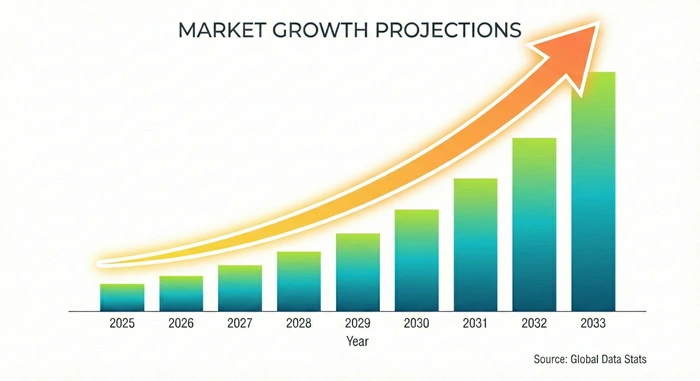
The extruded snacks market is positioned for sustained expansion through 2033 as manufacturers invest heavily in processing technology advancements, develop plant-based and functional formulations, expand flavor innovation, optimize sustainable practices, and leverage e-commerce channels reaching consumers directly. Twin-screw extruder adoption accelerates as advanced technology enables superior mixing capabilities, greater ingredient flexibility, precise texture control, novel shape production, and efficient processing of diverse raw materials including legumes, ancient grains, and protein-enriched formulations impossible with traditional single-screw systems. Plant-based and gluten-free extruded snacks represent fastest-growing segments as manufacturers leverage chickpeas, quinoa, lentils, rice blends, and alternative grains creating products appealing to vegan, vegetarian, celiac, and health-conscious consumers while supporting sustainability goals reducing reliance on traditional commodity grains.
Flavor innovation focuses on ethnic tastes, fusion combinations, spicy profiles, cheese variations, and regional preferences with manufacturers customizing products for local markets while offering adventurous global flavors appealing to younger consumers seeking novel eating experiences beyond traditional salted and plain varieties. The extruded snacks market witnesses sustainability initiatives including biodegradable packaging adoption, renewable energy manufacturing, water conservation technologies, byproduct utilization for animal feed or biomass energy, and sustainable sourcing certifications addressing environmental concerns while meeting corporate social responsibility commitments from major food retailers and brands. Online retail channels expand dramatically post-pandemic as consumers embrace e-commerce convenience, subscription boxes delivering curated snack assortments, direct-to-consumer brands bypassing traditional retail, and social commerce enabling purchases through Instagram and TikTok influencer recommendations reaching younger digitally-native demographics. Functional snacks incorporating probiotics, protein enrichment, vitamin fortification, and bioactive ingredients position extruded products as wellness tools delivering specific health benefits beyond basic nutrition creating premium segments commanding higher prices from health-focused consumers investing in preventive nutrition and active lifestyles.
Expert Speaks
-
Ramon Laguarta, Chairman and Chief Executive Officer of PepsiCo, emphasized that convenient snacking represents core growth strategy with PepsiCo's Frito-Lay division leading innovation in better-for-you extruded snacks including baked varieties, whole grain formulations, and reduced sodium options responding to consumer wellness priorities while maintaining taste satisfaction and brand loyalty driving sustained market leadership.
-
Steven Cahillane, Chairman and Chief Executive Officer of Kellanova, highlighted that savory snacks including extruded products represent attractive growth category as consumers increasingly replace traditional meals with snacking occasions, with successful brands requiring continuous innovation in flavors, textures, formats, and health positioning meeting diverse demographic preferences across global markets.
-
Dirk Van de Put, Chairman and Chief Executive Officer of Mondelez International, stated that snacking occasions globally increase as consumer eating patterns fragment from three meals toward continuous grazing throughout the day, with extruded snacks uniquely positioned to capture growing demand through portability, variety, affordability, and taste satisfaction appealing to all age groups and demographics worldwide.
Key Report Takeaways
-
Europe leads the extruded snacks market with approximately 44% market share in 2025, driven by mature snacking culture, extensive product variety, health-conscious innovations particularly in wheat and multigrain categories, established distribution infrastructure, and consumer preferences for convenient portable foods fitting active lifestyles.
-
Asia Pacific is growing the fastest with a projected CAGR of 6.87% from 2026 to 2033, fueled by massive population bases, rapid urbanization creating busy lifestyles, rising disposable incomes enabling snack purchases, growing millennial demographics, western food culture adoption, and expanding retail infrastructure across developing markets.
-
Wheat-based snacks dominate with approximately 32% market share as wheat offers healthier nutritional profile compared to potato and corn, provides good dietary fiber content, enables diverse flavor applications, and appeals to health-conscious consumers seeking lower carbohydrate and fat options in extruded snack categories.
-
The savory snacks type contributes the most to overall market revenue with approximately 69% share in 2025, reflecting consumer preferences for salted, spiced, and flavored varieties consumed throughout the day with tea, during work breaks, or as meal replacements rather than sweet alternatives limited to dessert or specific occasions.
-
Twin-screw extruders dominate manufacturing with approximately 58% market share as advanced technology provides superior mixing capabilities, greater ingredient flexibility, precise texture control, novel shape production possibilities, and efficient processing of diverse raw materials enabling product innovation and consistent quality.
-
The online retail segment will grow quickly with an estimated CAGR of 8.23% as e-commerce adoption accelerates, direct-to-consumer brands proliferate, subscription boxes gain popularity, social commerce enables influencer-driven purchases, and younger demographics comfortable with digital shopping embrace convenient home delivery of shelf-stable snack products.
Market Scope
| Report Coverage | Details |
|---|---|
| Market Size by 2033 | USD 107.90 Billion |
| Market Size by 2025 | USD 69.82 Billion |
| Market Size by 2026 | USD 74.42 Billion |
| Market Growth Rate from 2026 to 2033 | CAGR of 5.28% |
| Dominating Region | Europe |
| Fastest Growing Region | Asia Pacific |
| Base Year | 2025 |
| Forecast Period | 2026 to 2033 |
| Segments Covered | Product Type, Type, Manufacturing Process, Distribution Channel, Region |
| Regions Covered | North America, Europe, Asia Pacific, Latin America, Middle East and Africa |
Market Dynamics
Driver Impact Analysis
Urbanization and On-the-Go Lifestyles Propel Market Growth
The accelerating global urbanization combined with increasingly hectic on-the-go lifestyles represents the most powerful driver propelling the extruded snacks market toward sustained expansion across all geographic regions and demographic segments. Urban populations exceeding 55% globally and projected to reach 68% by 2050 concentrate consumers in cities characterized by fast-paced living, long commutes, extended work hours, and time scarcity that fundamentally reshapes eating patterns away from traditional home-cooked meals toward convenient portable snacking options. Dual-income households where both partners work full-time become norm across developed and developing markets leaving minimal time for meal preparation, driving reliance on convenient ready-to-eat snacks providing quick satiety during busy schedules without requiring cooking, preparation, or even heating.
The extruded snacks market benefits from millennial and Gen Z demographic shifts preferring continuous snacking throughout the day over traditional three-meal patterns, with younger consumers eating five to eight times daily in small portions rather than large sit-down meals creating sustained demand for diverse portable snacking products. Corporate culture proliferation across Asia Pacific particularly in China, India, Southeast Asia, and Latin America creates white-collar workforce demanding convenient workplace snacks, with office environments normalizing desk eating and vending machine availability making extruded snacks essential staples for busy professionals. Rising disposable incomes particularly across emerging markets enable consumers previously unable to afford packaged snacks to regularly purchase extruded products as economic prosperity increases discretionary spending on convenience foods, treats, and indulgences beyond basic staple groceries. Impulse purchasing behavior in supermarkets and hypermarkets where strategic product placement near checkouts, eye-level shelf positioning, attractive packaging designs, and promotional pricing drive unplanned snack purchases significantly exceeding consumers' intended grocery lists boosting sales volumes substantially.
| Driver | ≈ % Impact on CAGR Forecast | Geographic Relevance | Impact Timeline |
|---|---|---|---|
| Urbanization and Busy Lifestyles | +2.00% | Global, strongest in developing markets | 2026-2033 |
| Rising Disposable Income | +1.60% | Asia Pacific, Latin America, emerging markets | 2026-2033 |
| Millennial Snacking Preferences | +1.40% | North America, Europe, urban Asia | 2026-2033 |
| Convenience Demand | +1.30% | Global, all demographics | 2026-2033 |
Restraints Impact Analysis
Health Concerns and Competition Limit Market Penetration
The extruded snacks market confronts significant barriers related to health concerns about high calorie and fat content, growing competition from alternative snacking options, price sensitivity in certain segments, and negative perceptions about nutritional value that constrain adoption among health-conscious consumers and limit premium positioning. Traditional extruded snacks particularly fried varieties contain high calories, saturated fats, sodium levels, and minimal protein or fiber creating negative health perceptions as consumers increasingly scrutinize nutritional labels and seek foods supporting wellness goals rather than empty calories. Rising obesity rates, diabetes prevalence, cardiovascular disease concerns, and government health initiatives warning about junk food consumption create social pressure against frequent snack consumption particularly of products perceived as unhealthy indulgences rather than nutritious choices.
Competition from alternative snacking options including fresh fruits, nuts, yogurt, protein bars, popcorn, and healthier baked chips erodes extruded snack market share as health-conscious consumers shift toward options offering better nutritional profiles, natural ingredients, and functional benefits. The extruded snacks market suffers from processing skepticism as clean-label movements question heavily processed foods manufactured through high-temperature extrusion, with consumers preferring minimally processed whole foods over industrial snack products containing multiple ingredients, additives, and artificial flavors. Price sensitivity particularly in developing markets where consumers weigh snack purchases against essential household expenses limits market penetration, with extruded snacks often competing against cheaper local alternatives, street food options, or homemade snacks costing fraction of packaged products. Environmental concerns about packaging waste from individually wrapped portions, plastic film wrappers, and foil pouches create guilt among environmentally conscious consumers, particularly younger demographics prioritizing sustainability and questioning necessity of heavily packaged convenience foods contributing to global waste problems.
| Restraint | ≈ % Impact on CAGR Forecast | Geographic Relevance | Impact Timeline |
|---|---|---|---|
| Health and Nutrition Concerns | -1.40% | Developed markets, health-conscious segments | 2026-2033 |
| Alternative Snacking Competition | -1.10% | Global, all income levels | 2026-2033 |
| Processing Skepticism | -0.90% | Clean-label markets, educated consumers | 2026-2033 |
| Price Sensitivity | -0.80% | Emerging markets, lower-income demographics | 2026-2033 |
Opportunities Impact Analysis
Health Innovation and E-Commerce Expansion Create Growth Avenues
The development of healthier better-for-you extruded snacks combined with explosive e-commerce growth presents enormous opportunities for the extruded snacks market by addressing wellness concerns, creating premium segments, expanding distribution reach, and capturing younger digitally-native demographics comfortable with online purchasing. Baked rather than fried processing reduces fat content by 50-70% creating healthier alternatives maintaining taste and texture satisfaction while appealing to calorie-conscious consumers, with baked varieties commanding premium pricing reflecting perceived health benefits. Whole grain, multigrain, and ancient grain formulations incorporating quinoa, amaranth, millet, and other nutrient-dense cereals create functional snacks offering fiber, protein, vitamins, and minerals positioning products as nutritious choices rather than empty-calorie indulgences.
Protein enrichment adding whey, pea protein, soy protein, or plant-based proteins creates high-protein snacks appealing to fitness enthusiasts, athletes, and health-conscious consumers seeking satiety and muscle support aligning extruded products with sports nutrition trends. The extruded snacks market benefits from plant-based and gluten-free formulations leveraging chickpeas, lentils, and alternative grains creating products for vegan, vegetarian, celiac, and health-conscious consumers while supporting sustainability narratives reducing reliance on traditional grains. E-commerce channels enable direct-to-consumer brands bypassing traditional retail distribution, reducing costs, building customer relationships, offering subscription services, and capturing younger demographics preferring online shopping convenience and home delivery over store visits. Social commerce through Instagram, TikTok, and influencer marketing reaches digitally-native consumers where they spend time, enabling impulse purchases through integrated checkout, leveraging authentic recommendations from trusted personalities, and building brand communities around shared snacking experiences and flavor discoveries.
| Opportunity | ≈ % Impact on CAGR Forecast | Geographic Relevance | Impact Timeline |
|---|---|---|---|
| Better-for-You Product Innovation | +1.80% | Health-conscious markets globally | 2026-2033 |
| E-Commerce Channel Growth | +1.70% | Developed markets, urban demographics | 2026-2033 |
| Plant-Based and Gluten-Free Trends | +1.50% | North America, Europe, urban Asia | 2027-2033 |
| Emerging Market Penetration | +1.40% | Asia Pacific, Latin America, Africa | 2027-2033 |
Segment Analysis
Savory Snacks Type
Dominant Segment Driven by Versatile Consumption and Flavor Variety
The savory snacks type dominates the extruded snacks market with approximately 69% share in 2025 and steady CAGR of 5.22% from 2026 to 2033, driven by the segment's versatile consumption throughout the day, extensive flavor varieties, cultural snacking traditions, and pairing compatibility with beverages creating sustained demand across all demographics and occasions. Savory extruded snacks including salted, spiced, cheese-flavored, masala, and ethnic taste varieties serve as all-day munching options consumed during tea time, work breaks, television viewing, social gatherings, and as meal replacements or supplements unlike sweet alternatives limited to dessert or specific occasions. Flavor innovation in savory categories proves nearly limitless with manufacturers continuously launching new taste profiles including barbecue, sour cream, spicy variants, ethnic cuisines, and fusion combinations maintaining consumer interest and encouraging trial purchases.
Asia Pacific shows particularly strong savory snack preference with approximately 75% regional segment share and CAGR of 6.85%, driven by cultural traditions of consuming spiced and flavored snacks with tea, preference for savory over sweet tastes, diverse regional flavor preferences requiring localized products, and growing urban populations adopting western snacking habits. Leading companies serving the extruded snacks market including PepsiCo, Kellogg Company, General Mills, Mondelez International, ITC Limited, Calbee Inc., and regional players dominate through extensive flavor portfolios, aggressive marketing, wide distribution networks, continuous innovation, and pricing strategies capturing diverse income segments. The segment continues evolving through healthier savory formulations including baked versions, whole grain bases, reduced sodium options, and air-popped varieties addressing health concerns while maintaining taste satisfaction and flavor complexity consumers expect from savory snacking experiences.
Online Retail Distribution Channel
Fastest Growing Segment Capitalizing on E-Commerce Revolution and Convenience
The online retail distribution channel represents the fastest-growing segment in the extruded snacks market with a projected CAGR of 8.23% from 2026 to 2033, driven by accelerating e-commerce adoption, pandemic-induced behavior shifts, direct-to-consumer brand proliferation, subscription service convenience, and younger demographics' preference for digital shopping over traditional retail. Online platforms including Amazon, regional e-grocers, brand websites, and specialized snack subscription services offer unlimited product selection, detailed nutritional information, customer reviews, convenient home delivery, and competitive pricing attracting time-constrained consumers seeking convenient replenishment without store visits. Subscription boxes curating assorted snack varieties deliver discovery experiences introducing consumers to new brands and flavors while building recurring revenue streams and customer loyalty through automated replenishment.
North America shows particularly explosive online snack sales growth with CAGR exceeding 8.50%, driven by mature e-commerce infrastructure, high internet penetration, consumer comfort with online food purchases, pandemic-accelerated digital adoption, and younger demographics preferring digital channels over physical stores. Key players serving the extruded snacks market including established brands launching direct-to-consumer channels, digital-native brands like Undercover Snacks, and e-commerce platforms expanding grocery categories invest heavily in online marketing, influencer partnerships, social commerce integration, and optimized logistics ensuring fresh product delivery. The segment benefits from data-driven personalization enabling customized recommendations based on purchase history, dietary preferences, and browsing behavior creating tailored shopping experiences increasing basket sizes and purchase frequencies. Social commerce through Instagram shops, TikTok storefronts, and influencer-driven sales channels reaches consumers where they spend time, enabling impulse purchases through integrated checkout, leveraging authentic recommendations, and building brand communities around shared snacking experiences particularly effective with Gen Z and millennial target demographics.
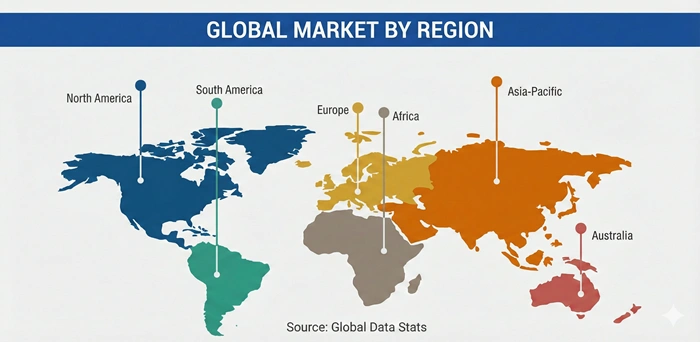
Regional Insights
Europe
Market Leadership Through Health Innovation and Snacking Culture
Europe maintains its position as the dominant region in the extruded snacks market, commanding approximately 44% of global market share in 2025 with an estimated value of USD 30.72 billion, projected to reach USD 48.26 billion by 2033 growing at a CAGR of 5.36%. The region's leadership stems from mature snacking culture with long-established habits of consuming savory snacks throughout the day, extensive product variety across price points and health profiles, health-conscious innovation leadership particularly in whole grain and multigrain categories, and sophisticated distribution infrastructure ensuring widespread product availability. Germany, UK, France, and Spain dominate regional consumption with combined approximately 62% European market share driven by large populations, strong retail infrastructure, health-conscious consumers demanding better-for-you options, and established snacking traditions integrated into daily routines.
Leading companies serving the European extruded snacks market including PepsiCo Europe, Lorenz Snack World, Intersnack Group, Mondelez International, Kellogg Europe, and regional brands compete through continuous health-focused innovation including baked products, whole grain formulations, reduced salt options, and clean-label formulations meeting strict EU regulations and consumer expectations. The region benefits from regulatory frameworks supporting nutritional improvements including voluntary reformulation agreements reducing salt and fat content, front-of-pack nutrition labeling improving transparency, and restrictions on marketing unhealthy foods to children driving industry toward healthier product development. Sustainability initiatives including biodegradable packaging adoption, renewable energy manufacturing, and carbon neutrality commitments address environmental concerns particularly important to European consumers prioritizing climate action and circular economy principles in purchasing decisions.
Asia Pacific
Fastest Regional Growth Through Urbanization and Rising Incomes
Asia Pacific represents the fastest-growing region in the extruded snacks market with a projected CAGR of 6.87% from 2026 to 2033, with market value expected to increase from USD 25.83 billion in 2025 to USD 45.19 billion by 2033, capturing expanding global revenue share. The region's exceptional growth trajectory stems from massive population bases exceeding 4.6 billion people, rapid urbanization creating busy urban lifestyles demanding convenient foods, rising middle-class incomes enabling discretionary snack purchases, growing millennial populations adopting western eating patterns, and expanding modern retail infrastructure making packaged snacks accessible. China and India dominate regional demand with combined approximately 58% Asia Pacific share driven by enormous populations, accelerating urbanization, corporate culture proliferation creating office snacking demand, rising disposable incomes, and growing acceptance of packaged convenience foods.
Leading companies serving the Asia Pacific extruded snacks market include PepsiCo Asia, Calbee Inc., ITC Limited, Mondelez Asia Pacific, Kellogg Asia, and numerous regional players including Haldiram's, Britannia Industries, and local snack manufacturers adapting products for regional taste preferences and price points. The region witnesses explosive growth in organized retail including supermarkets, hypermarkets, and convenience stores replacing traditional wet markets and small shops, improving product visibility, enabling impulse purchases, and normalizing packaged snack consumption among previously reluctant demographics. Online retail expansion particularly through e-commerce giants like Alibaba, JD.com, Flipkart, and regional platforms accelerates product accessibility in smaller cities and rural areas lacking modern retail infrastructure while offering convenience appealing to younger tech-savvy consumers comfortable with digital commerce.
Top Key Players
-
PepsiCo Inc. (United States)
-
Kellogg Company (United States)
-
General Mills Inc. (United States)
-
Mondelez International Inc. (United States)
-
Calbee Inc. (Japan)
-
ITC Limited (India)
-
Grupo Bimbo S.A.B. de C.V. (Mexico)
-
Campbell Soup Company (United States)
-
Lorenz Snack World (Germany)
-
Old Dutch Foods Inc. (United States)
-
Intersnack Group GmbH & Co. KG (Germany)
-
Conagra Brands Inc. (United States)
-
Diamond Foods LLC (United States)
-
Want Want Holdings Limited (China)
-
Haldiram Snacks Pvt. Ltd. (India)
Recent Developments
-
Undercover Snacks (2025): Opened Undercover Ingredients facility in February 2025 at East Hanover headquarters representing vertical integration strategy building high-quality profitable supply chain supporting rapid growth and driving innovation in better-for-you extruded chocolate quinoa crisp snacks, strengthening market position through enhanced control over ingredient processing and formulation capabilities enabling faster product development cycles.
-
Pondicherry University (2025): Inaugurated extrusion hub in March 2025 aimed at fostering women entrepreneurship in food science and encouraging sustainable farming practices, supporting creation of novel extruded offerings including half products first extruded then later puffed or fried, demonstrating academic commitment to advancing extrusion technology and supporting small-scale entrepreneurship in functional snack development.
-
Reliance Consumer Products (2024): Announced launch of popular corn chip snack Alan's Bugles in May 2024 through Reliance Retail Ventures' FMCG arm, marking strategic foray into western snacks category bringing globally popular product to Indian market, leveraging Reliance's extensive retail distribution network reaching consumers across urban and rural markets throughout India.
-
PepsiCo and Intersnack Group (2025): Entered strategic partnership in March 2025 to co-develop and co-distribute new line of puffed extruded snacks in Europe and Asia, combining PepsiCo's brand strength and innovation capabilities with Intersnack's regional market expertise and distribution networks creating synergies accelerating product launches and market penetration across multiple geographies.
-
Calbee Inc. (2025): Introduced range of plant-based extruded snacks in 2025 targeting Asia Pacific region to capture wellness trend, leveraging chickpeas, lentils, and alternative proteins creating products appealing to health-conscious consumers seeking nutritious convenient snacking options while supporting sustainability goals reducing environmental footprint compared to traditional corn and potato formulations.
Market Trends
Health-Focused Formulations and Sustainable Practices Reshape Industry Standards
The extruded snacks market is experiencing transformative shifts driven by health-focused product formulations addressing wellness concerns, plant-based ingredients gaining mainstream acceptance, flavor innovation creating excitement, and sustainability initiatives responding to environmental pressures reshaping manufacturing and packaging practices. Better-for-you product development focuses on baking rather than frying reducing fat content by 50-70%, incorporating whole grains and ancient cereals providing fiber and nutrients, enriching with protein from whey or plant sources supporting satiety and muscle health, reducing sodium addressing blood pressure concerns, and eliminating artificial ingredients meeting clean-label expectations from health-conscious consumers scrutinizing ingredient lists.
Plant-based formulations leveraging chickpeas, lentils, quinoa, and alternative grains create products appealing to vegan, vegetarian, and flexitarian consumers while supporting sustainability narratives and offering superior nutritional profiles compared to traditional corn and potato bases. The extruded snacks market witnesses flavor innovation explosion with ethnic tastes including masala, tandoori, kimchi, and sriracha appealing to adventurous consumers, fusion combinations merging culinary traditions, limited-edition seasonal flavors creating urgency, and regional customization respecting local taste preferences while offering global variety. Sustainability initiatives including biodegradable packaging replacing plastic films, renewable energy adoption in manufacturing reducing carbon footprints, water conservation technologies addressing resource scarcity, byproduct utilization for animal feed or biomass energy implementing circular economy principles, and sustainable sourcing certifications ensuring responsible agricultural practices respond to environmental concerns particularly important to younger demographics prioritizing climate action in purchasing decisions.
Segments Covered in the Report
By Product Type
-
Corn
-
Wheat
-
Potato
-
Rice
-
Multigrain
-
Oats
-
Tapioca
-
Others
By Type
-
Sweet
-
Savory
By Manufacturing Process
-
Single-Screw Extruder
-
Twin-Screw Extruder
By Distribution Channel
-
Supermarkets and Hypermarkets
-
Convenience Stores
-
Online Retail
-
Specialty Stores
-
Others
By Form
-
Simply Extruded
-
Expanded
-
Co-Extruded
By Region
-
North America
-
United States
-
Canada
-
Mexico
-
-
Europe
-
Germany
-
United Kingdom
-
France
-
Italy
-
Spain
-
Rest of Europe
-
-
Asia Pacific
-
China
-
India
-
Japan
-
South Korea
-
Australia
-
Southeast Asia
-
Rest of Asia Pacific
-
-
Latin America
-
Brazil
-
Argentina
-
Rest of Latin America
-
-
Middle East and Africa
-
GCC Countries
-
South Africa
-
Rest of Middle East and Africa
-
Frequently Asked Questions
Question 1: What is the projected extruded snacks market size by 2033?
Answer: The extruded snacks market is projected to reach USD 107.90 billion by 2033, growing from USD 74.42 billion in 2026. This represents steady expansion driven by rising urbanization, increasing disposable incomes, growing millennial snacking preferences, health-focused product innovations, and expanding e-commerce channels particularly in developing markets.
Question 2: Which region dominates the global extruded snacks market share?
Answer: Europe dominates the global extruded snacks market with approximately 44% market share in 2025, valued at USD 30.72 billion. This leadership position reflects mature snacking culture, extensive product variety, health-conscious innovation leadership, sophisticated distribution infrastructure, and established consumer habits integrated into daily routines across major European markets.
Question 3: What factors are driving the extruded snacks market growth?
Answer: Key factors driving extruded snacks market growth include accelerating urbanization creating busy lifestyles demanding convenient foods, rising disposable incomes enabling snack purchases, millennial and Gen Z snacking preferences replacing traditional meals, dual-income households relying on ready-to-eat options, and health-focused innovations including baked varieties and whole grain formulations. Impulse purchasing in retail environments also contributes significantly.
Question 4: Which product type segment holds the largest share in the extruded snacks market?
Answer: The wheat product type segment holds significant share in the extruded snacks market with approximately 32% in 2025. This dominance reflects wheat's healthier nutritional profile compared to potato and corn, lower carbohydrate and fat content, good dietary fiber levels, diverse flavor application possibilities, and appeal to health-conscious consumers seeking better-for-you snacking options.
Question 5: What are the emerging trends in the extruded snacks market?
Answer: Emerging trends in the extruded snacks market include better-for-you formulations through baking rather than frying and whole grain incorporation, plant-based ingredients leveraging chickpeas and lentils, flavor innovation including ethnic tastes and fusion combinations, twin-screw extruder adoption enabling superior product development, and sustainability initiatives including biodegradable packaging. E-commerce channel expansion and social commerce through influencer marketing also gain significant traction.