
Earthquake Insurance Market Overview
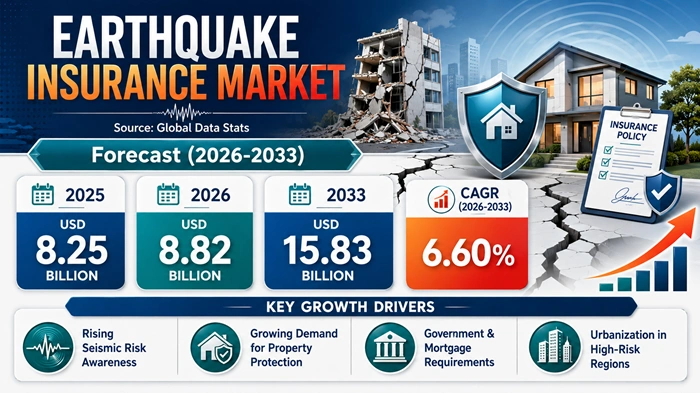
The global earthquake insurance market size is valued at USD 8.25 billion in 2025 and is predicted to increase from USD 8.82 billion in 2026 to approximately USD 15.83 billion by 2033, growing at a CAGR of 6.60% from 2026 to 2033. Rising frequency and severity of seismic events combined with growing awareness about financial devastation caused by earthquakes drive individuals and businesses toward specialized insurance coverage. Seismic insurance protects property owners, homeowners, and commercial establishments against earthquake-related damages that traditional insurance policies typically exclude.
AI Impact on the Earthquake Insurance Industry
Artificial Intelligence Revolutionizing Risk Assessment and Claims Processing
Artificial intelligence is fundamentally transforming the earthquake insurance market by enabling precise risk assessments, automated claims processing, fraud detection capabilities, and predictive analytics that enhance operational efficiency while improving customer experiences. Machine learning algorithms analyze vast datasets including geological surveys, seismic activity patterns, building construction details, soil composition data, and historical earthquake records to predict potential risks with approximately 70% accuracy, helping insurers develop more accurate premium pricing models and coverage recommendations. AI-powered catastrophe modeling systems simulate various earthquake scenarios, assess potential damage to insured properties across different geographic regions, and calculate probable maximum loss estimates enabling insurers to maintain adequate reserves and reinsurance capacity. Natural language processing technologies automate policy document analysis, extract relevant information from complex insurance contracts, identify coverage gaps, and provide instant responses to customer queries through intelligent chatbots available around the clock.
Computer vision applications combined with drone technology enable rapid damage assessments following seismic events, analyzing property images and videos to estimate repair costs, prioritize urgent claims, and accelerate settlement processes that traditionally required weeks of manual inspection. Predictive analytics forecast earthquake probabilities in specific regions by analyzing tectonic plate movements, stress accumulation patterns, and historical seismic data, providing early warnings that help policyholders prepare and insurers adjust risk exposures proactively. The earthquake insurance market benefits from AI-driven fraud detection systems that identify suspicious claim patterns, cross-reference damage reports with earthquake intensity data, flag inconsistencies in documentation, and reduce fraudulent claims estimated to represent 11% of insurance cases. Researchers at institutions including UT Austin leverage machine learning algorithms to forecast seismic activities enhancing preparedness, while insurance companies implementing AI report 14 times improvement in early claim processing efficiency since 2022, with property and casualty insurers potentially saving USD 80 billion to USD 160 billion by 2032 through AI adoption.
Growth Factors
Increasing Natural Disasters and Urbanization Drive Market Expansion
The earthquake insurance market is experiencing robust growth driven by escalating frequency and severity of natural disasters, rapid urbanization concentrating populations in seismically active regions, and heightened awareness about financial protection against catastrophic property damage. Global natural disaster frequency documented at 387 events in 2023 slightly exceeds the 2002-2021 average of 370 events, with earthquakes representing particularly devastating events causing extensive property damage, infrastructure destruction, and long-term economic disruption. High-profile seismic events including recent earthquakes in Turkey, Japan, California, and Myanmar illuminate limitations of traditional homeowner insurance policies that typically exclude earthquake damage, prompting property owners to seek specialized coverage protecting against complete financial loss. Climate change impacts compound natural disaster risks as temperature increases, environmental degradation, and ecological imbalances potentially influence seismic activity patterns while definitely intensifying related disasters like landslides and tsunamis that often accompany major earthquakes.
Rapid urbanization particularly across Asia Pacific concentrates large populations, critical infrastructure, and substantial property values in earthquake-prone metropolitan areas including Tokyo, Los Angeles, Manila, Istanbul, and numerous Chinese cities built near active fault lines. Aging building stocks in older urban centers lack modern seismic resistance standards, creating heightened vulnerability requiring insurance protection as retrofitting costs prove prohibitively expensive for individual property owners. The earthquake insurance market benefits from government initiatives including mandatory coverage requirements, public awareness campaigns educating citizens about seismic risks, regulatory frameworks establishing minimum coverage standards, and disaster relief programs often requiring insurance verification before providing assistance. Infrastructure development investments in transportation networks, commercial facilities, residential complexes, and industrial zones increase total insured values at risk, motivating developers, property owners, and lenders to secure comprehensive earthquake coverage protecting substantial capital investments from seismic damage.
Market Outlook
Innovation and Parametric Solutions Define Future Industry Evolution
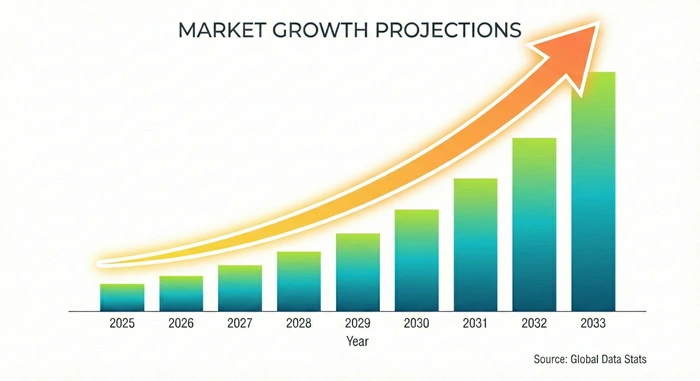
The earthquake insurance market is positioned for sustained expansion through 2033 as insurers innovate products including parametric policies, leverage advanced risk modeling technologies, expand distribution channels, and address coverage gaps in underinsured regions. Parametric insurance products offering predetermined payouts based on measurable earthquake parameters including magnitude, ground acceleration, and epicenter proximity represent rapidly growing segment providing faster claims settlement, transparent coverage terms, and predictable payouts without lengthy damage assessments. Smart technology integration including IoT sensors monitoring building structural integrity, real-time seismic alert systems, and mobile applications streamlining policy management enhances customer engagement while providing valuable risk mitigation data. Customized coverage options addressing specific needs of different customer segments including homeowners, renters, commercial property owners, industrial facilities, and small businesses expand market penetration beyond traditional residential policies.
Emerging markets across Asia Pacific, Latin America, and Africa present enormous growth opportunities as economic development, infrastructure investments, urbanization patterns, and improving insurance awareness create favorable conditions for earthquake coverage adoption in historically underinsured regions. The earthquake insurance market witnesses distribution channel diversification beyond traditional agents including digital platforms, banking partnerships, broker networks, and direct-to-consumer models that improve accessibility, price transparency, and customer convenience particularly appealing to younger tech-savvy demographics. Reinsurance market stability supported by catastrophe bonds, alternative risk transfer mechanisms, and improved capital flows enables primary insurers to expand coverage capacity in high-risk regions without excessive capital requirements. Regulatory developments including building code enforcement, mandatory disclosure requirements for earthquake risks during property transactions, and government-backed insurance programs enhance market infrastructure supporting sustainable long-term growth.
Expert Speaks
-
Evan Greenberg, Chairman and Chief Executive Officer of Chubb Limited, emphasized that catastrophe insurance including earthquake coverage represents fundamental risk management for property owners in seismically active regions, with Chubb investing substantially in advanced risk modeling, underwriting discipline, and reinsurance strategies ensuring claims-paying capacity following major seismic events while maintaining profitable operations.
-
Thomas Wilson, former Chairman and Chief Executive Officer of Allstate Corporation, highlighted that natural catastrophe frequency and severity increases necessitate insurance industry adaptation through improved risk selection, appropriate pricing reflecting true exposure levels, and innovative product designs addressing evolving customer needs while maintaining financial stability to honor claims obligations following catastrophic earthquake events.
-
Dwayne Hallman, President and Chief Executive Officer of Farmers Insurance Group, stated that earthquake insurance awareness remains critically low among homeowners in high-risk areas despite devastating financial consequences of uninsured seismic damage, with industry educational efforts, regulatory support, and product innovations helping expand coverage penetration protecting communities from catastrophic losses.
Key Report Takeaways
-
North America leads the earthquake insurance market with approximately 39% market share in 2025, driven by frequent seismic activity particularly in California and Pacific Northwest, robust insurance infrastructure, strong regulatory support encouraging coverage adoption, and established awareness about earthquake risks requiring specialized insurance protection.
-
Asia Pacific is growing the fastest with a projected CAGR of 7.20% from 2026 to 2033, fueled by massive populations concentrated in seismically active regions, rapid urbanization increasing property values at risk, government initiatives promoting catastrophe insurance, and improving insurance infrastructure across developing economies including China, India, and Southeast Asian nations.
-
Non-life insurance dominates with approximately 77% market share as property insurance, homeowner policies with earthquake endorsements, commercial property coverage, and business interruption insurance represent primary products protecting physical assets and income streams from seismic damage excluding life insurance components.
-
The personal application segment contributes the most to overall market revenue with approximately 58% share in 2025, reflecting that individual homeowners and renters in earthquake-prone areas represent largest customer base seeking financial protection for residential properties representing substantial personal wealth and family security.
-
Agents dominate distribution channels with approximately 42% market share as insurance agents' established relationships, personalized guidance explaining complex coverage terms, customized policy recommendations, and ongoing support navigating claims processes provide value particularly important for earthquake insurance requiring specialized knowledge.
-
The business end user segment will grow quickly with an estimated CAGR of 7.40% as commercial establishments, industrial facilities, retail operations, and corporate real estate portfolios in seismically active regions increasingly recognize earthquake insurance as essential business continuity planning, stakeholder confidence maintenance, and asset protection strategy.
Market Scope
| Report Coverage | Details |
|---|---|
| Market Size by 2033 | USD 15.83 Billion |
| Market Size by 2025 | USD 8.25 Billion |
| Market Size by 2026 | USD 8.82 Billion |
| Market Growth Rate from 2026 to 2033 | CAGR of 6.60% |
| Dominating Region | North America |
| Fastest Growing Region | Asia Pacific |
| Base Year | 2025 |
| Forecast Period | 2026 to 2033 |
| Segments Covered | Type, Application, Distribution Channel, End User, Region |
| Regions Covered | North America, Europe, Asia Pacific, Latin America, Middle East and Africa |
Market Dynamics
Driver Impact Analysis
Growing Seismic Risk Awareness and Government Initiatives Propel Market Growth
The increasing awareness about seismic risks particularly in high-risk geographic zones combined with proactive government initiatives represents the most powerful driver propelling the earthquake insurance market toward sustained expansion across all regions and customer segments. Recent devastating earthquakes causing billions in property damage, numerous casualties, long-term economic disruption, and community displacement heighten public consciousness about earthquake threats motivating proactive financial protection measures. Media coverage of major seismic events showcases complete destruction of uninsured properties, financial ruin of families lacking coverage, and extended recovery periods emphasizing critical importance of earthquake insurance as essential risk management tool. Educational campaigns from government agencies, insurance industry associations, disaster management organizations, and community groups disseminate information about earthquake risks, insurance availability, coverage benefits, and claim processes reaching diverse audiences through multiple channels.
Government regulatory initiatives including mandatory disclosure requirements during property sales revealing earthquake hazards, building code enforcement improving structural resilience, and incentive programs subsidizing premiums or offering tax benefits encourage earthquake insurance adoption. The earthquake insurance market benefits from urbanization patterns concentrating populations and property values in seismically active metropolitan areas including Los Angeles, San Francisco, Seattle, Tokyo, Istanbul, and numerous cities across developing nations where earthquake exposure affects millions of residents and substantial economic assets. Personal property asset values appreciation particularly in urban real estate markets increases financial stakes motivating homeowners to protect substantial investments representing family wealth and retirement security. Infrastructure development including transportation systems, utility networks, commercial centers, and residential complexes built in earthquake zones creates insured exposure requiring comprehensive coverage protecting developers, owners, lenders, and municipalities from catastrophic financial losses.
| Driver | ≈ % Impact on CAGR Forecast | Geographic Relevance | Impact Timeline |
|---|---|---|---|
| Seismic Risk Awareness | +2.20% | Global, strongest in high-risk zones | 2026-2033 |
| Government Initiatives | +1.80% | North America, Asia Pacific, Europe | 2026-2033 |
| Urbanization Patterns | +1.50% | Asia Pacific, developing markets | 2026-2033 |
| Natural Disaster Frequency | +1.30% | Global, climate-affected regions | 2026-2033 |
Restraints Impact Analysis
Policy Complexity and High Premiums Limit Market Penetration
The earthquake insurance market confronts significant barriers related to policy complexity, high premium costs, coverage restrictions, and limited availability in highest-risk areas that constrain adoption among price-sensitive consumers and create market penetration challenges. Earthquake insurance policies involve complex terms, conditions, exclusions, deductibles, and coverage limits requiring specialized knowledge to understand, making purchase decisions difficult for average consumers lacking insurance expertise. High deductibles typically ranging from 10% to 25% of insured property values create substantial out-of-pocket expenses before insurance coverage activates, reducing perceived value particularly for moderate earthquake scenarios causing partial damage below deductible thresholds. Premium costs reflecting true risk exposure in highly seismic zones prove prohibitively expensive for middle-income homeowners, renters, and small businesses unable to afford additional insurance expenses beyond standard property coverage.
Coverage restrictions excluding certain damage types, imposing sub-limits on specific property categories, requiring separate policies or endorsements, and limiting business interruption claims create confusion about actual protection provided, discouraging purchases when consumers perceive coverage gaps. The earthquake insurance market suffers from limited availability in highest-risk zones where some insurers refuse coverage entirely or impose severe restrictions due to catastrophic loss potential exceeding risk tolerance and capital capacity. Temporary sales suspensions following major earthquakes as insurers assess exposure and prevent fraud claims further constrain market growth and damage industry reputation for reliability. Regulatory compliance requirements, specialized underwriting expertise needs, complex claim adjustment processes, and advanced risk assessment capabilities create barriers for new market entrants limiting competition and innovation while concentrating market power among established players with requisite infrastructure and experience.
| Restraint | ≈ % Impact on CAGR Forecast | Geographic Relevance | Impact Timeline |
|---|---|---|---|
| High Premium Costs | -1.40% | Price-sensitive markets globally | 2026-2033 |
| Policy Complexity | -1.10% | Consumer markets, developing regions | 2026-2033 |
| Coverage Restrictions | -0.95% | High-risk zones, commercial segment | 2026-2033 |
| Limited Availability | -0.80% | Extreme risk areas, emerging markets | 2026-2030 |
Opportunities Impact Analysis
Parametric Products and Technology Integration Create Growth Avenues
The development of innovative parametric insurance products offering predetermined payouts based on measurable earthquake parameters presents enormous opportunities for the earthquake insurance market by simplifying claims processes, reducing administrative costs, and providing transparent predictable coverage appealing to tech-savvy customers. Parametric policies triggered automatically when earthquakes exceed specified magnitude thresholds, ground acceleration levels, or proximity parameters eliminate lengthy damage assessments, documentation requirements, and claim disputes enabling payouts within days rather than months following seismic events. Blockchain technology integration ensuring transparent immutable policy records, automated smart contract execution triggering instant payouts, and fraud-resistant claim verification builds customer trust while reducing operational expenses. Internet of Things devices including structural sensors monitoring building integrity, seismic alert systems providing early warnings, and smart home technologies detecting earthquake damage enable usage-based pricing, proactive risk mitigation, and streamlined claims validation.
Digital distribution platforms including mobile applications, online comparison portals, insurtech partnerships, and direct-to-consumer websites expand market reach beyond traditional agent networks, reduce customer acquisition costs, improve price transparency, and appeal to younger demographics comfortable purchasing insurance digitally. The earthquake insurance market benefits from public-private partnership opportunities including government-backed reinsurance programs absorbing catastrophic losses, subsidized premium schemes improving affordability for low-income households, and coordinated disaster response frameworks integrating insurance mechanisms. Emerging market expansion particularly across Asia Pacific, Latin America, and Africa where insurance penetration remains extremely low despite high seismic exposure presents massive untapped customer bases as economic development, middle class growth, and financial literacy improvements create favorable adoption conditions. Bundling opportunities combining earthquake coverage with flood insurance, fire protection, homeowner policies, and comprehensive property insurance create convenient one-stop solutions while cross-selling opportunities leverage existing customer relationships.
| Opportunity | ≈ % Impact on CAGR Forecast | Geographic Relevance | Impact Timeline |
|---|---|---|---|
| Parametric Insurance Products | +1.70% | Tech-savvy markets, urban areas | 2027-2033 |
| Digital Distribution Channels | +1.50% | Developed and emerging markets | 2026-2033 |
| Emerging Market Penetration | +1.40% | Asia Pacific, Latin America, Africa | 2027-2033 |
| Public-Private Partnerships | +1.20% | Government-backed programs globally | 2026-2033 |
Segment Analysis
Non-Life Insurance
Dominant Segment Protecting Physical Assets and Business Operations
The non-life insurance segment dominates the earthquake insurance market with approximately 77% share in 2025 and steady CAGR of 6.55% from 2026 to 2033, driven by segment's comprehensive protection for property damage, asset loss, and business interruption risks that earthquakes pose to homeowners, commercial establishments, and industrial facilities. Non-life earthquake insurance encompasses diverse policy types including residential property coverage protecting homes and personal belongings, commercial property insurance covering office buildings and retail spaces, business interruption insurance replacing lost income during earthquake-related closures, and specialized industrial policies protecting manufacturing facilities and equipment. Property damage coverage representing largest component provides financial compensation for structural repairs, rebuilding costs, contents replacement, and temporary living expenses enabling policyholders to recover from devastating seismic events without depleting personal savings or declaring bankruptcy. Business interruption provisions within non-life policies protect commercial operations from revenue losses during forced closures following earthquakes, covering continuing expenses including payroll, rent, loan payments, and utilities while facilities undergo repairs or rebuilding.
North America shows particularly strong non-life insurance dominance with approximately 80% regional segment share and CAGR of 6.50%, driven by established property insurance markets, homeowner awareness about coverage gaps, commercial sector risk management practices, and regulatory requirements often mandating earthquake coverage for mortgaged properties. Leading companies serving the earthquake insurance market including State Farm, Allstate, Farmers Insurance, Liberty Mutual, USAA, and specialized providers like GeoVera and California Earthquake Authority dominate through extensive distribution networks, competitive pricing, comprehensive coverage options, and strong claims-paying reputations. The segment continues evolving through enhanced coverage options including guaranteed replacement cost provisions, extended business interruption periods, contingent business interruption protecting supply chain disruptions, and parametric triggers enabling faster payouts. Technological innovations including 3D building modeling, satellite imagery damage assessment, drone inspections, and AI-powered claims processing improve underwriting accuracy, speed claims settlement, and enhance customer experiences within non-life earthquake insurance categories.
Business End User
Fastest Growing Segment Prioritizing Continuity and Stakeholder Confidence
The business end user segment represents the fastest-growing category in the earthquake insurance market with a projected CAGR of 7.40% from 2026 to 2033, driven by commercial establishments' increasing recognition that earthquake insurance constitutes essential business continuity planning, asset protection strategy, and stakeholder confidence maintenance tool. Businesses including office buildings, retail establishments, restaurants, hotels, industrial facilities, warehouses, manufacturing plants, and data centers in seismically active regions face potentially catastrophic financial consequences from earthquake damage that could permanently close operations without adequate insurance protection. Commercial property values significantly exceeding residential real estate prices create enormous financial exposure requiring comprehensive coverage, while business interruption risks threatening ongoing revenue streams, employee retention, customer relationships, and market position motivate insurance investment protecting operational continuity.
Asia Pacific shows particularly explosive business end user growth with CAGR exceeding 8.20%, driven by rapid commercial development, foreign direct investment requiring risk protection, multinational corporations implementing global risk management standards, and manufacturing sector expansion concentrating production facilities in earthquake-prone industrial zones. Key players serving the earthquake insurance market including Chubb, Zurich Insurance, Liberty Mutual, Allianz, and regional insurers develop specialized commercial earthquake products addressing diverse business needs across industries, property types, and risk profiles. The segment benefits from lender requirements often mandating earthquake coverage for commercial real estate loans protecting financial institutions' collateral values, landlord obligations requiring property protection, and corporate governance standards treating comprehensive insurance as fiduciary responsibility. Business segment growth accelerates as companies recognize that earthquake insurance protects not only physical assets but also supply chain continuity, employee welfare, customer trust, brand reputation, and competitive positioning essential for long-term viability in uncertain seismic environments.
Regional Insights
North America
Market Dominance Through High Seismic Activity and Regulatory Support
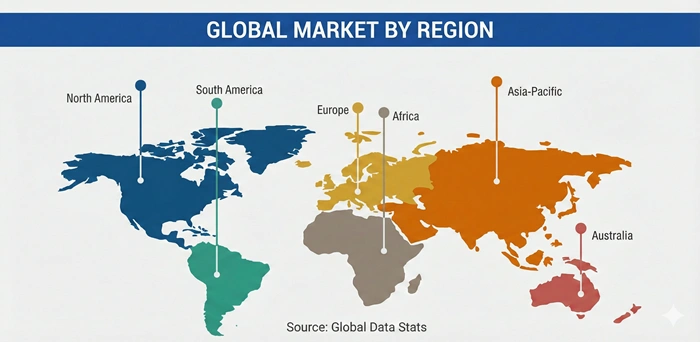
North America maintains its position as the dominant region in the earthquake insurance market, commanding approximately 39% of global market share in 2025 with an estimated value of USD 3.22 billion, projected to reach USD 5.79 billion by 2033 growing at a CAGR of 6.45%. The region's leadership stems from frequent significant seismic activity particularly along Pacific Coast including California, Oregon, Washington, Alaska, and parts of Canada where major earthquake risks affect millions of residents and substantial property values. California experiences most damaging earthquakes of any U.S. state with numerous active fault lines including San Andreas Fault threatening densely populated metropolitan areas, motivating specialized insurance solutions through California Earthquake Authority serving millions of policyholders. Robust regulatory frameworks including mandatory earthquake risk disclosure requirements during property transactions, building code enforcement improving seismic resilience, and government disaster assistance programs often requiring insurance verification encourage coverage adoption.
The United States dominates North American demand with approximately 78% regional share driven by mature insurance markets, established distribution infrastructure, consumer awareness about coverage needs, and catastrophe modeling capabilities enabling accurate risk assessment and pricing. Leading companies serving the North American earthquake insurance market including State Farm, Allstate, Farmers Insurance, USAA, Liberty Mutual, Nationwide, and regional specialists develop comprehensive product portfolios, competitive pricing strategies, extensive agent networks, and strong financial ratings ensuring claims-paying ability. Government support including federal disaster declarations providing supplemental recovery assistance, FEMA programs promoting insurance adoption, and state-backed insurance pools expanding coverage availability in high-risk areas support market development while protecting consumers from catastrophic uninsured losses.
Asia Pacific
Fastest Regional Growth Through Urbanization and Government Initiatives
Asia Pacific represents the fastest-growing region in the earthquake insurance market with a projected CAGR of 7.20% from 2026 to 2033, with market value expected to increase from USD 2.64 billion in 2025 to USD 4.98 billion by 2033, capturing expanding global revenue share. The region's exceptional growth trajectory stems from massive populations concentrated in seismically active zones including Japan's Pacific coast, China's mountainous western regions, Philippines' volcanic islands, Indonesia's subduction zones, and India's Himalayan areas where hundreds of millions face earthquake exposure. Rapid urbanization creating megacities with populations exceeding 10 million concentrated in earthquake-prone locations including Tokyo, Manila, Jakarta, Delhi, and numerous Chinese cities generates enormous insured values at risk requiring comprehensive protection. Government initiatives across China, Japan, India, and Southeast Asian nations promoting catastrophe insurance through education campaigns, regulatory mandates, premium subsidies, and public insurance schemes accelerate market penetration from historically low baseline levels.
Leading companies serving the Asia Pacific earthquake insurance market include major Japanese insurers like Sompo Holdings and Tokio Marine, Chinese state-owned enterprises, international carriers including Chubb and AIG, and regional specialists adapting products to local market conditions, regulatory environments, and consumer preferences. China emerges as particularly dynamic market with government explicitly emphasizing catastrophe insurance importance in national development plans, educational campaigns promoting disaster risk awareness, and rapid insurance sector modernization supporting earthquake coverage expansion. Japan represents most mature regional market with sophisticated earthquake insurance penetration, advanced seismic monitoring systems including ShakeAlert networks, comprehensive building standards, and established consumer acceptance of earthquake coverage as essential household protection reflecting decades of seismic experience and disaster preparedness culture.
Top Key Players
-
State Farm Mutual Automobile Insurance Company (United States)
-
Allstate Corporation (United States)
-
Farmers Insurance Group (United States)
-
Liberty Mutual Insurance Company (United States)
-
Nationwide Mutual Insurance Company (United States)
-
USAA (United States)
-
Chubb Limited (Switzerland)
-
Zurich Insurance Group Ltd. (Switzerland)
-
MAPFRE S.A. (Spain)
-
GeoVera Holdings Inc. (United States)
-
Mercury General Corporation (United States)
-
The California Earthquake Authority (United States)
-
Berkshire Hathaway Inc. (United States)
-
The Hartford Financial Services Group Inc. (United States)
-
Sompo Holdings Inc. (Japan)
Recent Developments
-
KBZMS General Insurance (2025): Paid more than K3.5 billion in June 2025 to accelerate recovery for individuals affected by Mandalay earthquake, demonstrating insurer commitment to rapid claims settlement supporting disaster victims, while granting one-month insurance term extension for affected policyholders acknowledging extraordinary circumstances disrupting normal premium payment schedules.
-
Pacific Catastrophe Risk Insurance Company (2025): Delivered first parametric insurance payout of USD 1.2 million in January 2025 to Vanuatu government following December 2024 earthquake affecting Port Vila, demonstrating parametric insurance effectiveness providing rapid financial assistance within weeks of seismic event without lengthy damage assessment processes traditional policies require.
-
Arrowhead and Emerald Bay Risk Solutions (2024): Launched Arrowhead EQ DIC commercial earthquake insurance facility in June 2024 providing difference in conditions policies specifically designed for medium to large businesses in earthquake-prone California and Pacific Northwest regions, expanding coverage options for commercial establishments seeking comprehensive protection beyond standard property insurance.
-
California Earthquake Authority (2025): Approved 6.8% rate increase and enhanced coverage terms in January 2025 including USD 500 sub-limit for specific breakable items at no additional cost on new and renewal policies, balancing financial sustainability requirements with improved consumer value through expanded coverage provisions responding to policyholder needs.
-
NormanMax Insurance Holdings (2024): Introduced Syndicate 3939 parametric insurance product in May 2024 focused on natural catastrophes including earthquakes, designed to deliver rapid transparent payouts overcoming traditional trapped capital challenges while providing predictable claim settlement timelines appealing to commercial clients and governments requiring quick disaster recovery funding.
Market Trends
Parametric Solutions and Risk Mitigation Integration Reshape Market Dynamics
The earthquake insurance market is experiencing transformative shifts driven by parametric insurance adoption, technology-enabled risk mitigation integration, and evolving distribution models that redefine product design, customer engagement, and value propositions beyond traditional indemnity-based coverage. Parametric policies offering predetermined payouts triggered automatically when earthquakes exceed specified magnitude, ground acceleration, or location parameters gain substantial traction by eliminating claims disputes, accelerating settlement timelines, and providing transparent predictable coverage particularly appealing to commercial clients and governments requiring rapid post-disaster liquidity. Blockchain technology implementation ensures immutable policy records, automated smart contract execution, transparent payout triggers, and fraud-resistant verification building trust while reducing administrative costs. IoT sensor integration including structural monitoring devices, seismic alert systems, and building integrity assessments enables usage-based pricing rewarding risk mitigation investments, provides real-time damage data streamlining claims, and supports proactive maintenance recommendations preventing earthquake damage.
Risk mitigation bundling combining insurance coverage with seismic retrofitting services, structural engineering consultations, emergency preparedness planning, and disaster response resources creates comprehensive solutions addressing both financial protection and physical risk reduction. The earthquake insurance market witnesses customization proliferation with tailored policies addressing specific industry needs including data center operators requiring business continuity assurance, hotel chains protecting revenue streams, manufacturers safeguarding production capabilities, and retailers maintaining supply chain resilience. Microinsurance products targeting low-income populations with simplified coverage, affordable premiums, and flexible payment terms expand market access in underserved demographics and developing regions where traditional policies prove unaffordable. Environmental, social, and governance considerations influence product development as insurers increasingly incorporate climate resilience, community protection, sustainable rebuilding practices, and equitable access principles into earthquake insurance offerings responding to stakeholder expectations and regulatory pressures.
Segments Covered in the Report
By Type
-
Life Insurance
-
Non-Life Insurance
By Application
-
Personal
-
Commercial
By Distribution Channel
-
Banks
-
Agents
-
Brokers
-
Retailers
-
Others
By End User
-
Individuals
-
Business
By Coverage Type
-
Comprehensive
-
Catastrophic
By Region
-
North America
-
United States
-
Canada
-
Mexico
-
-
Europe
-
United Kingdom
-
Germany
-
France
-
Italy
-
Spain
-
Rest of Europe
-
-
Asia Pacific
-
China
-
Japan
-
India
-
Australia
-
South Korea
-
Rest of Asia Pacific
-
-
Latin America
-
Brazil
-
Argentina
-
Rest of Latin America
-
-
Middle East and Africa
-
United Arab Emirates
-
Saudi Arabia
-
South Africa
-
Rest of Middle East and Africa
-
Frequently Asked Questions
Question 1: What is the projected earthquake insurance market size by 2033?
Answer: The earthquake insurance market is projected to reach USD 15.83 billion by 2033, growing from USD 8.82 billion in 2026. This represents steady expansion driven by increasing seismic activity frequency, growing awareness about financial devastation from earthquakes, government initiatives promoting coverage, urbanization concentrating populations in high-risk zones, and innovative parametric products simplifying claims.
Question 2: Which region dominates the global earthquake insurance market share?
Answer: North America dominates the global earthquake insurance market with approximately 39% market share in 2025, valued at USD 3.22 billion. This leadership position reflects frequent significant seismic activity particularly in California and Pacific Coast, robust insurance infrastructure, strong regulatory support encouraging coverage adoption, and established consumer awareness about earthquake risks requiring specialized protection.
Question 3: What factors are driving the earthquake insurance market growth?
Answer: Key factors driving earthquake insurance market growth include escalating natural disaster frequency, heightened seismic risk awareness particularly in vulnerable regions, government regulatory initiatives mandating or incentivizing coverage, rapid urbanization concentrating property values in earthquake-prone areas, and technological innovations including parametric insurance and AI-powered risk assessment. Infrastructure development and aging building stocks also contribute significantly to market expansion.
Question 4: Which type segment holds the largest share in the earthquake insurance market?
Answer: The non-life insurance segment holds the largest share in the earthquake insurance market with approximately 77% in 2025. This dominance reflects that property insurance, homeowner policies with earthquake endorsements, commercial property coverage, and business interruption insurance protecting physical assets and income streams represent primary products excluding life insurance components addressing death or disability from earthquakes.
Question 5: What are the emerging trends in the earthquake insurance market?
Answer: Emerging trends in the earthquake insurance market include parametric insurance adoption offering predetermined automated payouts based on seismic event parameters, technology integration through IoT sensors and blockchain for transparent rapid claims, risk mitigation bundling combining coverage with retrofitting services, digital distribution channels expanding accessibility, and microinsurance products targeting underserved populations. AI-powered risk assessment, customized industry-specific policies, and public-private partnerships also gain significant traction reshaping traditional earthquake insurance models.