
E-bike Market Overview
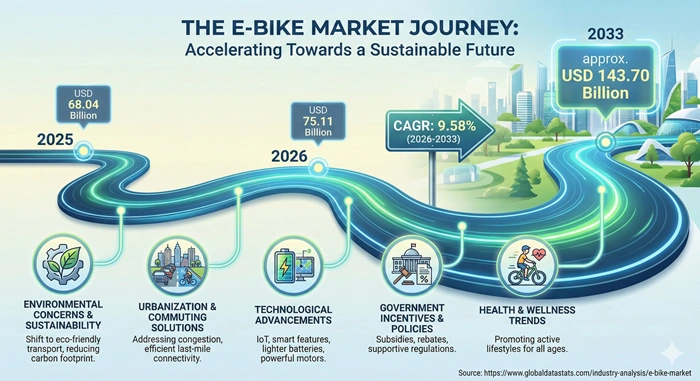
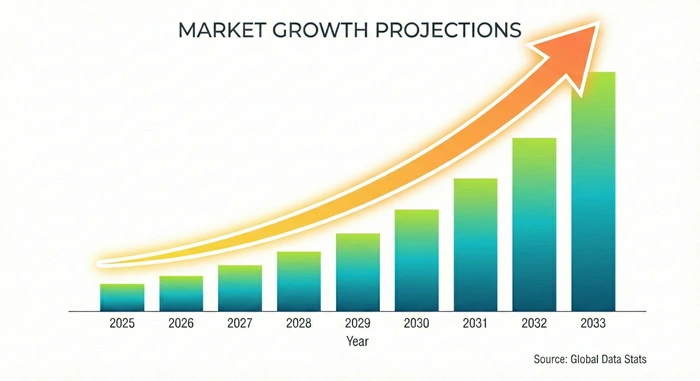
The global e-bike market size is valued at USD 68.04 billion in 2025 and is predicted to increase from USD 75.11 billion in 2026 to approximately USD 143.70 billion by 2033, growing at a CAGR of 9.58% from 2026 to 2033.
Electric bicycles represent a revolutionary fusion of traditional cycling with electric motor assistance, transforming urban mobility and recreational transportation worldwide. These battery-powered vehicles offer riders the flexibility to pedal manually or engage electric assistance for effortless commuting across various terrains. The technology incorporates sophisticated components including lithium-ion batteries, mid-drive or hub motors, digital controllers, and smart connectivity features that enhance user experience. Growing environmental consciousness combined with rising fuel costs has positioned electric bikes as practical alternatives to conventional vehicles for short and medium-distance travel.
AI Impact on the E-bike Industry
Intelligent Systems Revolutionizing Rider Experience and Operational Efficiency
Artificial intelligence integration is fundamentally transforming how electric bikes operate and interact with riders. Modern systems utilize AI-powered algorithms that analyze terrain conditions, rider behavior patterns, and environmental factors to deliver adaptive power management. These intelligent controllers automatically adjust motor assistance levels based on uphill gradients, wind resistance, and pedaling intensity, optimizing battery consumption while maintaining smooth performance. Real-time diagnostics powered by machine learning predict maintenance requirements before mechanical failures occur, alerting riders about brake wear, battery degradation, or component issues through smartphone applications. This predictive capability reduces unexpected breakdowns and extends vehicle lifespan through proactive servicing.
Voice control technology powered by conversational AI platforms enables hands-free operation for navigation, route planning, and performance adjustments. Riders can issue commands without removing hands from handlebars, significantly improving safety during urban commuting. GPS tracking combined with 4G connectivity provides anti-theft protection through remote immobilization and location monitoring, giving owners peace of mind when parking in public spaces. AI-driven power assist customization learns individual riding preferences over time, automatically configuring motor output to match each user's comfort level and efficiency requirements. These innovations position artificial intelligence as a core enabler of next-generation electric bicycle technology, delivering personalized experiences that adapt dynamically to changing conditions and user needs.
Growth Factors
Environmental Priorities and Economic Benefits Accelerating Market Adoption
The e-bike market benefits tremendously from intensifying global focus on sustainable transportation solutions and carbon emission reduction. Governments worldwide implement aggressive policies promoting electric mobility through financial subsidies, tax incentives, and infrastructure development programs. The United States federal administration targets fifty percent of new vehicle sales to be zero-emission by 2030, with plans for extensive charging networks supporting electric transportation adoption. Rising awareness about health hazards associated with fossil fuel consumption drives consumers toward eco-friendly alternatives that minimize environmental footprints. Electric bicycles produce zero direct emissions during operation, contributing to improved urban air quality and reduced noise pollution in densely populated metropolitan areas. These environmental advantages align with sustainability goals embraced by environmentally conscious consumers across developed and emerging markets.
Economic factors provide additional momentum as fuel prices experience significant increases globally. Fuel costs in India surged approximately fifty-seven percent faster than overall consumer prices between January 2021 and August 2022, creating financial pressure on traditional vehicle operators. Electric bikes offer substantially lower operational costs compared to motorcycles and automobiles, requiring minimal electricity for charging and reduced maintenance expenses. The absence of fuel consumption, oil changes, and complex engine servicing makes electric bicycles economically attractive for budget-conscious commuters. Growing traffic congestion in urban centers further enhances appeal as electric bikes navigate through crowded streets more efficiently than cars. Organized retail expansion, particularly in emerging economies, creates demand for last-mile delivery solutions where electric cargo bikes provide cost-effective alternatives to conventional delivery vehicles. These combined environmental and economic advantages establish strong foundations for sustained e-bike market growth through 2033.
Market Outlook
Strategic Innovation and Infrastructure Development Shaping Future Trajectory
The e-bike market demonstrates robust expansion potential supported by continuous technological advancement and improving infrastructure. Battery technology evolution remains central to market development, with solid-state batteries offering higher energy density and extended range exceeding one hundred miles per charge. Fast-charging capabilities reduce recharge times dramatically, enabling quick power restoration during brief stops and enhancing practical usability for longer commutes. Regenerative braking systems recover kinetic energy during deceleration, converting it back to battery power and extending operational range. Manufacturers increasingly integrate batteries within frame designs, improving aerodynamics and aesthetic appeal while maintaining functionality. These innovations address historical limitations regarding range anxiety and charging convenience that previously constrained market adoption.
Smart connectivity features transform electric bicycles into integrated mobility platforms. GPS navigation systems provide turn-by-turn routing through smartphone applications, while anti-theft tracking enables remote monitoring and recovery assistance. App-based customization allows riders to adjust power assistance levels, shift patterns, and ride modes according to personal preferences and terrain requirements. Blockchain integration emerges for supply chain transparency and ownership verification, particularly valuable in premium segments. Governments continue investing in cycling infrastructure including dedicated bike lanes, parking facilities, and charging stations that support electric bicycle usage. The convergence of technological innovation, favorable regulatory frameworks, and infrastructure development creates optimistic projections for the e-bike market, positioning it as a cornerstone of future urban mobility solutions across global markets.
Expert Speaks
-
Bonnie Tu, Chairperson and CEO of Giant Manufacturing Co., Ltd. emphasized the company's strategic shift toward producing fewer, better, and more meaningful bicycles while calling for fresh perspectives and renewed energy to redefine the industry's purpose beyond traditional mass-production models in an age of evolving consumer expectations.
-
Armin Landgraf, CEO of Specialized Bicycle Components highlighted that racing remains the ultimate proving ground for innovation, with elite competition serving as the test laboratory for product pipeline development that accelerates technological advancement and maintains brand cultural relevance across global markets.
-
Tomi Viiala, Former Co-CEO of Stromer expressed ambitions to disrupt the electric bicycle industry through innovative approaches when announcing plans for new model launches, reflecting the brand's commitment to transforming market dynamics and challenging conventional product development strategies.
Key Report Takeaways
-
Asia Pacific dominates the e-bike market with a commanding 58.7% revenue share in 2025, driven by strong manufacturing capabilities in China, government subsidies promoting electric mobility, high population density, and consumer preference for fuel-efficient urban transportation solutions
-
North America represents the fastest-growing regional market during the forecast period, fueled by rising environmental consciousness, government incentive programs, expanding cycling infrastructure, and increasing adoption of electric bikes for fitness, recreation, and urban commuting purposes
-
The lithium-ion battery segment leads the market and maintains the fastest growth trajectory, commanding the largest share due to superior energy density, lightweight construction, extended lifecycle, and rapidly declining production costs that enhance affordability across price segments
-
Personal use applications account for 85.1% of market revenue in 2025, reflecting consumer preference for convenient, cost-effective, eco-friendly transportation for daily commuting, fitness activities, and recreational purposes in urban and suburban environments
-
The commercial segment demonstrates the fastest expansion rate with accelerating adoption for last-mile delivery services, logistics operations, and public transportation systems, driven by e-commerce growth and businesses seeking efficient alternatives to traditional delivery vehicles
-
Hub motor technology captures the largest market share due to minimal maintenance requirements, independent operation without drivetrain pressure, and cost-effectiveness, while mid-drive motors experience fastest growth through superior torque performance and integration with bicycle gear systems
Market Scope
| Report Coverage | Details |
|---|---|
| Market Size by 2033 | USD 143.70 Billion |
| Market Size by 2025 | USD 68.04 Billion |
| Market Size by 2026 | USD 75.11 Billion |
| Market Growth Rate from 2026 to 2033 | CAGR of 9.58% |
| Dominating Region | Asia Pacific |
| Fastest Growing Region | North America |
| Base Year | 2025 |
| Forecast Period | 2026 to 2033 |
| Segments Covered | Motor Type, Battery Type, Mode, Class, Application, End-use, Drive, Speed, Region |
| Regions Covered | North America, Europe, Asia Pacific, Latin America, Middle East & Africa |
Market Dynamics
Drivers Impact Analysis
Government Support and Environmental Consciousness Propelling Market Expansion
| Impact Factor | ≈ % Impact on CAGR Forecast | Geographic Relevance | Impact Timeline |
|---|---|---|---|
| Government incentives and subsidies | 2.0-2.5% | Global, particularly North America and Europe | 2026-2033 |
| Rising fuel costs and economic benefits | 1.5-2.0% | Emerging markets, Asia Pacific, Latin America | 2026-2033 |
| Environmental awareness and sustainability | 1.5-2.0% | Global, especially developed nations | 2026-2033 |
| Urbanization and traffic congestion | 1.0-1.5% | Urban centers worldwide | 2026-2033 |
The e-bike market experiences substantial growth momentum driven by comprehensive government initiatives targeting carbon emission reduction. Administrations worldwide introduce subsidy programs, tax credits, and financial incentives that reduce upfront purchase costs for consumers adopting electric mobility solutions. The United States federal government commits to ambitious zero-emission vehicle targets with supporting infrastructure investments including charging network expansion. European nations implement stringent environmental regulations that restrict conventional vehicle usage in urban centers while promoting bicycle-friendly transportation policies. These regulatory frameworks create favorable conditions for electric bicycle adoption as consumers respond to financial incentives and environmental mandates. Government funding for cycling infrastructure development including dedicated lanes, parking facilities, and charging stations further reduces barriers to adoption.
Economic considerations amplify market growth as escalating fuel prices shift consumer preferences toward cost-effective transportation alternatives. Traditional vehicle operation involves substantial expenses including fuel consumption, insurance premiums, parking fees, and complex mechanical maintenance. Electric bikes eliminate most operational costs through minimal electricity consumption and simplified maintenance requirements that reduce long-term ownership expenses. Urban congestion creates time penalties for automobile commuters stuck in traffic, while electric bicycles navigate efficiently through crowded streets and utilize dedicated cycling infrastructure. Health consciousness trends encourage active lifestyles where pedal-assist electric bikes provide exercise benefits combined with motor support for longer distances. The convergence of environmental policies, economic advantages, and lifestyle preferences establishes powerful drivers propelling sustained e-bike market expansion across demographic segments and geographic regions through 2033.
Restraints Impact Analysis
High Initial Costs and Infrastructure Gaps Limiting Market Penetration
| Impact Factor | ≈ % Impact on CAGR Forecast | Geographic Relevance | Impact Timeline |
|---|---|---|---|
| High purchase price | -1.5 to -2.0% | Emerging markets, price-sensitive segments | 2026-2033 |
| Insufficient charging infrastructure | -1.0 to -1.5% | Developing regions, rural areas | 2026-2033 |
| Product safety concerns and recalls | -0.5 to -1.0% | Global, particularly regulatory-sensitive markets | 2026-2033 |
The e-bike market faces significant constraints related to elevated purchase prices that limit accessibility for budget-conscious consumers. Advanced battery systems and electric motors constitute substantial portions of total manufacturing costs, resulting in retail prices considerably higher than conventional bicycles. Lithium-ion batteries represent the most expensive components, with premium energy density and extended lifecycle driving costs upward. Sophisticated electronic controllers, digital displays, and smart connectivity features add further expense to production budgets. Traditional bicycles and non-electric scooters offer comparable basic transportation functionality at fraction of electric bike prices, creating competitive pressure in price-sensitive market segments. Entry-level electric bike models struggle to achieve price points accessible to lower-income consumers, particularly in emerging economies where disposable income levels constrain discretionary spending on premium transportation alternatives.
Infrastructure limitations present operational challenges that reduce practical utility and market attractiveness. Inadequate charging infrastructure restricts electric bike range and usability for longer commutes or extended trips requiring mid-journey recharging. Rural areas and developing regions lack accessible public charging stations, forcing riders to depend entirely on home charging capabilities. Without reliable charging networks, consumers experience range anxiety that diminishes confidence in electric bikes as primary transportation modes. Battery charging times, despite improvements through fast-charging technology, still require planning and coordination that adds inconvenience compared to instant refueling of conventional vehicles. Product safety concerns including battery fires, brake failures, and electrical malfunctions trigger recalls that damage consumer confidence and brand reputations. Negative publicity surrounding safety incidents creates hesitation among potential buyers evaluating electric bicycle purchases, slowing adoption rates particularly in quality-conscious developed markets with strict regulatory oversight.
Opportunities Impact Analysis
Connected Technologies and Commercial Applications Creating Growth Avenues
| Impact Factor | ≈ % Impact on CAGR Forecast | Geographic Relevance | Impact Timeline |
|---|---|---|---|
| Smart connectivity and IoT integration | +1.5 to +2.0% | Developed markets, tech-savvy consumers | 2026-2033 |
| Commercial and cargo applications | +1.0 to +1.5% | Urban centers, e-commerce hubs | 2026-2033 |
| Battery technology advancement | +1.0 to +1.5% | Global, particularly premium segments | 2026-2033 |
The e-bike market presents substantial opportunities through integration of smart connectivity features and Internet of Things technologies. Connected electric bikes transmit real-time data about usage patterns, performance metrics, and maintenance requirements through cloud platforms accessible via smartphone applications. GPS integration enables navigation assistance, route optimization, and geofencing capabilities that enhance user experience and security. Anti-theft systems incorporating remote immobilization prevent unauthorized usage while location tracking facilitates recovery of stolen vehicles. App-based customization allows riders to personalize power assistance profiles, adjust performance parameters, and monitor battery consumption patterns. These intelligent features appeal to technology-oriented consumers seeking advanced functionality beyond basic transportation, creating premium segment opportunities for manufacturers investing in digital innovation.
Commercial applications offer explosive growth potential as businesses adopt electric bikes for logistics and delivery operations. E-commerce expansion drives demand for efficient last-mile delivery solutions in urban environments where traffic congestion impedes traditional delivery vehicles. Electric cargo bikes navigate narrow streets and pedestrian zones inaccessible to automobiles, reaching customers faster while reducing operational costs. Food delivery platforms, courier services, and retail businesses increasingly deploy electric bicycle fleets as sustainable alternatives that align with corporate environmental commitments. Public transportation systems integrate electric bike sharing programs that complement existing transit networks, providing flexible first-mile and last-mile connectivity. Battery technology breakthroughs including solid-state batteries, fast-charging systems, and regenerative braking expand practical range and operational efficiency, addressing historical limitations that constrained commercial adoption. These opportunities position the e-bike market for transformative growth across consumer and business segments through technological innovation and expanding use case applications.
Segment Analysis
Battery Type - Lithium-ion Segment
Advanced Energy Storage Technology Dominating Market Performance and Innovation
The lithium-ion battery segment commands the e-bike market with the largest revenue share in 2025 and maintains the fastest growth trajectory through the forecast period. This dominance stems from superior technical characteristics including exceptional energy density that delivers extended range without excessive weight penalties. Lithium-ion technology provides significantly longer lifecycle performance compared to traditional lead-acid alternatives, withstanding thousands of charge-discharge cycles before capacity degradation becomes noticeable. Fast-charging capabilities enable riders to restore substantial battery capacity during brief stops, addressing practical concerns about operational flexibility and reducing downtime. Manufacturers benefit from continuously declining production costs as battery technology matures and manufacturing scale increases, making lithium-ion systems economically viable across broader price segments. The segment's growth accelerates in premium and mid-range electric bike models where performance and weight considerations justify higher component costs.
Innovation within lithium-ion chemistry drives continued segment expansion as developers introduce enhanced formulations. Lithium-Iron Phosphate variants offer improved thermal stability and safety characteristics that reduce fire risks associated with earlier chemistries. Solid-state battery research promises revolutionary improvements in energy density that could enable ranges exceeding one hundred miles per charge, fundamentally transforming electric bike utility for longer commutes. Environmental sustainability initiatives including battery recycling programs address lifecycle concerns while recovering valuable materials for reuse in new production. Asia Pacific leads lithium-ion battery adoption with China dominating global manufacturing capacity and domestic consumption. Major industry players including Giant Manufacturing, Yadea Group Holdings, and Yamaha Motor Company prioritize lithium-ion technology across product portfolios, investing heavily in research partnerships with battery manufacturers to secure supply chains and maintain technological leadership in competitive global markets through 2033.
End-use - Personal Segment
Individual Transportation Preferences Driving Dominant Market Position and Revenue Generation
The personal use segment maintains overwhelming market dominance with 85.1% revenue share in 2025, reflecting fundamental consumer preference for individual transportation solutions. Urban commuters adopt electric bikes as practical alternatives to automobiles and public transit, valuing flexibility, cost savings, and time efficiency for daily travel between homes and workplaces. Rising fuel prices create economic incentives favoring electric bicycles over conventional vehicles, with minimal electricity consumption reducing operational expenses dramatically. Fitness-conscious consumers appreciate pedal-assist functionality that provides exercise benefits while motor support extends comfortable riding distances beyond pure muscle power capabilities. Recreational users embrace electric bikes for leisure activities including trail riding, tourism, and weekend adventures where motor assistance enables exploration of challenging terrain previously inaccessible to casual cyclists. This diverse application portfolio across commuting, fitness, and recreation sustains robust demand driving segment leadership.
Technological enhancements specifically targeting personal users accelerate segment growth through improved functionality and user experience. Lightweight frame designs utilizing aluminum and carbon fiber materials reduce overall vehicle weight while maintaining structural integrity for daily use. Long-range battery systems address range anxiety concerns that historically constrained adoption, enabling longer commutes without mid-day recharging requirements. Smart connectivity features including smartphone integration, GPS navigation, and fitness tracking appeal to technology-oriented consumers seeking enhanced functionality. North America and Europe demonstrate particularly strong personal segment growth as rising environmental consciousness combines with government incentives to drive adoption among middle-income professionals and urban residents. Leading manufacturers including Trek Bicycle Corporation, Pedego Electric Bikes, and Brompton Bicycle Ltd. develop specialized models targeting personal use preferences with customization options, comfort features, and aesthetic designs that resonate with individual buyers seeking electric bikes as lifestyle products rather than purely functional transportation tools.
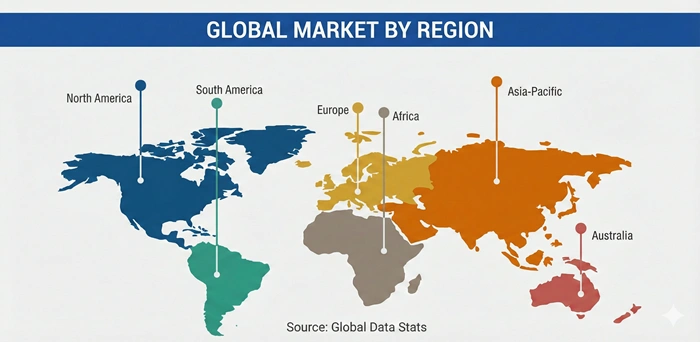
Regional Insights
Asia Pacific
Manufacturing Excellence and Government Support Establishing Regional Market Leadership
Asia Pacific dominates the e-bike market with commanding 58.7% revenue share in 2025, reflecting the region's unparalleled manufacturing capabilities and massive consumer base. China leads regional and global markets, accounting for over ninety percent of worldwide electric bike production with annual output exceeding thirty million units. Chinese manufacturers benefit from established supply chains, cost-effective labor, and government policies restricting motorcycle usage in urban areas that create favorable conditions for electric bicycle adoption. The region's high population density combined with traffic congestion in metropolitan centers makes electric bikes practical transportation solutions for short and medium-distance commuting. Government initiatives across India, Japan, and Southeast Asian nations provide financial subsidies and infrastructure investments that reduce adoption barriers and encourage sustainable mobility transitions. These factors combine to establish Asia Pacific's dominant position with market leadership expected to persist through 2033.
Regional growth dynamics reflect diverse national market characteristics and development stages. India experiences rapid expansion driven by rising disposable incomes, environmental awareness campaigns, and government programs promoting electric mobility to reduce petroleum dependence. Japan demonstrates mature market characteristics with premium segment focus emphasizing advanced technology, quality construction, and sophisticated features appealing to affluent consumers. Vietnam and other Southeast Asian nations emerge as high-growth markets where urbanization, retail sector expansion, and tourism development create demand for electric bicycle transportation. Major regional players including Yadea Group Holdings Ltd., Giant Manufacturing Co. Ltd., and Aima Technology Group Co. Ltd. leverage manufacturing scale advantages to supply global markets while maintaining strong domestic presence. Port cities including Shanghai and Tianjin develop specialized logistics infrastructure supporting electric bike exports, positioning Asia Pacific as the epicenter of global e-bike market production, innovation, and consumption through the forecast period.
North America
Environmental Consciousness and Infrastructure Investment Driving Fastest Regional Growth
North America represents the fastest-growing e-bike market region during the forecast period, propelled by rising environmental awareness and supportive government policies. Consumer consciousness regarding climate change and air quality drives interest in sustainable transportation alternatives that reduce personal carbon footprints. Urban professionals increasingly adopt electric bikes for daily commuting, valuing time savings from avoiding traffic congestion and parking challenges common in metropolitan areas. Fitness enthusiasts embrace electric mountain bikes and recreational models that extend riding capabilities across challenging terrain while maintaining exercise benefits. The region benefits from expanding cycling infrastructure including dedicated bike lanes, secure parking facilities, and emerging charging networks that improve practical usability. State-level incentive programs in California, New York, and other progressive jurisdictions provide purchase subsidies and tax credits that reduce upfront costs and accelerate adoption rates.
Market development reflects strong emphasis on premium segments with advanced features and superior performance characteristics. American consumers demonstrate willingness to pay premium prices for high-quality construction, sophisticated technology, and brand reputation from established manufacturers. Trek Bicycle Corporation, Pedego Electric Bikes, and other North American brands develop specialized models targeting domestic preferences for comfort, durability, and customer service support. The United States dominates regional revenue generation while Canada shows robust growth particularly in urban centers and environmentally conscious provinces. Commercial applications including food delivery, courier services, and bike-sharing programs contribute to market expansion as businesses adopt electric bike fleets for cost-effective urban logistics. Despite challenges including higher purchase prices compared to conventional bicycles and limited awareness in rural demographics, North America's growth trajectory remains exceptionally strong supported by favorable policy environments, infrastructure investments, and cultural shifts toward sustainable urban mobility solutions that position the region as a critical growth engine through 2033.
Top Key Players
-
Giant Manufacturing Co. Ltd. (Taiwan)
-
Yadea Group Holdings Ltd. (China)
-
Pedego Electric Bikes (United States)
-
Merida Industry Co. Ltd. (Taiwan)
-
Trek Bicycle Corporation (United States)
-
Accell Group N.V. (Netherlands)
-
Brompton Bicycle Ltd. (United Kingdom)
-
Yamaha Motor Company (Japan)
-
Pon.Bike (Netherlands)
-
Aima Technology Group Co., Ltd. (China)
-
Hero Cycles Ltd. (India)
-
Specialized Bicycle Components (United States)
Recent Developments
-
2025 - Yamaha Motor Company completed acquisition of German automotive parts manufacturer Brose's bicycle drive unit subsidiary in August, establishing Yamaha Motor E-Bike Systems in Berlin with 120 employees dedicated to developing, manufacturing, and selling drive units and electrical components while leveraging Brose's service network of over 600 locations
-
2025 - Cowboy, the Belgian e-bike brand, was acquired by French Rebirth Group following production agreements reached earlier in the year, with plans to offer shorter and more competitive delivery times starting spring 2026 while stabilizing operations after facing bankruptcy concerns
-
2024 - Segway revealed two new e-bike models, the Xafari and Xyber, featuring futuristic designs with integrated smart technology, full suspension, long-range capabilities, and planned U.S. market expansion through dealer network development with launch scheduled for first quarter 2025
-
2024 - Pedego Electric Bikes introduced the Fat Tire Trike featuring low-step frame design with three tires for enhanced stability, equipped with advanced PEDALSENSE propulsion software offering multiple assistance options including torque assist, throttle drive, and cruise assist for customizable riding experience
-
2024 - Yamaha Motor Company commenced production of e-bike drive units at its French manufacturing facility in April, representing strategic positioning within European markets and expanding regional manufacturing capabilities to serve growing demand
Market Trends
Connectivity Innovation and Sustainable Design Reshaping Industry Standards
The e-bike market experiences accelerating adoption of smart connectivity features that transform traditional bicycles into integrated digital platforms. Modern electric bikes incorporate GPS navigation systems providing turn-by-turn routing assistance through smartphone applications, eliminating dependence on separate navigation devices. App-based monitoring delivers real-time performance data including battery status, speed metrics, distance traveled, and calorie expenditure, appealing to fitness-oriented riders tracking personal goals. Anti-theft technology combines GPS location tracking with remote immobilization capabilities, enabling owners to disable stolen bikes and assist law enforcement with recovery operations. Voice control integration powered by conversational AI platforms enables hands-free command execution for navigation, power adjustment, and system configuration without removing hands from handlebars. These connectivity innovations enhance safety, convenience, and user engagement while differentiating premium products in competitive markets.
Sustainability initiatives drive significant changes in manufacturing practices and component selection as environmental consciousness influences consumer purchasing decisions. Manufacturers implement battery recycling programs that recover valuable materials including lithium, cobalt, and nickel for reuse in new production, reducing environmental impact and resource extraction requirements. Lightweight frame materials including recycled aluminum and carbon fiber composites reduce energy consumption during operation while improving handling characteristics and rider comfort. Regenerative braking systems capture kinetic energy during deceleration and convert it back to electrical charge, extending battery range and improving overall efficiency. Modular battery designs enable capacity expansion through external range extenders that accommodate longer trips without complete vehicle replacement. These sustainability trends reflect industry commitment to environmental responsibility while addressing consumer demands for eco-friendly products that minimize lifecycle environmental footprints throughout manufacturing, operation, and end-of-life disposal phases.
Segments Covered in the Report
By Motor Type
-
Hub Motor
-
Mid-drive Motor
-
Others
By Battery Type
-
Lithium-ion Battery
-
Lead-acid Battery
-
Nickel Metal Hydride Battery
-
Others
By Mode
-
Pedal Assist
-
Throttle
-
Speed Pedelecs
-
Others
By Class
-
Class 1 (Pedal-assist up to 20 mph)
-
Class 2 (Throttle-assist up to 20 mph)
-
Class 3 (Pedal-assist up to 28 mph)
By Speed
-
Up to 25 km/h
-
25-45 km/h
By Application
-
City/Urban
-
Mountain/Trekking
-
Cargo
-
Others
By End-use
-
Personal
-
Commercial
By Drive
-
Chain Drive
-
Belt Drive
By Component
-
Battery
-
Electric Motor
-
Frame
-
Wheels
-
Others
By Region
-
North America (United States, Canada, Mexico)
-
Europe (Germany, United Kingdom, France, Netherlands, Italy, Spain)
-
Asia Pacific (China, Japan, India, South Korea, Australia, Vietnam)
-
Latin America (Brazil, Argentina)
-
Middle East & Africa (UAE, Saudi Arabia, South Africa)
Frequently Asked Questions
Question 1: What is the projected e-bike market size by 2033?
Answer: The global e-bike market is expected to reach approximately USD 143.70 billion by 2033. This growth reflects increasing adoption of sustainable transportation and technological advancements in battery systems.
Question 2: Which region dominates the e-bike market currently?
Answer: Asia Pacific leads the e-bike market with 58.7% revenue share in 2025. China accounts for over ninety percent of global production, supported by strong manufacturing capabilities and government policies.
Question 3: What drives rapid growth in the e-bike market?
Answer: Key e-bike market drivers include government incentives promoting electric mobility, rising fuel costs, environmental awareness, traffic congestion, and advancing battery technology. Commercial applications for delivery services also accelerate expansion.
Question 4: Which battery type dominates the e-bike market?
Answer: Lithium-ion batteries lead the e-bike market due to superior energy density, lightweight design, extended lifecycle, and fast-charging capabilities. Declining production costs enhance affordability across market segments.
Question 5: What is the fastest-growing application segment in the e-bike market?
Answer: The commercial segment experiences the fastest growth in the e-bike market, driven by last-mile delivery adoption, logistics operations, and businesses seeking cost-effective alternatives to traditional delivery vehicles for urban transportation.