
Disposable Endoscopes Market Overview
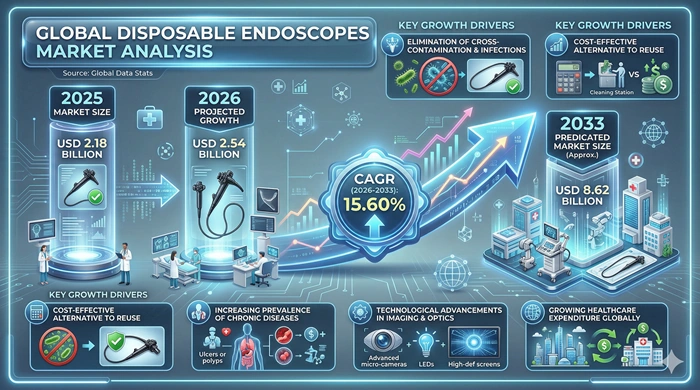
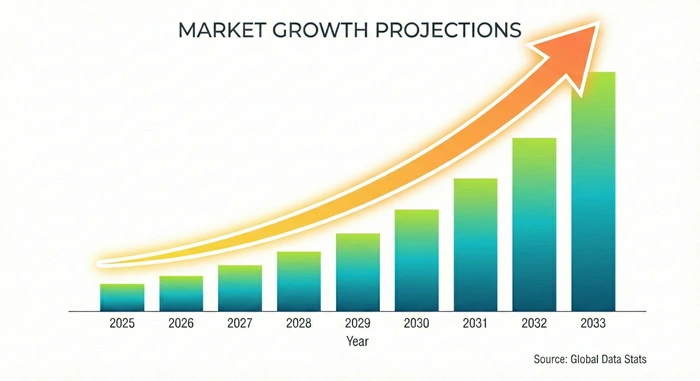
The global Disposable Endoscopes market size is valued at USD 2.18 billion in 2025 and is predicted to increase from USD 2.54 billion in 2026 to approximately USD 8.62 billion by 2033, growing at a CAGR of 15.60% from 2026 to 2033.
Disposable endoscopes — also referred to as single-use endoscopes — are minimally invasive medical visualization devices designed for one-time clinical use and immediate disposal following a diagnostic or therapeutic procedure, completely eliminating the need for reprocessing, high-level disinfection, or sterilization between patients. These devices deliver the same high-definition visualization, flexible maneuverability, and procedural functionality as conventional reusable endoscopes — while removing the critical cross-contamination and healthcare-associated infection risks that reprocessing failures in reusable scopes can introduce. The Disposable Endoscopes market is one of the fastest-growing segments in the medical devices industry, driven by urgent patient safety imperatives, accelerating hospital infection control mandates, growing ambulatory care procedure volumes, and continuous improvements in single-use endoscope image quality and cost competitiveness.
AI Impact on the Disposable Endoscopes Industry
Artificial Intelligence Is Transforming Disposable Endoscope Image Processing, Lesion Detection Accuracy, Procedure Workflow Optimization, and Training Simulation in Ways That Are Meaningfully Improving Clinical Outcomes and Expanding Diagnostic Capabilities*
Artificial intelligence is making a rapidly growing and clinically meaningful impact across the Disposable Endoscopes market, most significantly through the integration of AI-powered real-time image enhancement and computer-aided detection (CADe) algorithms into single-use endoscope system platforms. These AI systems analyze high-definition endoscopic video feeds in real time — identifying subtle mucosal abnormalities, early-stage polyps, suspicious lesions, and anatomical landmarks that human endoscopists might overlook during rapid scope advancement through complex anatomical structures. The combination of disposable endoscope hardware — which ensures a consistently clean, uncompromised optical system for every procedure — with AI-powered diagnostic assistance is creating a uniquely powerful clinical value proposition that is significantly elevating both the safety and the diagnostic accuracy of endoscopic procedures performed outside of major academic medical centers and tertiary referral hospitals.
AI is also transforming procedural training and competency assessment for endoscopy — with simulation platforms incorporating AI-driven performance feedback used to train clinicians on disposable endoscope systems before independent clinical practice. These AI-powered training simulators analyze trainee scope control technique, lesion identification performance, and procedure completion quality — providing objective, data-driven competency assessments that accelerate the learning curve for new endoscopists and support continuous quality improvement for experienced practitioners. Additionally, AI-driven inventory management and predictive demand planning tools are being applied in hospital supply chain environments to optimize the procurement and stocking of single-use endoscope products — reducing both stockout events and wasteful over-purchasing of these higher per-unit cost disposable devices, contributing to improved overall cost-effectiveness of single-use endoscopy programs.
Growth Factors
Healthcare-Associated Infection Prevention Mandates, Rising Global Endoscopic Procedure Volumes, Expanding Ambulatory Care Settings, and Continuous Single-Use Endoscope Technology Improvement Are the Core Growth Drivers*
The single most powerful and urgent driver of the Disposable Endoscopes market is the growing global recognition of the serious patient safety risks posed by inadequate or failed reprocessing of reusable endoscopes — particularly complex devices including duodenoscopes, bronchoscopes, and ureteroscopes with intricate channel architectures that are extraordinarily difficult to clean and disinfect reliably between patients. Multiple high-profile outbreak investigations by the U.S. CDC and FDA have documented transmission of multidrug-resistant organisms — including carbapenem-resistant Enterobacteriaceae (CRE) — through inadequately reprocessed duodenoscopes, resulting in serious patient infections and deaths. These documented safety failures have prompted regulatory agencies, hospital infection control programs, and healthcare accreditation bodies to mandate more rigorous endoscope reprocessing compliance — and in many cases to actively recommend or require transition to single-use endoscope alternatives for high-risk procedure categories, creating direct institutional demand for disposable endoscope adoption.
The globally rising volume of endoscopic diagnostic and therapeutic procedures — driven by aging populations with higher prevalence of gastrointestinal cancers, colorectal disease, urological conditions, and pulmonary pathologies requiring endoscopic evaluation — is simultaneously expanding the total addressable procedural market for disposable endoscope products. Colorectal cancer screening programs, expanding lung cancer detection initiatives, growing urological procedure volumes in aging male populations, and increased bronchoscopy use in critical care environments collectively generate an expanding base of endoscopic procedures that disposable endoscope manufacturers can serve. The progressive expansion of outpatient and ambulatory surgical center-based endoscopy — where the logistical burden and capital cost of establishing and maintaining full reprocessing infrastructure is particularly challenging relative to the simpler single-use disposable approach — is creating a natural structural shift toward disposable endoscope adoption in these rapidly growing care settings.
Market Outlook
With Healthcare-Associated Infection Prevention Driving Institutional Policy Transitions, Single-Use Endoscope Image Quality Reaching Reusable Parity, Emerging Market Healthcare Infrastructure Expanding, and Reimbursement Frameworks Improving, the Disposable Endoscopes Market Outlook Is Exceptionally Positive Through 2033*
The long-term outlook for the Disposable Endoscopes market is exceptionally positive and backed by structural demand drivers that are expected to sustain extraordinary growth throughout the 2026–2033 forecast period. A critical enabling factor for continued market expansion is the ongoing and significant improvement in disposable endoscope imaging technology — with leading manufacturers including Ambu, Boston Scientific, and Olympus investing heavily in miniaturized CMOS chip-on-tip cameras, advanced LED illumination systems, and high-definition video processing platforms that are progressively closing the image quality gap between single-use and premium reusable endoscope systems. As disposable endoscope imaging performance approaches or matches that of high-end reusable scopes — at a per-procedure cost that is increasingly competitive when total reprocessing infrastructure costs are factored in — the clinical and economic justification for single-use transition becomes compelling across a broader range of endoscopic procedure types and care settings.
The evolution of healthcare reimbursement frameworks in major markets to accommodate and incentivize single-use endoscope utilization represents a critically important enabler of continued Disposable Endoscopes market growth during the forecast period. In many markets, per-procedure reimbursement rates for endoscopy have historically been calibrated around the economics of reusable scope programs — creating a reimbursement gap that has made single-use adoption economically challenging for cost-sensitive healthcare providers. As health authorities in the United States, United Kingdom, and European markets progressively revise reimbursement structures to reflect the patient safety value and total cost equivalence of single-use endoscope approaches — and as hospital-acquired infection costs are more fully accounted for in healthcare economic analyses — the financial case for disposable endoscope adoption will strengthen considerably, accelerating institutional transition from reusable to single-use endoscopy programs across multiple procedure categories.
Expert Speaks
-
Joung Park, CEO, Ambu A/S — "The transition from reusable to single-use endoscopes is one of the most important and irreversible quality improvement movements in modern procedural medicine — driven by undeniable patient safety evidence and the growing recognition that the reprocessing challenges of complex reusable scopes create unacceptable infection transmission risks that single-use devices fundamentally eliminate. Ambu is committed to leading this transition by continuously advancing the image quality, clinical functionality, and economic competitiveness of our single-use endoscope product portfolio."
-
Michael Mahoney, CEO, Boston Scientific — "Single-use endoscopy represents a compelling convergence of patient safety improvement and clinical workflow simplification that is driving accelerating adoption across hospitals, ambulatory surgical centers, and emerging market healthcare facilities worldwide. Boston Scientific's investment in single-use bronchoscope and ureteroscope product development reflects our conviction that disposable endoscopy will continue to displace reusable alternatives across an expanding range of procedure categories over the coming decade."
-
Nacho Abia, CEO, Olympus Corporation — "The endoscopy market is in the midst of a fundamental transformation — with single-use device technology advancing rapidly and institutional demand for infection risk elimination driving growing adoption of disposable solutions alongside our traditional premium reusable endoscope portfolio. Olympus is investing in both reusable and single-use endoscope innovation to ensure we can serve the evolving clinical and economic needs of healthcare providers across all care settings globally."
Key Report Takeaways
-
North America dominates the Disposable Endoscopes market, holding approximately 42.60% of global market share in 2025, driven by the highest global per-capita endoscopic procedure rates, the strongest institutional infection control mandates following multiple high-profile reusable endoscope outbreak investigations, active FDA regulatory guidance encouraging single-use adoption for high-risk device categories, and the presence of leading single-use endoscope innovators including Ambu and Boston Scientific with strong U.S. market distribution.
-
Asia Pacific is the fastest-growing regional market for disposable endoscopes, projected to expand at a CAGR of approximately 17.40% from 2026 to 2033, driven by rapidly growing endoscopic procedure volumes across China, Japan, South Korea, and India, increasing hospital infection control awareness, accelerating healthcare infrastructure modernization, and growing domestic disposable endoscope manufacturing capabilities particularly in China's medical device sector.
-
Disposable bronchoscopes are the dominant product type segment, accounting for approximately 34.80% of total market revenue in 2025, reflecting the critical infection control imperative in bronchoscopy — where reusable bronchoscope contamination has been directly linked to serious respiratory infection outbreaks in intensive care and immunocompromised patient populations — combined with the strong clinical validation, mature product quality, and broad institutional adoption of Ambu's aScope single-use bronchoscope platform across hospital pulmonology and critical care departments.
-
Hospitals are the dominant end-user segment, contributing approximately 58.40% of total market revenue in 2025, as large hospital systems with high procedure volumes, complex patient populations requiring stringent infection control, and the institutional resources to evaluate and implement single-use endoscope programs represent the primary and most commercially significant purchasers of disposable endoscope products globally.
-
Disposable ureteroscopes are the fastest-growing product type segment, expected to expand at a CAGR of approximately 18.20% through 2033, driven by the extraordinary global prevalence and rising incidence of urinary tract stones requiring ureteroscopic treatment, the strong infection control evidence supporting single-use ureteroscope adoption in stone management procedures, and the commercial success of products including Boston Scientific's LithoVue single-use digital ureteroscope — which has driven broad institutional adoption across urology departments worldwide.
-
Ambulatory surgical centers are the fastest-growing end-user segment, projected to expand at a CAGR of approximately 19.60% through 2033, driven by the global shift of endoscopic procedures from inpatient hospital settings to lower-cost ambulatory environments where the logistical simplicity and infection control advantages of disposable endoscopes are particularly compelling relative to the capital and operational demands of establishing full reusable scope reprocessing programs.
Market Scope
| Report Coverage | Details |
|---|---|
| Market Size by 2033 | USD 8.62 Billion |
| Market Size by 2025 | USD 2.18 Billion |
| Market Size by 2026 | USD 2.54 Billion |
| Market Growth Rate (2026–2033) | CAGR of 15.60% |
| Dominating Region | North America |
| Fastest Growing Region | Asia Pacific |
| Base Year | 2025 |
| Forecast Period | 2026–2033 |
| Segments Covered | Product Type, Material, End User, Application |
| Regions Covered | North America, Europe, Asia Pacific, Latin America, Middle East & Africa |
Market Dynamics
Drivers Impact Analysis
Healthcare-Associated Infection Prevention Imperatives, Rising Endoscopic Procedure Volumes, Ambulatory Care Expansion, and Improving Single-Use Endoscope Technology Are the Four Pillars Driving Disposable Endoscopes Market Growth*
| Driver | ≈ % Impact on CAGR Forecast | Geographic Relevance | Impact Timeline |
|---|---|---|---|
| Healthcare-associated infection risks from reusable endoscope reprocessing failures | ~38% | North America, Europe, Asia Pacific | Short to Long-term |
| Rising global endoscopic procedure volumes driven by aging populations and cancer screening | ~28% | Global | Short to Long-term |
| Expansion of ambulatory surgical centers driving single-use adoption | ~22% | North America, Europe | Short to Medium-term |
| Continuous improvement in single-use endoscope image quality and cost competitiveness | ~12% | Global | Short to Long-term |
The most compelling and urgently felt driver of the Disposable Endoscopes market is the documented and serious patient safety risk associated with inadequate reusable endoscope reprocessing — which has resulted in multiple confirmed healthcare-associated infection outbreaks linked to reprocessed duodenoscopes, bronchoscopes, and cystoscopes in hospitals across the United States, Europe, and Asia. The intrinsically complex internal architecture of many reusable endoscopes — featuring narrow working channels, elevator mechanisms, and multiple sealed compartments — makes consistent and complete decontamination extraordinarily difficult even when reprocessing protocols are rigorously followed, creating a residual infection transmission risk that single-use disposable devices fundamentally and completely eliminate. Regulatory action by the FDA mandating enhanced reprocessing protocols for duodenoscopes — and in several guidance documents directly encouraging consideration of single-use alternatives — has significantly elevated institutional awareness of this risk and accelerated hospital policy transitions toward disposable endoscope adoption for high-risk procedure categories.
Simultaneously, the global rise in endoscopic diagnostic and therapeutic procedure volumes — driven by aging population demographics, expanding cancer screening programs, growing gastrointestinal disease prevalence, and the progressive shift of surgical procedures to minimally invasive endoscopic approaches — is creating an expanding procedural base that provides a large and growing market opportunity for disposable endoscope manufacturers. The United States Preventive Services Task Force recommendation for universal colorectal cancer screening in adults beginning at age 45, combined with lung cancer low-dose CT screening programs that identify nodules requiring bronchoscopic evaluation, are generating significant new endoscopic procedure demand volumes in North America alone. These population health screening programs are expanding endoscopy procedure volumes beyond the capacity of existing reusable scope inventories in many facilities — creating additional practical incentive for supplementing with single-use alternatives to meet growing procedure throughput requirements.
Restraints Impact Analysis
High Per-Unit Cost of Disposable Endoscopes, Environmental Waste Concerns, Limited Procedural Capability Versus Premium Reusable Systems, and Reimbursement Uncertainty Restrain Faster Market Penetration*
| Restraint | ≈ % Impact on CAGR Forecast | Geographic Relevance | Impact Timeline |
|---|---|---|---|
| Higher per-procedure cost of disposable versus reusable endoscopes in high-volume settings | ~35% | Global — especially cost-sensitive markets | Short to Medium-term |
| Environmental sustainability concerns regarding medical plastic waste from disposable devices | ~28% | Europe, North America | Medium to Long-term |
| Limited therapeutic channel capability and accessories compatibility in some disposable models | ~24% | North America, Europe | Short to Medium-term |
| Inconsistent reimbursement frameworks for single-use endoscopy in some markets | ~13% | Europe, Asia Pacific | Short to Medium-term |
The most significant commercial barrier to faster adoption of the Disposable Endoscopes market in high-volume institutional settings is the per-procedure cost premium of single-use endoscopes relative to reusable alternatives when evaluated purely on direct product acquisition cost — without full consideration of total cost of ownership including reprocessing labor, disinfectant chemicals, reprocessing equipment capital and maintenance, repair costs, and scope replacement due to damage or contamination events. In hospitals performing hundreds of endoscopic procedures daily, the cumulative per-procedure cost differential between single-use and reusable scopes can be a material budget consideration — making the total cost-of-care economic justification for single-use adoption critically important but not always immediately evident to cost-focused procurement decision-makers who evaluate device costs without accounting for the full economics of reprocessing. Health economics modeling and real-world cost analysis studies that demonstrate total cost equivalence or advantage for single-use approaches are increasingly available and are progressively strengthening the institutional business case for disposable endoscope transition.
The environmental sustainability implications of increased disposable medical device usage represent a growing concern — particularly in European markets with strong sustainability policy environments and healthcare system commitments to reducing single-use plastic medical waste. Disposable endoscopes generate significantly more plastic and electronic component waste per procedure than reusable alternatives, and environmental advocacy groups and healthcare sustainability programs are increasingly scrutinizing the lifecycle environmental footprint of single-use medical devices. Leading disposable endoscope manufacturers including Ambu and Boston Scientific are investing in sustainable product design initiatives — including recyclable component materials, take-back programs, and reduced packaging approaches — to address these environmental concerns and maintain their social license to operate in sustainability-sensitive European and North American healthcare markets.
Opportunities Impact Analysis
Expanding Single-Use Duodenoscope Adoption Following FDA Mandates, Emerging Market Healthcare Infrastructure Growth, AI-Enhanced Imaging Integration, and Novel Procedure Category Entry Create Compelling Growth Opportunities*
| Opportunity | ≈ % Impact on CAGR Forecast | Geographic Relevance | Impact Timeline |
|---|---|---|---|
| FDA-mandated transition to single-use duodenoscopes following contamination outbreaks | ~33% | North America, Europe | Short to Medium-term |
| Emerging market healthcare modernization driving disposable endoscope first adoption | ~27% | Asia Pacific, Latin America, MEA | Medium to Long-term |
| AI-enhanced imaging integration elevating single-use endoscope clinical value proposition | ~26% | North America, Europe | Short to Medium-term |
| Entry into new therapeutic procedure categories including robotics-assisted endoscopy | ~14% | North America, Europe, Asia Pacific | Medium to Long-term |
The FDA's regulatory actions mandating enhanced safety measures for reusable duodenoscopes — including requirements for either enhanced reprocessing protocols, routine culture surveillance, or transition to single-use alternatives — represent the most immediately commercially significant regulatory-driven opportunity for the Disposable Endoscopes market. Duodenoscopes are used in tens of thousands of endoscopic retrograde cholangiopancreatography (ERCP) procedures performed annually in the United States alone — making the duodenoscope category one of the largest and highest-value addressable segments for single-use conversion, with the FDA's clear regulatory signal providing powerful institutional justification for procurement decisions to shift from reusable to disposable duodenoscope products. Manufacturers including Ambu, Boston Scientific, and Olympus have all launched or are developing single-use duodenoscope products specifically targeting this FDA-driven transition opportunity.
The rapid expansion of healthcare infrastructure across Asia Pacific, Latin America, and the Middle East is creating a strategically important emerging market opportunity for disposable endoscope adoption — where new hospital facilities and ambulatory endoscopy centers being built without legacy reusable endoscope programs are frequently evaluating single-use alternatives from the outset as their primary endoscope technology choice. In emerging market settings — where the regulatory and staffing infrastructure required to maintain compliant reusable endoscope reprocessing programs may be less developed — the operational simplicity and inherent infection control assurance of single-use disposable endoscopes represents a particularly compelling value proposition. This greenfield market adoption dynamic means that emerging markets may experience a faster relative transition to single-use endoscopy than established markets, where the sunk cost of existing reusable scope programs creates institutional inertia against full conversion.
Segment Analysis
By Product Type
Disposable Bronchoscopes Lead the Disposable Endoscopes Market Revenue While Disposable Ureteroscopes Register the Highest Growth Rate Driven by Global Kidney Stone Prevalence*
Disposable bronchoscopes hold the dominant revenue position within the product type segment of the Disposable Endoscopes market, accounting for approximately 34.80% of total global market revenue in 2025. The bronchoscope segment's leadership reflects both the early-mover commercial advantage of Ambu's aScope single-use bronchoscope — which pioneered the disposable endoscope category and has built a decade-long track record of clinical adoption across intensive care, pulmonology, and anesthesia departments in major hospitals worldwide — and the compelling infection control justification for bronchoscope disposability in immunocompromised and critical care patient populations. North America generates the largest bronchoscope revenue share within the Disposable Endoscopes market, where intensive care unit bronchoscopy protocols and hospital infection control policies have most broadly adopted single-use bronchoscope standards. Ambu dominates the disposable bronchoscope segment globally, with Boston Scientific and Olympus offering competitive single-use bronchoscope products targeting Ambu's established customer base in hospital critical care and pulmonology departments.
Disposable ureteroscopes are the fastest-growing product segment in the Disposable Endoscopes market, projected to expand at a CAGR of approximately 18.20% from 2026 to 2033, driven by the globally rising prevalence of urinary tract stone disease — which affects an estimated 10–15% of the adult population in developed markets and is increasing in incidence driven by dietary changes, obesity, and metabolic syndrome. Single-use digital ureteroscopes — led by Boston Scientific's LithoVue platform — have achieved exceptional clinical adoption in stone management ERCP procedures by offering superior image quality, consistent scope deflection performance, and complete elimination of the contamination, damage, and repair cost issues that chronically plague reusable flexible ureteroscope programs in high-volume urology departments. Europe is experiencing particularly strong growth in disposable ureteroscope adoption, where healthcare infection control policies and health technology assessment processes in the United Kingdom, France, Germany, and Scandinavia are increasingly supporting single-use ureteroscope utilization as a cost-effective and clinically superior alternative to reusable ureteroscope programs.
By End User
Hospitals Lead the Disposable Endoscopes Market While Ambulatory Surgical Centers Emerge as the Fastest-Growing End-User Segment*
Hospitals represent the dominant end-user segment in the Disposable Endoscopes market, accounting for approximately 58.40% of total global market revenue in 2025, reflecting their role as the primary sites for complex endoscopic procedures — including ERCP, bronchoscopy in critical care patients, and endoscopic management of gastrointestinal bleeding — where infection control requirements are most stringent and institutional procurement programs for single-use endoscopes are most developed. Large academic medical centers and teaching hospitals in North America and Europe have been the earliest and most active institutional adopters of single-use endoscope programs — motivated by both the patient safety evidence and the quality improvement and reputational risk management benefits of eliminating reprocessing-associated infection events from their quality metrics. Key hospital system customers for disposable endoscopes include major U.S. integrated delivery networks, NHS hospital trusts in the United Kingdom, and large urban hospital groups in Germany, France, and Japan where endoscopy procedure volumes are highest and infection control programs are most rigorous. Ambu, Boston Scientific, and Olympus collectively dominate hospital segment supply globally.
Ambulatory surgical centers are the fastest-growing end-user segment in the Disposable Endoscopes market, projected to expand at a CAGR of approximately 19.60% from 2026 to 2033, driven by the global structural shift of endoscopic procedures — particularly colonoscopy, cystoscopy, upper GI endoscopy, and bronchoscopy — from inpatient hospital settings to lower-cost, higher-throughput ambulatory environments. For ambulatory surgical centers, the operational and capital cost advantages of single-use endoscopes over reusable alternatives are particularly compelling — eliminating the need for expensive automated endoscope reprocessors, dedicated reprocessing staff, reprocessing chemical procurement, scope repair and replacement programs, and regulatory compliance infrastructure that represents significant fixed cost investment for reusable endoscope programs. The United States is home to the world's largest and most developed ambulatory surgical center market, making it the primary geographic driver of ASC-segment disposable endoscope growth — with rapid ASC-based endoscopy expansion also occurring across Europe, Australia, and several high-growth Asia Pacific markets.
Regional Insights
North America
North America Leads the Global Disposable Endoscopes Market With the Strongest Institutional Infection Control Mandates, Highest Endoscopic Procedure Volumes, and Most Mature Single-Use Adoption Programs*
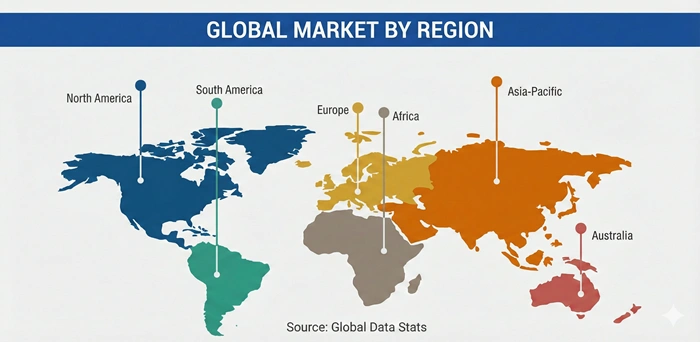
North America holds the dominant position in the global Disposable Endoscopes market, accounting for approximately 42.60% of total global market revenue in 2025, and is projected to maintain steady leadership at a CAGR of approximately 15.20% from 2026 to 2033. The United States is the primary market driver — where FDA regulatory guidance specifically addressing duodenoscope contamination risks, high-profile hospital outbreak investigations, strong hospital infection control program maturity, and the advanced clinical evaluation of single-use endoscope products by major academic medical centers have collectively created the world's most developed and commercially advanced disposable endoscope market. Leading companies dominating the North American Disposable Endoscopes market include Ambu A/S — which established and continues to lead the North American single-use bronchoscope market through its aScope platform — alongside Boston Scientific (LithoVue single-use ureteroscope), Olympus, and a growing number of specialized single-use endoscope manufacturers including Parburch Medical and Verathon targeting specific procedure category opportunities.
Canada contributes meaningfully to regional market revenue through its provincial health system investments in infection control quality improvement programs and the progressive adoption of single-use endoscope guidelines in Canadian hospital endoscopy units. The North American market outlook for 2026–2033 is strongly positive — reinforced by continued FDA regulatory pressure, the growing body of published clinical evidence supporting total cost equivalence of single-use endoscopy, and the expansion of ambulatory surgical center-based endoscopy that is creating large new institutional demand for operationally simple disposable endoscope programs across the region.
Asia Pacific
Asia Pacific Is the Fastest-Growing Disposable Endoscopes Market, Powered by Rising Endoscopic Procedure Volumes, Growing Infection Control Awareness, and Expanding Healthcare Infrastructure Investment Across China, Japan, and India*
Asia Pacific is the fastest-growing regional segment in the Disposable Endoscopes market, projected to expand at a CAGR of approximately 17.40% from 2026 to 2033. China is the most important growth market within the region — where rapidly expanding hospital infrastructure, growing gastrointestinal cancer screening program coverage, rising awareness of healthcare-associated infection risks, and the development of domestic disposable endoscope manufacturing capabilities are collectively driving strong market growth. Japanese healthcare providers — operating in one of the world's most endoscopy-intensive healthcare systems — are progressively evaluating and adopting single-use endoscope products for specific high-infection-risk procedure categories, while South Korea's advanced medical device market is generating growing demand for premium disposable endoscope products from both domestic and international manufacturers. Key companies active in the Asia Pacific Disposable Endoscopes market include Ambu (with growing regional distribution), Olympus (Japan), Hoya Group (Japan), and a rapidly expanding cohort of Chinese domestic disposable endoscope manufacturers including SonoScape and Micro-tech Endoscopy.
India represents a high-potential emerging market within Asia Pacific for disposable endoscope adoption — where rapidly growing endoscopic procedure volumes, improving hospital infection control regulatory frameworks, and the progressive build-out of modern hospital infrastructure are creating first-time adoption opportunities for single-use endoscope products. The Indian government's Ayushman Bharat health insurance program — expanding procedure coverage for a large previously uninsured population — is driving significant new endoscopy capacity investment in public and private hospital facilities, creating growing procurement opportunities for both reusable and disposable endoscope suppliers. Southeast Asian markets including Thailand, Malaysia, Indonesia, and Vietnam are similarly experiencing healthcare infrastructure modernization that is progressively building the institutional foundation for disposable endoscope adoption across the forecast period.
Top Key Players
-
Ambu A/S (Denmark)
-
Boston Scientific Corporation (United States)
-
Olympus Corporation (Japan)
-
Hoya Group — Pentax Medical (Japan)
-
Medtronic plc (Ireland)
-
Verathon Inc. (United States)
-
SonoScape Medical Corp. (China)
-
Micro-tech Endoscopy Co. Ltd. (China)
-
Parburch Medical Developments Ltd. (United Kingdom)
-
OBP Medical Corporation (United States)
-
Laborie Medical Technologies (Canada)
-
Cogentix Medical — CONMED Corporation (United States)
Recent Developments
-
Ambu A/S (2025) — Launched its next-generation aScope 5 Broncho single-use bronchoscope featuring significantly enhanced image resolution, improved insertion tube maneuverability, and an advanced LED illumination system — delivering image quality approaching premium reusable bronchoscope performance at a fully disposable per-procedure cost — reinforcing Ambu's market leadership in single-use bronchoscopy and addressing the residual image quality objection that remained the primary clinical barrier to universal single-use bronchoscope adoption in high-acuity ICU and pulmonology settings.
-
Boston Scientific (2024) — Expanded its LithoVue single-use digital ureteroscope product family with the introduction of a new specialized variant optimized for upper urinary tract biopsy and tumor surveillance procedures — extending the LithoVue platform beyond its core kidney stone management indication into new urological oncology applications, significantly broadening the addressable procedure market for Boston Scientific's disposable ureteroscope business and reinforcing its leadership in the fast-growing single-use urology endoscopy segment.
-
Olympus Corporation (2025) — Announced the commercial launch of its first single-use duodenoscope product in the North American market — developed specifically in response to FDA guidance encouraging single-use duodenoscope adoption to address ERCP-associated infection transmission risks — marking a significant strategic commitment by the world's leading reusable endoscope manufacturer to the single-use segment and signaling a major industry transition toward disposable duodenoscope adoption in ERCP procedures.
-
Medtronic plc (2024) — Completed the strategic acquisition of a specialized single-use endoscopy company with proprietary polymer-based disposable endoscope platform technology — accelerating Medtronic's entry into the high-growth disposable endoscope market and complementing its existing gastrointestinal and pulmonology procedure device portfolio — reflecting Medtronic's conviction that single-use endoscopy represents a major long-term market opportunity that complements and extends its broad procedural solutions strategy.
-
SonoScape Medical Corp. (2025) — Launched a new range of competitively priced single-use bronchoscopes and ureteroscopes specifically designed for the Asia Pacific and Latin American emerging healthcare markets — combining clinically adequate visualization performance with a lower per-unit price point accessible to cost-sensitive hospital procurement programs in developing markets — positioning SonoScape as a key supplier of affordable disposable endoscope solutions for the fast-growing emerging market segment of the global single-use endoscopy industry.
Market Trends
The Rapid Expansion of Single-Use Duodenoscope Adoption Following FDA Regulatory Action and the Integration of AI-Powered Real-Time Lesion Detection Into Disposable Endoscope Platforms Are the Two Most Defining Trends Shaping the Disposable Endoscopes Market*
The most commercially significant near-term trend reshaping the Disposable Endoscopes market is the accelerating institutional transition from reusable to single-use duodenoscopes — driven by FDA regulatory mandates, the growing body of published clinical evidence documenting reprocessing-associated duodenoscope contamination risks, and the commercial availability of technically mature single-use duodenoscope products from Ambu, Boston Scientific, and Olympus that are capable of supporting the full range of ERCP therapeutic procedures performed in high-volume endoscopy units. This regulatory and clinical evidence-driven transition is transforming the duodenoscope segment from a small early-adopter niche into a mainstream institutional procurement priority — with major U.S. and European hospital systems progressively completing policy transitions to full single-use duodenoscope programs that will generate substantial and recurring disposable endoscope product revenue for the category's leading manufacturers throughout the forecast period.
The integration of AI-powered computer-aided detection and image enhancement technology into disposable endoscope system platforms represents the second major trend driving clinical value elevation and market expansion in the single-use endoscopy category. As AI-assisted lesion detection algorithms — validated in clinical studies to meaningfully improve the adenoma detection rate in colonoscopy and the early lesion identification rate in bronchoscopy — become integrated features of disposable endoscope video processing platforms, the clinical case for single-use endoscopy transitions from a purely infection control justification to a comprehensive clinical performance argument encompassing superior safety, consistently clean optics, and AI-enhanced diagnostic accuracy. This combination of patient safety assurance and AI-elevated diagnostic performance is creating a compelling and differentiated value proposition for disposable endoscope adoption that is progressively resonating with healthcare providers seeking both quality improvement and operational simplification in their endoscopy programs.
Segments Covered in the Report
By Product Type:
-
Disposable Bronchoscopes
-
Disposable Ureteroscopes
-
Disposable Cystoscopes
-
Disposable Duodenoscopes
-
Disposable Colonoscopes
-
Disposable Gastroscopes
-
Disposable Laryngoscopes
By Material:
-
Polymer-Based
-
Metal-Based
-
Hybrid
By End User:
-
Hospitals
-
Ambulatory Surgical Centers
-
Specialty Clinics
-
Diagnostic Centers
By Application:
-
Gastrointestinal Endoscopy
-
Pulmonology
-
Urology
-
Orthopedics
-
Gynecology
-
ENT
By Region:
-
North America
-
Europe
-
Asia Pacific
-
Latin America
-
Middle East & Africa
Frequently Asked Questions
Question 1: What is the current size of the Disposable Endoscopes market and what is its projected value by 2033?
Answer: The Disposable Endoscopes market was valued at USD 2.18 billion in 2025 and is projected to reach USD 8.62 billion by 2033. It is expected to grow at a CAGR of 15.60% from 2026 to 2033, driven by healthcare-associated infection prevention mandates, rising global endoscopic procedure volumes, and continuous improvement in single-use endoscope imaging technology.
Question 2: What are the primary factors driving growth in the Disposable Endoscopes market?
Answer: The documented patient safety risks from inadequate reusable endoscope reprocessing — including multiple confirmed healthcare-associated infection outbreaks — and regulatory pressure from the FDA encouraging single-use adoption are the most powerful drivers of the Disposable Endoscopes market. Rising global endoscopic procedure volumes driven by aging populations, cancer screening programs, and the expansion of ambulatory surgical centers are additional strong structural growth contributors.
Question 3: Are disposable endoscopes as good as reusable endoscopes in terms of image quality?
Answer: Leading disposable endoscopes — particularly in the bronchoscope and ureteroscope categories — have achieved imaging performance that approaches or matches premium reusable systems in clinical use, driven by advances in miniaturized CMOS chip-on-tip cameras and LED illumination systems. The Disposable Endoscopes market continues to invest heavily in imaging technology improvement, and the gap between single-use and premium reusable endoscope image quality is progressively narrowing across all product categories.
Question 4: Which region leads the Disposable Endoscopes market and which is the fastest growing?
Answer: North America dominates the Disposable Endoscopes market with approximately 42.60% of global revenue in 2025, driven by the strongest infection control mandates, highest endoscopic procedure volumes, and most mature single-use institutional adoption programs globally. Asia Pacific is the fastest-growing region at approximately 17.40% CAGR through 2033, driven by rapidly expanding healthcare infrastructure, growing infection control awareness, and rising endoscopic procedure volumes across China, Japan, India, and South Korea.
Question 5: What is driving the rapid growth of disposable ureteroscopes in the Disposable Endoscopes market?
Answer: The globally rising prevalence of kidney stone disease — combined with the clinical and operational advantages of single-use ureteroscopes including consistent deflection performance, elimination of contamination risks, and removal of repair and reprocessing costs — is the primary driver of exceptional growth in disposable ureteroscopes within the Disposable Endoscopes market. Boston Scientific's LithoVue platform has achieved broad institutional adoption in urology departments worldwide, demonstrating that single-use ureteroscopy delivers both clinical and economic value superior to reusable ureteroscope programs in high-volume stone management settings.