
Dermo Cosmetics Market Overview
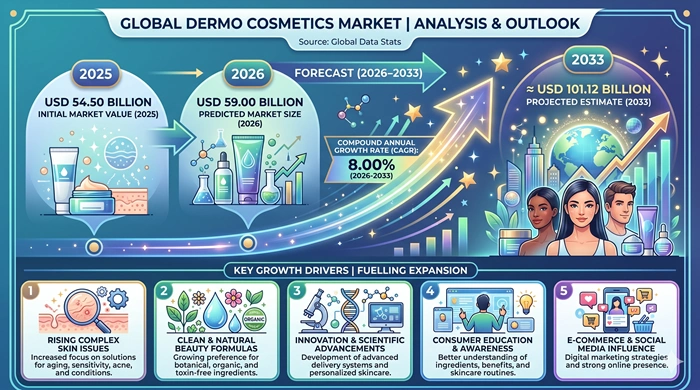
The global dermo cosmetics market size is valued at USD 54.50 billion in 2025 and is predicted to increase from USD 59.00 billion in 2026 to approximately USD 101.12 billion by 2033, growing at a CAGR of 8.00% from 2026 to 2033. Rising consumer awareness of skin health, growing demand for science-backed skincare formulations, and the increasing prevalence of dermatological conditions such as acne, rosacea, eczema, and hyperpigmentation are collectively driving strong market growth across all global regions.
AI Impact on the Dermo Cosmetics Industry
Artificial Intelligence Is Revolutionizing Personalized Skincare Formulation, Consumer Engagement, and Dermatological Product Development Across the Dermo Cosmetics Value Chain*
AI is fundamentally changing how dermo cosmetic products are developed, personalized, and brought to market. Machine learning algorithms are being used to analyze vast amounts of dermatological data, skin microbiome profiles, and clinical trial results to identify optimal ingredient combinations for specific skin conditions and skin types. Companies like L'Oréal and Beiersdorf are deploying AI-powered skin diagnostic tools that allow consumers to receive personalized dermo cosmetic product recommendations based on real-time analysis of skin texture, pigmentation, and moisture levels — replacing the one-size-fits-all product model with a precision skincare approach.
Beyond product development, AI is transforming how dermo cosmetic brands engage with consumers and manage their supply chains. Virtual dermatology consultation platforms, AI-driven skin analysis apps, and predictive demand forecasting tools are enabling brands to deliver more relevant products faster and more efficiently. Natural language processing tools are analyzing consumer reviews, dermatologist feedback, and social media sentiment to identify emerging skin concern trends and inform new product development cycles. As the convergence of technology and dermatological science deepens, AI is set to become an indispensable tool across the entire dermo cosmetics product lifecycle.
Growth Factors
Growing Prevalence of Skin Disorders, Expanding Dermatologist-Recommended Skincare Culture, and Rising Consumer Demand for Clinically Proven Cosmetic Formulations Are Powering Market Expansion*
The most significant driver of the dermo cosmetics market is the rising global prevalence of skin conditions — including acne, atopic dermatitis, psoriasis, rosacea, and photoaging — that affect hundreds of millions of consumers worldwide and drive consistent demand for clinically formulated skincare solutions. Unlike conventional cosmetics, dermo cosmetic products are developed with active pharmaceutical-grade ingredients at clinically validated concentrations, making them the preferred choice for dermatologists and skin-health-conscious consumers who seek measurable results rather than superficial aesthetic benefits. The growing culture of dermatologist-endorsed and pharmacy-distributed skincare is expanding the market's reach well beyond traditional luxury beauty channels.
Increasing consumer health awareness — amplified by social media, digital health platforms, and growing access to online dermatological consultations — is another powerful driver. Consumers are increasingly researching product ingredients, seeking clinical evidence for skincare claims, and gravitating toward brands that offer transparency, dermatological credibility, and proven efficacy. This consumer evolution is benefiting established dermo cosmetic brands with strong clinical heritage, such as La Roche-Posay, CeraVe, Cetaphil, and Eucerin, while also creating opportunities for newer clinically focused brands that can demonstrate science-backed formulations and dermatologist endorsements.
Market Outlook
Long-Term Market Expansion Is Supported by Growing Emerging Market Demand, Premiumization Trends, and the Increasing Integration of Dermatology and Cosmetic Science*
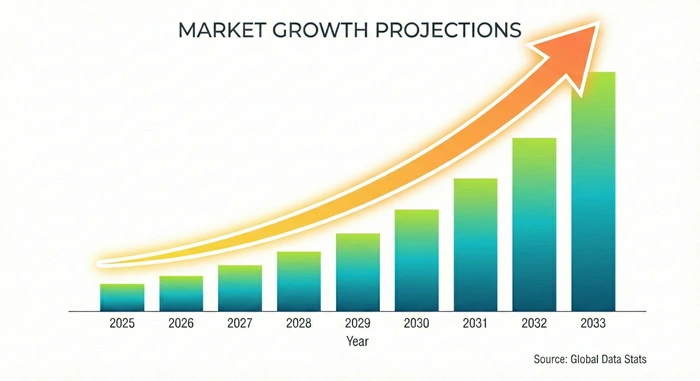
The long-term outlook for the dermo cosmetics market is highly favorable, anchored by structural growth trends across both developed and emerging markets. In mature markets like North America and Western Europe, premiumization is driving consumers to trade up from mass-market skincare to more sophisticated, dermatologically validated formulations — increasing average selling prices and improving profitability for established brands. The growing awareness of skin microbiome health, active aging, and preventive dermatology is further expanding the addressable market by attracting younger, health-conscious demographics who view skincare as a wellness investment rather than a cosmetic indulgence.
In emerging markets across Asia Pacific, Latin America, and the Middle East & Africa, rapid urbanization, rising disposable incomes, growing pharmaceutical retail infrastructure, and increasing dermatologist consultation rates are creating enormous new growth opportunities. Asia Pacific in particular is experiencing a skincare revolution driven by its established beauty culture, growing awareness of UV-induced photoaging, and strong demand for brightening, anti-aging, and sensitive skin formulations. As global distribution networks for dermo cosmetic brands expand into pharmacy chains, e-commerce platforms, and dermatology clinics in these regions, the market's geographic footprint is set to broaden considerably through 2033.
Expert Speaks
-
"The dermo cosmetics category is at the intersection of dermatology and consumer wellness, and it is one of the most exciting growth segments in beauty today. At L'Oréal, our active cosmetics division continues to outpace the broader beauty market because consumers are demanding products that truly deliver on their skin health promises." — Nicolas Hieronimus, CEO, L'Oréal
-
"Beiersdorf's NIVEA Derma and Eucerin brands represent our commitment to clinically rigorous skincare that delivers real results for real skin concerns. The growing consumer preference for dermatologist-validated formulations is a long-term structural tailwind that we are well-positioned to benefit from across our global markets." — Vincent Warnery, CEO, Beiersdorf AG
-
"At Galderma, dermatological science is our foundation. The dermo cosmetics market is benefiting from increasing awareness that skincare is a medical discipline, and consumers are increasingly looking to trusted dermatological brands backed by clinical evidence when making their skincare choices." — Flemming Ørnskov, CEO, Galderma
Key Report Takeaways
-
Europe leads the global dermo cosmetics market, holding approximately 35–37% of total market share in 2026, driven by a deeply established pharmacy skincare culture, strong dermatologist prescription habits, and the presence of leading dermo cosmetic brand houses including L'Oréal Active Cosmetics, Beiersdorf, and Pierre Fabre in France, Germany, and the United Kingdom.
-
Asia Pacific is the fastest-growing regional market, expanding at a CAGR of approximately 10.5% through 2033, fueled by rapidly rising consumer awareness of dermatological skincare, expanding e-commerce and pharmacy retail infrastructure, and strong demand for brightening, anti-aging, and sensitive skin solutions in China, India, Japan, and South Korea.
-
Pharmacy and dermatology clinic channels are the dominant distribution channels, accounting for the largest revenue share as consumers increasingly seek dermatologist-recommended products in professional and semi-professional retail environments that reinforce the clinical credibility of dermo cosmetic brands.
-
The moisturizers and emollients segment contributes the most to overall market revenues, representing the highest product category demand given its broad applicability across eczema, dry skin, sensitive skin, and barrier repair applications that drive high repeat-purchase rates.
-
Serums and concentrated treatments are the most popular premium dermo cosmetic format, growing rapidly as consumers adopt layered skincare routines and seek out high-potency active ingredient formulations targeting specific concerns such as hyperpigmentation, fine lines, and post-acne marks.
-
The anti-aging dermo cosmetics segment is set to grow the fastest, projected to expand at a CAGR of approximately 9.6% through 2033, capturing growing market share as aging populations in North America, Europe, and Asia Pacific drive demand for retinol, peptide, and antioxidant-based clinical anti-aging formulations.
Market Scope
| Report Coverage | Details |
|---|---|
| Market Size by 2025 | USD 54.50 Billion |
| Market Size by 2026 | USD 59.00 Billion |
| Market Size by 2033 | USD 101.12 Billion |
| Market Growth Rate (2026–2033) | CAGR of 8.00% |
| Dominating Region | Europe |
| Fastest Growing Region | Asia Pacific |
| Base Year | 2025 |
| Forecast Period | 2026 to 2033 |
| Segments Covered | Product Type, Skin Concern, Distribution Channel, End User, Region |
| Regions Covered | North America, Europe, Asia Pacific, Latin America, Middle East & Africa |
Market Dynamics
Drivers Impact Analysis
Rising Skin Disorder Prevalence, Growing Dermatologist-Endorsed Skincare Adoption, and Expanding Pharmacy Retail Infrastructure Are the Foundational Pillars Driving the Dermo Cosmetics Market*
| Driver | ≈% Impact on CAGR Forecast | Geographic Relevance | Impact Timeline |
|---|---|---|---|
| Rising prevalence of dermatological conditions | ~33% | Global, highest in North America & Europe | Near to long-term |
| Growing consumer preference for clinically validated skincare | ~26% | North America, Europe, Asia Pacific | Near to medium-term |
| Expanding pharmacy and dermatology clinic retail channels | ~20% | Europe, Asia Pacific | Medium-term |
| Increasing male grooming and dermo skincare adoption | ~13% | Global | Medium to long-term |
| Growing e-commerce penetration for dermatological skincare | ~8% | Asia Pacific, North America | Near-term |
The dermo cosmetics market is fundamentally driven by the rising global burden of skin conditions that affect quality of life and drive millions of consumers toward dermatologically validated skincare solutions every year. Conditions including atopic dermatitis, acne vulgaris, rosacea, and photoaging affect an estimated 900 million people globally, creating a massive and sustained demand base for clinically formulated moisturizers, active treatments, and barrier repair products. As dermatologist consultation rates grow — particularly in emerging markets — more consumers are being directly recommended dermo cosmetic products, reinforcing the market's clinical credibility and driving repeat purchase behavior.
The growing consumer culture of ingredient-conscious skincare is powerfully amplifying market growth. Consumers — particularly millennials and Gen Z — are increasingly educated about skincare ingredients, reading labels, researching active concentrations, and seeking products with clinical backing. This informed consumer shift is directly benefiting dermo cosmetic brands that can substantiate their efficacy claims with published clinical data, dermatologist endorsements, and ingredient transparency. The rise of skincare-focused social media content, dermatologist YouTube channels, and online skin health communities is accelerating this consumer education trend and continuously expanding the addressable market for scientifically credible dermo cosmetic products.
Restraints Impact Analysis
High Product Pricing, Regulatory Complexity Across Markets, and Intense Competition from Mass-Market Skincare Brands Are Key Barriers Moderating Growth*
| Restraint | ≈% Impact on CAGR Forecast | Geographic Relevance | Impact Timeline |
|---|---|---|---|
| High price points limiting accessibility in cost-sensitive markets | ~35% | Emerging markets, Latin America, Africa | Near to medium-term |
| Complex and varying cosmetic regulatory frameworks globally | ~28% | Global | Near to medium-term |
| Competition from mass-market and natural/organic skincare alternatives | ~22% | North America, Europe, Asia Pacific | Near-term |
| Counterfeit and gray market product proliferation | ~15% | Asia Pacific, Middle East & Africa | Near-term |
Premium pricing remains one of the most significant barriers to market penetration, particularly in developing and lower-middle-income markets where consumers have limited discretionary spending for premium skincare products. While the dermo cosmetics market's clinical positioning justifies higher price points in developed markets, the cost gap between dermo cosmetic products and conventional mass-market skincare alternatives creates a meaningful accessibility barrier in markets like India, Southeast Asia, and Sub-Saharan Africa. This price sensitivity limits the market's penetration rate in geographies with otherwise attractive demographic and health awareness growth trajectories.
Regulatory complexity presents another ongoing challenge, as dermo cosmetic products — which straddle the boundary between cosmetics and quasi-pharmaceutical claims — face varying regulatory requirements across different markets. Ingredient restrictions, marketing claim limitations, mandatory registration processes, and labeling requirements differ significantly between the U.S. FDA framework, EU Cosmetics Regulation, and Asian regulatory bodies, creating compliance complexity and time-to-market delays for brands seeking to launch globally. The proliferation of counterfeit dermo cosmetic products — particularly via unregulated online channels — is also a growing concern that undermines brand trust and customer safety in several key growth markets.
Opportunities Impact Analysis
Personalized Skincare, Men's Dermo Cosmetics, and Emerging Market Premiumization Represent the Most Significant Untapped Growth Opportunities*
| Opportunity | ≈% Impact on CAGR Forecast | Geographic Relevance | Impact Timeline |
|---|---|---|---|
| Growth of personalized and AI-customized dermo skincare | ~32% | North America, Europe, Asia Pacific | Medium to long-term |
| Expanding men's dermo cosmetics category | ~27% | Global | Near to medium-term |
| Premiumization in Asia Pacific and Latin America | ~25% | Asia Pacific, Latin America | Medium to long-term |
| Growing demand for microbiome-friendly and barrier-focused formulations | ~16% | Global | Medium-term |
Personalization represents one of the most transformative opportunities in the dermo cosmetics market. As AI-powered skin analysis tools, genetic skin profiling, and microbiome testing become more accessible, brands have an unprecedented opportunity to offer genuinely personalized dermo cosmetic regimens tailored to individual skin types, concerns, and lifestyle factors. This level of customization — moving beyond generic product categories toward truly individualized formulations — is expected to command significant price premiums and build deep consumer loyalty for the brands that execute it effectively.
The men's grooming and skincare segment is another high-potential opportunity. Historically underserved by the dermo cosmetics category, men are increasingly engaging with dermatologically validated skincare as awareness of skin health, post-shaving skin barrier damage, and photoaging grows. Markets in Europe, North America, and Asia Pacific are seeing consistent growth in male dermo cosmetic consumers, and brands that develop targeted, clinically validated men's skincare lines — including moisturizers, SPF-infused formulations, and anti-acne treatments — are well-positioned to capture a rapidly expanding customer demographic within the broader dermo cosmetics market.
Segment Analysis
By Product Type
Moisturizers and Emollients Lead Revenue Contribution While Serums and Targeted Treatments Emerge as the Fastest-Growing Premium Dermo Cosmetic Category*
The moisturizers and emollients segment holds the largest share in the dermo cosmetics market, accounting for approximately 40–42% of total revenues in 2025, growing at a CAGR of approximately 7.4% through 2033. This dominant position reflects the universal and recurring need for moisturization across all skin types and conditions, from healthy skin maintenance to the management of chronic dermatological conditions like eczema, psoriasis, and xerosis. Europe is the leading geography for moisturizer demand within the dermo cosmetics space, with pharmacy-distributed brands such as Eucerin, La Roche-Posay, and Cetaphil maintaining dominant market positions in France, Germany, the UK, and the Nordics. These brands benefit from strong dermatologist recommendation rates, established pharmacy channel relationships, and decades of clinical heritage that reinforce consumer and healthcare professional trust.
The serums and concentrated treatment segment is the fastest-growing product type in the dermo cosmetics market, expanding at a projected CAGR of approximately 9.4% through 2033, driven by the rapidly growing consumer adoption of targeted active ingredient routines. Products featuring retinoids, niacinamide, azelaic acid, vitamin C, and peptide complexes at clinically active concentrations are seeing exceptional demand from skincare-educated consumers seeking measurable improvements in hyperpigmentation, fine lines, and acne scarring. North America is the leading market for premium dermo serum adoption, with brands including SkinCeuticals (L'Oréal), Obagi Medical, and PCA Skin maintaining strong positions in the dermatology clinic and medical spa channels. Asia Pacific is the fastest-growing region for this segment, particularly in South Korea, China, and Japan, where multi-step active skincare routines are deeply embedded in consumer culture.
By Distribution Channel
Pharmacy and Drugstore Channels Dominate Revenue While E-Commerce Emerges as the Fastest-Growing Sales Platform for Dermo Cosmetic Brands*
The pharmacy and drugstore distribution channel is the most important revenue contributor in the dermo cosmetics market, accounting for approximately 48–50% of total channel revenues in 2025 at a CAGR of approximately 7.2% through 2033. Pharmacy distribution is central to the dermo cosmetics category's positioning as clinically credible and dermatologist-endorsed, with pharmacists serving as trusted skincare advisors who actively recommend specific products to consumers seeking solutions for skin conditions. Europe — where the parapharmacy model is deeply established in France, Spain, Italy, and Germany — leads global pharmacy channel revenues for dermo cosmetics, with major brands like Vichy, La Roche-Posay, Avène, and Ducray generating the majority of their revenues through pharmacy networks. Companies including Pierre Fabre Laboratories and L'Oréal Active Cosmetics Division have built their entire commercial models around pharmacy channel exclusivity, which reinforces product credibility and protects against mass-market commoditization.
The e-commerce distribution channel is the fastest-growing sales platform within the dermo cosmetics market, expanding at a remarkable CAGR of approximately 12.3% through 2033 as consumers increasingly research and purchase dermatological skincare products online. Direct-to-consumer brand websites, beauty e-commerce platforms like Sephora.com and Lookfantastic, and pharmacy e-commerce portals are rapidly gaining traction, particularly among younger consumer demographics who are comfortable researching clinical skincare ingredients independently and making informed purchases without pharmacist guidance. Asia Pacific — particularly China's Tmall and JD.com platforms, as well as India's Nykaa — is registering the highest e-commerce channel growth for dermo cosmetic products globally. Brands including CeraVe, The Ordinary, and Paula's Choice have built significant commercial scale through e-commerce-first distribution strategies, demonstrating the channel's growing strategic importance.
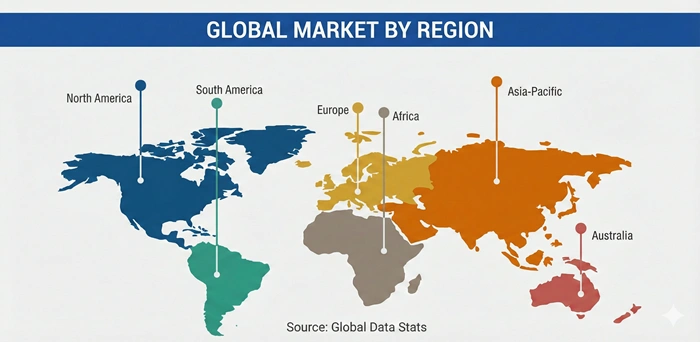
Regional Insights
Europe
Europe Leads the Global Dermo Cosmetics Market, Underpinned by a Deeply Established Pharmacy Skincare Culture, Strong Clinical Heritage, and Leading Brand Presence*
Europe holds the dominant position in the global dermo cosmetics market, capturing approximately 35–37% of total revenues in 2026 and expanding at a CAGR of approximately 7.4% through 2033. France is the undisputed epicenter of the European dermo cosmetics industry, home to Pierre Fabre Laboratories (Avène, Ducray, Klorane), L'Oréal Active Cosmetics Division (La Roche-Posay, Vichy, SkinCeuticals), and a deeply entrenched parapharmacy distribution model where dermatologist-recommended skincare occupies a unique and protected retail space. Germany and the UK are also important European markets, with strong demand for Eucerin (Beiersdorf), E45, and Dermal Therapy products across pharmacy networks. The region's high dermatologist consultation rates, comprehensive healthcare systems, and consumer preference for science-backed skincare over conventional mass-market alternatives sustain its market-leading position.
Europe's dominance in the dermo cosmetics category is further supported by the EU Cosmetics Regulation framework, which sets stringent safety and labeling standards that reinforce consumer confidence in dermatologically validated products sold through professional retail channels. The growing trend of preventive dermatology — encouraging consumers to adopt daily SPF, barrier protection, and active antioxidant routines as lifelong skin health practices — is expanding the market's reach into younger European demographics and driving volume growth across multiple product categories.
Asia Pacific
Asia Pacific Is the Fastest-Growing Dermo Cosmetics Market, Powered by a Thriving Beauty Culture, Rising Skin Health Awareness, and Rapidly Expanding Pharmaceutical Retail Infrastructure*
Asia Pacific is the fastest-growing regional market for dermo cosmetics, projected to expand at a CAGR of approximately 10.5% through 2033, with a current market share of approximately 24–26% in 2026. China is the largest and most dynamic country market in the region, driven by rising consumer sophistication, explosive growth of skincare e-commerce, rapidly growing dermatology clinics, and strong demand for brightening, anti-aging, and sensitive skin formulations. Global dermo cosmetic brands including La Roche-Posay, Vichy, and Cetaphil are achieving rapid revenue growth in China through a combination of Tmall flagship stores, key opinion leader (KOL) marketing campaigns, and dermatologist-partnership programs. Domestic Chinese dermo cosmetic brands such as Winona (Betaîn) and Dr. Yu are also gaining significant market share by addressing local skin concerns with clinically formulated products tailored to Chinese skin biology and environmental conditions.
Japan and South Korea are sophisticated and mature dermo cosmetic markets with strong consumer preference for highly formulated, dermatologically active skincare. India is an emerging high-growth market, with rapidly expanding pharmaceutical retail chains, growing dermatology clinic networks, and rising awareness of UV protection and acne management driving strong demand growth for dermo cosmetic products. The dermo cosmetics market in Asia Pacific benefits from a unique combination of cultural reverence for skincare, expanding middle-class consumer spending power, and increasingly sophisticated regulatory frameworks that are gradually aligning with global standards, collectively supporting sustained above-average regional growth.
Top Key Players
-
L'Oréal S.A. (Active Cosmetics Division) (France)
-
Beiersdorf AG (Germany)
-
Pierre Fabre Laboratories (France)
-
Galderma S.A. (Switzerland)
-
Johnson & Johnson (Neutrogena, Aveeno) (United States)
-
Procter & Gamble Co. (Olay) (United States)
-
Unilever plc (Dove Dermacare) (United Kingdom / Netherlands)
-
Shiseido Company Limited (Japan)
-
AmorePacific Corporation (South Korea)
-
Sebapharma GmbH & Co. KG (Germany)
-
Estée Lauder Companies Inc. (United States)
-
Clarins Group (France)
-
Kose Corporation (Japan)
-
Colgate-Palmolive Company (EltaMD) (United States)
-
SkinCeuticals (L'Oréal) (United States)
Recent Developments
-
2024 – L'Oréal S.A. announced the global rollout of its AI-powered skin diagnostic platform under the La Roche-Posay brand, enabling consumers to receive personalized dermo cosmetic regimen recommendations through a dermatologist-validated digital tool integrated into the brand's website and partner pharmacy systems.
-
2024 – Beiersdorf AG launched a new expanded Eucerin Anti-Pigment range featuring tranexamic acid and thiamidol technology, specifically developed for hyperpigmentation management in dermatologically sensitive skin, reinforcing the brand's position as a leading clinical skincare brand across European and Asian pharmacy markets.
-
2024 – Galderma completed the acquisition of a majority stake in Alastin Skincare, expanding its consumer dermo cosmetics portfolio with clinically validated post-procedure and anti-aging skincare products sold through dermatology clinics and medical spas in the United States.
-
2025 – Johnson & Johnson relaunched its CeraVe Therapeutic Hand Cream line with new dermatologist-validated formulations containing ceramides and hyaluronic acid, responding to growing consumer demand for barrier-repair dermo cosmetic hand care products following the post-pandemic hygiene hygiene product category expansion.
-
2025 – Pierre Fabre Laboratories expanded its Eau Thermale Avène brand into five new Asia Pacific markets including Vietnam, Indonesia, and the Philippines, establishing pharmacy distribution partnerships and launching localized dermo cosmetic product ranges tailored to tropical climate skin care needs and regional skin concerns.
Market Trends
Microbiome-Friendly Formulations, Inclusive Dermo Skincare, and the Convergence of Wellness and Clinical Skincare Are the Most Defining Trends Reshaping the Dermo Cosmetics Market*
One of the most significant and scientifically grounded trends in the dermo cosmetics market is the growing focus on skin microbiome health. Research demonstrating the critical role of the skin's microbial ecosystem in maintaining barrier function, immune regulation, and protection against inflammatory skin conditions is reshaping formulation philosophy across the industry. Brands are actively developing products with prebiotics, probiotics, and postbiotic ingredients designed to support beneficial skin microorganisms while avoiding disruption of the microbiome balance. This trend is particularly strong in Europe, where dermatological brands are commissioning peer-reviewed microbiome research and incorporating clinical evidence of microbiome-friendly formulation into their product positioning and consumer communications.
The growing demand for inclusive dermo cosmetics — products formulated to address the diverse skin tones, skin types, and specific dermatological concerns of all ethnicities — is another powerful industry trend. Historically, many dermo cosmetic products were developed with lighter skin tones and Western skin profiles as defaults, leaving significant unmet needs for consumers with deeper skin tones who experience conditions like post-inflammatory hyperpigmentation, keloid formation, and moisture retention challenges differently. Leading brands including Galderma, La Roche-Posay, and emerging indie dermo cosmetic companies are actively developing inclusive, dermatologically validated formulations that address the unique needs of diverse global skin populations, opening significant new market opportunities.
Segments Covered in the Report
By Product Type:
-
Moisturizers and Emollients
-
Serums and Concentrated Treatments
-
Cleansers and Face Washes
-
Sunscreen and Photoprotection Products
-
Anti-Aging Formulations
-
Acne and Blemish Treatments
-
Eye Creams and Treatments
-
Other Product Types
By Skin Concern:
-
Acne and Blemish-Prone Skin
-
Sensitive and Reactive Skin
-
Dry and Dehydrated Skin
-
Hyperpigmentation and Uneven Tone
-
Anti-Aging and Photoaging
-
Eczema and Atopic Dermatitis
-
Rosacea
-
Other Skin Concerns
By Distribution Channel:
-
Pharmacy and Drugstore
-
Dermatology Clinics and Medical Spas
-
E-Commerce (Brand Websites and Online Marketplaces)
-
Supermarkets and Hypermarkets
-
Specialty Retail and Beauty Stores
-
Other Channels
By End User:
-
Adult Women
-
Adult Men
-
Pediatric and Baby Skincare
-
Other End Users
By Region:
-
North America
-
United States
-
Canada
-
-
Europe
-
France
-
Germany
-
United Kingdom
-
Italy
-
Spain
-
Rest of Europe
-
-
Asia Pacific
-
China
-
India
-
Japan
-
South Korea
-
Australia
-
Rest of Asia Pacific
-
-
Latin America
-
Brazil
-
Mexico
-
Rest of Latin America
-
-
Middle East & Africa
-
GCC Countries
-
South Africa
-
Rest of Middle East & Africa
-
"Built for Every Level — From Startups to Industry Giants"
Here Is Exactly How This Report Works for You
-
For Tier 1 and Tier 2 companies, large pharmaceutical groups, and institutional investors, this report delivers detailed competitor revenue analysis, revenue source breakdowns, and market share benchmarking across all major dermo cosmetic brands and regions — enabling precise portfolio strategy decisions, M&A targeting, and investment allocation based on verified market intelligence rather than assumptions.
-
For Tier 3 companies, startups, and mid-level dermo cosmetic brands, this report provides a clear view of supply-demand dynamics, pricing trends, distribution channel evolution, and white-space opportunity mapping — equipping emerging players with the competitive intelligence needed to identify underserved segments, optimize product positioning, and accelerate market entry.
-
For all decision-makers navigating today's complex global environment, this report covers how geopolitical factors — including trade policy shifts, raw material supply chain disruptions, and regional regulatory changes — are directly impacting dermo cosmetic manufacturing costs, ingredient sourcing, and cross-border market access, helping businesses make informed strategic decisions even in uncertain conditions.
Frequently Asked Questions
Question 1: What is the current size of the dermo cosmetics market and what is the growth forecast through 2033?
Answer: The dermo cosmetics market is valued at USD 54.50 billion in 2025 and is projected to reach USD 101.12 billion by 2033. The market is expected to expand at a CAGR of 8.00% from 2026 to 2033.
Question 2: What are the key factors driving growth in the dermo cosmetics market?
Answer: The primary growth drivers in the dermo cosmetics market include the rising prevalence of skin disorders such as acne, eczema, and rosacea, and the growing consumer preference for clinically validated, dermatologist-recommended skincare products. The expansion of pharmacy retail and e-commerce channels is further accelerating global market access and consumer adoption.
Question 3: Which product type dominates the dermo cosmetics market?
Answer: Moisturizers and emollients hold the largest revenue share in the dermo cosmetics market, accounting for approximately 40–42% of total product revenues in 2025. Serums and concentrated treatments are the fastest-growing product type, driven by growing consumer demand for high-potency active ingredient formulations targeting specific skin concerns.
Question 4: Which region leads the dermo cosmetics market and which region is growing the fastest?
Answer: Europe leads the dermo cosmetics market with approximately 35–37% of global revenues in 2026, supported by its deep-rooted pharmacy skincare culture and the presence of global dermo cosmetic brand leaders. Asia Pacific is the fastest-growing region, expanding at approximately 10.5% CAGR through 2033.
Question 5: Who are the leading companies in the dermo cosmetics market?
Answer: Key players in the dermo cosmetics market include L'Oréal Active Cosmetics, Beiersdorf, Pierre Fabre Laboratories, Galderma, Johnson & Johnson, Unilever, Shiseido, and AmorePacific, among others. These companies compete through clinical research investment, dermatologist partnership programs, pharmacy channel exclusivity, and continuous active ingredient innovation.