
Dark Store Market Overview
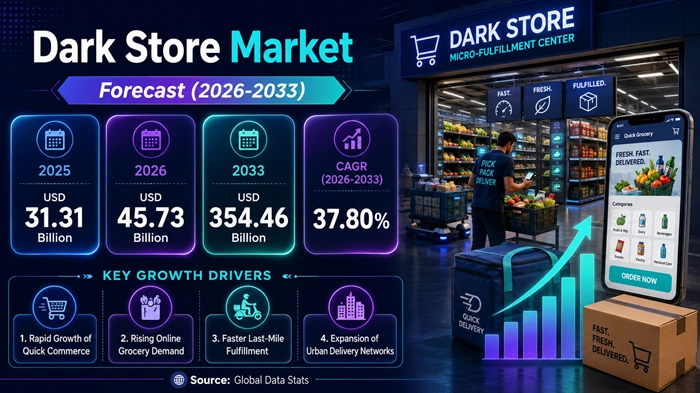
The global dark store market size is valued at USD 31.31 billion in 2025 and is predicted to increase from USD 45.73 billion in 2026 to approximately USD 354.46 billion by 2033, growing at a CAGR of 37.80% from 2026 to 2033. Quick commerce platforms are revolutionizing retail by transforming traditional shopping patterns into instant gratification experiences where consumers receive orders within minutes rather than days. These micro-fulfillment centers operate exclusively for online order processing without any walk-in customers, enabling ultra-fast delivery services that meet modern consumer expectations.
AI Impact on the Dark Store Industry
Intelligent Automation Transforming Warehouse Operations and Delivery Speed
Artificial intelligence is fundamentally reshaping operations within the dark store market by introducing unprecedented levels of automation, predictive analytics, and operational efficiency that were previously impossible with traditional manual systems. Advanced machine learning algorithms analyze millions of transaction patterns, weather data, local events, and historical purchasing behaviors to accurately forecast demand for specific products in particular geographic areas, allowing dark stores to optimize inventory levels and reduce waste significantly. AI-powered robotics systems navigate warehouse floors autonomously, picking items from shelves with precision and speed that surpasses human capabilities while working continuously without fatigue or breaks. Computer vision technology integrated with smart cameras enables real-time inventory tracking, automatically detecting when stock levels fall below thresholds and triggering reorder processes without human intervention.
Natural language processing systems process customer orders instantly, interpreting complex requests and dietary preferences to ensure accurate fulfillment while suggesting complementary products based on purchasing history and preferences. Dynamic route optimization algorithms powered by artificial intelligence calculate the most efficient delivery paths in real-time, considering traffic conditions, weather patterns, multiple delivery stops, and urgency levels to minimize delivery times while maximizing the number of orders each delivery person can complete per shift. Predictive maintenance systems monitor warehouse equipment, conveyor belts, refrigeration units, and automation machinery continuously, identifying potential failures before they occur and scheduling maintenance during low-traffic periods to prevent disruptions. AI chatbots handle customer inquiries, order modifications, and complaint resolution instantly, providing 24/7 support that enhances customer satisfaction while reducing operational costs associated with large customer service teams in the dark store market.
Growth Factors
Urbanization and Changing Consumer Lifestyles Drive Rapid Market Expansion
The explosive growth of the dark store market stems primarily from fundamental shifts in urban demographics, lifestyle patterns, and consumer expectations regarding convenience and speed in product delivery. Rapid urbanization worldwide concentrates millions of people in densely populated metropolitan areas where physical retail space commands premium prices, making dark stores economically viable alternatives to traditional supermarkets requiring expensive storefronts and customer amenities. The proliferation of smartphones and high-speed internet connectivity enables seamless mobile commerce experiences where consumers can browse products, place orders, and track deliveries through intuitive applications that integrate payment processing and customer support functionalities. Time-starved dual-income households increasingly prioritize convenience over traditional shopping experiences, willingly paying premium prices for ultra-fast delivery services that eliminate time spent traveling to stores, searching for items, and waiting in checkout lines.
The COVID-19 pandemic accelerated behavioral changes that permanently altered shopping patterns across all demographic segments in the dark store market. Lockdowns and social distancing requirements forced millions of consumers to try online grocery shopping for the first time, with many discovering they preferred the convenience even after restrictions lifted. Growing environmental consciousness drives preference for consolidated delivery models where single vehicles serve multiple households simultaneously, reducing overall carbon emissions compared to individual shopping trips. The emergence of gig economy platforms provides flexible labor pools for last-mile delivery, enabling dark stores to scale operations rapidly without maintaining large permanent workforces while offering employment opportunities for individuals seeking flexible work arrangements.
Market Outlook
Strategic Expansion and Technology Integration Shape Future Trajectory
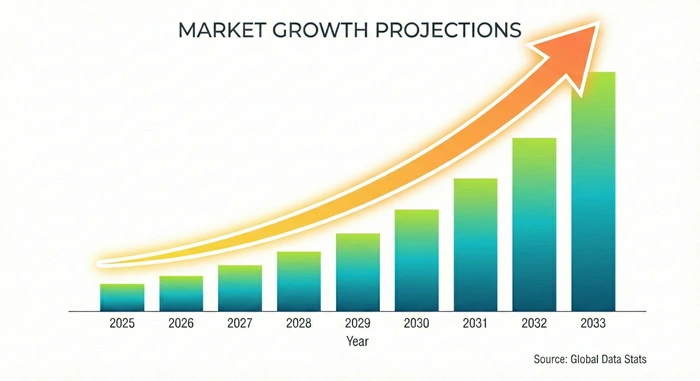
The dark store market is positioned for sustained exponential growth through 2033 as major retailers, e-commerce giants, and specialized quick commerce startups invest billions in infrastructure, technology, and geographic expansion to capture market share. Traditional supermarket chains are adapting by converting underperforming locations into dark stores, leveraging existing real estate and supply chain relationships while pivoting toward online fulfillment models that generate higher margins per square foot. Strategic positioning of micro-fulfillment centers within 2-3 kilometers of target customers enables delivery promises of 10-30 minutes that create competitive moats against slower competitors unable to match speed commitments. Product category expansion beyond groceries into electronics, cosmetics, pharmaceuticals, and general merchandise broadens addressable markets and increases average order values as consumers consolidate purchases through single platforms.
Emerging markets in Asia Pacific, Latin America, and Middle East regions present enormous growth opportunities as rising middle classes, smartphone penetration, and improving logistics infrastructure create conditions favorable for dark store market adoption. Subscription models offering unlimited free delivery for monthly fees create customer stickiness and predictable revenue streams while incentivizing higher order frequencies that improve unit economics. Partnerships between dark store operators and established brands provide exclusive product access and preferential pricing that differentiate offerings in increasingly crowded markets. Sustainability initiatives incorporating electric vehicles, recyclable packaging, and food waste reduction programs address environmental concerns while appealing to conscious consumers prioritizing ecological responsibility in purchasing decisions.
Expert Speaks
-
Doug McMillon, President and Chief Executive Officer of Walmart Inc., emphasized that the company is significantly expanding its dark store network and automation capabilities to meet growing customer demand for same-day and next-hour delivery, viewing quick commerce as essential to remaining competitive in evolving retail landscapes where speed and convenience determine market leadership.
-
Andy Jassy, President and Chief Executive Officer of Amazon.com Inc., highlighted that investment in micro-fulfillment infrastructure and last-mile delivery capabilities represents critical strategic priorities, noting that customers consistently demonstrate willingness to increase purchasing frequency when delivery times decrease from days to hours or minutes, fundamentally changing retail economics.
-
Kalyan Krishnamurthy, Group Chief Executive Officer of Flipkart, stated that the company plans aggressive dark store expansion targeting 800 locations by end of 2025, recognizing that sophisticated urban consumers have elevated expectations for speed and service that require technology-enabled, scalable, and agile supply chains to deliver exceptional experiences profitably.
Key Report Takeaways
-
North America leads the dark store market with approximately 36% market share in 2025, driven by advanced e-commerce infrastructure, high smartphone penetration, consumer willingness to pay for convenience, and aggressive expansion by major players including Amazon, Walmart, Instacart, and Target in metropolitan areas.
-
Asia Pacific is growing the fastest with a projected CAGR of 39.45% from 2026 to 2033, fueled by massive urban populations, rapidly rising middle-class incomes, explosive smartphone adoption, growing acceptance of online shopping, and aggressive investment by local players like Flipkart, Blinkit, Zepto, and Swiggy Instamart.
-
Adult consumers represent the primary user base for dark stores, accounting for approximately 68% of market consumption as working professionals aged 25-44 seek convenient solutions for grocery and essential item purchases that fit busy lifestyles without requiring time-consuming trips to physical retail locations.
-
The home delivery segment contributes the most to overall market revenue with approximately 72% share in 2025, reflecting strong consumer preference for contactless, convenient doorstep delivery that eliminates travel time and provides flexibility to receive orders at preferred times without leaving homes or offices.
-
Grocery category dominates product mix with approximately 40% of total sales, representing the highest-frequency purchase category as consumers regularly order fresh produce, dairy products, pantry staples, and prepared meals through quick commerce platforms that offer extensive selection and quality comparable to traditional supermarkets.
-
The cleaning essentials segment in non-food products will grow quickly with an estimated CAGR of 38.60% and market share expanding from 31% to 34% by 2033, driven by post-pandemic heightened awareness of hygiene, increasing demand for disinfectants and sanitization products, and convenience of instant availability for cleaning emergencies.
Market Scope
| Report Coverage | Details |
|---|---|
| Market Size by 2033 | USD 354.46 Billion |
| Market Size by 2025 | USD 31.31 Billion |
| Market Size by 2026 | USD 45.73 Billion |
| Market Growth Rate from 2026 to 2033 | CAGR of 37.80% |
| Dominating Region | North America |
| Fastest Growing Region | Asia Pacific |
| Base Year | 2025 |
| Forecast Period | 2026 to 2033 |
| Segments Covered | Age Group, Category, Delivery Options, Non-Food Products, Region |
| Regions Covered | North America, Europe, Asia Pacific, Latin America, Middle East and Africa |
Market Dynamics
Driver Impact Analysis
Consumer Demand for Ultra-Fast Delivery Accelerates Market Momentum
The relentless consumer demand for instant gratification and ultra-fast delivery represents the most powerful driver propelling the dark store market toward exponential growth across all geographic regions and demographic segments. Modern consumers, particularly millennials and Gen-Z cohorts raised with on-demand digital services, expect immediate access to products and services without delays, applying these expectations to grocery shopping and essential item purchases. The concept of waiting days or even hours for delivery has become increasingly unacceptable to consumers who have experienced 10-30 minute delivery windows offered by quick commerce platforms, fundamentally resetting expectations across the entire retail industry. Busy professionals working long hours, parents managing multiple responsibilities, and elderly individuals with mobility challenges find tremendous value in services that deliver groceries and essentials directly to their doorsteps within minutes of ordering.
The dark store market benefits from network effects where increased adoption drives further growth as delivery economics improve with order density, enabling operators to reduce delivery times and costs simultaneously. Strategic urban location strategies position dark stores within 2-3 kilometers of target customers, creating geographic coverage that makes rapid delivery physically and economically feasible while establishing competitive barriers against slower alternatives. Technology infrastructure including sophisticated mobile applications, real-time inventory systems, and AI-powered logistics optimization creates seamless user experiences that drive repeat purchases and build customer loyalty. The willingness of consumers to pay premium prices or subscription fees for ultra-fast delivery services provides sustainable unit economics that justify continued investment in expanding dark store networks across additional cities and neighborhoods.
| Driver | ≈ % Impact on CAGR Forecast | Geographic Relevance | Impact Timeline |
|---|---|---|---|
| Consumer Demand for Speed | +10.50% | Global, strongest in urban areas | 2026-2033 |
| E-commerce Infrastructure Growth | +8.20% | North America, Asia Pacific, Europe | 2026-2033 |
| Smartphone Penetration | +6.40% | Asia Pacific, Latin America | 2026-2030 |
| Urbanization Trends | +5.70% | Asia Pacific, Middle East | 2026-2033 |
Restraints Impact Analysis
Operational Challenges and High Costs Limit Market Penetration
The dark store market confronts significant operational challenges related to perishability management, inventory complexity, and high fixed costs that constrain profitability and limit geographic expansion potential. Fresh produce, dairy products, meat, and prepared foods require sophisticated cold chain logistics with temperature-controlled storage and transportation that substantially increase infrastructure and operational costs compared to ambient storage. Product expiration and spoilage create inventory losses that erode margins, particularly when demand forecasting proves inaccurate and perishable items remain unsold beyond their shelf life. The necessity of maintaining extensive SKU selections to meet diverse customer preferences requires substantial warehouse space and working capital tied up in inventory that may turn slowly or become obsolete.
Labor costs for warehouse staff, order pickers, and delivery personnel represent major ongoing expenses that scale with order volume but remain partially fixed, creating unit economics challenges in low-density areas or during off-peak hours when order flow doesn't justify full staffing. Real estate costs in prime urban locations necessary for rapid delivery proximity consume significant capital and ongoing rent expenses, with dark stores requiring 10,000-20,000 square feet of warehouse space in neighborhoods where property commands premium valuations. Competition intensity in the dark store market drives customer acquisition costs higher as platforms spend heavily on promotional discounts, advertising, and referral incentives to attract users away from established competitors. Last-mile delivery economics remain challenging with traffic congestion, parking difficulties, delivery time variability, and customer unavailability creating inefficiencies that increase costs per order and reduce delivery capacity.
| Restraint | ≈ % Impact on CAGR Forecast | Geographic Relevance | Impact Timeline |
|---|---|---|---|
| High Operating Costs | -4.80% | Global, particularly high-rent urban areas | 2026-2033 |
| Perishability Challenges | -3.20% | Tropical climates, developing infrastructure | 2026-2030 |
| Intense Competition | -2.90% | Mature markets with multiple players | 2026-2033 |
Opportunities Impact Analysis
Technology Innovation and Market Expansion Create Growth Avenues
Emerging technologies including autonomous delivery vehicles, drone delivery systems, and advanced robotics present transformative opportunities for the dark store market to dramatically reduce operational costs while improving delivery speed and reliability. Self-driving delivery robots navigating sidewalks and bike lanes eliminate labor costs for last-mile delivery while operating 24/7 without breaks, potentially reducing delivery costs by 60-70% compared to human couriers. Drone delivery systems under development by Amazon, Walmart, and specialized startups promise sub-10-minute delivery times over distances of several kilometers, leapfrogging ground-based logistics constraints in congested urban environments. Vertical integration strategies where dark store operators establish direct relationships with farmers, manufacturers, and distributors eliminate intermediary markups and improve margin structures while ensuring product quality and supply consistency.
Geographic expansion into tier-2 and tier-3 cities represents enormous untapped opportunities as improving infrastructure, rising incomes, and smartphone adoption create viable markets previously considered unsuitable for quick commerce models. Partnership opportunities with traditional retailers seeking to modernize their business models provide access to established supplier relationships, brand recognition, and customer bases that accelerate market penetration while sharing infrastructure and operational costs. Private label product development allows dark store operators to capture additional margin by selling proprietary brands alongside third-party products, building customer loyalty through exclusive offerings unavailable from competitors. Data monetization opportunities emerge as platforms accumulate valuable consumer behavior insights that inform product development, marketing strategies, and supplier negotiations while potentially generating revenue through anonymized data sales to CPG companies and market research firms.
| Opportunity | ≈ % Impact on CAGR Forecast | Geographic Relevance | Impact Timeline |
|---|---|---|---|
| Autonomous Delivery Innovation | +7.30% | North America, Europe, China | 2028-2033 |
| Tier-2/Tier-3 City Expansion | +6.80% | India, Southeast Asia, Latin America | 2026-2033 |
| Private Label Development | +4.50% | Global, mature markets | 2027-2033 |
| Vertical Integration | +3.90% | Global, all regions | 2026-2033 |
Segment Analysis
Home Delivery
Dominant Delivery Method Capitalizing on Convenience and Contactless Preferences
The home delivery segment commands the largest share of the dark store market with approximately 72% in 2025, reflecting overwhelming consumer preference for contactless, convenient doorstep delivery that eliminates travel requirements and provides ultimate flexibility in receiving orders. This segment's dominance stems from the fundamental value proposition of quick commerce where consumers explicitly pay for the convenience of having products delivered directly to their homes, offices, or other specified locations without any effort on their part beyond placing digital orders. The COVID-19 pandemic permanently elevated home delivery preferences as consumers experienced the safety, convenience, and time savings associated with doorstep delivery during lockdowns and social distancing periods, with many maintaining these habits long after restrictions lifted. Urban professionals working long hours particularly value home delivery options that enable them to receive groceries and essentials at their offices during work hours or at homes during evenings without disrupting schedules.
North America leads the home delivery segment with approximately 38% regional share and a CAGR of 36.85%, supported by mature e-commerce infrastructure, widespread smartphone adoption, and aggressive expansion by major players including Amazon Fresh, Instacart, Walmart GoLocal, and regional specialists like FreshDirect. Key companies dominating this segment including Uber Technologies, DoorDash, and Deliveroo leverage existing delivery network infrastructure originally built for restaurant food delivery, applying these capabilities to grocery and essential item delivery with minimal incremental investment. Asia Pacific shows the most explosive growth with a CAGR exceeding 40.20% as quick commerce platforms like Blinkit, Zepto, Swiggy Instamart, and Flipkart Minutes expand aggressively across Indian cities while established players in China and Southeast Asia scale operations rapidly. Technology investments in dynamic routing algorithms, real-time traffic integration, and AI-powered delivery time predictions enhance customer experiences by providing accurate delivery windows that respect consumer schedules and preferences, driving satisfaction scores that translate into repeat purchases and customer lifetime value improvements in the dark store market.
Adults Age Group
Primary Consumer Demographic Driving Market Demand and Revenue Growth
The adults segment, encompassing consumers aged 25-54 years, represents the fastest-growing and most valuable demographic in the dark store market with approximately 68% market share in 2025 and projected CAGR of 38.10% through 2033. This age cohort combines several favorable characteristics including high smartphone adoption rates, comfort with digital commerce platforms, substantial purchasing power from peak earning years, and lifestyle patterns that prioritize convenience and time savings over traditional shopping experiences. Working professionals in this demographic face significant time constraints balancing career responsibilities, family obligations, social commitments, and personal wellness activities, creating strong motivation to outsource routine tasks like grocery shopping to efficient digital platforms. Digital natives within this age range demonstrate high comfort levels with mobile applications, digital payments, and online transactions, readily adopting new platforms that offer superior convenience or value propositions.
Europe shows particularly strong growth in the adults segment with a CAGR of 37.30%, driven by dense urban populations, high disposable incomes, and cultural acceptance of premium convenience services in markets including United Kingdom, Germany, France, and Netherlands where players like Getir, Gorillas, and Wolt have established strong footholds. The dark store market benefits from this demographic's willingness to pay premium prices or recurring subscription fees for ultra-fast delivery services, with studies indicating that adults aged 30-44 make online purchases more than once monthly at rates exceeding 56% in developed markets. Leading operators including Amazon, Walmart, Alibaba, and JD.com specifically target this demographic through marketing campaigns emphasizing time savings, product quality, and reliability rather than competing primarily on price. The dual-income household structure common in this age group creates household purchasing power and time scarcity that makes quick commerce particularly attractive, with both partners often working full-time while managing children and household responsibilities that leave limited time for traditional grocery shopping activities.
Regional Insights
North America
Market Leadership Through Infrastructure Excellence and Consumer Adoption
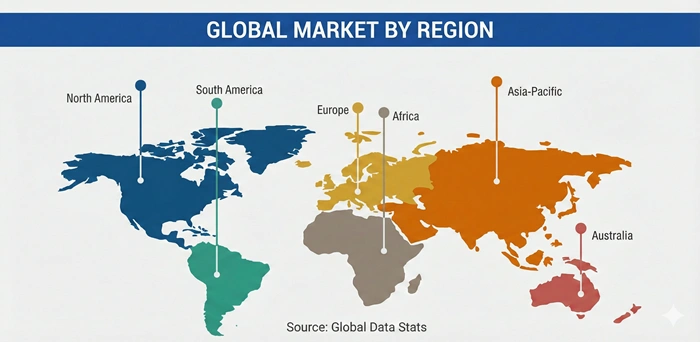
North America maintains its position as the dominant region in the dark store market, commanding approximately 36% of global market share in 2025 with an estimated value of USD 11.27 billion, projected to reach USD 123.56 billion by 2033 growing at a CAGR of 36.92%. The region's leadership stems from multiple reinforcing factors including mature e-commerce infrastructure with sophisticated last-mile delivery networks, near-universal smartphone penetration exceeding 85% of the population, high consumer disposable incomes that support premium pricing for convenience services, and aggressive investment by retail giants transforming traditional business models. The United States represents the largest market within North America, accounting for approximately 75% of regional revenue with an estimated market size of USD 7.97 billion in 2025, driven by massive metropolitan areas including New York, Los Angeles, Chicago, and San Francisco where population density supports efficient dark store operations.
Consumer behavior in North America strongly favors online shopping and home delivery services, with studies indicating 56% of Americans aged 30-44 make more than one online purchase monthly, creating ideal conditions for dark store market expansion. Leading companies dominating the North American market including Amazon Fresh with its extensive Prime membership base, Walmart leveraging 4,700 store locations for last-mile fulfillment, Instacart partnering with hundreds of grocery chains, Target's Shipt acquisition, and startups like GoPuff and Buyk collectively invest billions annually in warehouse automation, delivery fleet expansion, and technology infrastructure. The region benefits from favorable regulatory environments that permit gig economy employment models providing flexible labor pools for delivery operations, sophisticated payment infrastructure supporting seamless mobile transactions, and high-speed internet connectivity enabling real-time inventory management and order processing across distributed fulfillment networks.
Asia Pacific
Explosive Growth Driven by Urban Expansion and Digital Adoption
Asia Pacific represents the fastest-growing region in the dark store market with a projected CAGR of 39.45% from 2026 to 2033, with market value expected to increase from USD 8.96 billion in 2025 to USD 148.73 billion by 2033, capturing an expanding share of global revenue. The region's exceptional growth trajectory is fueled by massive urban populations exceeding 2.3 billion people in cities, rapidly rising middle-class incomes creating unprecedented consumer purchasing power, explosive smartphone penetration projected to reach 3.5 billion users by 2028, and cultural acceptance of mobile-first commerce that leapfrogs traditional retail infrastructure. India and China together account for over 70% of the Asia Pacific dark store market, with India experiencing particularly rapid expansion as quick commerce platforms including Blinkit, Zepto, Swiggy Instamart, and Flipkart Minutes deploy thousands of dark stores across metropolitan areas.
India's quick commerce landscape has transformed dramatically with over 2,525 operational dark stores as of October 2025, projected to grow threefold to 7,500 by 2030 as platforms race to capture market share in a sector expected to reach USD 30 billion by 2027-28. Key manufacturers serving this dynamic region include Alibaba Group and JD.com from China with sophisticated logistics networks spanning hundreds of cities, Flipkart backed by Walmart investing aggressively in dark store expansion, Swiggy and Zomato diversifying from food delivery into grocery quick commerce, and regional players like Grab in Southeast Asia extending services beyond ride-hailing into delivery logistics. China's quick commerce market is projected at USD 120-150 billion in 2025, representing the world's largest such market with established players leveraging advanced technology including AI-powered warehousing, autonomous delivery vehicles, and integrated super-apps combining multiple services within single platforms that drive high user engagement and transaction frequency throughout the dark store market ecosystem.
Top Key Players
-
Amazon.com, Inc. (United States)
-
Walmart Inc. (United States)
-
Instacart (United States)
-
Uber Technologies Inc. (United States)
-
Target Corporation (United States)
-
Alibaba Group Holding Limited (China)
-
JD.com, Inc. (China)
-
Flipkart Private Limited (India)
-
Swiggy (India)
-
Zomato Limited (India)
-
Getir (Turkey)
-
Gorillas Technologies GmbH (Germany)
-
Deliveroo plc (United Kingdom)
-
DoorDash, Inc. (United States)
-
Grab Holdings Limited (Singapore)
Recent Developments
-
Flipkart (2025): Launched 100 dark stores for quick commerce service "Flipkart Minutes" in April 2025 during festive season, targeting 800 dark stores by end of 2025 to meet rising demand for faster deliveries, onboarding former Dunzo CEO Kabeer Biswas to lead the vertical with focus on hyperlocal deliveries in top 50 cities across India.
-
Amazon.com Inc. (2024): Expanded Amazon Fresh dark store network across 15 new metropolitan areas in United States and Europe, investing USD 2.8 billion in micro-fulfillment automation technology including AI-powered robotics and computer vision systems that reduced order picking time by 45% while increasing accuracy to 99.7%.
-
Walmart Inc. (2023): Completed acquisition of delivery technology platform Delvery.com for USD 550 million to enhance last-mile delivery capabilities, simultaneously announcing plans to convert 200 underperforming store locations into dark stores dedicated exclusively to online order fulfillment supporting both two-hour and next-day delivery services.
-
Instacart (2022): Acquired grocery technology platform Rosie Applications in September 2022 for undisclosed amount to intensify technology solutions for independently owned and locally operated grocery stores, expanding dark store partnership network to over 85,000 retail locations across North America supporting same-day delivery services.
-
Zomato Limited (2022): Blinkit (formerly Grofers) acquisition completed in June 2022 for approximately USD 570 million, transforming Zomato from food delivery specialist into comprehensive quick commerce platform with over 1,000 dark stores across 127 Indian cities offering 10-minute delivery for groceries and essentials, representing strategic diversification beyond restaurant partnerships.
Market Trends
Automation and Sustainability Reshape Operational Models and Consumer Expectations
The dark store market is undergoing rapid transformation driven by automation technologies that fundamentally improve operational efficiency, reduce labor dependency, and enhance delivery speed while addressing scalability challenges that limited earlier growth phases. Advanced robotics systems navigate warehouse environments autonomously, retrieving products from storage locations and transporting them to packing stations with precision and speed that significantly exceeds human capabilities, with some facilities achieving 80% automation rates that reduce labor costs by 60% while maintaining 24/7 operations. Micro-fulfillment centers incorporating vertical storage systems, automated conveyor networks, and AI-powered picking algorithms optimize space utilization in expensive urban locations, enabling 40,000 SKU storage in facilities as small as 10,000 square feet that traditionally required 50,000+ square feet. Dynamic pricing algorithms adjust product prices in real-time based on demand patterns, inventory levels, competitor pricing, and delivery time windows, maximizing revenue per order while managing demand to smooth order flow throughout operating hours.
Sustainability initiatives are becoming central to competitive positioning as environmentally conscious consumers, particularly in developed markets, increasingly evaluate brands based on ecological impact and corporate responsibility commitments. Electric vehicle adoption for delivery fleets accelerates rapidly with companies like Amazon pledging 100,000 electric delivery vans by 2030, while startups deploy electric cargo bikes and scooters for short-distance urban deliveries that eliminate emissions entirely while navigating congested city streets more efficiently than automobiles. Reusable packaging programs pilot in multiple markets where customers receive groceries in returnable containers collected during subsequent deliveries, eliminating single-use plastic waste while building recurring customer touchpoints that strengthen relationships. Food waste reduction initiatives leverage AI-powered demand forecasting to minimize spoilage, while partnerships with food banks and charitable organizations donate approaching-expiration products rather than discarding them, addressing both environmental and social responsibility objectives that resonate with values-driven consumer segments in the dark store market.
Segments Covered in the Report
By Age Group
-
Adults
-
Children
-
Elderly
By Category
-
Groceries
-
Meat
-
Dairy
-
Fresh Produce
-
Bakery Items
-
Frozen Foods
By Delivery Options
-
Home Delivery
-
Curbside Pickup
-
In-Store Pickup
By Non-Food Products
-
Cleaning Essentials
-
Bath & Body Products
-
Personal Care Items
-
Household Utilities
-
Others
By Region
-
North America
-
United States
-
Canada
-
Mexico
-
-
Europe
-
United Kingdom
-
Germany
-
France
-
Italy
-
Spain
-
Netherlands
-
Rest of Europe
-
-
Asia Pacific
-
China
-
India
-
Japan
-
South Korea
-
Indonesia
-
Singapore
-
Australia
-
Rest of Asia Pacific
-
-
Latin America
-
Brazil
-
Argentina
-
Colombia
-
Rest of Latin America
-
-
Middle East and Africa
-
United Arab Emirates
-
Saudi Arabia
-
South Africa
-
Rest of Middle East and Africa
-
Frequently Asked Questions
Question 1: What is the projected dark store market size by 2033?
Answer: The dark store market is projected to reach USD 354.46 billion by 2033, growing from USD 45.73 billion in 2026. This explosive growth represents a CAGR of 37.80% driven by increasing consumer demand for ultra-fast delivery and expanding quick commerce infrastructure globally.
Question 2: Which region dominates the global dark store market share?
Answer: North America dominates the global dark store market with approximately 36% market share in 2025, valued at USD 11.27 billion. This leadership position is supported by mature e-commerce infrastructure, high smartphone penetration, aggressive investment by retail giants, and strong consumer adoption of online shopping.
Question 3: What factors are driving the dark store market growth?
Answer: Key factors driving dark store market growth include rising consumer demand for ultra-fast delivery, rapid urbanization concentrating populations in metropolitan areas, increasing smartphone penetration enabling mobile commerce, post-pandemic shifts toward online shopping, and aggressive infrastructure investment by major retailers. Technology innovation in automation and AI also significantly contributes to market expansion.
Question 4: Which delivery segment holds the largest share in the dark store market?
Answer: The home delivery segment holds the largest share in the dark store market with approximately 72% in 2025. This dominance reflects strong consumer preference for contactless doorstep delivery that provides ultimate convenience, flexibility, and time savings without requiring any travel or effort beyond placing digital orders.
Question 5: What are the emerging trends in the dark store market?
Answer: Emerging trends in the dark store market include aggressive automation adoption with robotics and AI, autonomous delivery vehicle deployment, electric vehicle fleet transition for sustainability, micro-fulfillment center expansion in urban areas, vertical integration with suppliers, and private label product development. Technology-driven efficiency improvements and environmental responsibility initiatives continue reshaping competitive dynamics.