
Cosmetic Medical Tourism Market Overview
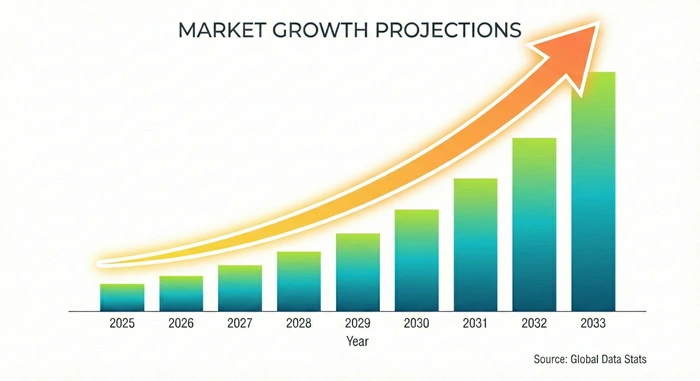
The global cosmetic medical tourism market size is valued at USD 6.93 billion in 2025 and is predicted to increase from USD 8.59 billion in 2026 to approximately USD 48.44 billion by 2033, growing at a CAGR of 23.11% from 2026 to 2033. The market experiences accelerated expansion driven by rising aesthetic consciousness among global populations, significant cost advantages offered by international destinations, and increasing accessibility to world-class cosmetic procedures through advanced medical facilities. Patients worldwide actively seek affordable yet high-quality treatments abroad, creating substantial opportunities for healthcare providers in emerging markets while reshaping traditional healthcare delivery models through cross-border patient mobility and international collaboration.

AI Impact on the Cosmetic Medical Tourism Industry
Revolutionary Technology Integration Enhances Patient Experience and Treatment Precision
Artificial intelligence is fundamentally transforming the cosmetic medical tourism market by introducing sophisticated diagnostic capabilities, personalized treatment planning, and enhanced patient consultation experiences that bridge geographical distances between patients and providers. AI-powered facial analysis systems now evaluate patient facial symmetry, skin texture, and body proportions with exceptional accuracy, enabling surgeons to develop customized treatment recommendations that align perfectly with individual anatomical characteristics and aesthetic preferences. Leading destinations including Turkey, South Korea, and Thailand have integrated AI-driven diagnostic platforms into their cosmetic surgery workflows, allowing medical professionals to predict optimal outcomes based on extensive databases of previous procedures and patient characteristics. These intelligent systems analyze thousands of facial features and procedural variations to suggest the most appropriate interventions for each unique patient profile.
Virtual consultation platforms powered by artificial intelligence enable prospective medical tourists to connect with internationally renowned surgeons without initial travel requirements, substantially reducing preliminary costs and improving accessibility to expert opinions across continents. Augmented reality applications combined with 3D imaging technology allow patients to visualize expected results from multiple angles before committing to procedures, building confidence and setting realistic expectations that improve overall satisfaction rates. AI algorithms also optimize post-operative care through remote monitoring systems that track healing progress, identify potential complications early, and provide personalized recovery guidance tailored to individual patient responses. These technological innovations enhance operational efficiency for medical tourism providers while delivering superior patient experiences that strengthen destination competitiveness and drive market expansion through positive word-of-mouth recommendations and online reviews.
Growth Factors
Cost Advantages and Quality Care Convergence Accelerate Market Expansion
The cosmetic medical tourism market demonstrates robust growth propelled by substantial cost differentials between developed Western countries and emerging medical tourism destinations that offer identical or superior procedures at fractions of conventional prices. Patients from the United States, United Kingdom, Canada, and Australia routinely save between 50% to 80% on cosmetic surgeries by traveling to countries including Thailand, Turkey, Mexico, South Korea, and India, where lower operational costs and favorable currency exchange rates create compelling value propositions without compromising quality standards. These savings often cover international airfare, luxury accommodation, procedure costs, and recovery period expenses while still representing significant financial advantages compared to domestic treatment options. Insurance limitations in developed countries that exclude coverage for elective cosmetic procedures further incentivize international treatment-seeking behavior among middle-class populations desiring aesthetic enhancements.
Rising global awareness about personal appearance and aesthetic wellness drives unprecedented demand for cosmetic procedures across all demographic segments, with social media influence and celebrity culture normalizing aesthetic interventions as routine self-care rather than exceptional luxuries. Healthcare infrastructure improvements in developing countries have produced internationally accredited facilities staffed by board-certified surgeons trained at prestigious Western medical institutions, effectively eliminating previous quality concerns that historically deterred potential medical tourists. Countries such as Thailand, Turkey, and South Korea have strategically positioned themselves as cosmetic surgery destinations by combining medical excellence with attractive tourism offerings, creating integrated healthcare-vacation packages that appeal to patients seeking recovery in luxurious, stress-free environments. Government initiatives promoting medical tourism through streamlined visa processes, dedicated medical tourism departments, and quality certification programs further strengthen destination competitiveness and facilitate market growth through improved patient access and simplified international healthcare navigation.
Market Outlook
Strategic Positioning and Technological Innovation Shape Future Trajectory
The cosmetic medical tourism market outlook remains exceptionally positive as technological advancements, improved international healthcare standards, and evolving patient preferences converge to create favorable conditions for sustained expansion throughout the forecast period. Non-invasive cosmetic procedures demonstrate the fastest growth potential within the market, driven by patient preferences for minimal-downtime treatments including botulinum toxin injections, dermal fillers, laser therapies, and non-surgical fat reduction techniques that deliver noticeable results without extensive recovery periods. These procedures particularly appeal to working professionals and business travelers who can combine treatment with short international trips, creating opportunities for medical tourism providers to develop express treatment packages targeting time-constrained clientele seeking efficient aesthetic solutions.
Regional dynamics increasingly favor Asia Pacific destinations that combine competitive pricing with advanced technological capabilities and superior hospitality services, positioning countries including Thailand, South Korea, India, and Malaysia as dominant players capturing growing market share from traditional European destinations. South Korea maintains its position as the global leader in facial cosmetic surgery, attracting hundreds of thousands of international patients annually through its reputation for surgical precision and innovative aesthetic techniques. Turkey emerges as a powerhouse for hair transplantation procedures and comprehensive body contouring surgeries, leveraging its strategic geographic position between Europe and Asia to attract diverse patient populations from both regions. Blockchain technology integration for secure medical record management, universal accreditation standards including Joint Commission International certification, and comprehensive travel insurance products specifically designed for medical tourists address historical concerns about treatment quality, continuity of care, and legal recourse, thereby expanding market accessibility to previously hesitant demographic segments.
Expert Speaks
-
Healthcare industry leaders emphasize that the cosmetic medical tourism market represents a transformative force in global healthcare delivery, democratizing access to high-quality aesthetic procedures while challenging traditional geographic and economic barriers that previously limited treatment availability to affluent populations in developed countries.
-
Medical tourism executives highlight that successful destinations will differentiate themselves through comprehensive patient experiences extending beyond clinical excellence to encompass cultural sensitivity, multilingual support services, transparent pricing structures, and seamless coordination of travel logistics that reduce friction points throughout the patient journey.
-
Industry analysts predict that continued technological innovation including telemedicine integration, AI-powered treatment planning, and virtual reality consultation platforms will reshape competitive dynamics within the cosmetic medical tourism market, favoring providers who embrace digital transformation and deliver superior patient engagement through technology-enabled service delivery models.
Key Report Takeaways
-
Europe dominates the cosmetic medical tourism market with a commanding share of 58.83% in 2025, driven by established medical tourism infrastructure, proximity between source and destination countries, cultural familiarity, and advanced healthcare systems in countries including Turkey, Poland, and Czech Republic that attract substantial patient volumes from Western Europe
-
Asia Pacific emerges as the fastest-growing region in the cosmetic medical tourism market with projected CAGR exceeding 25% during the forecast period, fueled by world-class medical facilities, significantly lower treatment costs, government support initiatives, and increasing international recognition of surgical expertise in countries including Thailand, South Korea, India, and Malaysia
-
Private healthcare providers command approximately 75% of the cosmetic medical tourism market share, leading through superior patient experiences, cutting-edge technology adoption, shorter waiting periods, luxurious facilities, and comprehensive international patient services that cater specifically to medical tourist preferences and expectations
-
Non-invasive cosmetic procedures represent the fastest-growing segment within the cosmetic medical tourism market, projected to expand at a CAGR of 24.8% as patients increasingly prefer minimally invasive treatments including botulinum toxin, dermal fillers, laser therapies, and non-surgical body contouring that offer excellent results with minimal recovery time
-
Invasive cosmetic procedures including breast augmentation, liposuction, rhinoplasty, and abdominoplasty contribute the largest revenue share to the cosmetic medical tourism market, accounting for approximately 52% of total market value as patients seek comprehensive transformative surgeries at international destinations offering substantial cost savings
-
The medical facilitator segment demonstrates rapid expansion with CAGR of 23.5%, providing end-to-end services including destination selection, surgeon matching, travel arrangement, accommodation booking, and post-operative care coordination that simplify the medical tourism experience and drive market accessibility for international patients
Market Scope
| Report Coverage Details | |
|---|---|
| Market Size by 2033 | USD 48.44 Billion |
| Market Size by 2025 | USD 6.93 Billion |
| Market Size by 2026 | USD 8.59 Billion |
| Market Growth Rate from 2026 to 2033 | CAGR of 23.11% |
| Dominating Region | Europe |
| Fastest Growing Region | Asia Pacific |
| Base Year | 2025 |
| Forecast Period | 2026 to 2033 |
| Segments Covered | Service Type, Service Provider, Age Group, Gender, Distribution Channel |
| Regions Covered | Europe, Asia Pacific, North America, Latin America, Middle East & Africa |
Market Dynamics
Drivers Impact Analysis
Economic Incentives and Quality Healthcare Accessibility Propel Market Growth
Cost-effectiveness represents the primary driver accelerating cosmetic medical tourism market expansion, as patients from developed countries discover they can access identical or superior cosmetic procedures abroad at costs representing 40% to 70% savings compared to domestic pricing structures. Healthcare expenses in countries including the United States, United Kingdom, and Australia have escalated dramatically, making elective cosmetic procedures financially prohibitive for middle-income populations who nonetheless desire aesthetic enhancements for personal and professional reasons. International destinations leverage lower labor costs, reduced regulatory overhead, and favorable currency exchange rates to offer comprehensive treatment packages that include surgical procedures, hospital stays, medications, and follow-up consultations at prices that remain substantially below the procedure-only costs in Western countries. Medical tourism facilitators further enhance value propositions by negotiating bulk pricing with hospitals, arranging discounted luxury accommodations, and organizing transportation logistics that create seamless experiences for international patients.
The convergence of world-class medical expertise with advanced technological infrastructure in emerging markets eliminates traditional quality concerns that previously deterred potential medical tourists from seeking treatment abroad. Leading cosmetic surgery destinations including Thailand, South Korea, Turkey, and Mexico have invested billions in state-of-the-art medical facilities featuring equipment matching or exceeding standards in developed countries, while recruiting internationally trained surgeons who maintain board certifications from prestigious Western medical associations. Joint Commission International accreditation and International Society of Aesthetic Plastic Surgery membership provide independent quality validation that reassures patients about treatment standards and surgical expertise available at international destinations. Growing social acceptance of cosmetic procedures combined with social media influence showcasing aesthetic enhancement results drives demand across expanding demographic segments, with younger populations particularly enthusiastic about preventive aesthetic treatments and minimally invasive procedures that maintain youthful appearances without extensive surgical interventions.
| Parameter | Details |
|---|---|
| (≈) % Impact on CAGR Forecast | High Impact (+2.0% to +2.5%) |
| Geographic Relevance | Global, with strongest impact in Asia Pacific and Latin America |
| Impact Timeline | Immediate to long-term (2026-2033) |
Restraints Impact Analysis
Quality Concerns and Legal Complexities Create Market Entry Barriers
Safety concerns and inconsistent quality standards across international healthcare facilities represent significant restraints limiting cosmetic medical tourism market growth, particularly among risk-averse patient segments hesitant to entrust their health and appearance to unfamiliar foreign medical systems. Despite improved accreditation and quality certification programs, notable variation persists in surgical standards, infection control protocols, and post-operative care quality across different countries and individual facilities within those destinations. Patients face challenges verifying surgeon credentials, assessing facility reputations, and evaluating complication rates without reliable independent information sources, creating information asymmetry that disadvantages consumers and potentially exposes them to suboptimal outcomes. Medical malpractice concerns amplify patient anxiety, as legal recourse mechanisms vary dramatically between countries, with some popular medical tourism destinations offering limited patient protections and unclear liability frameworks that complicate compensation claims for surgical complications or unsatisfactory results.
Cultural and language barriers present practical obstacles that deter potential medical tourists, particularly older demographics and individuals from non-English speaking countries who struggle to navigate foreign healthcare systems, communicate effectively with medical staff, and understand complex consent forms and post-operative instructions. International travel requirements including visa applications, vaccination mandates, and quarantine protocols add complexity and expense to medical tourism journeys, while pandemic-related travel restrictions demonstrated the vulnerability of cross-border healthcare models to sudden policy changes that can strand patients or prevent necessary follow-up care. Post-procedure complications requiring urgent medical intervention pose particular challenges when patients have returned to their home countries, as domestic physicians may be unfamiliar with surgical techniques used abroad, reluctant to assume care for procedures they did not perform, or unable to access complete medical records documenting the original treatment. Insurance coverage limitations for medical tourism procedures and associated complications create financial risks, as most international health insurance policies exclude coverage for elective cosmetic procedures and complications arising from treatments obtained abroad.
| Parameter | Details |
|---|---|
| (≈) % Impact on CAGR Forecast | Moderate Negative Impact (-0.8% to -1.2%) |
| Geographic Relevance | Strongest in unregulated markets; affects patient confidence globally |
| Impact Timeline | Persistent throughout forecast period (2026-2033) |
Opportunities Impact Analysis
Technological Integration and Market Expansion Create Growth Pathways
Digital transformation presents exceptional opportunities for cosmetic medical tourism market expansion through telemedicine platforms, virtual consultations, and AI-powered treatment planning systems that eliminate geographical barriers and reduce preliminary travel requirements for prospective patients. Virtual reality technology enables immersive facility tours and surgical outcome simulations that build patient confidence and facilitate informed decision-making without expensive preliminary international trips, while secure cloud-based medical record systems ensure treatment continuity and enable seamless information sharing between international providers and domestic physicians. Blockchain applications for medical credential verification, treatment documentation, and secure payment processing address trust concerns that historically deterred potential medical tourists, creating transparent, verifiable systems that enhance destination credibility and patient confidence. Mobile health applications providing real-time translation services, post-operative monitoring, and direct communication channels with international surgical teams overcome language barriers and ensure continuous care throughout recovery periods regardless of patient location.
Emerging markets including Vietnam, Philippines, Colombia, and United Arab Emirates represent high-growth opportunities as governments invest in medical tourism infrastructure, develop specialized cosmetic surgery centers, and implement favorable regulatory frameworks designed to attract international patients. Middle Eastern destinations particularly Dubai and Abu Dhabi leverage luxury hospitality expertise, strategic geographic positioning, and substantial healthcare investments to create premium medical tourism offerings targeting affluent international clientele seeking exclusive experiences combining world-class cosmetic procedures with five-star accommodations. Demographic trends including aging populations in developed countries and rising middle-class affluence in emerging economies expand the addressable market for cosmetic medical tourism, as older demographics seek anti-aging treatments while younger populations from developing countries increasingly afford international cosmetic procedures. Strategic partnerships between medical tourism providers and international insurance companies create opportunities for developing specialized insurance products covering cosmetic medical tourism, addressing a major market gap and potentially expanding patient volumes through improved financial risk management.
| Parameter | Details |
|---|---|
| (≈) % Impact on CAGR Forecast | High Positive Impact (+2.2% to +2.8%) |
| Geographic Relevance | Asia Pacific, Middle East, and Latin America emerging as key growth regions |
| Impact Timeline | Medium to long-term (2027-2033 and beyond) |
Segment Analysis
By Service Type
Non-Invasive Procedures Demonstrate Fastest Growth in Cosmetic Medical Tourism Market
Non-invasive cosmetic procedures represent the fastest-expanding segment within the cosmetic medical tourism market, projected to grow at a CAGR of 24.8% from 2026 to 2033 as patient preferences shift toward minimally invasive treatments offering excellent aesthetic results without extensive downtime or surgical risks. This segment encompasses botulinum toxin injections, dermal fillers including hyaluronic acid and collagen stimulators, laser hair removal, photo rejuvenation treatments, non-surgical fat reduction through cryolipolysis and radiofrequency technologies, and advanced skin resurfacing procedures that deliver noticeable improvements through sophisticated non-surgical techniques. The appeal of these procedures lies in their convenience for international patients who can schedule treatments during short vacation trips, avoid general anesthesia risks, experience minimal recovery periods allowing immediate return to normal activities, and achieve gradual natural-looking results that avoid the dramatic changes sometimes associated with surgical interventions. Asia Pacific dominates non-invasive cosmetic procedure growth, with South Korea leading through innovative treatment technologies and advanced dermatological expertise, while Thailand and Singapore attract substantial patient volumes through integrated medical-tourism packages combining treatments with luxury hospitality experiences.
Leading providers specializing in non-invasive cosmetic treatments include prestigious facilities such as JK Plastic Surgery Center in Seoul, Grand Plastic Surgery in South Korea, Bumrungrad International Hospital in Thailand, and Gleneagles Healthcare facilities across Asia Pacific that maintain dedicated aesthetic medicine departments staffed by internationally trained dermatologists and cosmetic physicians. Europe demonstrates strong market presence through Turkey's advanced aesthetic clinics and Eastern European facilities in Poland and Czech Republic that attract Western European clientele seeking premium treatments at competitive prices. The segment benefits from technological innovations including next-generation laser systems, improved injectable formulations with longer-lasting effects, and combination treatments that synergistically address multiple aesthetic concerns simultaneously. Medical facilitator companies increasingly develop specialized packages for non-invasive treatment seekers, recognizing this demographic's preference for convenience, shorter treatment timelines, and express medical tourism experiences that minimize time away from professional and personal commitments while delivering satisfying aesthetic enhancements.
By Service Provider
Private Healthcare Providers Dominate Through Superior Patient Experience and Advanced Capabilities
Private healthcare providers command approximately 75% of the cosmetic medical tourism market share, maintaining dominant positions through superior patient experiences, cutting-edge technology adoption, luxurious facility designs, and comprehensive international patient services specifically tailored to medical tourist expectations and preferences. Private hospitals and specialized cosmetic surgery clinics invest substantially in premium accommodations, multilingual staff, dedicated international patient coordinators, and concierge services that handle travel arrangements, local transportation, translation needs, and leisure activities for accompanying family members. These facilities recognize that medical tourists evaluate destinations holistically, considering not only surgical expertise but also overall experience quality, cultural sensitivity, communication effectiveness, and post-procedure support systems that ensure positive outcomes and generate referrals through satisfied patient testimonials. Leading private providers including Bumrungrad International Hospital in Thailand, Apollo Hospitals in India, Bangkok Hospital group, and specialized cosmetic surgery centers in South Korea have developed sophisticated international marketing strategies, maintain offices in source countries, and actively cultivate relationships with medical tourism facilitators who channel patient referrals.
The segment demonstrates projected CAGR of 23.5% from 2026 to 2033, driven by continued investment in facility expansion, technology upgrades, and service innovations that maintain competitive advantages over public healthcare alternatives and newer market entrants. Private providers benefit from operational flexibility enabling rapid adoption of emerging technologies including AI-powered treatment planning systems, 3D surgical simulation platforms, and advanced minimally invasive equipment that deliver superior outcomes and attract quality-conscious international patients. Europe maintains strong private provider presence through Turkey's extensive network of specialized cosmetic surgery hospitals and Eastern European facilities, while Asia Pacific demonstrates explosive growth through facility expansion in Thailand, Malaysia, Singapore, and emerging destinations including Vietnam and Philippines. Leading companies in this segment include Fortis Healthcare across India and Southeast Asia, KPJ Healthcare Berhad in Malaysia, Medical Care Hungary serving European markets, and emerging players including Livonta Global and The Esthetic Clinics that differentiate through premium positioning and exclusive patient experiences targeting affluent international clientele seeking exceptional service quality alongside surgical excellence.
Regional Insights
Europe
Established Infrastructure and Strategic Positioning Maintain Regional Leadership
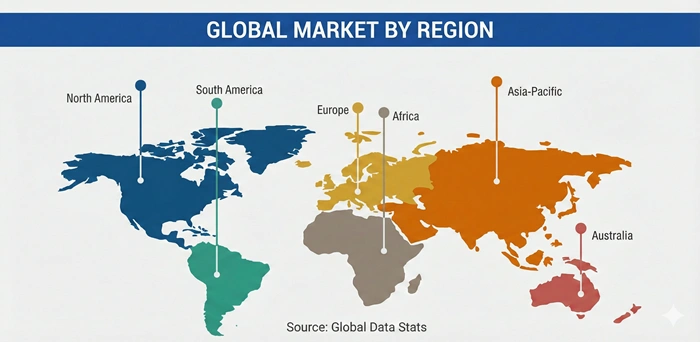
Europe dominates the cosmetic medical tourism market with a commanding 58.83% market share in 2025, valued at approximately USD 4.08 billion, leveraging well-established medical tourism infrastructure, geographic proximity between source and destination countries, cultural familiarity, and minimal language barriers that facilitate patient mobility across the continent. Turkey emerges as the undisputed European leader, attracting millions of international patients annually through its combination of world-class cosmetic surgery expertise, particularly in hair transplantation and body contouring procedures, alongside competitive pricing structures offering 60% to 70% savings compared to Western European costs. Istanbul alone hosts hundreds of Joint Commission International accredited hospitals and specialized cosmetic surgery centers staffed by internationally trained surgeons who perform thousands of procedures monthly for patients from the United Kingdom, Germany, Netherlands, and Scandinavian countries. Eastern European destinations including Poland, Czech Republic, and Hungary capture significant market share through strategic positioning as premium-quality, cost-effective alternatives for Western European patients seeking cosmetic procedures without extensive international travel.
The European cosmetic medical tourism market is projected to grow at a CAGR of 22.4% from 2026 to 2033, driven by continued facility expansion, government support for medical tourism initiatives, and improving transportation connectivity through low-cost airlines offering direct routes between major Western European cities and medical tourism destinations. Leading market participants operating across Europe include Acibadem Healthcare Group in Turkey, Medical Care Hungary serving Central European markets, Medicana Health Group with extensive Turkish presence, and numerous specialized cosmetic surgery clinics in Istanbul, Warsaw, Prague, and Budapest that focus exclusively on international patient populations. The region benefits from European Union regulatory harmonization that facilitates cross-border healthcare, mutual recognition of medical qualifications, and patient rights protections extending across member countries. Brexit implications create opportunities for UK patients seeking cosmetic procedures in EU countries and Turkey, as currency fluctuations make international treatment increasingly attractive compared to domestic private cosmetic surgery costs that remain among the world's highest in the United Kingdom.
Asia Pacific
Rapid Infrastructure Development and Cost Advantages Drive Exceptional Growth
Asia Pacific represents the fastest-growing region in the cosmetic medical tourism market, projected to expand at a CAGR of 25.7% from 2026 to 2033, significantly outpacing all other geographic markets through exceptional combinations of world-class medical expertise, advanced technological capabilities, dramatically lower treatment costs, and attractive tourism offerings that create compelling value propositions for international patients worldwide. Thailand maintains its position as Southeast Asia's medical tourism powerhouse, welcoming over 2 million international medical tourists annually with cosmetic procedures representing the largest treatment category, supported by Bangkok's concentration of internationally accredited hospitals including Bumrungrad International, Bangkok Hospital, and Samitivej Hospital that have perfected comprehensive medical tourism service delivery models. South Korea commands the global facial cosmetic surgery market, attracting hundreds of thousands of Chinese, Japanese, and Western patients seeking the country's renowned expertise in rhinoplasty, double eyelid surgery, facial contouring, and advanced non-invasive aesthetic treatments developed through cutting-edge dermatological research and surgical innovation.
Regional market share in Asia Pacific reached 18.5% of the global cosmetic medical tourism market in 2025, with projections indicating expansion to approximately 28% by 2033 as vaccination against pandemic concerns restores confidence in international travel and pent-up demand for aesthetic procedures drives substantial patient volumes. India emerges as a high-growth market through Apollo Hospitals, Fortis Healthcare, and specialized cosmetic surgery centers that combine internationally trained plastic surgeons with costs representing 70% to 80% savings compared to Western countries, though the destination faces challenges from visa restrictions and infrastructure limitations outside major metropolitan centers. Singapore and Malaysia position themselves as premium medical tourism destinations targeting affluent international patients through exceptional service quality, English-language healthcare delivery, political stability, and modern infrastructure, while charging premium prices justified by superior patient experiences. Key market participants throughout Asia Pacific include Bumrungrad International Hospital, Bangkok Hospital group, Apollo Hospitals, KPJ Healthcare Berhad, Seoul National University Hospital, JK Plastic Surgery Center, Grand Plastic Surgery, Gleneagles Healthcare, and emerging players in Vietnam and Philippines that capitalize on cost advantages and improving quality standards to capture market share from established destinations.
Top Key Players
-
Apollo Hospitals Enterprise Ltd. (India)
-
Bumrungrad International Hospital (Thailand)
-
Bangkok Hospital (Thailand)
-
Fortis Healthcare Limited (India)
-
KPJ Healthcare Berhad (Malaysia)
-
Samitivej Hospital (Thailand)
-
Acibadem Healthcare Group (Turkey)
-
Seoul National University Hospital (South Korea)
-
Grand Plastic Surgery (South Korea)
-
JK Plastic Surgery Center (South Korea)
-
Medical Care Hungary Kft. (Hungary)
-
Gleneagles Healthcare India Pvt. Ltd. (India)
-
The Esthetic Clinics (India)
-
Livonta Global (International)
-
Medicana Health Group (Turkey)
Recent Developments
-
Apollo Hospitals announced in February 2025 strategic collaboration with the Indian government's "Heal in India" initiative, committing to invest ₹6,000 crore over five years to add 3,000 beds across its network while developing specialized international patient services and fast-track medical visa support programs designed to strengthen India's competitive position in the global medical tourism landscape
-
Bumrungrad International Hospital reported in 2024 substantial patient inflow increases from Middle Eastern and European markets, expanding its cardiology and orthopedic departments while introducing enhanced international patient concierge services that coordinate complete treatment journeys including airport transfers, interpreter services, and luxury accommodation arrangements for medical tourists and accompanying family members
-
Seoul's JK Plastic Surgery Center launched in 2024 exclusive concierge service packages specifically targeting patients from China and Russia, combining comprehensive facial cosmetic surgery procedures with luxury recovery accommodations and personalized tourism experiences showcasing Korean culture and attractions during post-operative healing periods
-
Acibadem Healthcare Group in Turkey completed in 2024 major expansion of its cosmetic surgery facilities across Istanbul, investing substantially in AI-powered treatment planning systems, 3D imaging technology, and virtual consultation platforms that enable prospective international patients to connect with Turkish surgeons remotely before committing to travel for procedures
-
Medical Care Hungary announced in 2024 strategic partnerships with several Western European medical tourism facilitators and travel agencies, developing integrated healthcare-vacation packages combining cosmetic procedures in Budapest with luxury accommodations and cultural tourism experiences designed to attract Central and Western European patients seeking premium treatments at competitive prices
Market Trends
Digital Transformation and Personalized Experiences Reshape Competitive Landscape
The cosmetic medical tourism market undergoes fundamental transformation as digital technologies revolutionize patient engagement, treatment planning, and post-operative care delivery models that transcend traditional geographic limitations. Telemedicine platforms enable comprehensive pre-operative consultations connecting prospective patients with internationally renowned surgeons through high-quality video conferencing, eliminating expensive preliminary travel requirements while allowing patients to evaluate multiple providers across different countries before making treatment decisions. Virtual reality applications combined with 3D imaging technology provide immersive facility tours and realistic surgical outcome simulations that build patient confidence by visualizing expected results from multiple angles, addressing a critical information gap that historically deterred risk-averse individuals from pursuing international cosmetic procedures. Artificial intelligence systems analyze patient photographs, medical histories, and aesthetic preferences to generate personalized treatment recommendations with predicted outcome probabilities, enabling data-driven decision-making that improves satisfaction rates and reduces complications through optimized surgical planning tailored to individual anatomical characteristics.
Comprehensive care coordination and experiential differentiation increasingly separate market leaders from competitors as the cosmetic medical tourism market matures beyond simple price competition toward value-based positioning emphasizing superior patient experiences throughout entire treatment journeys. Leading destinations develop integrated medical-tourism packages combining surgical procedures with luxury accommodations, personalized recovery programs, wellness treatments, cultural experiences, and leisure activities that transform medical necessity into memorable vacation experiences appealing to patients and accompanying family members. Medical tourism facilitators expand service offerings beyond basic appointment scheduling and travel arrangements to provide end-to-end care coordination including surgeon selection based on specialization matching, treatment cost negotiations, comprehensive travel planning, real-time translation services, post-operative monitoring through mobile health applications, and telemedicine follow-up consultations that ensure continuity of care after patients return home. Premium market segments emerge targeting ultra-affluent international patients seeking exclusive experiences through private hospital wings, celebrity surgeon access, concierge medicine services, and bespoke recovery experiences in luxury resorts, creating opportunities for differentiation and premium pricing strategies.
Segments Covered in the Report
By Service Type
-
Invasive Cosmetic Procedures
-
Breast Augmentation
-
Liposuction
-
Rhinoplasty
-
Abdominoplasty
-
Eyelid Surgery
-
Facelift
-
Other Invasive Procedures
-
-
Non-Invasive Cosmetic Procedures
-
Botulinum Toxin
-
Hyaluronic Acid Fillers
-
Laser Hair Removal
-
Photo Rejuvenation
-
Non-Surgical Fat Reduction
-
Chemical Peels
-
Other Non-Invasive Procedures
-
By Service Provider
-
Private Healthcare Providers
-
Public Healthcare Providers
-
Medical Tourism Facilitators
By Age Group
-
18-35 Years
-
36-50 Years
-
51-65 Years
-
Above 65 Years
By Gender
-
Male
-
Female
By Distribution Channel
-
Direct Hospital Booking
-
Medical Tourism Agencies
-
Online Platforms
-
Insurance-Tied Services
By Region
-
Europe (Turkey, Poland, Czech Republic, Hungary, Spain, Rest of Europe)
-
Asia Pacific (Thailand, South Korea, India, Malaysia, Singapore, Vietnam, Philippines, Rest of Asia Pacific)
-
North America (United States, Mexico, Canada)
-
Latin America (Brazil, Colombia, Costa Rica, Argentina, Rest of Latin America)
-
Middle East & Africa (United Arab Emirates, Saudi Arabia, South Africa, Rest of MEA)
Frequently Asked Questions
Question 1: What is the projected size of the cosmetic medical tourism market by 2033?
Answer: The global cosmetic medical tourism market is projected to reach approximately USD 48.44 billion by 2033, growing from USD 8.59 billion in 2026. This represents substantial expansion driven by increasing aesthetic consciousness and cost advantages offered by international destinations.
Question 2: Which region currently dominates the cosmetic medical tourism market?
Answer: Europe dominates the cosmetic medical tourism market with a 58.83% share in 2025, led by Turkey's advanced cosmetic surgery infrastructure and Eastern European destinations. The region benefits from geographic proximity between source and destination countries that facilitate patient mobility.
Question 3: What is the expected CAGR for the cosmetic medical tourism market from 2026 to 2033?
Answer: The cosmetic medical tourism market is expected to grow at a CAGR of 23.11% during the forecast period from 2026 to 2033. This growth reflects rising demand for affordable aesthetic procedures and improving healthcare infrastructure in emerging destinations.
Question 4: Which service providers lead the cosmetic medical tourism market?
Answer: Private healthcare providers dominate the cosmetic medical tourism market with approximately 75% market share, offering superior patient experiences and advanced technologies. Leading providers include Bumrungrad International Hospital, Apollo Hospitals, Bangkok Hospital, and Fortis Healthcare.
Question 5: What are the fastest-growing procedures in the cosmetic medical tourism market?
Answer: Non-invasive cosmetic procedures represent the fastest-growing segment in the cosmetic medical tourism market, projected to expand at a CAGR of 24.8% through 2033. These treatments appeal to patients seeking minimal downtime and lower procedural risks while achieving noticeable aesthetic improvements.