
Continuous Renal Replacement Therapy Consumables Market Overview
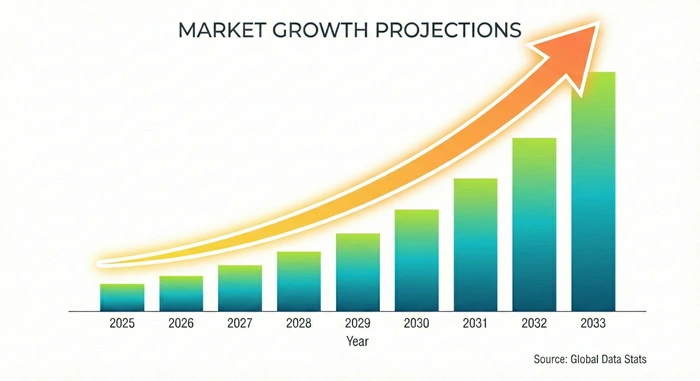
The global continuous renal replacement therapy consumables market size is valued at USD 612.26 million in 2025 and is predicted to increase from USD 653.82 million in 2026 to approximately USD 1567.24 million by 2033, growing at a CAGR of 8.94% from 2026 to 2033.
Continuous renal replacement therapy consumables represent critical medical products utilized during CRRT procedures to provide kidney function support for patients experiencing acute kidney injury or chronic kidney disease complications. These essential consumables encompass a diverse range of products including replacement solutions, dialysates, hemofilters, bloodline sets, catheters, and anticoagulants that enable continuous blood purification in intensive care settings. Healthcare facilities worldwide depend on these single-use items to deliver life-saving renal support therapies that operate continuously over extended periods, typically ranging from 24 to 72 hours. The growing burden of acute kidney injury in critically ill patients, combined with rising sepsis cases and multi-organ failure incidents in ICU environments, is driving unprecedented demand for CRRT consumables across global healthcare systems.
Medical institutions are increasingly adopting continuous renal replacement therapy over conventional intermittent hemodialysis for hemodynamically unstable patients who cannot tolerate rapid fluid shifts. CRRT provides gentler, more controlled solute and fluid removal, making it the preferred treatment modality for critically ill individuals with cardiovascular instability. The technology offers superior management of acid-base balance, uremia control, and fluid overload while minimizing hemodynamic stress on fragile patients. This clinical superiority is translating into higher procedure volumes and sustained consumables demand. Healthcare providers recognize that investing in quality CRRT consumables delivers measurable improvements in patient survival rates, reduced ICU length of stay, and better long-term kidney function recovery outcomes.

AI Impact on the Continuous Renal Replacement Therapy Consumables Industry
Intelligent Monitoring Systems and Cloud-Based Data Analytics Revolutionizing Critical Care Nephrology
Artificial intelligence technologies are fundamentally transforming how healthcare providers deliver continuous renal replacement therapy and manage consumables inventory in intensive care units. Advanced machine learning algorithms now enable real-time monitoring of CRRT parameters, automatically detecting subtle changes in patient hemodynamics, fluid balance, and treatment efficacy that might escape human observation during long therapy sessions. Smart CRRT machines equipped with AI-powered decision support systems can predict filter clotting events before they occur, recommend optimal anticoagulation strategies, and adjust treatment prescriptions dynamically based on patient response patterns. These intelligent systems are reducing therapy interruptions by approximately 30 to 40 percent while improving overall treatment quality and patient safety outcomes. Cloud-based platforms aggregate data from multiple CRRT machines across hospital networks, enabling quality benchmarking, protocol standardization, and predictive analytics that optimize consumables utilization.
The integration of Internet of Things sensors into next-generation CRRT consumables is creating unprecedented opportunities for automated inventory management and supply chain optimization. Smart filters and fluid bags embedded with RFID or NFC tags automatically register usage, track expiration dates, and trigger reordering workflows without manual intervention from clinical staff. Healthcare facilities implementing these connected consumables systems report 25 to 35 percent reductions in inventory carrying costs while virtually eliminating stockout incidents that could delay urgent therapy initiation. Digital twins and simulation models powered by AI are helping manufacturers design improved consumables with enhanced biocompatibility, longer operational lifespans, and superior performance characteristics. As hospitals accelerate their digital transformation initiatives, demand for AI-enabled CRRT consumables that seamlessly integrate with electronic health records and clinical decision support platforms will continue expanding rapidly.
Growth Factors
Rising Acute Kidney Injury Prevalence and ICU Capacity Expansion Fueling Market Growth
The escalating incidence of acute kidney injury among hospitalized patients represents the primary catalyst propelling continuous renal replacement therapy consumables market expansion worldwide. Recent epidemiological studies demonstrate that AKI affects approximately 36 to 67 percent of critically ill patients in intensive care units, with severe cases requiring renal replacement therapy occurring in 5 to 6 percent of all ICU admissions. The condition's prevalence is climbing due to aging populations, increasing rates of diabetes and hypertension, rising sepsis incidence, and growing numbers of complex cardiovascular surgeries that stress kidney function. Post-surgical AKI, drug-induced nephrotoxicity, and trauma-related kidney injury are generating sustained demand for CRRT procedures and their associated consumables. Healthcare systems recognize that early CRRT intervention for AKI patients significantly improves survival outcomes, with mortality rates decreasing when therapy is initiated promptly using appropriate consumables protocols.
Substantial investments in intensive care unit infrastructure expansion across emerging economies are creating additional growth opportunities for the continuous renal replacement therapy consumables market. Developing nations in Asia Pacific, Latin America, and Middle Eastern regions are constructing new hospitals and upgrading existing facilities with state-of-the-art ICU capabilities to serve growing populations with rising healthcare expectations. These modern critical care units are being equipped with CRRT machines and establishing inventory management systems for consumables as standard practice. Government healthcare initiatives promoting universal health coverage and improved access to advanced medical treatments are further accelerating CRRT adoption in previously underserved markets. The ongoing shift toward value-based care models that prioritize patient outcomes over procedure volumes is incentivizing hospitals to invest in superior CRRT consumables that deliver better toxin clearance, reduced complications, and improved recovery rates.
Market Outlook
Technological Innovation and Geographic Market Diversification Shaping Industry Trajectory
The continuous renal replacement therapy consumables market is entering a dynamic evolution phase characterized by rapid technological advancement and intense competitive activity. Manufacturers are developing next-generation hemofilters with enhanced biocompatibility coatings that reduce inflammatory responses and extend filter lifespan beyond 72 hours, significantly improving therapy efficiency while reducing per-treatment costs. Innovation in replacement solution formulations is producing electrolyte-balanced products with improved physiological properties that minimize metabolic complications during extended therapy sessions. The competitive landscape features established medical device giants leveraging their extensive distribution networks while emerging specialty manufacturers introduce differentiated products targeting specific clinical niches. This innovation race is accelerating product development cycles and creating opportunities for healthcare facilities to upgrade their CRRT capabilities with advanced consumables offering superior performance characteristics.
Regional market dynamics are shifting as healthcare infrastructure development accelerates in high-growth emerging markets. Asia Pacific countries are experiencing the fastest market expansion driven by large patient populations, increasing healthcare expenditure, and government initiatives promoting chronic disease management. However, market penetration faces challenges related to high consumables costs, limited reimbursement coverage in certain countries, and shortages of trained nephrology and critical care personnel capable of managing complex CRRT protocols. Manufacturers that develop cost-effective product lines suitable for resource-constrained settings while providing comprehensive clinical education programs will capture substantial market share. The ongoing consolidation trend in the medical device industry through mergers and acquisitions is reshaping competitive positioning, with larger companies acquiring specialized CRRT consumables manufacturers to expand their renal care portfolios and geographic reach.
Expert Speaks
-
Healthcare industry executives emphasize that continuous renal replacement therapy has become an indispensable critical care modality, with hospitals investing significantly in CRRT capabilities and consumables inventory management systems to ensure uninterrupted availability for life-threatening acute kidney injury cases requiring immediate intervention.
-
Medical device company leaders highlight that the shift toward value-based purchasing models is driving demand for premium CRRT consumables that demonstrate superior clinical outcomes, reduced therapy complications, and improved cost-effectiveness through extended operational lifespans and fewer treatment interruptions.
-
Renal care specialists note that technological integration of digital monitoring capabilities into CRRT systems and smart consumables is revolutionizing nephrology practice in intensive care units, enabling data-driven treatment optimization that improves patient survival rates while enhancing operational efficiency for overstretched clinical teams.
Key Report Takeaways
-
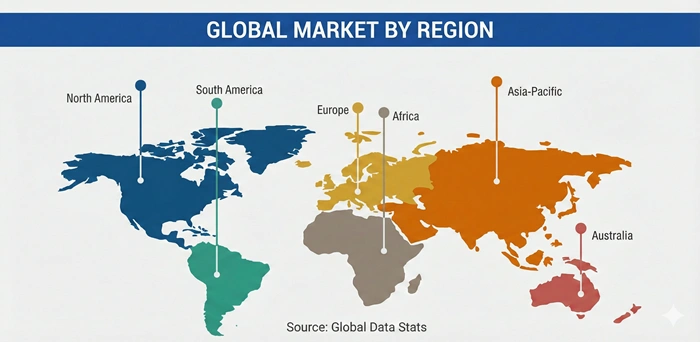
North America leads the continuous renal replacement therapy consumables market with a dominant share of approximately 38 percent, driven by high acute kidney injury awareness, extensive ICU infrastructure, well-established reimbursement frameworks, and strong presence of leading manufacturers with comprehensive product portfolios.
-
Asia Pacific emerges as the fastest-growing region with the highest projected CAGR during the forecast period, fueled by rapidly expanding healthcare infrastructure, increasing ICU capacity, rising chronic kidney disease prevalence, and growing adoption of advanced critical care technologies in developing economies.
-
Hospitals represent the largest end-user segment, accounting for the overwhelming majority of CRRT consumables consumption as these facilities operate intensive care units where critically ill patients receive continuous renal replacement therapy for acute kidney injury and multi-organ failure management.
-
Replacement solutions contribute the most significant product segment share, dominating the market due to their essential role in maintaining fluid and electrolyte balance during CRRT procedures, with increasing sepsis-related AKI cases driving higher consumption volumes across global ICU settings.
-
Continuous venovenous hemodiafiltration represents the most popular modality, maintaining leadership position as healthcare providers favor this technique for its superior ability to combine diffusion and convection mechanisms, delivering comprehensive solute clearance across wide molecular weight ranges for complex metabolic cases.
-
Dialysates segment will experience rapid future growth with strong anticipated CAGR and expanding market share percentage as healthcare systems increasingly adopt continuous dialysis methods, focus on patient-centric care approaches, and benefit from technological advancements in electrolyte-balanced dialysate formulations.
Market Scope
| Report Coverage Details | |
|---|---|
| Market Size by 2033 | USD 1567.24 Million |
| Market Size by 2025 | USD 612.26 Million |
| Market Size by 2026 | USD 653.82 Million |
| Market Growth Rate from 2026 to 2033 | CAGR of 8.94% |
| Dominating Region | North America |
| Fastest Growing Region | Asia Pacific |
| Base Year | 2025 |
| Forecast Period | 2026 to 2033 |
| Segments Covered | Type, Modality, End User, Region |
| Regions Covered | North America, Europe, Asia Pacific, Latin America, Middle East & Africa |
Market Dynamics
Driver Impact Analysis
Escalating Acute Kidney Injury Burden and Superior Clinical Outcomes Driving CRRT Adoption
| Factor | Details |
|---|---|
| Approximate Impact on CAGR Forecast | +2.1% to +2.5% |
| Geographic Relevance | Global (Highest in North America and Europe) |
| Impact Timeline | Immediate and Sustained (2026-2033) |
The surging prevalence of acute kidney injury in intensive care unit populations is generating substantial demand for continuous renal replacement therapy consumables market products that enable life-saving kidney support interventions. Clinical research demonstrates that AKI affects between 36 to 67 percent of critically ill patients depending on diagnostic criteria, with approximately 5 to 6 percent requiring renal replacement therapy during their ICU stay. The condition's incidence is climbing due to aging patient demographics, increasing prevalence of chronic conditions like diabetes and hypertension that compromise kidney function, rising sepsis cases that trigger inflammatory kidney damage, and growing numbers of complex cardiac and vascular surgeries placing acute stress on renal systems. Healthcare providers recognize that early CRRT initiation using appropriate consumables significantly improves patient survival outcomes compared to delayed intervention, creating strong clinical imperatives for maintaining adequate consumables inventory.
Continuous renal replacement therapy delivers superior clinical outcomes compared to conventional intermittent hemodialysis for hemodynamically unstable critically ill patients who cannot tolerate rapid fluid removal. The therapy provides gentle, continuous solute clearance and fluid management over 24 to 72-hour sessions, minimizing cardiovascular stress while achieving effective uremia control, acid-base correction, and fluid balance optimization. This clinical superiority is driving treatment protocol changes favoring CRRT over traditional dialysis in intensive care settings. Studies demonstrate that CRRT patients experience fewer hypotensive episodes, better preservation of residual kidney function, and improved long-term renal recovery rates. These documented benefits are convincing healthcare administrators to invest in CRRT capabilities and establish reliable consumables supply chains despite higher per-treatment costs, recognizing that improved patient outcomes justify the investment through reduced ICU length of stay and lower overall treatment costs.
Restraints Impact Analysis
High Treatment Costs and Specialized Infrastructure Requirements Limiting Market Penetration
| Factor | Details |
|---|---|
| Approximate Impact on CAGR Forecast | -1.0% to -1.4% |
| Geographic Relevance | Low-Income Countries (Asia, Africa, Latin America) |
| Impact Timeline | Short to Medium Term (2026-2030) |
The substantial financial burden associated with continuous renal replacement therapy procedures presents a significant obstacle to widespread adoption in resource-constrained healthcare settings. CRRT consumables including hemofilters, bloodline sets, dialysates, replacement fluids, and accessory items accumulate high recurring costs that can exceed several hundred dollars per treatment session. Unlike durable equipment that provides value over extended periods, these single-use consumables must be purchased continuously, creating ongoing expense that strains budgets in hospitals operating with limited financial resources. Many healthcare facilities in developing nations prioritize immediate life-saving interventions and struggle to justify CRRT investments when faced with competing demands for surgical equipment, diagnostic capabilities, and basic infrastructure improvements. Limited or absent reimbursement coverage for CRRT procedures in certain countries further constrains adoption by forcing patients or families to bear substantial out-of-pocket expenses.
The complexity of continuous renal replacement therapy creates additional barriers related to specialized infrastructure and trained personnel requirements. CRRT demands dedicated ICU spaces with appropriate monitoring capabilities, reliable electrical power supplies, adequate water purification systems for dialysate preparation, and secure storage for temperature-sensitive consumables. The therapy requires highly trained nephrologists, intensivists, and critical care nurses capable of managing complicated treatment protocols, troubleshooting technical problems, monitoring patients continuously for complications, and adjusting therapy parameters based on clinical response. Many developing regions lack sufficient numbers of qualified personnel with CRRT expertise, limiting therapy availability even when equipment and consumables are present. Staff training programs require substantial time investments and ongoing education to maintain competency, creating operational challenges for hospitals already struggling with healthcare workforce shortages across multiple specialties.
Opportunities Impact Analysis
Digital Health Integration and Subscription-Based Supply Models Creating Growth Avenues
| Factor | Details |
|---|---|
| Approximate Impact on CAGR Forecast | +1.4% to +1.8% |
| Geographic Relevance | North America, Europe, Asia Pacific (Advanced Markets) |
| Impact Timeline | Medium to Long Term (2027-2033) |
The integration of digital health technologies and artificial intelligence capabilities into CRRT systems is creating significant opportunities for continuous renal replacement therapy consumables market expansion through enhanced treatment quality and operational efficiency. Healthcare facilities implementing smart hospital initiatives require advanced consumables that work seamlessly with connected CRRT machines capable of real-time data transmission to electronic health records and centralized monitoring platforms. Next-generation filters and fluid containers embedded with IoT sensors enable automatic tracking of usage patterns, remaining therapy time, and filter performance metrics that support predictive maintenance and optimal therapy management. Hospitals adopting these digitally-enabled consumables report measurable improvements in treatment outcomes through reduced therapy interruptions, earlier detection of complications, and better protocol adherence. Manufacturers developing smart consumables with built-in connectivity features will capture premium market segments willing to invest in advanced products that deliver operational advantages beyond basic kidney support function.
Innovative business models centered on subscription-based consumables supply and outcome-based pricing arrangements are emerging as strategic differentiators in competitive markets. Healthcare systems are forming strategic partnerships with manufacturers for bulk procurement agreements that provide predictable consumables costs, guaranteed product availability, and integrated inventory management services. These collaborative arrangements help hospitals optimize working capital while ensuring uninterrupted access to critical consumables for urgent AKI cases. Some manufacturers are piloting risk-sharing contracts where pricing structures link partially to patient outcomes, creating aligned incentives for continuous quality improvement. As healthcare systems globally transition toward value-based purchasing models that prioritize total cost of care over individual product prices, manufacturers offering comprehensive consumables solutions bundled with clinical support services, staff training programs, and data analytics capabilities will gain competitive advantages in securing long-term supply relationships with major hospital networks.
Segment Analysis
Replacement Solutions
Dominant Product Category Driven by Essential Therapy Role and Growing Sepsis-Related AKI Incidence
The replacement solutions segment commands the largest share within the continuous renal replacement therapy consumables market and is projected to maintain its leadership position throughout the forecast period with robust growth rates. This segment's dominance stems from replacement fluids being absolutely essential for maintaining proper fluid and electrolyte balance during CRRT procedures, making them indispensable consumables that healthcare facilities must purchase in large volumes for every treatment session. The solutions work by replacing the fluid volume removed during hemofiltration, ensuring patients maintain appropriate hydration status while achieving effective toxin removal. Demand for replacement solutions is accelerating due to increasing prevalence of sepsis-related acute kidney injury and multi-organ failure cases in intensive care units worldwide. Sepsis patients frequently require aggressive CRRT with high replacement fluid flow rates, driving substantial consumables consumption. Manufacturers are innovating with electrolyte-balanced formulations that more closely mimic normal physiological composition, reducing metabolic complications during extended therapy sessions.
North America and Europe represent the strongest markets for CRRT replacement solutions, driven by high acute kidney injury awareness among intensivists, well-established clinical protocols mandating appropriate fluid management, and comprehensive reimbursement coverage supporting optimal therapy delivery. Leading companies serving these regions include Baxter International, Fresenius Medical Care, and Medtronic, which maintain extensive distribution networks ensuring reliable product availability across hospital systems. Asia Pacific is experiencing the fastest replacement solutions segment growth as newly constructed ICUs in countries like China, India, and Japan implement CRRT capabilities and establish standardized treatment protocols aligned with international best practices. The segment benefits from high consumption volumes since replacement fluids are required continuously throughout therapy sessions, creating recurring revenue streams proportional to growing CRRT procedure numbers worldwide. Healthcare facilities recognize that investing in quality replacement solutions prevents electrolyte imbalances and metabolic acidosis complications that extend ICU stays and worsen patient outcomes.
Continuous Venovenous Hemodiafiltration
Leading Modality Segment Offering Superior Solute Clearance for Complex Metabolic Cases
The continuous venovenous hemodiafiltration modality segment accounts for the highest market share and is anticipated to grow at the strongest rate during the forecast period within the continuous renal replacement therapy consumables market. CVVHDF's dominant position reflects its clinical superiority in managing critically ill patients with complex metabolic derangements requiring comprehensive solute removal across wide molecular weight ranges. This technique combines diffusion mechanisms from hemodialysis with convection processes from hemofiltration, enabling effective clearance of both small molecules like urea and creatinine along with larger middle molecules and inflammatory mediators. Intensivists favor CVVHDF for patients presenting with severe uremia, significant acid-base imbalances, substantial fluid overload, and elevated inflammatory markers, as the modality provides optimal control over multiple metabolic parameters simultaneously. The approach requires higher volumes of both dialysate and replacement fluids compared to single-mechanism modalities, driving greater consumables utilization per treatment session.
North America leads the CVVHDF segment with approximately 38 to 40 percent share, supported by clinical preference for comprehensive therapy approaches, extensive ICU experience with the technique, and availability of trained personnel comfortable managing the more complex protocols. Key market participants including Baxter, Fresenius, and Nipro offer complete consumables portfolios optimized for CVVHDF delivery, providing integrated solutions that simplify procurement and ensure compatibility across product components. Asia Pacific is witnessing rapid CVVHDF adoption as healthcare providers in the region gain experience with CRRT and recognize the clinical advantages for their increasingly complex patient populations. The segment benefits from growing evidence demonstrating improved patient outcomes including better hemodynamic stability, superior acid-base control, and enhanced removal of uremic toxins compared to alternative modalities. Healthcare facilities acknowledge that while CVVHDF requires higher consumables costs per treatment, the clinical benefits justify the investment through reduced complications, shorter ICU stays, and improved kidney function recovery rates.
Regional Insights
North America
Dominant Market Leader Supported by Advanced ICU Infrastructure and Comprehensive Clinical Protocols
North America maintains its position as the dominant region in the continuous renal replacement therapy consumables market, commanding approximately 38 percent of global market share in 2025. The region is projected to grow at a steady CAGR throughout the forecast period, driven by high acute kidney injury awareness among critical care physicians, extensive intensive care unit infrastructure with widespread CRRT availability, and well-established reimbursement frameworks supporting optimal therapy delivery. The United States represents the largest country market within the region, where increasing AKI incidence related to aging populations, rising diabetes and hypertension prevalence, and growing numbers of complex cardiovascular surgeries are generating sustained CRRT demand. Healthcare facilities across North America have incorporated CRRT into standard ICU protocols, with established clinical pathways guiding appropriate therapy initiation and consumables selection.
The region benefits from strong presence of leading continuous renal replacement therapy consumables manufacturers including Baxter International, Medtronic, and STERIS Corporation, which maintain extensive distribution networks ensuring reliable product availability across hospital systems. North American healthcare providers demonstrate high willingness to adopt premium-priced consumables offering superior clinical performance, extended filter lifespans, and digital connectivity features that integrate with electronic health record systems. The region's emphasis on evidence-based medicine, combined with robust clinical research infrastructure generating outcomes data supporting CRRT benefits, creates favorable market conditions for sustained consumables adoption. Government initiatives promoting critical care quality improvement and patient safety, along with active involvement from professional societies establishing best practice guidelines, further support market growth. Healthcare facilities recognize that investing in quality CRRT consumables delivers measurable returns through improved patient survival rates, reduced ICU length of stay, and better long-term kidney function recovery outcomes.
Asia Pacific
Fastest Growing Region Propelled by ICU Infrastructure Expansion and Rising AKI Prevalence
Asia Pacific is emerging as the fastest-growing region in the continuous renal replacement therapy consumables market, projected to achieve the highest CAGR during the forecast period from 2026 to 2033. The region's rapid market expansion is fueled by substantial healthcare infrastructure investments, accelerating ICU capacity growth, increasing acute kidney injury prevalence related to aging populations and chronic disease burden, and rising adoption of advanced critical care technologies in developing economies. Countries including China, India, Japan, South Korea, and Australia are constructing new hospitals and upgrading existing facilities with state-of-the-art intensive care units equipped with CRRT capabilities. These modern ICUs are implementing standardized treatment protocols aligned with international guidelines, driving consistent demand for quality consumables that meet global performance standards.
The region's growing pharmaceutical and medical device sectors are establishing local manufacturing operations for CRRT consumables, improving product availability while reducing costs through shorter supply chains and favorable regional pricing structures. Key market players expanding their Asia Pacific presence include Fresenius Medical Care, Nipro Corporation, Asahi Kasei Medical, and B. Braun, which are investing in distribution networks, clinical education programs, and technical support infrastructure to serve growing demand. Japan leads regional innovation with advanced consumables featuring enhanced biocompatibility and extended operational lifespans. Despite strong growth momentum, the region faces challenges related to uneven healthcare infrastructure development across countries, limited reimbursement coverage in certain markets, and shortages of trained nephrology and critical care personnel capable of managing complex CRRT protocols. Manufacturers addressing these barriers through affordable product offerings, comprehensive staff training programs, and partnerships with regional distributors will capture substantial market share as Asia Pacific healthcare systems continue their rapid modernization journey.
Top Key Players
-
Baxter International Inc. (United States)
-
Fresenius Medical Care AG & Co. KGaA (Germany)
-
Medtronic plc (Ireland)
-
Nipro Corporation (Japan)
-
B. Braun SE (Germany)
-
Asahi Kasei Medical Co., Ltd. (Japan)
-
Toray Medical Co., Ltd. (Japan)
-
Nikkiso Co., Ltd. (Japan)
-
Infomed SA (Switzerland)
-
Jafron Biomedical Co., Ltd. (China)
-
STERIS plc (United States)
-
Medica S.p.A. (Italy)
Recent Developments
-
Baxter International (October 2025) – Reported third-quarter financial results demonstrating continuous growth in acute therapies division, with ongoing focus on enhancing operational effectiveness and driving innovation in renal care products including next-generation CRRT consumables with improved biocompatibility features.
-
Fresenius Medical Care (November 2025) – Presented Q3 investor briefing highlighting strategic initiatives in critical care nephrology, emphasizing expansion of CRRT consumables portfolio and investment in digital health integration capabilities for enhanced patient monitoring and therapy optimization.
-
Medtronic (September 2024) – Announced strategic partnership with leading academic medical centers to conduct clinical research evaluating outcomes with advanced CRRT consumables, aiming to generate evidence supporting superior efficacy and cost-effectiveness for value-based purchasing decisions.
-
Nipro Corporation (June 2024) – Launched innovative hemofilter design featuring enhanced membrane technology that extends operational lifespan beyond 72 hours while maintaining superior toxin clearance capabilities, targeting hospitals seeking to reduce per-treatment consumables costs without compromising clinical quality.
-
B. Braun SE (March 2024) – Received regulatory approvals in multiple European countries for next-generation replacement solution formulations with optimized electrolyte composition, designed to minimize metabolic complications during extended CRRT therapy sessions for critically ill patients.
Market Trends
Smart Consumables Integration and Sustainable Manufacturing Practices Reshaping Industry Standards
The integration of digital connectivity features into continuous renal replacement therapy consumables represents a transformative trend fundamentally reshaping product development priorities across the industry. Manufacturers are embedding Internet of Things sensors and RFID technology into filters, fluid containers, and bloodline sets to enable automatic usage tracking, real-time performance monitoring, and predictive maintenance capabilities. These smart consumables communicate seamlessly with connected CRRT machines and hospital information systems, creating comprehensive digital ecosystems that automate documentation, optimize inventory management, and support data-driven therapy optimization. Healthcare facilities implementing these advanced consumables report substantial reductions in therapy interruptions through early detection of filter clotting events, improved treatment consistency through automated protocol adherence monitoring, and enhanced operational efficiency through elimination of manual record-keeping requirements. The trend toward digitally-enabled consumables is accelerating as hospitals prioritize smart hospital initiatives and seek technologies that support their digital transformation objectives while delivering measurable clinical and operational benefits.
Environmental sustainability considerations are gaining prominence as healthcare organizations and regulatory bodies increasingly scrutinize the ecological impact of single-use medical devices. CRRT consumables generate substantial plastic waste through filters, tubing sets, and fluid containers that must be disposed after each treatment session. Forward-thinking manufacturers are responding by developing eco-friendly materials, implementing sustainable manufacturing processes, and designing products optimized for reduced environmental footprint without compromising clinical performance or safety standards. Some companies are exploring biodegradable polymers for non-blood-contact components, investigating recycling programs for certain consumables elements, and optimizing packaging to minimize material usage. Healthcare procurement departments are beginning to incorporate sustainability criteria into purchasing decisions, creating competitive advantages for manufacturers demonstrating environmental responsibility. As regulatory frameworks evolve to mandate sustainability reporting and eco-friendly practices, the trend toward environmentally conscious consumables development will intensify, potentially reshaping product design philosophies and supply chain strategies across the continuous renal replacement therapy consumables market.
Segments Covered in the Report
By Type
-
Replacement Solutions
-
Dialysates
-
Filters
-
Catheters
-
Others (Bloodline Sets, Anticoagulants, Accessories)
By Modality
-
Continuous Venovenous Hemodiafiltration (CVVHDF)
-
Continuous Venovenous Hemofiltration (CVVH)
-
Continuous Venovenous Hemodialysis (CVVHD)
-
Slow Continuous Ultrafiltration (SCUF)
By End User
-
Hospitals
-
Dialysis Centers
-
Others (Specialty Clinics, Home Care Settings)
By Region
-
North America (United States, Canada, Mexico)
-
Europe (Germany, United Kingdom, France, Italy, Spain, Rest of Europe)
-
Asia Pacific (China, Japan, India, South Korea, Australia, Rest of Asia Pacific)
-
Latin America (Brazil, Argentina, Rest of Latin America)
-
Middle East & Africa (GCC Countries, South Africa, Rest of Middle East & Africa)
Frequently Asked Questions
Question 1: What is the projected size of the continuous renal replacement therapy consumables market by 2033?
Answer: The continuous renal replacement therapy consumables market is projected to reach USD 1567.24 million by 2033, growing from USD 653.82 million in 2026 at a CAGR of 8.94 percent during the forecast period. This growth is driven by increasing acute kidney injury prevalence and rising CRRT adoption in ICUs globally.
Question 2: Which factors are driving growth in the continuous renal replacement therapy consumables market?
Answer: Rising acute kidney injury incidence affecting 36 to 67 percent of ICU patients and superior clinical outcomes compared to traditional dialysis are primary drivers. Additionally, ICU infrastructure expansion in emerging markets and technological advancements in CRRT consumables are accelerating market growth.
Question 3: Which region dominates the continuous renal replacement therapy consumables market currently?
Answer: North America dominates the continuous renal replacement therapy consumables market with approximately 38 percent share, supported by advanced ICU infrastructure and comprehensive reimbursement frameworks. The region maintains strong adoption rates across hospitals and critical care facilities implementing standardized CRRT protocols.
Question 4: What are the key product types in the continuous renal replacement therapy consumables market?
Answer: The continuous renal replacement therapy consumables market includes replacement solutions, dialysates, hemofilters, catheters, bloodline sets, and anticoagulants. Replacement solutions represent the largest segment due to their essential role in maintaining fluid balance during continuous therapy sessions.
Question 5: Which modality leads the continuous renal replacement therapy consumables market?
Answer: Continuous venovenous hemodiafiltration leads the continuous renal replacement therapy consumables market due to its superior ability to combine diffusion and convection mechanisms. This modality delivers comprehensive solute clearance for critically ill patients with complex metabolic complications requiring optimal therapy.