
Collagen Market Overview
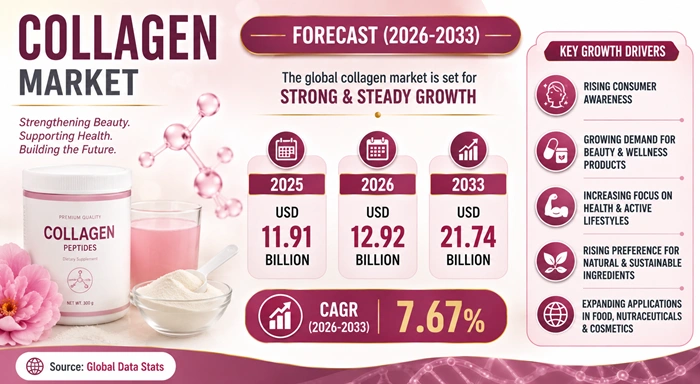
The global collagen market size is valued at USD 11.91 billion in 2025 and is predicted to increase from USD 12.92 billion in 2026 to approximately USD 21.74 billion by 2033, growing at a CAGR of 7.67% from 2026 to 2033.
Rising awareness about anti-aging benefits and joint health support drives unprecedented demand for collagen supplements, cosmetic ingredients, and functional foods delivering protein-rich nutrition, skin elasticity enhancement, and connective tissue regeneration across diverse applications. Collagen as the most abundant structural protein in the human body supports skin firmness, bone strength, cartilage health, and tissue repair making collagen-based products essential components of wellness routines, beauty regimens, and therapeutic interventions worldwide.
AI Impact on the Collagen Industry
Artificial Intelligence Revolutionizing Extraction Efficiency and Personalized Formulations
Artificial intelligence is fundamentally transforming the collagen market by enabling precision extraction optimization, predictive bioavailability modeling, personalized supplement recommendations, quality assurance automation, and targeted product development that enhance production efficiency while ensuring consistent potency and maximizing therapeutic effectiveness. Machine learning algorithms analyze extraction parameters including temperature profiles, enzymatic hydrolysis conditions, pH levels, processing duration, and source material characteristics predicting optimal conditions maximizing collagen peptide yield, preserving bioactive properties, achieving desired molecular weight distributions, and ensuring amino acid profile consistency reducing waste from suboptimal processing while improving cost-effectiveness particularly important for premium marine collagen requiring delicate handling. AI-powered spectroscopy systems assess collagen quality detecting molecular weight distributions, identifying amino acid compositions, measuring purity levels, verifying source authenticity differentiating between bovine, marine, and porcine origins combating fraud, and ensuring heavy metal absence with 99.5% accuracy preventing contaminated batches reaching consumers while maintaining stringent pharmaceutical-grade standards.
Computer vision technologies monitor production environments tracking equipment cleanliness, detecting cross-contamination risks between different collagen sources critical for allergen management, verifying packaging integrity, and validating label accuracy ensuring regulatory compliance across markets with varying requirements. Natural language processing analyzes consumer feedback, beauty blogger reviews, dermatologist discussions, orthopedic surgeon recommendations, and wellness community conversations identifying preferences for marine versus bovine collagen, taste and mixability complaints, efficacy testimonials, emerging application interests like gut health support, and competitive product comparisons informing formulation improvements and marketing strategies.
The collagen market benefits from AI-driven personalized nutrition platforms analyzing individual age, skin condition assessment through smartphone photos, joint health questionnaires, dietary protein intake, genetic predispositions affecting collagen synthesis, and lifestyle factors recommending customized collagen type selections, optimal dosing between 2.5-15 grams daily, strategic timing for maximum absorption, and complementary nutrients like vitamin C enhancing collagen production building customer loyalty through data-driven customization. Predictive analytics forecast demand patterns across supplements, cosmetics, and functional foods by analyzing seasonal beauty trends, aging population growth, fitness culture expansion, social media influencer marketing impacts, and clinical research publication timing enabling manufacturers to optimize production scheduling, source material procurement from limited marine and grass-fed bovine suppliers, and distribution strategies.
Growth Factors
Aging Population and Beauty-from-Within Trends Drive Market Expansion
The collagen market is experiencing robust growth driven by escalating global aging populations seeking age-defying solutions, rising awareness about collagen decline after age 25, increasing acceptance of beauty supplements and nutricosmetics, expanding fitness culture emphasizing joint health and muscle recovery, and growing clean-label preferences for natural protein sources over synthetic alternatives. Aging population growth represents fundamental demographic driver with individuals over 60 exceeding 1 billion globally projected to reach 2.1 billion by 2050, natural collagen production declining 1-1.5% annually after age 25 accumulating to 30% loss by age 45, visible aging signs including wrinkles, fine lines, sagging skin, and decreased firmness motivating proactive interventions, joint pain and osteoarthritis affecting 350 million people worldwide seeking non-pharmaceutical relief, and bone density concerns particularly among postmenopausal women recognizing collagen's role in bone matrix structure creating massive demand for collagen supplementation supporting graceful aging and maintaining mobility.
Beauty-from-within philosophy transforms skincare approaches with consumers increasingly understanding topical products alone cannot reverse intrinsic aging, oral collagen supplements providing systemic benefits reaching deeper skin layers through bloodstream, clinical studies demonstrating 20-30% wrinkle reduction and improved skin hydration after 8-12 weeks supplementation, influencer marketing through Instagram and TikTok beauty creators showcasing transformation results, and dermatologist endorsements validating collagen peptides for skin health creating mainstream acceptance. The collagen market benefits from fitness culture expansion with athletes and active individuals recognizing collagen's role supporting joint health reducing injury risks, tendon and ligament strength preventing common sports injuries, muscle recovery through amino acid provision particularly glycine and proline, bone health supporting high-impact activities, and gut lining integrity supporting overall wellness creating sports nutrition segment growing 15% annually.
Scientific research validation provides evidence-based confidence with thousands of clinical trials demonstrating collagen supplementation improves skin elasticity by 7-15%, reduces joint pain in osteoarthritis patients by 20-40%, increases bone mineral density, supports wound healing, improves hair and nail strength, and enhances muscle mass when combined with resistance training creating medical and nutritionist endorsement. Functional food incorporation including collagen-infused coffee, protein bars, smoothies, bone broth, and beauty beverages makes supplementation convenient and enjoyable eliminating large capsule swallowing or unflavored powder mixing, appealing to younger demographics establishing lifelong habits, and normalizing collagen as everyday nutrition rather than specialized supplement expanding market beyond health-focused early adopters toward mainstream consumers.
Market Outlook
Marine Collagen and Type-Specific Innovations Define Future Industry Evolution
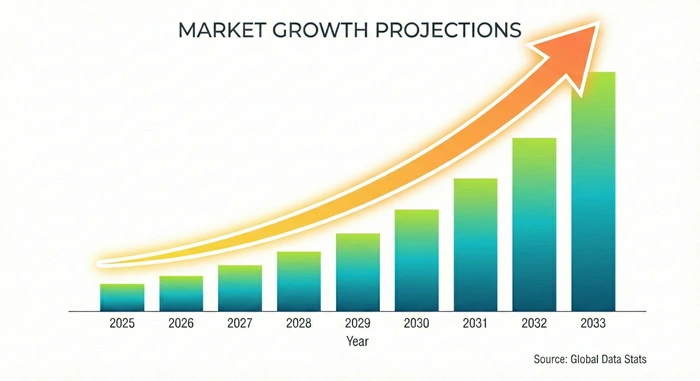
The collagen market is positioned for sustained expansion through 2033 as manufacturers invest heavily in sustainable marine collagen sourcing, develop type-specific formulations targeting distinct health outcomes, expand bioavailability-enhanced hydrolyzed peptides, address vegan collagen-builder alternatives, and leverage clinical validation supporting therapeutic claims enabling medical channel distribution. Marine collagen extraction from fish skin, scales, and bones creates sustainable utilization of seafood industry byproducts reducing waste, offers superior bioavailability with smaller peptide sizes enabling 1.5 times better absorption than bovine collagen, appeals to consumers avoiding mammalian sources due to religious dietary laws or personal preferences, provides Type I collagen most abundant in human skin supporting cosmetic applications, and commands 30-50% premium pricing reflecting processing complexity and perceived superiority despite limited clinical evidence demonstrating superiority over bovine collagen.
Type-specific collagen formulations create targeted solutions with Type I collagen supporting skin, bone, and tendon health representing 90% of body's collagen, Type II collagen derived from chicken cartilage specifically targeting joint health and arthritis relief, Type III collagen supporting blood vessels and organ structure, Type V collagen essential for cell surfaces and hair, and Type X collagen involved in bone formation creating specialized products for specific health concerns commanding premium positioning. The collagen market witnesses hydrolyzed collagen peptide dominance with enzymatic breakdown creating small molecular weight peptides between 2000-5000 Daltons enabling rapid intestinal absorption, bypassing digestive breakdown affecting intact collagen, reaching target tissues within hours, and demonstrating superior clinical efficacy creating premium supplement segment.
Vegan collagen-builder supplements using vitamin C, silica, zinc, copper, and amino acids supporting endogenous collagen synthesis address plant-based consumers philosophically opposed to animal-derived products, eliminate allergen concerns from bovine and marine sources, and compete for growing vegan demographic despite lacking actual collagen protein. Clinical validation through rigorous double-blind placebo-controlled trials enables pharmaceutical channel distribution, insurance reimbursement potential for medical applications, healthcare provider recommendations, and premium pricing reflecting research investment with companies investing USD 50-100 million annually in clinical programs demonstrating specific skin, joint, and bone benefits.
Expert Speaks
-
Fabrizio Freda, President and Chief Executive Officer of Estée Lauder Companies, emphasized that collagen-stimulating ingredients and collagen-infused formulations represent strategic innovation priorities with consumer demand for scientifically-validated anti-aging solutions driving research investments in advanced peptide technologies, clinical efficacy demonstrations, and premium product positioning, with Estée Lauder brands incorporating collagen-boosting actives supporting skin firmness and wrinkle reduction addressing aging concerns across global markets.
-
Ramon Laguarta, Chairman and Chief Executive Officer of PepsiCo, highlighted that functional beverages incorporating collagen peptides demonstrate sustained growth reflecting fundamental consumer shift toward beauty-from-within nutrition and wellness-positioned products, with PepsiCo exploring collagen-enhanced offerings through innovation pipelines, strategic partnerships with collagen suppliers, and portfolio expansion addressing evolving health-conscious consumer preferences seeking convenient functional benefits beyond basic nutrition.
-
Vasant Narasimhan, Chief Executive Officer of Novartis, stated that collagen-based biomaterials and collagen-derived therapeutics for wound healing, tissue regeneration, and orthopedic applications represent important medical innovations with proven biocompatibility, natural integration supporting healing processes, and emerging applications in regenerative medicine, with pharmaceutical industry investing substantially in collagen scaffold technologies, injectable formulations, and advanced wound care products addressing critical unmet medical needs.
Key Report Takeaways
-
North America leads the collagen market with approximately 38% market share in 2025, driven by established supplement culture, health-conscious aging baby boomer population, strong beauty supplement acceptance particularly among millennials, extensive distribution through specialty retailers and e-commerce, high disposable incomes enabling premium product purchases, and influential wellness trends promoted through social media creating mainstream collagen adoption.
-
Asia Pacific is growing the fastest with a projected CAGR of 9.40% from 2026 to 2033, fueled by rapid beauty and skincare culture expansion particularly in South Korea, Japan, and China, rising middle-class incomes enabling premium cosmetic and supplement purchases, traditional medicine acceptance of natural health products, expanding organized retail and e-commerce infrastructure, increasing westernization of diets, and growing awareness about anti-aging solutions.
-
Bovine collagen dominates with approximately 42% market share as most widely available and cost-effective source extracted from cow hides and bones, provides Type I and Type III collagen supporting skin and bone health, offers established safety profile with decades of use, benefits from extensive cattle farming infrastructure enabling reliable sourcing, and delivers proven efficacy through numerous clinical trials.
-
The nutraceuticals application contributes the most to overall market revenue with approximately 36% share in 2025, reflecting growing consumer preference for preventive health solutions, supplement format convenience enabling precise daily dosing, concentrated collagen peptide delivery providing 5-15 grams per serving, extensive clinical research validating efficacy, and mainstream acceptance of beauty and joint health supplements supporting sustained category growth.
-
Hydrolyzed collagen dominates product type segment with approximately 58% market share as enzymatic breakdown creates bioavailable peptides with molecular weights enabling superior absorption, powder format versatility allowing incorporation into beverages and foods, neutral taste and odor supporting compliance, clinical research demonstrating efficacy, and manufacturing scale economies enabling competitive pricing across consumer and medical applications.
-
The cosmetics and personal care segment will grow quickly with an estimated CAGR of 8.90% as collagen-infused serums, creams, masks, and treatments proliferate, premium beauty brands incorporate marine collagen, K-beauty influence drives collagen cosmetic innovation, anti-aging product demand increases with aging populations, and scientific marketing emphasizes topical plus oral collagen synergistic benefits maximizing skin health outcomes.
Market Scope
| Report Coverage | Details |
|---|---|
| Market Size by 2033 | USD 21.74 Billion |
| Market Size by 2025 | USD 11.91 Billion |
| Market Size by 2026 | USD 12.92 Billion |
| Market Growth Rate from 2026 to 2033 | CAGR of 7.67% |
| Dominating Region | North America |
| Fastest Growing Region | Asia Pacific |
| Base Year | 2025 |
| Forecast Period | 2026 to 2033 |
| Segments Covered | Source, Product Type, Application, Region |
| Regions Covered | North America, Europe, Asia Pacific, Latin America, Middle East and Africa |
Market Dynamics
Driver Impact Analysis
Rising Aging Population and Anti-Aging Awareness Propel Market Growth
The escalating global aging population combined with growing awareness about collagen's role in combating visible aging represents the most powerful driver propelling the collagen market toward sustained expansion across all geographic regions and demographic segments. Aging demographic transformation creates fundamental demand driver with global population over 60 years exceeding 1 billion currently projected to reach 2.1 billion by 2050 representing 22% of world population, natural collagen synthesis declining 1-1.5% annually starting age 25 through intrinsic aging processes, cumulative collagen loss reaching 30% by age 45 and 60% by age 60 manifesting as visible wrinkles, fine lines, sagging skin, decreased firmness, and crepey texture, joint stiffness and pain from cartilage degradation affecting mobility and quality of life, bone density reduction increasing fracture risks particularly among postmenopausal women, and hair thinning plus nail brittleness reflecting reduced structural protein availability creating enormous market for collagen supplementation supporting graceful aging and maintaining function.
Anti-aging awareness reaches mainstream consciousness with consumers increasingly educated about intrinsic versus extrinsic aging factors, understanding collagen's fundamental role as structural protein comprising 30% of total body protein and 70-80% of skin's dry weight, recognizing supplementation can partially offset declining endogenous production, clinical research demonstrating visible improvements in skin hydration, elasticity, and wrinkle depth after 8-12 weeks oral supplementation, and celebrity and influencer endorsements normalizing collagen as essential beauty routine component creating aspirational positioning.
The collagen market benefits from beauty-from-within philosophy transformation with consumers understanding topical skincare alone cannot address intrinsic aging occurring in dermis layer, oral collagen peptides reaching skin through bloodstream providing systemic benefits, studies using radioactive tracers demonstrating ingested collagen accumulates in skin tissue within hours, and synergistic benefits combining topical plus oral collagen maximizing anti-aging outcomes creating dual-approach strategies. Joint health awareness drives collagen adoption beyond beauty applications with osteoarthritis affecting 350 million people globally experiencing pain, stiffness, and reduced mobility, cartilage degradation involving collagen matrix breakdown, clinical trials demonstrating collagen supplementation reduces joint pain by 20-40% in osteoarthritis patients, athletes recognizing collagen supports connective tissue health preventing injuries, and aging populations prioritizing mobility maintenance enabling independent living creating therapeutic segment commanding medical channel distribution and insurance reimbursement potential.
| Driver | ≈ % Impact on CAGR Forecast | Geographic Relevance | Impact Timeline |
|---|---|---|---|
| Aging Population and Collagen Decline | +2.80% | Global, strongest in developed aging societies | 2026-2033 |
| Anti-Aging and Beauty-from-Within Trends | +2.40% | Beauty-conscious consumers, urban populations | 2026-2033 |
| Joint Health and Mobility Concerns | +2.00% | Aging adults, athletes, active populations | 2026-2033 |
| Clinical Research Validation and Efficacy | +1.60% | Evidence-driven consumers, medical communities | 2026-2033 |
Restraints Impact Analysis
High Costs and Efficacy Skepticism Limit Market Penetration
The collagen market confronts significant barriers related to premium pricing significantly exceeding basic protein supplements, efficacy skepticism questioning whether oral collagen survives digestion, taste and mixability challenges affecting compliance, sourcing concerns about animal origins and sustainability, and regulatory ambiguity regarding health claims constraining mainstream adoption among price-sensitive segments. Premium pricing represents fundamental barrier with quality collagen supplements costing USD 30-80 per month supply, marine collagen commanding 30-50% premiums over bovine reaching USD 50-100 monthly, specialized Type II collagen for joints priced at USD 40-70, and clinical-grade pharmaceutical formulations exceeding USD 100 creating affordability challenges particularly in price-sensitive markets and economic downturns limiting adoption among middle and lower-income consumers viewing collagen as luxury rather than necessity despite health benefits.
Efficacy skepticism persists among certain consumer segments and some medical professionals questioning whether intact collagen proteins survive stomach acid and digestive enzyme degradation, whether amino acids from collagen differ meaningfully from other dietary proteins, whether absorbed peptides actually incorporate into target tissues like skin and cartilage versus being metabolized for energy, and whether observed benefits reflect placebo effects or inadequate study designs creating resistance requiring extensive education about hydrolyzed peptide advantages and clinical evidence. The collagen market suffers from taste and mixability challenges with unflavored collagen powder exhibiting slight meaty or fishy taste particularly marine varieties, gritty texture if not fully dissolved, clumping in cold liquids, and unpleasant mouthfeel deterring consistent usage particularly among taste-sensitive consumers despite manufacturers developing flavorless formulations and innovative delivery formats.
Sourcing concerns create hesitation with bovine collagen raising questions about cattle farming practices and animal welfare, potential contamination risks from diseased animals historically prompting BSE-related bans, marine collagen involving overfishing concerns and ocean plastic contamination worries, porcine collagen being unacceptable to Jewish and Muslim populations observing dietary laws, and lack of true vegan collagen options eliminating plant-based consumers from addressable market. Regulatory ambiguity about permissible health claims varies dramatically across markets with FDA treating collagen as dietary supplement limiting disease treatment claims, European regulations restricting anti-aging marketing language, and inconsistent standards creating compliance challenges for multinational brands while limiting ability to communicate proven benefits to consumers.
| Restraint | ≈ % Impact on CAGR Forecast | Geographic Relevance | Impact Timeline |
|---|---|---|---|
| Premium Pricing and Affordability Barriers | -1.80% | Price-sensitive segments, developing economies | 2026-2033 |
| Efficacy Skepticism and Digestibility Questions | -1.50% | Medical skeptics, evidence-demanding consumers | 2026-2033 |
| Taste, Texture, and Compliance Challenges | -1.20% | Taste-sensitive consumers, new users | 2026-2033 |
| Sourcing Concerns and Dietary Restrictions | -1.00% | Religious populations, ethical consumers, vegans | 2026-2033 |
Opportunities Impact Analysis
Marine Collagen Innovation and Emerging Applications Create Growth Avenues
The development of sustainable marine collagen combined with emerging therapeutic applications presents enormous opportunities for the collagen market by addressing environmental concerns, creating premium differentiation, expanding medical uses, targeting new demographics, and capturing vegan-adjacent consumers through collagen-builder formulations. Marine collagen innovation using sustainable fishing byproducts from skin, scales, and bones otherwise discarded transforms waste streams into valuable ingredients, addresses overfishing concerns through aquaculture integration, provides Type I collagen most similar to human skin collagen, offers superior bioavailability with smaller peptide molecular weights enabling 1.5 times better absorption documented through pharmacokinetic studies, appeals to consumers avoiding mammalian sources due to BSE concerns or religious dietary restrictions, and commands substantial premiums reflecting processing complexity creating high-margin premium segment particularly strong in Asian markets where marine ingredients enjoy traditional acceptance.
Emerging therapeutic applications beyond beauty and joints include gut health support with collagen supporting intestinal lining integrity treating leaky gut syndrome, cardiovascular health through arterial wall strengthening, muscle mass preservation in sarcopenia affecting 10% of elderly, wound healing acceleration in diabetic ulcers and post-surgical recovery, osteoporosis prevention through bone matrix support, and hair regrowth stimulation in androgenic alopecia expanding addressable conditions and enabling pharmaceutical channel distribution with medical reimbursement potential. The collagen market benefits from men's supplement penetration with traditionally female-dominated category expanding toward male consumers through sports performance positioning, muscle recovery marketing, joint health emphasis over beauty messaging, testosterone-friendly branding, and protein supplement crossover with collagen-enriched whey and plant protein blends creating gender-neutral positioning.
Vegan collagen-builder supplements using vitamin C essential for collagen synthesis, silica from bamboo extract, copper and zinc cofactors, and amino acids like glycine and proline provide plant-based alternative supporting endogenous collagen production, address ethical concerns about animal-derived ingredients, eliminate religious dietary conflicts, and capture growing vegan demographic projected to reach 500 million by 2030 despite lacking actual collagen protein requiring careful marketing about mechanism differences. Personalized collagen formulations using genetic testing identifying variations affecting collagen synthesis efficiency, skin assessment technologies measuring moisture and elasticity, lifestyle questionnaires capturing sun exposure and smoking status affecting collagen degradation, and AI-driven recommendations customizing collagen type, dosing, and complementary nutrients create premium subscription models building customer loyalty and lifetime value supporting direct-to-consumer brands bypassing traditional retail.
| Opportunity | ≈ % Impact on CAGR Forecast | Geographic Relevance | Impact Timeline |
|---|---|---|---|
| Marine Collagen and Sustainable Sourcing | +2.20% | Premium markets, Asia Pacific, coastal regions | 2026-2033 |
| Emerging Therapeutic Applications | +2.00% | Medical channels, aging populations, patients | 2027-2033 |
| Men's Health and Sports Performance Positioning | +1.80% | Male demographics, fitness enthusiasts, athletes | 2026-2033 |
| Vegan Collagen-Builders and Plant-Based Alternatives | +1.60% | Vegan consumers, ethical shoppers, dietary-restricted | 2027-2033 |
Segment Analysis
Bovine Collagen
Dominant Source Driven by Cost-Effectiveness and Established Safety Profile
The bovine collagen segment dominates the collagen market with approximately 42% share in 2025 and steady CAGR of 7.20% from 2026 to 2033, driven by the segment's cost-effectiveness as most economically viable collagen source, abundant availability from extensive global cattle farming infrastructure, established safety record with decades of human consumption, provision of both Type I and Type III collagen supporting skin and bone health, and extensive clinical research validating efficacy across anti-aging and joint applications. Bovine collagen extracted primarily from cow hides through acidic or enzymatic treatment plus bones and cartilage through rendering processes provides economical raw material costs 30-40% lower than marine alternatives, scalable production capabilities supporting large-volume supplement manufacturing, neutral taste profile when properly processed, and versatile applications spanning dietary supplements, functional foods, cosmetic ingredients, and medical biomaterials. Product forms include hydrolyzed bovine collagen peptides with molecular weights 2000-8000 Daltons enabling superior absorption, gelatin with higher molecular weight used in gummy supplements and food applications, and native collagen for medical scaffolds and injectable dermal fillers.
North America shows particularly strong bovine collagen consumption with approximately 44% regional market share and CAGR of 6.80%, driven by established cattle ranching infrastructure ensuring reliable raw material supply, consumer acceptance of bovine-derived supplements with minimal religious dietary conflicts, competitive pricing enabling mainstream affordability, extensive clinical research conducted using bovine collagen validating benefits, and established brands building trust over decades. Leading companies serving the collagen market including Rousselot (Darling Ingredients), Gelita, PB Leiner (Tessenderlo Group), Nitta Gelatin, Weishardt, Holista CollTech, Lapi Gelatine, GELNEX, Trobas Gelatine, and Nippi Collagen compete through quality certifications, grass-fed and organic sourcing commanding premiums, hydrolysis technologies optimizing peptide size, taste and solubility improvements, and strategic partnerships with supplement brands.
The segment continues evolving through grass-fed bovine collagen commanding 25-40% premiums reflecting animal welfare and environmental sustainability positioning, organic certification ensuring no hormones or antibiotics, targeted molecular weight peptides optimizing bioavailability for specific applications, and innovative delivery formats including convenient stick packs, flavored formulations, and combination products with vitamin C, hyaluronic acid, and biotin supporting comprehensive beauty benefits. Quality concerns about BSE (mad cow disease) historically impacting bovine collagen perception have largely resolved through rigorous testing and geographic sourcing restrictions, but sustainable farming practices, traceability, and third-party testing remain critical differentiators supporting premium positioning in competitive landscape.
Nutraceuticals Application
Fastest-Growing Segment Capitalizing on Preventive Health Trends and Clinical Validation
The nutraceuticals application represents the largest and fastest-growing segment in the collagen market with approximately 36% share and projected CAGR of 8.50% from 2026 to 2033, driven by growing consumer preference for preventive health approaches, convenient supplement formats enabling precise daily collagen dosing, concentrated peptide delivery providing 5-15 grams per serving, extensive clinical research demonstrating skin, joint, and bone benefits, mainstream acceptance of beauty supplements particularly among millennials, and expanding distribution through specialty retailers, pharmacies, and e-commerce channels. Nutraceutical collagen products include powdered supplements mixed into beverages or smoothies providing maximum flexibility and absorption, capsules and tablets offering convenience for on-the-go consumption, liquid shots delivering pre-measured doses with enhanced bioavailability, gummy formats appealing to younger demographics with pleasant taste, and functional beverage powders combining collagen with complementary ingredients like vitamin C, biotin, and hyaluronic acid.
Asia Pacific demonstrates explosive nutraceutical collagen growth with CAGR exceeding 10.20%, driven by beauty supplement culture deeply embedded in Japanese and Korean societies where ingestible beauty products enjoy mainstream acceptance, rising middle-class incomes enabling premium supplement purchases, traditional medicine acceptance of natural health products facilitating collagen adoption, aggressive marketing by domestic and international brands, celebrity and K-pop idol endorsements creating aspirational positioning, and expanding e-commerce platforms including Alibaba, JD.com, and specialized beauty retailers facilitating convenient purchasing.
Leading companies serving the nutraceutical segment including Vital Proteins (Nestlé), Sports Research, Ancient Nutrition, Further Food, Reserveage Nutrition, NeoCell, Doctor's Best, Youtheory, Garden of Life, and numerous direct-to-consumer brands compete through clinical substantiation, innovative delivery formats, taste and mixability optimization, targeted formulations for specific benefits like skin versus joints, influencer marketing partnerships, and subscription models building recurring revenue. The segment continues evolving through Type-specific formulations with Type I and III for beauty and Type II for joints, marine collagen premium positioning commanding 40-60% premiums, multi-collagen blends combining bovine, marine, chicken, and eggshell membrane sources providing Types I, II, III, V, and X, fortified formulations adding vitamins, minerals, and botanicals, personalized recommendations based on age and health goals, and clean-label certifications including non-GMO, grass-fed, wild-caught, and third-party tested supporting transparency demands from educated health-conscious consumers driving sustained rapid expansion throughout forecast period.
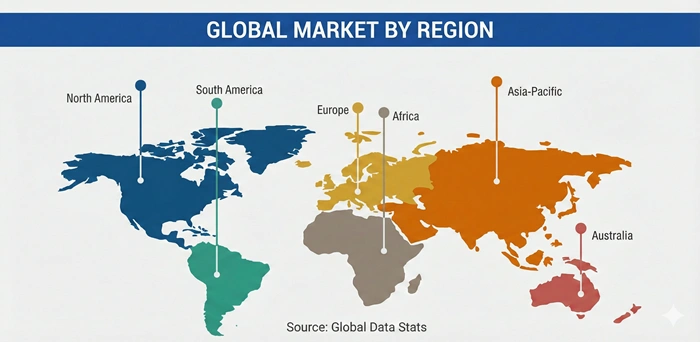
Regional Insights
North America
Market Leadership Through Established Wellness Culture and Premium Brand Presence
North America maintains its position as the dominant region in the collagen market, commanding approximately 38% of global market share in 2025 with an estimated value of USD 4.53 billion, projected to reach USD 7.91 billion by 2033 growing at a CAGR of 7.35%. The region's leadership stems from established supplement and wellness culture with 75% of Americans regularly taking dietary supplements, health-conscious aging baby boomer population exceeding 70 million seeking age-defying solutions, strong mainstream acceptance of beauty supplements particularly among millennial women driving category growth, extensive distribution infrastructure including GNC, Vitamin Shoppe, Whole Foods, CVS, and Walgreens ensuring widespread availability, high disposable incomes enabling premium collagen product purchases despite USD 40-80 monthly costs, influential wellness trends promoted through social media creating mainstream collagen adoption, and robust clinical research infrastructure producing evidence validating benefits. United States dominates regional demand with approximately 85% share driven by supplement market size exceeding USD 50 billion annually, influential beauty and fitness influencers on Instagram and TikTok reaching millions, aggressive marketing from established and emerging collagen brands, extensive e-commerce adoption with Amazon representing 40% of supplement sales, and physician and nutritionist endorsements particularly from dermatologists and orthopedic specialists supporting medical legitimacy.
Leading companies serving the North American collagen market include Vital Proteins (Nestlé) dominating with estimated 25% market share through retail partnerships and aggressive marketing, Sports Research, Ancient Nutrition leveraging Dr. Josh Axe's influence, Great Lakes Gelatin, NeoCell, Reserveage Nutrition, Doctor's Best, Further Food, Live Conscious, Youtheory, and numerous direct-to-consumer brands including Dose & Co and Primal Harvest competing through differentiation. The region benefits from innovation leadership with companies launching marine collagen, multi-collagen blends, flavored formulations including vanilla and chocolate, convenient stick packs, ready-to-drink collagen waters and coffee creamers, and beauty-focused marketing emphasizing skin benefits over joint health.
Canada contributes approximately 12% of North American revenue through similar consumption patterns, bilingual product labeling, natural health product regulations providing quality assurance, strong health consciousness exceeding United States proportionally, and growing e-commerce adoption. The region witnesses retail expansion beyond specialty channels into mainstream grocery including Costco, Target, and Walmart democratizing access, subscription models offering 15-20% discounts building loyalty, influencer marketing investments reaching USD 100 million annually across category, and clinical trial investments by major brands building scientific credibility supporting sustained growth throughout forecast period with favorable demographics, established acceptance, and continuous innovation driving category expansion beyond early adopters toward mass market penetration.
Asia Pacific
Fastest Regional Growth Through Beauty Culture and Middle-Class Expansion
Asia Pacific represents the fastest-growing region in the collagen market with a projected CAGR of 9.40% from 2026 to 2033, with market value expected to increase from USD 3.93 billion in 2025 to USD 7.61 billion by 2033, capturing rapidly expanding global revenue share. The region's exceptional growth trajectory stems from deeply embedded beauty and skincare culture particularly in South Korea, Japan, and China where flawless complexion represents cultural ideal, rapid middle-class income growth enabling premium beauty and supplement purchases, traditional medicine acceptance of natural health products facilitating collagen adoption without skepticism prevalent in Western markets, expanding organized retail and e-commerce infrastructure including Alibaba, JD.com, and specialized beauty platforms, increasing westernization of diets incorporating supplements, growing awareness about anti-aging solutions through K-beauty influence, and younger demographic adoption establishing lifelong habits. Japan pioneered collagen supplement market in 1960s maintaining sophisticated consumption with per-capita intake exceeding other nations, preference for marine collagen derived from fish reflecting island nation traditions, liquid collagen drink formats consumed daily, and premium willingness-to-pay reflecting quality consciousness while South Korea drives K-beauty innovation incorporating collagen into skincare plus ingestible beauty supplements promoted by K-pop idols and K-drama celebrities creating aspirational positioning.
Leading companies serving the Asia Pacific collagen market include Shiseido with collagen drink lines, Meiji Holdings, Nitta Gelatin, Nippi Collagen, Amway Asia, Suntory Wellness, Fancl Corporation, DHC Corporation, Lotte Confectionery, and international brands including Nestlé-owned Vital Proteins expanding regional presence through partnerships and localized marketing competing through clinical research, innovative formats, and celebrity endorsements. China demonstrates explosive growth potential with beauty supplement market expanding 30% annually, rising middle-class population exceeding 400 million able to afford premium products, e-commerce dominance with 70% of supplement sales online, social commerce through WeChat and Little Red Book enabling peer recommendations, and government health initiatives promoting preventive wellness.
India shows emerging potential with growing urban middle class, increasing beauty consciousness among younger women, expanding organized retail replacing traditional channels, Ayurvedic medicine tradition accepting natural supplements, and improving e-commerce access though price sensitivity limits premium collagen adoption requiring affordable formats. The region witnesses marine collagen preference reflecting seafood dietary traditions, liquid and jelly formats preferred over powders, combination products adding placenta extract, bird's nest, and pearl powder reflecting traditional beauty ingredients, sustainable sourcing emphasis particularly Japanese consumers demanding traceability, and cross-border e-commerce enabling access to international premium brands supporting sustained rapid expansion throughout forecast period with favorable demographics, cultural acceptance, and rising incomes.
Top Key Players
-
Rousselot (Darling Ingredients) (Netherlands)
-
Gelita AG (Germany)
-
PB Leiner (Tessenderlo Group) (Belgium)
-
Nitta Gelatin Inc. (Japan)
-
Weishardt Group (France)
-
Vital Proteins (Nestlé Health Science) (United States)
-
Holista CollTech Limited (Australia)
-
Lapi Gelatine S.p.A. (Italy)
-
GELNEX (Brazil)
-
Trobas Gelatine B.V. (Netherlands)
-
Nippi Collagen Peptides (Japan)
-
Ashland Global Holdings Inc. (United States)
-
GELCO S.A. (Argentina)
-
Baotou Dongbao Bio-Tech Co., Ltd. (China)
-
Titan Biotech Limited (India)
Recent Developments
-
Nestlé Health Science (Vital Proteins) (2025): Launched marine collagen product line in March 2025 sourced from wild-caught Alaskan cod utilizing sustainable fishing byproducts, introducing premium positioning with Type I collagen optimized for skin benefits, commanding 45% premium over bovine line reaching USD 65 per month supply, and expanding addressable market toward consumers seeking marine alternatives avoiding mammalian sources supporting revenue diversification and margin expansion in competitive North American market.
-
Rousselot (Darling Ingredients) (2024): Invested USD 120 million in bioactive collagen peptide production facility expansion in November 2024 increasing global capacity by 35%, implementing advanced hydrolysis technologies creating targeted molecular weight distributions optimized for specific applications, achieving pharmaceutical-grade quality certifications, and positioning for medical channel distribution supporting therapeutic collagen applications in wound healing, orthopedics, and regenerative medicine representing high-value growth segment.
-
Gelita (2025): Launched clinical trial program in June 2025 investing USD 25 million in rigorous double-blind placebo-controlled studies evaluating collagen effects on skin elasticity, joint pain, and bone density, partnering with leading universities and dermatology research centers, and pursuing publication in peer-reviewed journals building scientific credibility supporting marketing claims, enabling pharmaceutical channel distribution, and differentiating from competitors lacking robust clinical evidence particularly important for medical professional recommendations.
-
Nitta Gelatin (2024): Expanded fish collagen production capacity in September 2024 investing USD 80 million in new Japanese facility processing tilapia and cod byproducts, implementing sustainable sourcing partnerships with aquaculture operations ensuring reliable supply, developing proprietary low-temperature enzymatic extraction preserving bioactivity, and targeting premium Asian markets where marine collagen commands 50-70% premiums reflecting cultural preferences and perceived superiority supporting margin expansion and market share growth.
-
Weishardt (2025): Acquired marine collagen specialist in January 2025 for USD 150 million expanding portfolio beyond traditional bovine and porcine gelatin, gaining proprietary fish skin processing technology, accessing established relationships with seafood processors, and positioning for high-growth premium segment particularly strong in European and Asian markets where marine collagen represents fastest-growing source category commanding substantial price premiums and appealing to sustainability-conscious consumers.
Market Trends
Functional Beauty Convergence and Sustainable Sourcing Reshape Industry Standards
The collagen market is experiencing transformative shifts driven by functional food and beverage incorporation, marine collagen premiumization, Type-specific targeted formulations, sustainable and traceable sourcing, and personalized nutrition services combining collagen with complementary ingredients addressing individual needs. Functional food and beverage incorporation transforms collagen from standalone supplement into everyday nutrition ingredient with manufacturers adding hydrolyzed collagen peptides to coffee creamer creating collagen coffee habit among 15 million Americans, protein bars delivering 10-12 grams collagen, bone broth products combining collagen with minerals, beauty waters and sparkling beverages providing refreshing consumption formats, smoothie boosters and meal replacement shakes, and collagen-infused snacks normalizing consumption across occasions beyond morning supplement routine expanding market toward mainstream food shoppers rather than supplement buyers.
Marine collagen premiumization creates high-margin segment with consumers willing to pay 40-70% premiums for fish-derived collagen perceived as superior despite limited clinical evidence demonstrating absorption or efficacy advantages over bovine, sustainable sourcing from fishing industry byproducts appealing to environmentally conscious consumers, Type I collagen concentration optimal for skin applications, smaller peptide molecular weights theoretically enhancing bioavailability, and allergen-free positioning avoiding bovine and porcine concerns from religious dietary restrictions creating premium beauty-focused positioning. The collagen market witnesses Type-specific formulation proliferation with targeted products emphasizing Type II from chicken cartilage specifically for joint health supported by clinical trials in osteoarthritis, Type I and III combinations for comprehensive skin and bone support, Type V for hair health, Type X for bone formation, and multi-collagen blends combining five types providing complete spectrum addressing multiple health goals simultaneously though critics question whether type distinctions matter after digestion breaks proteins into amino acids.
Sustainable and traceable sourcing becomes competitive differentiator with brands highlighting grass-fed bovine collagen from pasture-raised cattle avoiding feedlot operations, wild-caught marine collagen from specific geographic regions, organic certifications ensuring no antibiotics or hormones, transparent supply chains using blockchain technology enabling consumers to trace source, and third-party testing verifying purity and authenticating source species combating fraud. Personalized collagen recommendations using AI-powered assessment tools analyzing skin photos for wrinkles and elasticity, questionnaires capturing age, sun exposure, smoking, and diet, genetic testing identifying collagen synthesis variations, and customized formulations adding vitamin C, zinc, biotin, hyaluronic acid, and ceramides create premium subscription models building loyalty with monthly deliveries adjusted based on progress tracking supporting direct-to-consumer brands bypassing traditional retail and capturing higher margins through customization value.
Segments Covered in the Report
By Source
-
Bovine
-
Porcine
-
Marine
-
Fish
-
Shellfish
-
-
Poultry
-
Others
By Product Type
-
Gelatin
-
Hydrolyzed Collagen (Collagen Peptides)
-
Native Collagen
By Application
-
Food and Beverages
-
Functional Foods
-
Beverages
-
Confectionery
-
-
Healthcare and Medical
-
Wound Dressings
-
Orthopedic Applications
-
Drug Delivery
-
-
Cosmetics and Personal Care
-
Skin Care
-
Hair Care
-
Anti-Aging Products
-
-
Nutraceuticals
-
Dietary Supplements
-
Sports Nutrition
-
-
Others
By Form
-
Powder
-
Liquid
-
Capsules and Tablets
-
Others
By Region
-
North America
-
United States
-
Canada
-
Mexico
-
-
Europe
-
Germany
-
United Kingdom
-
France
-
Italy
-
Spain
-
Rest of Europe
-
-
Asia Pacific
-
China
-
Japan
-
South Korea
-
India
-
Australia
-
Rest of Asia Pacific
-
-
Latin America
-
Brazil
-
Argentina
-
Rest of Latin America
-
-
Middle East and Africa
-
Saudi Arabia
-
United Arab Emirates
-
South Africa
-
Rest of Middle East and Africa
-
Frequently Asked Questions
Question 1: What is the projected collagen market size by 2033?
Answer: The collagen market is projected to reach USD 21.74 billion by 2033, growing from USD 12.92 billion in 2026. This represents robust expansion driven by aging populations, anti-aging awareness, beauty-from-within trends, joint health concerns, clinical validation, and functional food incorporation particularly nutraceutical supplements and cosmetic applications.
Question 2: Which region dominates the global collagen market share?
Answer: North America dominates the global collagen market with approximately 38% market share in 2025, valued at USD 4.53 billion. This leadership position reflects established supplement culture, health-conscious aging populations, strong beauty supplement acceptance, extensive retail distribution, high disposable incomes, and influential wellness trends promoted through social media.
Question 3: What factors are driving the collagen market growth?
Answer: Key factors driving collagen market growth include escalating aging populations exceeding 1 billion over age 60, natural collagen decline after age 25, anti-aging and beauty-from-within awareness, joint health and arthritis concerns affecting 350 million people, clinical research validation demonstrating efficacy, fitness culture expansion, and functional food incorporation. Marine collagen innovation also contributes significantly.
Question 4: Which source segment holds the largest share in the collagen market?
Answer: The bovine collagen segment holds the largest share in the collagen market with approximately 42% in 2025. This dominance reflects cost-effectiveness as most economical source, abundant availability from cattle farming infrastructure, established safety record, provision of Type I and III collagen, and extensive clinical research validating efficacy.
Question 5: What are the emerging trends in the collagen market?
Answer: Emerging trends in the collagen market include functional food and beverage incorporation creating everyday consumption occasions, marine collagen premiumization commanding 40-70% price premiums, Type-specific targeted formulations for skin versus joints, sustainable and traceable sourcing practices, personalized nutrition recommendations using AI and genetic testing, and multi-collagen blends. Ready-to-drink formats and flavored formulations also gain significant traction.