
Cognitive Assessment and Training in Healthcare Market Overview
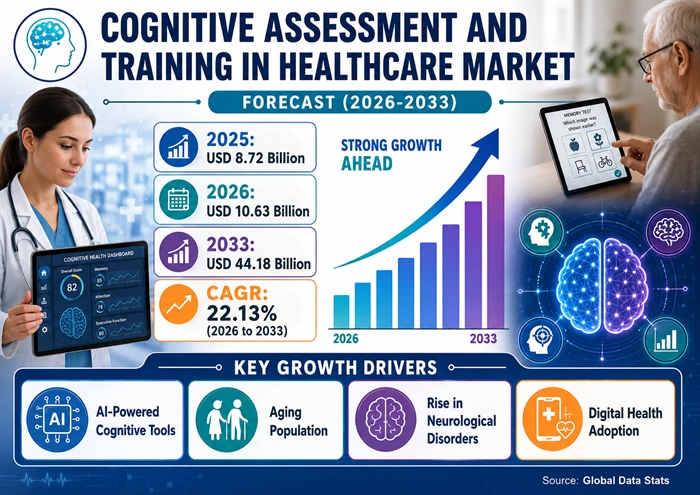
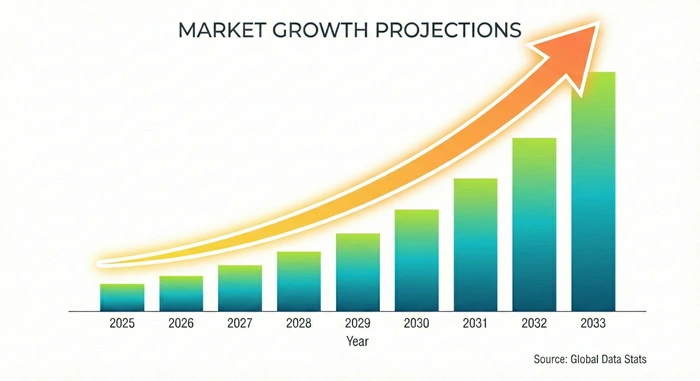
The global cognitive assessment and training in healthcare market size is valued at USD 8.72 billion in 2025 and is predicted to increase from USD 10.63 billion in 2026 to approximately USD 44.18 billion by 2033, growing at a CAGR of 22.13% from 2026 to 2033.
The market is gaining strong momentum as neurological disorder prevalence continues to rise worldwide. With aging populations and increasing rates of dementia, mild cognitive impairment, and related conditions, healthcare providers are investing heavily in both early-stage cognitive evaluation tools and structured digital training programs. The cognitive assessment and training in healthcare market is uniquely positioned at the intersection of digital health innovation, neuroscience research, and enterprise wellness — making it one of the most dynamic segments in the broader healthcare technology landscape.
AI Impact on the Cognitive Assessment and Training Industry
Artificial Intelligence Is Redefining Clinical Precision, Enabling Passive Monitoring, and Delivering Personalized Cognitive Interventions at a Scale That Was Previously Impossible in Healthcare Settings
Artificial intelligence is fundamentally reshaping how cognitive assessment and training is delivered in healthcare. Machine learning algorithms can now analyze large volumes of patient data — including speech patterns, reaction times, eye movements, and memory performance scores — to detect early signs of cognitive decline with significantly greater accuracy than traditional pen-and-paper screening tools. Natural language processing (NLP) and computer vision models are being validated as promising diagnostic aids for conditions like mild cognitive impairment and early-stage Alzheimer's, enabling clinicians to identify at-risk patients during routine checkups without requiring invasive procedures or specialist referrals.
Beyond clinical diagnosis, AI is transforming the training component of the market by enabling truly adaptive learning environments. AI-powered platforms can continuously update cognitive training regimens in real time based on how a patient responds to each task — adjusting difficulty levels, cognitive domains targeted, and session frequency to optimize therapeutic outcomes. This level of personalization was not achievable with conventional standardized testing instruments. As healthcare systems in North America, Europe, and Asia Pacific accelerate the adoption of digital health infrastructure, AI-enabled cognitive assessment tools are becoming embedded in electronic health records, telehealth workflows, and clinical trial platforms, fundamentally widening the commercial scope of the cognitive assessment and training in healthcare market.
Growth Factors
Rising Neurological Disease Burden, Expanding Digital Health Infrastructure, and Growing Corporate Wellness Investments Are Creating a Multi-Layered Growth Engine for This Market
The most powerful driver behind this market's growth is the rapidly expanding global prevalence of neurological and cognitive disorders. The World Health Organization estimates that approximately one in three people worldwide is affected by a neurological condition at some point in their life. Dementia cases are projected to triple by 2050, creating enormous pressure on health systems to deploy scalable early-detection tools that can identify cognitive decline before it reaches an advanced, irreversible stage. Governments and health insurers are responding by funding proactive screening programs, expanding mental health infrastructure, and approving reimbursement frameworks for digital cognitive assessments — all of which directly fuel growth in the cognitive assessment and training in healthcare market.
A second important growth engine is the expansion of corporate wellness programs that incorporate cognitive health monitoring and brain-fitness training for employees. Productivity losses related to cognitive performance lapses are estimated to cost businesses billions annually, driving human resources departments to invest in validated cognitive training modules that improve memory, executive function, and decision-making speeds. The normalization of remote and hybrid work environments has also accelerated adoption of digital and mobile-based assessment platforms that employees can access independently. Alongside this, growing use of computerized cognitive endpoints in pharmaceutical clinical trials — particularly for CNS drug development programs — is driving demand from the pharmaceutical sector, adding a high-value commercial channel that sustains strong revenue growth across the forecast period.
Market Outlook
The Cognitive Assessment and Training in Healthcare Market Is Entering a Phase of Structural Expansion Backed by Regulatory Progress, Technological Maturation, and Widening End-User Adoption
The outlook for the cognitive assessment and training in healthcare market through 2033 is highly positive, shaped by converging technological, demographic, and regulatory forces. Regulatory agencies in the United States and the European Union are increasingly recognizing computer-based cognitive tools as validated clinical instruments, publishing clearer device classification guidelines and reimbursement pathways for digital mental health solutions. These developments are lowering the commercial barriers that previously slowed adoption among hospitals, insurance networks, and pharmaceutical sponsors. As regulatory acceptance deepens, institutional procurement cycles are shortening and the addressable customer base for market participants is broadening substantially.
Looking further ahead, the expansion of extended reality (XR) technologies — including virtual reality, augmented reality, and mixed reality — into cognitive assessment and rehabilitation represents one of the most exciting growth frontiers for this market. XR-based tools can simulate realistic cognitive challenges in immersive three-dimensional environments, providing richer and more ecologically valid assessments than traditional screen-based tests. Platforms equipped with EEG sensors, eye-tracking, and galvanic skin response monitoring are already in clinical pilots across leading research hospitals. As costs decline and clinical validation data matures, XR-enabled cognitive assessment is expected to become a mainstream offering within the forecast window, adding a premium product tier that will further expand market revenue across both clinical and enterprise channels.
Expert Speaks
-
"Digital health tools that can identify cognitive changes early are among the most valuable investments we can make in preventive care. We are committed to accelerating the integration of AI-enabled cognitive screening across healthcare delivery systems globally." — Sheri Fink, Chief Patient Officer, Johnson & Johnson
-
"The intersection of artificial intelligence and neuroscience is opening extraordinary possibilities for early intervention. Cognitive assessment platforms that integrate seamlessly with clinical workflows will be central to how we manage brain health over the next decade." — Albert Bourla, CEO, Pfizer
-
"Corporate investments in cognitive training are not simply a wellness benefit — they are a business performance strategy. Companies that prioritize brain health for their workforce will see measurable returns in decision quality, innovation output, and employee retention." — Mary Barra, CEO, General Motors
Key Report Takeaways
-
North America leads the cognitive assessment and training in healthcare market with approximately 42.5% of global market share in 2024, driven by mature digital health infrastructure, favorable FDA regulatory pathways, and strong adoption among healthcare providers, pharmaceutical companies, and corporate wellness programs.
-
Asia Pacific is the fastest-growing region, expected to record an 18.47% CAGR, propelled by aging demographics in China and Japan, expanding government investment in digital health platforms, rising awareness of cognitive disorders, and streamlined medical device approval frameworks that are encouraging market entry.
-
The solutions component segment dominates the market, accounting for 72.8% of 2024 revenue, driven by strong institutional demand for validated assessment modules, AI-enhanced analytics engines, and clinical trial endpoint tools that require robust software infrastructure.
-
The clinical trials application segment contributes the most to overall market revenue, holding a 34.2% share in 2024, as pharmaceutical sponsors increasingly embed computerized cognitive assessments into CNS drug development pipelines to obtain reliable, high-frequency digital endpoints.
-
The computerized delivery mode is the most widely adopted, capturing 61.7% of total 2024 revenues, as clinic-controlled environments using calibrated desktop platforms remain the gold standard for high-stakes diagnostic and trial-based cognitive evaluation.
-
The services segment is projected to be the fastest-growing future segment, recording an 18.12% CAGR through 2033, with a rapidly expanding share driven by growing demand for workflow mapping, linguistic localization, compliance attestation, and study design consulting — particularly as data-protection regulations grow more stringent globally.
-
The corporate end-user segment is advancing at the highest CAGR of 18.86%, as organizations across banking, aviation, technology, and professional services deploy quarterly cognitive assessments and training programs to enhance employee performance and reduce costly human-error incidents.
Market Scope
| Report Coverage | Details |
|---|---|
| Market Size by 2033 | USD 44.18 Billion |
| Market Size by 2025 | USD 8.72 Billion |
| Market Size by 2026 | USD 10.63 Billion |
| Market Growth Rate from 2026 to 2033 | CAGR of 22.13% |
| Dominating Region | North America |
| Fastest Growing Region | Asia Pacific |
| Base Year | 2025 |
| Forecast Period | 2026 – 2033 |
| Segments Covered | By Assessment Type, By Component, By Delivery Mode, By Application, By End-User, By Region |
| Regions Covered | North America, Europe, Asia Pacific, Latin America, Middle East & Africa |
Market Dynamics
Drivers Impact Analysis
Rising Neurological Disease Prevalence, Digital Health Integration, and Corporate Brain Health Investments Are Collectively Accelerating Growth in the Cognitive Assessment and Training in Healthcare Market
| Driver | ≈ % Impact on CAGR Forecast | Geographic Relevance | Impact Timeline |
|---|---|---|---|
| Rising prevalence of neurocognitive disorders | ~32% | Global; strongest in aging economies of North America, Europe, and Japan | Long Term (≥ 4 years) |
| Growing adoption of digital health and telehealth platforms | ~28% | Global; early-scale in North America and Europe | Medium Term (2–4 years) |
| Heightened corporate wellness spending on brain-fitness programs | ~22% | North America, Europe; accelerating in Asia Pacific | Medium Term (2–4 years) |
| Increased use of computerized cognitive tests in CNS clinical trials | ~18% | Global; led by U.S., EU, and Japan | Short Term (≤ 2 years) |
The growing global burden of dementia, mild cognitive impairment, Parkinson's disease, and brain stroke is creating a structural, long-term demand for early-detection solutions. Health systems that previously prioritized late-stage disease management are now pivoting toward proactive screening programs, recognizing that early identification of cognitive decline significantly reduces lifetime treatment costs. Governments and international health agencies are actively funding mental health initiatives and brain health awareness campaigns — particularly in North America and Europe — that directly increase patient demand for cognitive evaluation services. The WHO's neurological disorder action plan spanning 2022–2031 has provided a formal global framework that is driving policy reform and investment in cognitive health infrastructure across more than 130 member states.
At the same time, the widespread normalization of digital health tools following the global telehealth expansion has created a favorable environment for cognitive assessment platforms to integrate with existing clinical workflows. Electronic health record connectivity, remote patient monitoring capabilities, and asynchronous assessment protocols are allowing healthcare providers to scale cognitive screening without adding significant clinical staff burden. The emergence of AI-driven speech analytics and passive smartphone-based monitoring adds an entirely new dimension to assessment, enabling continuous cognitive tracking beyond the clinic setting. These technological capabilities are directly expanding the clinical utility and commercial viability of the cognitive assessment and training in healthcare market, strengthening its long-term growth foundation across both developed and emerging markets.
Restraints Impact Analysis
Reimbursement Limitations, Data Privacy Complexities, and Algorithmic Bias Concerns Are Creating Meaningful Friction Points That Slow Adoption in Certain Market Segments and Geographies
| Restraint | ≈ % Impact on CAGR Forecast | Geographic Relevance | Impact Timeline |
|---|---|---|---|
| Limited reimbursement for digital cognitive assessment tools | ~40% | Global; most acute in emerging markets | Medium Term (2–4 years) |
| Data privacy and cybersecurity concerns over sensitive neurological data | ~30% | Global; pronounced in GDPR-regulated Europe | Short Term (≤ 2 years) |
| Algorithmic bias reducing diagnostic validity across diverse populations | ~20% | Global; higher impact in diverse demographics | Medium Term (2–4 years) |
| User engagement drop-offs in long-term cognitive training programs | ~10% | Global; notable in consumer and corporate apps | Long Term (≥ 4 years) |
One of the most significant barriers to market growth is the inconsistent reimbursement landscape for digital cognitive assessment tools across global payer systems. Many commercial insurers continue to classify digital assessments as wellness tools rather than medical devices, requiring platform developers to present rigorous randomized-controlled trial data before coverage is approved — a threshold that smaller companies and startups often struggle to meet. In the United States, while CMS has introduced new reimbursement codes for FDA-cleared digital mental health therapeutics, the requirements for formal clearance exclude a large portion of the market's software offerings. This creates an uneven competitive landscape where only well-capitalized companies with established regulatory track records can access the most lucrative institutional and insurance-funded market channels.
Data privacy concerns represent a second major restraint. Neurological assessment data — including speech recordings, EEG signals, eye-tracking patterns, and cognitive performance scores — falls into the highest-sensitivity category of personal health information. Healthcare providers and enterprise clients are acutely aware of the reputational and financial risks associated with data breaches, particularly as recent large-scale healthcare cybersecurity incidents have raised public concern. In GDPR-regulated European markets, the compliance requirements for processing and storing neurological data are especially stringent, adding legal, technical, and operational complexity that increases vendor costs and extends sales cycles. Until standardized, globally accepted data governance frameworks specifically addressing cognitive health data emerge, these privacy concerns will continue to constrain adoption in privacy-sensitive markets.
Opportunities Impact Analysis
Extended Reality Technologies, Emerging Market Expansion, and Passive AI-Driven Monitoring Present Transformative Growth Opportunities for the Cognitive Assessment and Training in Healthcare Market
| Opportunity | ≈ % Impact on CAGR Forecast | Geographic Relevance | Impact Timeline |
|---|---|---|---|
| XR-based immersive cognitive assessment and rehabilitation tools | ~35% | North America, Europe, Asia Pacific | Medium to Long Term |
| Expansion into high-growth emerging markets in APAC and LATAM | ~30% | Asia Pacific, Latin America, MEA | Medium Term (2–4 years) |
| Passive AI-driven home-based monitoring via smartphones and wearables | ~25% | Global; urban markets first | Medium Term (2–4 years) |
| Integration with enterprise performance management and HR analytics | ~10% | North America, Europe | Short to Medium Term |
Extended reality technologies — encompassing virtual reality, augmented reality, and mixed reality — represent the most compelling next-generation opportunity for the cognitive assessment and training in healthcare market. VR-based platforms can place patients and research subjects in realistic, fully immersive environments where cognitive functions like spatial navigation, attention, decision-making, and working memory are assessed through ecologically valid tasks that mirror real-world demands. The richness of the behavioral data captured in these environments — combined with biometric inputs from EEG, eye-tracking, and galvanic skin response sensors — is significantly superior to traditional screen-based tools, enabling clinicians to detect subtle impairments that conventional tests would miss. As hardware costs continue to fall and clinical validation studies produce increasingly strong evidence, XR-based cognitive platforms are positioned to move from specialized research settings into mainstream clinical practice within the 2026 to 2033 forecast period.
The vast and largely untapped potential of Asia Pacific, Latin America, and the Middle East offers an equally powerful growth opportunity. These regions are experiencing rapid growth in aging populations, rising digital literacy, expanding middle classes, and increasing awareness of mental health conditions — but current cognitive assessment tool penetration remains very low compared to North America and Europe. Governments in India, Brazil, China, and the UAE are actively investing in national brain health initiatives and digital healthcare modernization programs that will create favorable conditions for market entry and scale. Vendors that invest early in platform localization, culturally adapted cognitive norms, multilingual interface design, and regional pricing strategies are well-positioned to capture disproportionate market share in these geographies as they transition from emerging to growth-phase markets.
Segment Analysis
By Component
Solutions Command the Market Through Technology-Driven Assessment and Analytics Capabilities, While Services Are Emerging as the Highest-Growth Segment Driven by Regulatory Complexity and Personalization Demand
The solutions segment commands the largest share of the cognitive assessment and training in healthcare market, accounting for approximately 72.8% of total 2024 revenues. This strong position reflects the institutional priority placed on acquiring validated, software-based assessment modules, AI-enhanced analytics platforms, and clinical trial data repositories that form the backbone of both diagnostic workflows and pharmaceutical research programs. Hospitals, pharmaceutical sponsors, and corporate wellness providers typically build their cognitive health programs around core software solutions before supplementing with consulting or integration services. North America is the primary revenue engine for this segment, with companies like Cambridge Cognition, Cogstate, and Linus Health driving adoption through EHR-integrated platforms and FDA-cleared remote assessment tools. The continued advancement of AI algorithms within these platforms — enabling more precise performance scoring, anomaly detection, and personalized feedback — is sustaining strong annual growth within the solutions segment.
The services segment, while currently smaller, is projected to grow at an 18.12% CAGR — making it the fastest-growing component within the cognitive assessment and training in healthcare market through 2033. As data protection regulations proliferate globally and cognitive assessment applications expand into increasingly complex clinical and enterprise settings, demand for specialized professional services — including linguistic localization, clinical study design, compliance auditing, and workflow mapping — is growing substantially. Healthcare organizations implementing large-scale screening programs require guidance on integrating cognitive assessment protocols into existing clinical pathways, while pharmaceutical companies need specialized eCOA study design expertise to ensure regulatory acceptance of digital cognitive endpoints. The services growth trajectory is most pronounced in Europe, where GDPR compliance requirements are driving demand for security audits and data governance consulting, and in Asia Pacific, where rapid expansion is creating demand for localization and implementation support services.
By Application
Clinical Trials Anchor Current Market Revenue While Corporate Workforce Training Emerges as the Fastest-Growing Application, Reflecting the Broadening Commercial Scope of Cognitive Health Solutions
The clinical trials application segment held the largest revenue share at 34.2% in 2024, firmly establishing itself as the market's primary revenue anchor. Pharmaceutical and biotech companies developing drugs for Alzheimer's, Parkinson's, multiple sclerosis, and other CNS conditions are increasingly replacing subjective clinical rating scales with high-frequency computerized cognitive endpoint batteries. These tools deliver more sensitive and reliable outcome measures, enabling earlier detection of drug-related cognitive effects and reducing the sample sizes required for statistically valid trials. North America leads this application segment, driven by the U.S. FDA's established regulatory frameworks for computer-based cognitive devices and a robust pipeline of neurological drug development programs. Key players serving this segment include Cambridge Cognition, Cogstate, Signant Health, and Medidata, which collectively provide the majority of digital cognitive assessment infrastructure for global CNS clinical trials. The segment is expected to sustain low-double-digit CAGR growth through 2033 as the pipeline of neurology drugs continues to expand.
The corporate workforce training segment is the standout growth story within the application landscape, advancing at a 19.36% CAGR. Organizations across the finance, aviation, technology, and professional services sectors are adopting structured cognitive training programs to improve employee performance, reduce human-error costs, and strengthen workforce resilience. Quarterly brain-health assessments measuring working memory, cognitive flexibility, attention span, and stress physiology are being integrated into annual performance management processes at leading companies. Asia Pacific is the fastest-growing geography within this application segment, driven by governments and large corporations in China, India, Japan, and South Korea that are investing in workforce cognitive health as a national productivity strategy. As evidence accumulates demonstrating measurable ROI from cognitive training — including reduced error rates, faster decision-making, and lower burnout-related turnover — corporate budget allocations toward this application area are expected to grow significantly, making workforce training the most commercially dynamic application segment for the broader cognitive assessment and training market through 2033.
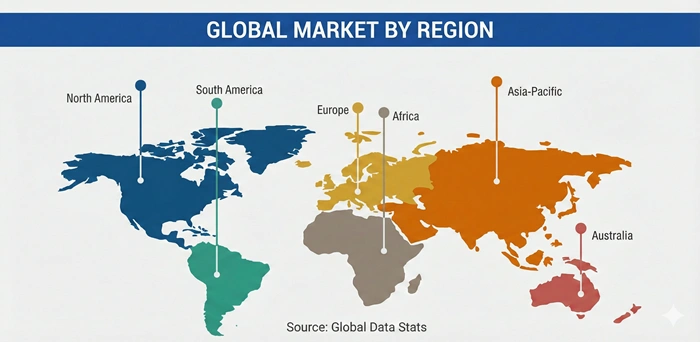
Regional Insights
North America
North America's Technological Leadership, Regulatory Clarity, and Institutional Adoption Across Healthcare and Corporate Sectors Consolidate Its Position as the World's Largest Cognitive Assessment and Training Market
Sustained Investment From Government Bodies, Pharma Companies, and Corporate Employers Creates a Multi-Channel Revenue Foundation That Supports Long-Term Market Dominance for Platform Providers
North America holds the dominant position in the cognitive assessment and training in healthcare market with approximately 42.5% of global market share in 2024, a position reinforced by the region's unmatched concentration of AI research capability, mature digital health infrastructure, and favorable regulatory environment. The United States leads within the region, with the FDA having established clear device classification and reimbursement pathways for computer-based cognitive assessment tools, reducing commercial barriers for established players. CMS's introduction of HCPCS reimbursement codes for digital mental health tools has further institutionalized demand from healthcare providers. Key companies driving the North American market include Cambridge Cognition Holdings (United Kingdom, with strong U.S. operations), Cogstate Ltd (Australia, U.S.-listed), Linus Health Inc (United States), BrainCheck Inc (United States), and Pearson Plc (United Kingdom, with dominant U.S. clinical assessment presence). The region is also home to the 420-member Business Collaborative for Brain Health, which represents a powerful corporate demand channel that is growing consistently year over year.
Canada contributes meaningfully to North American market growth through government-funded research programs like the Canadian Consortium on Neurodegeneration in Aging, which allocates approximately $5 million annually to support neurodegeneration and cognitive impairment research. The region's CAGR is moderating into the low teens as early-adopter hospitals and Fortune 500 firms approach saturation, but continued expansion into mid-tier healthcare networks, community health centers, and small-to-medium enterprises is expected to sustain North America's revenue leadership through 2033. The strong presence of major pharmaceutical companies headquartered or operating in the United States ensures that the clinical trials application segment continues to generate substantial and predictable revenue for North American market participants, providing a stable base upon which newer application verticals — including remote patient monitoring and AI-based passive assessment — are being built.
Asia Pacific
Asia Pacific's Aging Demographics, Government AI Investment Programs, and Rapidly Expanding Digital Health Infrastructure Are Fueling the Region's Position as the World's Fastest-Growing Cognitive Health Market
Cultural Acceptance of Technology-Enabled Healthcare, Combined With a Massive Addressable Population Base, Is Driving Platform Providers to Localize and Scale Aggressively Across the Region
Asia Pacific is the fastest-growing region in the cognitive assessment and training in healthcare market, recording an impressive 18.47% CAGR and holding a growing share of global market revenues. The primary growth driver is demographic: China and Japan already have among the world's largest aging populations, and by 2040, an estimated 5.84 million people in Japan alone are projected to have dementia, creating an enormous demand for scalable cognitive screening and early intervention solutions. Government initiatives across the region are accelerating market development — India's National Task Force on Brain Health (formed in 2024) and Singapore's streamlined SaMD approval framework under HSA are both creating favorable conditions for platform adoption. Key players active in the Asia Pacific market include XRHealth (United States, APAC deployed), Virtuleap, CogniFit Inc (United States, Asia Pacific presence), and a growing number of regional startups backed by Chinese and South Korean technology investment groups.
Vendors operating across Asia Pacific are making substantial localization investments — including Mandarin speech corpora development, Hindi interface design, and culturally relevant cognitive task narratives — to enhance assessment validity and user engagement across the region's diverse linguistic and cultural populations. India represents one of the most exciting near-term opportunities, driven by a large English-speaking professional population, rapidly growing smartphone penetration exceeding 80% in urban centers, and expanding government spending on mental health and neurology infrastructure. South Korea and Australia are also emerging as important markets, supported by government-backed digital health programs and progressive reimbursement frameworks aligned with IMDRF international standards. As clinical evidence for AI-enabled cognitive tools matures and platform costs decline, Asia Pacific is expected to substantially close the market share gap with North America and become the second-largest regional market within the overall forecast period.
Report Customization Available for All Regions and Countries
This Report Offers Full Region-Wise and Country-Wise Customization, Enabling Organizations to Access Targeted Market Intelligence Tailored Precisely to Their Strategic Geographic Priorities
This report is available for comprehensive customization across all major global regions and individual countries. Whether your organization requires granular country-level market sizing, region-specific competitor profiling, local regulatory landscape analysis, or tailored demand-supply forecasts, the customized version of this report delivers intelligence precisely aligned with your business objectives. Decision-makers at startups, mid-tier companies, and global enterprises can leverage geography-specific insights to identify untapped opportunities, benchmark regional competitors, and navigate local regulatory and geopolitical complexities in the cognitive assessment and training healthcare market with confidence.
Customized reports are available for the following regions and countries, providing detailed market analysis, growth trends, competitive intelligence, and actionable opportunities specific to each geography:
North America
-
Customized insights available for U.S., Canada, and Mexico, covering region-specific market sizing, enterprise wellness adoption trends, FDA and Health Canada regulatory pathways, pharmaceutical trial activity, and country-level competitive dynamics.
Europe
-
Tailored analysis available for U.K., Germany, France, Italy, and Rest of Europe, including GDPR compliance impact on platform design, DiGA-equivalent reimbursement frameworks, regional R&D activity, and country-specific cognitive disorder prevalence data.
Asia Pacific
-
Detailed coverage for China, India, Japan, South Korea, Australia, and Rest of Asia Pacific, encompassing aging population data, government AI and brain health investment programs, SaMD regulatory frameworks, and mobile-first platform adoption trends.
Latin America
-
Country-level customization for Brazil, Argentina, and Rest of Latin America, with insights into digital health infrastructure maturity, mental health awareness campaigns, platform accessibility, and emerging creator and enterprise market segments.
Middle East & Africa
-
Targeted intelligence for UAE, Saudi Arabia, and Rest of MEA, covering Vision 2030 digital healthcare transformation initiatives, regional neurological disorder burden, investment activity, and healthcare system readiness for cognitive assessment tool deployment.
Top Key Players
-
Cambridge Cognition Holdings Plc (United Kingdom)
-
Cogstate Ltd (Australia)
-
Pearson Plc (United Kingdom)
-
Lumos Labs Inc / Lumosity (United States)
-
Posit Science Corp / BrainHQ (United States)
-
BrainCheck Inc (United States)
-
CogniFit Inc (United States)
-
Linus Health Inc (United States)
-
Signant Health (United States)
-
Medidata Solutions (United States)
-
Charles River Analytics (United States)
-
VeraSci LLC (United States)
-
XRHealth (United States)
-
Virtuleap (Portugal)
-
Winterlight Labs Inc (Canada)
Recent Developments
-
In March 2025, Linus Health launched its Anywhere for Health Systems™ platform, an FDA-listed remote cognitive assessment solution enabling 91% sensitivity for mild cognitive impairment via an iPad camera test, with full integration across leading electronic health record systems, significantly expanding access to remote neurological screening.
-
In January 2025, Cambridge Cognition expanded its collaboration with Actinogen Medical to provide digital cognitive endpoint assessments for the Phase 2b/3 XanaMIA Alzheimer's trial, reinforcing its position as the leading provider of computerized cognitive assessment solutions for CNS pharmaceutical research.
-
In January 2025, Firefly Neuroscience introduced a novel brain-age biomarker powered by its FDA-approved BNA™ EEG platform, offering clinicians a new quantitative tool for tracking neurological aging and cognitive decline that goes beyond traditional diagnostic scoring methods.
-
In November 2024, Virtuleap announced the commercial launch of Cogniclear VR, a fully immersive VR-based cognitive assessment tool designed for detecting and monitoring cognitive impairments, blending real-world task simulation with biometric data collection for a new generation of clinical diagnostics.
-
In October 2024, Medidata formalized a strategic collaboration with Cogstate to integrate Cogstate's digital cognitive assessments with Medidata's clinical trial technology platform, accelerating data collection timelines and improving outcome measurement quality for CNS-focused pharmaceutical trials.
Market Trends
The Cognitive Assessment and Training in Healthcare Market Is Being Reshaped by the Rise of Passive Monitoring Technologies, Gamification, and Deep Integration With Enterprise and Clinical Workflows
One of the most significant trends defining the current phase of market evolution is the shift from periodic, episodic cognitive testing toward continuous, passive cognitive monitoring. Advances in smartphone sensor technology, wearable biometrics, and ambient AI are enabling platforms to track indicators of cognitive function — including typing speed, voice characteristics, screen interaction patterns, and sleep quality — in the background of daily life, without requiring users to actively engage in formal tests. This paradigm shift is particularly valuable for early detection, where subtle changes in baseline cognitive patterns over weeks and months can signal the onset of impairment long before standard clinical assessments would catch it. The growing body of clinical evidence supporting passive monitoring is attracting both healthcare system investment and significant venture capital, with several well-funded startups in North America and Europe building dedicated passive cognitive monitoring platforms.
A second major trend is the deep integration of cognitive assessment and training tools into enterprise HR analytics platforms and clinical trial management systems. Rather than operating as standalone wellness applications, leading platforms are increasingly designed as API-first services that plug directly into existing enterprise software environments — including Workday, Oracle HCM, and leading eClinical platforms. This integration strategy transforms cognitive assessment from a one-time intervention into a continuous data stream embedded within broader organizational intelligence systems. It also substantially expands the commercial stickiness of these platforms, as deeply integrated solutions are far more difficult to replace than standalone applications. The trend is most advanced in North America but is gaining strong traction across Europe and Asia Pacific as health systems and large corporations modernize their digital infrastructure and seek to consolidate vendor relationships around integrated platform solutions.
Segments Covered in the Report
-
By Assessment Type
-
Pen & Paper-based Assessment
-
Hosted / Web-based Assessment
-
Biometric Assessment
-
-
By Component
-
Solutions
-
Assessment Tools & Modules
-
Data Analysis & Reporting
-
Data Storage & Compliance
-
Others
-
-
Services
-
Training & Technical Support
-
Strategic Consulting & Study Design
-
-
-
By Delivery Mode
-
Pen-and-Paper
-
Computerized / Desktop-based
-
Mobile & Tablet-based
-
-
By Application
-
Clinical Trials
-
Screening & Diagnostics
-
Corporate / Workforce Training
-
Brain Training
-
Academic Research
-
-
By End-User
-
Healthcare & Pharmaceutical
-
Corporate / Enterprise
-
Educational Institutions
-
Others
-
-
By Region
-
North America (U.S., Canada, Mexico)
-
Europe (U.K., Germany, France, Italy, Rest of Europe)
-
Asia Pacific (China, India, Japan, South Korea, Australia, Rest of Asia Pacific)
-
Latin America (Brazil, Argentina, Rest of Latin America)
-
Middle East & Africa (UAE, Saudi Arabia, Rest of MEA)
-
❝ Built for Every Level — From Startups to Industry Giants ❞
Here Is Exactly How This Report Works for You
-
This report is engineered to deliver actionable, decision-grade intelligence to every type of organization — whether you are a startup seeking your first viable market entry point, a mid-tier company benchmarking regional competitors, or a Tier 1 enterprise evaluating M&A targets and white-space expansion strategies within the cognitive assessment and training in healthcare market. The report provides in-depth competitor revenue analysis, revenue source mapping, and detailed supply-demand dynamics that reveal exactly where growth capital is flowing, which market segments are under-served, and how leading players are structuring their commercial models — giving your team the analytical foundation to move with confidence in a fast-evolving market.
-
For investors and high-level organizations, the report delivers a rigorous geopolitical impact framework that examines how trade policy developments, cross-border data regulation, healthcare system funding shifts, and government AI investment programs across North America, Europe, Asia Pacific, Latin America, and the Middle East are reshaping the competitive dynamics and investment risk profile of the cognitive health technology sector — enabling leadership teams to make evidence-based capital allocation and market-entry decisions even in environments of policy uncertainty.
-
The full purchased version of this report includes complete competitor revenue profiles, detailed revenue source breakdowns, customizable region- and country-level market forecasts, and a forward-looking scenario analysis covering both base-case and high-growth trajectories — making it an indispensable strategic tool for product managers, corporate development teams, clinical research executives, and investors committed to capturing a meaningful share of this high-growth global healthcare market.
Frequently Asked Questions
Question 1: What is the current size of the cognitive assessment and training in healthcare market and what growth is expected?
Answer: The global cognitive assessment and training in healthcare market is valued at USD 8.72 billion in 2025 and is projected to reach USD 44.18 billion by 2033, growing at a CAGR of 22.13%. This strong growth reflects rising neurological disorder prevalence, expanding digital health adoption, and growing demand from both clinical and corporate end-user segments.
Question 2: Which region dominates the cognitive assessment and training in healthcare market?
Answer: North America leads the cognitive assessment and training in healthcare market, holding approximately 42.5% of global market share, driven by favorable regulatory frameworks, mature healthcare infrastructure, and strong enterprise wellness adoption. Asia Pacific is the fastest-growing region, recording an 18.47% CAGR, fueled by aging demographics and rapid digital health investment.
Question 3: What are the key growth drivers of the cognitive assessment and training in healthcare market?
Answer: The cognitive assessment and training in healthcare market is primarily driven by the rising global prevalence of neurological disorders including dementia, mild cognitive impairment, and Parkinson's disease. Additional drivers include growing adoption of AI-enabled digital health tools, increasing use of computerized cognitive endpoints in pharmaceutical clinical trials, and expanding corporate wellness spending on brain-health programs.
Question 4: Which application segment leads the cognitive assessment and training in healthcare market?
Answer: The clinical trials application segment leads the cognitive assessment and training in healthcare market with a 34.2% share in 2024, driven by pharmaceutical demand for digital cognitive endpoints in CNS drug development programs. The corporate workforce training application is the fastest-growing segment, advancing at a 19.36% CAGR through 2033.
Question 5: What challenges does the cognitive assessment and training in healthcare market face?
Answer: The cognitive assessment and training in healthcare market faces significant challenges including inconsistent reimbursement coverage for digital cognitive tools, with many insurers still classifying them as wellness rather than medical devices. Data privacy concerns around sensitive neurological data — particularly in GDPR-regulated European markets — also create compliance complexity that increases vendor costs and slows institutional adoption.