
Chronic Wound Care Medications Market Overview
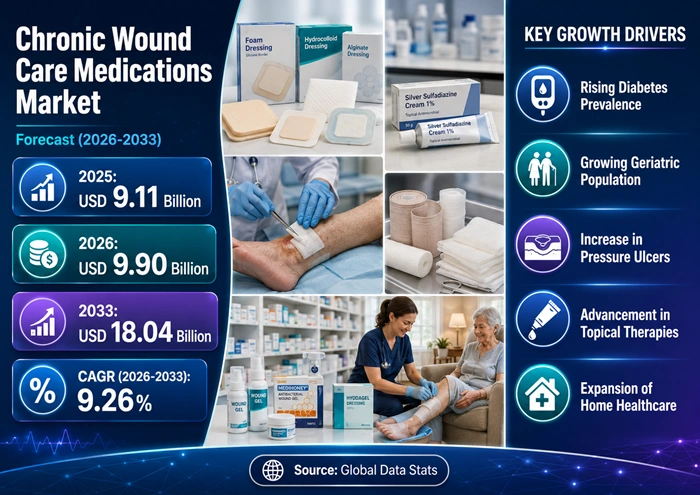
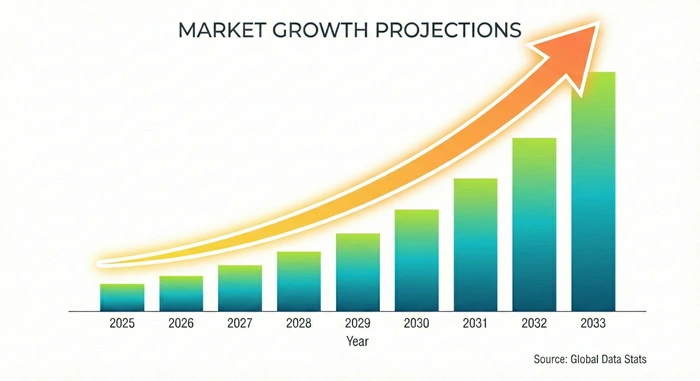
The global chronic wound care medications market size is valued at USD 9.11 billion in 2025 and is predicted to increase from USD 9.90 billion in 2026 to approximately USD 18.04 billion by 2033, growing at a CAGR of 9.26% from 2026 to 2033. This sustained and significant expansion is driven by the rapidly growing global burden of chronic, non-healing wounds linked to the diabetes epidemic, aging populations, obesity, and cardiovascular disease — conditions that collectively impair wound healing and create long-term demand for advanced therapeutic medications including antimicrobials, growth factors, regenerative biologics, debridement agents, and bioengineered skin substitutes across hospitals, long-term care facilities, and home care settings worldwide.
Chronic wounds — defined as wounds that fail to progress through the normal phases of healing within three months — affect an estimated 6.5 million patients in the United States alone, consuming healthcare resources disproportionate to their relatively low public visibility and driving growing institutional investment in specialized wound care pharmaceutical products and biologics that can meaningfully accelerate healing outcomes and reduce the enormous clinical and economic costs of prolonged wound management.
AI Impact on the Chronic Wound Care Medications Industry
Artificial Intelligence Is Transforming Chronic Wound Assessment, Drug Efficacy Monitoring, and Personalized Treatment Protocol Selection — Enabling Clinicians to Make Faster, More Accurate Medication Decisions That Improve Healing Rates and Reduce the Risk of Costly Complications
AI and machine learning are creating measurable clinical and commercial impact in the chronic wound care medications market by enabling a level of wound assessment precision, treatment response monitoring, and outcome prediction that was previously impossible with manual clinical evaluation alone. AI-powered wound imaging platforms — including products from companies like Tissue Analytics (acquired by Net Health), Wound Zoom, and Healthy.io — use computer vision algorithms to analyze wound photographs captured on standard smartphones, automatically measuring wound area, depth, tissue type composition, exudate characteristics, and periwound skin condition with accuracy comparable to trained wound care specialists. This objective, reproducible wound measurement capability is transforming treatment protocols by enabling clinicians to detect early changes in wound healing trajectory — including the first signs of biofilm formation, insufficient granulation tissue, or deteriorating wound margins — that warrant medication adjustments before clinical complications develop. When these AI wound assessment platforms are connected to electronic health records and wound care decision support tools, they can also analyze historical treatment response patterns to recommend medication regimens with the strongest evidence base for specific wound types, patient comorbidity profiles, and biofilm microbiology — personalizing chronic wound care medication selection in ways that manual clinical judgment alone cannot consistently achieve.
The drug development and regulatory approval process for new chronic wound care medications is also being accelerated by AI, addressing one of the historically most challenging barriers to innovation in this therapeutic category. Chronic wound clinical trials are notoriously expensive, slow, and prone to high variability in patient populations — because wound healing is influenced by dozens of patient-level factors including blood glucose control, nutritional status, vascular perfusion, medication history, and wound microbiome composition — making it difficult to demonstrate treatment efficacy against placebo in traditional randomized controlled trial designs. AI-powered predictive biomarker platforms and patient stratification algorithms are now enabling trial sponsors to identify the patient subpopulations most likely to respond to novel wound biologics, enrich clinical trial enrollment with high-responder patients, and use AI-analyzed wound imaging as a validated digital endpoint that reduces the sample sizes needed to demonstrate healing efficacy. These AI-enhanced trial design approaches are shortening development timelines for new growth factor therapies, antimicrobial peptides, and bioengineered tissue products — expanding the future pipeline of chronic wound care medications available to clinicians and patients.
Growth Factors
The Global Diabetes and Obesity Epidemics, Rapidly Aging Populations, and the Growing Clinical Adoption of Biologic and Regenerative Wound Therapeutics Are the Three Strongest Structural Drivers Propelling the Chronic Wound Care Medications Market
The global diabetes epidemic is the single most powerful demographic driver of the chronic wound care medications market. Approximately 537 million adults worldwide currently live with diabetes, and diabetic foot ulcers (DFUs) — which affect 15–25% of all diabetic patients at some point in their lifetime — represent the most clinically serious and commercially significant chronic wound type in the market. DFUs are associated with a dramatically elevated risk of lower extremity amputation (they precede more than 80% of non-traumatic amputations globally), prolonged hospitalization, and high healthcare costs — creating urgent clinical demand for effective pharmaceutical and biologic interventions that can accelerate ulcer closure and prevent the progression to limb-threatening infection. The WHO projects that the global diabetic population will reach 783 million by 2045, with the fastest growth occurring in South and Southeast Asia, the Middle East, and sub-Saharan Africa — regions with large populations, rapidly changing dietary patterns, and currently limited access to the specialized wound care medications that DFU management requires. This demographic trajectory creates a strongly growing multi-decade demand curve for chronic wound pharmaceutical products that is insensitive to economic cycles.
The clinical shift toward biologic and regenerative medication categories — including recombinant human growth factors, platelet-rich plasma preparations, living cell skin substitutes, and extracellular matrix scaffolds — represents the second major growth driver, as these advanced therapeutic modalities are achieving superior wound closure rates compared to conventional antimicrobial and moisture-retentive approaches in multiple randomized controlled trials across diabetic foot ulcers, venous leg ulcers, and pressure injuries. Products including becaplermin (Regranex, recombinant PDGF), Apligraf (Organogenesis, living bilayer skin equivalent), Dermagraft (Advanced BioHealing, dermal regeneration template), and various platelet-rich plasma preparation systems are achieving reimbursement coverage in major markets and demonstrating the kind of clinically meaningful healing acceleration that drives adoption beyond academic medical centers into community wound care clinics and home health settings. As regulatory approval activity for new biological wound healing agents intensifies and as manufacturing scale-up reduces the per-application cost of bioengineered tissue products, the penetration of regenerative wound care medications into mainstream clinical practice will expand significantly — driving above-market growth in the biologics and growth factors segment of the chronic wound care medications landscape through 2033.
Market Outlook
Growing Reimbursement Coverage for Advanced Wound Biologics, Expanding Home Care Wound Management Programs, and the Increasing Integration of Precision Medicine Into Chronic Wound Treatment Protocols Will Define the Medium and Long-Term Growth Trajectory of the Chronic Wound Care Medications Market
The medium and long-term outlook for the chronic wound care medications market is shaped by several converging forces that are simultaneously expanding clinical capabilities and driving commercial revenue growth. Reimbursement expansion for advanced wound biologics and growth factor products is one of the most commercially consequential trends, as coverage decisions by the Centers for Medicare & Medicaid Services (CMS) in the United States and equivalent payers in European national health systems determine the commercial addressable market for the highest-value products in the category. The recent expansion of CMS coverage for several cellular and tissue-based products (CTPs) under the Q-code reimbursement system has meaningfully increased the commercially accessible patient population for advanced wound biologics — a pattern that other major markets are expected to follow as the clinical evidence base for biologic wound healing efficacy continues to strengthen. As payer coverage for these advanced therapeutic categories broadens, the revenue per patient course of treatment in the wound care medications market will increase substantially, driving revenue growth even without proportional increases in treated patient volumes.
The shift toward home-based chronic wound care management — accelerated by COVID-19-related hospital avoidance behavior and sustained by the growing availability of telehealth wound monitoring platforms — is creating a new demand channel for chronic wound care medications that is formulated for patient-administered use in home settings rather than exclusively for clinician-applied use in healthcare facilities. Home-compatible wound medication formulations — including self-applicable antimicrobial gels, growth factor sprays, and patient-friendly biologic dressing systems — are becoming an increasingly important product development priority for pharmaceutical companies, as the addressable market for home-care-compatible wound medications includes the large and growing population of patients who are managing chronic wounds in their own homes under periodic telehealth monitoring from wound care nurses and physicians. This market segment is growing rapidly in North America, the United Kingdom, and Australia — where home health infrastructure is well-developed and payer incentives increasingly favor wound management in lower-cost non-hospital settings.
Expert Speaks
-
"At Smith & Nephew, we see the chronic wound care market continuing to evolve toward biologically active, precision-targeted therapeutic solutions that address the underlying molecular and cellular barriers to healing rather than simply managing wound conditions symptomatically. Our investment in growth factor and biofilm management products reflects our conviction that the next decade of wound care innovation will be defined by medications that actively reprogram wound biology rather than just protecting wound environments." — CEO, Smith & Nephew plc
-
"Organogenesis has been at the forefront of regenerative wound care for over two decades, and the commercial momentum we are experiencing with our advanced tissue technology products confirms that the clinical community is increasingly ready to adopt biologic wound care treatments as standard of care for chronic wounds that fail to respond to conventional therapy. The market dynamics — driven by the diabetes epidemic and aging populations — have never been more favorable for advanced wound care biologics." — CEO, Organogenesis Holdings
-
"ConvaTec's strategy in wound care is built around creating clinically differentiated products that improve healing outcomes across the full range of chronic wound types — from diabetic foot ulcers to pressure injuries. We are seeing strong growth in demand for antimicrobial and biofilm management products, and our pipeline investment in next-generation biologics and growth factor therapies positions us well for the continued market expansion we expect through the coming years." — CEO, ConvaTec Group plc
Key Report Takeaways
-
North America leads the chronic wound care medications market with approximately 36% of global revenue share in 2025, driven by the world's largest diabetic patient population, the highest per-capita wound care medication expenditure, broad insurance reimbursement coverage for advanced biologics and growth factors, and the leading commercial presence of companies including Smith & Nephew, Organogenesis, and 3M Health Care
-
Asia Pacific is the fastest-growing region, projected to expand at a CAGR of approximately 11.8% from 2026 to 2033, driven by the rapidly growing diabetic population in China and India, increasing healthcare investment in wound care infrastructure across Southeast Asia, and expanding government insurance coverage programs making advanced wound medications accessible to larger patient populations in the region
-
Antimicrobials and antibiotics is the largest medication class segment, accounting for approximately 32% of total chronic wound care medications market revenue in 2025, reflecting the central clinical role of infection control in chronic wound management and the high frequency of topical antibiotic and antimicrobial prescription across all chronic wound types managed in hospital, long-term care, and home settings
-
Diabetic foot ulcers is the dominant wound type segment, holding approximately 34–35% of market revenue in 2025, driven by the enormous global diabetic population, the high per-patient medication cost associated with DFU management, and the clinical severity and complexity of diabetic foot infections that require multi-drug therapeutic regimens including topical antimicrobials, debridement agents, and increasingly, biologic tissue repair products
-
Hospital pharmacies and specialty wound care clinics are the dominant distribution channels, collectively accounting for approximately 62% of market revenue in 2025, as the majority of prescription wound care medications — particularly biologics, growth factors, and controlled antimicrobials — are dispensed through institutional channels where wound care specialist oversight and administration guidance can be provided
-
Growth factors and regenerative biologics is the fastest-growing medication class segment, projected at a CAGR of approximately 13.5% through 2033, as clinical evidence supporting biologic wound healing efficacy strengthens, reimbursement access expands, and new products including next-generation recombinant growth factors, autologous PRP systems, and engineered extracellular matrix products reach commercial launch and gain clinical adoption across major wound care markets
Market Scope
| Report Coverage | Details |
|---|---|
| Market Size by 2033 | USD 18.04 Billion |
| Market Size by 2025 | USD 9.11 Billion |
| Market Size by 2026 | USD 9.90 Billion |
| Market Growth Rate from 2026 to 2033 | CAGR of 9.26% |
| Dominating Region | North America |
| Fastest Growing Region | Asia Pacific |
| Base Year | 2025 |
| Forecast Period | 2026 – 2033 |
| Segments Covered | Medication Class, Wound Type, Dosage Form, Distribution Channel, End User, Region |
| Regions Covered | North America, Europe, Asia Pacific, Latin America, Middle East & Africa |
Market Dynamics
Drivers Impact Analysis
The Surging Global Diabetic and Elderly Patient Population, Expanding Clinical Adoption of Wound Biologics, and Growing Reimbursement Access for Advanced Wound Medications Are the Core Forces Driving the Chronic Wound Care Medications Market
| Driver | ≈ % Impact on CAGR Forecast | Geographic Relevance | Impact Timeline |
|---|---|---|---|
| Diabetes and obesity epidemic expansion | ~30% | Global, highest in Asia Pacific, Middle East | Short to Long Term |
| Aging population and age-related wound healing impairment | ~26% | North America, Europe, Asia Pacific | Short to Long Term |
| Clinical adoption of biologic and regenerative wound medications | ~22% | North America, Europe | Short to Long Term |
| Reimbursement expansion for advanced wound biologics | ~14% | North America, Europe | Medium Term |
| Home care wound management program growth | ~8% | North America, Europe, Australia | Medium to Long Term |
The chronic wound care medications market benefits from a demographic demand structure that is both large and growing with high predictability — because the primary patient populations driving demand (diabetic patients, elderly individuals with mobility limitations, patients with venous insufficiency and arterial disease) are expanding in every global region and represent a growing proportion of overall healthcare utilization. Diabetic foot ulcers alone generate an estimated $9–13 billion in annual direct medical costs in the United States, with wound care medications representing a significant and growing share of this expenditure as clinical guidelines increasingly recommend early and intensive pharmaceutical intervention to prevent the escalation of DFUs to infected ulcers and osteomyelitis requiring hospitalization or amputation. The growing availability of precision wound microbiology testing — including rapid point-of-care biofilm detection assays and next-generation wound microbiome sequencing — is enabling more targeted antimicrobial prescribing that improves clinical outcomes and increases per-patient medication spending by identifying specific bacterial pathogens requiring targeted antibiotic therapy rather than broad-spectrum empirical treatment.
The clinical establishment of biofilm as the primary therapeutic target in recalcitrant chronic wounds — supported by an expanding body of published research demonstrating that biofilm-forming microbial communities are present in over 60% of chronic wounds and are the leading cause of treatment failure with conventional antimicrobial wound medications — is driving a new category of anti-biofilm wound pharmaceutical investment. Products including next-generation wound antiseptics with demonstrated anti-biofilm efficacy (such as polyhexamethylene biguanide, hypochlorous acid formulations, and silver ion products with biofilm-disrupting mechanisms), antimicrobial peptides in development by multiple biotech companies, and novel debridement enzyme formulations specifically designed to disperse biofilm matrix are all attracting significant R&D and commercial investment as the clinical community recognizes that conventional antiseptic and antibiotic approaches are insufficient for wounds where established biofilm communities are blocking healing progression.
Restraints Impact Analysis
High Cost of Advanced Wound Biologics, Inconsistent Reimbursement Across Markets, and Challenges in Wound Care Specialist Access for Patients in Rural and Developing Regions Are the Primary Factors Limiting Faster Growth in the Chronic Wound Care Medications Market
| Restraint | ≈ % Impact on CAGR Forecast | Geographic Relevance | Impact Timeline |
|---|---|---|---|
| High cost of biologic and regenerative wound medications | ~-28% | Global, strongest in developing markets | Ongoing |
| Inconsistent payer coverage for advanced wound therapeutics | ~-24% | Global | Medium Term |
| Limited wound care specialist availability in rural/developing regions | ~-20% | Asia Pacific, Africa, Latin America | Ongoing |
| Antibiotic resistance increasing inefficacy of antimicrobial wound medications | ~-16% | Global | Ongoing |
| Regulatory complexity for novel biologic wound healing products | ~-12% | Global | Medium to Long Term |
The high cost of advanced biologic and regenerative wound medications — including cellular and tissue-based products, recombinant growth factors, and bioengineered skin substitutes — remains the single largest commercial constraint on the chronic wound care medications market. The per-application cost of some biologic wound products can range from several hundred to several thousand dollars, making them inaccessible to the majority of chronically wounded patients in healthcare systems where advanced wound biologics are not covered by insurance or government health programs. Even in developed markets with relatively broad reimbursement coverage, prior authorization requirements, documentation burden, and step therapy protocols that require demonstration of failure with conventional wound care before biologic coverage is approved create significant access delays and administrative friction that limit real-world utilization relative to the clinical evidence base for biologic wound healing efficacy. In middle-income and developing country markets — where the fastest patient population growth is occurring — the absolute cost of most advanced wound biologics puts them entirely beyond the reach of the healthcare budget, restricting the market for higher-value medications to a relatively small urban private-pay and premium insurance segment.
Antibiotic resistance represents a growing clinical and commercial restraint in the chronic wound antimicrobial medications segment, as the increasing prevalence of methicillin-resistant Staphylococcus aureus (MRSA), multidrug-resistant Gram-negative organisms, and biofilm-forming pathogens in chronic wounds reduces the efficacy of the conventional topical antibiotic products that represent the majority of current antimicrobial wound medication prescriptions. Healthcare systems facing growing antimicrobial stewardship pressures are restricting broad-spectrum topical antibiotic use in wound care — including mupirocin, fusidic acid, and neomycin — to preserve antibiotic effectiveness for systemic infections where the drugs are more clinically essential. This restriction is creating a commercial displacement from conventional antibiotic wound medications toward antiseptic-based and silver-containing wound care products that are less subject to resistance development — reshaping the product mix within the antimicrobial category and creating both challenges for companies dependent on traditional antibiotic wound product revenues and opportunities for those investing in next-generation antiseptic and anti-biofilm wound medication platforms.
Opportunities Impact Analysis
Next-Generation Anti-Biofilm Therapeutics, AI-Guided Personalized Wound Medication Protocols, and the Expansion of Home Care Wound Pharmaceutical Programs Represent the Three Highest-Value Growth Opportunities in the Chronic Wound Care Medications Market
| Opportunity | ≈ % Impact on CAGR Forecast | Geographic Relevance | Impact Timeline |
|---|---|---|---|
| Novel anti-biofilm wound pharmaceutical products | ~+30% | North America, Europe | Short to Medium Term |
| Precision wound care and AI-personalized medication selection | ~+26% | North America, Europe | Medium Term |
| Home care wound medication program expansion | ~+22% | North America, Europe, Australia | Short to Medium Term |
| Emerging market wound care pharmaceutical access programs | ~+14% | Asia Pacific, Africa, Latin America | Medium to Long Term |
| Combination biologic-antimicrobial wound therapy products | ~+8% | Global | Long Term |
The development and commercialization of next-generation anti-biofilm wound pharmaceutical products represents the largest unmet clinical need and therefore the most commercially significant innovation opportunity in the chronic wound care medications market. Given that biofilm is now recognized as the primary therapeutic barrier in the majority of recalcitrant chronic wounds, the commercial opportunity for products that can effectively disrupt established wound biofilms — enabling the underlying wound bed to respond to healing-promoting interventions — is substantial and largely uncaptured by existing commercial products. Multiple biotech companies including ContraFect, NovaRx, and various academic spinouts are developing bacteriophage therapies, antimicrobial peptides, quorum-sensing inhibitors, and biofilm-degrading enzyme formulations that target the specific molecular mechanisms of biofilm formation and persistence in chronic wounds — creating a pipeline of genuinely novel therapeutic approaches that could command significant premium pricing if they achieve clinical demonstration of superior anti-biofilm efficacy.
The emerging intersection of home care wound management technology — connecting AI-powered wound imaging apps, telehealth wound assessment platforms, and home delivery pharmacy services — creates a powerful new commercial channel for chronic wound care medications that bypasses traditional hospital and clinic distribution infrastructure. Pharmacy benefit managers and specialty pharmacies are developing integrated wound care medication management programs that combine periodic nurse practitioner telehealth assessments, AI wound imaging analysis, and direct-to-patient delivery of prescription wound medications — creating a seamless wound care experience for patients who may have limited mobility, live in rural areas, or prefer to manage their chronic wound care at home with professional remote oversight. As reimbursement frameworks for telehealth wound care services mature and as home care wound medication programs demonstrate clinical outcomes comparable to facility-based care, the addressable market for chronic wound care pharmaceutical products will expand into patient segments that are currently underserved by the existing clinic and hospital-centric wound care delivery infrastructure.
Segment Analysis
By Medication Class
Antimicrobials Lead Medication Class Revenue While Growth Factors and Regenerative Biologics Represent the Fastest-Growing Category, Transforming the Treatment Paradigm for Recalcitrant Chronic Wounds
The antimicrobials and antibiotics segment holds approximately 32% of the chronic wound care medications market revenue in 2025 and is growing at a CAGR of approximately 7.8% through 2033, driven by the universal requirement for infection control across all chronic wound types and the high frequency of wound-related bacterial infection in diabetic foot ulcers, pressure injuries, and venous leg ulcers — each of which creates a long-term prescription demand for both topical antiseptics and, in infected cases, systemic antibiotic therapy. North America and Europe dominate antimicrobial wound medication revenue, supported by the highest rates of advanced wound care specialist involvement in treatment decisions, the broadest availability of specialty wound antimicrobial formulations, and the strongest reimbursement infrastructure for prescription wound care products; key companies in this segment include 3M Health Care (USA), Smith & Nephew (UK), Coloplast (Denmark), and ConvaTec (UK), each of which offers comprehensive antimicrobial wound care product portfolios spanning topical antiseptic gels, silver-containing wound contact dressings with antimicrobial medication impregnation, and prescription antibiotic formulations specifically optimized for wound infection management. Asia Pacific is the fastest-growing regional market for antimicrobial wound medications, driven by the region's large and rapidly growing diabetic population, increasing rates of hospital-acquired pressure injuries requiring antimicrobial treatment in modernizing healthcare systems, and growing access to prescription wound care products through expanding pharmacy infrastructure in China, India, and Southeast Asian markets.
Growth factors and regenerative biologics is the fastest-growing medication class segment in the chronic wound care medications market, projected at a CAGR of approximately 13.5% through 2033, as the clinical evidence base supporting the superiority of biologic wound healing interventions over conventional topical therapy strengthens and as regulatory approvals for new growth factor products and bioengineered tissue products expand the commercially available product portfolio. Organogenesis (USA) with its Apligraf and PuraPly products, Smith & Nephew with its REGRANEX becaplermin gel, Derma Sciences with AMNIOEXCEL amniotic membrane products, and multiple emerging biotech companies with recombinant growth factor formulations in late-stage clinical development are all competing for market share in this high-value biologics category that commands significantly higher revenue per patient treatment episode than conventional antimicrobial or moisture-retentive wound medications; North America currently leads biologics segment revenue with approximately 45% of global market share, driven by CMS reimbursement coverage for cellular and tissue-based products under specific Healthcare Common Procedure Coding System codes and the highest concentration of specialized wound care centers with the clinical expertise needed to manage biologic wound therapy protocols.
By Wound Type
Diabetic Foot Ulcers Dominate Wound Type Revenue While Pressure Ulcers and Venous Leg Ulcers Drive Significant Volume in Long-Term Care and Community Wound Care Settings
The diabetic foot ulcer (DFU) segment accounts for approximately 34–35% of the chronic wound care medications market revenue in 2025 and is growing at a CAGR of approximately 9.8% through 2033, driven by the relentless global expansion of the diabetic population, the high per-patient medication cost associated with DFU management (which typically requires a complex, multi-drug therapeutic regimen combining antimicrobial wound treatment, debridement, and increasingly biologic healing promotion over weeks to months), and the clinical severity and economic cost of DFU complications that justify premium pharmaceutical investment in healing acceleration. North America leads DFU-related wound medication revenue, with the United States alone accounting for over 30 million diagnosed diabetics and an estimated 1.5 million new DFU episodes annually — creating a vast and well-insured patient population for prescription wound care medications; major companies including Organogenesis (USA), Smith & Nephew (UK), 3M (USA), and MiMedx (USA) all have leading DFU-specific product positions in the North American market. Asia Pacific is the fastest-growing regional DFU medication market, driven by China's estimated 140 million diabetic population — the world's largest — and India's estimated 77 million diabetics, both of which are creating rapidly expanding demand for all categories of diabetic wound care medications in markets where DFU treatment infrastructure and specialist access are still developing but improving rapidly.
The pressure ulcer (pressure injury) segment holds approximately 26% of chronic wound care medications market revenue in 2025 and is growing at approximately 8.5% CAGR, driven by the large and growing global elderly and immobilized patient population in long-term care facilities, intensive care units, and home care settings where pressure injuries are endemic despite prevention efforts. The nursing home and long-term care facility channel is the primary treatment setting for pressure ulcer wound medications, and the commercial success of advanced wound care formulations in this channel depends heavily on formulary inclusion decisions made by pharmacy benefit managers and long-term care group purchasing organizations — making key account relationships with these institutional buyers a critical competitive success factor for wound medication companies targeting the pressure ulcer segment. Europe is a significant and established market for pressure ulcer wound medications — driven by the continent's aging population and relatively well-funded long-term care infrastructure — with key companies including Mölnlycke Health Care (Sweden), Hartmann Group (Germany), and BSN Medical/Essity (Sweden/Germany) commanding strong market positions through established relationships with European nursing home procurement programs.
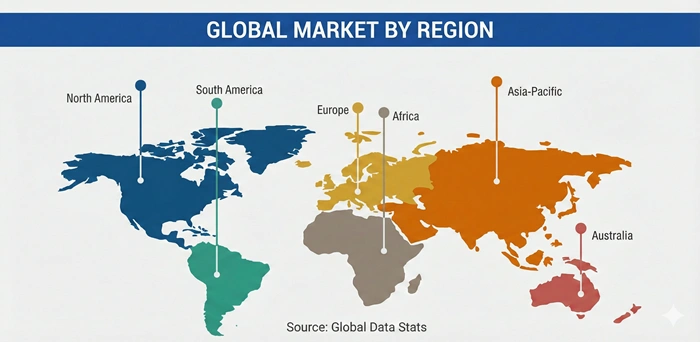
Regional Insights
North America's Dominant Diabetic Population and Mature Wound Care Infrastructure, and Asia Pacific's Explosive Patient Volume Growth, Define the Two Most Commercially Critical Regions in the Global Chronic Wound Care Medications Market
North America
North America's Largest Diabetic Patient Pool, Broadest Biologic Reimbursement Coverage, and Highest Wound Care Specialist Density Establish It as the Leading Revenue Region in the Chronic Wound Care Medications Market
North America leads the chronic wound care medications market with approximately 36% of global revenue in 2025 and a regional CAGR of approximately 8.5% from 2026 to 2033, anchored by the United States' large and well-insured diabetic and elderly patient populations, the broadest reimbursement coverage for advanced wound biologics and growth factors of any global market, and the world's highest concentration of specialized wound care clinical expertise including wound care nurses, podiatrists, and vascular surgeons who drive prescription volume for specialized wound care medications. The presence of leading wound pharmaceutical companies including Organogenesis (USA), MiMedx (USA), 3M (USA), and the U.S. headquarters of global leaders Smith & Nephew, ConvaTec, and Coloplast ensures strong commercial infrastructure and market access capabilities in the region.
Canada contributes meaningful regional demand through its universal healthcare system's increasing coverage for advanced wound biologics and its growing population of elderly and diabetic patients receiving wound care through provincial health programs. The United States remains the dominant market within North America — accounting for approximately 80% of regional revenue — driven by CMS coverage of cellular and tissue-based products, the large Medicare and Medicaid beneficiary population requiring wound care services, and the well-developed outpatient wound care center network where advanced wound medications are routinely administered. Ongoing CMS reimbursement policy evolution for next-generation biologic wound products is the single most commercially important regulatory variable for North American market growth through the forecast period.
Asia Pacific
Asia Pacific's World's Largest Combined Diabetic Population, Rapidly Expanding Healthcare Infrastructure, and Government Initiatives to Improve Wound Care Access Are Driving the Fastest Regional Growth in the Chronic Wound Care Medications Market
Asia Pacific is the fastest-growing regional market in the chronic wound care medications market, projected to expand at a CAGR of approximately 11.8% from 2026 to 2033, driven primarily by China and India's combined diabetic population of over 200 million patients — the world's largest concentrated pool of DFU-risk patients, the majority of whom currently receive suboptimal wound care due to limited access to specialized wound care facilities, skilled wound care practitioners, and advanced pharmaceutical products. Smith & Nephew (UK, with major Asia Pacific operations), ConvaTec (UK), 3M Health Care (USA), and domestic Chinese and Indian pharmaceutical companies are all expanding their chronic wound medication commercial infrastructure in the region — building distribution networks, healthcare professional education programs, and government reimbursement access initiatives that will progressively expand the addressable patient population for advanced wound care products. Japan and South Korea represent mature but growing regional wound care medication markets, with aging populations driving increasing pressure ulcer and venous leg ulcer medication demand through well-funded public healthcare systems.
Australia is an increasingly important market within the Asia Pacific region, with a well-developed wound care clinical infrastructure, strong government Pharmaceutical Benefits Scheme coverage for wound medications, and a growing community wound nursing sector driving above-average per-patient pharmaceutical spending on advanced wound care products. The region's long-term growth potential is extraordinary — given that South and Southeast Asia collectively contain the world's largest untreated chronic wound burden — and as healthcare system capacity and pharmaceutical distribution infrastructure develop in these markets over the forecast period, the conversion of this enormous unmet clinical need into commercial medication demand will drive powerful revenue growth for companies with established market presence in the Asia Pacific wound care sector.
Report Customization Available by Region and Country
This report is fully customizable to provide targeted chronic wound care medications market intelligence for your specific region, country, or geography of interest — delivering locally relevant patient population data, wound type prevalence analysis, reimbursement landscape assessment, regulatory environment profiles, competitive product portfolio benchmarking, and strategic market entry opportunity maps tailored precisely to the geographies that matter most to your business.
Customized versions of this report are available for all major global regions and their constituent countries, offering detailed analysis of wound care medication demand drivers, distribution channel dynamics, key manufacturer presence, and market growth opportunities specific to each target geography.
North America
-
United States — World's largest chronic wound care medications market with the broadest biologic reimbursement coverage, highest wound care specialist density, and leading presence of Organogenesis, MiMedx, and Smith & Nephew
-
Canada — Growing market with universal healthcare coverage for wound medications, aging population driving pressure ulcer demand, and expanding home care wound management programs
-
Mexico — Developing wound care medications market with large and growing diabetic population, expanding pharmacy retail infrastructure, and increasing government wound care program investment
Europe
-
United Kingdom — Active wound care medications market with NHS coverage for advanced wound products, strong community nursing wound management infrastructure, and major presence of Smith & Nephew and ConvaTec
-
Germany — Europe's largest chronic wound medications market driven by aging population, well-funded statutory health insurance coverage, and established wound care specialty clinic network
-
France — Strong wound care market with reimbursement for advanced wound biologics, growing diabetic population, and major pharmaceutical companies including Urgo Medical with leading domestic presence
-
Italy — Active wound care medications market with aging population driving pressure ulcer and venous leg ulcer medication demand in hospital and long-term care settings
-
Rest of Europe — Includes Netherlands, Sweden, Spain, and Switzerland as active markets with growing advanced wound care medication adoption supported by national health system coverage
Asia Pacific
-
China — Largest Asia Pacific wound care medications market with 140 million diabetics, rapidly expanding wound care infrastructure, and strong government healthcare investment driving DFU medication demand
-
India — High-growth market with 77 million diabetics, expanding pharmaceutical manufacturing base, and growing specialty wound care clinic network creating rising demand for prescription wound medications
-
Japan — Mature wound care medications market with aging population, well-funded public healthcare coverage, and strong institutional demand for advanced wound pharmaceutical products
-
South Korea — Active wound care market with national health insurance coverage, aging population, and sophisticated hospital wound care programs driving advanced medication adoption
-
Australia — Well-developed wound care medications market with PBS coverage, strong community nursing infrastructure, and growing home care wound management program adoption
-
Rest of Asia Pacific — Includes Thailand, Malaysia, and Indonesia as growing markets with rapidly expanding diabetic populations creating increasing demand for chronic wound pharmaceutical products
Latin America
-
Brazil — Largest Latin American wound care medications market with substantial diabetic population, expanding public health system wound care coverage, and growing domestic pharmaceutical manufacturing capability
-
Argentina — Developing wound care market with growing chronic disease burden and increasing government healthcare investment in wound management programs
-
Rest of Latin America — Includes Colombia, Chile, and Mexico as growing markets with expanding diabetic and elderly populations driving chronic wound pharmaceutical demand
Middle East & Africa
-
UAE — Advanced healthcare system with strong reimbursement for wound care medications, growing diabetic population, and high per-capita pharmaceutical spending supporting advanced wound biologics adoption
-
Saudi Arabia — Significant wound care medications market driven by one of the world's highest diabetes prevalence rates, Vision 2030 healthcare investment, and expanding specialty wound care clinic infrastructure
-
Rest of MEA — Includes South Africa, Turkey, and Egypt as developing markets with large diabetic populations and growing government chronic disease management program investment creating expanding wound medication demand
Top Key Players
-
Smith & Nephew plc (United Kingdom)
-
ConvaTec Group plc (United Kingdom)
-
Mölnlycke Health Care AB (Sweden)
-
3M Health Care (United States)
-
Organogenesis Holdings Inc. (United States)
-
MiMedx Group Inc. (United States)
-
Coloplast A/S (Denmark)
-
Hartmann Group (Germany)
-
Urgo Medical (France)
-
Integra LifeSciences Corporation (United States)
-
BSN Medical / Essity (Sweden / Germany)
-
Noveome Biotherapeutics Inc. (United States)
-
Medline Industries LP (United States)
-
Hollister Incorporated (United States)
-
Bioventus LLC (United States)
Recent Developments
-
In 2025, Smith & Nephew received expanded FDA clearance for an updated formulation of its IODOSORB cadexomer iodine antimicrobial wound gel — specifically validated for use in biofilm-containing chronic wounds — reinforcing its position as the leading antimicrobial chronic wound medication company and expanding its clinical differentiation in the high-growth anti-biofilm wound care segment
-
In 2025, Organogenesis Holdings announced a significant commercial milestone with its Affinity and Amplify amniotic membrane product lines surpassing 500,000 patient applications cumulatively, driven by accelerating adoption in diabetic foot ulcer and venous leg ulcer treatment programs across U.S. outpatient wound care centers following expanded CMS reimbursement coverage
-
In 2024, MiMedx Group expanded its international commercial presence for its EPIFIX amniotic membrane wound biologics into additional European and Asia Pacific markets, securing regulatory approvals and commercial distribution partnerships in Germany, Australia, and Japan — diversifying its revenue base beyond the United States and establishing early commercial presence in three high-growth international wound care markets
-
In 2025, ConvaTec launched its next-generation AQUACEL Ag+ antimicrobial wound dressing system with enhanced biofilm disruption technology, incorporating a new ionic silver complex formulation that clinical studies demonstrated achieves superior biofilm reduction versus conventional silver wound dressings — directly addressing the growing clinical recognition of biofilm management as the central therapeutic challenge in recalcitrant chronic wounds
-
In 2024, Integra LifeSciences completed the commercial launch of an expanded portfolio of regenerative wound matrix products specifically designed for diabetic foot ulcer management, accompanied by a dedicated wound care education program for podiatrists and wound care nurses — strengthening its commercial position in the DFU biologics category and expanding its prescribing clinician base across the United States
Market Trends
The Clinical Mainstreaming of Biofilm-Targeted Wound Therapy, the Shift Toward Precision Wound Medicine With AI-Guided Medication Selection, and the Expansion of Home Care Wound Pharmaceutical Programs Are the Three Most Significant Trends Redefining the Chronic Wound Care Medications Market
The most transformative clinical trend reshaping the chronic wound care medications market is the medical community's progressive recognition that biofilm — not simple bacterial contamination — is the primary therapeutic obstacle in the majority of treatment-resistant chronic wounds, and that effective wound healing in these patients requires biofilm-specific pharmaceutical interventions rather than conventional antibiotic and antimicrobial approaches. This paradigm shift is driving a reorientation of wound care pharmaceutical R&D investment toward novel anti-biofilm agents — including bacteriophage therapy, quorum-sensing inhibitor compounds, antimicrobial peptides, biofilm matrix-degrading enzymes, and next-generation antiseptic formulations with demonstrated biofilm-disrupting activity — that represent a genuinely new therapeutic category with significant unmet clinical need and premium commercial positioning potential. As wound biofilm diagnostic tests become more accessible in clinical practice — enabling wound care practitioners to confirm biofilm presence and guide targeted pharmaceutical selection — the commercial opportunity for validated anti-biofilm wound medications will grow substantially from its current early-market stage toward mainstream clinical adoption.
The precision medicine movement is reaching chronic wound care through the integration of AI-powered wound imaging, rapid wound microbiome diagnostics, and patient-level biomarker testing into treatment decision workflows — enabling personalized wound medication selection based on objective wound biology data rather than empirical clinical judgment alone. Wound care platforms that combine AI wound assessment with validated clinical decision support algorithms — recommending specific antimicrobial, growth factor, debridement, or biologic medication choices based on wound imaging characteristics, microbiological culture results, and patient comorbidity profiles — are beginning to demonstrate measurable improvements in wound closure rates and reductions in antibiotic overuse in early clinical validation studies. As these precision wound care platforms achieve regulatory clearance and clinical adoption, they will progressively shift the chronic wound care medications market from a volume-driven category dominated by broadly prescribed conventional products toward a value-driven category where clinically differentiated, precision-indicated pharmaceutical products command premium pricing and preferential formulary positioning.
Segments Covered in the Report
-
By Medication Class
-
Antimicrobials & Antibiotics
-
Topical Antibiotics
-
Systemic Antibiotics
-
Antifungals
-
Antiseptics (Silver, Iodine, PHMB)
-
-
Anti-Inflammatory Agents
-
Growth Factors & Regenerative Biologics
-
Platelet-Rich Plasma (PRP)
-
Recombinant Growth Factors (PDGF, EGF, FGF)
-
Amniotic Membrane Products
-
-
Debridement Agents
-
Enzymatic Debridement
-
Autolytic Debridement Agents
-
Mechanical Debridement Products
-
-
Skin Substitutes & Bioengineered Tissue
-
Others
-
-
By Wound Type
-
Diabetic Foot Ulcers (DFU)
-
Pressure Ulcers / Pressure Injuries
-
Venous Leg Ulcers (VLU)
-
Arterial Ulcers
-
Surgical & Traumatic Chronic Wounds
-
Others
-
-
By Dosage Form
-
Topical Creams & Ointments
-
Gels & Hydrogels
-
Sprays & Solutions
-
Injectable Biologics
-
Others
-
-
By Distribution Channel
-
Hospital Pharmacies
-
Retail & Online Pharmacies
-
Specialty Wound Care Clinics
-
Others
-
-
By End User
-
Hospitals & Wound Care Centers
-
Long-Term Care Facilities & Nursing Homes
-
Home Care Settings
-
Others
-
-
By Region
-
North America (U.S., Canada, Mexico)
-
Europe (U.K., Germany, France, Italy, Rest of Europe)
-
Asia Pacific (China, India, Japan, South Korea, Australia, Rest of Asia Pacific)
-
Latin America (Brazil, Argentina, Rest of Latin America)
-
Middle East & Africa (UAE, Saudi Arabia, Rest of MEA)
-
❝ Built for Every Level — From Startups to Industry Giants ❞
Here Is Exactly How This Report Works for You
-
For global pharmaceutical corporations, wound care device and biologics companies, and institutional investors evaluating the wound care medications landscape, this report delivers precise medication class revenue segmentation, wound type demand forecasting, competitor commercial strategy and pipeline analysis, reimbursement landscape mapping by major market, and geopolitical risk intelligence — including how U.S. CMS coverage policy evolution for cellular and tissue-based products, EU Medical Device Regulation impacts on wound biologic market access, and pharmaceutical pricing pressure in major national health systems are reshaping commercial strategy, partnership decisions, and long-term market investment priorities for companies active in the chronic wound care medications ecosystem
-
For mid-market wound care pharmaceutical manufacturers, specialty pharmacy operators, and wound care clinical network developers, the report provides end-user channel demand analysis, distribution channel revenue benchmarking, wound type patient population sizing by geography, key account procurement decision-maker mapping, and competitive product positioning intelligence — enabling commercial teams to identify which wound care settings, patient population segments, and geographic markets offer the strongest revenue growth opportunity for their specific product portfolios and commercial capabilities in the expanding wound care pharmaceutical market
-
Startups developing novel anti-biofilm therapeutics, AI-guided wound care decision platforms, home care wound medication delivery systems, or precision wound diagnostics will find the report's innovation white-space mapping, clinical adoption readiness scoring, investor landscape analysis, and regulatory pathway benchmarking for novel wound biologics essential for validating product-market fit, building compelling investor narratives grounded in verified market sizing, and making confident commercialization strategy decisions in one of healthcare's most clinically urgent and commercially growing therapeutic categories
Frequently Asked Questions
Question 1: What is the projected size of the chronic wound care medications market by 2033?
Answer: The chronic wound care medications market is projected to reach approximately USD 18.04 billion by 2033, growing from USD 9.90 billion in 2026 at a CAGR of 9.26%. This growth is driven by the global diabetes epidemic, aging populations, and the accelerating clinical adoption of biologic and regenerative wound healing medications across hospital, long-term care, and home settings.
Question 2: What are the key drivers of growth in the chronic wound care medications market?
Answer: The primary growth drivers of the chronic wound care medications market include the rapidly expanding global diabetic and elderly patient population creating sustained demand for advanced wound therapeutics, the growing clinical adoption of growth factor biologics and bioengineered skin substitutes that achieve superior healing outcomes, and the expansion of reimbursement coverage for advanced wound medications in major markets. The increasing clinical recognition of wound biofilm as the central therapeutic obstacle in recalcitrant wounds is also driving significant R&D investment in new anti-biofilm pharmaceutical categories.
Question 3: Which wound type generates the most revenue in the chronic wound care medications market?
Answer: Diabetic foot ulcers generate the largest share of chronic wound care medications market revenue — approximately 34–35% in 2025 — driven by the enormous global diabetic population, the high per-patient medication cost associated with DFU management, and the clinical severity of diabetic foot infections requiring complex multi-drug therapeutic regimens. The DFU segment is growing at approximately 9.8% CAGR through 2033 as the global diabetic population continues to expand rapidly, particularly in Asia Pacific and the Middle East.
Question 4: How are growth factor biologics changing treatment approaches in the chronic wound care medications market?
Answer: Growth factor biologics and regenerative wound medications are transforming the chronic wound care medications market by enabling clinicians to actively stimulate wound healing at the cellular and molecular level — rather than simply creating optimal wound conditions — achieving wound closure rates in chronic wounds that conventional antimicrobial and moisture-management medications cannot match. Products including recombinant PDGF, amniotic membrane preparations, and living cell skin substitutes are growing at approximately 13.5% CAGR as expanding clinical evidence and improving reimbursement coverage drive mainstream adoption beyond specialized wound centers.
Question 5: Which region is growing fastest in the chronic wound care medications market?
Answer: Asia Pacific is the fastest-growing region in the chronic wound care medications market, expanding at approximately 11.8% CAGR from 2026 to 2033, driven by China and India's combined diabetic population of over 200 million patients and rapidly expanding healthcare infrastructure making advanced wound pharmaceuticals accessible to a growing proportion of the enormous untreated wound patient population. Government healthcare investment programs in China, India, and Southeast Asian markets are progressively building the wound care specialist workforce, clinic infrastructure, and pharmaceutical reimbursement systems that will convert this vast unmet clinical need into commercial medication demand over the forecast period.