
Chromium Phosphate Market Overview
Corrosion Protection Innovation and Sustainable Coating Technologies Transform Surface Treatment Applications Across Automotive, Aerospace, and Construction Industries
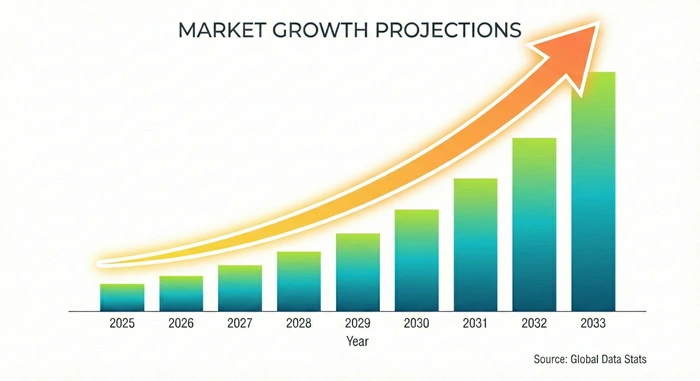
The global chromium phosphate market size is valued at USD 155.35 million in 2025 and is predicted to increase from USD 166.61 million in 2026 to approximately USD 356.70 million by 2033, growing at a CAGR of 10.16% from 2026 to 2033. This specialized chemical industry encompasses production, distribution, and application of chromium phosphate compounds—inorganic materials serving as critical components in corrosion-resistant coatings, architectural paints, metal pretreatment formulations, and specialty pigments demonstrating exceptional durability, weather resistance, and protective characteristics. Chromium phosphate delivers critical performance benefits including superior corrosion inhibition, excellent adhesion properties, outstanding chemical stability, and vibrant green coloration supporting diverse applications across industrial coatings, automotive surface treatment, construction materials, and medical device manufacturing requiring reliable protective solutions.
The chromium phosphate market addresses escalating demand for high-performance surface treatment technologies where automotive corrosion protection standards, architectural coating durability requirements, aerospace component longevity expectations, and sustainable manufacturing practices drive consumption across developed and emerging markets. This essential compound utilized primarily in protective coating systems, conversion coatings, and pigment formulations enables long-term asset protection delivering cost-effective maintenance solutions and extended service life across critical infrastructure and transportation equipment. Major industries including automotive manufacturing, aerospace production, construction materials, industrial equipment, and specialty chemicals consume substantial chromium phosphate volumes as companies pursue enhanced corrosion resistance, improved surface adhesion, and environmental compliance throughout manufacturing operations requiring proven chemical technology and technical support capabilities.

AI Impact on the Chromium Phosphate Industry
Quality Control Automation and Formulation Optimization Revolutionize Production Efficiency and Application Performance
Artificial intelligence transforms the chromium phosphate market through advanced quality control systems monitoring chemical composition, particle size distribution, and purity specifications optimizing production consistency and application performance across manufacturing operations. Machine learning algorithms analyze thousands of processing variables including precipitation conditions, pH control, temperature profiles, and washing procedures identifying optimal settings achieving target specifications while minimizing impurities and waste generation. These AI-powered platforms enable real-time adjustments preventing off-specification production, reducing raw material losses, and improving overall equipment effectiveness particularly critical given stringent quality requirements for coating applications and regulatory compliance standards. Predictive quality models correlating process parameters with final product characteristics enable proactive interventions maintaining consistent specifications meeting automotive coating requirements, architectural paint standards, and aerospace surface treatment criteria throughout production cycles.
Advanced AI applications extend beyond manufacturing optimization to revolutionize formulation development and application testing within the chromium phosphate market landscape. Neural networks analyze coating performance data including salt spray resistance, adhesion strength, and weathering durability predicting optimal chromium phosphate concentrations, dispersant selections, and resin compatibilities achieving desired protection levels. Computer vision systems inspect coated surfaces identifying defects, coverage uniformity, and film thickness variations supporting quality assurance programs and application troubleshooting. Automated testing protocols incorporating accelerated aging, corrosion exposure, and mechanical stress simulation reduce development cycles from months to weeks enabling rapid product optimization. These AI-driven capabilities position manufacturers to achieve superior operational efficiency while reducing formulation costs by 20-30% and improving customer satisfaction throughout forecast period.
Growth Factors
Automotive Industry Expansion and Infrastructure Investment Drive Unprecedented Chromium Phosphate Demand
The chromium phosphate market experiences robust growth propelled by automotive industry expansion where vehicle production, corrosion protection requirements, and surface treatment standards drive protective coating consumption requiring specialized chromium phosphate formulations. Global automotive production exceeding 90 million vehicles annually with growing emphasis on vehicle longevity creates substantial demand for chromium-based conversion coatings and corrosion-resistant primers. Automotive OEM coating systems particularly metal pretreatment applications utilize chromium phosphate conversion coatings delivering exceptional paint adhesion, corrosion protection, and surface preparation quality. Under-body protection formulations incorporating chromium phosphate compounds provide long-term corrosion resistance protecting critical chassis components from road salt, moisture, and environmental exposure. Electric vehicle production emphasizing lightweight materials and extended service life drives innovation in chromium phosphate-enhanced coating systems. Asian automotive manufacturing particularly China, India, and Southeast Asia experiencing rapid production growth creates concentrated demand. These diverse automotive applications create sustained baseline demand supporting market growth throughout forecast period.
Construction sector innovation accelerates chromium phosphate market expansion as architectural coatings, protective paints, and industrial finishes leverage chromium phosphate advantages including weather resistance, color stability, and corrosion protection. Global construction spending projected to exceed 15 trillion dollars annually by 2030 creates substantial protective coating demand particularly infrastructure projects, commercial buildings, and industrial facilities. Architectural coatings incorporating chromium phosphate pigments deliver vibrant green colors, excellent lightfastness, and superior weather resistance ideal for exterior applications. Metal structure protection including bridges, towers, and industrial equipment requires high-performance chromium phosphate-based primers and conversion coatings providing long-term corrosion resistance. Infrastructure modernization programs particularly developing nations investing in transportation networks, energy facilities, and water systems create growing opportunities. Sustainable building initiatives promoting durable materials, reduced maintenance requirements, and lifecycle cost optimization support chromium phosphate adoption. These construction applications demonstrate exceptional growth supporting sustained consumption throughout forecast period.
Market Outlook
Environmental Compliance and Alternative Technologies Position Industry for Strategic Transformation
The chromium phosphate market outlook reflects mixed dynamics as manufacturers balance strong demand fundamentals against environmental regulations promoting chromium-free alternatives and sustainable surface treatment technologies. Traditional chromium-based conversion coatings face increasing regulatory scrutiny particularly European Union REACH restrictions, United States EPA oversight, and regional environmental mandates limiting hexavalent chromium usage. However, trivalent chromium phosphate formulations meeting environmental standards maintain market relevance offering acceptable performance characteristics and regulatory compliance. Industry leaders including BASF implementing chromium-free passivation technologies like Gardolene D demonstrate innovation direction while preserving chromium phosphate applications where performance requirements justify usage. Green coating initiatives promoting bio-based resins, low-VOC formulations, and sustainable manufacturing processes create opportunities for environmentally responsible chromium phosphate products. Research investments exploring nanotechnology integration, mesoporous structures, and advanced coating architectures enhance performance characteristics supporting premium applications throughout forecast period.
Investment trends within the chromium phosphate market reflect strategic positioning as specialty chemical companies balance capacity optimization, product innovation, and regulatory compliance initiatives. Leading manufacturers including BASF, Merck, Clariant, and regional producers maintain selective capital expenditure programs upgrading production facilities, implementing environmental controls, and developing application-specific product portfolios. Market consolidation activities including Merck's pigment business divestiture demonstrate portfolio rationalization focusing resources on higher-growth specialty chemical segments. Strategic partnerships between chromium phosphate producers and coating manufacturers, automotive OEMs, and construction material suppliers strengthen customer relationships enabling co-development projects and long-term supply agreements. Geographic expansion particularly Asia Pacific production capacity additions address regional demand growth while maintaining proximity to automotive and construction end-markets. Research collaborations advancing chromium-free alternatives, hybrid coating systems, and enhanced formulations support market evolution balancing performance requirements with environmental considerations through 2033.
Expert Speaks
-
Dr. Markus Kamieth, BASF Chairman of Board of Executive Directors, emphasized strategic transformation: "Our ambition is to be the preferred chemical company to enable our customers' green transformation. BASF's Winning Ways strategy focuses on sustainable solutions and innovation, as demonstrated by our chromium-free and fluoride-free Gardolene D passivation technology providing superior corrosion protection while meeting environmental standards and customer sustainability expectations".
-
Frank Naber, BASF Senior Vice President Global Surface Treatment, highlighted innovation leadership: "Chemetall introduces the first chromium-free and fluoride-free passivation technology for copper foils, Gardolene D, providing superior corrosion protection and improved battery performance. It is another great example of what our claim expect more means, providing innovative solutions in the metal-using industry that offer added value to customers".
-
Belén Garijo, Merck CEO and Chair, articulated portfolio optimization: "The divestiture of our Surface Solutions business formerly known as Effect Pigments will further sharpen our focus on high-tech applications in Electronics such as driving the development of next-generation chips. This strategic transaction strengthens our core businesses while ensuring Surface Solutions continues serving coating industrial and cosmetic applications under new ownership".
Key Report Takeaways
-
Asia Pacific dominates the chromium phosphate market with commanding share exceeding 47%, driven by concentrated automotive manufacturing, construction expansion, and industrial activity across China, India, and Japan where rapid industrialization, favorable government policies, and export-oriented production consume substantial chromium phosphate volumes supporting regional economic development.
-
North America emerges as significant regional market with substantial share approaching 28%, propelled by established automotive industry, aerospace manufacturing, and infrastructure maintenance where United States maintains advanced coating technologies, stringent quality standards, and regulatory compliance frameworks.
-
Corrosion protection applications represent dominant end-use segment accounting for approximately 42% market share due to automotive conversion coatings, industrial equipment protection, and infrastructure maintenance demonstrating sustained consumption across transportation, manufacturing, and construction requiring reliable surface treatment solutions.
-
Architectural applications exhibit strong market presence with substantial share driven by exterior paints, green pigment formulations, and weather-resistant coatings where chromium phosphate delivers vibrant colors, excellent lightfastness, and superior durability supporting premium architectural products.
-
Industrial grade chromium phosphate maintains largest product segment representing approximately 55% of market driven by coating formulations, conversion coating applications, and corrosion inhibitor systems where cost-effectiveness, performance reliability, and established supply chains support widespread adoption.
-
Nanotechnology integration demonstrates fastest technology growth with projected CAGR exceeding 15% through 2033, driven by enhanced surface area, improved catalytic activity, and superior corrosion resistance where nano-sized chromium phosphate enables advanced coating formulations and specialized applications.
Market Scope
| Report Coverage Details | |
|---|---|
| Market Size by 2033 | USD 356.70 Million |
| Market Size by 2025 | USD 155.35 Million |
| Market Size by 2026 | USD 166.61 Million |
| Market Growth Rate from 2026 to 2033 | CAGR of 10.16% |
| Dominating Region | Asia Pacific |
| Fastest Growing Region | Asia Pacific |
| Base Year | 2025 |
| Forecast Period | 2026 to 2033 |
| Segments Covered | Grade, Application, End-Use Industry, Region |
| Regions Covered | North America, Europe, Asia Pacific, Latin America, Middle East & Africa |
Market Dynamics
Drivers Impact Analysis
Automotive Production Growth and Corrosion Protection Standards Accelerate Chromium Phosphate Adoption
| Impact Factor | (≈) % Impact on CAGR Forecast | Geographic Relevance | Impact Timeline |
|---|---|---|---|
| Automotive Industry Expansion | +3.8% | Asia Pacific | 2026-2033 |
| Infrastructure Investment | +2.6% | Emerging Markets | 2026-2033 |
| Aerospace Manufacturing | +1.8% | North America, Europe | 2027-2033 |
| Architectural Coating Demand | +1.4% | Global Markets | 2026-2033 |
The chromium phosphate market benefits substantially from automotive industry expansion where global vehicle production, corrosion protection mandates, and quality standards drive conversion coating and protective paint consumption requiring chromium phosphate formulations. Asian automotive manufacturing particularly China producing over 25 million vehicles annually, India targeting 10 million annual production, and Southeast Asian countries establishing manufacturing hubs creates concentrated demand. Automotive OEM coating systems incorporating chromium phosphate conversion coatings provide essential surface preparation ensuring paint adhesion, corrosion resistance, and long-term durability. Under-body protection applications utilizing chromium phosphate-enhanced primers and sealants protect critical chassis components from road salt, moisture, and environmental degradation. Electric vehicle production emphasizing extended service life, reduced maintenance requirements, and premium finish quality drives specialized chromium phosphate formulation development. Autonomous vehicle technologies requiring sensors, cameras, and electronic components demand corrosion-resistant housings and protective coatings. These automotive applications create sustained baseline demand supporting market growth throughout forecast period.
Infrastructure investment accelerates chromium phosphate market adoption as bridge construction, industrial facility development, and transportation network expansion require durable protective coatings delivering long-term corrosion resistance and minimal maintenance. Developing nations particularly India implementing infrastructure master plans, China pursuing Belt and Road Initiative projects, and Southeast Asian countries modernizing transportation networks create substantial protective coating demand. Bridge protection systems incorporating chromium phosphate primers provide decades-long corrosion resistance protecting steel structures from environmental exposure. Industrial equipment coating including storage tanks, processing vessels, and manufacturing machinery requires specialized chromium phosphate formulations delivering chemical resistance and surface durability. Marine infrastructure particularly ports, offshore platforms, and coastal facilities demands high-performance chromium phosphate-based coatings withstanding saltwater exposure. Energy infrastructure including transmission towers, pipeline systems, and power generation facilities consumes protective coatings. These infrastructure applications demonstrate exceptional growth supporting sustained consumption throughout forecast period.
Restraints Impact Analysis
Environmental Regulations and Alternative Technologies Challenge Traditional Chromium Phosphate Applications
| Restraint Factor | (≈) % Impact on CAGR Forecast | Geographic Relevance | Impact Timeline |
|---|---|---|---|
| Environmental Regulations | -2.4% | Developed Markets | 2026-2033 |
| Chromium-Free Alternatives | -1.8% | European Union | 2026-2031 |
| Raw Material Cost Volatility | -1.2% | Global Manufacturing | 2026-2033 |
| Waste Disposal Requirements | -0.9% | Regulated Regions | 2026-2030 |
The chromium phosphate market faces growth constraints from environmental regulations where hexavalent chromium restrictions, heavy metal discharge limits, and occupational safety requirements impose compliance costs and application limitations particularly developed markets implementing stricter chemical controls. European Union REACH regulations classifying certain chromium compounds as substances of very high concern create usage restrictions and authorization requirements. United States EPA oversight of chromium emissions, wastewater discharge standards, and hazardous waste management increases operational complexity and documentation burdens. Occupational exposure limits requiring workplace monitoring, personal protective equipment, and engineering controls add compliance costs. Consumer preferences increasingly favoring environmentally responsible products drive coating manufacturers toward chromium-free alternatives. These regulatory pressures constrain market expansion particularly traditional conversion coating applications where alternative technologies demonstrate acceptable performance throughout forecast period.
Chromium-free alternative technologies challenge chromium phosphate market development where zirconium-based systems, titanium compounds, and organic coating technologies offer comparable corrosion protection without heavy metal concerns. BASF introducing Gardolene D chromium-free passivation technology demonstrates innovation trajectory replacing traditional chromium-based systems. Trivalent chromium processes offering reduced toxicity and environmental impact compete with traditional chromium phosphate formulations. Silane-based coupling agents providing corrosion protection and adhesion enhancement create substitution opportunities. Nanotechnology approaches incorporating ceramic nanoparticles, graphene oxide, and hybrid coatings deliver performance characteristics rivaling traditional systems. Cost considerations particularly price-sensitive applications favor alternative technologies offering comparable performance at reduced environmental compliance costs. These competitive dynamics create substitution pressures constraining chromium phosphate consumption particularly applications where regulatory burdens outweigh performance advantages throughout forecast period.
Opportunities Impact Analysis
Advanced Coating Architectures and Specialty Applications Create Substantial Growth Avenues Beyond Traditional Markets
| Opportunity Factor | (≈) % Impact on CAGR Forecast | Geographic Relevance | Impact Timeline |
|---|---|---|---|
| Nanotechnology Integration | +2.2% | Advanced Markets | 2027-2033 |
| Medical Device Applications | +1.6% | Healthcare Sectors | 2027-2033 |
| Aerospace Component Protection | +1.4% | Aviation Industry | 2026-2033 |
| High-Performance Pigments | +1.0% | Specialty Coatings | 2027-2033 |
The chromium phosphate market stands to capture substantial value from nanotechnology integration where nano-sized chromium phosphate particles deliver enhanced surface area, improved catalytic activity, and superior corrosion resistance enabling advanced coating formulations. Mesoporous chromium phosphate structures providing high surface area and controlled porosity create opportunities for catalytic applications, controlled-release systems, and functional coatings. Nanoparticle dispersions incorporating surface-modified chromium phosphate enable uniform distribution within coating matrices improving performance consistency. Hybrid coating systems combining chromium phosphate nanoparticles with organic polymers, ceramic materials, or graphene oxide deliver synergistic properties exceeding individual component capabilities. Medical applications utilizing biocompatible chromium phosphate formulations for implant coatings, drug delivery systems, and antimicrobial surfaces demonstrate growing opportunities. These advanced applications command premium pricing and demonstrate exceptional growth supporting market diversification throughout forecast period.
Aerospace component protection presents exceptional growth opportunities as aircraft manufacturing, component maintenance, and performance requirements demand specialized chromium phosphate-based coatings delivering corrosion resistance, temperature stability, and long-term durability. Commercial aviation growth projected to exceed 40000 new aircraft deliveries through 2040 creates substantial protective coating demand. Aerospace-grade chromium phosphate conversion coatings provide essential corrosion protection for aluminum alloys, titanium components, and composite materials. Engine component protection requiring high-temperature stability, oxidation resistance, and corrosion inhibition utilizes specialized chromium phosphate formulations. Military aviation applications demanding extreme performance specifications, extended service intervals, and operational reliability consume premium chromium phosphate products. Space applications requiring vacuum stability, thermal cycling resistance, and contamination control create specialized opportunities. These aerospace applications command premium pricing supporting market value growth throughout forecast period.
Segment Analysis
By Application: Corrosion Protection
Automotive and Industrial Applications Sustain Corrosion Protection Segment Market Leadership
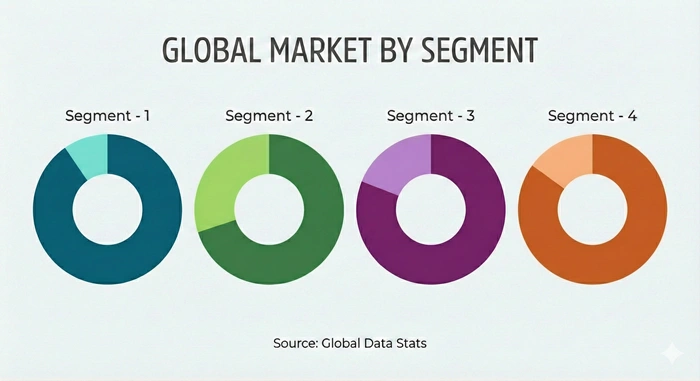
Corrosion protection applications command the largest share within the chromium phosphate market, accounting for approximately 42% of global consumption with continued expansion projected at robust CAGR of 10.8% through 2033. This application category encompasses automotive conversion coatings, industrial equipment protection, infrastructure maintenance systems, and marine structure treatment utilizing chromium phosphate delivering exceptional corrosion inhibition and surface preparation properties. The chromium phosphate market benefits from corrosion protection advantages including superior metal adhesion, excellent chemical resistance, proven long-term durability, and cost-effective asset protection compared to alternative surface treatment technologies. Automotive manufacturers particularly Asian producers consuming substantial conversion coating volumes for body panel preparation, under-body protection, and component treatment. Industrial equipment coatings protecting machinery, storage tanks, and processing vessels from chemical exposure and environmental degradation demonstrate consistent demand.
Asia Pacific and North America lead corrosion protection chromium phosphate consumption within the market, driven by concentrated automotive production, industrial manufacturing, and infrastructure maintenance activities. China operating extensive automotive coating facilities serving domestic manufacturers including BYD, Geely, and Great Wall Motors consumes substantial chromium phosphate conversion coating volumes. Indian automotive sector particularly Tata Motors, Mahindra, and Maruti Suzuki facilities implementing surface treatment systems creates growing demand. United States automotive industry particularly Detroit manufacturing cluster and Southern production facilities maintaining established conversion coating operations consume consistent volumes. Leading coating manufacturers including PPG Industries, Axalta Coating Systems, and BASF Coatings develop chromium phosphate-enhanced formulations serving automotive OEM requirements. Industrial coating applications particularly chemical processing equipment, oil and gas infrastructure, and manufacturing machinery require specialized chromium phosphate primers. Environmental compliance driving trivalent chromium formulations replacing hexavalent systems maintains market relevance while addressing regulatory requirements supporting continued segment leadership throughout forecast period.
By Grade: Industrial Grade
Cost-Effectiveness and Established Applications Position Industrial Grade for Sustained Market Dominance
Industrial grade chromium phosphate represents dominant product segment within the chromium phosphate market, accounting for approximately 55% of total consumption with continued expansion projected at steady CAGR of 9.6% through 2033. This grade category encompasses standard purity chromium phosphate formulations serving coating applications, conversion coating systems, and general industrial uses where cost-effectiveness and reliable performance outweigh ultra-high purity requirements. The chromium phosphate market benefits from industrial grade advantages including competitive pricing, established supply chains, proven application track records, and broad compatibility across diverse coating systems and surface treatment processes. Construction coating applications incorporating industrial grade chromium phosphate pigments deliver acceptable color quality and weather resistance at economical pricing. Metal pretreatment facilities utilizing industrial grade conversion coating formulations achieve satisfactory corrosion protection and paint adhesion meeting automotive and industrial equipment standards.
Asia Pacific and Europe lead industrial grade chromium phosphate consumption within the market, driven by cost-sensitive coating applications, high-volume manufacturing operations, and established chemical distribution networks. Chinese coating manufacturers producing architectural paints, industrial finishes, and metal pretreatment chemicals consume substantial industrial grade volumes serving domestic construction and manufacturing sectors. European coating industry particularly Germany, Italy, and Spain maintaining paint manufacturing facilities utilize industrial grade chromium phosphate in architectural coating formulations. Leading chromium phosphate suppliers including BASF, Merck historically before divestiture, and regional chemical producers maintain industrial grade production capacity serving global markets. Construction applications particularly exterior architectural paints requiring green pigmentation and weather resistance consume significant industrial grade volumes. Automotive aftermarket coatings, industrial maintenance paints, and general metal finishing applications demonstrate consistent demand. Price sensitivity driving industrial grade preferences over pharmaceutical or electronic grades supports segment dominance. Manufacturing economies of scale enabling competitive pricing maintain industrial grade market position throughout forecast period.
Regional Insights
Asia Pacific
Manufacturing Concentration and Automotive Expansion Establish Regional Dominance in Chromium Phosphate Consumption
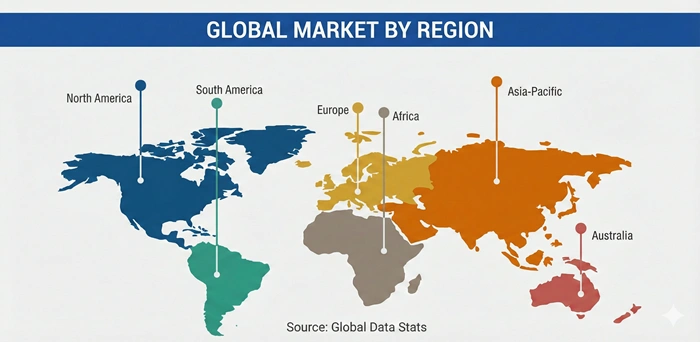
Asia Pacific commands the chromium phosphate market with dominant share exceeding 47%, driven by concentrated automotive manufacturing, construction expansion, and industrial chemical production across China, India, and Japan where rapid industrialization and export-oriented manufacturing consume substantial chromium phosphate volumes. China alone accounts for approximately 50% of Asia Pacific market share with automotive production exceeding 25 million vehicles annually and construction sector producing massive coating demand. Domestic chromium phosphate production operated by Chinese manufacturers including specialized chemical companies serves regional consumption and limited export markets. Japanese precision manufacturing particularly automotive component coating and specialty chemical production maintains consistent chromium phosphate consumption. Indian automotive and construction sectors demonstrating rapid growth create expanding opportunities. South Korean automotive industry including Hyundai and Kia manufacturing operations consumes specialized surface treatment products.
Regional industrial policies strengthen Asia Pacific's market position through manufacturing incentives, infrastructure investment, and automotive industry support promoting domestic chemical production capabilities. Chinese industrial policy emphasizing advanced manufacturing, environmental protection technology, and chemical industry modernization maintains substantial chromium phosphate production and consumption growth. Japanese government programs supporting innovation, quality manufacturing, and export competitiveness promote technology advancement. Indian Make in India initiatives and Production Linked Incentive schemes support automotive and chemical manufacturing development. Leading regional chemical companies including BASF Asia Pacific operations, Japanese specialty chemical producers, and Chinese coating manufacturers maintain chromium phosphate supply chains serving automotive OEMs, coating manufacturers, and construction material producers. Automotive industry particularly Chinese electric vehicle production, Japanese quality focus, and Indian manufacturing expansion creates specialized demand. The region's market dominance continues through 2033 as automotive growth, construction expansion, and industrial development create sustained demand supporting continued leadership throughout forecast period.
North America
Established Automotive Industry and Aerospace Manufacturing Drive Significant Regional Market Position
North America maintains significant chromium phosphate market presence with substantial share approaching 28%, propelled by established automotive industry, aerospace manufacturing, infrastructure maintenance, and specialty coating applications. United States dominates regional market accounting for approximately 80% of North American consumption with automotive coating sector, aerospace component protection, and industrial maintenance creating concentrated demand. Leading chromium phosphate suppliers including BASF North American operations and specialty chemical distributors maintain regional supply chains serving coating manufacturers and end-users. Automotive industry particularly Detroit manufacturing cluster including General Motors, Ford, and Stellantis facilities consuming conversion coating products for surface preparation and corrosion protection. Aerospace manufacturing concentrated in Seattle, Southern California, and regional facilities requiring specialized chromium phosphate-based coatings for aircraft component protection.
Regional market characteristics emphasize quality standards, regulatory compliance, and advanced application technologies supporting premium segments. United States Environmental Protection Agency implementing chromium emissions standards, hazardous waste regulations, and occupational safety requirements drives compliance investments and alternative technology adoption. Automotive OEM coating specifications requiring proven corrosion protection, adhesion performance, and environmental compliance maintain chromium phosphate relevance particularly trivalent formulations. Aerospace industry demanding rigorous qualification testing, long-term reliability, and performance documentation consumes premium chromium phosphate products. Leading coating manufacturers including PPG Industries, Axalta Coating Systems, and Sherwin-Williams maintain technical capabilities and application expertise. Infrastructure maintenance particularly bridge protection, industrial facility coating, and transportation equipment maintenance creates consistent demand. Research institutions advancing chromium-free alternatives, hybrid coating systems, and nanotechnology applications influence market evolution. The region's market position maintains significance through 2033 as automotive requirements, aerospace applications, and quality focus create sustained consumption throughout forecast period.
Top Key Players
-
BASF SE (Germany)
-
Merck KGaA (Germany)
-
American Elements (United States)
-
Mil-Spec Industries Corporation (United States)
-
Noah Technologies Corporation (United States)
-
Chemetall GmbH (Germany)
-
Clariant AG (Switzerland)
-
Shepherd Chemical Company (United States)
-
Heubach GmbH (Germany)
-
Cathay Industries (France)
-
Hangzhou Hairui Chemical Co. Ltd. (China)
-
Yipin Pigments Inc. (China)
-
Lanxess AG (Germany)
Recent Developments
-
BASF Chemetall (2025): Launched Gardolene D representing first chromium-free and fluoride-free passivation technology for copper foils providing superior corrosion protection and improved battery performance, demonstrating innovation leadership in sustainable surface treatment solutions addressing environmental regulations while maintaining performance standards serving electronics and automotive battery applications globally.
-
Merck KGaA (2022-2025): Completed strategic divestiture of Surface Solutions business formerly Effect Pigments generating sales of 411 million euros in 2023 to ALTANA focusing corporate resources on high-tech Electronics applications including semiconductor development, transferring approximately 1200 employees primarily based in Germany while ensuring continued service to coating industrial and cosmetic applications under new ownership.
-
BASF (2024-2025): Implemented Winning Ways corporate strategy emphasizing sustainable solutions and green transformation ambitions with transformation spending averaging 600 million euros annually from 2025 to 2028, reorganizing Surface Technologies segment separating Environmental Catalyst Metal Solutions and Battery Materials businesses effective January 2025 demonstrating strategic portfolio optimization.
-
American Elements (2023-2024): Expanded specialty chromium compound production capacity including high-purity chromium phosphate grades serving aerospace, electronics, and medical device applications, implementing advanced synthesis processes and quality control systems meeting stringent customer specifications and regulatory requirements while maintaining competitive pricing supporting North American market position.
-
Shepherd Chemical Company (2023-2025): Advanced chromium-based specialty chemical portfolio development including trivalent chromium phosphate formulations meeting environmental compliance standards, investing in application development support and technical service capabilities serving automotive coating manufacturers and industrial surface treatment customers addressing regulatory evolution while maintaining performance characteristics.
Market Trends
Environmental Compliance and Alternative Technology Development Reshape Industry Competitive Dynamics
The chromium phosphate market experiences transformative trends centered on environmental compliance as regulatory restrictions, sustainability commitments, and chromium-free technology development drive innovation across production processes and application formulations. Manufacturers implement trivalent chromium processes replacing hexavalent systems reducing toxicity profiles and environmental impacts while maintaining acceptable corrosion protection performance. BASF pioneering Gardolene D chromium-free passivation technology demonstrates industry direction eliminating chromium entirely from specific applications while preserving or enhancing corrosion resistance. Hybrid coating systems incorporating reduced chromium phosphate concentrations combined with organic inhibitors, silane coupling agents, or ceramic nanoparticles deliver performance while minimizing heavy metal content. Closed-loop manufacturing systems capturing process emissions, treating wastewater streams, and recycling chromium-containing materials reduce environmental discharges and improve resource efficiency. Life cycle assessment quantifying environmental impacts, carbon footprints, and sustainability metrics supports customer decision-making and regulatory compliance. These environmental initiatives create competitive advantages as automotive OEMs, aerospace manufacturers, and coating specifiers increasingly prioritize suppliers demonstrating environmental stewardship and regulatory compliance throughout forecast period.
Nanotechnology integration trends reshape the chromium phosphate market as researchers develop nano-sized particles, mesoporous structures, and advanced coating architectures delivering enhanced performance characteristics. Nano-chromium phosphate formulations achieving particle sizes below 100 nanometers demonstrate superior surface area enabling improved corrosion inhibition at lower loadings. Mesoporous structures providing controlled porosity and high surface area create opportunities for catalytic applications, controlled-release systems, and functional coatings beyond traditional corrosion protection. Surface modification technologies incorporating coupling agents, dispersants, or polymer grafting improve nanoparticle compatibility within coating matrices ensuring uniform distribution and preventing agglomeration. Hybrid nanocomposite coatings combining chromium phosphate nanoparticles with graphene oxide, carbon nanotubes, or ceramic materials deliver synergistic properties including enhanced barrier protection, mechanical strength, and thermal stability. Medical applications utilizing biocompatible nano-chromium phosphate for implant coatings, antimicrobial surfaces, or drug delivery systems demonstrate expanding opportunities. These advanced applications command premium pricing supporting market value growth throughout forecast period.
Segments Covered in the Report
By Grade
-
Industrial Grade (Standard Purity, General Applications)
-
Pharmaceutical Grade (High Purity, Medical Applications)
-
Electronic Grade (Ultra-High Purity, Specialty Uses)
By Type
-
Hexahydrated Chromium Phosphate (Traditional Form, Coating Applications)
-
Mesoporous Phase (High Surface Area, Advanced Applications)
-
Amorphous Phase (Non-Crystalline, Specialty Uses)
-
Film Form (Thin Coatings, Surface Treatment)
By Application
-
Corrosion Protection (Conversion Coatings, Primers, Inhibitors)
-
Architectural Coatings (Exterior Paints, Green Pigments, Weather-Resistant Finishes)
-
Catalysts (Chemical Processes, Industrial Applications)
-
Medical Applications (Biocompatible Coatings, Specialized Devices)
-
Others (Specialty Uses, Niche Applications)
By End-Use Industry
-
Automotive and Transportation (OEM Coatings, Component Protection, Surface Treatment)
-
Construction and Building Materials (Architectural Paints, Infrastructure Coatings)
-
Aerospace and Defense (Aircraft Components, Military Equipment)
-
Industrial Equipment (Machinery Coatings, Chemical Processing)
-
Medical Devices (Implants, Surgical Instruments)
-
Others (Electronics, Consumer Products)
By Region
-
North America (United States, Canada, Mexico)
-
Europe (Germany, France, United Kingdom, Italy, Spain, Rest of Europe)
-
Asia Pacific (China, India, Japan, South Korea, Southeast Asia, Rest of Asia Pacific)
-
Latin America (Brazil, Argentina, Rest of Latin America)
-
Middle East & Africa (UAE, Saudi Arabia, South Africa, Rest of MEA)
Frequently Asked Questions
Question 1: What is the projected size of the chromium phosphate market by 2033?
Answer: The global chromium phosphate market is expected to reach approximately USD 356.70 million by 2033, growing from USD 166.61 million in 2026. This substantial expansion reflects automotive industry growth, construction sector expansion, corrosion protection demand, and specialty coating applications across diverse end-use industries worldwide.
Question 2: Which region dominates the chromium phosphate market currently?
Answer: Asia Pacific leads the chromium phosphate market with over 47% share, driven by concentrated automotive manufacturing, construction expansion, and industrial chemical production across China, India, and Japan. Regional producers and multinational chemical companies including BASF Asia Pacific operations maintain dominant positions serving domestic and regional markets.
Question 3: What are the primary drivers of chromium phosphate market growth?
Answer: Key growth drivers include automotive industry expansion requiring conversion coatings and corrosion protection, infrastructure investment demanding durable protective systems, aerospace manufacturing utilizing specialized component coatings, and architectural coating applications leveraging chromium phosphate pigments. Nanotechnology integration and advanced coating development create additional opportunities throughout forecast period.
Question 4: Which application segment holds the largest chromium phosphate market share?
Answer: Corrosion protection applications dominate the chromium phosphate market with approximately 42% share due to automotive conversion coatings, industrial equipment protection, and infrastructure maintenance demonstrating sustained consumption. Automotive OEM surface treatment and industrial coating applications drive consistent demand supporting market leadership position.
Question 5: How do environmental regulations impact the chromium phosphate market?
Answer: Environmental regulations drive trivalent chromium adoption, chromium-free alternative development, and sustainable production practices addressing hexavalent chromium restrictions and heavy metal concerns. Automotive manufacturers and coating producers increasingly prioritize environmental compliance, workplace safety, and sustainable technologies. These regulatory pressures create both challenges and opportunities driving market evolution throughout forecast period.