
Chemical Indicators Market Overview
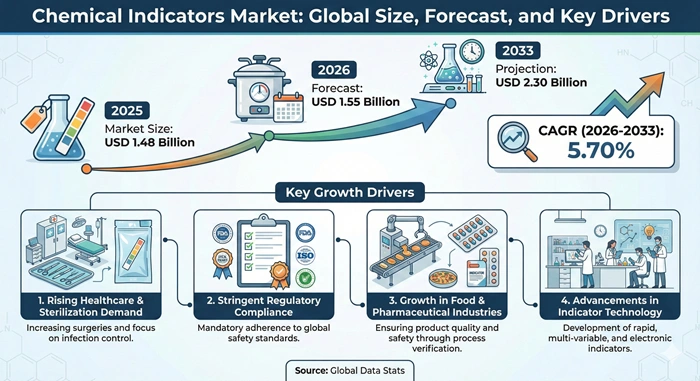
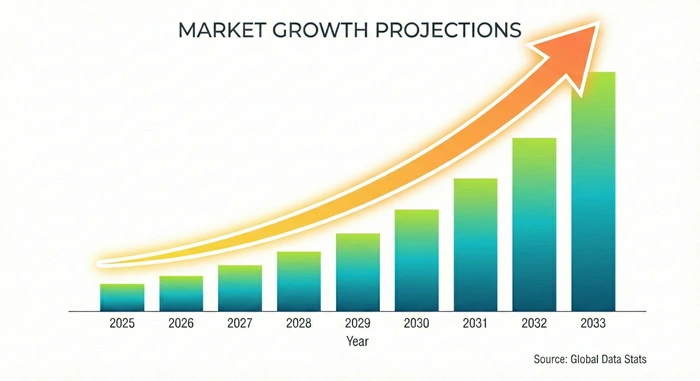
The global chemical indicators market size is valued at USD 1.48 billion in 2025 and is predicted to increase from USD 1.55 billion in 2026 to approximately USD 2.30 billion by 2033, growing at a CAGR of 5.70% from 2026 to 2033.
Chemical indicators serve as critical sterilization monitoring tools that undergo visible physical or chemical changes when exposed to specific parameters such as temperature, time, and sterilant presence. These consumable products play an indispensable role in verifying whether sterilization processes have achieved the necessary conditions to eliminate microorganisms from medical devices, pharmaceutical products, and surgical instruments. Healthcare facilities, pharmaceutical manufacturers, and medical device companies rely heavily on these validation tools to ensure patient safety and regulatory compliance.
The demand for sterilization verification solutions continues expanding as healthcare-associated infections remain a significant concern globally. Chemical indicators provide immediate visual confirmation of sterilization exposure, enabling healthcare professionals to quickly identify properly processed instruments and products. The market benefits from growing surgical procedure volumes, stricter infection control protocols, and increasing pharmaceutical manufacturing activities requiring validated sterilization monitoring systems.
AI Impact on the Chemical Indicators Industry
Artificial Intelligence Integration Enhances Sterilization Monitoring Accuracy and Drives Digital Transformation Across the Chemical Indicators Market
Artificial intelligence technologies are gradually reshaping the chemical indicators market by introducing smart monitoring systems that analyze sterilization data patterns and identify potential process deviations before failures occur. AI-powered platforms integrated with chemical indicators enable healthcare facilities to track sterilization cycles in real-time, automatically documenting results and flagging anomalies that require immediate attention. These intelligent systems reduce human interpretation errors by providing objective analysis of color changes and process parameters, ensuring consistent sterilization validation across different operators and shifts.
Machine learning algorithms process historical sterilization data to optimize cycle parameters, predict equipment maintenance needs, and identify trends that may indicate emerging sterilization challenges. The integration of AI with digital chemical indicators creates comprehensive audit trails that satisfy regulatory requirements while streamlining documentation workflows. As smart hospitals and automated pharmaceutical manufacturing facilities proliferate, the chemical indicators market will increasingly incorporate AI-enabled solutions that deliver enhanced accuracy, traceability, and compliance assurance. Early adopters of these technologies report significant improvements in sterilization monitoring efficiency and regulatory readiness, positioning artificial intelligence as a transformative force within the industry.
Growth Factors
Rising Hospital-Acquired Infections and Expanding Healthcare Infrastructure Fuel Robust Growth in the Chemical Indicators Market
The chemical indicators market experiences strong growth momentum driven by the alarming prevalence of hospital-acquired infections that continue affecting millions of patients worldwide despite advances in infection control protocols. Healthcare facilities face mounting pressure to implement rigorous sterilization monitoring programs that prevent transmission of infectious agents through contaminated medical instruments. Regulatory agencies including the FDA, CDC, and equivalent international bodies mandate comprehensive sterilization validation using chemical indicators as a standard practice in hospitals, clinics, and surgical centers. These compliance requirements create sustained demand for sterilization monitoring consumables across all healthcare settings.
Demographic shifts toward aging populations generate increased surgical procedure volumes and chronic disease management activities requiring sterilized medical devices and instruments. The expansion of healthcare infrastructure in emerging economies brings modern hospitals and diagnostic laboratories online, each requiring validated sterilization processes supported by chemical indicators. Medical device complexity continues increasing with advanced materials and intricate designs that necessitate specialized sterilization methods, driving demand for application-specific indicators. The chemical indicators market also benefits from pharmaceutical industry growth, particularly in biologics manufacturing where sterile processing environments and equipment sterilization remain paramount. These converging factors establish a robust foundation for sustained market expansion throughout the forecast period.
Market Outlook
Product Innovation and Geographic Expansion Define Strategic Priorities Shaping the Future of the Chemical Indicators Market
The outlook for the chemical indicators market remains highly positive as manufacturers invest in next-generation products offering enhanced sensitivity, faster readout times, and improved user experience. Industry leaders focus on developing multi-parameter integrating indicators that provide more comprehensive sterilization validation by monitoring multiple critical variables simultaneously. The shift toward single-use disposable indicators accelerates as healthcare facilities prioritize contamination risk reduction and operational simplicity over reusable alternatives requiring additional processing steps.
Geographic expansion into high-growth emerging markets represents a strategic priority as pharmaceutical manufacturing and medical device production increasingly shift to Asia-Pacific, Latin America, and other developing regions. The chemical indicators market will witness continued consolidation as larger manufacturers acquire regional players to expand distribution networks and product portfolios. Environmental sustainability considerations drive research into biodegradable and eco-friendly indicator formulations that maintain performance while reducing environmental impact. Regulatory harmonization across international markets simplifies global distribution and accelerates product approval timelines for manufacturers serving multinational healthcare and pharmaceutical customers. These strategic developments position the market for transformation into a more innovative, globally integrated industry delivering advanced sterilization monitoring solutions.
Expert Speaks
-
James M. Mullen, CEO of STERIS plc, emphasized in 2025 that the company's mobile sterilization solutions are designed to enhance patient safety by delivering reliable and on-demand sterilization across diverse clinical settings, highlighting the critical importance of effective sterilization monitoring in modern healthcare delivery.
-
Mattias Perjos, CEO of Getinge, stated the company's commitment to contributing to a more sustainable healthcare and society, with work driven by the conviction that a responsible company contributes to increased value for customers and society at large through infection prevention and quality sterilization solutions.
-
Industry analysts from leading healthcare research organizations indicate that manufacturers developing smart, digitally-enabled chemical indicators with superior accuracy and automated documentation capabilities will capture significant market share as healthcare facilities prioritize solutions that streamline compliance and reduce operational burden.
Key Report Takeaways
-
North America leads the chemical indicators market, commanding approximately 38% market share due to advanced healthcare infrastructure, stringent regulatory enforcement, and concentrated presence of pharmaceutical and medical device manufacturers requiring validated sterilization monitoring solutions
-
Asia-Pacific emerges as the fastest-growing region with the highest projected CAGR exceeding 7% during the forecast period, driven by rapid healthcare infrastructure expansion, increasing pharmaceutical manufacturing activity, and rising awareness of infection control standards across China, India, and Southeast Asian nations
-
Hospitals and clinics represent the largest end-user segment, utilizing chemical indicators most extensively for routine sterilization monitoring of surgical instruments, medical devices, and equipment across operating rooms, central sterile supply departments, and outpatient facilities
-
Steam chemical indicators dominate the product segment, contributing approximately 45-48% market share due to the widespread adoption of steam sterilization as the primary method for heat-stable medical devices and surgical instruments in healthcare facilities globally
-
Multi-variable indicators lead the parameter segment, offering comprehensive validation by monitoring multiple critical sterilization variables simultaneously, thereby providing superior assurance compared to single-parameter indicators
-
The hydrogen peroxide chemical indicators segment will experience the fastest growth, projected to expand at a CAGR exceeding 8% as healthcare facilities and pharmaceutical manufacturers increasingly adopt vaporized hydrogen peroxide sterilization for heat-sensitive devices and biologics manufacturing equipment
Market Scope
| Report Coverage | Details |
|---|---|
| Market Size by 2033 | USD 2.30 Billion |
| Market Size by 2025 | USD 1.48 Billion |
| Market Size by 2026 | USD 1.55 Billion |
| Market Growth Rate from 2026 to 2033 | CAGR of 5.70% |
| Dominating Region | North America |
| Fastest Growing Region | Asia-Pacific |
| Base Year | 2025 |
| Forecast Period | 2026 to 2033 |
| Segments Covered | Product Type, Parameter, Sterilization Method, Form, End-User, Region |
| Regions Covered | North America, Europe, Asia-Pacific, Latin America, Middle East & Africa |
Market Dynamics
Drivers Impact Analysis
Growing Prevalence of Hospital-Acquired Infections and Stringent Regulatory Requirements Accelerate Chemical Indicators Market Expansion
| Impact Factor | Details |
|---|---|
| Approximate Impact on CAGR Forecast | +2.0% to +2.5% |
| Geographic Relevance | Global, particularly strong in North America and Europe |
| Impact Timeline | Immediate and sustained through 2033 |
The chemical indicators market benefits substantially from the persistent challenge of hospital-acquired infections that affect healthcare systems worldwide, creating urgent demand for validated sterilization monitoring solutions. These infections result from inadequate sterilization of medical devices and surgical instruments, driving healthcare facilities to implement comprehensive monitoring programs incorporating chemical indicators at multiple process checkpoints. Regulatory agencies mandate rigorous sterilization validation protocols that require chemical indicators as standard practice, establishing a baseline demand that persists regardless of economic conditions.
Pharmaceutical and biopharmaceutical manufacturing expansion creates additional demand as companies producing sterile drugs, biologics, and medical devices require validated sterilization for production equipment and cleanroom environments. The chemical indicators market gains momentum from increasing surgical procedure volumes associated with aging populations and rising chronic disease prevalence requiring interventional treatments. Medical device manufacturers face growing pressure to demonstrate sterilization validation through comprehensive documentation supported by chemical indicators that verify proper processing. These combined drivers create powerful tailwinds propelling sustained market growth as healthcare quality standards intensify globally.
Restraints Impact Analysis
Limited Adoption in Resource-Constrained Settings and Availability of Alternative Validation Methods Challenge Chemical Indicators Market Growth
| Impact Factor | Details |
|---|---|
| Approximate Impact on CAGR Forecast | -0.8% to -1.2% |
| Geographic Relevance | Primarily developing regions in Asia-Pacific, Latin America, Africa |
| Impact Timeline | Ongoing through 2028, potential moderation afterward |
The chemical indicators market encounters significant challenges in low and middle-income countries where healthcare facilities often lack consistent adherence to sterilization monitoring protocols due to cost constraints and limited regulatory enforcement. Many healthcare providers in developing regions view sterilization monitoring consumables as discretionary expenses, opting to minimize usage as a cost-cutting measure despite elevated infection risks. This limited adoption in resource-constrained settings restricts market penetration in high-population regions that could otherwise represent substantial growth opportunities.
Competition from biological indicators, which provide direct confirmation of microbial inactivation and are considered the gold standard for sterilization validation, constrains chemical indicators market share in well-resourced healthcare facilities prioritizing maximum assurance. Some healthcare settings rely primarily on indicator tapes and process indicators as minimal monitoring solutions, bypassing more sophisticated chemical indicators that provide comprehensive validation. The chemical indicators market also faces challenges from price sensitivity among smaller healthcare facilities and contract sterilization providers operating on thin margins. Despite these restraints, the fundamental requirement for sterilization monitoring ensures continued market growth, though at moderated rates reflecting these adoption and competitive barriers.
Opportunities Impact Analysis
Pharmaceutical Manufacturing Expansion and Alternative Sterilization Technology Adoption Create Significant Growth Opportunities in the Chemical Indicators Market
| Impact Factor | Details |
|---|---|
| Approximate Impact on CAGR Forecast | +1.2% to +1.8% |
| Geographic Relevance | Asia-Pacific, Latin America, emerging pharmaceutical hubs |
| Impact Timeline | Accelerating from 2026 through 2033 |
The chemical indicators market presents substantial untapped opportunities in emerging pharmaceutical manufacturing hubs where rapidly expanding production capacity requires validated sterilization monitoring for equipment, facilities, and processes. Countries including India, China, and Southeast Asian nations are establishing themselves as global pharmaceutical production centers, creating immediate demand for chemical indicators meeting international regulatory standards. Contract manufacturing organizations serving multinational pharmaceutical clients require comprehensive sterilization validation documentation, driving adoption of advanced chemical indicators that support regulatory submissions.
Growing adoption of alternative sterilization technologies including vaporized hydrogen peroxide, ethylene oxide, and low-temperature plasma creates demand for application-specific chemical indicators designed for these methods. The chemical indicators market can capitalize on increasing awareness of sterilization monitoring importance by developing educational programs and partnerships with healthcare professional organizations in underserved regions. Manufacturers investing in innovative product formats such as self-adhesive indicators, ready-to-use test packs, and rapid-readout indicators that simplify sterilization monitoring will capture market share from traditional products. These strategic opportunities enable forward-thinking companies to differentiate their offerings and establish leadership positions in high-growth market segments throughout the forecast period.
Segment Analysis
By Product Type
Steam Chemical Indicators Dominate Market Through Widespread Steam Sterilization Adoption and Established Clinical Protocols
Steam chemical indicators command the largest share within the chemical indicators market, accounting for approximately 45-48% market share in 2025 and maintaining steady growth with a projected CAGR of 5.2-5.5% during the forecast period. This product category's dominance reflects the universal adoption of steam sterilization as the primary method for processing heat-stable surgical instruments, medical devices, and reusable equipment across hospitals and healthcare facilities globally. Steam sterilization offers rapid cycle times, low operating costs, and well-established validation protocols that have made it the preferred sterilization method for the majority of healthcare applications. North America represents the largest regional market for steam chemical indicators, driven by extensive installed base of steam sterilizers in hospitals and the regulatory requirement for routine sterilization monitoring using both chemical and biological indicators.
Leading manufacturers including 3M, STERIS, Solventum, and Getinge offer comprehensive portfolios of steam chemical indicators ranging from simple process indicators to sophisticated integrating indicators that monitor multiple critical parameters simultaneously. The segment benefits from continuous product innovation including faster color change formulations, clearer endpoint interpretation, and integration with digital documentation systems that streamline compliance workflows. European markets demonstrate strong demand for steam indicators as medical device reprocessing departments implement ISO 17665 sterilization standards requiring comprehensive process monitoring. Asia-Pacific emerges as a high-growth region with expanding hospital infrastructure driving steam sterilizer installations and corresponding chemical indicators demand. The steam chemical indicators segment maintains its leadership position through the fundamental reliance on steam sterilization across healthcare facilities and the regulatory mandate for routine monitoring that ensures sustained consumable demand.
Hydrogen Peroxide Chemical Indicators Experience Fastest Growth Driven by Low-Temperature Sterilization Adoption and Biologics Manufacturing Expansion
Hydrogen peroxide chemical indicators represent the fastest-growing segment within the chemical indicators market, projected to expand at a robust CAGR exceeding 8% from 2026 to 2033 as healthcare and pharmaceutical sectors increasingly adopt vaporized hydrogen peroxide sterilization technology. This low-temperature sterilization method addresses the growing portfolio of heat-sensitive medical devices including advanced endoscopes, robotic surgical instruments, and electronics-integrated devices that cannot withstand steam sterilization temperatures. Pharmaceutical and biopharmaceutical manufacturers utilize hydrogen peroxide sterilization for production equipment, isolators, and cleanroom environments, creating substantial demand for compatible chemical indicators that verify proper sterilization conditions.
The segment benefits from regulatory push toward alternatives to ethylene oxide sterilization, which faces environmental restrictions in several jurisdictions, positioning hydrogen peroxide as a preferred substitute for many applications. Leading chemical indicators manufacturers invest in developing specialized formulations that respond specifically to hydrogen peroxide vapor concentrations and exposure times, ensuring accurate validation of these sterilization cycles. North America and Europe lead adoption of hydrogen peroxide sterilization technology with established regulatory frameworks and significant installed base of vaporized hydrogen peroxide sterilizers from manufacturers including STERIS and Getinge. The chemical indicators market in Asia-Pacific shows accelerating growth for hydrogen peroxide indicators as pharmaceutical companies establish biologics manufacturing facilities incorporating advanced low-temperature sterilization systems. Major players in this segment include ASP (Fortive), Solventum, STERIS, and Getinge, each offering hydrogen peroxide-specific indicators designed for rapid readout and simplified interpretation. The segment's exceptional growth trajectory reflects the broader industry shift toward low-temperature sterilization technologies and the specialized validation requirements these methods demand.
Regional Insights
North America
Advanced Healthcare Infrastructure and Stringent Regulatory Environment Establish North America as the Dominant Chemical Indicators Market
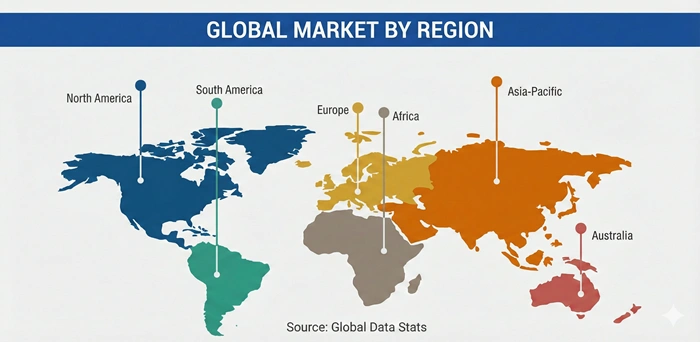
North America maintains commanding leadership in the chemical indicators market, accounting for approximately 38% of global market share in 2025 and projected to grow at a steady CAGR of 5.5-6.0% throughout the forecast period. The region's market dominance stems from sophisticated healthcare infrastructure with extensive sterilization capacity across hospitals, ambulatory surgical centers, and dental practices that collectively process millions of reusable medical devices daily. Stringent regulatory oversight by the FDA and CDC mandates comprehensive sterilization monitoring using chemical indicators as standard practice, creating sustained baseline demand independent of economic fluctuations. The United States represents the largest national market with major chemical indicators manufacturers including STERIS, Solventum (formerly 3M), and Crosstex maintaining significant production and distribution operations serving healthcare and pharmaceutical customers.
The chemical indicators market in North America benefits from high healthcare expenditure levels that enable facilities to implement comprehensive sterilization quality assurance programs incorporating multiple monitoring technologies. Leading regional healthcare systems establish centralized sterile processing departments equipped with advanced sterilization equipment and automated documentation systems that integrate chemical indicators results into electronic quality management platforms. Major pharmaceutical and medical device manufacturing operations concentrated in the United States and Canada require validated sterilization monitoring for production facilities, driving significant commercial demand beyond healthcare facility consumption. The region demonstrates strong adoption of advanced multi-parameter integrating indicators and rapid-readout chemical indicators that improve workflow efficiency in high-volume sterile processing operations. Despite market maturity, North America sustains solid growth driven by ongoing hospital construction, surgical procedure volume increases, and regulatory emphasis on infection prevention that reinforces sterilization monitoring as a non-negotiable quality standard.
Asia-Pacific
Rapid Healthcare Expansion and Pharmaceutical Manufacturing Growth Position Asia-Pacific as the Fastest-Growing Chemical Indicators Market
Asia-Pacific represents the fastest-growing regional segment in the chemical indicators market, projected to expand at an exceptional CAGR of 8.0-8.5% during 2026-2033 as the region undergoes dramatic healthcare infrastructure development and pharmaceutical industry expansion. Countries including China, India, Japan, South Korea, and Southeast Asian nations invest heavily in hospital construction and healthcare capacity expansion to serve growing populations and rising healthcare utilization rates. The chemical indicators market benefits from increasing awareness of infection control importance as governments and healthcare organizations implement quality standards aligned with international best practices for sterilization monitoring.
Pharmaceutical manufacturing relocation to Asia-Pacific creates substantial demand as multinational companies establish production facilities requiring validated sterilization processes meeting FDA, EMA, and other regulatory authority standards for global market access. China emerges as the largest national market within Asia-Pacific with extensive hospital network and rapidly growing pharmaceutical manufacturing sector driving chemical indicators consumption across healthcare and industrial applications. India demonstrates particularly strong growth potential with government initiatives promoting medical device manufacturing and pharmaceutical production supporting market expansion. Leading chemical indicators manufacturers including STERIS, Getinge, 3M, and regional players like Terragene establish local distribution networks and partnerships to serve the expanding customer base. The market in Southeast Asian nations including Vietnam, Thailand, and Indonesia grows rapidly as healthcare infrastructure modernization programs incorporate international sterilization standards requiring chemical indicators monitoring. Workforce development initiatives and increasing availability of training programs on proper sterilization monitoring techniques accelerate market adoption across the region. The chemical indicators market in Asia-Pacific benefits from favorable demographic trends, economic development, and healthcare quality improvement initiatives that collectively create exceptional growth opportunities throughout the forecast period.
Top Key Players
-
3M Company (United States)
-
STERIS plc (Ireland)
-
Solventum (United States)
-
Getinge AB (Sweden)
-
Mesa Laboratories Inc. (United States)
-
ASP (Fortive Corporation) (United States)
-
Terragene S.A. (Argentina)
-
Tuttnauer (Netherlands)
-
Propper Manufacturing Co. Inc. (United States)
-
Crosstex International Inc. (United States)
-
Thermo Fisher Scientific Inc. (United States)
-
gke GmbH (Germany)
-
STEELCO SpA (Italy)
-
Raven Biological Laboratories Inc. (United States)
-
Excelsior Scientific Ltd (United Kingdom)
Recent Developments
-
ASP (Fortive Corporation) (2025) – Launched the BIOTRACE Instant Read Steam System featuring the fastest FDA-cleared steam biological indicator readout in the U.S. market at seven seconds, significantly reducing typical industry wait times from 20 minutes and enabling real-time sterilization validation
-
Solventum (2025) – Introduced the Attest Super Rapid VH2O2 Clear Challenge Pack, the first FDA-cleared preassembled test pack for routine monitoring across multiple sterilizer brands and models, integrating both biological and chemical indicators for comprehensive validation
-
ASP (Fortive Corporation) (2023) – Announced the launch of the VERISURE chemical indicator designed for rapid and easy monitoring of sterilization processes in healthcare settings, enhancing workflow efficiency and providing clear visual confirmation of critical parameters
-
STERIS (2025) – Expanded Applied Sterilization Technologies service offerings with enhanced vaporized hydrogen peroxide sterilization capabilities at multiple facilities, driving corresponding demand for specialized hydrogen peroxide chemical indicators
-
3M/Solventum (2024) – Completed strategic separation creating Solventum as independent company focused on healthcare solutions including sterilization monitoring products, positioning the organization for accelerated innovation in chemical and biological indicators development
Market Trends
Digital Integration, Sustainability Focus, and Multi-Parameter Indicators Define Evolution Across the Chemical Indicators Market
The chemical indicators market experiences significant transformation as manufacturers respond to healthcare industry digitalization trends by developing products compatible with electronic documentation systems and automated sterilization equipment. Smart chemical indicators incorporating machine-readable codes, digital image capture compatibility, and integration with sterile processing management software streamline documentation workflows and reduce manual transcription errors. These technological enhancements appeal to healthcare facilities implementing comprehensive quality management systems that require seamless data capture and traceability for regulatory compliance and performance improvement initiatives.
Environmental sustainability considerations drive research and development efforts toward biodegradable indicator formulations and reduced packaging materials that maintain sterilization monitoring performance while minimizing environmental impact. The chemical indicators market witnesses growing preference for multi-parameter integrating indicators that monitor multiple critical sterilization variables simultaneously, providing comprehensive validation superior to single-parameter indicators. Healthcare facilities increasingly adopt standardized test packs incorporating chemical indicators that simplify routine monitoring and ensure consistent placement within sterilizer loads. The shift toward single-use disposable indicators accelerates as infection prevention programs prioritize contamination risk reduction and operational simplicity. Manufacturers invest in user experience improvements including clearer color change endpoints, simplified interpretation guidelines, and intuitive packaging that reduces training requirements for sterile processing personnel. These converging trends reshape the market toward more sophisticated, user-friendly products that deliver enhanced validation capabilities while supporting operational efficiency and regulatory compliance objectives.
Segments Covered in the Report
By Product Type
-
Steam Chemical Indicators
-
Hydrogen Peroxide Chemical Indicators
-
Ethylene Oxide Chemical Indicators
-
Dry Heat Chemical Indicators
-
Others
By Parameter
-
Single-Variable Indicators
-
Multi-Variable Indicators
-
Integrating Indicators
By Sterilization Method
-
Steam Sterilization
-
Hydrogen Peroxide Sterilization
-
Ethylene Oxide Sterilization
-
Dry Heat Sterilization
-
Others
By Form
-
Liquid Chemical Indicators
-
Strip/Paper Chemical Indicators
-
Tablet/Pellet Indicators
-
Tape Indicators
-
Others
By End-User
-
Hospitals and Clinics
-
Pharmaceutical and Medical Device Manufacturers
-
Contract Sterilization Services
-
Diagnostic Laboratories
-
Others
By Region
-
North America (United States, Canada, Mexico)
-
Europe (Germany, United Kingdom, France, Italy, Spain, Rest of Europe)
-
Asia-Pacific (China, Japan, India, South Korea, Australia, Southeast Asia, Rest of Asia-Pacific)
-
Latin America (Brazil, Argentina, Rest of Latin America)
-
Middle East & Africa (GCC Countries, South Africa, Rest of Middle East & Africa)
Frequently Asked Questions
Question 1: What is the expected size of the chemical indicators market by 2033?
Answer: The chemical indicators market is expected to reach approximately USD 2.30 billion by 2033, growing from USD 1.55 billion in 2026 at a CAGR of 5.70%. This growth reflects increasing healthcare infrastructure expansion and stringent sterilization monitoring requirements globally.
Question 2: Which region dominates the chemical indicators market currently?
Answer: North America dominates the chemical indicators market with approximately 38% market share, driven by advanced healthcare infrastructure and strict regulatory requirements. The region benefits from well-established sterilization protocols and significant pharmaceutical manufacturing activity requiring validated monitoring solutions.
Question 3: What factors are driving growth in the chemical indicators market?
Answer: The chemical indicators market grows due to rising hospital-acquired infection concerns, stringent regulatory sterilization validation requirements, and expanding pharmaceutical manufacturing activities. Increasing surgical procedure volumes and medical device complexity also contribute significantly to sustained market expansion.
Question 4: Which product type holds the largest share in the chemical indicators market?
Answer: Steam chemical indicators dominate the chemical indicators market with approximately 45-48% market share due to widespread steam sterilization adoption in healthcare facilities. This method remains the preferred choice for heat-stable medical devices and surgical instruments requiring terminal sterilization.
Question 5: How do chemical indicators market trends reflect industry digitalization?
Answer: The chemical indicators market increasingly incorporates digital integration features including machine-readable formats and compatibility with electronic documentation systems. Smart indicators enable automated data capture, real-time monitoring, and seamless integration with quality management platforms enhancing compliance and operational efficiency.