
Chemical Gas Sterilizers Market Overview
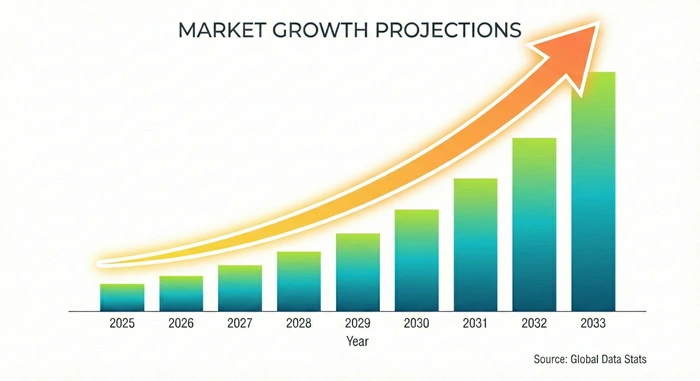
The global chemical gas sterilizers market size is valued at USD 1.32 billion in 2025 and is predicted to increase from USD 1.40 billion in 2026 to approximately USD 2.36 billion by 2033, growing at a CAGR of 4.50% from 2026 to 2033.
Chemical gas sterilizers represent specialized medical equipment that utilizes gaseous chemical agents including ethylene oxide, hydrogen peroxide vapor, and nitrogen dioxide to eliminate all forms of microbial life from heat-sensitive and moisture-sensitive medical devices and equipment. These sterilization systems provide critical solutions for healthcare facilities, pharmaceutical manufacturers, and medical device companies requiring validated sterility assurance for complex instruments that cannot withstand high-temperature steam sterilization processes. The equipment operates through controlled exposure cycles where gas penetrates device lumens, crevices, and porous materials to destroy bacteria, viruses, fungi, and bacterial spores. Growing prevalence of hospital-acquired infections, increasing surgical procedure volumes, expanding medical device manufacturing capacity, and stringent regulatory requirements for device sterility are driving robust market expansion.
Healthcare facilities worldwide face mounting pressure to maintain infection control standards that prevent transmission of pathogens through contaminated surgical instruments and diagnostic equipment. Chemical gas sterilizers provide proven efficacy against resistant microorganisms while preserving the integrity of sophisticated medical technologies including flexible endoscopes, laparoscopic instruments, electronic devices, fiber optic equipment, and polymer-based products. The market benefits from regulatory endorsements validating chemical gas sterilization methods, substantial investments in emissions control technologies addressing environmental concerns, and continuous innovation in sterilizer design incorporating automation, real-time monitoring, and enhanced safety features. As healthcare systems globally prioritize patient safety and device manufacturers expand production to meet growing medical technology demand, the chemical gas sterilizers market is positioned for sustained growth throughout the forecast period.

AI Impact on the Chemical Gas Sterilizers Industry
Intelligent Monitoring Systems and Predictive Maintenance Transforming Sterilization Operations
Artificial intelligence technologies are revolutionizing how healthcare facilities and sterilization service providers operate chemical gas sterilization equipment through advanced data analytics, predictive maintenance, and process optimization capabilities. Machine learning algorithms continuously analyze thousands of sterilization cycle parameters including temperature, humidity, gas concentration, exposure time, and aeration efficiency to detect subtle deviations that might compromise sterility assurance. These AI-powered systems identify patterns indicating potential equipment failures before disruptions occur, enabling proactive maintenance scheduling that prevents costly downtime and ensures uninterrupted sterilization capacity. Healthcare facilities implementing AI-based monitoring report significant reductions in cycle failures, improved operational efficiency, and enhanced documentation compliance supporting regulatory audits. The technology enables remote monitoring of distributed sterilization operations across multi-site hospital networks, providing centralized quality oversight and standardized protocols.
Real-time quality control systems powered by artificial intelligence are enabling instant process adjustments that maintain optimal sterilization conditions throughout cycles. AI platforms process sensor data from chamber conditions, gas delivery systems, and environmental monitors to automatically adjust parameters when deviations are detected, ensuring consistent sterility achievement without manual intervention. This intelligent automation reduces human error, streamlines operator workflows, and provides comprehensive digital documentation required for regulatory compliance. Natural language processing capabilities analyze historical sterilization records, maintenance logs, and incident reports to identify improvement opportunities and generate predictive insights guiding capital equipment decisions. As regulatory requirements for sterilization validation and monitoring intensify, adoption of AI-enabled chemical gas sterilizers that deliver enhanced control, documentation, and assurance will accelerate across healthcare and manufacturing sectors.
Growth Factors
Rising Hospital-Acquired Infections and Surgical Volume Growth Driving Sterilization Demand
The escalating burden of hospital-acquired infections affecting millions of patients annually represents the primary catalyst propelling chemical gas sterilizers market growth across global healthcare systems. HAIs result in extended hospital stays, increased treatment costs, elevated mortality rates, and substantial liability exposure for healthcare facilities. Contaminated surgical instruments and reusable medical devices serve as transmission vectors for resistant pathogens including methicillin-resistant Staphylococcus aureus, Clostridioides difficile, and carbapenem-resistant Enterobacteriaceae. Healthcare organizations recognize that rigorous sterilization protocols using validated chemical gas methods provide critical defenses against device-related infections. Regulatory authorities including the FDA and CDC mandate sterilization validation protocols for reusable medical devices, creating non-discretionary demand for certified sterilization equipment. The growing complexity of surgical procedures requiring specialized instrumentation with intricate lumens, joints, and cavities that challenge traditional cleaning methods is intensifying requirements for penetrative gas sterilization capable of reaching inaccessible device surfaces.
The expanding volume of surgical procedures performed globally is generating sustained demand for chemical gas sterilizers capable of processing high instrument throughput. Aging populations worldwide require increasing numbers of orthopedic surgeries, cardiovascular interventions, cancer treatments, and diagnostic procedures utilizing reusable medical devices requiring sterility assurance between patient uses. Ambulatory surgical centers and specialty clinics are proliferating to address demand for outpatient procedures, creating distributed sterilization needs across healthcare delivery networks. Medical device manufacturers face mounting pressure to expand production capacity for complex instruments including robotic surgical tools, advanced endoscopes, and minimally invasive surgical devices that cannot tolerate steam sterilization. These sophisticated products require validated low-temperature chemical gas sterilization during manufacturing and reprocessing cycles. As surgical volumes continue rising and device complexity increases, demand for chemical gas sterilizers will sustain growth momentum throughout the forecast period.
Market Outlook
Technological Innovation and Environmental Compliance Reshaping Competitive Landscape
The chemical gas sterilizers market is experiencing dynamic transformation driven by technological innovations addressing environmental concerns, regulatory compliance requirements, and operational efficiency demands. Manufacturers are developing next-generation systems incorporating advanced emissions abatement technologies including catalytic converters, oxidation systems, and closed-loop gas recovery mechanisms that reduce ethylene oxide emissions to near-zero levels. These environmental control systems enable sterilization facilities to comply with increasingly stringent EPA air quality standards while maintaining capacity to sterilize the approximately 50 percent of medical devices requiring ethylene oxide processing. Innovation in alternative sterilant technologies including nitrogen dioxide systems and enhanced hydrogen peroxide formulations provides hospitals and manufacturers with diversified sterilization options reducing reliance on ethylene oxide. The competitive landscape features established medical device giants including STERIS, Getinge, and ASP leveraging comprehensive product portfolios and service networks while emerging technology companies introduce disruptive systems targeting specific performance or environmental advantages.
Regulatory scrutiny surrounding ethylene oxide emissions is creating market uncertainty while simultaneously driving innovation and infrastructure investment. The EPA's strengthened emission standards and community concerns about sterilization facility operations have prompted temporary facility closures and delayed expansion projects, creating periodic capacity constraints affecting medical device supply chains. However, these regulatory pressures are accelerating adoption of advanced abatement systems, continuous emission monitoring, and alternative sterilization technologies that address environmental concerns while preserving essential sterilization capacity. Manufacturers investing in compliant, environmentally responsible sterilization systems will gain competitive advantages as healthcare providers and device manufacturers prioritize partners demonstrating environmental stewardship. Geographic market expansion into Asia Pacific regions presents substantial growth opportunities driven by medical device manufacturing growth, healthcare infrastructure development, and increasing adoption of international sterilization standards in countries including China, India, and Southeast Asian nations.
Expert Speaks
-
Medical device industry leaders emphasize that chemical gas sterilization remains irreplaceable for approximately 50 percent of sterile medical devices, with companies investing substantially in advanced emission control technologies and alternative sterilant research to ensure sustainable sterilization capacity supporting healthcare delivery and public health objectives.
-
Healthcare sterilization executives highlight that balancing environmental responsibility with medical device supply chain reliability requires collaborative approaches involving equipment manufacturers, sterilization service providers, regulatory agencies, and healthcare systems working together to implement safer technologies while maintaining essential sterilization capacity.
-
Pharmaceutical manufacturing specialists note that validated chemical gas sterilization processes provide critical quality assurance for complex medical products entering clinical markets, with manufacturers establishing robust sterility validation frameworks and investing in compliant sterilization infrastructure to meet stringent regulatory requirements.
Key Report Takeaways
-
North America leads the chemical gas sterilizers market with a dominant share of approximately 49 percent, driven by extensive healthcare infrastructure, high surgical volumes, large medical device manufacturing capacity, stringent regulatory frameworks mandating sterilization validation, and substantial installed base of sterilization equipment.
-
Asia Pacific emerges as the fastest-growing region with the highest projected CAGR during the forecast period, fueled by rapidly expanding medical device manufacturing hubs, increasing healthcare facility construction, rising surgical procedure volumes, and growing adoption of international sterilization standards in developing economies.
-
Hospitals and specialty clinics represent the largest end-user segment, accounting for the majority of market consumption as these facilities perform high volumes of surgical procedures requiring continuous sterilization of heat-sensitive reusable instruments and diagnostic equipment.
-
Hydrogen peroxide sterilizers contribute the most significant product segment share, dominating the market due to regulatory endorsements, environmental safety profiles, rapid cycle times, and effectiveness sterilizing broad range of heat-sensitive medical devices without toxic residues.
-
Ethylene oxide sterilizers maintain critical market position, holding substantial share as approximately 50 percent of sterile medical devices in the United States require EtO sterilization due to complex designs, material sensitivities, and penetration requirements unmet by alternative methods.
-
Pharmaceutical and medical device manufacturers segment will experience rapid future growth with the highest anticipated CAGR as production capacity expands, regulatory requirements intensify, and manufacturers establish in-house sterilization capabilities or expand contract sterilization partnerships.
Market Scope
| Report Coverage Details | |
|---|---|
| Market Size by 2033 | USD 2.36 Billion |
| Market Size by 2025 | USD 1.32 Billion |
| Market Size by 2026 | USD 1.40 Billion |
| Market Growth Rate from 2026 to 2033 | CAGR of 4.50% |
| Dominating Region | North America |
| Fastest Growing Region | Asia Pacific |
| Base Year | 2025 |
| Forecast Period | 2026 to 2033 |
| Segments Covered | Product Type, End User, Region |
| Regions Covered | North America, Europe, Asia Pacific, Latin America, Middle East & Africa |
Market Dynamics
Driver Impact Analysis
Expanding Medical Device Complexity and Regulatory Sterilization Mandates Propelling Market Growth
| Factor | Details |
|---|---|
| Approximate Impact on CAGR Forecast | +1.9% to +2.3% |
| Geographic Relevance | Global (Highest in North America and Asia Pacific) |
| Impact Timeline | Immediate and Sustained (2026-2033) |
The increasing complexity and sophistication of modern medical devices is creating substantial demand for chemical gas sterilizers capable of achieving sterility assurance for intricate instruments that cannot withstand high-temperature steam sterilization processes. Contemporary surgical technologies including robotic surgical systems, flexible endoscopes, laparoscopic instruments, fiber optic devices, and polymer-based products incorporate heat-sensitive materials, electronic components, and complex internal structures with narrow lumens and inaccessible crevices. These design characteristics require low-temperature sterilization methods that penetrate all device surfaces while preserving material integrity and functional performance. Chemical gas sterilization using ethylene oxide, hydrogen peroxide vapor, or nitrogen dioxide provides proven efficacy against resistant microbial life while accommodating material limitations. As medical technology continues advancing toward increasingly sophisticated devices enabling minimally invasive procedures and diagnostic precision, demand for compatible sterilization systems will intensify correspondingly.
Stringent regulatory requirements mandating validated sterilization processes for reusable medical devices are creating non-discretionary demand for certified chemical gas sterilizers market equipment across healthcare facilities and manufacturing operations. The FDA requires medical device manufacturers to establish and validate sterilization processes ensuring sterility assurance levels appropriate for device risk classifications and intended uses. Healthcare facilities reprocessing reusable instruments must follow consensus standards including ANSI/AAMI ST58 and ISO 11135 establishing parameters for sterilization validation, routine monitoring, and quality assurance documentation. Regulatory agencies conduct facility inspections verifying compliance with sterilization protocols, creating operational imperatives for properly functioning, calibrated sterilization equipment. The EPA's strengthened ethylene oxide emission standards while acknowledging EtO's critical role in medical device sterilization are driving facility investments in advanced emission control systems and continuous monitoring technologies. These regulatory frameworks create stable, predictable demand for compliant sterilization equipment supporting healthcare delivery and medical device manufacturing essential to public health.
Restraints Impact Analysis
Environmental Concerns and High Equipment Costs Constraining Market Expansion
| Factor | Details |
|---|---|
| Approximate Impact on CAGR Forecast | -0.8% to -1.2% |
| Geographic Relevance | North America, Europe (Developed Markets) |
| Impact Timeline | Short to Medium Term (2026-2029) |
Environmental and public health concerns surrounding ethylene oxide emissions from sterilization facilities present significant challenges constraining chemical gas sterilizers market expansion in developed regions. EtO is classified as a human carcinogen by regulatory agencies, creating community opposition to sterilization facility operations and expansion projects near residential areas. The EPA's final emission standards requiring continuous monitoring, enhanced emission controls, and reduced exposure levels have prompted temporary facility closures, delayed capacity expansions, and increased operational costs affecting sterilization service availability. Some communities have successfully blocked new sterilization facility development or forced existing facility relocations despite medical device supply chain implications. This environmental scrutiny creates uncertainty for sterilization service providers and device manufacturers regarding long-term capacity availability. While industry stakeholders emphasize that properly controlled EtO sterilization delivers critical public health benefits through medical device sterility with minimal environmental impact, negative public perception continues influencing regulatory approaches and community acceptance.
The substantial capital investment required for chemical gas sterilization equipment and associated infrastructure presents financial barriers limiting adoption among smaller healthcare facilities and emerging market institutions. Complete sterilization systems including chambers, gas delivery systems, aeration equipment, emission abatement technologies, continuous monitoring instruments, and facility modifications represent investments potentially exceeding one million dollars for hospital-based installations. Contract sterilization services require even larger investments in multi-chamber facilities, gas storage systems, and comprehensive environmental controls. These high costs challenge facility economics particularly for institutions serving lower-income populations or operating in resource-constrained healthcare systems. Operating expenses including gas consumables, maintenance contracts, validation testing, and operator training add ongoing financial burdens. Smaller ambulatory surgical centers and specialty clinics often lack resources justifying capital-intensive sterilization equipment, instead relying on outsourced sterilization services or alternative methods. As reimbursement pressures constrain healthcare budgets globally, cost considerations may slow market penetration despite clinical benefits of chemical gas sterilization.
Opportunities Impact Analysis
Alternative Sterilant Technologies and Emerging Market Expansion Creating Growth Avenues
| Factor | Details |
|---|---|
| Approximate Impact on CAGR Forecast | +1.2% to +1.6% |
| Geographic Relevance | Asia Pacific, Latin America (Emerging Markets) |
| Impact Timeline | Medium to Long Term (2027-2033) |
Development and commercialization of alternative sterilant technologies addressing environmental concerns while maintaining efficacy presents significant opportunities for chemical gas sterilizers market diversification and growth. Nitrogen dioxide sterilization systems offer environmental advantages through complete gas breakdown into nitrogen and oxygen without toxic residues, appealing to facilities prioritizing sustainability. Enhanced hydrogen peroxide formulations and vaporized hydrogen peroxide systems provide rapid cycles with benign byproducts suitable for hospital central sterile processing departments. Innovative conversion technologies enabling facilities to retrofit existing ethylene oxide chambers for chlorine dioxide sterilization reduce capital investment barriers for adopting alternative methods. Manufacturers developing and validating these alternative technologies through regulatory approvals and clinical evidence demonstrating equivalent efficacy will capture market segments seeking environmental responsibility without compromising sterility assurance. As regulatory pressure on ethylene oxide intensifies, demand for proven alternative sterilant systems will accelerate among forward-thinking healthcare organizations and manufacturers.
Geographic expansion into rapidly developing Asia Pacific markets represents substantial growth opportunities for chemical gas sterilizers manufacturers and service providers. Countries including China, India, Southeast Asian nations, and emerging economies are experiencing healthcare infrastructure expansion, medical device manufacturing growth, and increasing adoption of international quality standards requiring validated sterilization processes. These markets present large populations, rising healthcare expenditure, expanding surgical volumes, and growing medical tourism attracting patients seeking advanced treatments. Local device manufacturing capacity is increasing as global companies establish production facilities serving regional and export markets, creating sterilization demand for products meeting international regulatory requirements. While these markets currently demonstrate lower sterilization technology penetration compared to developed regions, improving healthcare standards, regulatory framework development, and quality consciousness among providers are driving adoption. Manufacturers establishing regional presence through local partnerships, service networks, and regulatory expertise will capture substantial market share as Asia Pacific emerges as the fastest-growing region throughout the forecast period.
Segment Analysis
Hydrogen Peroxide Sterilizers
Leading Product Segment Supported by Regulatory Endorsements and Environmental Safety Profile
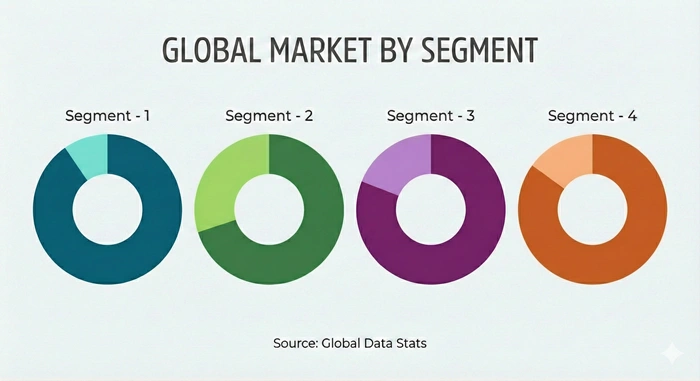
The hydrogen peroxide sterilizers segment commands the largest share within the chemical gas sterilizers market and is projected to maintain its leadership position with steady growth throughout the forecast period. This segment's dominance reflects strong regulatory endorsements including FDA recognition of vaporized hydrogen peroxide as an established sterilization method, environmental advantages through non-toxic byproduct decomposition into water and oxygen, and rapid cycle times supporting high-throughput hospital sterile processing operations. Hydrogen peroxide sterilization systems effectively sterilize heat-sensitive medical devices including flexible endoscopes, rigid endoscopes, robotic surgical instruments, and complex devices with lumens without leaving toxic residues requiring extended aeration. The technology operates at low temperatures preserving material integrity while achieving validated sterility assurance levels meeting regulatory requirements. Manufacturers continuously innovate through enhanced vaporization technologies, improved penetration capabilities, and integrated monitoring systems that streamline validation and routine quality assurance.
North America and Europe represent the strongest markets for hydrogen peroxide sterilizers, driven by extensive hospital installations, established clinical protocols incorporating hydrogen peroxide for routine device reprocessing, and regulatory frameworks supporting the technology. Leading companies serving these regions including STERIS, Advanced Sterilization Products, and Solventum maintain dominant market positions through comprehensive product portfolios, service networks, and clinical evidence supporting efficacy claims. Asia Pacific is experiencing rapid hydrogen peroxide sterilizer adoption as hospitals in China, India, and Japan upgrade sterile processing capabilities and implement international sterilization standards. The segment benefits from growing clinical preference for environmentally responsible sterilization methods, continuous product innovation enhancing cycle speed and device compatibility, and expanding applications beyond traditional surgical instruments to include laboratory equipment and pharmaceutical manufacturing applications. Healthcare facilities recognize that hydrogen peroxide sterilization balances efficacy, safety, environmental responsibility, and operational efficiency, supporting sustained segment growth.
Ethylene Oxide Sterilizers
Critical Market Segment Supporting Complex Medical Device Sterilization Requirements
The ethylene oxide sterilizers segment accounts for substantial market share within the chemical gas sterilizers market and is anticipated to demonstrate strong growth driven by continued reliance on EtO for sterilizing complex medical devices that cannot be processed through alternative methods. Ethylene oxide sterilization remains essential for approximately 50 percent of sterile medical devices in the United States, representing over 20 billion items annually, due to its unmatched penetration capabilities, broad material compatibility, and proven efficacy against resistant microbial life. The technology effectively sterilizes devices with narrow lumens, dense packaging, multiple materials, and intricate designs that challenge other sterilization methods. Medical device manufacturers depend on validated EtO processes for products including cardiac catheters, coronary stents, surgical kits, implantable devices, and diagnostic equipment. Contract sterilization service providers operate large-scale EtO facilities processing devices for multiple manufacturers, providing validated sterility assurance supporting regulatory approvals and market access.
North America leads the ethylene oxide sterilizer segment with substantial installed capacity concentrated in states including Illinois, California, Texas, and Georgia where medical device manufacturing clusters exist. Key market participants including Sterigenics, STERIS, and contract sterilization providers maintain extensive EtO operations supporting healthcare supply chains. However, the segment faces challenges from environmental regulations and community concerns driving substantial investments in advanced emission abatement systems, continuous monitoring technologies, and alternative sterilant research. The EPA's emission standards and FDA sterilization guidance acknowledge EtO's critical role while encouraging emission reduction and alternative method development. Manufacturers and service providers are installing next-generation systems with closed-loop gas recovery, catalytic destruction, and enhanced monitoring ensuring regulatory compliance. Asia Pacific is experiencing growing EtO sterilization capacity as medical device manufacturing expands in China, India, and Southeast Asia. Despite environmental challenges, the segment's essential role in medical device sterilization supports continued market importance throughout the forecast period as facilities upgrade to compliant technologies.
Regional Insights
North America
Dominant Market Leader Driven by Extensive Healthcare Infrastructure and Regulatory Framework
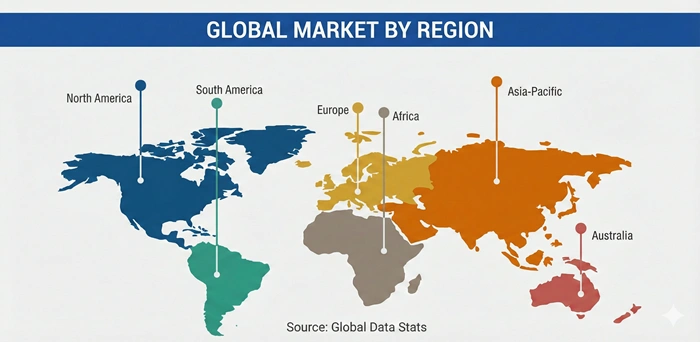
North America maintains its position as the dominant region in the chemical gas sterilizers market, commanding approximately 49 percent of global market share in 2025. The region is projected to grow at a steady CAGR throughout the forecast period, driven by extensive healthcare infrastructure with high hospital densities and surgical volumes, large medical device manufacturing capacity producing approximately 50 percent of global sterile devices, and comprehensive regulatory frameworks mandating validated sterilization processes. The United States represents the largest country market where approximately 20 to 25 billion medical devices annually undergo ethylene oxide sterilization supporting surgical procedures, diagnostic testing, and therapeutic interventions. Healthcare facilities operate sophisticated sterile processing departments equipped with multiple sterilization technologies providing validated processing for diverse device portfolios. Regulatory oversight by the FDA and EPA establishes stringent requirements for sterilization validation, routine monitoring, and emission controls creating predictable demand for compliant equipment.
The region benefits from strong presence of leading chemical gas sterilizers manufacturers including STERIS, Getinge, Advanced Sterilization Products, and Cantel Medical which maintain comprehensive product portfolios, extensive service networks, and established relationships with hospital procurement departments and medical device companies. North American healthcare providers demonstrate high adoption rates for advanced sterilization technologies incorporating automation, digital monitoring, and quality assurance features supporting operational efficiency and regulatory compliance. The region faces ongoing challenges balancing environmental concerns surrounding ethylene oxide emissions with medical device supply chain requirements, driving substantial investments in emission abatement technologies and alternative sterilant development. EPA regulations finalized in 2024 and 2025 require continuous emission monitoring and enhanced controls, prompting facility upgrades across the sterilization industry. Despite regulatory pressures, North America's essential role in medical device production and healthcare delivery sustains market leadership with continued investment in compliant, environmentally responsible sterilization infrastructure.
Asia Pacific
Fastest Growing Region Fueled by Medical Device Manufacturing Expansion and Healthcare Development
Asia Pacific is emerging as the fastest-growing region in the chemical gas sterilizers market, projected to achieve the highest CAGR during the forecast period from 2026 to 2033. The region's rapid market expansion is fueled by explosive medical device manufacturing growth as global companies establish production facilities in China, India, Thailand, Malaysia, and Vietnam to serve regional and export markets. These manufacturing operations require validated sterilization processes meeting international regulatory standards including ISO 11135 and FDA requirements for devices entering U.S. and European markets. Healthcare infrastructure development across the region drives hospital construction, surgical center expansion, and sterile processing capability upgrades requiring chemical gas sterilization equipment. Rising surgical procedure volumes reflecting population growth, improving healthcare access, and increasing prevalence of chronic diseases requiring surgical intervention create sustained demand for device sterilization.
Leading chemical gas sterilizers manufacturers including STERIS, Getinge, Fortive, and regional players are establishing Asia Pacific presence through local manufacturing facilities, service networks, and regulatory expertise supporting market expansion. China leads regional growth with massive healthcare system development, world's largest medical device manufacturing capacity, and government initiatives promoting quality standards alignment with international norms. India demonstrates strong potential driven by pharmaceutical manufacturing strength, growing medical tourism, and healthcare infrastructure investments in urban and rural areas. Japan maintains advanced sterilization technology adoption with established healthcare infrastructure and stringent quality requirements. Despite robust growth prospects, the region faces challenges including variable regulatory frameworks across countries, infrastructure limitations in rural areas, and workforce training needs for operating sophisticated sterilization equipment. Manufacturers pursuing Asia Pacific opportunities through localized strategies, partnerships with regional distributors, and investment in training programs will capture substantial market share as the region continues rapid healthcare and manufacturing development.
Top Key Players
-
STERIS plc (United States)
-
Getinge AB (Sweden)
-
Advanced Sterilization Products (United States)
-
Andersen Sterilizers (United States)
-
Noxilizer Inc. (United States)
-
Tuttnauer (Israel)
-
DE LAMA S.P.A. (Italy)
-
Belimed AG (Switzerland)
-
Cantel Medical (United States)
-
Stryker Corporation (United States)
-
Solventum (United States)
-
ClorDiSys Solutions LLC (United States)
Recent Developments
-
ClorDiSys Solutions LLC (September 2025) – Announced significant expansion of chlorine dioxide sterilization processing capabilities and workforce to meet rising customer demand, adding multiple sterilization chambers that doubled throughput capacity to 12-14 pallets within 24 hours, reinforcing the company's competitive position in alternative sterilant technologies.
-
Solventum (June 2025) – Launched Attest Super Rapid Vaporized Hydrogen Peroxide Clear Challenge Pack, an FDA-approved biological indicator test system capable of monitoring sterilization across multiple sterilizer brands, models, and cycle types, offering healthcare facilities enhanced convenience, accuracy, and simplified validation processes.
-
ClorDiSys Solutions Inc. (May 2025) – Received U.S. Patent for innovative system converting existing ethylene oxide vacuum sterilizers into chlorine dioxide vacuum sterilizers, providing breakthrough technology expected to accelerate ClO2 gas sterilization adoption by enabling manufacturers to leverage existing EO infrastructure efficiently.
-
Life Science Outsourcing (2024) – Announced significant expansion of ethylene oxide sterilization capacity across California and New Hampshire facilities, adding multiple 3M Steri-Vac GS8X chambers that effectively doubled in-house EO sterilization throughput for medical devices, addressing growing contract sterilization demand.
-
Genist Technocracy (2025) – Launched Low-Temperature Plasma Sterilizer designed to meet dynamic needs of modern healthcare facilities, research laboratories, and diagnostic centers, marking significant advancement in delivering gentle, sustainable, and high-performance sterilization solutions for Indian and global healthcare markets.
Market Trends
Emission Control Technologies and IoT Integration Reshaping Sterilization Operations
The deployment of advanced emission control systems and near-zero emission sterilizers represents a transformative trend reshaping the chemical gas sterilizers market in response to intensifying environmental regulations and community health concerns. Manufacturers are developing next-generation ethylene oxide sterilizers incorporating sophisticated catalytic converters, thermal oxidizers, and closed-loop gas recovery systems that reduce emissions to near-undetectable levels while maintaining sterilization efficacy. These environmental control technologies enable sterilization facilities to comply with EPA air quality standards finalized in 2024 requiring continuous emission monitoring and enhanced control measures. Contract sterilization service providers are investing substantially in facility upgrades incorporating advanced abatement systems, demonstrating environmental responsibility while preserving essential sterilization capacity supporting medical device supply chains. Healthcare facilities prioritize equipment manufacturers demonstrating commitment to environmental stewardship through sustainable technologies, influencing purchasing decisions and competitive positioning. The trend toward environmentally responsible sterilization will accelerate as regulatory requirements tighten and public scrutiny intensifies.
Integration of Internet of Things sensors and digital monitoring capabilities into chemical gas sterilizers is revolutionizing quality assurance, operational efficiency, and regulatory compliance documentation. Next-generation sterilizers incorporate networked sensors continuously monitoring chamber temperature, humidity, gas concentration, pressure, and aeration parameters, transmitting real-time data to centralized management systems. These IoT-enabled platforms provide instant alerts for parameter deviations, automate record-keeping satisfying regulatory documentation requirements, and enable remote monitoring of distributed sterilization operations across multi-site healthcare networks. Artificial intelligence algorithms analyze historical cycle data identifying patterns indicating maintenance needs before equipment failures disrupt operations. Healthcare facilities implementing IoT-connected sterilization equipment report measurable improvements in cycle success rates, reduced validation costs, streamlined operator workflows, and enhanced audit readiness. As healthcare systems continue digital transformation initiatives, demand for intelligent sterilization systems integrating with hospital information technology infrastructures will accelerate, creating competitive advantages for manufacturers developing comprehensive connected solutions.
Segments Covered in the Report
By Product Type
-
Ethylene Oxide Sterilizers
-
Hydrogen Peroxide Sterilizers
-
Nitrogen Dioxide Sterilizers
-
Others (Chlorine Dioxide, Ozone, Formaldehyde)
By End User
-
Hospitals & Specialty Clinics
-
Pharmaceutical & Medical Device Manufacturers
-
Others (Research Laboratories, Contract Sterilization Services)
By Region
-
North America (United States, Canada, Mexico)
-
Europe (Germany, United Kingdom, France, Italy, Spain, Rest of Europe)
-
Asia Pacific (China, Japan, India, South Korea, Australia, Rest of Asia Pacific)
-
Latin America (Brazil, Argentina, Rest of Latin America)
-
Middle East & Africa (GCC Countries, South Africa, Rest of Middle East & Africa)
Frequently Asked Questions
Question 1: What is the projected size of the chemical gas sterilizers market by 2033?
Answer: The chemical gas sterilizers market is projected to reach USD 2.36 billion by 2033, growing from USD 1.40 billion in 2026 at a CAGR of 4.50 percent during the forecast period. This growth is driven by increasing surgical volumes and expanding medical device manufacturing capacity globally.
Question 2: Which factors are driving growth in the chemical gas sterilizers market?
Answer: Rising hospital-acquired infection prevalence and increasing complexity of heat-sensitive medical devices requiring low-temperature sterilization are primary drivers. Additionally, stringent regulatory requirements mandating validated sterilization processes and expanding pharmaceutical manufacturing facilities are accelerating chemical gas sterilizers market growth.
Question 3: Which region dominates the chemical gas sterilizers market currently?
Answer: North America dominates the chemical gas sterilizers market with approximately 49 percent share, supported by extensive healthcare infrastructure and large medical device manufacturing capacity. The region maintains strong adoption rates with approximately 50 percent of U.S. sterile medical devices sterilized using chemical gas methods.
Question 4: What are the key product types in the chemical gas sterilizers market?
Answer: The chemical gas sterilizers market includes hydrogen peroxide sterilizers, ethylene oxide sterilizers, nitrogen dioxide sterilizers, and other alternative sterilant technologies. Hydrogen peroxide sterilizers represent the largest segment due to regulatory endorsements, while ethylene oxide remains essential for complex device sterilization.
Question 5: Which end-user segment leads the chemical gas sterilizers market?
Answer: Hospitals and specialty clinics lead the chemical gas sterilizers market due to high surgical procedure volumes requiring continuous sterilization of reusable medical devices. These facilities operate sterile processing departments equipped with multiple sterilization technologies supporting diverse instrument portfolios and maintaining infection control standards.