
Cheek Augmentation Market Overview
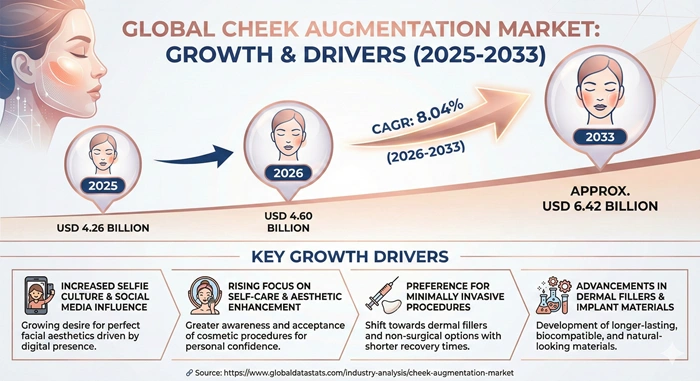
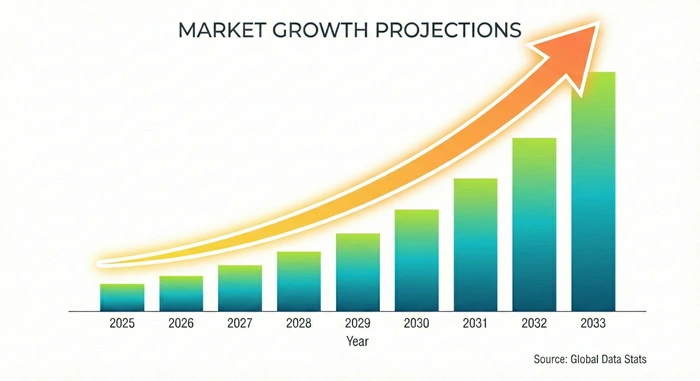
The global cheek augmentation market size is valued at USD 4.26 billion in 2025 and is predicted to increase from USD 4.60 billion in 2026 to approximately USD 6.42 billion by 2033, growing at a CAGR of 8.04% from 2026 to 2033.
Facial enhancement procedures have gained tremendous popularity as people look for effective ways to improve their appearance and restore youthful contours. The market covers various surgical and non-surgical methods that add volume and create better definition in the cheek area. Patients can choose from injectable fillers, permanent implants, or fat transfer techniques based on what they want to achieve.
The growing acceptance of cosmetic procedures across different age groups has helped the market expand significantly. What society once viewed as taboo has now become a normal part of self-care routines. This cultural shift, paired with better treatment technologies, keeps pushing demand higher around the world.
AI Impact on the Cheek Augmentation Industry
Transforming Treatment Planning and Patient Outcomes Through Technology
Artificial intelligence has started reshaping how medical professionals plan and perform facial enhancement treatments. Modern AI systems can look at facial structures and predict what results might look like with impressive accuracy. These tools help doctors create custom treatment plans by examining each person's unique bone structure, tissue patterns, and how their face has aged over time. Machine learning algorithms process thousands of patient cases to improve prediction accuracy and help avoid potential complications during procedures.
Virtual consultation platforms have completely changed patient experiences in remarkable ways. People can now see what they might look like after treatment using augmented reality apps that simulate different outcomes. They can test different options from their own homes before making any real commitments to procedures. This technology helps calm worries about surprising outcomes and makes sure patients understand what to expect, leading to happier customers and fewer times people need to come back for adjustments or corrections.
Growth Factors
Demographic Shifts and Social Media Influence Driving Market Expansion
The aging population stands as a major force pushing the cheek augmentation market forward with consistent demand. As people get older, they naturally lose facial volume and notice tissue sagging in their midface area. This group actively searches for ways to reverse these visible aging signs and maintain a youthful appearance that boosts confidence. Baby boomers who have money to spend show strong willingness to invest in treatments that improve how they look and help them feel better about themselves.
Social media has fundamentally changed how people think about cosmetic procedures across all generations. Celebrities and influencers talk openly about their treatments, making aesthetic enhancement seem completely normal for everyone. Seeing polished images all the time creates beauty standards that motivate people to book consultations with aesthetic practitioners. Plus, better filler formulations have produced safer products that last longer, making treatments more worthwhile for people watching their budgets who want lasting value from their investments in appearance enhancement.
Market Outlook
Regional Dynamics and Future Growth Projections Shaping Industry Direction
North America keeps its position as the leading regional market, backed by high consumer spending and well-established aesthetic culture. The region has advanced healthcare systems that help new products and techniques get adopted quickly by medical professionals. Rules in developed markets protect patients while still allowing reasonable speed for approving new products that meet safety standards.
Asia Pacific has emerged as the fastest-growing region with growth rates beating other markets around the world significantly. Rising middle-class populations in South Korea, Japan, and China increasingly get access to premium aesthetic services that used to be only for wealthy people. Medical tourism growth in Southeast Asian countries creates more ways to expand by bringing in international patients who want quality treatments at better prices than Western markets offer for similar procedures.
Expert Speaks
-
Richard Gonzalez, Chairman and CEO of AbbVie – "Our Allergan Aesthetics portfolio keeps leading the global injectables market through constant innovation and research. People want minimally invasive procedures more than ever, which drives our fastest-growing business areas and shapes our development priorities."
-
Flemming Ørnskov, CEO of Galderma – "The dermal filler industry is moving past just adding volume toward complete rejuvenation strategies that address multiple concerns. Our research focuses on technologies that work with natural tissue processes to give results that look natural and last longer."
-
Bob Rhatigan, CEO of Merz Aesthetics – "We're seeing amazing growth in combination treatments where doctors use several products together for the best facial harmony. Adding artificial intelligence to treatment planning is the future of personalized aesthetic medicine."
Key Report Takeaways
-
North America dominates the global cheek augmentation market with roughly 35% market share, powered by high awareness about aesthetics, advanced healthcare systems, and strong buying power among consumers across different age groups seeking facial enhancement solutions
-
Asia Pacific stands as the fastest-growing region with expected CAGR above 9% through 2033, driven by growing middle-class populations, rising incomes, and cultural focus on facial beauty especially in South Korea and Japan where aesthetic procedures are widely accepted
-
Dermal filler-based procedures lead the market taking about 62% share as patients more and more prefer non-surgical options that give immediate results, need little downtime, and let them adjust treatments without permanent changes to their facial structure
-
Specialty aesthetic clinics make up the largest end-user segment holding nearly 49% market share because of their focused skills, complete treatment choices, and doctors trained in advanced injection methods that deliver superior outcomes
-
Hyaluronic acid fillers top product categories with 48% market share thanks to great safety records, natural tissue blending, proven results, and ability to reverse using enzymes if fixes are needed for patient satisfaction
-
Fat grafting shows the strongest growth potential among procedure types with the best projected CAGR as more patients want natural solutions that give permanent volume while avoiding fake materials and synthetic substances
Market Scope
| Report Coverage | Details |
|---|---|
| Market Size by 2033 | USD 6.42 Billion |
| Market Size by 2025 | USD 4.26 Billion |
| Market Size by 2026 | USD 4.60 Billion |
| Market Growth Rate from 2026 to 2033 | CAGR of 8.04% |
| Dominating Region | North America |
| Fastest Growing Region | Asia Pacific |
| Base Year | 2025 |
| Forecast Period | 2026 to 2033 |
| Segments Covered | Procedure Type, Product Type, End User, Region |
| Regions Covered | North America, Europe, Asia Pacific, Latin America, Middle East & Africa |
Market Dynamics - Key Forces Shaping Industry Growth Trajectory and Development
Drivers Impact Analysis
Positive Forces Accelerating Market Expansion
| Driver | Impact on CAGR Forecast | Geographic Relevance | Impact Timeline |
|---|---|---|---|
| Rising aging population seeking facial rejuvenation | ≈ 2.5% positive impact | Global, particularly North America and Europe | Immediate and long-term |
| Growing social media influence on beauty standards | ≈ 1.8% positive impact | Global, strongest in North America and Asia Pacific | Immediate |
| Technological advancements in filler formulations | ≈ 1.5% positive impact | Global | Medium to long-term |
| Increasing acceptance of minimally invasive procedures | ≈ 2.2% positive impact | Global | Immediate |
The growing aging population creates basic demand for the cheek augmentation market as older people look for solutions when they lose natural volume. People over 50 increasingly choose both temporary fillers and permanent implants to fight facial aging effects that impact their confidence. This shift in demographics ensures the market keeps growing as mature consumers see aesthetic treatments as real healthcare choices rather than silly vanity projects. Their willingness to spend shows changing views about keeping appearance while aging well and maintaining social engagement.
Social media platforms have completely changed how people think about cosmetic procedures across all generations and demographics. When influencers share treatment stories, they create normal conversations that reduce old shame around facial enhancement procedures. Visual platforms let people show dramatic before-and-after pictures that work as strong proof driving new patient questions and consultations. This digital influence reaches younger people who think aesthetic treatments are routine care like going to the dentist or gym for regular maintenance.
Restraints Impact Analysis
Challenges Limiting Market Growth Potential
| Restraint | Impact on CAGR Forecast | Geographic Relevance | Impact Timeline |
|---|---|---|---|
| High procedural costs limiting accessibility | ≈ 1.2% negative impact | Developing markets, price-sensitive segments | Immediate and long-term |
| Risk of complications and adverse events | ≈ 0.8% negative impact | Global | Immediate |
| Stringent regulatory requirements | ≈ 0.6% negative impact | Europe, North America | Medium-term |
| Limited insurance coverage | ≈ 0.9% negative impact | Global | Immediate and long-term |
High treatment costs create big barriers that limit cheek augmentation market reach in developing countries and among budget-watching consumers. Premium filler products have high prices because of better formulas and clinical proof, but these costs shut out large groups of potential patients who cannot afford premium treatments. Even in rich markets, the total cost of keeping up temporary fillers challenges middle-income people balancing beauty goals against other money needs like education, housing, and retirement planning.
Possible problems including uneven results, infection, and unhappy outcomes keep making patients hesitate despite really good overall safety records in the industry. Media stories about famous bad events create too much fear compared to actual risk levels, stopping careful people from getting treatments they might benefit from. The permanent nature of surgical implants adds mental worries for patients concerned about changes they cannot reverse without promises of being happy with long-term results.
Opportunities Impact Analysis
Emerging Avenues for Market Expansion
| Opportunity | Impact on CAGR Forecast | Geographic Relevance | Impact Timeline |
|---|---|---|---|
| Expansion in emerging markets | ≈ 2.0% positive impact | Asia Pacific, Latin America, Middle East | Medium to long-term |
| Development of longer-lasting formulations | ≈ 1.3% positive impact | Global | Medium-term |
| Integration of AI and digital technologies | ≈ 1.6% positive impact | Developed markets initially | Medium to long-term |
| Growing male aesthetic treatment market | ≈ 1.1% positive impact | Global, particularly North America | Immediate and long-term |
Emerging markets offer big opportunities for the cheek augmentation market through rising incomes and changing beauty views across cultures. Asia Pacific, Latin America, and Middle Eastern areas have huge populations with growing middle classes increasingly able to pay for aesthetic procedures previously out of reach. Medical tourism growth in countries like Thailand, Turkey, and Mexico creates extra ways to expand by bringing in international patients wanting quality treatments at lower costs than their home countries offer.
The male group represents one of the fastest-growing parts as changing cultural rules accept masculine grooming and enhancement more openly. Professional men want small improvements that show energy without obvious intervention signs that might look wrong in business settings or professional environments. This growing customer group needs special marketing methods and treatment plans that recognize different beauty preferences compared to traditional female patients seeking aesthetic enhancements.
Segment Analysis - Analyzing Leading Procedure Types and Product Categories
Dermal Filler-Based Augmentation
Non-Surgical Procedures Dominating Market Share
Dermal filler procedures control the cheek augmentation market with roughly 62% share in 2025, growing at 8.2% CAGR through the forecast time. This part leads because of many benefits including results you can see right away without surgery recovery time, reversal choices if patients change minds, and ability to make slow changes across sessions that build natural-looking results. North America stands as the biggest regional market for injectable fillers, helped by lots of doctor training programs and high consumer knowledge about available treatment options. The region benefits from established supply chains and regulatory frameworks supporting rapid product adoption by medical professionals.
Modern filler technology has changed a lot beyond just adding volume to allow fancy facial shaping uses that sculpt features. Advanced hyaluronic acid formulas use special techniques making products last longer while keeping natural tissue feel and movement that looks realistic. Top manufacturers keep investing in creating next-generation products with extended life getting close to semi-permanent while keeping temporary material safety benefits that patients prefer. This continuous innovation helps address patient demands for longer-lasting results without committing to permanent surgical interventions that carry higher risks.
Hyaluronic Acid Fillers
Leading Product Category Through Safety and Efficacy
Hyaluronic acid products took 48% of the product type market in 2025, keeping steady 8.0% CAGR growth predictions throughout the forecast period. This lead shows hyaluronic acid's great safety as a naturally found human tissue substance that reduces allergic reactions and problems compared to synthetic alternatives. The reversal benefit using enzyme shots addresses patient worries about unhappy results, making HA fillers the preferred starting point for first-time patients nervous about cosmetic procedures. This safety profile has helped build consumer confidence and expand the addressable market significantly over recent years.
Constant innovation creates improved HA formulas with better life, better stretch, and best blending properties for natural results. Special manufacturing technologies make specialized products fit for specific uses ranging from fine lines to deep structure support in cheek areas. Regional patterns show North America and Europe as top consumers while Asia Pacific stands as the fastest-growing market with growing middle-class populations getting premium aesthetic treatments more frequently. Leading companies like AbbVie, Galderma, and Merz dominate this segment through strong product portfolios and extensive clinical validation supporting their safety claims.
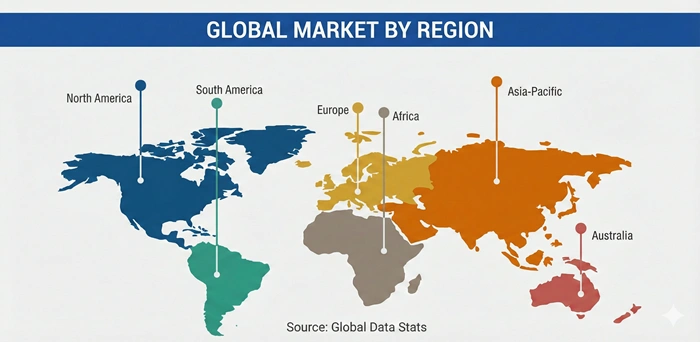
Regional Insights - Geographical Market Performance and Growth Patterns
North America
Market Leadership Through Advanced Infrastructure
North America controls with roughly 35% of the global cheek augmentation market share, valued at over USD 1.49 billion in 2025 and growing at 7.8% CAGR through 2033. The region benefits from highly developed aesthetic treatment culture with wide social acceptance of cosmetic procedures across demographics. High incomes, complete healthcare systems, and established financing choices make treatments available to broad groups beyond just wealthy consumers. The United States stands as the biggest single-country market driven by population size, wealth, and beauty-focused culture especially strong in coastal cities like Los Angeles and New York.
The American aesthetic industry has fancy systems including lots of doctor training, specialized facilities, and smooth supply chains ensuring product availability. Leading companies controlling this region include AbbVie through Allergan Aesthetics, Merz Aesthetics, Galderma Laboratories, and Revance Therapeutics keeping strong market presence through innovation. These companies benefit from proximity to innovation hubs and regulatory bodies that facilitate new product development and market introduction faster than other regions.
Asia Pacific
Fastest Regional Growth Through Cultural Shifts
Asia Pacific stands as the fastest-growing market growing at roughly 9.5% CAGR, with values reaching USD 1.02 billion in 2025 and expected to pass USD 2.05 billion by 2033. Explosive growth shows coming-together factors including huge populations, quickly rising middle-class incomes, and cultural focus on facial beauty as status symbol. Countries like South Korea, Japan, and Thailand have become global treatment destinations offering competitive pricing and world-class expertise that attracts medical tourists.
South Korea leads Asian markets as a global aesthetic powerhouse with the highest per-person procedure rates worldwide driven by beauty standards. Seoul's Gangnam district has over 500 cosmetic clinics creating record market concentration driving innovation and competitive pricing. Key players active in Asia Pacific include big corporations AbbVie and Galderma alongside regional makers LG Chem, Hugel Inc., Daewoong Pharmaceutical, and Bloomage Biotechnology understanding local market patterns and cultural preferences better than international competitors.
Top Key Players
-
AbbVie (Allergan Aesthetics) (United States)
-
Galderma SA (Switzerland)
-
Merz Pharma (Merz Aesthetics) (Germany)
-
Stryker Corporation (United States)
-
Zimmer Biomet (United States)
-
Implantech Associates (United States)
-
Sinclair Pharma (United Kingdom)
-
Teoxane Laboratories (Switzerland)
-
Revance Therapeutics (United States)
-
Suneva Medical (United States)
-
LG Chem (South Korea)
-
Hugel Inc. (South Korea)
-
Daewoong Pharmaceutical (South Korea)
-
Bloomage Biotechnology (China)
Recent Developments
-
AbbVie (2024) – Started next-generation Juvederm Volux formula specifically made for jawline and chin shaping, growing facial augmentation choices beyond traditional cheek uses and demonstrating commitment to comprehensive facial aesthetics portfolio expansion
-
Galderma (2024) – Got FDA approval for Restylane Kysse Plus, an improved hyaluronic acid filler with extended 18-month life properties showing big advancement in temporary filler technology and patient convenience for longer-lasting results
-
Merz Aesthetics (2025) – Finished buying specialty aesthetic device maker, growing product choices to include supporting technologies helping complete facial rejuvenation plans and strengthening competitive market position significantly
-
Teoxane Laboratories (2024) – Grew Swiss making capacity with new production building increasing output by 40% to meet growing global demand for RHA filler collection across international markets and distribution channels
-
Revance Therapeutics (2025) – Started Phase III clinical trials for investigational dermal filler with special formula designed to give 24-month life, possibly changing competitive landscape if regulatory approvals are obtained successfully
Market Trends
Emerging Patterns Reshaping the Industry Landscape
The cheek augmentation market sees big shifts toward combination treatment methods where doctors use several products getting complete facial rejuvenation rather than isolated fixes of single areas. This complete thinking recognizes best results need addressing several facial areas at once keeping natural proportions and balanced shapes that look harmonious. Patients increasingly want full-face plans putting together cheek volumization alongside temple filling, tear trough fixing, and jawline definition creating harmonious looks that appear natural. This holistic approach has become the new standard of care in advanced aesthetic practices offering comprehensive solutions.
Preventive aesthetics stands as another major trend as younger patients in their twenties and thirties want small enhancements before big aging signs show up visibly. This forward-looking approach differs basically from traditional reactive treatments addressing established volume loss in older patients. Male aesthetic treatments keep rapid growth as changing cultural rules increasingly accept masculine grooming and cosmetic enhancement, with professional men wanting small improvements showing energy without obvious intervention signs that colleagues might notice. These demographic shifts are expanding the addressable market and creating new opportunities for specialized service offerings tailored to different patient groups.
Segments Covered in the Report
By Procedure Type
-
Dermal Filler-Based Augmentation
-
Cheek Implants
-
Fat Grafting
By Product Type
-
Hyaluronic Acid Fillers
-
Poly-L-Lactic Acid Fillers
-
Calcium Hydroxylapatite Fillers
-
Silicone Implants
-
PEEK Implants
By End User
-
Specialty Aesthetic & Cosmetic Clinics
-
Medical Spas & Dermatology Centers
-
Hospitals
-
Ambulatory Surgical Centers
By Region
-
North America
-
Europe
-
Asia Pacific
-
Latin America
-
Middle East & Africa
Frequently Asked Questions
What drives growth in the cheek augmentation market globally?
The cheek augmentation market sees strong growth from aging populations wanting facial rejuvenation and social media making aesthetic procedures normal across demographics. Technology improvements creating safer longer-lasting products also appeal to cost-watching consumers seeking value.
Which region leads the cheek augmentation market currently?
North America dominates the cheek augmentation market with roughly 35% share backed by high aesthetic awareness and advanced healthcare systems throughout the region. The area benefits from strong consumer buying power across different age groups and income levels.
How long do cheek augmentation results typically last?
Cheek augmentation results vary significantly depending on procedure type and specific products used during treatment sessions. Hyaluronic acid fillers in the cheek augmentation market typically last 12 to 18 months while surgical implants offer permanent solutions.
Are cheek augmentation procedures safe for patients?
Modern cheek augmentation procedures using FDA-approved fillers show excellent safety records when done by qualified doctors with proper training. Common side effects in cheek augmentation include temporary swelling and bruising that go away within days after treatment.
What differentiates implants from fillers in cheek augmentation?
Cheek augmentation implants involve surgical placement giving permanent volume needing operating room procedures and recovery time afterward. Fillers in cheek augmentation offer non-surgical alternatives with little downtime and reversal choices if patients want changes.