
Cardiovascular Genetic Testing Market Overview
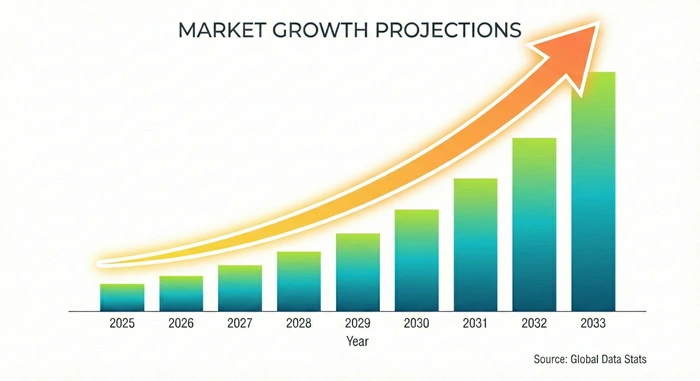
The global cardiovascular genetic testing market size is valued at USD 10.91 billion in 2025 and is predicted to increase from USD 11.51 billion in 2026 to approximately USD 25.62 billion by 2033, growing at a CAGR of 10.80% from 2026 to 2033.
Cardiovascular genetic testing encompasses specialized diagnostic procedures that identify genetic mutations and variants associated with inherited heart conditions, enabling early detection, risk assessment, and personalized treatment strategies for patients and their families. These sophisticated tests analyze DNA samples to detect genetic alterations linked to various cardiovascular disorders including cardiomyopathies, arrhythmias, familial hypercholesterolemia, and congenital heart defects. The rising global burden of cardiovascular diseases, which remain the leading cause of mortality worldwide, combined with increasing awareness about hereditary cardiac conditions, drives substantial demand for genetic testing services. Advances in next-generation sequencing technologies have dramatically reduced testing costs while improving accuracy and turnaround times, making comprehensive genetic screening accessible to broader patient populations.

AI Impact on the Cardiovascular Genetic Testing Industry
Transforming Diagnostic Accuracy and Treatment Personalization Through Intelligent Technologies
Artificial intelligence and machine learning technologies are revolutionizing the cardiovascular genetic testing market by enhancing diagnostic precision, accelerating variant interpretation, and enabling predictive risk assessment with unprecedented accuracy. Deep learning models applied to electrocardiogram analysis demonstrate diagnostic accuracy surpassing human cardiologists in detecting arrhythmias and predicting coronary artery stenosis, while AI-powered algorithms analyze complex genomic data to identify pathogenic variants and distinguish them from benign genetic variations. These intelligent systems process vast datasets from genetic testing results, electronic health records, and clinical outcomes to establish genotype-phenotype correlations that inform clinical decision-making. AI-enhanced exome sequencing platforms launched by leading companies including GeneDx enable rapid identification of mutations in infants with unexplained arrhythmias, supporting timely intervention and potentially preventing sudden cardiac death.
Machine learning applications extend beyond diagnostic interpretation to enable personalized treatment optimization, with AI models predicting individual patient responses to cardiovascular medications based on genetic profiles and clinical characteristics. These technologies support pharmacogenomic testing initiatives that guide drug selection and dosage adjustments, improving therapeutic efficacy while minimizing adverse effects. AI-driven platforms integrate multiple data sources including genetic variants, protein biomarkers, imaging studies, and lifestyle factors to generate comprehensive cardiovascular risk profiles enabling proactive preventive interventions. The development of polygenic risk scores leveraging machine learning algorithms allows clinicians to quantify cumulative genetic susceptibility to cardiovascular conditions, facilitating early screening and targeted prevention strategies for high-risk individuals. Digital integration of AI systems with electronic health platforms streamlines genetic test ordering, results delivery, and clinical follow-up processes, improving workflow efficiency for healthcare providers while enhancing patient access to genetic counseling services.
Growth Factors
Rising Disease Burden and Precision Medicine Adoption Propelling Market Expansion
The cardiovascular genetic testing market experiences robust growth driven primarily by the escalating global prevalence of cardiovascular diseases affecting hundreds of millions of individuals across all age groups and geographic regions. Cardiovascular conditions represent the leading cause of death worldwide, accounting for approximately 697,000 annual deaths in the United States alone, creating urgent demand for effective preventive strategies including genetic risk assessment. Inherited cardiac conditions affecting heart muscle structure, electrical conduction systems, cholesterol metabolism, and vascular integrity contribute substantially to cardiovascular mortality, particularly among younger individuals experiencing sudden cardiac death. Genetic testing enables early identification of at-risk family members through cascade screening programs, allowing proactive medical surveillance and preventive interventions before symptomatic disease develops. The growing recognition among healthcare providers and patients that many cardiovascular conditions have significant hereditary components drives increased test utilization across cardiology practices, specialty clinics, and academic medical centers.
Technological advances in next-generation sequencing platforms represent another critical growth catalyst, with NGS methodologies enabling simultaneous analysis of multiple genes at dramatically reduced costs compared to traditional single-gene testing approaches. Comprehensive gene panels targeting 50-400 cardiovascular disease-associated genes provide clinically actionable results at price points accessible to broader patient populations, while whole exome and whole genome sequencing options identify rare variants in previously unknown disease genes. The transition from targeted Sanger sequencing to high-throughput NGS platforms has reduced average testing costs by over 90% during the past decade, eliminating financial barriers that previously limited genetic testing to select high-risk populations. Improving test accuracy through enhanced variant calling algorithms, expanding reference databases, and refined classification criteria increases clinical utility by reducing uncertain findings and enabling confident diagnosis. The integration of pharmacogenomic testing into cardiovascular care supports personalized medication selection, with genetic variants influencing drug metabolism, efficacy, and adverse effect risk guiding treatment optimization for conditions including hypertension, heart failure, and thrombotic disorders.
Market Outlook
Promising Growth Trajectory Supported by Technology Innovation and Expanding Clinical Adoption
The cardiovascular genetic testing market outlook reflects exceptional growth prospects characterized by continuous technological advancement, expanding clinical applications, and increasing integration into routine cardiovascular care pathways across developed and emerging healthcare markets. North America maintains market leadership through 2033, supported by advanced genetic testing infrastructure, favorable reimbursement policies from government and private insurers, strong clinical adoption among cardiologists and genetic counselors, and presence of major diagnostic companies including Quest Diagnostics, Labcorp, and specialized genetic testing laboratories. Comprehensive insurance coverage for medically indicated genetic testing, coupled with established clinical practice guidelines recommending genetic evaluation for specific cardiovascular conditions, facilitates widespread test utilization. The region benefits from robust research programs advancing understanding of cardiovascular genetics, with academic medical centers and biotechnology companies collaborating to identify novel disease genes and develop innovative testing approaches.
Asia Pacific region emerges as the fastest-growing market with projected CAGR substantially exceeding global averages, driven by rapidly increasing cardiovascular disease prevalence, expanding healthcare infrastructure, government initiatives promoting genomic medicine, and growing awareness about hereditary cardiac conditions. Countries including China, India, Japan, and South Korea demonstrate particularly strong growth dynamics, reflecting large population bases, rising healthcare expenditure, improving genetic testing capabilities, and increasing adoption of precision medicine approaches. Government programs supporting preventive healthcare and genomics research accelerate market development, while expanding middle-class populations gain improved access to advanced diagnostic services. The pharmaceutical industry's increasing focus on precision medicine and targeted therapeutics creates additional growth opportunities, as cardiovascular genetic testing guides patient selection for clinical trials and enables companion diagnostics supporting personalized drug therapies. Market expansion also benefits from growing direct-to-consumer genetic testing adoption, telehealth integration enabling remote genetic counseling services, and digital health platforms facilitating test ordering and results management.
Expert Speaks
-
Leadership from diagnostic testing companies emphasizes the transformative impact of next-generation sequencing technologies in cardiovascular genetics, highlighting how comprehensive gene panel testing has become the standard of care for many inherited cardiac conditions, enabling simultaneous analysis of hundreds of genes at costs comparable to historical single-gene tests while dramatically improving diagnostic yields.
-
Executives from precision medicine companies discuss the critical importance of genetic counseling services accompanying cardiovascular genetic testing, noting that proper test interpretation, family cascade screening coordination, and psychosocial support require specialized expertise to ensure patients and families receive maximum benefit from genetic information while minimizing potential harms from misunderstanding or inappropriate use of results.
-
Clinical laboratory directors highlight recent advances in variant classification methodologies and expanding reference databases that improve diagnostic accuracy, reducing the proportion of variants of uncertain significance while increasing identification of pathogenic mutations enabling definitive diagnosis, facilitating targeted surveillance protocols, and informing reproductive decision-making for affected families.
Key Report Takeaways
-
North America leads the cardiovascular genetic testing market with a dominant market share of approximately 40.50% in 2025, driven by advanced clinical genetics infrastructure, favorable reimbursement policies from Medicare and private insurers, strong clinical adoption among healthcare providers, and presence of major diagnostic laboratories including Quest Diagnostics, Labcorp, and specialized genetic testing companies.
-
Asia Pacific region demonstrates the fastest projected CAGR of approximately 25% during the forecast period from 2026 to 2033, fueled by rapidly increasing cardiovascular disease burden, expanding healthcare infrastructure, government initiatives promoting genomic medicine, rising awareness about hereditary conditions, and growing investments in molecular diagnostics capabilities.
-
Molecular testing segment dominates the cardiovascular genetic testing market, accounting for substantial market share exceeding 55% in 2025, attributed to superior accuracy in detecting genetic variants, widespread adoption of next-generation sequencing platforms, comprehensive gene panel availability, and strong clinical evidence supporting molecular testing utility across diverse cardiovascular conditions.
-
Cardiomyopathies application represents the largest clinical indication segment with significant market share, driven by high diagnostic yield from genetic testing in hypertrophic and dilated cardiomyopathy patients, established clinical guidelines recommending genetic evaluation, and proven utility for family cascade screening enabling early identification of at-risk relatives.
-
Next-generation sequencing technology segment demonstrates the fastest growth rate with anticipated CAGR exceeding 12% through 2033, supported by declining costs making comprehensive testing economically viable, improving accuracy through enhanced bioinformatics pipelines, expanding gene panel options targeting specific cardiovascular phenotypes, and integration with clinical decision support tools.
-
Pharmacogenomic testing segment projects exceptional growth with expected CAGR of 23.4% from 2026 to 2033, driven by increasing demand for genotype-guided therapy optimization, growing evidence supporting personalized drug selection and dosing, expanding adoption in hospital cardiology departments, and partnerships between diagnostic companies and pharmaceutical manufacturers developing companion diagnostics.
Market Scope
| Report Coverage Details | |
|---|---|
| Market Size by 2033 | USD 25.62 Billion |
| Market Size by 2025 | USD 10.91 Billion |
| Market Size by 2026 | USD 11.51 Billion |
| Market Growth Rate from 2026 to 2033 | CAGR of 10.80% |
| Dominating Region | North America |
| Fastest Growing Region | Asia Pacific |
| Base Year | 2025 |
| Forecast Period | 2026 to 2033 |
| Segments Covered | Test Type, Application, Technology, End User, Region |
| Regions Covered | North America, Europe, Asia Pacific, Latin America, Middle East and Africa |
Market Dynamics
Drivers Impact Analysis
Increasing Disease Prevalence and Technological Advances Accelerating Market Growth
| Drivers | ≈ % Impact on CAGR Forecast | Geographic Relevance | Impact Timeline |
|---|---|---|---|
| Rising cardiovascular disease prevalence | +3.2% | Global, particularly developed nations | 2026-2033 |
| NGS technology cost reduction | +2.8% | Global | 2026-2030 |
| Precision medicine adoption | +2.4% | North America, Europe, Asia Pacific | 2026-2033 |
| Expanding clinical guidelines | +1.6% | North America, Europe | 2026-2031 |
The escalating global burden of cardiovascular diseases represents the primary driver propelling the cardiovascular genetic testing market forward, as heart conditions remain the leading cause of mortality across all geographic regions affecting individuals of all ages. Inherited cardiac conditions including cardiomyopathies, arrhythmias, and familial hypercholesterolemia contribute substantially to cardiovascular morbidity and mortality, with many affected individuals experiencing sudden cardiac death as the first manifestation of disease. Genetic testing enables early identification of mutation carriers within families before symptoms develop, allowing implementation of preventive strategies including enhanced surveillance, lifestyle modifications, prophylactic medications, and in some cases implantable cardiac devices preventing sudden death. The high penetrance of many cardiovascular genetic conditions means that first-degree relatives of affected individuals face up to 50% risk of carrying the same pathogenic variant, creating substantial population eligible for cascade genetic testing.
Dramatic cost reductions in next-generation sequencing technologies have transformed cardiovascular genetic testing from expensive boutique service to mainstream diagnostic tool accessible across diverse healthcare settings. Comprehensive multi-gene panels analyzing 50-400 cardiovascular disease genes now cost less than historical single-gene Sanger sequencing tests, while providing vastly more comprehensive genetic evaluation enabling detection of mutations across diverse cardiovascular phenotypes. Whole exome sequencing, interrogating coding regions of all human genes, costs approximately twice that of large targeted panels while offering potential to identify pathogenic variants in novel genes not yet definitively associated with cardiovascular disease. Technological improvements including enhanced sequencing chemistry, optimized library preparation protocols, and advanced bioinformatics pipelines increase diagnostic yield while reducing turnaround times to 10-21 days for most tests. The growing adoption of precision medicine principles across healthcare systems supports market expansion, as clinicians increasingly recognize value of molecular diagnostic information guiding personalized treatment decisions, risk stratification, and preventive interventions.
Restraints Impact Analysis
Interpretation Challenges and Reimbursement Limitations Creating Market Headwinds
| Restraints | ≈ % Impact on CAGR Forecast | Geographic Relevance | Impact Timeline |
|---|---|---|---|
| Variants of uncertain significance | -1.2% | Global | 2026-2033 |
| Limited reimbursement in emerging markets | -0.9% | Latin America, Africa, parts of Asia | 2026-2030 |
| Genetic counseling workforce shortage | -0.7% | Global | 2026-2029 |
| Ethical and privacy concerns | -0.4% | Global | 2026-2033 |
The persistent challenge of variants of uncertain significance identified through comprehensive genetic testing represents a significant market restraint, as these findings of unclear clinical relevance complicate test interpretation and limit diagnostic utility for patients and healthcare providers. Despite advances in variant classification methodologies and expanding reference databases, 10-30% of individuals undergoing cardiovascular genetic testing receive results including variants of uncertain significance requiring ongoing surveillance as new evidence emerges. These uncertain findings create anxiety for patients and families while failing to provide actionable clinical guidance, potentially deterring some individuals from pursuing genetic testing. The time-intensive process of variant reclassification as additional evidence accumulates requires sustained engagement between laboratories and healthcare providers, creating operational challenges and resource demands.
Limited insurance reimbursement for genetic testing in many healthcare systems, particularly in emerging markets and for certain clinical indications, constrains market growth by creating financial barriers limiting patient access. While North American and European health insurers generally cover medically indicated cardiovascular genetic testing, reimbursement policies vary substantially across payers and clinical scenarios, with some insurers requiring extensive pre-authorization documentation or limiting coverage to specific high-yield conditions. Medicare's screening exclusion prevents coverage for genetic testing in individuals without personal disease history, despite family history indicating hereditary risk, creating access gaps for asymptomatic at-risk relatives. Out-of-pocket costs for testing range from minimal copays to several thousand dollars depending on insurance coverage, with high-deductible health plans potentially leaving patients responsible for full test costs. The shortage of trained genetic counselors, particularly in rural and underserved areas, limits appropriate test utilization and results interpretation, as cardiovascular genetic testing requires specialized expertise ensuring proper patient selection, informed consent, and post-test counseling addressing medical, psychological, and family planning implications.
Opportunities Impact Analysis
Emerging Technologies and Expanding Applications Opening New Growth Pathways
| Opportunities | ≈ % Impact on CAGR Forecast | Geographic Relevance | Impact Timeline |
|---|---|---|---|
| Pharmacogenomic testing expansion | +1.8% | North America, Europe | 2027-2033 |
| Direct-to-consumer testing growth | +1.2% | Global, particularly North America | 2026-2030 |
| Artificial intelligence integration | +1.0% | Global | 2028-2033 |
| Polygenic risk score development | +0.8% | North America, Europe, Asia Pacific | 2029-2033 |
Pharmacogenomic testing represents a substantial emerging opportunity within the cardiovascular genetic testing market, as genetic variants influencing drug metabolism, efficacy, and adverse effect risk guide personalized medication selection and dosing for common cardiovascular conditions. Genetic testing for variants affecting clopidogrel metabolism enables identification of poor metabolizers at elevated thrombotic event risk following coronary stent placement, guiding selection of alternative antiplatelet agents. Warfarin pharmacogenomics incorporating CYP2C9 and VKORC1 genotypes improves anticoagulation management through personalized dose predictions, while statin pharmacogenomics identifies individuals at elevated myopathy risk. The projected 23.4% CAGR for pharmacogenomic testing reflects growing clinical adoption, expanding evidence base, and increasing integration into hospital cardiology workflows. Partnerships between diagnostic companies and pharmaceutical manufacturers developing companion diagnostics for targeted cardiovascular therapies create additional market opportunities.
Direct-to-consumer genetic testing expansion presents opportunities for market growth, as consumer-initiated cardiovascular genetic screening gains traction among health-conscious individuals seeking proactive risk assessment without requiring physician orders. Several companies now offer cardiovascular-focused genetic tests directly to consumers, with results including genetic counseling consultations helping individuals understand findings and coordinate appropriate medical follow-up. This testing modality appeals particularly to individuals with family histories of sudden cardiac death or early-onset heart disease seeking answers about personal risk. Artificial intelligence integration throughout the testing workflow, from variant calling and interpretation to clinical decision support and patient risk stratification, promises to enhance diagnostic accuracy while improving operational efficiency. Polygenic risk scores aggregating effects of numerous common genetic variants enable quantification of cumulative genetic susceptibility to cardiovascular disease, complementing traditional risk factor assessments and potentially identifying high-risk individuals benefiting from intensive prevention efforts.
Segment Analysis
By Test Type
Molecular Testing Dominates with Superior Accuracy and Comprehensive Analysis
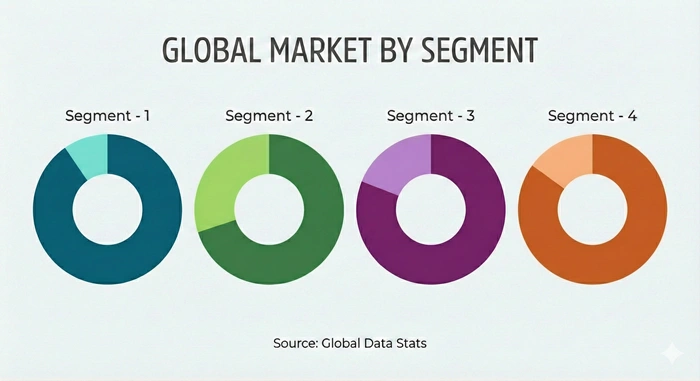
Molecular testing represents the largest test type segment within the cardiovascular genetic testing market, commanding substantial market share exceeding 55% in 2025 due to unparalleled accuracy in detecting genetic variants and widespread adoption of next-generation sequencing platforms enabling comprehensive multi-gene analysis. These sophisticated tests utilize techniques including polymerase chain reaction, Sanger sequencing, and NGS to identify DNA sequence variants associated with inherited cardiovascular conditions. NGS platforms enable simultaneous analysis of dozens to hundreds of genes in single test runs, dramatically improving diagnostic efficiency compared to historical sequential single-gene testing approaches. Targeted gene panels designed for specific cardiovascular phenotypes including cardiomyopathy panels analyzing 50-100 genes, arrhythmia panels examining cardiac ion channel genes, and comprehensive cardiovascular panels evaluating 300-400 genes provide clinicians flexible testing options matching clinical presentations. North America leads the molecular testing segment, with major diagnostic laboratories including Quest Diagnostics, Labcorp, and specialized genetics companies maintaining dominant market positions through advanced sequencing capabilities, extensive test menus, and established relationships with cardiology practices.
The molecular testing segment projects robust growth with CAGR approximating 10.5% through 2033, supported by continuous technological improvements enhancing sequencing accuracy, expanding gene panels incorporating newly discovered cardiovascular disease genes, declining costs increasing accessibility, and growing clinical evidence supporting testing utility. Asia Pacific emerges as the fastest-growing regional market for molecular testing, driven by rapidly expanding NGS infrastructure, increasing healthcare investments, government initiatives promoting genomic medicine, and growing awareness among healthcare providers about genetic testing benefits. Leading regional players including domestic laboratories in China, India, and Japan increasingly offer comprehensive cardiovascular genetic testing services, while international companies including Illumina and Thermo Fisher provide sequencing platforms and reagents supporting market development. Recent innovations include development of specific molecular test fractions optimized for detecting structural variants, copy number variations, and repeat expansions missed by standard sequencing approaches, while integration with biochemical and functional testing enhances diagnostic accuracy.
By Application
Cardiomyopathies Lead Market with High Diagnostic Yield
The cardiomyopathies application segment dominates the cardiovascular genetic testing market, capturing substantial market share reflecting the high diagnostic yield from genetic testing in patients with hypertrophic cardiomyopathy, dilated cardiomyopathy, arrhythmogenic right ventricular cardiomyopathy, and restrictive cardiomyopathy. Genetic testing identifies pathogenic variants in 30-60% of cardiomyopathy patients depending on specific phenotype and family history, representing among the highest diagnostic yields across all cardiovascular genetic conditions. Hypertrophic cardiomyopathy, the most common inherited cardiac condition affecting approximately 1 in 500 individuals, typically results from mutations in sarcomeric protein genes including MYH7, MYBPC3, and TNNT2. Identification of causative mutations enables cascade family screening, with first-degree relatives facing 50% risk of inheriting the pathogenic variant and developing disease. Genetic diagnosis guides clinical management decisions including surveillance intensity, activity recommendations, and consideration for implantable cardioverter-defibrillator placement preventing sudden cardiac death.
North America maintains the largest market share in the cardiomyopathies application segment, supported by established clinical practice guidelines from professional societies including the American College of Cardiology recommending genetic testing for all cardiomyopathy patients, comprehensive insurance coverage for medically indicated testing, and strong adoption among cardiologists and genetic counselors. Major academic medical centers and specialty cardiomyopathy clinics routinely integrate genetic testing into diagnostic workups, while genetic counseling services help families understand inheritance patterns and coordinate cascade screening. The segment projects steady growth with CAGR approximating 9.8% through 2033, driven by increasing cardiomyopathy diagnosis rates, expanding awareness about genetic basis of heart muscle disease, improving test accuracy, and growing evidence supporting clinical utility for management decisions. Asia Pacific demonstrates particularly strong growth dynamics, with rising cardiomyopathy prevalence, improving diagnostic capabilities, expanding genetic testing infrastructure, and increasing recognition of hereditary cardiac conditions driving market expansion. Leading regional healthcare institutions increasingly offer comprehensive cardiomyopathy genetic testing services, supported by partnerships with international diagnostic companies.
Regional Insights
North America
Market Leadership Through Advanced Infrastructure and Favorable Reimbursement
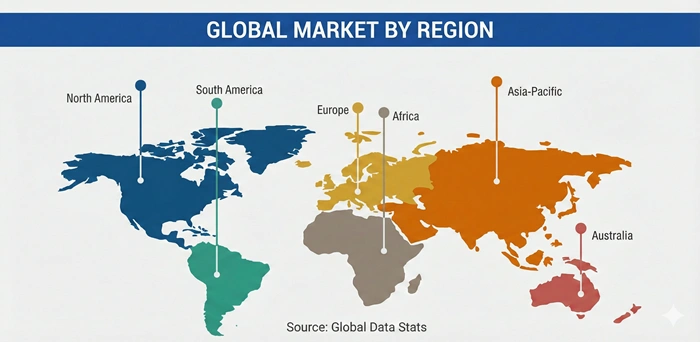
North America maintains its position as the dominant regional market for cardiovascular genetic testing, commanding approximately 40.50% market share in 2025 and generating the highest absolute revenue among all geographic regions globally. This leadership position reflects the region's sophisticated genetic testing infrastructure characterized by numerous specialized laboratories offering comprehensive cardiovascular gene panels, whole exome sequencing, and targeted single-gene tests serving diverse clinical needs. The United States represents the largest country market within North America, distinguished by favorable reimbursement policies with Medicare and most private insurers covering medically indicated genetic testing, established clinical practice guidelines recommending genetic evaluation for specific cardiovascular conditions, and strong adoption among cardiologists, genetic counselors, and primary care physicians. Major diagnostic laboratories including Quest Diagnostics and Labcorp provide cardiovascular genetic testing services nationwide through extensive sample collection networks, while specialized genetics companies including Invitae, GeneDx, and Blueprint Genetics offer focused cardiovascular test menus. The region projects moderate CAGR approximating 9.5% through 2033, driven by aging population increasing cardiovascular disease burden, expanding clinical applications, technological innovations, and growing integration of pharmacogenomic testing into cardiology practice.
Leading diagnostic and pharmaceutical companies headquartered or maintaining substantial operations across North America dominate the regional cardiovascular genetic testing market, with Quest Diagnostics (United States), Labcorp (United States), Invitae (United States), Illumina (United States), Abbott (United States), and Exact Sciences (United States) representing key market participants. These companies leverage established distribution networks spanning hospital systems, cardiology practices, and direct patient access, strong brand recognition built through decades of operation, comprehensive regulatory expertise navigating FDA oversight, and substantial research investments advancing testing technologies. Academic medical centers including Mayo Clinic, Cleveland Clinic, and Johns Hopkins offer specialized cardiovascular genetics programs providing clinical testing, research, and training for next-generation genetic counselors and clinical geneticists. Canada represents another important market within the region, characterized by universal healthcare coverage, growing genetic testing adoption, and government support for genomic medicine initiatives. Recent consolidation including Labcorp's acquisition of Invitae strengthens market concentration while expanding testing service availability.
Asia Pacific
Fastest Growth Driven by Healthcare Expansion and Government Initiatives
Asia Pacific emerges as the fastest-growing regional market for cardiovascular genetic testing, projected to expand at a remarkable CAGR of approximately 25% from 2026 to 2033, substantially exceeding growth rates in mature markets and establishing this region as the critical focus area for companies pursuing expansion strategies. This exceptional growth trajectory reflects multiple converging factors including rapidly increasing cardiovascular disease prevalence across large population bases, expanding healthcare infrastructure through government and private sector investments, rising awareness about hereditary cardiac conditions among healthcare providers and patients, and growing adoption of precision medicine approaches incorporating genetic testing into clinical workflows. Countries across the region demonstrate varied development stages creating diverse market opportunities, with established markets including Japan, South Korea, and Australia maintaining advanced genetic testing capabilities while emerging markets including China, India, Southeast Asian nations, and Middle Eastern countries experience rapid healthcare sector development and genetic testing infrastructure expansion.
Major international diagnostic companies and regional laboratories operating across Asia Pacific play pivotal roles in market development, with Illumina, Thermo Fisher, Roche, and Abbott maintaining strong regional presence through local partnerships, distribution agreements, and manufacturing facilities supporting genetic testing infrastructure development. Domestic companies based in countries including Japan, China, India, and South Korea increasingly offer competitive cardiovascular genetic testing services leveraging cost-effective operations, deep understanding of local healthcare systems, and government support for domestic biotechnology sector development. India accounts for the largest market revenue share within Asia Pacific in 2025, attributed to rapid urbanization, increasing cardiovascular disease prevalence, growing awareness about hereditary conditions, expanding healthcare infrastructure, rising disposable incomes, and emergence of domestic diagnostic companies including Genes2Me offering comprehensive cardiovascular NGS panels. Government initiatives promoting preventive healthcare and genomics research across the region accelerate market adoption, while expanding middle-class populations gain improved access to advanced genetic testing services. Traditional acceptance of family-based medicine in many Asian cultures facilitates cascade genetic testing adoption.
Top Key Players
-
Quest Diagnostics (United States)
-
Labcorp (United States)
-
Invitae Corporation (United States)
-
Illumina Inc. (United States)
-
Abbott Laboratories (United States)
-
F. Hoffmann-La Roche Ltd (Switzerland)
-
Thermo Fisher Scientific Inc. (United States)
-
Bio-Rad Laboratories Inc. (United States)
-
GeneDx (United States)
-
Blueprint Genetics (Finland)
-
Exact Sciences Corporation (United States)
-
Myriad Genetics Inc. (United States)
Recent Developments
-
Labcorp (2025) – Announced expansion of genetic testing capabilities through addition of Invitae's comprehensive test portfolio in February 2025, providing healthcare providers and patients access to wide range of genetic tests including hereditary cardiovascular conditions through Invitae's online ordering portal, advancing personalized care delivery across multiple clinical specialties.
-
Abbott (2025) – Announced agreement to acquire Exact Sciences for approximately USD 23 billion in November 2025, significantly expanding Abbott's diagnostic testing capabilities including advanced molecular testing laboratory infrastructure that could support cardiovascular genetic testing expansion and integration with Abbott's existing cardiovascular diagnostics portfolio.
-
Quest Diagnostics (2024) – Expanded cardiovascular genetic testing offerings through acquisition of Blueprint Genetics' specialized gene panel portfolio in 2024, providing enhanced capabilities for hereditary cardiovascular disease assessment and enabling Quest to offer comprehensive genetic insights for heart disease risk assessment across their 2,200+ testing centers nationwide.
-
Illumina (2024) – Continued advancing next-generation sequencing platform capabilities throughout 2024, with technology improvements reducing sequencing costs and improving accuracy supporting expanded clinical adoption of comprehensive cardiovascular gene panels and whole exome sequencing for genetic diagnosis of inherited cardiac conditions.
-
GeneDx (2024) – Launched innovative pediatric cardiovascular genetic testing offering incorporating AI-enhanced exome sequencing capabilities in 2024, enabling rapid identification of genetic mutations in infants with unexplained arrhythmias and other cardiac conditions, supporting timely clinical intervention and family counseling.
Market Trends
Precision Medicine Integration and Comprehensive Testing Approaches Reshaping Clinical Practice
The cardiovascular genetic testing market experiences significant transformation driven by increasing integration of genetic testing into mainstream cardiology practice, with comprehensive gene panels replacing historical single-gene sequential testing approaches. Cardiologists increasingly order genetic testing as routine component of diagnostic workups for patients with cardiomyopathies, arrhythmias, familial hypercholesterolemia, and other inherited cardiac conditions, recognizing value of molecular diagnosis for patient management, family screening, and therapeutic decision-making. Clinical practice guidelines from professional societies including the American College of Cardiology, European Society of Cardiology, and Heart Rhythm Society increasingly incorporate genetic testing recommendations, providing clear guidance about appropriate test utilization and driving standardization of testing practices. The shift toward phenotype-agnostic comprehensive cardiovascular panels analyzing 300-400 genes enables detection of unexpected diagnoses, capturing patients with atypical presentations or overlapping features of multiple conditions.
Pharmacogenomic testing integration into cardiovascular care represents another major trend, as genetic variants influencing drug metabolism and response guide personalized medication selection and dosing optimization. Hospitals and healthcare systems increasingly implement preemptive pharmacogenomic testing programs, genotyping patients for variants affecting cardiovascular and other medications before prescriptions are needed, with results stored in electronic health records enabling real-time clinical decision support when prescribing affected drugs. The development of polygenic risk scores aggregating effects of numerous common genetic variants enables quantification of genetic predisposition to coronary artery disease, atrial fibrillation, and other complex cardiovascular conditions, complementing traditional risk factor assessments. Digital health integration including telehealth genetic counseling, electronic test ordering and results delivery, and patient portals providing educational resources improves access to genetic testing services, particularly for patients in rural or underserved areas. Direct-to-consumer genetic testing options for cardiovascular risk assessment expand consumer access while raising questions about appropriate oversight and integration with medical care.
Segments Covered in the Report
By Test Type
-
Molecular Testing (PCR, Sanger Sequencing, NGS)
-
Cytogenetic Testing (Karyotyping, FISH)
-
Biochemical Testing (Enzyme Assays, Protein Analysis)
By Application
-
Cardiomyopathies (Hypertrophic Cardiomyopathy, Dilated Cardiomyopathy, Arrhythmogenic Right Ventricular Cardiomyopathy)
-
Arrhythmias and Channelopathies (Long QT Syndrome, Brugada Syndrome, Catecholaminergic Polymorphic Ventricular Tachycardia)
-
Familial Hypercholesterolemia
-
Congenital Heart Defects
-
Aortic Disorders (Marfan Syndrome, Loeys-Dietz Syndrome)
-
Others (Pulmonary Hypertension, RASopathies)
By Technology
-
Next-Generation Sequencing (NGS)
-
Whole Genome Sequencing
-
Gene Panels (Targeted Sequencing)
-
Polymerase Chain Reaction (PCR)
-
Sanger Sequencing
-
Others
By End User
-
Hospitals
-
Diagnostic Laboratories
-
Research Institutions
-
Others
By Region
-
North America (United States, Canada, Mexico)
-
Europe (Germany, United Kingdom, France, Italy, Spain, Rest of Europe)
-
Asia Pacific (China, Japan, India, South Korea, Australia, Southeast Asia, Rest of Asia Pacific)
-
Latin America (Brazil, Argentina, Rest of Latin America)
-
Middle East and Africa (GCC Countries, South Africa, Rest of Middle East and Africa)
Frequently Asked Questions
Question 1: What is the expected cardiovascular genetic testing market size by 2033?
Answer: The global cardiovascular genetic testing market is expected to reach approximately USD 25.62 billion by 2033, growing from USD 11.51 billion in 2026. This substantial growth reflects increasing disease prevalence, technological advances in next-generation sequencing, and expanding clinical adoption of genetic testing for inherited cardiac conditions.
Question 2: Which region dominates the cardiovascular genetic testing market currently?
Answer: North America dominates the cardiovascular genetic testing market with approximately 40.50% market share in 2025, supported by advanced genetic testing infrastructure and favorable reimbursement policies. The region benefits from established clinical guidelines recommending genetic testing and strong adoption among cardiologists and genetic counselors.
Question 3: What factors are driving growth in the cardiovascular genetic testing market?
Answer: The cardiovascular genetic testing market growth is driven by rising cardiovascular disease prevalence creating demand for genetic risk assessment, dramatic cost reductions in next-generation sequencing technologies, increasing precision medicine adoption, and expanding clinical guidelines recommending genetic testing. Growing awareness about hereditary cardiac conditions further supports market expansion.
Question 4: Which test type segment leads the cardiovascular genetic testing market?
Answer: Molecular testing leads the cardiovascular genetic testing market with substantial market share exceeding 55% in 2025, attributed to superior accuracy in detecting genetic variants. Next-generation sequencing platforms enable comprehensive multi-gene analysis, dramatically improving diagnostic efficiency compared to traditional testing approaches.
Question 5: What role does AI play in the cardiovascular genetic testing market?
Answer: AI technologies are transforming the cardiovascular genetic testing market by enhancing diagnostic precision and accelerating variant interpretation through machine learning algorithms. Deep learning models demonstrate superior accuracy in detecting arrhythmias and predicting coronary artery stenosis, while AI-enhanced platforms enable rapid mutation identification supporting timely clinical interventions.