
Carbon Nanotubes Market Overview
Revolutionary Nanomaterials Enable Next-Generation Electronics, Energy Storage, and Advanced Composite Applications
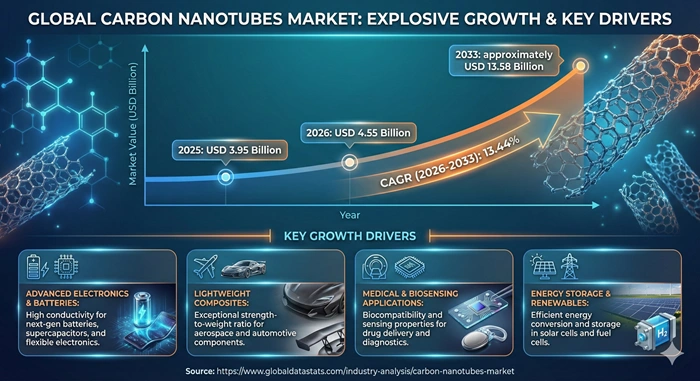
The global carbon nanotubes market size is valued at USD 3.95 billion in 2025 and is predicted to increase from USD 4.55 billion in 2026 to approximately USD 13.58 billion by 2033, growing at a CAGR of 13.44% from 2026 to 2033. This industry encompasses cylindrical nanostructures composed of rolled graphene sheets exhibiting exceptional mechanical strength, electrical conductivity, and thermal properties that enable breakthrough applications across electronics, energy storage, automotive, and aerospace sectors. Carbon nanotubes exist in single-walled and multi-walled configurations, each offering distinct characteristics suited for specific performance requirements in advanced materials engineering.
The carbon nanotubes market addresses escalating demand for lightweight, high-strength materials delivering superior electrical conductivity and thermal management capabilities across diverse industrial applications. These nanomaterials demonstrate tensile strength exceeding steel by 100 times while weighing one-sixth as much, making them indispensable for next-generation lithium-ion batteries, conductive polymers, structural composites, and electronic devices. Major synthesis methods including chemical vapor deposition, arc discharge, and laser ablation enable production at scales supporting commercial deployment, though cost optimization remains critical for mass-market penetration across price-sensitive applications.
AI Impact on the Carbon Nanotubes Industry
Machine Learning Optimization and Computational Modeling Accelerate Material Discovery and Manufacturing Process Enhancement
Artificial intelligence transforms the carbon nanotubes market through computational modeling that predicts nanotube properties based on structural parameters including diameter, chirality, and length, dramatically reducing experimental iterations required for application-specific material optimization. Machine learning algorithms analyze synthesis conditions including temperature profiles, catalyst compositions, and gas flow rates to identify optimal processing windows maximizing yield while minimizing defects that compromise electrical and mechanical performance. These AI-powered systems enable rapid screening of thousands of potential configurations, accelerating development cycles for specialized carbon nanotube variants addressing emerging requirements in battery electrodes, conductive additives, and reinforcement applications. Deep learning models trained on electron microscopy images perform automated defect classification and quality assessment at production scales impossible through manual inspection.
Advanced AI applications extend beyond process optimization to accelerate new application development within the carbon nanotubes market landscape. Neural networks simulate carbon nanotube dispersion behavior in polymer matrices, predicting electrical percolation thresholds and mechanical property enhancements before expensive pilot-scale trials. Generative algorithms design novel hybrid nanomaterials combining carbon nanotubes with other functional components, exploring composition spaces far beyond human intuition to identify breakthrough formulations for specific performance targets. Natural language processing extracts insights from decades of scientific literature and patent databases, revealing correlations between synthesis parameters, structural characteristics, and application performance that guide research priorities. These AI-driven capabilities position carbon nanotube manufacturers to reduce development timelines from years to months while expanding product portfolios addressing specialized customer requirements across electronics, energy storage, and composite materials sectors.
Growth Factors
Electric Vehicle Battery Demand and Electronics Miniaturization Drive Unprecedented Carbon Nanotube Adoption
The carbon nanotubes market experiences robust growth propelled by electric vehicle battery manufacturers incorporating conductive carbon nanotube additives that reduce internal resistance, enable silicon anode integration, and improve charging rates while extending cycle life. Lithium-ion batteries utilizing carbon nanotube-enhanced electrodes achieve energy densities exceeding 480 Wh/kg compared to 250 Wh/kg for conventional designs, directly addressing consumer range anxiety limiting electric vehicle adoption. Carbon nanotubes at loadings between 0.1-1% create three-dimensional conductive networks throughout electrode materials, maintaining electrical pathways during silicon anode expansion-contraction cycles that exceed 300% volume change. Leading battery manufacturers including LG Chem, CATL, and Samsung SDI integrate carbon nanotube formulations across production lines supporting projected electric vehicle sales growth exceeding 30 million units annually by 2030.
Consumer electronics miniaturization drives carbon nanotubes market expansion through requirements for advanced thermal management, electromagnetic shielding, and flexible display technologies where conventional materials cannot meet performance specifications. Smartphone manufacturers incorporate carbon nanotube-enhanced thermal interface materials achieving thermal conductivities exceeding 1000 W/mK, dissipating heat from increasingly powerful processors within ultra-thin form factors. Foldable display applications require transparent conductive films combining flexibility with electrical conductivity that carbon nanotube networks uniquely provide, enabling next-generation device configurations. 5G infrastructure deployment creates demand for carbon nanotube-reinforced composite materials offering lightweight strength and electromagnetic interference shielding for base station components and antenna systems. These diverse growth drivers create favorable market dynamics sustaining above-average expansion rates throughout the forecast period.
Market Outlook
Scaling Production and Cost Reduction Position Industry for Sustained Long-Term Expansion Across Multiple Sectors
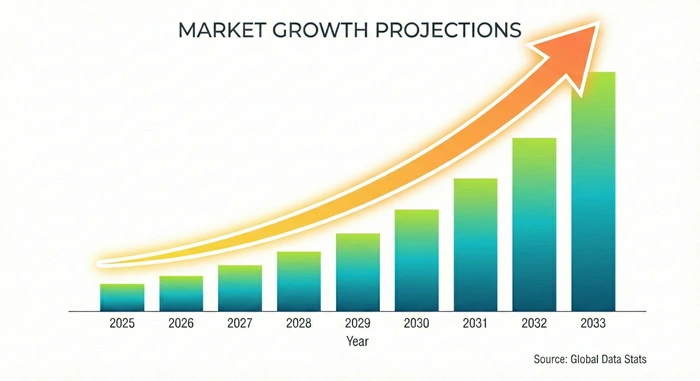
The carbon nanotubes market outlook remains exceptionally positive as manufacturers achieve production scale-up and cost reductions enabling penetration into mass-market applications previously constrained by economic barriers. Leading producers including OCSiAl, Jiangsu Cnano Technology, and LG Chem operate facilities with annual capacities exceeding 5000 tons, driving per-kilogram prices below critical thresholds that unlock automotive structural composite and industrial lubricant applications. Chemical vapor deposition process improvements increase synthesis efficiency while reducing energy consumption and catalyst costs that historically represented 40-60% of production expenses. Continuous synthesis technologies replacing batch processes improve capital utilization while ensuring consistent product quality meeting stringent specifications for electronics and battery applications.
Investment trends within the carbon nanotubes market reflect growing confidence in commercial viability as major chemical companies and materials specialists allocate substantial capital toward capacity expansion and application development. Cabot Corporation's acquisition of Sanshun Nano for 115 million dollars strengthens market position in China's rapidly growing electric vehicle battery sector, while LG Chem's fourth carbon nanotube plant investment doubles production capacity addressing escalating demand. Automotive manufacturers including BMW, Mercedes-Benz, and Tesla incorporate carbon nanotube-reinforced components into vehicle structures, validating technology readiness for high-volume deployment. Aerospace applications create emerging opportunities as carbon nanotube-enhanced composites deliver weight savings and lightning strike protection for next-generation aircraft. These favorable dynamics position the market for sustained expansion exceeding traditional materials industry growth rates through 2033.
Expert Speaks
-
Sean Keohane, President and CEO of Cabot Corporation, emphasized sustainability commitment: "By harnessing cutting-edge chemistry and innovation, we assist our clients in addressing intricate sustainability issues, all the while striving to reduce our environmental footprint across our global operations. I am extremely proud of the progress our team has made in advancing our sustainability goals and eagerly anticipate further developments with the rollout of our new 2030 Sustainability Objectives".
-
William Cho, CEO of LG Electronics, articulated strategic priorities: "Amidst unprecedented market uncertainties and a shifting competitive landscape, we require a fundamentally different level of strategies and precise execution. LG will continue to concentrate on strengthening core technologies including materials and parts through our 3B strategy of Build, Borrow and Buy, forming partnerships with global tech giants as well as promising startups to solidify technological leadership".
-
Paul King, Member of Technical Staff at Nokia Bell Labs, highlighted transformative potential: "By packing more energy into a smaller space, this new battery technology utilizing carbon nanotube composites will have a profound impact on 5G and the entire networked world. The combination of Nokia Bell Labs industry expertise and materials science innovation allowed us to tackle an extremely difficult problem resulting in substantial scientific breakthrough".
Key Report Takeaways
-
Asia Pacific dominates the carbon nanotubes market with commanding share exceeding 34%, driven by concentrated manufacturing capacity across China, Japan, and South Korea where leading producers including Jiangsu Cnano Technology, LG Chem, Showa Denko, and Zeon Corporation operate integrated facilities serving regional electronics and battery industries.
-
North America emerges as the fastest-growing regional market with projected CAGR approaching 15% through 2033, propelled by electric vehicle adoption, substantial research and development investments in nanotechnology, expanding battery gigafactory construction, and aerospace applications requiring advanced lightweight composite materials.
-
Multi-walled carbon nanotubes represent the dominant product segment accounting for approximately 65% market share due to cost advantages, established production infrastructure, and broad applicability across energy storage, polymer reinforcement, and conductive additive applications where single-walled variants' premium performance cannot justify higher costs.
-
Energy storage applications constitute the largest end-use segment capturing over 40% market share, driven by lithium-ion battery manufacturers incorporating carbon nanotube conductive additives enabling silicon anodes, improving fast-charging capabilities, and enhancing cycle life across electric vehicle, consumer electronics, and grid storage applications.
-
Chemical vapor deposition dominates synthesis technology representing approximately 75% of production capacity, reflecting superior scalability, product consistency, and cost efficiency compared to arc discharge and laser ablation methods, though emerging plasma-enhanced variants offer potential breakthroughs for specialized applications.
-
Electronics and semiconductor applications exhibit highest growth trajectory with anticipated CAGR exceeding 16% through 2033, attributed to 5G infrastructure deployment, flexible display commercialization, advanced thermal management requirements, and electromagnetic interference shielding demands across miniaturized consumer devices.
Market Scope
| Report Coverage Details | |
|---|---|
| Market Size by 2033 | USD 13.58 Billion |
| Market Size by 2025 | USD 3.95 Billion |
| Market Size by 2026 | USD 4.55 Billion |
| Market Growth Rate from 2026 to 2033 | CAGR of 13.44% |
| Dominating Region | Asia Pacific |
| Fastest Growing Region | North America |
| Base Year | 2025 |
| Forecast Period | 2026 to 2033 |
| Segments Covered | Product Type, Technology, Application, End-Use Industry, Region |
| Regions Covered | North America, Europe, Asia Pacific, Latin America, Middle East & Africa |
Market Dynamics
Drivers Impact Analysis
Battery Technology Evolution and Advanced Materials Requirements Accelerate Carbon Nanotube Integration Across Critical Applications
| Impact Factor | (≈) % Impact on CAGR Forecast | Geographic Relevance | Impact Timeline |
|---|---|---|---|
| Electric Vehicle Battery Demand | +4.2% | China, Europe, North America | 2026-2033 |
| Electronics Miniaturization | +3.1% | Asia Pacific, North America | 2026-2033 |
| Composite Materials Innovation | +2.5% | North America, Europe | 2027-2033 |
| 5G Infrastructure Deployment | +1.8% | Global, Led by Asia Pacific | 2026-2030 |
The carbon nanotubes market benefits substantially from electric vehicle manufacturers pursuing higher energy density batteries enabling longer driving ranges that eliminate consumer adoption barriers. Battery producers integrate carbon nanotube conductive additives at loadings between 0.1-1% creating three-dimensional networks that reduce internal resistance by 30-50% compared to conventional carbon black formulations, enabling faster charging rates and improved power delivery. Silicon anode implementations promising 10-fold capacity improvements over graphite require carbon nanotube scaffolding to accommodate 300% volume expansion during lithium insertion without mechanical degradation that would otherwise limit cycle life below 50 charges. Leading battery manufacturers including LG Chem, CATL, Samsung SDI, and Panasonic incorporate carbon nanotube formulations across production lines supporting projected global electric vehicle penetration exceeding 30% of new car sales by 2030.
Electronics industry evolution toward miniaturization, higher performance, and flexible form factors drives carbon nanotubes market expansion through requirements that conventional materials cannot address. Smartphone processors generating 10-15 watts within millimeter-scale dimensions require thermal interface materials achieving conductivities exceeding 1000 W/mK that carbon nanotube composites uniquely provide. Foldable display commercialization demands transparent conductive films combining 90% optical transmission with sheet resistances below 100 ohms per square while surviving tens of thousands of folding cycles that indium tin oxide cannot withstand. 5G base station antennas require lightweight structural materials offering electromagnetic interference shielding effectiveness exceeding 60 dB across gigahertz frequencies, specifications that carbon nanotube-reinforced polymers meet at weight fractions below 20% of metallic alternatives. These converging electronics trends create sustained market demand throughout the forecast period.
Restraints Impact Analysis
Production Costs and Dispersion Challenges Constrain Market Penetration in Price-Sensitive Applications
| Restraint Factor | (≈) % Impact on CAGR Forecast | Geographic Relevance | Impact Timeline |
|---|---|---|---|
| High Production Costs | -1.8% | Global, Particularly Emerging Markets | 2026-2029 |
| Dispersion and Processing Complexity | -1.4% | Manufacturing Applications | 2026-2033 |
| Health and Safety Concerns | -1.0% | Europe, North America | 2026-2030 |
| Alternative Nanomaterials Competition | -0.8% | Price-Sensitive Markets | 2026-2033 |
The carbon nanotubes market faces growth constraints from substantial production costs that create economic barriers in applications where performance advantages cannot justify premium pricing compared to conventional alternatives. High-purity single-walled carbon nanotubes command prices exceeding 300 dollars per kilogram compared to 20 dollars for multi-walled variants and less than 5 dollars for conventional carbon black, limiting adoption to applications where exceptional properties deliver measurable value. Chemical vapor deposition synthesis requires expensive transition metal catalysts including iron, cobalt, and nickel that represent 30-40% of production costs while necessitating post-synthesis purification removing catalyst residues and amorphous carbon contamination. Energy-intensive processing conditions including temperatures exceeding 800 degrees Celsius and ultra-high vacuum requirements contribute additional cost burdens that constrain profitability except at premium price points.
Dispersion challenges creating uniform carbon nanotube distribution throughout matrix materials constrain market expansion across polymer composites and coating applications where agglomeration compromises performance. Strong van der Waals forces cause carbon nanotubes to bundle into micrometer-scale aggregates that reduce effective aspect ratios and limit percolation network formation required for electrical conductivity. Achieving stable dispersions requires intensive mechanical processing including sonication, ball milling, or high-shear mixing combined with surfactants or chemical functionalization that add processing costs while potentially degrading nanotube properties. Polymer manufacturers struggle to maintain dispersion stability during compounding, injection molding, and extrusion operations where shear forces and elevated temperatures promote reagglomeration. These processing complexities limit adoption rates among smaller manufacturers lacking specialized equipment and technical expertise, constraining addressable markets beyond sophisticated early adopters.
Opportunities Impact Analysis
Advanced Battery Chemistries and Aerospace Applications Create Substantial Growth Avenues Beyond Current Markets
| Opportunity Factor | (≈) % Impact on CAGR Forecast | Geographic Relevance | Impact Timeline |
|---|---|---|---|
| Solid-State Battery Development | +2.3% | North America, Asia Pacific | 2028-2033 |
| Aerospace Lightweight Structures | +1.9% | North America, Europe | 2027-2033 |
| Flexible Electronics Commercialization | +1.6% | Asia Pacific, Global | 2026-2033 |
| Advanced Thermal Management Systems | +1.3% | Global Technology Centers | 2027-2033 |
The carbon nanotubes market stands to capture substantial value from solid-state battery commercialization requiring advanced interfacial materials managing contact resistance between solid electrolytes and electrode active materials. Carbon nanotube networks provide flexible conductive pathways accommodating volume changes during cycling while maintaining electrical contact across solid-solid interfaces that rigid current collectors cannot address. Sila Nanotechnologies and other developers integrate carbon nanotubes into silicon-rich anodes achieving energy densities exceeding 800 Wh/kg compared to 250 Wh/kg for conventional lithium-ion cells, though commercial deployment awaits manufacturing scale-up. Lithium-sulfur battery development relies on carbon nanotube scaffolds containing polysulfide dissolution while providing electron transport pathways, potentially enabling theoretical energy densities exceeding 2500 Wh/kg that would revolutionize electric aviation applications.
Aerospace applications present exceptional growth opportunities for the carbon nanotubes market as aircraft manufacturers pursue weight reductions delivering fuel efficiency improvements and emissions compliance. Carbon fiber composites incorporating carbon nanotube reinforcement achieve interlaminar shear strengths 40% higher than baseline materials while providing lightning strike protection through enhanced electrical conductivity that eliminates separate copper mesh layers adding 2-3% structural weight. Space launch vehicle structures require materials surviving extreme thermal cycling between cryogenic propellant temperatures and atmospheric heating where carbon nanotube-enhanced composites demonstrate superior thermal shock resistance. Urban air mobility vehicle development creates demand for lightweight structural materials as electric vertical takeoff and landing aircraft manufacturers pursue designs minimizing battery requirements. These emerging aerospace applications command premium pricing supporting continued research investment throughout the forecast period.
Segment Analysis
By Product Type: Multi-Walled Carbon Nanotubes
Cost Advantages and Established Production Infrastructure Sustain Multi-Walled Segment Market Leadership Position
Multi-walled carbon nanotubes command the largest share within the carbon nanotubes market, accounting for approximately 65% of global volume with continued expansion projected at steady CAGR of 12.8% through 2033. This product category consists of multiple concentric graphene cylinders exhibiting excellent mechanical properties, electrical conductivity, and thermal stability sufficient for most industrial applications at production costs 5-10 times lower than single-walled alternatives. The carbon nanotubes market benefits from multi-walled variants' scalability through chemical vapor deposition synthesis achieving yields exceeding 80% with relatively simple catalyst systems and moderate processing temperatures around 700-800 degrees Celsius. Battery manufacturers including LG Chem, CATL, and Samsung SDI preferentially specify multi-walled carbon nanotubes for lithium-ion electrode conductive additives where cost sensitivity outweighs single-walled performance advantages, creating substantial volume demand supporting market leadership.
Asia Pacific leads multi-walled carbon nanotube consumption within the market, driven by concentrated battery manufacturing, electronics production, and polymer compounding across China, Japan, and South Korea. Leading regional producers including Jiangsu Cnano Technology, Showa Denko, and Kumho Petrochemical operate integrated facilities with annual capacities exceeding 1000 tons serving domestic and export markets. Chinese battery manufacturers consume over 60% of global carbon nanotube production incorporating conductive additives across electric vehicle, energy storage system, and consumer electronics battery lines. North American multi-walled applications emphasize high-value specialty formulations including transparent conductive films, thermal interface materials, and aerospace composites where performance requirements justify premium pricing. European automotive suppliers integrate multi-walled carbon nanotubes into structural composites, interior trim components, and under-hood applications pursuing lightweighting targets. The segment's market dominance continues strengthening as production scale-up drives cost reductions below 30 dollars per kilogram enabling penetration into price-sensitive industrial markets throughout the forecast period.
By Application: Energy Storage
Lithium-Ion Battery Integration and Electric Vehicle Adoption Position Energy Storage as Dominant Application Segment
Energy storage represents the largest application segment within the carbon nanotubes market, accounting for approximately 40% of global consumption with robust expansion anticipated at CAGR of 14.5% through 2033. This sector encompasses lithium-ion batteries for electric vehicles, consumer electronics, and grid storage systems where carbon nanotube conductive additives reduce internal resistance, enable silicon anode integration, and improve fast-charging capabilities while extending cycle life. The carbon nanotubes market benefits from battery manufacturers' transition toward high-nickel cathode chemistries and silicon-graphite composite anodes requiring enhanced conductivity that carbon black cannot adequately provide. Carbon nanotubes at loadings between 0.1-1% create three-dimensional percolating networks maintaining electrical pathways throughout electrode materials during charge-discharge cycling that causes up to 300% volume changes in silicon components.
China leads energy storage carbon nanotube adoption within the market, driven by dominant battery manufacturing capacity exceeding 70% global production serving domestic electric vehicle industry and international exports. CATL, BYD, and Gotion High-Tech incorporate carbon nanotube formulations across production lines supporting annual output exceeding 500 gigawatt-hours. South Korean battery manufacturers including LG Energy Solution, Samsung SDI, and SK Innovation deploy carbon nanotube additives across nickel-cobalt-manganese and nickel-cobalt-aluminum cathode systems enhancing rate capability and cycle stability. North American energy storage applications exhibit fastest regional growth as domestic battery manufacturing capacity expansion through Inflation Reduction Act incentives creates localized carbon nanotube demand. Leading suppliers including Cabot Corporation, OCSiAl, and Jiangsu Cnano Technology develop specialized formulations optimized for specific cathode and anode chemistries, offering technical support services differentiating commodity material supply throughout the forecast period.
Regional Insights
Asia Pacific
Manufacturing Concentration and Battery Industry Dominance Establish Regional Leadership in Carbon Nanotube Consumption
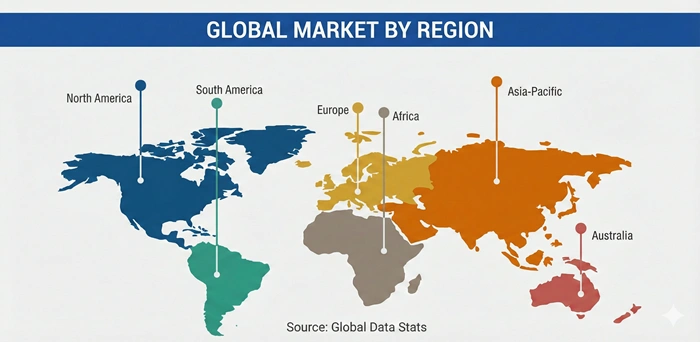
Asia Pacific commands the carbon nanotubes market with dominant share exceeding 34%, driven by concentrated production capacity across China, Japan, and South Korea where leading manufacturers operate integrated facilities serving regional battery, electronics, and automotive industries. China alone accounts for over 60% of global carbon nanotube production through companies including Jiangsu Cnano Technology, Chengdu Organic Chemicals, and Arry International Group maintaining combined annual capacity exceeding 10000 tons. The region benefits from vertical integration spanning raw material supply through end-product manufacturing, with battery producers CATL, BYD, LG Energy Solution, and Samsung SDI consuming substantial carbon nanotube volumes for lithium-ion electrode formulations. Electronics manufacturers including Samsung, LG, Sony, and Panasonic incorporate carbon nanotubes into thermal management solutions, electromagnetic interference shielding, and flexible display components driving diversified demand.
Japan maintains technological leadership in high-purity single-walled carbon nanotube synthesis and advanced applications through companies including Zeon Corporation, Showa Denko, and Toray Industries supporting semiconductor, aerospace, and specialty electronics sectors. South Korea exhibits fastest growth within Asia Pacific driven by aggressive electric vehicle and battery manufacturing expansion with LG Chem's fourth carbon nanotube plant investment doubling production capacity to 6100 tons annually. Southeast Asian nations including Malaysia and Thailand develop carbon nanotube compounding operations serving automotive and electronics supply chains. The region's market dominance continues strengthening as Chinese battery capacity expansion, Japanese technological innovation, and Korean manufacturing scale create favorable dynamics supporting continued leadership throughout the forecast period.
North America
Technology Innovation and Battery Manufacturing Investment Drive Regional Market Emergence as Fastest-Growing Geography
North America emerges as the fastest-growing regional carbon nanotubes market with projected CAGR of 15% through 2033, propelled by substantial battery gigafactory investments, nanotechnology research leadership, electric vehicle adoption acceleration, and aerospace applications requiring advanced materials. The United States dominates regional market activity through technology companies, research institutions, and manufacturing operations including Cabot Corporation, Carbon Solutions, Nanolab, and Hyperion Catalysis maintaining domestic production capacity. Battery manufacturers including Tesla, General Motors, Ford, and Stellantis invest over 100 billion dollars in North American gigafactory construction incorporating carbon nanotube-enhanced electrode formulations pursuing performance targets supporting 500-mile electric vehicle ranges. Aerospace companies including Boeing, Lockheed Martin, and Northrop Grumman evaluate carbon nanotube-reinforced composites for next-generation aircraft and space systems.
United States carbon nanotubes market specifically benefits from Inflation Reduction Act incentives accelerating domestic battery supply chain development creating localized material demand. Silicon Valley technology companies integrate carbon nanotubes into consumer electronics thermal management, flexible displays, and wearable device applications where miniaturization demands exceed conventional material capabilities. Academic institutions including MIT, Stanford, and Northwestern University maintain carbon nanotube research programs generating intellectual property licensed to commercial developers. Canada contributes to North American market growth through advanced materials development and aerospace applications. Leading international suppliers including OCSiAl, LG Chem, and Jiangsu Cnano Technology establish North American distribution networks and technical service capabilities supporting continued regional market expansion through product innovation and customer collaboration throughout the forecast period.
Top Key Players
-
OCSiAl Group (Luxembourg)
-
Jiangsu Cnano Technology Co., Ltd. (China)
-
LG Chem Ltd. (South Korea)
-
Cabot Corporation (United States)
-
Nanocyl SA (Belgium)
-
Showa Denko K.K. (Japan)
-
Arkema S.A. (France)
-
Kumho Petrochemical Co., Ltd. (South Korea)
-
Toray Industries, Inc. (Japan)
-
Carbon Solutions, Inc. (United States)
-
Zeon Corporation (Japan)
-
Hanwha Chemical Corporation (South Korea)
-
Hyperion Catalysis International (United States)
-
NoPo Nanotechnologies (India)
-
Resonac Holdings Corporation (Japan)
Recent Developments
-
Cabot Corporation (2023): Completed strategic acquisition of Shenzhen Sanshun Nano New Materials for approximately 115 million dollars including liabilities and contingent payments, strengthening market position and formulation capabilities in China's high-growth electric vehicle battery sector, the world's largest and fastest-growing market for advanced battery materials.
-
LG Chem (2023): Commenced construction of fourth carbon nanotube production plant at Daesan Complex near Seoul with planned 2025 operational launch, doubling annual production capacity to 6100 tons supporting accelerating demand from global battery manufacturers pursuing high-nickel cathode chemistries and silicon-graphite composite anode implementations.
-
OCSiAl and GEO (2024): Established strategic partnership for original equipment manufacturer production of TUBALL graphene nanotube suspension in Europe, enhancing battery supply chain stability for electric mobility, energy storage, and robotics applications while prioritizing sustainability through renewable energy sourcing and carbon emission reduction.
-
CHASM Advanced Materials and Ingevity (2024): Announced collaboration expanding carbon nanotube supply for battery gigafactories across North America and Europe, addressing growing demand from electric vehicle manufacturers pursuing domestic supply chain security and performance improvements through advanced conductive additive technologies.
-
OCSiAl Serbia Facility (2024): Launched European graphene nanotube synthesis plant with initial annual capacity of 60 tons powered by 100% renewable energy, facilitating logistics optimization and supply chain cost reduction for customers across central and western Europe, North America, and Asia while creating over 200 skilled employment opportunities.
Market Trends
Production Scaling and Application Diversification Transform Industry Commercialization and Competitive Dynamics
The carbon nanotubes market experiences transformative trends centered on production capacity expansion and cost reduction enabling penetration into mass-market applications previously constrained by economic barriers. Leading manufacturers achieve chemical vapor deposition process improvements increasing synthesis yields above 80% while reducing energy consumption through optimized temperature profiles and catalyst formulations. Continuous synthesis reactors replacing batch systems improve capital utilization and product consistency meeting stringent specifications for electronics and battery applications. These scaling initiatives drive per-kilogram prices for multi-walled carbon nanotubes below 30 dollars at industrial volumes, crossing critical thresholds that unlock automotive structural composites, industrial lubricants, and commodity polymer reinforcement applications. Regional production facilities emerging across Europe, North America, and Southeast Asia reduce logistics costs while addressing supply chain security concerns motivating customers to diversify supplier relationships beyond China-dominated production landscape.
Application diversification beyond traditional battery and electronics markets reshapes carbon nanotubes market dynamics as technology adoption expands into emerging sectors. Solid-state battery developers including Sila Nanotechnologies integrate carbon nanotubes into silicon-rich anodes achieving energy densities exceeding 800 Wh/kg that could revolutionize electric vehicle and consumer electronics performance. Aerospace manufacturers evaluate carbon nanotube-reinforced composites delivering weight savings, lightning strike protection, and thermal management for next-generation aircraft and space launch vehicles. Flexible electronics commercialization drives transparent conductive film applications where carbon nanotube networks provide electrical conductivity combined with mechanical flexibility that indium tin oxide cannot match. These emerging applications command premium pricing supporting continued innovation investment while diversifying revenue streams reducing dependence on battery market cyclicality throughout the forecast period.
Segments Covered in the Report
By Product Type
-
Single-Walled Carbon Nanotubes
-
Multi-Walled Carbon Nanotubes
By Technology
-
Chemical Vapor Deposition
-
Arc Discharge
-
Laser Ablation
-
Others
By Application
-
Energy Storage (Batteries and Supercapacitors)
-
Electronics and Semiconductors
-
Composites and Advanced Materials
-
Coatings and Films
-
Medical and Life Sciences
-
Others
By End-Use Industry
-
Automotive and Transportation
-
Electronics and Consumer Goods
-
Energy and Power
-
Aerospace and Defense
-
Healthcare and Pharmaceuticals
-
Industrial Manufacturing
-
Others
By Region
-
North America (United States, Canada, Mexico)
-
Europe (Germany, France, United Kingdom, Belgium, Luxembourg, Rest of Europe)
-
Asia Pacific (China, Japan, South Korea, India, Taiwan, Rest of Asia Pacific)
-
Latin America (Brazil, Argentina, Rest of Latin America)
-
Middle East & Africa (UAE, Saudi Arabia, Rest of MEA)
Frequently Asked Questions
Question 1: What is the projected size of the carbon nanotubes market by 2033?
Answer: The global carbon nanotubes market is expected to reach approximately USD 13.58 billion by 2033, growing from USD 4.55 billion in 2026. This substantial expansion reflects increasing adoption across battery manufacturing, electronics applications, aerospace composites, and emerging technologies requiring exceptional electrical and mechanical properties.
Question 2: Which region dominates the carbon nanotubes market currently?
Answer: Asia Pacific leads the carbon nanotubes market with over 34% share, driven by concentrated production capacity in China, Japan, and South Korea where major manufacturers serve regional battery, electronics, and automotive industries. Leading companies including Jiangsu Cnano Technology, LG Chem, and Showa Denko maintain dominant regional positions.
Question 3: What are the primary drivers of carbon nanotubes market growth?
Answer: Key growth drivers include electric vehicle battery demand requiring enhanced energy density, electronics miniaturization necessitating advanced thermal management, composite materials innovation for aerospace applications, and 5G infrastructure deployment. Lithium-ion battery manufacturers particularly drive demand through carbon nanotube conductive additive integration.
Question 4: Which product type holds the largest carbon nanotubes market share?
Answer: Multi-walled carbon nanotubes dominate with approximately 65% market share due to favorable cost-performance balance, established production infrastructure, and broad applicability across battery, polymer, and coating applications. Production costs 5-10 times lower than single-walled variants enable mass-market penetration.
Question 5: How do carbon nanotubes improve battery performance?
Answer: Carbon nanotubes reduce internal resistance by 30-50% creating three-dimensional conductive networks, enable silicon anode integration by accommodating 300% volume expansion, and improve fast-charging capabilities while extending cycle life. Loadings between 0.1-1% deliver these benefits while freeing electrode volume for active materials.