
Canine Vaccines Market Overview
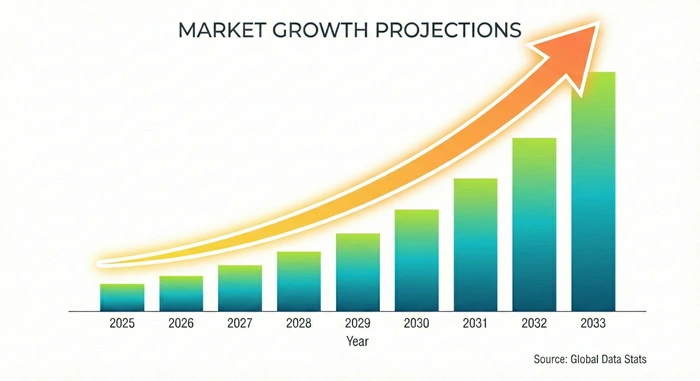
The global canine vaccines market size is valued at USD 1.75 billion in 2025 and is predicted to increase from USD 1.90 billion in 2026 to approximately USD 3.15 billion by 2033, growing at a CAGR of 7.19% from 2026 to 2033.
Canine vaccines represent essential biological preparations designed to stimulate protective immunity in dogs against infectious diseases including rabies, parvovirus, distemper, adenovirus, parainfluenza, leptospirosis, and various other pathogens threatening canine health. These preventive healthcare products serve critical functions protecting individual animals from life-threatening illnesses while preventing disease transmission throughout dog populations in households, kennels, shelters, and community environments. Veterinary professionals worldwide recommend core vaccination protocols for all dogs regardless of lifestyle alongside non-core vaccines tailored to specific risk factors including geographic location, exposure environments, and travel patterns. The expanding companion animal healthcare industry prioritizes preventive medicine approaches where routine immunization schedules form foundational components supporting canine wellbeing, longevity, and quality of life throughout lifespans.

AI Impact on the Canine Vaccines Industry
Transforming Vaccine Development and Distribution Through Predictive Analytics and Smart Supply Chain Management
Artificial intelligence revolutionizes the canine vaccines market by accelerating vaccine development timelines through machine learning algorithms analyzing vast datasets identifying promising antigen candidates, predicting immune responses, optimizing adjuvant formulations, and forecasting vaccine stability characteristics before expensive clinical trials commence. AI-powered platforms process genomic sequencing data from pathogen strains circulating globally, detecting mutations requiring vaccine formulation updates and enabling proactive adjustments maintaining protective efficacy against evolving disease threats. Computational modeling simulates vaccine-immune system interactions predicting effectiveness across diverse dog breeds, age groups, and health statuses, supporting personalized vaccination recommendations optimized for individual animal characteristics rather than standardized one-size-fits-all protocols. These technological innovations enable pharmaceutical manufacturers to compress vaccine development cycles from years to months while improving safety profiles and efficacy outcomes through data-driven optimization processes.
Supply chain management within the canine vaccines market benefits tremendously from artificial intelligence applications forecasting demand patterns across veterinary clinics, retail channels, and geographic regions based on pet ownership trends, seasonal variations, regulatory requirements, and disease outbreak notifications. Predictive analytics optimize inventory levels preventing vaccine shortages during high-demand periods while minimizing waste from expired products in low-demand situations where temperature-sensitive biologics require careful stock rotation. Natural language processing technologies analyze veterinary records, social media discussions, and scientific literature identifying emerging disease concerns, vaccine hesitancy patterns, and educational gaps requiring targeted communication campaigns addressing pet owner questions and concerns. Digital platforms leverage AI-powered chatbots providing instant responses to vaccination schedule inquiries, side effect questions, and booster timing recommendations, enhancing client education and supporting vaccination compliance throughout multi-year immunization protocols requiring consistent owner engagement for optimal protection.
Growth Factors
Rising Pet Ownership and Zoonotic Disease Awareness Drive Robust Canine Vaccines Market Expansion
The canine vaccines market experiences accelerated growth propelled by unprecedented increases in global pet ownership, with estimates indicating over 470 million dogs kept as companion animals worldwide creating enormous populations requiring veterinary preventive care including routine vaccination throughout lifespans. Humanization of pets fundamentally reshapes owner attitudes toward canine healthcare, with dogs increasingly regarded as family members deserving comprehensive medical attention including preventive immunizations, regular wellness examinations, and access to advanced veterinary services comparable to human healthcare standards. Rising disposable incomes throughout emerging economies enable expanding middle-class populations to afford pet ownership alongside associated healthcare expenses including vaccination costs previously considered discretionary spending beyond basic food and shelter provisions. The market gains tremendous momentum from growing awareness regarding zoonotic diseases transmissible between animals and humans, particularly rabies representing fatal threat requiring mandatory vaccination under public health regulations worldwide protecting human populations from canine disease reservoirs.
Veterinary infrastructure development across Asia-Pacific, Latin America, Middle East, and African regions expands access to professional animal healthcare services including vaccination clinics, mobile veterinary units, and community immunization programs reaching previously underserved rural populations. The canine vaccines market benefits from strengthening regulatory frameworks mandating core vaccinations, establishing veterinary practice standards, and implementing companion animal welfare legislation elevating vaccination from optional practice to legal requirement in progressive jurisdictions. Pet insurance proliferation throughout developed markets reduces financial barriers to preventive care, with policies typically covering vaccination expenses encouraging owners to maintain recommended immunization schedules without cost concerns deterring compliance. Biotechnology advancement delivers improved vaccine formulations including recombinant products offering enhanced safety profiles, extended duration of immunity reducing booster frequency, and combination vaccines protecting against multiple diseases through single administration reducing veterinary visit requirements and associated stress for animals and owners alike.
Market Outlook
Strategic Innovation and Emerging Market Penetration Shape Promising Canine Vaccines Market Trajectory
The canine vaccines market outlook reflects optimistic projections supported by continuing pet ownership growth, expanding veterinary care accessibility, and advancing immunology science enabling next-generation vaccine technologies. Pharmaceutical companies invest substantially in research activities developing novel vaccine platforms including viral vectors, nucleic acid vaccines, and nanoparticle delivery systems offering advantages over traditional attenuated and inactivated formulations through improved immune stimulation, simplified manufacturing, and enhanced thermostability reducing cold chain requirements. Market dynamics increasingly favor combination vaccines integrating multiple antigens within single formulations, reducing injection numbers required for complete protection while improving owner compliance and decreasing veterinary appointment frequency throughout puppy immunization series typically requiring multiple visits during critical early life development periods.
The industry witnesses consolidation trends as major animal health corporations acquire smaller vaccine manufacturers, expand production capacity through facility investments, and establish strategic partnerships with veterinary clinic chains creating integrated product distribution and service delivery networks. The canine vaccines market adapts to evolving consumer preferences for transparency regarding vaccine ingredients, manufacturing processes, and safety testing protocols, with companies implementing enhanced communication strategies addressing vaccine hesitancy concerns through educational initiatives and evidence-based information campaigns. Digital health integration enables electronic vaccination record systems, automated booster reminders, and online appointment scheduling improving compliance rates while reducing administrative burdens for veterinary practices managing thousands of patient immunization schedules. Regulatory harmonization efforts facilitate international vaccine commerce, standardize efficacy testing requirements, and streamline approval processes enabling global manufacturers to serve multiple markets with consistent products meeting universally recognized quality standards rather than developing market-specific formulations accommodating varying regional requirements.
Expert Speaks
-
Jeff Simmons, President and CEO of Elanco Animal Health, emphasized that Elanco delivered eight consecutive quarters of growth with innovation fueling accelerating organic revenue expansion, noting that with strong first-half performance and consistent execution, the company is well-positioned to transform animal care while creating long-term shareholder value through sustained growth, product innovation, and disciplined cash generation supporting investments in cutting-edge development platforms.
-
Dr. Ellen de Brabander, Executive Vice President of Innovation and Regulatory Affairs at Elanco, highlighted that over recent years Elanco created a unique innovation powerhouse maximizing capacity and throughput to deliver continuous differentiated products, noting that with more projects and pipeline value than ever plus cutting-edge monoclonal and immunotherapy technology platforms, the company will continue investing in capabilities bringing new solutions to market helping pets live healthier, more active, longer lives.
-
Kristin Peck, CEO of Zoetis Inc., stated during investor communications that Zoetis remains committed to leading the animal health industry through innovation, strategic investments, and operational excellence, emphasizing the company's focus on companion animal therapeutics and vaccines as key growth drivers while maintaining strong relationships with veterinary professionals, pet owners, and livestock producers worldwide supporting animal health and welfare across diverse species and geographic markets.
Key Report Takeaways
-
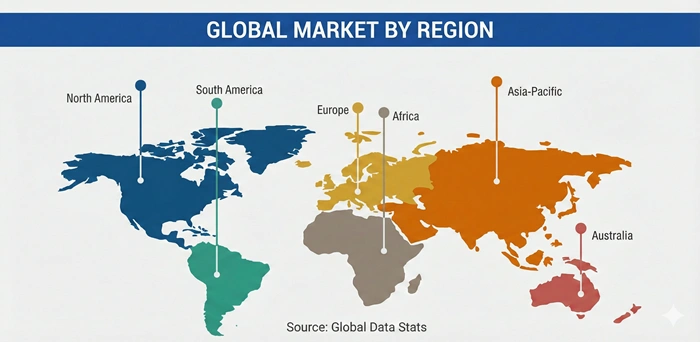
North America leads the canine vaccines market with approximately 37 percent regional share, driven by high pet ownership rates, well-established veterinary infrastructure, strong preventive healthcare awareness, mandatory rabies vaccination regulations, pet insurance prevalence, and substantial consumer spending on companion animal health supporting comprehensive immunization programs across diverse canine populations.
-
Asia-Pacific demonstrates the fastest growth trajectory in the canine vaccines market, expanding at a CAGR of approximately 8.2 percent, propelled by rapidly increasing pet ownership throughout China, India, Southeast Asian nations, improving veterinary service accessibility, rising middle-class populations with disposable income for pet healthcare, and growing awareness regarding preventive medicine importance supporting vaccination adoption.
-
Core vaccines represent the largest product segment consuming canine vaccines market with approximately 42 percent market share, as these essential immunizations protect against major life-threatening diseases including distemper, parvovirus, adenovirus, and rabies forming foundational preventive healthcare recommendations for all dogs regardless of lifestyle, environment, or risk factors requiring universal administration.
-
Veterinary hospitals and clinics contribute the most substantial distribution channel share at approximately 44 percent, driven by professional administration requirements, proper vaccine storage and handling capabilities, expert guidance on immunization schedules, medical record maintenance, and established trust relationships between veterinarians and pet owners supporting consistent vaccination compliance throughout canine lifespans.
-
Pet owners dominate end-user segments as the most active market participants, accounting for approximately 47 percent market share, based on individual dog ownership across households worldwide requiring routine vaccinations, booster administrations, and preventive care investments protecting beloved companion animals from infectious diseases threatening health, wellbeing, and longevity throughout multi-year relationships.
-
Combination vaccines will experience rapid future growth through 2033, expanding at a CAGR of approximately 9.1 percent and capturing increasing market share percentage as these multi-valent formulations offer convenience through single-dose protection against multiple diseases, reduce veterinary visit frequency, lower overall immunization costs, and minimize injection-associated stress for animals and owners compared to separate single-disease vaccines.
Market Scope
| Report Coverage Details | |
|---|---|
| Market Size by 2033 | USD 3.15 Billion |
| Market Size by 2025 | USD 1.75 Billion |
| Market Size by 2026 | USD 1.90 Billion |
| Market Growth Rate from 2026 to 2033 | CAGR of 7.19% |
| Dominating Region | North America |
| Fastest Growing Region | Asia-Pacific |
| Base Year | 2025 |
| Forecast Period | 2026 to 2033 |
| Segments Covered | By Vaccine Type, By Route of Administration, By Distribution Channel, By End-User, By Region |
| Regions Covered | North America, Europe, Asia-Pacific, Latin America, Middle East & Africa |
Market Dynamics
Drivers Impact Analysis
Escalating Pet Ownership and Mandatory Vaccination Regulations Propel Sustained Canine Vaccines Market Momentum
The canine vaccines market benefits tremendously from explosive growth in global pet ownership driven by urbanization, smaller family sizes, aging populations seeking companionship, and evolving cultural attitudes elevating dogs from working animals to cherished family members deserving comprehensive healthcare investments. Millennials and Generation Z demographics demonstrate particularly strong pet adoption rates, with surveys indicating over 70 percent of younger adults either currently own or plan to acquire dogs, creating sustained demand for veterinary services including essential vaccination protocols protecting companion animals throughout lifespans. The COVID-19 pandemic accelerated pet ownership trends as lockdown-isolated populations sought emotional support and daily routine structure, resulting in millions of additional dogs entering households worldwide requiring initial puppy vaccination series and ongoing booster administrations maintaining immunity levels.
Regulatory mandates requiring rabies vaccination for dogs represent fundamental market driver, with governments worldwide implementing compulsory immunization laws protecting public health from this universally fatal zoonotic disease transmitted through infected animal saliva. The canine vaccines market gains momentum from municipal licensing requirements linking dog registration to proof of current rabies vaccination, creating enforcement mechanisms ensuring compliance across pet-owning populations. Veterinary professional organizations establish comprehensive immunization guidelines categorizing vaccines as core or non-core based on disease risk, severity, and transmission dynamics, providing standardized recommendations guiding practitioners and educating owners regarding preventive healthcare importance. Growing awareness regarding canine infectious diseases including parvovirus causing severe gastroenteritis with high fatality rates in unvaccinated puppies, distemper producing neurological damage, and leptospirosis creating kidney and liver failure motivates responsible owners to prioritize vaccination preventing devastating illnesses requiring expensive emergency treatments with uncertain outcomes compared to relatively affordable preventive immunization approaches.
| Driver Factor | ≈ Impact on CAGR Forecast | Geographic Relevance | Impact Timeline |
|---|---|---|---|
| Rising global pet ownership and humanization trends | +2.4% to +3.0% | Global, particularly strong in urban areas | Immediate and ongoing |
| Mandatory rabies vaccination and regulatory requirements | +1.8% to +2.4% | Primarily developed markets with enforcement | Immediate and ongoing |
| Veterinary infrastructure expansion in emerging markets | +1.2% to +1.6% | Asia-Pacific, Latin America, Middle East, Africa | Short to medium-term |
| Zoonotic disease awareness and public health emphasis | +0.8% to +1.2% | Global with focus on rabies-endemic regions | Immediate and ongoing |
Restraints Impact Analysis
Vaccine Hesitancy and Cost Considerations Moderate Canine Vaccines Market Growth Expectations
The canine vaccines market confronts significant challenges from growing vaccine hesitancy among some pet owner segments influenced by misinformation regarding vaccine safety, adverse event concerns, and philosophical opposition to medical interventions mirroring human anti-vaccination movements. Social media amplification of rare vaccine-associated adverse reactions creates disproportionate fear despite statistical evidence demonstrating overwhelming safety across millions of administered doses, with isolated cases generating viral content influencing owner decisions to delay or refuse recommended immunizations. The market experiences headwinds from economic constraints affecting pet ownership affordability, with vaccination costs representing recurring expenses creating financial burdens for lower-income households struggling to provide basic animal care alongside other essential needs, potentially leading to vaccination avoidance or delayed booster administrations compromising immunity maintenance.
Veterinary service access limitations throughout rural areas, developing countries, and remote regions restrict market penetration where infrastructure gaps prevent convenient vaccination clinic availability, mobile veterinary unit deployment, or professional healthcare provider accessibility. The canine vaccines market faces challenges from cold chain maintenance requirements throughout distribution networks, with temperature-sensitive biological products requiring consistent refrigeration from manufacturing facilities through wholesale distributors to veterinary clinics risking potency loss if storage conditions deviate from specifications. Vaccine duration of immunity debates create uncertainty regarding optimal booster frequency, with some veterinary professionals advocating for extended intervals based on antibody titer testing results while others maintain traditional annual revaccination schedules, creating confusion among owners and potentially impacting product consumption volumes if longer immunity durations reduce booster administration frequency. Competition from alternative preventive approaches including lifestyle modifications, environmental management, and natural immunity beliefs leads some owners to question vaccination necessity, particularly for non-core vaccines protecting against diseases perceived as low-risk based on individual dog circumstances and geographic locations where certain pathogens demonstrate minimal prevalence.
| Restraint Factor | ≈ Impact on CAGR Forecast | Geographic Relevance | Impact Timeline |
|---|---|---|---|
| Vaccine hesitancy and safety concerns | -0.8% to -1.2% | Primarily developed markets with social media influence | Immediate and ongoing |
| Economic constraints and affordability challenges | -0.6% to -1.0% | Strongest in price-sensitive emerging markets | Immediate and ongoing |
| Veterinary access limitations in underserved areas | -0.5% to -0.8% | Rural regions and developing countries | Medium to long-term |
| Cold chain maintenance and distribution complexities | -0.3% to -0.6% | Particularly challenging in hot climates | Ongoing |
Opportunities Impact Analysis
Emerging Market Expansion and Next-Generation Vaccine Technologies Create Substantial Canine Vaccines Market Growth Potential
The canine vaccines market presents compelling opportunities through geographic expansion into rapidly developing regions throughout Asia-Pacific, Latin America, Middle East, and Africa where rising pet ownership, improving veterinary infrastructure, and increasing disposable incomes create favorable conditions for preventive healthcare product adoption. Countries including China, India, Brazil, Indonesia, and Vietnam demonstrate particularly strong growth potential based on large and expanding dog populations, urbanizing societies adopting Western pet-keeping practices, and government initiatives strengthening animal health regulations including vaccination requirements. International development organizations, veterinary professional associations, and animal welfare groups implement rabies elimination programs throughout endemic regions requiring mass dog vaccination campaigns consuming enormous vaccine quantities while establishing routine immunization infrastructure supporting sustainable market growth beyond emergency interventions.
Research and development initiatives focused on next-generation vaccine platforms including recombinant technologies, viral vector delivery systems, and nucleic acid vaccines offer advantages over traditional formulations through improved safety profiles eliminating disease risk from attenuated live vaccines, extended immunity duration reducing booster frequency, and thermostable formulations simplifying distribution throughout regions lacking robust cold chain infrastructure. The canine vaccines market benefits from combination vaccine expansion integrating additional antigens within multi-valent formulations, with manufacturers developing comprehensive protection against five, seven, or more diseases through single administration appealing to convenience-seeking owners and efficiency-focused veterinary practices. Point-of-care diagnostic technology advancement enables rapid antibody titer testing determining immunity status, supporting individualized vaccination protocols based on measured protection levels rather than assumed immunity decline following standardized time intervals, creating personalized medicine approaches optimizing immunization timing while potentially increasing testing service revenues complementing vaccine sales. Strategic partnerships between pharmaceutical manufacturers, veterinary clinic chains, pet retail corporations, and digital health platforms create integrated ecosystems delivering seamless vaccination experiences through online appointment scheduling, automated reminder systems, electronic health records, and loyalty programs incentivizing preventive care compliance supporting consistent vaccine administration throughout canine lifespans.
| Opportunity Factor | ≈ Impact on CAGR Forecast | Geographic Relevance | Impact Timeline |
|---|---|---|---|
| Emerging market expansion and rabies elimination programs | +1.6% to +2.2% | Asia-Pacific, Latin America, Middle East, Africa | Short to medium-term |
| Next-generation vaccine technology development | +1.2% to +1.6% | Initially developed markets expanding globally | Medium to long-term |
| Combination vaccine expansion and convenience enhancement | +0.9% to +1.3% | Global markets across all regions | Short to medium-term |
| Digital health integration and personalized protocols | +0.6% to +1.0% | Technology-enabled developed markets initially | Medium-term |
Segment Analysis
By Vaccine Type - Core Vaccines
Universal Disease Protection Requirements and Regulatory Mandates Establish Core Vaccines as Dominant Canine Vaccines Market Segment
Core vaccines command approximately 42 percent of the canine vaccines market share, expanding at a steady CAGR of 7.0 percent throughout the forecast period as these essential immunizations protect against major life-threatening diseases affecting all dogs regardless of geographic location, lifestyle, or environmental exposure risks. Veterinary medical associations worldwide designate rabies, distemper, parvovirus, and adenovirus vaccines as core products recommended for universal administration based on disease severity, transmission ease, and zoonotic potential particularly relevant for rabies representing public health imperative. Rabies vaccination specifically drives substantial segment demand through mandatory legal requirements throughout most developed countries and expanding regulatory frameworks in developing nations implementing canine rabies control programs as components of human disease elimination strategies recommended by World Health Organization. The segment benefits from established vaccination protocols recommending core immunization series beginning at six to eight weeks of age with boosters every three to four weeks until sixteen weeks, followed by one-year booster and subsequent administration every three years maintaining protective immunity throughout adult life.
North America maintains dominant core vaccine consumption within the canine vaccines market, supported by comprehensive regulatory requirements, high pet ownership rates, established veterinary care access, and strong owner compliance with recommended immunization schedules. Europe demonstrates similar utilization patterns with core vaccine emphasis across countries implementing harmonized veterinary medical guidelines. Leading manufacturers serving the core vaccine segment include Zoetis Inc. offering Vanguard product line protecting against multiple core diseases, Merck Animal Health providing Nobivac portfolio with comprehensive coverage, Boehringer Ingelheim marketing Recombitek vaccines, Virbac manufacturing Canigen formulations, and Elanco Animal Health supplying various core immunization products. The canine vaccines market benefits from continuing research validating extended duration of immunity for core vaccines, with studies demonstrating that properly immunized dogs maintain protective antibody levels for three or more years following booster administration, supporting veterinary guideline updates recommending triennial rather than annual revaccination for adult dogs reducing unnecessary immunization frequency while maintaining adequate disease protection and improving owner compliance through reduced veterinary visit requirements.
By Distribution Channel - Veterinary Hospitals and Clinics
Professional Expertise and Proper Vaccine Handling Position Veterinary Facilities as Primary Canine Vaccines Market Distribution Channel
Veterinary hospitals and clinics account for approximately 44 percent of the canine vaccines market distribution, growing at a CAGR of 7.3 percent as these professional healthcare facilities provide essential services including physical examinations, medical record maintenance, vaccine administration expertise, cold chain storage capabilities, and adverse event management requiring trained personnel and appropriate clinical environments. Veterinarians conduct pre-vaccination health assessments ensuring dogs are appropriate candidates for immunization, adjusting protocols for animals with compromised immune systems, allergic histories, or medical conditions requiring modified approaches. The segment encompasses both general veterinary practices providing comprehensive primary care services including routine vaccinations and specialized referral hospitals offering advanced medical services where vaccination may occur incidentally during treatment for other conditions. Veterinary clinics maintain sophisticated vaccine inventory management systems ensuring product freshness, proper storage temperatures, accurate record-keeping, and regulatory compliance throughout handling, administration, and documentation processes.
North America maintains the largest veterinary hospital segment share for the canine vaccines market, supported by approximately 28,000 veterinary practices throughout the United States employing over 120,000 veterinarians providing companion animal healthcare services. Europe demonstrates strong veterinary clinic utilization with established practice networks across Germany, United Kingdom, France, and other countries where professional veterinary care represents standard pet ownership responsibility. Major vaccine manufacturers maintain dedicated veterinary sales forces supporting clinic distribution through direct relationships, educational programs, technical support, practice management assistance, and preferential pricing incentives encouraging product loyalty and volume commitments. The segment benefits from veterinary practice consolidation trends as corporate ownership groups acquire independent clinics creating multi-location networks standardizing vaccine protocols, centralizing procurement, negotiating volume discounts, and implementing coordinated preventive care programs across affiliated practices serving thousands of patients within defined geographic territories generating predictable recurring vaccine demand throughout annual immunization cycles and puppy vaccination series requiring multiple administrations during first-year protocols.
Regional Insights
North America
Advanced Veterinary Infrastructure and High Pet Ownership Establish North America as Dominant Canine Vaccines Market Leader
North America commands approximately 37 percent of the global canine vaccines market share, expanding at a CAGR of 7.0 percent from 2026 to 2033, driven by sophisticated veterinary healthcare infrastructure, high dog ownership rates with an estimated 90 million dogs in the United States alone, strong regulatory frameworks mandating rabies vaccination, and established preventive healthcare culture where routine immunization represents standard responsible pet ownership practice. The region benefits from comprehensive veterinary education systems producing highly trained professionals, extensive practice networks ensuring convenient healthcare access across urban and rural areas, advanced diagnostic capabilities supporting individualized vaccination protocols, and robust pharmaceutical distribution systems maintaining cold chain integrity from manufacturers through veterinary clinics. United States represents the dominant country market within North America, with pet owners spending over 35 billion USD annually on veterinary care including substantial allocations for preventive services like vaccinations reflecting strong companion animal bond and willingness to invest in pet health and wellbeing.
The North American canine vaccines market features leading pharmaceutical manufacturers including Zoetis Inc. dominating with comprehensive product portfolios and established veterinary relationships, Merck Animal Health offering extensive vaccine selections, Boehringer Ingelheim providing innovative formulations, Elanco Animal Health supplying diverse immunization products, and Virbac maintaining specialized market positions. Regulatory oversight through USDA Center for Veterinary Biologics establishes rigorous licensing standards ensuring vaccine safety, efficacy, and quality while providing market confidence supporting veterinary recommendations and owner compliance. The region demonstrates strong pet insurance penetration approaching 5 million insured pets with policies typically covering preventive care including vaccinations, reducing financial barriers to maintaining recommended immunization schedules. Market dynamics reflect competitive intensity among established brands, continuous product innovation incorporating extended immunity duration and combination formulations, sophisticated veterinary practice management systems automating vaccination reminders and compliance tracking, and digital health integration enabling electronic medical records sharing vaccination histories across multiple providers ensuring appropriate booster timing regardless of which veterinary practice administers subsequent immunizations.
Asia-Pacific
Rapid Pet Ownership Growth and Veterinary Service Expansion Position Asia-Pacific as Fastest Growing Canine Vaccines Market
Asia-Pacific demonstrates the fastest canine vaccines market growth trajectory, expanding at a CAGR of 8.2 percent from 2026 to 2033, propelled by massive pet ownership increases throughout China, India, Southeast Asian nations, and developing economies where rising disposable incomes, urbanization, smaller family sizes, and evolving cultural attitudes drive companion animal adoption. The region encompasses enormous dog populations exceeding 200 million animals with substantial proportions historically unvaccinated due to limited veterinary access, affordability constraints, and inadequate awareness regarding preventive healthcare importance, creating significant market expansion potential as conditions improve. China represents particularly substantial growth opportunity with an estimated 27 million pet dogs and rapidly developing veterinary infrastructure, though current vaccination rates remain below 50 percent indicating enormous unmet demand as market conditions mature. India demonstrates similar characteristics with large dog population, expanding middle class, improving veterinary service availability particularly in urban areas, and increasing government emphasis on rabies control requiring canine vaccination campaigns protecting human populations from endemic disease.
The Asia-Pacific canine vaccines market features diverse competitive dynamics combining global pharmaceutical leaders including Zoetis, Merck Animal Health, and Boehringer Ingelheim establishing regional manufacturing and distribution alongside domestic producers including Indian Immunologicals Ltd., Hester Biosciences, and numerous Chinese manufacturers supplying local markets with cost-competitive products. Government initiatives throughout the region implement rabies elimination targets requiring mass dog vaccination programs, veterinary infrastructure development, public awareness campaigns, and regulatory framework strengthening supporting market growth beyond individual pet owner demand. Countries including Japan, South Korea, Singapore, and Australia maintain developed veterinary systems with established vaccination practices similar to Western markets, while Southeast Asian nations, South Asian countries, and Pacific islands represent emerging opportunities as economic development progresses. The region's market outlook remains exceptionally favorable based on continuing pet ownership expansion, veterinary education advancement producing larger professional workforces, retail infrastructure development including pet specialty stores distributing veterinary products, and increasing integration with global animal health supply chains supporting international quality standards and best practice adoption throughout preventive care protocols including comprehensive canine immunization programs.
Top Key Players
-
Zoetis Inc. (United States)
-
Merck & Co. Inc. / Merck Animal Health (United States)
-
Boehringer Ingelheim Animal Health (Germany)
-
Elanco Animal Health Incorporated (United States)
-
Virbac S.A. (France)
-
Ceva Santé Animale (France)
-
Vetoquinol S.A. (France)
-
Hester Biosciences Limited (India)
-
Indian Immunologicals Ltd. (India)
-
Bioveta a.s. (Czech Republic)
-
Colorado Serum Company (United States)
-
Dechra Pharmaceuticals PLC (United Kingdom)
-
Phibro Animal Health Corporation (United States)
-
Norbrook Laboratories Limited (United Kingdom)
-
Vaxxinova International B.V. (Netherlands)
Recent Developments
-
Elanco Animal Health - 2025: Announced strong second quarter results with 8 percent organic revenue growth led by U.S. Pet Health at 11 percent, raising full-year outlook and innovation targets while appointing Robert VanHimbergen as Executive Vice President and Chief Financial Officer effective July to guide sustainable value creation, demonstrating continued momentum in companion animal portfolio including vaccine products supporting preventive healthcare across veterinary practices nationwide.
-
Veterinary Pharmaceutical Solutions - 2024: Completed strategic acquisition of Diamond Animal Health in January, expanding beyond livestock pharmacy compounding leadership to integrate FDA-approved cGMP pharmaceutical manufacturing, USDA-approved vaccine manufacturing, and comprehensive compounding capabilities, creating diversified animal health platform uniquely positioned to serve companion animal and livestock markets through combined research, development, and production capabilities under CEO Dean Warras leadership.
-
Zoetis Inc. - 2025: Completed 1.75 billion USD bond offering to fund share buyback programs and strategic investments in companion animal therapeutics and vaccine portfolio expansion, while receiving Canadian regulatory approval for Portela product, demonstrating continued commitment to animal health innovation and market leadership through financial strength supporting research and development initiatives, manufacturing capacity expansion, and strategic partnerships with veterinary professionals and pet healthcare stakeholders globally.
-
Merck Animal Health - 2025: Expanded vaccine and therapeutic portfolios through new product launches and regulatory approvals throughout multiple global markets, strengthening position in companion animal preventive care segment while advancing research pipeline incorporating next-generation vaccine technologies, recombinant formulations, and combination products addressing evolving veterinary medicine needs, reflecting sustained commitment to animal health innovation supporting disease prevention and wellness management across diverse species.
-
Boehringer Ingelheim Animal Health - 2024: Advanced companion animal vaccine portfolio through continued research investments, manufacturing capacity enhancements, and strategic partnerships with veterinary organizations supporting education initiatives, practice management programs, and preventive healthcare promotion encouraging vaccination compliance, demonstrating integrated approach combining product innovation with professional relationship building and owner education supporting comprehensive animal health outcomes beyond simple pharmaceutical sales transactions.
Market Trends
Combination Vaccine Adoption and Personalized Immunization Protocols Define Contemporary Canine Vaccines Market Evolution
The canine vaccines market increasingly emphasizes combination vaccine formulations integrating multiple antigens within single products protecting against five, seven, or more diseases through unified administration, offering substantial convenience advantages reducing veterinary visit frequency, minimizing injection-associated stress for animals, lowering overall immunization costs, and improving owner compliance with complete vaccination protocols. Manufacturers continuously expand combination offerings incorporating additional disease protections, with recent formulations adding leptospirosis, coronavirus, and Lyme disease antigens to traditional core vaccines creating comprehensive protection through streamlined delivery systems. The market witnesses growing adoption of personalized vaccination approaches utilizing antibody titer testing determining individual immunity levels, enabling veterinarians to customize booster timing based on measured protection rather than assumed immunity decline following standardized intervals, supporting evidence-based medicine principles while potentially reducing unnecessary revaccination frequency for dogs maintaining adequate antibody responses years beyond traditional booster schedules.
Thermostable vaccine development addresses cold chain challenges particularly relevant throughout tropical regions, rural areas, and emergency response situations where refrigeration infrastructure proves inadequate for traditional temperature-sensitive biological products requiring consistent 2 to 8 degrees Celsius storage. The canine vaccines market adapts to digital health integration as practices implement electronic medical record systems, automated vaccination reminder platforms, and mobile applications enabling owners to track immunization histories, receive booster notifications, and schedule appointments conveniently through smartphones carried constantly enabling immediate engagement compared to traditional paper reminder cards easily overlooked or discarded. Veterinary consolidation trends transform market dynamics as corporate practice groups acquire independent clinics, standardize vaccination protocols, centralize procurement through volume negotiations, and implement coordinated preventive care programs generating predictable recurring demand across multi-location networks. Sustainability considerations influence packaging choices, distribution logistics, and manufacturing processes as environmentally conscious stakeholders throughout the animal health ecosystem prioritize reduced environmental impacts alongside traditional product performance criteria including efficacy, safety, and cost-effectiveness throughout comprehensive veterinary preventive medicine programs supporting canine health across global populations.
Segments Covered in the Report
By Vaccine Type
-
Core Vaccines (Rabies, Distemper, Parvovirus, Adenovirus)
-
Non-Core Vaccines (Leptospirosis, Bordetella, Lyme Disease, Canine Influenza, Others)
-
Combination Vaccines
By Route of Administration
-
Injectable Vaccines
-
Oral Vaccines
-
Intranasal Vaccines
By Distribution Channel
-
Veterinary Hospitals & Clinics
-
Veterinary Pharmacies
-
Online Pharmacies
-
Pet Specialty Stores
By End-User
-
Pet Owners
-
Animal Shelters & Kennels
-
Veterinary Research Institutes
-
Others
By Region
-
North America (United States, Canada, Mexico)
-
Europe (Germany, United Kingdom, France, Italy, Spain, Rest of Europe)
-
Asia-Pacific (China, India, Japan, South Korea, Australia, Southeast Asia, Rest of Asia-Pacific)
-
Latin America (Brazil, Argentina, Rest of Latin America)
-
Middle East & Africa (Saudi Arabia, UAE, South Africa, Rest of MEA)
Frequently Asked Questions
Question 1: What is the expected canine vaccines market size by 2033?
Answer: The global canine vaccines market is projected to reach approximately USD 3.15 billion by 2033, growing from USD 1.90 billion in 2026. This substantial expansion reflects increasing pet ownership, growing preventive healthcare awareness, veterinary infrastructure development, mandatory vaccination regulations, and biotechnology advancement delivering improved vaccine formulations supporting canine disease protection globally.
Question 2: Which region dominates the canine vaccines market currently?
Answer: North America dominates the canine vaccines market with approximately 37 percent share, driven by high dog ownership and advanced veterinary infrastructure. The region benefits from mandatory rabies vaccination regulations, strong preventive care culture, comprehensive insurance coverage, established distribution networks, and substantial consumer spending on companion animal healthcare supporting routine immunization compliance.
Question 3: What factors drive canine vaccines market growth during the forecast period?
Answer: Rising global pet ownership, mandatory rabies vaccination regulations, veterinary infrastructure expansion, and zoonotic disease awareness drive canine vaccines market growth. These factors collectively expand immunization demand, improve healthcare access, strengthen regulatory enforcement, and elevate preventive medicine importance supporting consistent vaccination across growing dog populations worldwide.
Question 4: Which vaccine type segment holds the largest canine vaccines market share?
Answer: Core vaccines represent the largest segment with approximately 42 percent canine vaccines market share based on universal administration recommendations. These essential immunizations protect against major life-threatening diseases including rabies, distemper, parvovirus, and adenovirus, forming foundational preventive healthcare protocols recommended for all dogs regardless of lifestyle or geographic location.
Question 5: How do veterinary hospitals contribute to the canine vaccines market?
Answer: Veterinary hospitals and clinics account for approximately 44 percent of canine vaccines market distribution through professional administration services and proper vaccine handling. These facilities provide essential expertise including pre-vaccination health assessments, cold chain storage capabilities, medical record maintenance, adverse event management, and owner education supporting safe effective immunization programs.