
Calcineurin Inhibitors Market Overview
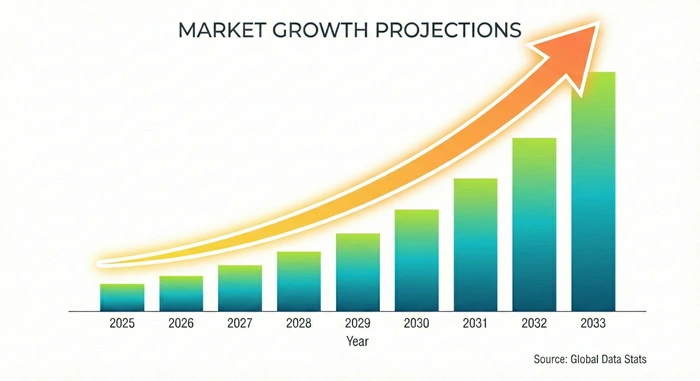
The global calcineurin inhibitors market size is valued at USD 10.63 billion in 2025 and is predicted to increase from USD 11.46 billion in 2026 to approximately USD 21.52 billion by 2033, growing at a CAGR of 8.00% from 2026 to 2033.
Calcineurin inhibitors are a clinically established class of immunosuppressive drugs that work by blocking calcineurin — a key enzyme involved in activating T-lymphocytes — thereby preventing immune-mediated organ rejection in transplant recipients and controlling autoimmune-driven tissue damage in conditions including atopic dermatitis and psoriasis. Rising global organ transplant volumes, the escalating burden of autoimmune skin and systemic diseases, expanding generics penetration lowering treatment costs in developing markets, and a deepening next-generation formulation pipeline are collectively driving sustained commercial expansion throughout the forecast period.

AI Impact on the Calcineurin Inhibitors Industry
AI-Powered Drug Discovery, Pharmacogenomic Dosing Optimization, and Predictive Immunosuppression Management Platforms Are Transforming the Calcineurin Inhibitors Market from a Drug Class into a Precision Medicine Ecosystem
Artificial intelligence is accelerating both the scientific evolution and the clinical delivery of the calcineurin inhibitors market in ways that are reshaping competitive dynamics and patient outcomes simultaneously. In drug discovery and formulation development, machine learning platforms trained on molecular structure-activity relationship datasets are identifying novel calcineurin inhibitor scaffolds with improved selectivity profiles, lower nephrotoxicity burdens, and better bioavailability characteristics compared to existing first-generation compounds — compressing discovery timelines from years to months and reducing preclinical attrition rates by identifying off-target binding risks before candidate molecules reach laboratory synthesis. Pharmaceutical companies including Astellas Pharma and Novartis are integrating AI-driven structure prediction tools into their R&D workflows, enabling the rational design of calcineurin inhibitor analogs that retain the immunosuppressive efficacy of established drugs while materially reducing the cardiovascular, renal, and metabolic side-effect profiles that have historically limited their long-term therapeutic utility.
In clinical practice, AI is enabling personalized dosing of immunosuppressants through pharmacogenomic analysis and machine learning models trained on therapeutic drug monitoring data. Tacrolimus, the most widely used calcineurin inhibitor in transplantation, has a notoriously narrow therapeutic window and high inter-patient pharmacokinetic variability — properties that have made achieving stable drug exposure levels a persistent clinical challenge and a major contributor to both rejection episodes and drug toxicity events. AI-powered dose prediction systems that integrate patient CYP3A5 genotype, body weight, hematocrit, concomitant drug interactions, and time post-transplant are achieving target drug exposure within therapeutic range in 70–80% of first-dose attempts compared to approximately 40–50% with conventional weight-based dosing — reducing early toxicity rates and improving graft survival outcomes. These clinical AI tools are being embedded into transplant information management systems at leading transplant centers globally, creating a data infrastructure that continuously improves dosing precision as patient records accumulate within the learning system.
Growth Factors
The Global Surge in Organ Transplant Procedures and the Escalating Autoimmune Disease Burden Are the Two Structural Demand Pillars Driving Consistent Calcineurin Inhibitors Market Expansion Through 2033
Rising organ transplant volumes worldwide represent the most clinically direct and commercially durable demand driver in the calcineurin inhibitors market. Global kidney, liver, heart, and lung transplant procedures have been growing at 5–7% annually as surgical techniques improve, organ preservation technology extends viable transport windows, and national transplant registration systems become more effective at matching donors with recipients. Every organ transplant recipient requires lifelong immunosuppressive therapy — with tacrolimus or cyclosporine-based calcineurin inhibitor regimens serving as the pharmacological cornerstone of post-transplant immunosuppression across all major solid organ types. The multiplier effect of transplant growth on drug demand is amplified by the chronic, lifelong nature of immunosuppressive therapy: each transplant patient added to the system becomes a long-term revenue contributor to the calcineurin inhibitors market for the remaining duration of their functioning graft — creating an expanding installed patient base that generates recurring therapeutic demand independent of annual procedure volumes.
The escalating global prevalence of immune-mediated chronic diseases — particularly atopic dermatitis, psoriasis, and emerging indications including inflammatory bowel disease, nephrotic syndrome, and uveitis — is the second independent structural growth driver. Atopic dermatitis affects an estimated 230 million people globally, and despite the emergence of newer biologics, topical calcineurin inhibitors including pimecrolimus and tacrolimus cream retain strong clinical utility as steroid-sparing agents for sensitive skin areas including the face, eyelids, and intertriginous regions where topical corticosteroid use is contraindicated. Regulatory advances expanding pediatric labeling for topical calcineurin inhibitors, combined with growing dermatologist awareness of their favorable long-term safety profiles for chronic use, are sustaining prescription volumes in dermatology that represent a significant and growing revenue layer within the broader calcineurin inhibitors market. As the global population ages, the compounding burden of both transplant-dependent and autoimmune-dependent calcineurin inhibitor use will create sustained demand growth that persists well beyond the current forecast period.
Market Outlook
The Calcineurin Inhibitors Market Outlook Through 2033 Is Shaped by Generic Entry Expanding Emerging Market Access, Next-Generation Extended-Release Formulations, and Personalized Medicine Redefining Immunosuppression Standards
The commercial trajectory of the calcineurin inhibitors market through 2033 will be shaped by the simultaneous operation of three forces that are collectively expanding market volume while restructuring its revenue and competitive architecture. Generic drug entry — which has already transformed the tacrolimus and cyclosporine segments in North American and European markets — is progressively penetrating Asia Pacific and Latin American markets, lowering per-unit drug prices but driving substantial volume expansion as treatment becomes affordable to previously price-excluded patient populations. Generic market expansion in India, Brazil, China, and Southeast Asian markets is adding millions of transplant recipients and autoimmune patients to the addressable market for the first time — expanding total revenue even as branded product pricing faces downward pressure in the developed market segments where generic competition is most advanced.
Extended-release and novel delivery formulations represent the most commercially significant value-creation opportunity within the current generation of calcineurin inhibitor product development. Astellas Pharma's LCPT (Envarsus XR) — an extended-release tacrolimus formulation using MeltDose technology — has demonstrated 30–50% reduction in daily dose requirements and improved intrapatient variability compared to standard immediate-release tacrolimus, translating into superior graft outcomes and reduced nephrotoxicity. These clinical advantages command meaningful premium pricing over generic immediate-release equivalents and are driving prescribers at leading transplant centers to transition stable patients to extended-release regimens. The growth of this premium formulation segment is creating a bifurcated calcineurin inhibitors market architecture — a high-volume generic base expanding through emerging market access, overlaid by a premium differentiated formulation tier growing through clinical performance differentiation in developed transplant centers — a structure that offers commercial opportunities across both tiers simultaneously.
Expert Speaks
-
"The transplant medicine landscape is advancing on multiple fronts simultaneously — surgical volumes are growing, long-term graft survival rates are improving, and the pharmacological management of transplant recipients is becoming more precise with AI-assisted therapeutic monitoring and next-generation formulations. The calcineurin inhibitor class remains the cornerstone of transplant immunosuppression, and the investments we are making in extended-release formulations and digital monitoring integration reflect our conviction that this core therapy will remain clinically dominant throughout this decade and beyond." — CEO, Astellas Pharma Inc.
-
"Autoimmune diseases represent one of the largest unmet medical need areas in global healthcare, and the role of calcineurin pathway modulation in managing these conditions remains clinically compelling across both systemic and dermatological applications. We are focused on bringing more precise, better-tolerated calcineurin inhibitor formulations to patients globally — including in the emerging markets where the combination of rising disease prevalence and improving healthcare access is creating significant new commercial opportunities for the category." — CEO, Novartis AG
-
"The convergence of growing transplant volumes, rising autoimmune disease incidence, and generics-driven market access expansion is creating a multi-decade growth environment for immunosuppressive therapies. Pharmaceutical companies that invest in formulation innovation, pharmacogenomic personalization capabilities, and manufacturing quality sufficient to serve both premium and value-market segments will be best positioned to capture the full commercial potential of the calcineurin inhibitors category through 2033." — CEO, Viatris Inc.
Key Report Takeaways
-
North America leads the global calcineurin inhibitors market with approximately 36–37% revenue share in 2025, supported by the highest per-capita organ transplant rates globally, strong FDA-approved drug labeling for both transplantation and dermatological indications, robust reimbursement frameworks covering immunosuppressive therapy for transplant recipients, and the concentrated commercial presence of major market players including Astellas Pharma, Novartis, AbbVie, and Abbott in the U.S. market
-
Asia Pacific is the fastest-growing regional market, projected to expand at approximately 10.1% CAGR through the forecast period, driven by rapidly expanding national organ transplant programs in China, India, and South Korea, growing middle-class healthcare spending enabling premium formulation adoption, rising autoimmune disease prevalence linked to urbanization and lifestyle changes, and strong domestic generic manufacturer ecosystems in India and China improving treatment affordability
-
Tacrolimus is the dominant drug type segment with approximately 54–55% of total drug type revenue in 2025, reflecting its status as the global standard of care in solid organ transplantation for its superior efficacy in preventing acute rejection compared to cyclosporine — while pimecrolimus is the fastest-growing drug type at approximately 8.28% CAGR, driven by sustained and growing prescription volumes in dermatology for pediatric and adult atopic dermatitis management
-
Organ transplantation is the dominant application segment with approximately 62–63% of total application revenue in 2025, anchored by lifelong maintenance therapy requirements that create exceptionally durable recurring revenue — while dermatology is the fastest-growing application segment at approximately 9.14% CAGR, driven by global atopic dermatitis prevalence growth, expanded pediatric indications, and the positioning of topical calcineurin inhibitors as the preferred steroid-sparing agents for sensitive skin area treatment
-
Hospital pharmacies lead distribution with approximately 55–56% channel revenue share in 2025 through their critical role in acute transplant induction therapy and inpatient immunosuppression management — while online pharmacies are the fastest-growing channel at approximately 10.03% CAGR, driven by chronic prescription refill convenience, competitive drug pricing from licensed digital pharmacy operators, and patient preference for home delivery of long-term immunosuppressive maintenance therapy
-
Oral formulations command approximately 49–50% of dosage form revenue in 2025 through their essential role in transplant maintenance therapy — while topical formulations are growing fastest at approximately 9.14% CAGR as dermatology adoption of pimecrolimus cream and tacrolimus ointment accelerates across global prescription markets through expanded labeling, generic price reductions, and growing prescriber confidence in the long-term safety profile of topical calcineurin inhibitors
Market Scope
| Report Coverage | Details |
|---|---|
| Market Size by 2033 | USD 21.52 Billion |
| Market Size by 2025 | USD 10.63 Billion |
| Market Size by 2026 | USD 11.46 Billion |
| Market Growth Rate from 2026 to 2033 | CAGR of 8.00% |
| Dominating Region | North America |
| Fastest Growing Region | Asia Pacific |
| Base Year | 2025 |
| Forecast Period | 2026 to 2033 |
| Segments Covered | Drug Type, Dosage Form, Application, Distribution Channel, Region |
| Regions Covered | North America, Europe, Asia Pacific, Latin America, Middle East & Africa |
Market Dynamics
Drivers Impact Analysis
Rising Global Organ Transplant Volumes and the Compounding Autoimmune Disease Burden Are Structural Commercial Catalysts Creating Durable, Expanding Demand in the Calcineurin Inhibitors Market
| Driver | ≈ % Impact on CAGR Forecast | Geographic Relevance | Impact Timeline |
|---|---|---|---|
| Rising organ transplant volumes globally | ~32% | Global, led by North America, Asia Pacific | Long-term |
| Escalating autoimmune and dermatological disease prevalence | ~28% | Global | Long-term |
| Emerging market healthcare access expansion | ~24% | Asia Pacific, Latin America, MEA | Medium to long-term |
| Extended-release and novel formulation development | ~11% | North America, Europe, Japan | Medium to long-term |
| Generics penetration improving affordability | ~5% | Asia Pacific, Latin America, MEA | Short to medium-term |
The structural link between rising global organ transplant volumes and demand in the calcineurin inhibitors market is uniquely powerful because it creates a permanent, lifelong patient revenue stream with each new transplant procedure performed. Unlike treatments for acute conditions that generate short-duration prescription episodes, transplant immunosuppression is a lifelong medical necessity — with tacrolimus or cyclosporine-based regimens representing the pharmacological foundation of post-transplant care for the entire functional life of the grafted organ. Global kidney transplant volumes alone exceed 95,000 procedures annually, each creating a new long-term immunosuppressive therapy user. As transplant programs expand capacity in emerging markets — with India's transplant volume growing at over 15% annually and China pursuing ambitious national organ donation program expansion — the calcineurin inhibitor patient population grows cumulatively, building an expanding recurring revenue base that is insulated from product patent cliff events by the chronic therapeutic necessity of the drug class.
The autoimmune disease growth driver operates on a similarly long-horizon structural basis, reflecting demographic aging, urbanization, and environmental factors that epidemiologists project will continue driving global autoimmune disease incidence higher throughout the forecast period and beyond. Atopic dermatitis prevalence has increased by more than 200% in industrialized nations over the past three decades and is now classified as the most common inflammatory skin disease globally — with its escalating pediatric prevalence particularly relevant to the calcineurin inhibitors market as topical pimecrolimus and tacrolimus are among the few pharmacological options with favorable safety profiles for chronic use in children under two years of age. The expanding recognition of calcineurin inhibitor utility in managing complex autoimmune conditions including nephrotic syndrome, severe refractory psoriasis, uveitis, and inflammatory bowel disease is creating new prescription opportunity categories that were not commercially significant a decade ago — demonstrating that the addressable clinical application space for the drug class continues to expand as medical evidence accumulates and regulatory labeling evolves.
Restraints Impact Analysis
Nephrotoxicity and Long-Term Safety Concerns, Combined with Intensifying Generic Price Pressure, Are the Two Most Commercially Significant Restraints Limiting Premium Value Capture in the Calcineurin Inhibitors Market
| Restraint | ≈ % Impact on CAGR Forecast | Geographic Relevance | Impact Timeline |
|---|---|---|---|
| Nephrotoxicity and cardiovascular long-term side effects | ~37% | Global | Long-term |
| Generic competition eroding branded product margins | ~30% | North America, Europe | Medium to long-term |
| Competition from biologics and JAK inhibitors in dermatology | ~20% | North America, Europe | Medium to long-term |
| Regulatory complexity and clinical trial requirements | ~13% | Global | Medium-term |
The well-documented nephrotoxicity of calcineurin inhibitors — particularly tacrolimus and cyclosporine — remains the most clinically significant restraint on their long-term use and represents an ongoing commercial vulnerability for the calcineurin inhibitors market. Chronic calcineurin inhibitor-induced nephrotoxicity is a leading cause of late renal graft loss, occurring in 30–40% of kidney transplant recipients within 10 years of transplant — and is a significant morbidity contributor in non-renal transplant recipients who develop de novo renal insufficiency over time. This side-effect profile sustains prescriber motivation to minimize calcineurin inhibitor exposure, pursue dose minimization strategies, and transition patients to calcineurin inhibitor-free protocols when clinically feasible — collectively limiting the growth of per-patient drug consumption and sustaining competitive interest in alternative immunosuppressive approaches including mTOR inhibitors and belatacept that offer nephrotoxicity-free mechanisms. Pharmaceutical companies are responding through extended-release formulations that achieve target exposures at lower daily doses, but eliminating nephrotoxicity entirely from calcineurin inhibitor pharmacology remains an unsolved challenge that continues to constrain long-term market expansion potential.
Generic competition in mature markets — particularly the U.S. and Western Europe — has materially compressed branded product profit margins in the calcineurin inhibitors market since multi-source generic tacrolimus and cyclosporine achieved broad market penetration. Astellas Pharma's branded Prograf (tacrolimus) has faced continuous price erosion, and Novartis's Neoral (cyclosporine) faces similar generic substitution dynamics — pushing premium branded revenue toward extended-release and new delivery system innovations as the primary differentiation strategies. The intensity of competition from dupilumab, JAK inhibitors, and other novel biologics in atopic dermatitis and psoriasis creates a further restraining dynamic in the dermatology application segment, where calcineurin inhibitor topicals compete against newly launched therapies with more modern clinical evidence packages, direct-to-consumer marketing infrastructure, and manufacturer-backed reimbursement support programs that calcineurin inhibitor generics cannot match.
Opportunities Impact Analysis
Personalized Medicine and Pharmacogenomic Dosing Optimization, Combined with Emerging Market Transplant Program Expansion, Are the Two Highest-Value Commercial Opportunities in the Calcineurin Inhibitors Market
| Opportunity | ≈ % Impact on CAGR Forecast | Geographic Relevance | Impact Timeline |
|---|---|---|---|
| Pharmacogenomic personalization of dosing | ~43% | Global, led by North America, Europe, Japan | Medium to long-term |
| Emerging market transplant program expansion | ~38% | Asia Pacific, Latin America, MEA | Medium to long-term |
| Novel indications and combination therapy protocols | ~19% | Global | Long-term |
Pharmacogenomic personalization of calcineurin inhibitor dosing represents one of the most commercially and clinically impactful opportunities available to both originator and specialty pharmaceutical companies operating in the calcineurin inhibitors market. The CYP3A5 gene polymorphism that determines tacrolimus metabolism rate — with significant frequency differences between Asian, African, and European patient populations — creates a well-validated genetic marker for initial dose individualization that is now commercially deployable through clinical-grade genetic testing panels available in most major transplant centers. Pharmaceutical companies that develop AI-powered dose management platforms integrating pharmacogenomic data with real-time therapeutic drug monitoring, patient characteristic inputs, and outcome tracking can create durable clinical value propositions that sustain premium pricing for branded extended-release formulations against generic competition — positioning precision immunosuppression management as a service ecosystem rather than a commodity drug transaction. The transplant information technology market is growing alongside this opportunity, with companies developing integrated transplant management software that embeds AI-driven immunosuppression dosing guidance directly into clinical decision workflows.
Emerging market transplant program expansion creates a parallel geographic growth opportunity that operates independently of pharmacogenomic or formulation innovation trends. China's Declaration of Istanbul-compliant transplant system reform has enabled dramatic volume growth in legitimate deceased-donor transplants — with Chinese liver transplant volumes surpassing 6,000 procedures annually and growing. India's expansion of government-funded transplant programs under Pradhan Mantri Jan Arogya Yojana is enabling organ transplantation for lower-income patients who were previously excluded by cost. Brazil's SUS public health system covers transplant procedures and associated immunosuppressive therapy — creating a large, publicly funded calcineurin inhibitor demand pool. As these programs scale, they create substantial, structurally growing demand for affordable, quality-assured tacrolimus and cyclosporine products from both branded pharmaceutical companies establishing premium positions and high-quality generic manufacturers including Sun Pharma, Dr. Reddy's, and Lupin supplying volume at competitive price points.
Segment Analysis
By Drug Type
Tacrolimus Dominates with Over 54% Drug Type Revenue Share While Pimecrolimus Is the Fastest-Growing Drug as Dermatological Adoption Expands in the Calcineurin Inhibitors Market
Tacrolimus holds the commanding revenue position in the calcineurin inhibitors market by drug type, accounting for approximately 54–55% of total drug type segment revenue in 2025. Tacrolimus's clinical superiority over cyclosporine in preventing acute rejection episodes — demonstrated in landmark comparative trials and confirmed by decades of post-marketing transplant outcome data — has made it the global standard of care for solid organ transplantation immunosuppression, prescribed as the cornerstone of induction and maintenance regimens in kidney, liver, heart, and lung transplant programs worldwide. The commercial success of Astellas Pharma's extended-release tacrolimus formulations — Prograf IR, LCPT (Envarsus XR), and Astagraf XL — at commanding premium prices over generic IR tacrolimus demonstrates that formulation innovation within established drug classes can sustain strong revenue performance even in highly genericized markets. North America leads tacrolimus revenue globally, underpinned by the U.S. transplant system's world-leading volume, strong reimbursement for both branded and generic formulations, and the premium extended-release segment's strongest commercial penetration at U.S. and Canadian academic transplant centers.
Pimecrolimus — marketed as Elidel cream for atopic dermatitis — is growing at the fastest CAGR of approximately 8.28% within the drug type segment through 2033, driven by sustained and expanding prescription volumes in dermatology practices globally. Pimecrolimus's steroid-sparing mechanism and FDA-approved safety profile for sensitive skin areas — including the face, neck, and skin folds where topical corticosteroids carry risks of atrophy, telangiectasias, and hypothalamic-pituitary-adrenal axis suppression — maintain its clinical utility as a first-line and maintenance therapy for mild-to-moderate atopic dermatitis despite competition from newer biologics in the moderate-to-severe disease segment. Asia Pacific is the fastest-growing geography for pimecrolimus adoption, where rising atopic dermatitis prevalence in China, South Korea, and Japan — linked to urbanization, pollution exposure, and westernized dietary patterns — is creating expanding prescription demand that is being served by both branded originator products and progressively lower-cost generic alternatives manufactured by regional pharmaceutical companies.
By Application
Organ Transplantation Leads with Over 62% Application Revenue While Dermatology Is the Fastest-Growing Application Segment in the Calcineurin Inhibitors Market
Organ transplantation is the dominant application segment in the calcineurin inhibitors market at approximately 62–63% of total application revenue in 2025, reflecting the lifelong, non-discretionary nature of post-transplant immunosuppressive therapy and the central role of calcineurin inhibitors within all major transplant immunosuppression protocols. Every new transplant center established in an emerging market, every incremental expansion of deceased-donor transplant program capacity, and every improvement in donor identification rates creates new long-term calcineurin inhibitor demand — making transplantation the most commercially stable and structurally anchored application within the market. Astellas Pharma, Novartis, Abbott (SangCya), and a growing cohort of quality-certified generic manufacturers including Accord Healthcare, Teva Pharmaceutical, Sandoz, Mylan (Viatris), and Sun Pharma collectively serve the transplantation application with a full range of product forms from premium extended-release innovator brands to cost-effective generic alternatives across global markets.
The dermatology application segment is growing at the fastest CAGR of approximately 9.14% within the calcineurin inhibitors market through 2033, driven by the expanding clinical evidence supporting topical calcineurin inhibitor use across a broadening range of inflammatory skin conditions beyond established atopic dermatitis and psoriasis indications. Growing dermatologist familiarity with the long-term safety profiles of pimecrolimus and tacrolimus ointment — including reassuring post-marketing pharmacovigilance data addressing historical FDA boxed warning concerns about lymphoma risk — is progressively broadening their use in conditions including vitiligo, oral lichen planus, seborrheic dermatitis, and steroid-responsive dermatoses of the eyelids and genitalia. Europe demonstrates strong dermatology application growth driven by both established markets in the U.K., Germany, and France and rapidly expanding prescription volumes in Eastern European markets as dermatology infrastructure matures and formulary access improves — with companies including LEO Pharma, Pierre Fabre, and Galderma competing alongside branded calcineurin inhibitor suppliers for dermatology practice wallet share.
Regional Insights
North America
North America Leads the Global Calcineurin Inhibitors Market with Over 36% Revenue Share, Driven by the World's Highest Transplant Volumes, Advanced Reimbursement Frameworks, and Strong Branded Formulation Penetration
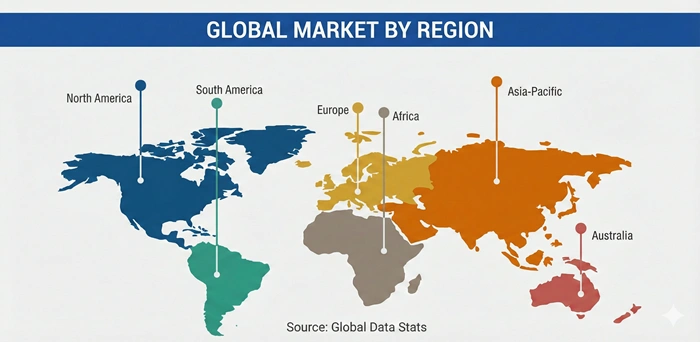
North America holds approximately 36–37% of global calcineurin inhibitors market revenue in 2025, expanding at a regional CAGR of approximately 7.13% through 2033. The United States is the dominant regional revenue contributor, supported by the world's highest absolute kidney and liver transplant volumes — with the UNOS system managing over 40,000 transplants annually — comprehensive CMS reimbursement for lifelong post-transplant immunosuppressive therapy, and a prescribing environment where both premium branded and generic calcineurin inhibitor products maintain strong market access across health plan formularies. Key players including Astellas Pharma (Prograf, Envarsus XR), Veloxis Pharmaceuticals (also Envarsus XR in specific markets), Novartis (Sandimmune, Neoral), AbbVie (Eliquis transplant programs), and Teva Pharmaceutical maintain active commercial programs in the North American calcineurin inhibitors market targeting both the transplant and dermatology segments with differentiated product strategies.
The premium extended-release tacrolimus segment — where Astellas's Envarsus XR and Astagraf XL compete for prescriber preference at leading U.S. transplant centers — represents the most commercially dynamic portion of the North American market, with both products defending premium positions through clinical evidence demonstrating intrapatient variability reduction and nephrotoxicity mitigation compared to generic immediate-release alternatives. Canada contributes meaningful regional revenue through its national transplant program and provincial drug benefit programs that cover tacrolimus and cyclosporine for transplant recipients. North America is also the primary geography for calcineurin inhibitor label expansion clinical trials — with multiple ongoing studies investigating tacrolimus utility in autoimmune nephrology, inflammatory bowel disease, and pulmonary disease indications that could open material new application revenue categories in the latter portion of the forecast period.
Asia Pacific
Asia Pacific Is the Fastest-Growing Region in the Calcineurin Inhibitors Market at 10.1% CAGR, Powered by Expanding Transplant Programs, Rising Autoimmune Burden, and Strong Domestic Generic Manufacturing
Asia Pacific is projected to grow at the highest regional CAGR of approximately 10.1% through the forecast period, making it the most strategically important growth region in the calcineurin inhibitors market over the 2026–2033 period. China is the largest individual country market within the region, where governmental reform of the organ donation and transplant system has driven dramatic volume growth in legitimate transplants — creating substantial demand for both originator and generic calcineurin inhibitor products across the country's large network of certified transplant centers. Domestic pharmaceutical manufacturers including CSPC Pharmaceutical, Livzon Pharmaceutical, and Beijing SL Pharmaceutical have developed locally manufactured tacrolimus and cyclosporine products that serve China's price-sensitive hospital formulary market while meeting NMPA quality standards. International companies including Astellas, Novartis, and Roche maintain premium segment positions in China's leading academic transplant centers where evidence-based prescribing and access to branded formulations is strongest.
India is emerging as a major growth contributor within the region, where expanding government-funded transplant programs, rapidly growing private hospital transplant capacity, and rising autoimmune disease prescription volumes are driving simultaneous demand growth across both the transplantation and dermatology application segments. India's strong domestic generic pharmaceutical industry — including Sun Pharmaceutical, Dr. Reddy's Laboratories, Lupin, Glenmark, and Cipla — manufactures high-quality, cost-competitive tacrolimus and cyclosporine products that serve the domestic price-sensitive market while also exporting to emerging markets in Africa, Southeast Asia, and Latin America. Japan and South Korea contribute high-quality, premium-pricing calcineurin inhibitor demand through their advanced transplant programs and sophisticated dermatology prescription practices, with Astellas Pharma's domestic Japanese market position and Korean companies including JW Pharmaceutical among the leading regional commercial participants.
Customization Available for This Report
This report offers comprehensive region-wise and country-wise customization, providing tailored market intelligence on calcineurin inhibitors market demand trends, regulatory frameworks, generic drug penetration, transplant program development, and competitive dynamics specifically aligned to your selected geography.
Customized versions of this report are available for each region and country listed below, delivering actionable, geography-specific intelligence for pharmaceutical manufacturers, transplant centers, healthcare policymakers, and investment analysts:
North America
-
U.S. — FDA regulatory framework, CMS reimbursement policies, UNOS transplant volume analysis, extended-release formulation competitive dynamics, dermatology prescribing trends, and key manufacturer competitive landscape
-
Canada — Health Canada regulatory standards, provincial formulary coverage, national transplant program analysis, and competitive market dynamics
-
Mexico — COFEPRIS regulatory requirements, IMSS transplant program development, generic market penetration, and market entry opportunity analysis
Europe
-
U.K. — MHRA regulatory framework, NHSBT transplant system analysis, NICE formulary guidance, generic substitution dynamics, and competitive commercial landscape
-
Germany — BfArM regulatory standards, organ transplant program volume analysis, dermatology market prescription trends, and competitive pharmaceutical landscape
-
France — ANSM regulatory requirements, Agence de Biomédecine transplant system, reimbursement dynamics, and key competitive market analysis
-
Italy — AIFA regulatory standards, transplant center distribution, dermatology prescription growth, and competitive pharmaceutical market analysis
-
Rest of Europe — Eastern European transplant program development, EU pharmaceutical regulation harmonization, and emerging calcineurin inhibitor market opportunity analysis
Asia Pacific
-
China — NMPA regulatory framework, transplant system reform impact, domestic vs. international brand competition, and regional market growth analysis
-
India — CDSCO regulatory standards, government transplant program expansion, domestic generic manufacturer competitive landscape, and export market opportunity analysis
-
Japan — PMDA regulatory standards, Astellas domestic market position, transplant program volume analysis, and premium formulation adoption trends
-
South Korea — MFDS regulatory environment, transplant and dermatology market analysis, and competitive pharmaceutical landscape
-
Australia — TGA regulatory standards, ANZOD transplant volume analysis, PBS reimbursement coverage, and competitive market dynamics
-
Rest of Asia Pacific — Country-level calcineurin inhibitor market analysis for Vietnam, Indonesia, Thailand, Malaysia, and Singapore
Latin America
-
Brazil — ANVISA regulatory framework, SUS public transplant coverage, domestic generic market analysis, and competitive pharmaceutical landscape
-
Argentina — ANMAT regulatory standards, transplant program analysis, economic environment impact on pharmaceutical investment, and market opportunity assessment
-
Rest of Latin America — Colombia, Chile, Peru transplant program development, generic market penetration, and calcineurin inhibitor market growth analysis
Middle East & Africa
-
UAE — MOH regulatory standards, medical tourism transplant demand, premium pharmaceutical brand adoption, and competitive market landscape
-
Saudi Arabia — SFDA regulatory requirements, SCOT transplant authority programs, Vision 2030 healthcare development investment, and competitive market analysis
-
Rest of MEA — Sub-Saharan Africa transplant program development, donor-funded healthcare investment, generic access programs, and emerging calcineurin inhibitor market opportunity analysis
Top Key Players
-
Astellas Pharma Inc. (Japan)
-
Novartis AG (Switzerland)
-
Viatris Inc. / Mylan N.V. (United States)
-
Teva Pharmaceutical Industries Ltd. (Israel)
-
Sun Pharmaceutical Industries Ltd. (India)
-
Dr. Reddy's Laboratories Ltd. (India)
-
Sandoz International GmbH / Hexal AG (Germany / Switzerland)
-
LEO Pharma A/S (Denmark)
-
Glenmark Pharmaceuticals Ltd. (India)
-
Lupin Ltd. (India)
-
AbbVie Inc. (United States)
-
Accord Healthcare Ltd. (United Kingdom)
-
Veloxis Pharmaceuticals A/S (Denmark)
-
CSPC Pharmaceutical Group Ltd. (China)
-
Panacea Biotec Ltd. (India)
Recent Developments
-
In October 2024, Astellas Pharma Inc. received expanded FDA approval for Envarsus XR (extended-release tacrolimus) for use in stable pediatric kidney transplant recipients — a significant label expansion that broadens the addressable patient population for the premium tacrolimus formulation and addresses a clinically important gap in pediatric transplant immunosuppression management where intrapatient drug level variability is particularly impactful on long-term graft outcomes
-
In September 2025, Veloxis Pharmaceuticals completed a long-term outcomes data analysis from its STRATO registry demonstrating that kidney transplant recipients converted from twice-daily immediate-release tacrolimus to once-daily Envarsus XR showed statistically significant reductions in intrapatient tacrolimus variability over 24 months — strengthening the clinical evidence package supporting the commercial premium pricing strategy for extended-release calcineurin inhibitor formulations at leading transplant centers across the U.S. and Europe
-
In March 2025, Sun Pharmaceutical Industries received USFDA approval for a high-quality generic tacrolimus extended-release capsule formulation, entering the Astagraf XL generic market segment — representing a significant market access event that is expected to increase price competition in the extended-release tacrolimus segment while improving patient access to once-daily immunosuppression in markets where cost-sensitive prescribing is common
-
In January 2026, Novartis AG announced a strategic expansion of its generics subsidiary Sandoz's calcineurin inhibitor manufacturing capacity at its Strykow, Poland facility — targeting increased production of both cyclosporine and tacrolimus to serve growing demand in European and emerging market hospital pharmacy accounts, reflecting the commercial opportunity in volume growth as transplant program expansion drives demand across Sandoz's international market footprint
-
In June 2025, Dr. Reddy's Laboratories Ltd. launched tacrolimus capsules in several Latin American markets through its specialty pharmaceutical distribution network — marking a strategic geographic expansion into the growing Brazilian, Chilean, and Colombian transplant medicine markets where demand for affordable, quality-certified generic immunosuppressive therapy is growing alongside expanding national organ donation and transplantation programs
Market Trends
Two Dominant Trends Are Reshaping the Calcineurin Inhibitors Market: The Accelerating Commercial Penetration of Pharmacogenomics-Guided Precision Dosing and the Growing Clinical Recognition of Novel Therapeutic Applications Beyond Established Transplant and Dermatology Indications
The integration of pharmacogenomics into clinical calcineurin inhibitor management is the most scientifically transformative trend in the calcineurin inhibitors market, progressively shifting tacrolimus initiation dosing from weight-based population averages to individually optimized starting doses that account for patient CYP3A5 genotype and other metabolic determinants. Multiple professional society guidelines — including those from the Clinical Pharmacogenomics Implementation Consortium (CPIC) and the International Society of Heart and Lung Transplantation — have endorsed CYP3A5 genotype-guided tacrolimus dosing as the preferred initiation approach at transplant centers with genotyping capability. The growing commercial availability of rapid clinical pharmacogenomic testing panels — including those integrated into hospital electronic health record platforms — is making this approach operationally feasible at an expanding proportion of transplant centers globally. Specialty pharmaceutical companies and diagnostic partners are building integrated precision dosing programs that combine extended-release tacrolimus formulations with pharmacogenomic testing and AI-powered therapeutic monitoring services — creating comprehensive clinical solutions that command premium pricing and institutional adoption momentum that generic competitors cannot replicate.
The expanding recognition of calcineurin inhibitor utility in novel therapeutic applications is a second trend that is gradually broadening the addressable market beyond established transplantation and dermatology indications. Tacrolimus is demonstrating clinical efficacy in conditions including nephrotic syndrome, inflammatory bowel disease-associated refractory fistulae, myasthenia gravis, and inflammatory anterior uveitis — with orphan disease designations and investigator-initiated studies advancing the evidence base for these indications at academic medical centers globally. Topical tacrolimus is being investigated for vitiligo management, inflammatory scalp conditions, and erosive oral lichen planus with promising early-phase results. As these emerging indications progress toward regulatory approval and commercial labeling — or achieve sufficient evidence to drive off-label prescribing at specialist centers — they will add incremental prescription revenue streams to the calcineurin inhibitors market that operate independently of transplant volume trends, providing valuable diversification in the commercial revenue architecture of this established drug class.
Segments Covered in the Report
By Drug Type
-
Tacrolimus
-
Immediate-Release Tacrolimus (Generic and Branded)
-
Extended-Release Tacrolimus (Envarsus XR, Astagraf XL)
-
-
Cyclosporine
-
Modified Cyclosporine (Neoral, Generic)
-
Conventional Cyclosporine
-
-
Pimecrolimus
-
Pimecrolimus Cream (Elidel and Generics)
-
-
Others
-
Investigational and Pipeline Calcineurin Inhibitor Compounds
-
By Dosage Form
-
Oral
-
Capsules and Hard Gelatin Capsule Formulations
-
Oral Solution Formulations
-
-
Topical
-
Cream and Ointment Formulations for Dermatological Use
-
-
Injectable
-
IV Concentrate Formulations for Hospital Use
-
By Application
-
Organ Transplantation
-
Kidney Transplantation Immunosuppression
-
Liver and Heart Transplantation Immunosuppression
-
Lung and Other Solid Organ Transplantation
-
-
Dermatology
-
Atopic Dermatitis and Eczema Management
-
Psoriasis and Other Inflammatory Skin Conditions
-
-
Autoimmune Disorders
-
Nephrotic Syndrome and Renal Autoimmune Conditions
-
Systemic and Other Autoimmune Indications
-
-
Others
-
Emerging and Off-Label Therapeutic Applications
-
By Distribution Channel
-
Hospital Pharmacies
-
Inpatient and Specialty Transplant Pharmacy Programs
-
-
Retail Pharmacies
-
Community and Chain Pharmacy Networks
-
-
Online Pharmacies
-
Licensed Digital Pharmacy Platforms and Chronic Prescription Services
-
By Region
-
North America (U.S., Canada, Mexico)
-
Europe (U.K., Germany, France, Italy, Rest of Europe)
-
Asia Pacific (China, India, Japan, South Korea, Australia, Rest of Asia Pacific)
-
Latin America (Brazil, Argentina, Rest of Latin America)
-
Middle East and Africa (UAE, Saudi Arabia, Rest of MEA)
❝ Built for Every Level — From Startups to Industry Giants ❞
Here Is Exactly How This Report Works for You
-
For tier 1 global pharmaceutical corporations, transplant medicine commercial teams, and institutional healthcare investors, this report delivers granular competitor revenue analysis including product-line and geography-level breakdowns for Astellas Pharma, Novartis, Viatris, Teva, Sun Pharma, and Dr. Reddy's — alongside a structured geopolitical and regulatory risk assessment covering how FDA extended-release label expansion decisions, EU pharmaceutical regulation changes, emerging market transplant program government funding trajectories, and generic approval timelines are reshaping competitive positioning, pricing power, and market share distribution across the calcineurin inhibitors market through 2033
-
For tier 2 and tier 3 pharmaceutical manufacturers, specialty generics producers, transplant center pharmacy directors, and healthcare technology companies developing AI-assisted dosing platforms, this report maps the highest-growth product categories including extended-release formulations, pharmacogenomic dosing programs, and emerging indication applications, the most commercially accessible emerging market expansion geographies, and the competitive dynamics between branded originator strategies and aggressive generic market penetration — providing a data-driven strategic roadmap for the forecast period
-
For all decision-makers across the calcineurin inhibitors market value chain — from chief medical officers and drug development directors to commercial strategy leaders and market access executives — this report translates complex signals including transplant volume growth trajectories, autoimmune disease incidence trends, pharmacogenomics adoption timelines, and generic approval pipeline data into actionable intelligence that enables smarter R&D investment, commercial strategy, geographic expansion, and partnership decisions through 2033
Frequently Asked Questions
Question 1: What is the current size of the global calcineurin inhibitors market and what is the projected value by 2033?
Answer: The global calcineurin inhibitors market was valued at USD 10.63 billion in 2025 and is projected to reach approximately USD 21.52 billion by 2033, growing at a CAGR of 8.00% from 2026 to 2033. This growth is driven by rising organ transplant volumes globally, escalating autoimmune and dermatological disease prevalence, expanding healthcare access in emerging markets, and continued innovation in extended-release and precision-dosed formulations.
Question 2: What are calcineurin inhibitors used for and which drug is most widely prescribed?
Answer: Calcineurin inhibitors are immunosuppressive drugs primarily used to prevent organ rejection in transplant recipients and to treat autoimmune and inflammatory skin conditions including atopic dermatitis and psoriasis by blocking T-lymphocyte activation. Tacrolimus is the most widely prescribed drug in the class, holding approximately 54–55% of drug type revenue in 2025 due to its superior efficacy over cyclosporine in preventing acute organ rejection across kidney, liver, heart, and lung transplantation.
Question 3: What are the main side effects of calcineurin inhibitors that impact market growth?
Answer: The most clinically significant side effects of calcineurin inhibitors — particularly tacrolimus and cyclosporine — include nephrotoxicity, cardiovascular complications, metabolic disturbances including new-onset diabetes after transplantation, and neurotoxicity, which collectively limit long-term dose escalation and motivate clinical interest in minimization strategies. These side effects represent both a commercial restraint on the market — sustaining prescriber motivation to minimize exposure — and an innovation opportunity for pharmaceutical companies developing next-generation extended-release formulations and alternative immunosuppressive protocols designed to achieve clinical efficacy at lower calcineurin inhibitor doses.
Question 4: Which region is growing fastest in the calcineurin inhibitors market?
Answer: Asia Pacific is the fastest-growing regional market in the calcineurin inhibitors market at approximately 10.1% CAGR through 2033, driven by the expansion of national organ transplant programs in China and India, rapidly growing middle-class healthcare spending, rising autoimmune disease prevalence linked to urbanization, and a strong domestic generic pharmaceutical manufacturing base. China and India individually represent two of the most commercially significant country-level growth opportunities in the market, with each government actively investing in expanding transplant program capacity and improving immunosuppressive drug access and affordability.
Question 5: How is extended-release tacrolimus changing the calcineurin inhibitors market?
Answer: Extended-release tacrolimus formulations including Envarsus XR and Astagraf XL are fundamentally changing the calcineurin inhibitors market by demonstrating clinically meaningful reductions in intrapatient pharmacokinetic variability — a key predictor of long-term transplant outcomes — while achieving target drug exposures at 20–30% lower daily doses than conventional immediate-release formulations, translating into reduced nephrotoxicity risk for transplant recipients. These clinical advantages are supporting premium price positioning for extended-release products above generic immediate-release tacrolimus while creating commercial differentiation that sustains branded pharmaceutical revenue in a market segment where multi-source generic competition has otherwise significantly compressed innovation-grade pricing opportunities.