
Buy Now Pay Later Market Overview
The global Buy Now Pay Later market size is valued at USD 23.07 billion in 2025 and is predicted to increase from USD 28.14 billion in 2026 to approximately USD 82.76 billion by 2033, growing at a CAGR of 14.58% from 2026 to 2033.
This flexible payment solution has transformed the way consumers approach online shopping by breaking down purchase costs into manageable installments without traditional credit requirements. The Buy Now Pay Later market has gained significant traction among younger demographics who prefer interest-free payment plans over conventional credit card arrangements.
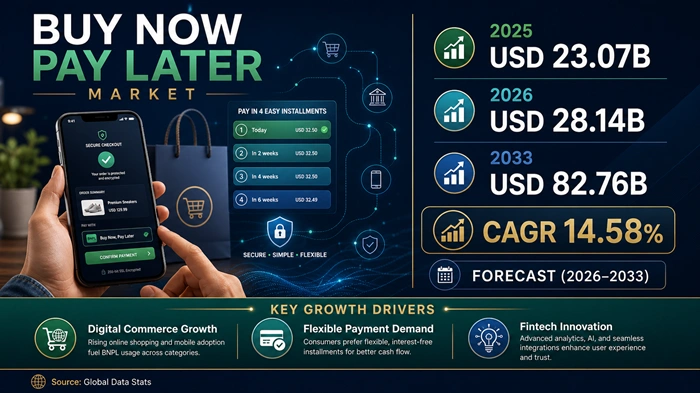
Transforming Consumer Finance Through Seamless Digital Payment Innovation and Strategic Merchant Integration
Shopping habits worldwide have experienced a fundamental shift as digital payment alternatives reshape the traditional lending landscape. The Buy Now Pay Later approach allows customers to split their purchases into smaller payments spread over time, typically without interest charges if paid within agreed timeframes. This payment method has become particularly popular in e-commerce platforms where merchants integrate these services directly into their checkout processes. Financial technology companies have capitalized on this opportunity by developing sophisticated risk assessment algorithms that evaluate creditworthiness in real-time without requiring extensive credit history checks.
AI Impact on the Buy Now Pay Later Industry
Artificial Intelligence Powers Advanced Credit Decisioning and Fraud Prevention Systems Across Modern Payment Platforms
Artificial intelligence has emerged as a transformative force within the Buy Now Pay Later market, fundamentally changing how providers assess risk and approve transactions. Machine learning algorithms now process vast amounts of consumer data to make instant credit decisions, enabling approval rates that exceed 60% for digital lending applications while maintaining acceptable default levels. These AI-powered systems analyze purchasing patterns, payment histories, and behavioral indicators to predict repayment probability with greater accuracy than traditional credit scoring methods. The technology has reduced fraud losses by approximately 40% across the fintech sector by identifying suspicious transaction patterns and flagging potentially risky applications before approval.
The integration of generative AI and natural language processing has enhanced customer service capabilities within the Buy Now Pay Later market, with automated systems now handling 78% of customer queries without human intervention. Providers leverage AI-driven personalization engines to offer tailored payment plans based on individual financial situations and purchasing behavior. This technological advancement has contributed to the fintech AI market growing from 30 billion dollars in 2025 with projections reaching 83.1 billion dollars by 2030. The implementation of intelligent underwriting systems has streamlined merchant prequalification processes, allowing retailers to identify eligible customers instantly and increase conversion rates at checkout.
Growth Factors
E-commerce Expansion and Changing Consumer Preferences Drive Unprecedented Adoption of Flexible Payment Solutions
The explosive growth of e-commerce platforms has created a fertile environment for the Buy Now Pay Later market to flourish across multiple retail categories. Online shopping penetration has increased dramatically as digital-first consumers seek convenient alternatives to traditional credit products that often come with high interest rates and complex approval processes. Merchants have recognized that offering BNPL options at checkout significantly reduces cart abandonment rates while simultaneously increasing average order values, making these partnerships mutually beneficial for both retailers and payment providers. The younger generation, particularly millennials and Gen Z consumers, show strong preference for transparent fee structures and flexible payment terms that BNPL services provide compared to conventional credit cards.
Strategic partnerships between major retailers and BNPL providers have accelerated market penetration across diverse industry verticals including fashion, electronics, healthcare, and travel. Financial institutions and technology companies continue investing heavily in developing sophisticated payment infrastructure that seamlessly integrates into existing merchant platforms. The increasing adoption of smartphones and digital wallets has provided additional momentum for BNPL services, making it easier for consumers to access flexible payment options through mobile applications. Supportive regulatory frameworks in key markets have encouraged innovation while protecting consumer interests, creating an environment conducive to sustainable growth in the Buy Now Pay Later market.
Market Outlook
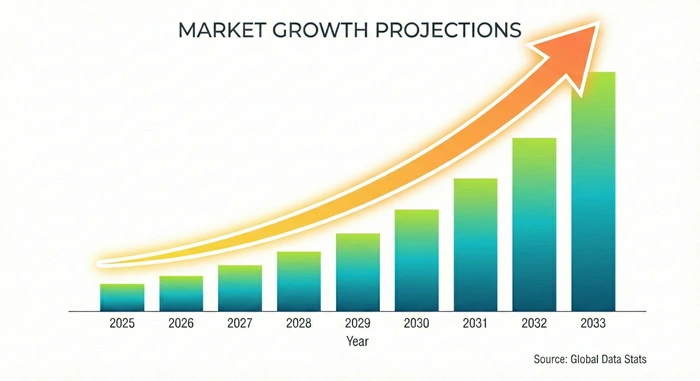
Strong Revenue Projections and Regional Expansion Signal Robust Growth Trajectory Through 2033
The Buy Now Pay Later market demonstrates compelling growth prospects as providers expand their service offerings beyond traditional retail into new sectors including healthcare, education, and high-value purchases. Market analysts project sustained double-digit compound annual growth rates as BNPL solutions gain acceptance among both consumers and merchants across developed and emerging economies. North America and Asia Pacific regions lead market development with sophisticated digital payment ecosystems and strong e-commerce infrastructure supporting rapid adoption. European markets show steady growth as regulatory clarity improves and consumers become more comfortable with alternative credit products.
Investment in research and development activities has intensified as established financial institutions recognize the competitive threat posed by agile fintech startups in the Buy Now Pay Later market. Providers are diversifying their product portfolios to include longer-term financing options with competitive interest rates for big-ticket purchases that exceed traditional BNPL transaction values. The integration of BNPL services into digital wallets and payment platforms operated by technology giants signals mainstream acceptance of these payment methods. Emerging markets present significant untapped opportunities as smartphone penetration increases and digital payment infrastructure develops, positioning the Buy Now Pay Later market for continued expansion through 2033.
Expert Speaks
-
PayPal Leadership emphasized their commitment to expanding BNPL services globally, highlighting how flexible payment options drive customer loyalty and increase transaction volumes across their platform.
-
Klarna Executives noted that partnerships with major retailers and integration into established e-commerce platforms have been instrumental in scaling their operations and reaching new customer segments worldwide.
-
Affirm Management discussed their focus on transparent pricing and responsible lending practices, positioning their BNPL solutions as consumer-friendly alternatives to traditional revolving credit products.
Key Report Takeaways
-
North America leads the Buy Now Pay Later market with the largest regional market share of approximately 30% due to advanced e-commerce infrastructure and strong consumer adoption of digital payment methods
-
Asia Pacific emerges as the fastest-growing region with a projected CAGR of 15.11% from 2026 to 2033, driven by supportive government policies, fintech expansion, and rising smartphone penetration
-
The platform and solution segment dominates by capturing 67% market share as merchants increasingly integrate BNPL technology directly into their checkout processes to improve conversion rates
-
Business-driven models account for the majority with approximately 71% market share as retailers partner with BNPL providers to offer flexible payment options that boost sales and customer retention
-
Online channels represent the largest mode segment with 55.88% market share reflecting the digital-first nature of BNPL services and their strong integration with e-commerce platforms
-
The customer-driven segment shows strong growth potential with an expected CAGR of 15.49% as direct-to-consumer BNPL applications and standalone platforms gain popularity among younger demographics
Market Scope
| Report Coverage | Details |
|---|---|
| Market Size by 2033 | USD 82.76 Billion |
| Market Size by 2025 | USD 23.07 Billion |
| Market Size by 2026 | USD 28.14 Billion |
| Market Growth Rate from 2026 to 2033 | CAGR of 14.58% |
| Dominating Region | North America |
| Fastest Growing Region | Asia Pacific |
| Base Year | 2025 |
| Forecast Period | 2026 to 2033 |
| Segments Covered | Component, Business Model, Mode, Vertical, Region |
| Regions Covered | North America, Europe, Asia Pacific, Latin America, Middle East and Africa |
Market Dynamics
Drivers Impact Analysis
Digital Commerce Revolution and Consumer Demand for Financial Flexibility Accelerate Market Expansion
| Factor | (≈) % Impact on CAGR Forecast | Geographic Relevance | Impact Timeline |
|---|---|---|---|
| E-commerce Growth | High (3-4%) | Global | 2026-2033 |
| Millennial/Gen Z Adoption | High (2-3%) | North America, Europe, Asia Pacific | 2026-2033 |
| Merchant Partnerships | Medium-High (2-3%) | Global | 2026-2033 |
| Digital Payment Infrastructure | Medium (1-2%) | Asia Pacific, Latin America | 2026-2033 |
The rapid expansion of online shopping platforms has created unprecedented opportunities for the Buy Now Pay Later market as merchants seek competitive advantages through flexible payment options. E-commerce sales continue growing at robust rates globally, with consumers increasingly expecting seamless checkout experiences that include installment payment alternatives to traditional credit cards. This driver proves particularly influential in markets where credit card penetration remains relatively low but smartphone adoption has surged, enabling BNPL providers to reach previously underserved customer segments. The convenience factor associated with interest-free installment plans resonates strongly with budget-conscious consumers who appreciate the ability to manage cash flow more effectively without accumulating traditional credit card debt.
Demographic shifts have positioned younger generations as primary users of Buy Now Pay Later services, with these cohorts demonstrating strong preferences for transparent fee structures and digital-first financial products. Millennials and Gen Z consumers often lack extensive credit histories that traditional lenders require, making BNPL an attractive alternative that bases approval on different risk assessment criteria. Merchant adoption has accelerated as retailers recognize that offering BNPL options reduces cart abandonment rates while increasing average transaction values across both low-ticket and mid-range purchases. Strategic partnerships between payment providers and major e-commerce platforms have expanded the reach of BNPL services, integrating these options seamlessly into popular shopping destinations where conversion rate optimization remains a top priority for online retailers.
Restraints Impact Analysis
Regulatory Scrutiny and Consumer Debt Concerns Present Growth Challenges for Payment Providers
| Factor | (≈) % Impact on CAGR Forecast | Geographic Relevance | Impact Timeline |
|---|---|---|---|
| Regulatory Compliance | Medium (-1 to -2%) | Global | 2026-2033 |
| Consumer Debt Risk | Medium (-1 to -2%) | North America, Europe | 2026-2033 |
| Late Payment Costs | Low-Medium (-0.5 to -1%) | Global | 2026-2033 |
| Credit Risk Management | Medium (-1 to -1.5%) | Emerging Markets | 2026-2033 |
Increasing regulatory attention toward the Buy Now Pay Later market has created compliance challenges as governments seek to protect consumers from potential over-indebtedness and ensure responsible lending practices. Financial authorities in several developed markets have begun implementing frameworks that subject BNPL providers to similar oversight as traditional credit products, potentially increasing operational costs and limiting flexibility in product design. Consumer protection advocates have raised concerns about the ease with which users can accumulate multiple BNPL commitments across different providers, potentially leading to financial stress when payment obligations converge. These regulatory developments may slow market expansion in certain jurisdictions while providers adapt their business models to meet evolving compliance requirements.
The risk of consumer default represents a significant concern for BNPL providers, particularly as they expand into new markets and customer segments with less predictable repayment behavior. Late payment fees and returned payment costs can accumulate quickly for consumers who mismanage their BNPL commitments, potentially damaging the reputation of providers and attracting further regulatory scrutiny. Credit risk management becomes increasingly complex as providers scale their operations across diverse demographic groups and geographic regions with varying economic conditions. The Buy Now Pay Later market must balance growth ambitions with prudent risk assessment practices to maintain sustainable default rates that satisfy investors and regulators while preserving profitability.
Opportunities Impact Analysis
Emerging Markets and Product Innovation Create Substantial Growth Pathways
| Factor | (≈) % Impact on CAGR Forecast | Geographic Relevance | Impact Timeline |
|---|---|---|---|
| Emerging Market Expansion | High (2-3%) | Asia Pacific, Latin America, Middle East | 2027-2033 |
| Big-Ticket BNPL | Medium-High (1.5-2.5%) | Global | 2026-2033 |
| Healthcare/Travel Verticals | Medium (1-2%) | North America, Europe | 2026-2033 |
| B2B BNPL Solutions | Medium (1-1.5%) | Global | 2027-2033 |
Expansion into emerging markets presents substantial opportunities for the Buy Now Pay Later market as rising middle-class populations gain access to smartphones and digital payment infrastructure. Countries across Asia Pacific, Latin America, and Africa demonstrate strong potential due to relatively low credit card penetration combined with rapidly growing e-commerce adoption rates. Supportive government initiatives aimed at promoting financial inclusion and digital payment adoption create favorable conditions for BNPL providers seeking to establish footholds in these high-growth regions. The demographic profile of emerging markets skews younger, aligning perfectly with the primary user base that has driven BNPL adoption in developed economies.
Product innovation beyond traditional retail applications offers significant growth avenues as providers develop specialized BNPL solutions for big-ticket purchases including electronics, furniture, and travel bookings. Healthcare financing represents a particularly compelling opportunity as consumers seek flexible payment options for medical procedures, dental work, and other health-related expenses not fully covered by insurance. The business-to-business segment remains largely untapped, with SME sales financing presenting opportunities to extend BNPL concepts into commercial transactions where suppliers offer flexible payment terms to business customers. Integration with digital wallets and banking platforms operated by technology giants could dramatically expand the addressable market for Buy Now Pay Later services while improving user experience through seamless access within familiar financial applications.
Segment Analysis
By Component: Platform and Solution Segment
Advanced Technology Infrastructure Drives Market Leadership Through Seamless Merchant Integration
The platform and solution segment commands dominant market share of approximately 67% within the Buy Now Pay Later market due to the critical role that technological infrastructure plays in enabling BNPL transactions. This segment encompasses the core software systems, application programming interfaces, payment gateways, and risk assessment tools that merchants integrate into their e-commerce platforms to offer flexible payment options at checkout. North America leads platform adoption with sophisticated digital payment ecosystems where major retailers have established partnerships with multiple BNPL providers to maximize customer reach and conversion rates. Leading technology companies in this space including Affirm, Klarna, and Afterpay have invested heavily in developing robust platforms that process millions of transactions while maintaining security standards and delivering instant credit decisions.
The segment demonstrates strong growth momentum as merchants increasingly recognize the competitive necessity of offering BNPL options to match consumer expectations and prevent cart abandonment during the checkout process. Platform providers differentiate themselves through features such as seamless integration capabilities, advanced fraud detection algorithms, customizable payment terms, and comprehensive merchant analytics dashboards that provide insights into customer behavior and transaction patterns. Asia Pacific emerges as the fastest-growing region for platform solutions, driven by the expanding fintech ecosystem and significant investments in digital payment infrastructure across countries like India, China, and Southeast Asian nations. The Buy Now Pay Later market benefits from network effects as platform adoption accelerates, with merchants seeking solutions that offer broad consumer reach while BNPL users prefer services available across multiple retail destinations.
By Business Model: Business-Driven Segment
Merchant-Focused Solutions Capture Majority Share Through Strategic Retail Partnerships
The business-driven segment represents the largest business model category with approximately 71% market share in the Buy Now Pay Later market as retailers prioritize offering flexible payment options to enhance customer experience and drive sales growth. This model focuses on partnerships between BNPL providers and merchants, where retailers integrate payment solutions directly into their checkout processes and often receive additional services including marketing support, customer analytics, and integration assistance. The segment has gained particular traction across fashion, electronics, and lifestyle retail categories where purchase values align well with typical BNPL transaction ranges and consumer demand for flexible payments remains strongest. North America maintains leadership in business-driven BNPL adoption with major retailers across department stores, specialty shops, and e-commerce platforms offering these payment options as standard features.
Merchant adoption accelerates as retailers observe measurable benefits including increased conversion rates, higher average order values, and improved customer retention among shoppers who utilize BNPL services. Leading providers in this segment such as Klarna, Affirm, and PayPal have established partnerships with thousands of merchants globally, creating extensive networks that enhance their value proposition to both retailers and consumers. Europe demonstrates strong growth in business-driven models as regulatory frameworks become clearer and traditional retailers accelerate their digital transformation initiatives to compete with e-commerce pure-plays. The Buy Now Pay Later market continues evolving within this segment as providers expand beyond basic installment plans to offer longer-term financing options, white-label solutions, and sophisticated risk-sharing arrangements that align incentives between BNPL platforms and merchant partners.
Regional Insights
North America
Established Digital Infrastructure and Strong E-commerce Adoption Drive Regional Market Leadership
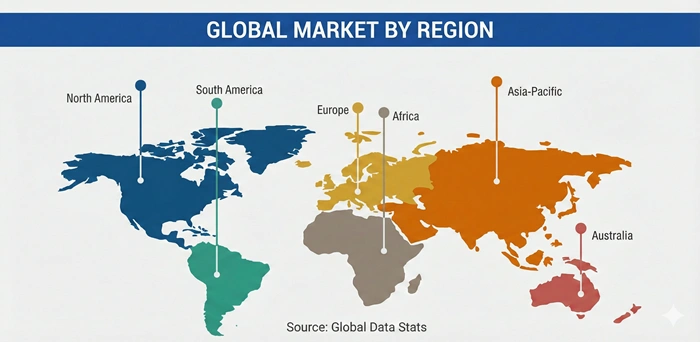
North America commands the largest regional share of approximately 30% in the Buy Now Pay Later market, supported by mature e-commerce infrastructure and high consumer adoption of digital payment methods. The region benefits from a vibrant fintech ecosystem with substantial venture capital investment flowing into payment innovation and financial technology startups that continue pushing the boundaries of BNPL service offerings. United States dominates regional activity with major providers including Affirm, PayPal, and Sezzle maintaining headquarters and primary operations within the country while establishing partnerships with leading retailers across multiple verticals. Consumer familiarity with online shopping and comfort using digital financial services has accelerated BNPL adoption among millennials and Gen Z shoppers who represent core demographic segments for these payment solutions.
The North American Buy Now Pay Later market demonstrates strong growth momentum as traditional financial institutions recognize competitive threats and begin developing their own BNPL offerings or acquiring existing providers to maintain market relevance. Major retailers including Amazon, Walmart, and Target have integrated multiple BNPL options into their checkout processes, creating fierce competition among providers seeking merchant partnerships and consumer mindshare. Regulatory developments in the region have evolved cautiously with authorities monitoring consumer protection concerns while generally maintaining a supportive environment for fintech innovation. Key players serving this market include Affirm Holdings, PayPal Holdings, Afterpay (owned by Block Inc.), Klarna Bank AB, Sezzle, Quadpay, and Splitit, each commanding significant market presence through strategic retail partnerships and differentiated service offerings.
Asia Pacific
Rapid Digital Transformation and Government Support Position Region as Fastest-Growing Market
Asia Pacific has emerged as the fastest-growing region in the Buy Now Pay Later market with projected CAGR of 15.11% from 2026 to 2033, driven by supportive government policies promoting digital payments and financial inclusion. The region held approximately 36.42% market share in 2024, reflecting the massive consumer base and rapidly expanding e-commerce ecosystem across countries including China, India, Australia, and Southeast Asian nations. Government initiatives encouraging cashless transactions and fintech innovation have created favorable regulatory environments that enable BNPL providers to scale operations quickly while reaching previously underserved populations with limited access to traditional credit products. Smartphone penetration continues growing rapidly across the region, providing the digital infrastructure necessary for mobile-first BNPL applications that resonate with younger demographics.
The Asia Pacific Buy Now Pay Later market benefits from strong local fintech ecosystems with homegrown providers including ZestMoney, Simpl, and LazyPay in India competing alongside international players such as Klarna and Afterpay who have established regional partnerships. China presents unique opportunities with advanced digital payment infrastructure including Alipay and WeChat Pay providing established frameworks into which BNPL services can integrate seamlessly. Australia has implemented clear regulatory frameworks that boost consumer confidence while supporting sustainable BNPL growth, establishing the country as a regional leader in adoption rates and regulatory clarity. Key players active across this diverse region include Afterpay, Klarna, Atome, Pace, ZestMoney, LazyPay, Simpl, and numerous local providers tailoring services to specific market preferences and regulatory requirements within individual countries.
Top Key Players
-
Affirm Holdings Inc. (United States)
-
Afterpay/Block Inc. (Australia)
-
Klarna Bank AB (Sweden)
-
PayPal Holdings Inc. (United States)
-
Sezzle Inc. (United States)
-
Zip Co Limited (Australia)
-
Splitit (Israel)
-
Quadpay (United States)
-
Laybuy Group Holdings Limited (New Zealand)
-
Perpay Inc. (United States)
-
FuturePay (United States)
-
Bread Financial (United States)
-
Payl8r/Social Money Ltd. (United Kingdom)
-
Atome (Singapore)
Recent Developments
-
Affirm Holdings Inc. (2024) secured multi-billion-dollar financing agreements to expand lending capacity and strengthen partnerships with major e-commerce platforms including Amazon and Shopify, enabling increased transaction volumes across retail categories
-
Klarna Bank AB (2025) announced integration with Apple Pay, allowing consumers to access Klarna's BNPL services directly through Apple's digital wallet ecosystem, significantly expanding reach among iOS users globally
-
Block Inc./Afterpay (2024) completed strategic acquisitions to enhance technology capabilities and expand merchant services offerings, strengthening position in competitive North American and European markets
-
PayPal Holdings Inc. (2024-2025) expanded Pay in 4 service to additional international markets while launching longer-term financing options for big-ticket purchases, diversifying product portfolio beyond traditional BNPL terms
-
Sezzle Inc. (2025) formed strategic partnerships with regional retailers across North America and began testing entry into select European markets, focusing on underserved merchant segments and niche retail categories
Market Trends
Technological Innovation and Product Diversification Shape Industry Evolution
The Buy Now Pay Later market continues evolving beyond basic installment plans as providers develop sophisticated product offerings including longer-term financing options with competitive interest rates for high-value purchases. Integration of BNPL services into digital wallets operated by technology giants represents a significant trend that expands accessibility while embedding flexible payment options into mainstream financial platforms where consumers already manage their money. Providers increasingly leverage artificial intelligence and machine learning algorithms to enhance credit decisioning capabilities, improve fraud detection, and personalize payment terms based on individual consumer profiles and purchasing patterns. The shift toward omnichannel offerings enables consumers to access BNPL services across both online and physical retail environments, with point-of-sale systems in brick-and-mortar stores integrating flexible payment technology.
Vertical expansion into specialized sectors including healthcare, travel, automotive, and education presents new growth avenues as the Buy Now Pay Later market matures beyond traditional retail applications. White-label solutions allow merchants to offer branded BNPL experiences while leveraging provider technology infrastructure, creating more seamless customer journeys that reinforce retailer relationships rather than promoting third-party payment brands. Regulatory adaptation continues shaping market development as providers work collaboratively with government authorities to establish frameworks balancing consumer protection with innovation support. Cross-border expansion accelerates as leading players establish operations in emerging markets, adapting service offerings to local regulatory requirements, consumer preferences, and competitive dynamics while capitalizing on growing digital payment adoption across developing economies.
Segments Covered in the Report
By Component
-
Platform/Solution
-
Services
By Business Model
-
Business-Driven
-
Customer-Driven
By Mode
-
Online
-
Offline
By Vertical
-
Fashion and Garment
-
Consumer Electronics
-
Healthcare
-
Retail
-
Media and Entertainment
-
BFSI
-
Others
By Region
-
North America
-
Europe
-
Asia Pacific
-
Latin America
-
Middle East and Africa
Frequently Asked Questions
Question 1: What is the projected Buy Now Pay Later market size by 2033?
Answer: The global Buy Now Pay Later market is expected to reach approximately USD 82.76 billion by 2033. The market demonstrates robust growth driven by increasing e-commerce adoption and consumer preference for flexible payment solutions.
Question 2: Which region dominates the Buy Now Pay Later market currently?
Answer: North America holds the largest market share at approximately 30% due to advanced digital payment infrastructure and strong consumer adoption. The region benefits from mature e-commerce platforms and established fintech ecosystems supporting BNPL growth.
Question 3: What factors drive growth in the Buy Now Pay Later market?
Answer: Key drivers include expanding e-commerce platforms, millennial and Gen Z adoption of digital payments, strategic merchant partnerships, and improved mobile payment infrastructure. Consumer demand for interest-free installment options over traditional credit cards accelerates Buy Now Pay Later market expansion globally.
Question 4: How is AI impacting the Buy Now Pay Later market development?
Answer: Artificial intelligence enhances credit decisioning through real-time risk assessment and reduces fraud losses by 40% across fintech platforms. AI-powered systems enable instant approvals while improving customer service through automated query handling in the Buy Now Pay Later market.
Question 5: Which segment leads the Buy Now Pay Later market by business model?
Answer: The business-driven segment commands approximately 71% market share as merchants partner with BNPL providers to offer flexible payments at checkout. This model benefits from strategic retail partnerships that increase conversion rates and average transaction values in the Buy Now Pay Later market.