
Butane Gas Canisters Market Overview
Portable Fuel Solutions Transform Outdoor Recreation, Emergency Preparedness, and Commercial Cooking Industries
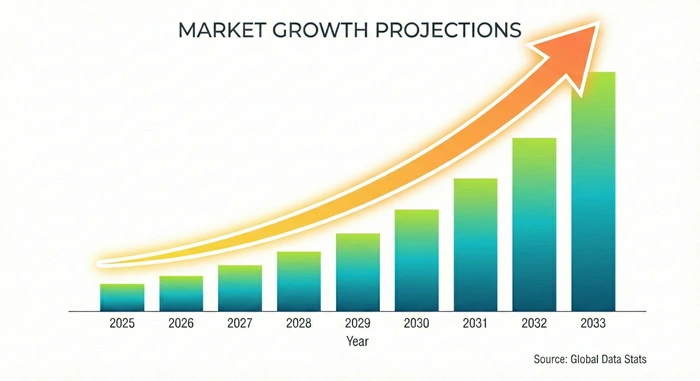
The global butane gas canisters market size is valued at USD 1.00 billion in 2025 and is predicted to increase from USD 1.07 billion in 2026 to approximately USD 1.73 billion by 2033, growing at a CAGR of 7.04% from 2026 to 2033. This expanding industry encompasses portable pressurized containers filled with liquefied butane fuel serving as convenient energy sources for camping stoves, portable cookers, torches, heating devices, and emergency backup applications. Butane gas canisters deliver clean-burning combustion, compact portability, and instant ignition capabilities replacing traditional fuel sources across outdoor recreation, residential backup, food service, and industrial applications requiring flexible heating solutions.
The butane gas canisters market addresses escalating demand for portable cooking equipment driven by growing outdoor recreation participation, urbanization trends favoring compact living spaces, and emergency preparedness awareness requiring reliable backup energy sources. These sealed metal containers typically ranging 100-500 grams demonstrate threaded valve connections, puncture-resistant construction, and safety mechanisms preventing accidental discharge. Major application sectors including camping equipment, portable stoves, food trucks, catering services, and emergency kits consume substantial canister volumes as consumers and businesses pursue convenience, portability, and versatility throughout diverse usage scenarios requiring immediate cooking or heating capabilities without electrical infrastructure dependencies.

AI Impact on the Butane Gas Canisters Industry
Smart Manufacturing and Predictive Analytics Revolutionize Production Quality and Supply Chain Optimization
Artificial intelligence transforms the butane gas canisters market through automated quality control systems monitoring manufacturing processes including canister welding, valve installation, butane filling, and safety testing detecting microscopic defects invisible to human inspectors. Machine learning algorithms analyze production data identifying subtle variations in metal thickness, weld integrity, valve threading, and fill weights predicting potential failures before canisters reach distribution channels. These AI-powered inspection systems utilize computer vision technology examining thousands of units per hour ensuring consistent quality standards while eliminating defective products compromising consumer safety. Predictive maintenance models monitor filling equipment, sealing machinery, and testing apparatus forecasting component failures enabling scheduled maintenance preventing costly production disruptions and maintaining continuous manufacturing operations throughout peak seasonal demand periods.
Advanced AI applications extend beyond manufacturing optimization to revolutionize supply chain management and demand forecasting within the butane gas canisters market landscape. Neural networks analyze historical sales data, weather patterns, camping season trends, and emergency event frequencies predicting regional demand fluctuations enabling optimized inventory positioning reducing stockouts during peak usage periods. Machine learning models evaluate retail point-of-sale data, online search trends, and social media outdoor activity discussions identifying emerging demand signals weeks before traditional forecasting methods. Automated logistics systems optimize distribution routes, warehouse locations, and safety-compliant transportation scheduling reducing delivery costs while ensuring regulatory compliance across jurisdictions with varying hazardous material transportation requirements. These AI-driven capabilities position manufacturers and distributors to achieve superior service levels while reducing inventory carrying costs by 25-35% and improving customer satisfaction throughout forecast period.
Growth Factors
Outdoor Recreation Boom and Urban Living Trends Drive Unprecedented Butane Gas Canisters Adoption
The butane gas canisters market experiences robust growth propelled by surging outdoor recreation participation where camping, hiking, backpacking, and overlanding activities create sustained demand for portable cooking solutions. National park visitation across United States, Europe, and Asia Pacific regions demonstrates consistent growth with camping participation increasing 20-30% post-pandemic as consumers prioritize outdoor experiences and socially-distanced recreation. Lightweight backpacking and ultra-light camping movements favor butane canisters offering superior weight-to-energy ratios compared to liquid fuel alternatives enabling multi-day wilderness expeditions without resupply access. Glamping and vehicle-based camping trends incorporate portable butane stoves as secondary cooking options supplementing built-in facilities providing flexibility and backup capabilities. Adventure tourism growth particularly in developing regions creates emerging markets as international travelers and domestic outdoor enthusiasts adopt camping practices requiring portable fuel sources throughout forecast period.
Urban living trends drive butane gas canisters market expansion through specialized applications in compact apartments, dormitories, and temporary housing where space constraints and cooking limitations create demand for portable supplemental cooking equipment. Asian metropolitan areas particularly Japan, South Korea, and Chinese cities demonstrate high butane canister consumption supporting single-burner portable stoves used for individual meal preparation, hot pot cooking, and specialty dishes requiring tabletop preparation. Student housing, temporary workers, and young urban professionals adopt portable butane cooking systems as primary or supplementary options where full kitchen facilities unavailable or shared. Food service sector growth including food trucks, street vendors, mobile catering, and outdoor event services relies substantially on butane-powered cooking equipment providing consistent heat without electrical infrastructure dependencies. Emergency preparedness awareness heightened by natural disasters, power grid vulnerabilities, and pandemic experiences drives residential stockpiling of butane canisters as backup cooking and heating fuel creating baseline demand independent of recreational usage patterns throughout forecast period.
Market Outlook
Safety Innovation and Sustainable Materials Position Industry for Sustained Long-Term Expansion
The butane gas canisters market outlook remains exceptionally positive as manufacturers invest substantially in safety innovations including enhanced valve designs, pressure relief mechanisms, and tamper-evident packaging addressing consumer safety concerns and regulatory requirements. Next-generation safety valves incorporating automatic shut-off features, pressure-sensitive release mechanisms, and child-resistant closures prevent accidental discharge and misuse incidents. Improved puncture-resistant canister construction utilizing advanced steel alloys and protective coatings reduces transportation damage risks and extends product shelf life maintaining fuel quality across extended storage periods. Clear safety labeling, usage instructions, and compatibility warnings in multiple languages improve consumer education reducing improper usage incidents. Manufacturers pursue third-party safety certifications including ISO standards, regional regulatory approvals, and industry association endorsements building consumer confidence and enabling access to regulated retail channels throughout diverse geographic markets.
Investment trends within the butane gas canisters market reflect growing confidence in long-term demand fundamentals as packaging companies, fuel distributors, and outdoor equipment manufacturers expand production capacity targeting camping, commercial, and emergency preparedness applications. Leading producers including TAEYANG Corporation, Maxsun, Iwatani, and Coleman maintain capital expenditure programs commissioning automated filling lines, safety testing equipment, and distribution infrastructure serving growing markets. Acquisition activity intensifies as multinational consumer goods companies pursue market entry through strategic acquisitions of regional canister producers, fuel distribution networks, and outdoor equipment brands accessing established retail relationships and manufacturing capabilities. Vertical integration strategies connecting butane refining with canister manufacturing and retail distribution create streamlined supply chains reducing costs and improving availability. Environmental sustainability initiatives including recyclable canister materials, refillable designs, and proper disposal programs address consumer environmental concerns while maintaining convenience and performance characteristics throughout forecast period.
Expert Speaks
-
Marcus Lemonis, Chairman and CEO of Camping World, emphasized market momentum: "Our contract manufacturing strategy continues to drive our growth in market share. Coleman is the number one selling travel trailer in America year-to-date through February, and the Coleman portfolio represents our most traded-in unit and our most sold used unit. These lineups give us the ability to work directly with our manufacturing partners to ensure we are meeting the customer where they want to be in terms of both price and payment".
-
Richard L. Guilfoile, Former Coleman Executive, articulated strategic vision: "The camping population amongst those aged 14-55 in Japan was just 7 percent but the ratio of people who wanted to camp was maybe 70 percent. Traditional camping company was not going to survive without campers. We've gone through a lot of crazy stuff to get to where we are today, addressing changing consumer needs and expanding market opportunities".
-
Industry Leadership, highlighted growth drivers: "The significant momentum of this flagship brand was a key contributor to our organization reaching unprecedented levels of new unit market share. Consumers continue to seek out high quality product at meaningfully improved price points, driving sustained demand for portable outdoor cooking solutions and related fuel products supporting camping and outdoor recreation activities".
Key Report Takeaways
-
North America dominates the butane gas canisters market with commanding share exceeding 32%, driven by established outdoor recreation culture, widespread camping participation, and robust retail infrastructure across United States and Canada where disposable canisters for camping stoves, portable cookers, and emergency backup applications consume substantial volumes supported by safety standards and product awareness.
-
Asia Pacific emerges as the fastest-growing regional market with projected CAGR approaching 6.8% through 2033, propelled by expanding middle class, urbanization trends, portable cooking adoption in compact living spaces, and growing outdoor recreation participation where China, Japan, and South Korea demonstrate strong consumption patterns across residential and commercial applications.
-
Disposable canisters represent the dominant product segment accounting for approximately 64% market share due to convenience, affordability, widespread availability, and established safety standards where single-use design eliminates refilling risks and maintenance requirements appealing to recreational users, occasional consumers, and emergency preparedness applications.
-
Camping and outdoor recreation constitute the largest application segment capturing substantial market share driven by portable stove usage, backpacking equipment, vehicle-based camping, and wilderness cooking where lightweight design, reliable performance, and instant ignition capabilities justify continued market leadership across diverse outdoor activities.
-
Supermarkets and hypermarkets maintain dominant distribution channel position representing established retail infrastructure providing broad consumer access, product visibility, and impulse purchase opportunities where camping seasons and promotional events drive concentrated sales volumes supporting inventory turnover and shelf space allocation.
-
Online retail channels exhibit exceptional growth potential with anticipated CAGR exceeding 8.5% through 2033, attributed to e-commerce expansion, direct-to-consumer sales, subscription services, bulk purchasing convenience, and detailed product information supporting informed purchase decisions particularly among younger consumers and specialty outdoor enthusiasts.
Market Scope
| Report Coverage Details | |
|---|---|
| Market Size by 2033 | USD 1.73 Billion |
| Market Size by 2025 | USD 1.00 Billion |
| Market Size by 2026 | USD 1.07 Billion |
| Market Growth Rate from 2026 to 2033 | CAGR of 7.04% |
| Dominating Region | North America |
| Fastest Growing Region | Asia Pacific |
| Base Year | 2025 |
| Forecast Period | 2026 to 2033 |
| Segments Covered | Product Type, Size, Application, Distribution Channel, Region |
| Regions Covered | North America, Europe, Asia Pacific, Latin America, Middle East & Africa |
Market Dynamics
Drivers Impact Analysis
Outdoor Recreation Growth and Emergency Preparedness Awareness Accelerate Butane Gas Canisters Adoption
| Impact Factor | (≈) % Impact on CAGR Forecast | Geographic Relevance | Impact Timeline |
|---|---|---|---|
| Outdoor Recreation Participation | +2.4% | North America, Europe | 2026-2033 |
| Urban Portable Cooking Demand | +1.9% | Asia Pacific | 2026-2033 |
| Emergency Preparedness Trends | +1.6% | Global Markets | 2026-2033 |
| Food Service Expansion | +1.3% | Urban Centers Globally | 2027-2033 |
The butane gas canisters market benefits substantially from outdoor recreation participation growth where camping, hiking, and adventure tourism create sustained demand for portable cooking fuel sources. United States camping participation exceeding 50 million annual participants according to outdoor industry reports demonstrates substantial consumer base requiring portable stoves and fuel supplies. Lightweight backpacking growth favoring gram-conscious equipment selection positions butane canisters as preferred fuel choice offering superior energy density compared to liquid fuels or alcohol stoves. European camping markets particularly Germany, France, and Netherlands demonstrate strong caravan and mobile camping cultures incorporating butane cooking equipment as standard auxiliary cooking systems. Adventure tourism expansion across Asia Pacific, Latin America, and emerging markets introduces outdoor recreation practices creating new consumer segments adopting Western-style camping equipment including portable butane stoves. National park infrastructure development, camping facility expansion, and outdoor education programs drive equipment adoption supporting sustained canister demand throughout forecast period.
Emergency preparedness awareness accelerates butane gas canisters market adoption as consumers recognize vulnerability to power outages, natural disasters, and infrastructure disruptions requiring backup cooking capabilities. Hurricane-prone regions along United States Gulf Coast and Atlantic seaboard, earthquake zones across California and Asia Pacific, and areas experiencing grid instability demonstrate elevated canister stockpiling for emergency kits. Government emergency preparedness campaigns, disaster relief organizations, and survival preparedness communities recommend butane canisters as reliable backup fuel sources providing 7-14 days cooking capability per household. Pandemic experiences highlighting supply chain vulnerabilities and shelter-in-place scenarios reinforce consumer interest in self-sufficiency and emergency supplies including backup cooking fuels. Urban power grid reliability concerns particularly in developing regions experiencing frequent outages create baseline residential demand for portable cooking options independent of recreational usage supporting market growth throughout forecast period.
Restraints Impact Analysis
Safety Regulations and Transportation Restrictions Challenge Market Penetration Across Distribution Networks
| Restraint Factor | (≈) % Impact on CAGR Forecast | Geographic Relevance | Impact Timeline |
|---|---|---|---|
| Hazmat Transportation Costs | -1.6% | Global Distribution | 2026-2033 |
| Safety Incident Concerns | -1.2% | Consumer Awareness | 2026-2031 |
| Refillable Alternative Competition | -1.0% | Environmental Conscious Markets | 2026-2033 |
| Airline Travel Restrictions | -0.8% | International Tourism | 2026-2030 |
The butane gas canisters market faces growth constraints from hazardous materials transportation regulations where pressurized flammable contents require specialized shipping procedures, licensed carriers, and regulatory compliance adding distribution costs. Department of Transportation hazmat classifications, International Air Transport Association dangerous goods regulations, and similar international frameworks restrict transportation options limiting retail distribution flexibility. Small retailers and e-commerce platforms encounter difficulties sourcing butane canisters due to carrier restrictions, insurance requirements, and regulatory complexity favoring larger established distributors with specialized logistics capabilities. Regional variations in safety standards, labeling requirements, and certification processes create compliance complexity for manufacturers pursuing international markets requiring multiple product variants and documentation packages. These regulatory constraints increase landed costs by 15-25% compared to non-regulated consumer goods limiting price competitiveness and margin opportunities throughout distribution channels.
Safety incident concerns constrain butane gas canisters market penetration where improper storage, misuse, or equipment incompatibility creates explosion and fire risks generating negative publicity and consumer hesitation. Occasional incidents involving canister explosions, stove malfunctions, or storage accidents receive media attention creating perception of product danger despite statistically low incident rates compared to usage volumes. Consumer unfamiliarity with proper canister handling, disposal procedures, and compatible equipment selection leads to safety issues preventable through education and clear instructions. Counterfeit and substandard products entering markets through unauthorized channels demonstrate inferior construction quality creating actual safety hazards and damaging legitimate manufacturer reputations. Competition from alternative fuel sources including liquid fuels, alcohol, wood-burning systems, and electric portable cookers appeals to consumers prioritizing safety over convenience particularly for family camping and novice outdoor enthusiasts throughout forecast period.
Opportunities Impact Analysis
Refillable Systems and Specialty Applications Create Substantial Growth Avenues Beyond Traditional Camping Markets
| Opportunity Factor | (≈) % Impact on CAGR Forecast | Geographic Relevance | Impact Timeline |
|---|---|---|---|
| Refillable Canister Systems | +1.8% | Environmental Markets | 2027-2033 |
| Commercial Food Service | +1.5% | Urban Centers | 2026-2033 |
| Industrial Portable Heating | +1.1% | Construction, Agriculture | 2026-2033 |
| Specialty Outdoor Equipment | +0.9% | Premium Adventure Segment | 2027-2033 |
The butane gas canisters market stands to capture substantial value from refillable canister systems addressing environmental sustainability concerns while delivering cost savings for frequent users across commercial and enthusiast segments. Refillable adapter systems enabling bulk butane transfer from large cylinders to portable canisters demonstrate 60-80% cost savings compared to disposable units appealing to commercial users, professional guides, and frequent campers. Environmental consciousness particularly among younger outdoor enthusiasts drives preference for reusable systems reducing single-use metal waste and aligning with leave-no-trace camping ethics. Manufacturers developing proprietary refillable canister systems with safety valves, pressure indicators, and quality assurance certifications create brand loyalty and recurring revenue through bulk butane sales. Outdoor retailer acceptance of canister return programs, refill stations, and recycling initiatives improve environmental credentials while capturing additional customer touchpoints. These refillable solutions expand addressable markets among environmentally conscious consumers previously avoiding disposable canisters throughout forecast period.
Commercial food service applications present exceptional growth opportunities for the butane gas canisters market as mobile food businesses, catering services, and event vendors adopt portable cooking equipment requiring flexible fuel sources. Food truck proliferation across North American and European urban centers creates substantial commercial canister demand where multiple burners operating simultaneously consume significant fuel volumes. Catering services particularly outdoor weddings, corporate events, and festival food vendors require portable cooking equipment operating in locations without permanent utilities. Street food markets and night markets across Asia Pacific regions traditionally relying on liquid propane transition toward cleaner-burning butane options meeting urban air quality regulations. Hotel and restaurant buffet service incorporating tabletop chafing dishes and portable warmers increasingly adopt butane fuel systems replacing gel fuels and liquid fuels offering better heat control and cleaner combustion. These commercial applications demonstrate higher consumption volumes, consistent purchasing patterns, and lower price sensitivity compared to recreational markets creating premium opportunities throughout forecast period.
Segment Analysis
By Product Type: Disposable Canisters
Convenience and Safety Standards Sustain Disposable Segment Market Leadership Position
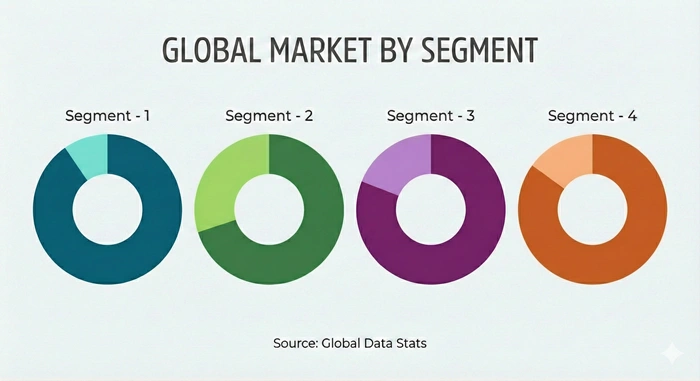
Disposable butane gas canisters command the largest share within the butane gas canisters market, accounting for approximately 64% of global revenue with continued expansion projected at steady CAGR of 6.8% through 2033. This product category encompasses single-use sealed metal containers typically ranging 100-250 grams demonstrating threaded valve connections, tamper-evident seals, and pressure relief mechanisms preventing accidental discharge or overpressurization. The butane gas canisters market benefits from disposable designs eliminating refilling complexity, maintenance requirements, and user error risks associated with reusable systems appealing to recreational users, occasional campers, and emergency preparedness applications. Manufacturing standards including ISO certifications, safety testing protocols, and quality assurance processes ensure consistent performance across product batches building consumer confidence. Widespread retail availability through supermarkets, outdoor specialty stores, hardware retailers, and e-commerce platforms provides convenient access supporting impulse purchases and seasonal stocking.
North America and Europe lead disposable canister consumption within the market, driven by established outdoor recreation cultures, mature retail distribution networks, and consumer preferences for convenience and safety. United States market particularly benefits from camping season concentration, national park tourism, and recreational vehicle usage creating predictable demand patterns supporting retailer inventory planning. Major outdoor retailers including REI, Dick's Sporting Goods, and Walmart maintain consistent stock levels serving recreational consumers while specialty camping stores offer premium brands and multi-packs. European markets particularly Germany, France, and Nordic countries demonstrate strong camping participation supporting sustained canister sales through camping seasons. Leading manufacturers including Coleman, Iwatani, Gasmate, and regional producers maintain production facilities serving North American and European markets through established distribution partnerships. Asia Pacific disposable canister applications emphasize urban portable cooking where single-burner stoves used for hot pot preparation, individual meals, and specialty cooking represent substantial residential consumption. Price-sensitive recreational users and infrequent campers prioritize disposable canisters avoiding investment in refillable systems and bulk butane supplies throughout forecast period.
By Application: Camping and Outdoor Recreation
Adventure Tourism Growth and Equipment Innovation Position Outdoor Segment as Dominant Application Category
Camping and outdoor recreation applications represent the largest segment within the butane gas canisters market, capturing substantial market share driven by portable camping stoves, backpacking equipment, vehicle-based camping, and wilderness cooking. This sector encompasses diverse outdoor activities including tent camping, backpacking, overlanding, climbing expeditions, and fishing trips requiring portable cooking capabilities. The butane gas canisters market benefits from outdoor segment's volume opportunities where seasonal camping peaks, holiday weekends, and summer vacation periods create concentrated demand requiring retail stock availability and distribution preparation. Lightweight backpacking equipment incorporating integrated canister stoves demonstrates growing popularity among ultra-light enthusiasts pursuing multi-day wilderness expeditions. Vehicle-based camping including overlanding, van life, and recreational vehicle usage incorporates butane cooking systems as backup or supplementary options providing flexibility beyond built-in facilities.
North America leads camping applications within the market, driven by extensive national park systems, established camping infrastructure, and cultural outdoor recreation traditions. United States camping participation exceeding 50 million annual participants according to outdoor industry data creates substantial addressable market for portable cooking equipment and fuel supplies. Western states including California, Colorado, Oregon, and Washington demonstrate concentrated outdoor recreation participation supporting specialty outdoor retailers and camping equipment suppliers. National brands including Coleman maintain market leadership through integrated product ecosystems where stoves, canisters, and accessories demonstrate compatibility and brand recognition. European camping markets particularly Germany, Netherlands, and Scandinavian countries support strong canister demand through caravan camping, music festivals, and outdoor adventure tourism. Asia Pacific camping growth driven by emerging middle class, adventure tourism development, and Western lifestyle adoption creates fastest-growing regional opportunities. Manufacturers develop region-specific products addressing local cooking preferences, stove compatibility requirements, and retail distribution characteristics throughout diverse geographic markets supporting sustained growth throughout forecast period.
Regional Insights
North America
Established Outdoor Culture and Retail Infrastructure Establish Regional Dominance in Butane Canister Consumption
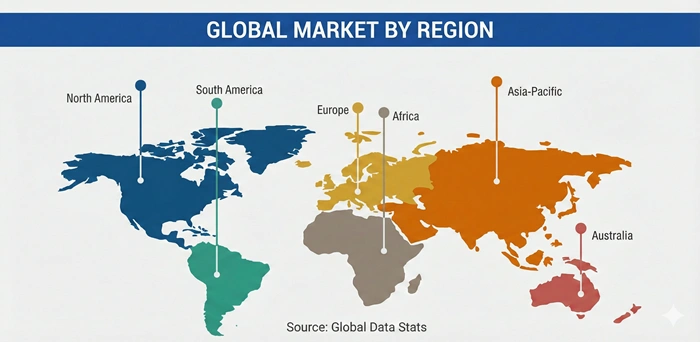
North America commands the butane gas canisters market with dominant share exceeding 32%, driven by established outdoor recreation culture, extensive camping participation, and mature retail distribution networks across United States and Canada. The United States alone accounts for approximately 85% of North American market share with concentrated outdoor recreation participation across western states, national park visitation exceeding 300 million annually, and recreational vehicle ownership supporting sustained camping equipment demand. Regional manufacturers maintain production facilities and distribution centers strategically located near population centers and outdoor recreation destinations ensuring product availability during peak camping seasons. Canada contributes substantial market volume particularly British Columbia, Alberta, and Ontario provinces where camping, fishing, and outdoor adventure activities support specialty retailer networks and outdoor equipment suppliers. Established camping culture spanning generations creates baseline demand independent of economic fluctuations supporting consistent market performance.
Retail infrastructure strength positions North America as market leader through extensive distribution networks including outdoor specialty stores, sporting goods retailers, hardware chains, supermarkets, and e-commerce platforms. REI, Dick's Sporting Goods, Walmart, Target, and Canadian Tire maintain dedicated camping departments stocking diverse canister brands and sizes addressing consumer preferences and price points. Seasonal merchandising strategies including spring camping promotions, summer outdoor displays, and emergency preparedness campaigns drive consumer awareness and purchase decisions. Leading manufacturers including Coleman, Camp Chef, and regional producers maintain established relationships with major retailers ensuring shelf space allocation and promotional support. Emergency preparedness awareness particularly in hurricane-prone regions, earthquake zones, and areas experiencing power grid vulnerabilities creates supplementary demand beyond recreational usage. The region's market dominance continues through 2033 as outdoor recreation participation, retail accessibility, and consumer product familiarity create sustained competitive advantages supporting premium market positioning throughout forecast period.
Asia Pacific
Urbanization and Middle Class Expansion Position Region as Fastest-Growing Geographic Market
Asia Pacific emerges as the fastest-growing regional butane gas canisters market with projected CAGR of 6.8% through 2033, propelled by rapid urbanization, expanding middle class, portable cooking adoption in compact living spaces, and growing outdoor recreation participation. China leads regional market activity through massive urban population, increasing disposable incomes, and lifestyle changes incorporating outdoor recreation and portable cooking appliances. Single-burner portable stoves utilizing butane canisters demonstrate widespread adoption across urban households, dormitories, and temporary housing where space constraints and cooking flexibility create sustained residential demand. Japan represents mature market with established butane canister consumption patterns supporting hot pot cooking, tabletop grilling, and individual meal preparation deeply embedded in dining culture. South Korea demonstrates similar consumption patterns with portable butane stoves representing essential household appliances for Korean BBQ, shabu-shabu, and specialty cooking requiring tabletop heat sources.
Regional market growth reflects diverse application drivers including residential cooking, emerging camping culture, commercial food service, and industrial portable heating across construction and agriculture sectors. Chinese middle class expansion projected to exceed 500 million consumers by 2030 creates substantial addressable market for portable cooking equipment, camping gear, and outdoor recreation products. Domestic tourism growth, national park development, and adventure travel popularity introduce camping practices requiring portable stoves and fuel supplies. Leading regional manufacturers including Maxsun, Onezone Gas, Suzhou Xingda, and Zhejiang Jinyu operate large-scale production facilities serving domestic markets and export opportunities. Southeast Asian nations including Thailand, Vietnam, and Indonesia demonstrate emerging consumption patterns driven by urbanization, tourism development, and outdoor recreation growth. E-commerce expansion through Alibaba, JD.com, and regional platforms improves product accessibility particularly in second and third-tier cities lacking specialty outdoor retailers. The region's market growth continues accelerating through 2033 as urbanization trends, income growth, and lifestyle changes create favorable dynamics supporting sustained market expansion throughout forecast period.
Top Key Players
-
Coleman Company Inc. (United States)
-
Iwatani Corporation (Japan)
-
TAEYANG Corporation (South Korea)
-
Maxsun Industries Co. Ltd. (China)
-
Marina Corporation (South Korea)
-
Gasmate (Australia)
-
GoSystem (United Kingdom)
-
Ultracare Products Pte Ltd. (Singapore)
-
Kampa (United Kingdom)
-
Kovea Co. Ltd. (South Korea)
-
Onezone Gas Pty Ltd. (China)
-
Aspire Industries (India)
-
Suzhou Xingda (China)
-
Zhejiang Jinyu (China)
-
Balkan Gasovi (Serbia)
Recent Developments
-
Coleman Company (2025): Achieved number one selling travel trailer position in United States market year-to-date through February demonstrating strong brand momentum and market share growth, with contract manufacturing strategy driving growth across new and used unit sales supporting integrated outdoor recreation product ecosystem including camping equipment and portable cooking solutions.
-
Coleman Company (2024): Maintained number one position for travel trailers in March and first quarter reflecting sustained consumer demand for high-quality products at improved price points, with flagship brand contributing to unprecedented new unit market share levels validating product strategy and manufacturing partnerships supporting broader outdoor equipment portfolio.
-
TAEYANG Corporation (2024): Expanded production capacity for SUN FLAME butane gas cartridges and aerosol products strengthening position as leading manufacturer in can-manufacturing field, serving growing Asian markets and export opportunities through quality improvements and safety certifications meeting international standards.
-
Tradex India (2024): Launched international tender in March to procure 66,000 commercial butane cylinders addressing growing demand in Cameroon market projected to grow 5% annually, demonstrating expanding commercial applications and emerging market opportunities across developing regions requiring portable cooking fuel infrastructure.
-
Sidi Kerir Petrochemicals Company (2023): Forged strategic partnership with Rungas Group in October to establish butane cylinder factory in Egypt expanding Middle East and North Africa manufacturing capabilities, showcasing regional market development and infrastructure investment supporting growing demand across emerging markets requiring domestic production capacity.
Market Trends
Eco-Friendly Alternatives and Smart Connected Devices Reshape Industry Competitive Dynamics
The butane gas canisters market experiences transformative trends centered on environmental sustainability as consumers demand recyclable materials, refillable options, and proper disposal programs addressing single-use product waste concerns. Manufacturers develop aluminum canisters replacing steel construction reducing weight by 30-40% while improving recyclability through established aluminum recycling infrastructure. Refillable canister systems with proprietary safety valves, pressure indicators, and quality certifications enable bulk butane transfer reducing per-use costs by 60-80% appealing to frequent users and commercial applications. Take-back programs partnering with outdoor retailers, municipal recycling facilities, and specialized metal recyclers create closed-loop systems recovering canister materials for remanufacturing. Bio-based butane alternatives derived from renewable feedstocks including agricultural waste and biomass gasification demonstrate emerging viability addressing fossil fuel dependency concerns. Extended producer responsibility programs particularly in European markets mandate manufacturer-funded collection and recycling infrastructure influencing product design toward recyclability and material recovery throughout forecast period.
Smart connected devices integration trends reshape the butane gas canisters market as technology-enabled camping equipment incorporates electronic monitoring, usage tracking, and safety features. Advanced portable stoves featuring piezoelectric ignition, electronic valve control, and smartphone connectivity enable remote operation monitoring and fuel consumption tracking optimizing usage efficiency. Bluetooth-enabled canister adapters monitoring remaining fuel levels, usage patterns, and safety parameters provide real-time information preventing unexpected fuel depletion during cooking. Mobile applications aggregating stove performance data, recipe libraries, and cooking instructions enhance user experience particularly among younger digitally-native consumers expecting technology integration across product categories. Safety monitoring systems detecting abnormal pressure levels, improper connections, or unsafe operating conditions provide early warnings preventing accidents and equipment damage. These technology integrations create premium product segments commanding higher pricing while appealing to innovation-focused consumers throughout forecast period.
Segments Covered in the Report
By Product Type
-
Disposable Canisters
-
Refillable Canisters
By Size
-
Small (Below 220g)
-
Medium (220-250g)
-
Large (Above 250g)
By Application
-
Camping and Outdoor Recreation
-
Residential Portable Cooking
-
Commercial Food Service
-
Emergency and Backup
-
Industrial Portable Heating
-
Others
By Distribution Channel
-
Supermarkets and Hypermarkets
-
Specialty Outdoor Stores
-
Hardware and Home Improvement Stores
-
Online Retailers
-
Convenience Stores
-
Others
By Region
-
North America (United States, Canada, Mexico)
-
Europe (Germany, United Kingdom, France, Italy, Netherlands, Rest of Europe)
-
Asia Pacific (China, Japan, South Korea, India, Australia, Rest of Asia Pacific)
-
Latin America (Brazil, Argentina, Rest of Latin America)
-
Middle East & Africa (UAE, Saudi Arabia, South Africa, Rest of MEA)
Frequently Asked Questions
Question 1: What is the projected size of the butane gas canisters market by 2033?
Answer: The global butane gas canisters market is expected to reach approximately USD 1.73 billion by 2033, growing from USD 1.07 billion in 2026. This substantial expansion reflects increasing outdoor recreation participation, urban portable cooking adoption, emergency preparedness awareness, and commercial food service growth requiring convenient portable fuel solutions.
Question 2: Which region dominates the butane gas canisters market currently?
Answer: North America leads the butane gas canisters market with over 32% share, driven by established outdoor recreation culture, extensive camping participation, and mature retail infrastructure across United States and Canada. Leading manufacturers including Coleman, Iwatani, and Gasmate maintain dominant regional positions serving recreational and emergency preparedness applications.
Question 3: What are the primary drivers of butane gas canisters market growth?
Answer: Key growth drivers include outdoor recreation participation expansion particularly camping and backpacking, urban portable cooking demand in compact living spaces, emergency preparedness awareness following natural disasters and power outages, and commercial food service growth including food trucks and catering businesses. These factors create sustained demand across recreational, residential, and commercial applications.
Question 4: Which product type holds the largest butane gas canisters market share?
Answer: Disposable canisters dominate the butane gas canisters market with approximately 64% share due to convenience, safety, widespread availability, and elimination of refilling complexity. Single-use design appeals to recreational users, occasional campers, and emergency preparedness applications where ease of use and consistent performance justify market leadership despite environmental considerations.
Question 5: How do refillable canisters impact the butane gas canisters market?
Answer: Refillable canisters demonstrate fastest growth potential with CAGR exceeding 8% through 2033, driven by environmental consciousness, cost savings for frequent users, and commercial application preferences. These systems deliver 60-80% cost reduction compared to disposable alternatives while reducing waste, appealing to professional guides, commercial users, and environmentally conscious consumers creating emerging market segment throughout forecast period.