
Breast Pump Market Overview
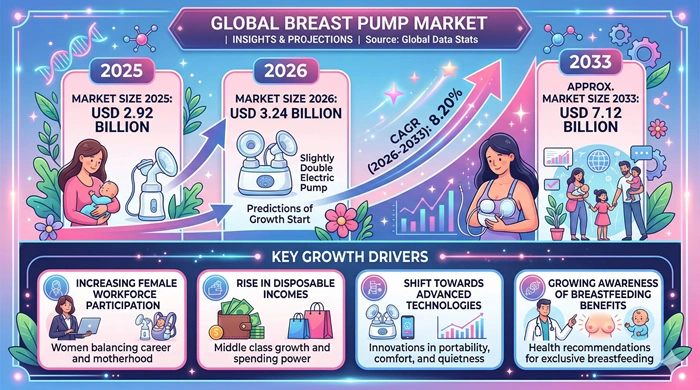
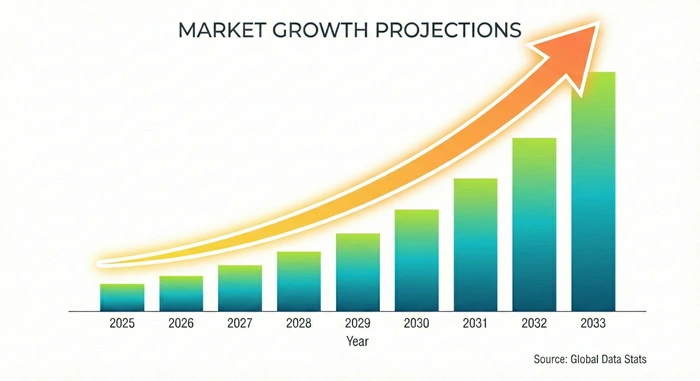
The global Breast Pump market size is valued at USD 2.92 billion in 2025 and is predicted to increase from USD 3.24 billion in 2026 to approximately USD 7.12 billion by 2033, growing at a CAGR of 8.20% from 2026 to 2033.
Breast pumps are specialized medical and consumer devices used by lactating mothers to express and collect breast milk for later feeding — enabling breastfeeding continuity when direct nursing is not possible due to work commitments, infant health conditions, low milk supply, or personal preference. Once considered niche hospital equipment, breast pumps have evolved into mainstream consumer maternal health products — encompassing a wide spectrum of device types including manual pumps, electric single and double pumps, hospital-grade clinical pumps, and the rapidly growing category of wearable hands-free breast pumps designed for active, working mothers. The Breast Pump market is experiencing sustained and dynamic growth driven by rising global breastfeeding awareness, increasing maternal workforce participation rates, expanding insurance coverage mandates for breast pump access, and extraordinary technological innovation in wearable and smart connected pump devices.
AI Impact on the Breast Pump Industry
Artificial Intelligence Is Transforming Smart Breast Pump Personalization, Milk Volume Tracking, Lactation Support Guidance, and Predictive Pumping Optimization in Ways That Are Meaningfully Improving the Breastfeeding Experience for Modern Mothers*
Artificial intelligence is making a growing and practically meaningful impact across the Breast Pump market, most visibly through the integration of AI-powered smart pump companion apps that analyze individual pumping session data — including milk output volume, pumping duration, suction pattern response, and session frequency — to generate personalized pumping schedule recommendations that maximize milk supply for each individual mother's unique physiology. Leading smart breast pump platforms including Elvie Stride, Willow Generation 3, and Medela's MyMedela app are deploying machine learning models that learn from each user's pumping history to progressively refine suction cycle recommendations, session timing suggestions, and milk storage guidance — delivering a personalized lactation support experience that meaningfully improves both milk yield outcomes and user satisfaction compared to fixed-setting conventional pump devices. These AI-driven personalization capabilities are becoming a key differentiating feature in the premium wearable breast pump segment — directly influencing purchase decisions among tech-savvy millennial and Gen Z mothers who are the primary consumer demographic for innovative breast pump products.
AI is also being applied within the broader lactation support and maternal health ecosystem to address one of the most common reasons for early breastfeeding discontinuation — the lack of accessible, timely, and personalized lactation guidance for new mothers navigating the challenges of establishing and maintaining adequate milk supply. AI-powered virtual lactation consultant platforms and chatbot-based breastfeeding support services — integrated with smart breast pump companion apps — are providing mothers with 24/7 access to evidence-based guidance on pumping technique, latch improvement, supply challenges, and milk storage management. This digital support ecosystem is reinforcing the clinical value proposition of connected breast pump devices and building stronger brand loyalty and long-term user engagement for smart pump manufacturers — creating a growing and commercially important digital health layer within the Breast Pump market that differentiates premium connected products from conventional pump alternatives.
Growth Factors
Rising Global Breastfeeding Awareness, Growing Maternal Workforce Participation, Expanding Insurance Coverage Mandates, and Revolutionary Wearable Pump Technology Are the Core Growth Drivers*
The most foundational driver of the Breast Pump market is the globally growing awareness and institutional endorsement of breastfeeding as the optimal infant nutrition strategy — with organizations including the WHO, UNICEF, and the American Academy of Pediatrics recommending exclusive breastfeeding for the first six months of life and continued breastfeeding beyond. As government health programs, hospital lactation support initiatives, and maternal health advocacy organizations progressively educate new and expectant mothers about the documented health benefits of breastfeeding for both infant and maternal health outcomes — including reduced infant infection rates, improved cognitive development, lower maternal breast cancer risk, and reduced childhood obesity rates — breastfeeding initiation and duration rates are improving in many markets. This growing breastfeeding commitment, combined with the practical reality that the vast majority of breastfeeding mothers return to work before natural weaning, creates a large and structurally growing addressable market for breast pump products that enable continued milk expression when direct nursing is not possible.
The progressive adoption of insurance coverage mandates for breast pumps — most prominently the Affordable Care Act provision in the United States requiring private health insurance plans to cover breast pump costs without cost-sharing — has been a transformative commercial driver for the Breast Pump market by dramatically expanding the financially accessible consumer population for quality electric breast pump products. This insurance coverage provision effectively eliminated the cost barrier that previously limited many working mothers to low-cost manual pumps — enabling them to access higher-quality electric and hospital-grade pumps through insurance reimbursement and thereby generating significant unit volume growth and average selling price improvement in the U.S. market. Similar health policy trends supporting breast pump access coverage are developing in several European and Asia Pacific markets — creating progressive expansion of this insurance-enabled demand driver into additional regional markets during the 2026–2033 forecast period.
Market Outlook
With Wearable Breast Pump Technology Achieving Mass Market Adoption, Insurance Coverage Expanding Globally, Workforce Participation Among New Mothers Growing, and Smart Connected Pump Features Becoming Consumer Expectations, the Breast Pump Market Outlook Is Strongly Positive Through 2033*
The long-term outlook for the Breast Pump market is firmly positive and supported by structural demographic, social, and technological trends that are expected to sustain strong growth throughout the 2026–2033 forecast period. The single most transformative ongoing development in the market is the mainstream consumer adoption of wearable and hands-free breast pump technology — with discreet, bra-insert style wearable pumps including the Elvie Pump, Willow, and Momcozy devices fundamentally redefining the breast pump product category by enabling mothers to pump discreetly and silently in any environment — at work, during commutes, while shopping or exercising — without being tethered to a wall outlet, pump unit, or visible tubing. As wearable breast pump technology becomes more affordable, widely available, and technically mature — with improving battery life, suction performance, and app connectivity — the category is transitioning from a premium niche product to a mainstream consumer expectation that is progressively displacing conventional corded electric pump dominance in the premium market segment.
The ongoing growth of e-commerce and direct-to-consumer digital retail channels for maternal health and baby care products represents an important enabling commercial trend for the Breast Pump market — as online purchasing platforms enable mothers to research product options, compare features, read peer reviews, and complete insurance reimbursement documentation conveniently and comprehensively in ways that traditional retail environments cannot match. Amazon, brand direct-to-consumer websites, and dedicated maternity health retailers are generating growing proportions of breast pump unit sales — particularly for premium wearable and smart pump products — as digitally engaged millennial and Gen Z mothers prefer the research depth and purchase convenience of online channels. This e-commerce channel shift is also enabling innovative new breast pump brands and startups to reach consumers directly without traditional retail distribution infrastructure — accelerating market innovation and competitive diversity within the premium breast pump segment.
Expert Speaks
-
Francesca DeBiase, Chief Supply Chain Officer, McDonald's Corporation — "The growing participation of women in the workforce across all industry sectors — including food service and retail — makes access to practical breastfeeding support tools including breast pumps an important workplace health and wellbeing consideration. Supporting working mothers with policies and facilities that enable continued breastfeeding through the early months of motherhood is both a health imperative and a talent retention investment for major employers."
-
Karen Lynch, CEO, CVS Health — "CVS Health is deeply committed to maternal and infant health — and our pharmacy and retail health business is actively investing in expanding access to breast pump products, lactation support services, and maternal health resources for the millions of new and expectant mothers who rely on CVS for their healthcare needs. The growing consumer demand for premium breast pump technology and connected lactation support products reflects the importance mothers place on breastfeeding success and the significant commercial opportunity for retailers and health systems that support them well."
-
Roz Brewer, Former CEO, Walgreens Boots Alliance — "Maternal health product access — including breast pumps, lactation supplements, and breastfeeding support services — represents one of the most important and fastest-growing categories in pharmacy and health retail today. We are seeing clear consumer demand for higher-quality, more technologically advanced breast pump products and for seamless insurance reimbursement support that makes these devices accessible to all new mothers regardless of income level."
Key Report Takeaways
-
North America dominates the Breast Pump market, holding approximately 41.20% of global market share in 2025, driven by the Affordable Care Act insurance coverage mandate for breast pump access without cost-sharing, the world's highest per-capita spending on premium maternal health products, strong breastfeeding awareness programs, high maternal workforce participation rates, and the presence of leading breast pump innovators including Medela, Spectra, Elvie, and Willow with extensive U.S. distribution.
-
Asia Pacific is the fastest-growing regional market for breast pumps, projected to expand at a CAGR of approximately 9.80% from 2026 to 2033, driven by the world's largest new mother population in China and India, rapidly rising breastfeeding awareness and government breastfeeding promotion programs, growing maternal workforce participation among educated urban women, improving e-commerce and retail distribution for breast pump products, and expanding middle-class disposable income supporting premium pump adoption.
-
Electric breast pumps are the dominant product type segment, accounting for approximately 52.60% of total market revenue in 2025, reflecting their superior milk expression efficiency, customizable suction settings, and time-saving performance advantages over manual alternatives — making them the preferred choice for working mothers who pump multiple times daily and require a reliable, consistent, and efficient milk expression solution that fits within busy professional schedules.
-
Wearable and hands-free breast pumps are the fastest-growing product type segment, projected to expand at a CAGR of approximately 14.60% through 2033, driven by the extraordinary consumer enthusiasm for discreet, silent, and mobility-enabling wearable pump technology from Elvie, Willow, and Momcozy — representing the most significant product category innovation in the breast pump industry in decades and attracting a large and growing segment of tech-savvy working mothers who prioritize flexibility and discretion in their pumping experience.
-
Online retail is the dominant and fastest-growing distribution channel, contributing approximately 44.80% of total market revenue in 2025 and expected to accelerate further through 2033 — driven by the highly digitally engaged millennial and Gen Z mother consumer demographic who research, compare, and purchase breast pump products primarily through Amazon, brand websites, and dedicated maternity retail platforms that offer comprehensive product information, peer reviews, and insurance reimbursement assistance.
-
Smart and connected breast pumps are the fastest-growing technology segment, expected to expand at a CAGR of approximately 15.20% through 2033, driven by growing consumer expectations for app-connected features including session tracking, milk volume monitoring, personalized pumping optimization, and AI-powered lactation guidance that collectively transform the breast pump from a mechanical appliance into an intelligent maternal health management platform.
Market Scope
| Report Coverage | Details |
|---|---|
| Market Size by 2033 | USD 7.12 Billion |
| Market Size by 2025 | USD 2.92 Billion |
| Market Size by 2026 | USD 3.24 Billion |
| Market Growth Rate (2026–2033) | CAGR of 8.20% |
| Dominating Region | North America |
| Fastest Growing Region | Asia Pacific |
| Base Year | 2025 |
| Forecast Period | 2026–2033 |
| Segments Covered | Product Type, Technology, Application, End User, Distribution Channel |
| Regions Covered | North America, Europe, Asia Pacific, Latin America, Middle East & Africa |
Market Dynamics
Drivers Impact Analysis
Breastfeeding Awareness Growth, Insurance Coverage Mandates, Rising Maternal Workforce Participation, and Wearable Pump Technology Adoption Are the Four Primary Pillars of Breast Pump Market Growth*
| Driver | ≈ % Impact on CAGR Forecast | Geographic Relevance | Impact Timeline |
|---|---|---|---|
| Rising global breastfeeding awareness and institutional endorsement | ~32% | Global | Short to Long-term |
| Insurance coverage mandates removing financial barriers to quality pump access | ~28% | North America, Europe | Short to Medium-term |
| Growing maternal workforce participation driving pumping product demand | ~26% | Global — especially Asia Pacific | Short to Long-term |
| Wearable and hands-free pump technology driving premium category adoption | ~14% | North America, Europe, Asia Pacific | Short to Medium-term |
The most structurally powerful driver of the Breast Pump market is the deeply reinforced and broadly institutionalized global commitment to breastfeeding as the gold standard for infant nutrition — backed by an extensive body of clinical evidence documenting the short- and long-term health benefits of breastfeeding for both infants and mothers, and actively promoted by governments, healthcare systems, and international health organizations in virtually every country worldwide. The practical reality for the majority of breastfeeding mothers in modern economies is that return-to-work timelines — often within six to twelve weeks of birth in the United States and even earlier in some markets without generous paid parental leave — make sustained breastfeeding only possible through consistent and effective milk expression using a quality breast pump. This creates an enormous, recurring, and growing structural demand for reliable breast pump products among the tens of millions of new mothers entering the workforce annually across North America, Europe, and Asia Pacific.
The insurance coverage mandate established by the Affordable Care Act in the United States — requiring that insurance plans cover breast pump acquisition without patient cost-sharing — has been one of the most commercially impactful single regulatory developments in the breast pump market's history, dramatically expanding the consumer population for quality electric pump products by eliminating the upfront purchase cost barrier for insured mothers. This mandate effectively converted a significant segment of the consumer market from low-cost manual pump purchasers into recipients of mid-range and premium electric pump products through insurance reimbursement — lifting average selling prices, driving unit volume growth, and enabling new mothers to access higher-quality pumping experiences that support longer breastfeeding duration. Similar coverage policy developments — including breast pump reimbursement provisions in private health insurance plans in several European countries and growing government maternal health product subsidies in Asia Pacific markets — are progressively extending this insurance coverage growth driver into additional regional markets during the forecast period.
Restraints Impact Analysis
High Price Points of Premium Wearable Pumps, Product Quality Consistency Concerns, Limited Awareness in Emerging Markets, and Hospital Pump Rental Competition Restrain Faster Consumer Market Growth*
| Restraint | ≈ % Impact on CAGR Forecast | Geographic Relevance | Impact Timeline |
|---|---|---|---|
| High purchase price of premium wearable and smart breast pumps | ~34% | Global — especially emerging markets | Short to Medium-term |
| Consumer concerns about suction performance consistency and product reliability | ~28% | North America, Europe | Short to Medium-term |
| Limited breastfeeding awareness and product knowledge in lower-income markets | ~26% | Latin America, MEA, developing Asia Pacific | Medium to Long-term |
| Hospital-grade pump rental programs competing with consumer pump sales | ~12% | North America, Europe | Short to Medium-term |
The most significant commercial barrier to faster adoption of premium wearable and smart connected breast pump products in the Breast Pump market is their relatively high retail price point — with leading wearable pump products including the Elvie Pump and Willow Gen 3 retailing at USD 400–550 per unit, substantially above the USD 60–200 price range of conventional corded electric double pumps that represent the mainstream of the market. While insurance coverage reimbursement in the United States mitigates this cost barrier for insured mothers, the out-of-pocket cost of premium wearable pumps exceeds insurance reimbursement limits in many plans — creating a meaningful residual cost barrier that limits premium wearable pump penetration among cost-sensitive consumer segments. In markets without comprehensive breast pump insurance coverage — including most of Asia, Latin America, and Africa — the high absolute price of premium wearable devices makes them accessible only to affluent consumer segments, limiting their market penetration relative to more affordable conventional electric pump products.
Consumer dissatisfaction with suction performance consistency, battery reliability, and milk collection efficiency in first-generation wearable breast pump products generated negative reviews and word-of-mouth in early adoption cohorts — creating some residual brand trust challenges in the wearable pump category that manufacturers are progressively addressing through product engineering improvements in newer generations. The inherent design constraints of miniaturized, bra-insert wearable pumps — which must balance discretion and portability against suction motor power and milk collection capacity — mean that some users continue to find conventional double electric pumps more efficient for regular daily pumping sessions despite the convenience advantages of wearable alternatives. Addressing these performance consistency concerns through rigorous product development, improved clinical validation, and transparent consumer communication is an important strategic priority for wearable breast pump manufacturers seeking to sustain the category's extraordinary growth trajectory in the Breast Pump market.
Opportunities Impact Analysis
Emerging Market Breastfeeding Promotion Driving First-Time Pump Adoption, Hospital-to-Home Transition Programs, Corporate Lactation Support Workplace Integration, and Subscription Accessory Models Create Compelling Growth Opportunities*
| Opportunity | ≈ % Impact on CAGR Forecast | Geographic Relevance | Impact Timeline |
|---|---|---|---|
| Emerging market maternal health investment driving breast pump first-time adoption | ~33% | Asia Pacific, Latin America, MEA | Medium to Long-term |
| Corporate lactation support programs integrating breast pump provision and services | ~27% | North America, Europe | Short to Medium-term |
| Hospital neonatal and NICU care transition creating hospital-grade pump demand | ~26% | Global | Short to Medium-term |
| Subscription accessory and replacement parts models creating recurring revenue | ~14% | North America, Europe | Short to Medium-term |
The rapid growth of maternal health awareness and breastfeeding promotion investment across Asia Pacific — particularly in China, India, Indonesia, and Vietnam — is creating a large and commercially important emerging market opportunity for breast pump adoption among the world's largest populations of new mothers. China's government breastfeeding promotion policies, India's Maternity Benefit Act provisions supporting working mothers, and ASEAN-region maternal health improvement programs are collectively building the awareness, institutional support, and healthcare access infrastructure that drives first-time breast pump adoption among educated urban mothers in these massive consumer markets. As disposable incomes rise across Asia Pacific's expanding middle class and e-commerce platforms make quality breast pump products accessible in previously underserved markets, the region's contribution to global Breast Pump market revenue is expected to grow substantially — making emerging Asia Pacific the most commercially important long-term growth frontier for breast pump manufacturers planning for market expansion beyond 2026.
The growing corporate responsibility movement around working mother support — with an increasing number of major employers in North America and Europe implementing comprehensive lactation support workplace programs that provide dedicated pumping rooms, flexible pumping break schedules, and in some cases employer-subsidized breast pump provision — is creating a meaningful incremental commercial opportunity for breast pump manufacturers and lactation health service providers. Employer-sponsored lactation support programs have demonstrated measurable benefits in employee retention, productivity, and healthcare cost reduction — building a strong business case for corporate adoption that is progressively translating into procurement relationships between breast pump companies and large employers seeking comprehensive lactation support solutions for their working mother employee populations. This employer channel represents a growing B2B sales opportunity for premium electric and wearable breast pump products that complements traditional B2C consumer retail channels in the Breast Pump market.
Segment Analysis
By Product Type
Electric Breast Pumps Lead the Breast Pump Market Revenue While Wearable Hands-Free Pumps Register the Strongest Growth Momentum Driven by Working Mother Lifestyle Demands*
Electric breast pumps hold the dominant revenue position within the product type segment of the Breast Pump market, accounting for approximately 52.60% of total global market revenue in 2025. This dominance reflects the electric pump's fundamental performance advantages over manual alternatives — offering customizable suction strength settings, consistent mechanical pumping cycles, faster session completion times, and the option of simultaneous double pumping that maximizes milk yield efficiency for working mothers expressing multiple times daily. North America is the largest regional market for electric breast pump revenue — driven by the insurance reimbursement mandate that makes quality electric pumps financially accessible to the broad insured mother population, combined with the highest global maternal workforce participation rates that create consistent daily pumping demand. Medela, Spectra Baby, Philips Avent, and Lansinoh are among the leading companies dominating the conventional electric breast pump segment — with Medela's Symphony hospital-grade and Pump In Style advanced double electric pumps and Spectra's S1 and S2 models maintaining particularly strong consumer brand recognition and loyalty in the North American market.
Wearable and hands-free breast pumps represent the fastest-growing and most commercially exciting product segment in the Breast Pump market, projected to expand at a CAGR of approximately 14.60% from 2026 to 2033 — driven by the transformative consumer appeal of discreet, silent, tube-free, and mobility-enabling wearable pump technology for busy working mothers. Asia Pacific is the fastest-growing region for wearable breast pump adoption — driven by the enormous and rapidly urbanizing population of working mothers in China, combined with a strong e-commerce retail infrastructure that makes premium imported wearable pump products accessible to middle-class consumers in major urban centers. Leading companies driving the wearable breast pump category include Elvie (United Kingdom) with its flagship Elvie Pump single breast wearable device, Willow (United States) with its Willow Generation 3 in-bra pump, and Momcozy — a rapidly growing Chinese brand that has achieved significant global market penetration through competitive pricing, strong Amazon marketplace execution, and effective social media marketing targeting millennial and Gen Z mothers.
By Distribution Channel
Online Retail Dominates the Breast Pump Market Distribution Landscape While Direct-to-Consumer Brand Channels Drive the Fastest Premium Segment Growth*
Online retail has become the dominant distribution channel in the Breast Pump market, accounting for approximately 44.80% of total market revenue in 2025 and growing at the highest rate of all distribution channels — driven by the digitally engaged millennial and Gen Z mother consumer demographic that conducts extensive online research and peer review reading before making breast pump purchase decisions and strongly prefers the convenience, selection breadth, and insurance reimbursement assistance of digital purchasing channels over physical retail stores. Amazon is the single largest retail platform for consumer breast pump sales in North America — offering a comprehensive product catalog spanning manual, electric, and wearable pump categories with detailed product descriptions, thousands of verified consumer reviews, and efficient insurance reimbursement documentation support through dedicated HCPCS code processing tools. The online channel is also the primary distribution vehicle for the premium wearable and smart breast pump category — with brands including Elvie, Willow, and Momcozy achieving their strongest sales volumes through direct-to-consumer websites and Amazon marketplace listings that enable them to control brand messaging, customer education, and post-purchase support in ways that traditional retail distribution does not allow.
Specialty baby stores and hospital pharmacies maintain important and complementary roles in the Breast Pump market distribution ecosystem — with specialty retailers including Buy Buy Baby, Babies"R"Us, and independent lactation specialist stores providing hands-on product demonstration, in-person lactation consultant guidance, and insurance billing assistance services that are particularly valued by first-time mothers seeking reassurance and expert guidance in pump selection. Hospital pharmacies and lactation programs serve the important function of providing insurance-covered electric pump rentals and sales to new mothers at the point of hospital delivery — capturing purchase decisions in the immediate post-partum period when breastfeeding intent is highest and pump access urgency is greatest. The combination of online convenience for pre-birth research and purchase and in-hospital purchase capture creates a multi-channel distribution dynamic that leading breast pump manufacturers must serve effectively across all touchpoints to maximize market penetration.
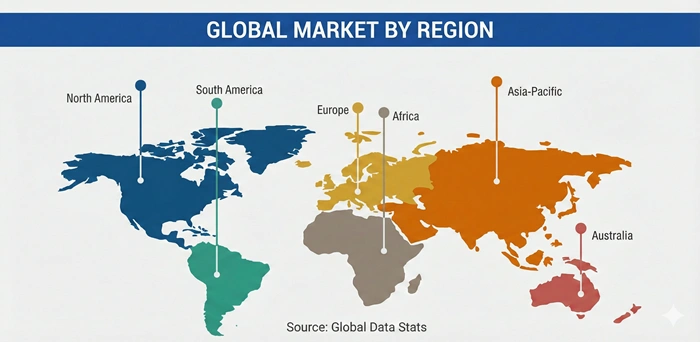
Regional Insights
North America
North America Leads the Global Breast Pump Market Driven by ACA Insurance Coverage, Highest Maternal Workforce Participation Rates, Strong Breastfeeding Awareness, and Premium Product Innovation Adoption*
North America holds the dominant position in the global Breast Pump market, accounting for approximately 41.20% of total global market revenue in 2025, and is projected to maintain steady leadership at a CAGR of approximately 7.80% from 2026 to 2033. The United States is the primary commercial driver — where the Affordable Care Act's insurance coverage mandate for breast pumps has created the world's most commercially developed and financially accessible consumer breast pump market, enabling the broad population of insured working mothers to access quality electric and wearable pump products through reimbursement rather than out-of-pocket purchase. Leading companies with dominant North American Breast Pump market positions include Medela AG — the global category leader with its comprehensive portfolio from personal use electric pumps to hospital-grade Symphony systems — alongside Spectra Baby USA, Lansinoh Laboratories, Philips Avent, Elvie, and Willow — all of which maintain strong brand recognition and retail distribution across the U.S. market's diverse consumer and insurance reimbursement channels.
Canada contributes meaningfully to regional market revenue through its growing maternal workforce participation culture and improving provincial health program support for breastfeeding, including breast pump access subsidies in several provinces. The North American Breast Pump market outlook for 2026–2033 is strongly positive — reinforced by the progressive mainstream adoption of premium wearable pump technology among the region's large and tech-savvy millennial mother demographic, the growing employer-sponsored lactation support program movement, and the continued strength of the insurance reimbursement framework that maintains broad consumer access to quality electric pump products across income levels.
Asia Pacific
Asia Pacific Is the Fastest-Growing Breast Pump Market, Driven by China and India's Massive New Mother Populations, Rising Urban Working Mother Rates, and Rapidly Expanding E-Commerce Breast Pump Retail Channels*
Asia Pacific is the fastest-growing regional segment in the Breast Pump market, projected to expand at a CAGR of approximately 9.80% from 2026 to 2033 — the highest of any region globally. China is the single most important growth market within the region — where government breastfeeding promotion initiatives, the enormous urban working mother population, rapidly improving quality of maternal healthcare, and the extraordinary scale of China's e-commerce retail infrastructure collectively generate exceptional breast pump demand and market growth momentum. Momcozy — a Chinese breast pump brand that has achieved remarkable global commercial success through highly effective Amazon marketplace and Tmall e-commerce execution — exemplifies the globally competitive domestic breast pump manufacturing capability that China has developed and that is increasingly challenging Western incumbents in both domestic and export markets. India's vast and rapidly urbanizing new mother population, improving maternal health program investment, and growing e-commerce accessibility are making it one of the most commercially important emerging market opportunities in the global Breast Pump market during the forecast period.
Japan, South Korea, and Australia represent mature and high-quality Asia Pacific breast pump markets — with sophisticated breastfeeding culture, high acceptance of premium pump products, and strong urban working mother populations generating consistent demand for quality electric and wearable breast pump devices. Southeast Asian markets — including Indonesia, Vietnam, Thailand, and Malaysia — are experiencing rapid first-time breast pump adoption growth driven by urbanization, rising female workforce participation, and improving maternal health awareness that collectively expand the addressable breast pump consumer market across this populous and demographically young region. The combination of China's scale, India's growth potential, and Southeast Asia's rising adoption rates positions Asia Pacific as the most commercially dynamic and fastest-expanding regional opportunity in global breast pump through 2033.
Top Key Players
-
Medela AG (Switzerland)
-
Spectra Baby USA Inc. (South Korea)
-
Philips Avent — Philips N.V. (Netherlands)
-
Lansinoh Laboratories Inc. (United States)
-
Elvie — Chiaro Technology Ltd. (United Kingdom)
-
Willow Innovations Inc. (United States)
-
Momcozy (China)
-
Ameda Inc. (United States)
-
Hygeia Health (United States)
-
Pigeon Corporation (Japan)
-
Tommee Tippee — Mayborn Group (United Kingdom)
-
Bellema Baby Products Co. Ltd. (China)
Recent Developments
-
Medela AG (2025) — Launched its next-generation Freestyle Flex double electric breast pump featuring a redesigned closed-system milk collection architecture, significantly improved battery life enabling extended portable use, a refined PersonalFit Flex breast shield range with expanded sizing options for improved comfort and milk yield, and enhanced Medela Family app connectivity delivering real-time session tracking, milk log management, and personalized pumping routine guidance — reinforcing Medela's market leadership in the premium personal use electric breast pump category globally.
-
Elvie (2024) — Introduced the Elvie Stride Plus — an enhanced wearable hands-free breast pump version featuring improved suction motor performance delivering hospital-grade pumping strength in the company's signature discreet bra-insert form factor — directly addressing the primary performance gap concern that had limited some consumers from selecting wearable over conventional double electric pumps, representing a major product engineering milestone that expands Elvie's addressable consumer market significantly beyond early adopter tech-enthusiast segments.
-
Willow Innovations (2025) — Announced a strategic partnership with a major U.S. health insurance administrator to facilitate direct insurance reimbursement processing for its premium Generation 3 wearable breast pump products — removing the reimbursement documentation friction that had previously been a barrier to premium wearable pump adoption among insured U.S. mothers — and simultaneously launched a new lower-price Go wearable pump model designed specifically to fit within standard insurance reimbursement thresholds to capture the high-volume insured consumer market segment more effectively.
-
Philips Avent (2024) — Expanded its breast pump product portfolio with the launch of a new ultra-lightweight single electric breast pump specifically designed for occasional use and travel portability — targeting the large segment of nursing mothers who maintain a primary double electric pump at home but require a compact and affordable secondary pump solution for workplace or travel use — strengthening Philips Avent's cross-category breast pump portfolio coverage and its competitive positioning in the global maternal care market.
-
Momcozy (2025) — Achieved significant global commercial expansion by launching its new M9 and S12 Pro wearable breast pump models through a coordinated global e-commerce rollout across Amazon marketplaces in the United States, United Kingdom, Germany, France, and Australia — with the M9 wearable model receiving exceptionally strong consumer reviews and achieving top-five bestseller ranking in the wearable breast pump category on U.S. Amazon within its first quarter of launch, further consolidating Momcozy's position as the fastest-growing challenger brand in the global wearable breast pump market.
Market Trends
The Mainstream Consumer Adoption of Wearable Hands-Free Breast Pump Technology and the Progressive Integration of Smart Connectivity and AI-Powered Lactation Support Features Are the Two Most Defining Trends Reshaping the Breast Pump Market*
The most commercially transformative trend reshaping the Breast Pump market is the rapid mainstream adoption of wearable and hands-free breast pump technology — with discreet, silent, bra-insert style devices from Elvie, Willow, and Momcozy fundamentally redefining consumer expectations for what a breast pump should deliver. Where previous generations of nursing mothers accepted the constraints of being tethered to a wall-mounted or tabletop corded electric pump during sessions, today's working mother consumer increasingly expects a pumping device that fits discreetly inside a nursing bra, operates silently, requires no visible tubing, enables full mobility during pumping sessions, and connects seamlessly to a smartphone app for session tracking and milk logging. This fundamental product expectation shift is driving wearable pump adoption even at premium price points — with consumers demonstrating strong willingness to pay for the lifestyle freedom and workplace discretion that quality wearable breast pump products uniquely deliver.
The integration of smart connectivity, real-time milk volume tracking, and AI-powered pumping optimization into breast pump product platforms is the second major trend defining the current evolution of the Breast Pump market — transforming breast pumps from mechanical appliances into intelligent maternal health management devices embedded in comprehensive digital wellness ecosystems. Smart breast pump companion apps that track cumulative daily milk output, analyze pumping pattern trends, provide personalized session scheduling recommendations, and connect mothers with virtual lactation consultation resources are becoming standard consumer expectations rather than premium differentiators — with mothers increasingly selecting breast pump brands based on the quality and comprehensiveness of their digital platform experience alongside device hardware performance. This smart connectivity trend is also generating valuable longitudinal lactation data for manufacturers — enabling evidence-based product refinement and providing the foundation for increasingly sophisticated AI-driven personalization capabilities that are progressively improving user outcomes and deepening brand loyalty in the premium connected breast pump segment.
Segments Covered in the Report
By Product Type:
-
Electric Breast Pumps
-
Manual Breast Pumps
-
Wearable and Hands-Free Breast Pumps
-
Hospital-Grade Breast Pumps
By Technology:
-
Smart and Connected Breast Pumps
-
Standard Breast Pumps
By Application:
-
Personal Use
-
Hospital Use
By End User:
-
Working Mothers
-
Stay-at-Home Mothers
-
Premature and Sick Infant Care
By Distribution Channel:
-
Online Retail
-
Specialty Baby Stores
-
Hospital Pharmacies
-
Supermarkets and Hypermarkets
By Region:
-
North America
-
Europe
-
Asia Pacific
-
Latin America
-
Middle East & Africa
Frequently Asked Questions
Question 1: What is the current size of the Breast Pump market and what is its projected value by 2033?
Answer: The Breast Pump market was valued at USD 2.92 billion in 2025 and is projected to reach USD 7.12 billion by 2033. It is expected to grow at a CAGR of 8.20% from 2026 to 2033, driven by rising breastfeeding awareness, insurance coverage expansion, growing maternal workforce participation, and the mainstream adoption of wearable and smart connected pump technology.
Question 2: What are the best types of breast pumps available in the Breast Pump market today?
Answer: The Breast Pump market offers a broad range of device types — from affordable manual pumps suited for occasional use through conventional double electric pumps ideal for regular daily expression, hospital-grade rental pumps for establishing milk supply in the immediate post-partum period, and premium wearable hands-free devices for active working mothers. Leading products including Medela's Pump In Style and Freestyle Flex, Spectra's S1 Plus, and wearable innovations from Elvie and Willow represent the current gold standard options across their respective market segments.
Question 3: Which region leads the Breast Pump market and which is growing fastest?
Answer: North America dominates the Breast Pump market with approximately 41.20% of global revenue in 2025, driven by the ACA insurance coverage mandate, highest global maternal workforce participation rates, and premium product innovation adoption. Asia Pacific is the fastest-growing region at approximately 9.80% CAGR through 2033, driven by China and India's enormous new mother populations, rapidly rising urban working mother rates, and expanding e-commerce distribution infrastructure.
Question 4: Are wearable breast pumps covered by insurance in the Breast Pump market?
Answer: In the United States — the largest Breast Pump market globally — the Affordable Care Act requires insurance plans to cover breast pumps without patient cost-sharing, though reimbursement amounts vary by plan and may not cover the full retail price of premium wearable models such as the Elvie or Willow. Working mothers can use their insurance reimbursement benefit toward a wearable pump purchase — potentially covering a significant portion of the cost — with many insurance portals and breast pump suppliers providing direct billing and reimbursement documentation assistance to simplify the process.
Question 5: What is driving the rapid growth of wearable pumps in the Breast Pump market?
Answer: The extraordinary consumer appeal of discreet, silent, tube-free wearable breast pump devices — which enable working mothers to pump comfortably and privately in any environment without being tethered to a corded pump unit — is the primary driver of the wearable segment's exceptional growth within the Breast Pump market. Continuous product engineering improvements in suction performance, battery life, milk collection efficiency, and app-based smart connectivity are progressively addressing early-generation wearable pump limitations — expanding the category's appeal beyond early tech-adopter consumers into the mainstream working mother population globally.