
Biosolids Management Market Overview
Sustainable Wastewater Treatment Solutions Transform Agricultural Applications, Energy Recovery, and Circular Economy Initiatives
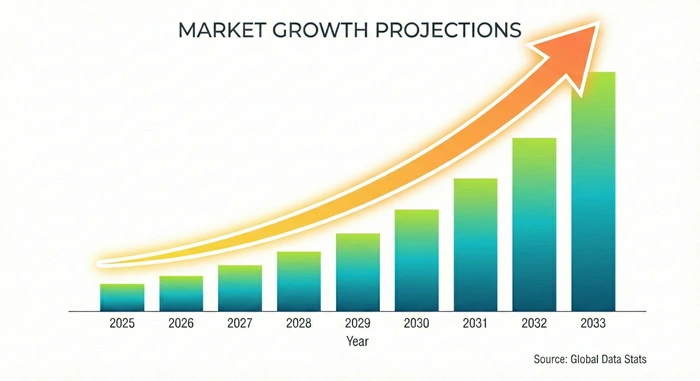
The global biosolids management market size is valued at USD 1.42 billion in 2025 and is predicted to increase from USD 1.50 billion in 2026 to approximately USD 2.44 billion by 2033, growing at a CAGR of 5.54% from 2026 to 2033. This specialized environmental services industry encompasses collection, treatment, processing, and beneficial reuse of organic solid materials resulting from municipal and industrial wastewater treatment operations demonstrating nutrient-rich characteristics, soil conditioning properties, and renewable resource potential. Biosolids management delivers comprehensive solutions including land application programs, composting operations, anaerobic digestion facilities, thermal treatment systems, and landfill management supporting regulatory compliance, environmental protection, and resource recovery objectives across diverse stakeholder communities.
The biosolids management market addresses escalating demand for sustainable waste valorization where urbanization growth, wastewater treatment expansion, environmental regulations, and circular economy principles drive investment in advanced processing technologies and beneficial reuse applications. These treated sewage sludge products processed through stabilization, pathogen reduction, and quality enhancement procedures provide alternative to conventional disposal methods creating value from waste materials. Major sectors including agriculture, land reclamation, energy production, and manufactured products consume biosolids volumes as municipalities, utilities, and industrial facilities pursue cost-effective disposal alternatives, nutrient recycling programs, and sustainability commitments throughout operations requiring proven management strategies and regulatory approval.

AI Impact on the Biosolids Management Industry
Smart Monitoring Systems and Predictive Analytics Revolutionize Treatment Efficiency and Regulatory Compliance
Artificial intelligence transforms the biosolids management market through advanced sensor networks, real-time monitoring systems, and predictive analytics optimizing treatment processes, pathogen reduction, and product quality specifications. Machine learning algorithms analyze thousands of operational parameters including temperature profiles, retention times, mixing intensities, and chemical dosing rates identifying optimal conditions achieving regulatory standards while minimizing energy consumption and operational costs. These AI-powered platforms enable proactive maintenance scheduling predicting equipment failures before breakdowns occur preventing costly downtime and service interruptions. Smart process control systems automatically adjust digester temperatures, aeration rates, and dewatering operations responding to feed characteristics, weather conditions, and downstream requirements maintaining consistent product quality and treatment efficacy throughout variable operating conditions.
Advanced AI applications extend beyond operational optimization to revolutionize supply chain logistics and market forecasting within the biosolids management market landscape. Neural networks analyze agricultural planting schedules, soil nutrient requirements, and crop production patterns predicting seasonal demand fluctuations for land application programs enabling optimized storage planning and distribution logistics. Computer vision systems monitor stockpile conditions, identify quality variations, and detect contamination risks supporting quality assurance programs and regulatory compliance documentation. Automated route optimization algorithms coordinate hauling operations, equipment scheduling, and field application activities minimizing transportation costs while respecting weather constraints and agronomic timing requirements. These AI-driven capabilities position service providers to achieve superior operational efficiency while reducing management costs by 20-30% and improving customer satisfaction throughout forecast period.
Growth Factors
Regulatory Pressures and Sustainable Agriculture Practices Drive Unprecedented Biosolids Management Adoption
The biosolids management market experiences robust growth propelled by stringent environmental regulations restricting wastewater discharge, landfill disposal, and incineration emissions requiring municipalities to implement compliant biosolids programs. United States Environmental Protection Agency Part 503 Rule establishes comprehensive standards for biosolids use and disposal including pathogen reduction requirements, vector attraction reduction, and metal concentration limits protecting public health and environmental quality. European Union Sewage Sludge Directive and individual member state regulations govern agricultural application, composting operations, and disposal methods creating baseline compliance requirements. Developing nations particularly China, India, and Southeast Asian countries implementing wastewater treatment infrastructure expansions generate growing biosolids volumes requiring proper management systems. Climate change mitigation policies promoting methane capture, renewable energy generation, and greenhouse gas reduction incentivize anaerobic digestion investments recovering energy value from organic waste streams. These regulatory frameworks create sustained baseline demand supporting market growth throughout forecast period.
Sustainable agriculture adoption accelerates biosolids management market expansion as farmers recognize organic matter benefits including soil health improvement, water retention enhancement, and synthetic fertilizer replacement reducing input costs. Global agricultural land exceeding 5 billion hectares with growing organic farming sector creates substantial addressable market for nutrient-rich biosolids products. Biosolids typically containing 3-5% nitrogen, 2-3% phosphorus, and micronutrients provide slow-release fertilization supporting crop nutrition throughout growing seasons. Soil organic matter depletion affecting agricultural productivity particularly degraded lands benefits from biosolids amendments improving tilth, structure, and biological activity. Precision agriculture adoption incorporating soil testing, variable-rate application, and nutrient management planning optimizes biosolids utilization addressing specific field requirements. Organic certification programs increasingly accepting properly treated biosolids as approved amendments expand market opportunities particularly specialty crops, vineyards, and orchards pursuing premium markets. These agricultural applications demonstrate economic and environmental benefits supporting sustained consumption growth throughout forecast period.
Market Outlook
Circular Economy Integration and Technology Innovation Position Industry for Sustained Long-Term Expansion
The biosolids management market outlook remains exceptionally positive as utilities invest substantially in resource recovery technologies including anaerobic digestion, nutrient extraction, and energy generation transforming waste management into value creation. Next-generation treatment systems incorporating thermal hydrolysis pretreatment, advanced dewatering technologies, and enhanced stabilization processes improve solids reduction, pathogen destruction, and product quality enabling expanded beneficial use applications. Phosphorus recovery technologies extracting marketable fertilizer products address critical mineral resource scarcity while generating revenue streams offsetting management costs. Biogas upgrading systems producing renewable natural gas inject into pipeline networks or power vehicle fleets monetizing methane production through renewable energy credits and carbon offset programs. These innovation trends position biosolids as valuable resource rather than waste liability supporting premium market positioning throughout forecast period.
Investment trends within the biosolids management market reflect growing confidence in long-term demand fundamentals as environmental service companies, utilities, and private equity investors expand processing capacity and upgrade infrastructure. Leading service providers including Veolia, SUEZ, and regional operators maintain capital expenditure programs modernizing treatment facilities, acquiring strategic assets, and developing proprietary technologies. Public-private partnership models sharing investment risks and operational responsibilities enable municipal utilities to access capital, expertise, and innovation advancing biosolids management programs. Acquisition activity intensifies as multinational environmental companies pursue market consolidation through strategic acquisitions of regional operators, specialized technology providers, and agricultural marketing organizations accessing established customer relationships and operational capabilities. These favorable dynamics position market for sustained expansion exceeding general environmental services industry growth rates through 2033.
Expert Speaks
-
Estelle Brachlianoff, CEO of Veolia Group, emphasized strategic focus: "In the first quarter of 2025, Veolia once again demonstrated the relevance of its business model focused on ecological transformation. The Veolia group provided 111 million inhabitants with drinking water and 98 million with sanitation, produced 42 million megawatt hours of energy and treated 65 million tonnes of waste, achieving consolidated revenue of 44.7 billion euros in 2024".
-
Veolia Leadership, highlighted innovation commitment: "Vitória water reclamation station will be the world's first large-scale facility to convert a municipal wastewater treatment plant into a water reuse production station using membrane bioreactors and reverse osmosis. The project will save and preserve freshwater resources equivalent to the needs of nearly 200,000 people, demonstrating our commitment to circular water economy and resource recovery".
-
Industry Analysis Leadership, articulated market transformation: "The wastewater treatment market is rapidly growing, spurred by increasingly stringent environmental regulations and rise in water scarcity. This transition is evolving wastewater from a disposable burden into a valuable asset. Veolia is recognized as the global leader in optimized resource management, delivering comprehensive solutions in water, waste, and energy, capitalizing on integrated expertise promoting sustainable growth".
Key Report Takeaways
-
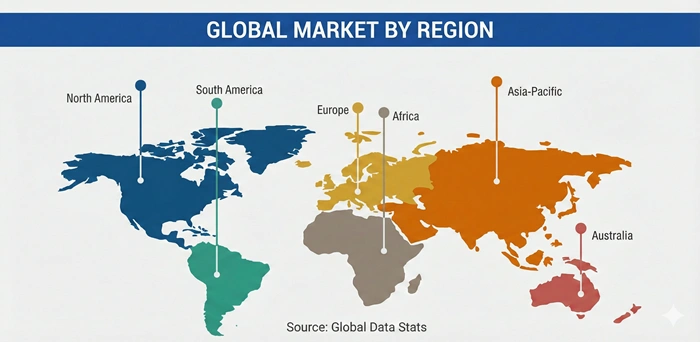
North America dominates the biosolids management market with substantial share exceeding 35%, driven by established wastewater treatment infrastructure, stringent regulatory frameworks, and advanced beneficial reuse programs across United States and Canada where agricultural land application, composting operations, and energy recovery facilities demonstrate mature market development supporting circular economy initiatives.
-
Asia Pacific emerges as the fastest-growing regional market with projected CAGR approaching 6.8% through 2033, propelled by rapid urbanization, wastewater treatment infrastructure expansion, and government environmental initiatives across China, India, and Southeast Asia where population growth and industrial development generate substantial biosolids volumes requiring comprehensive management solutions.
-
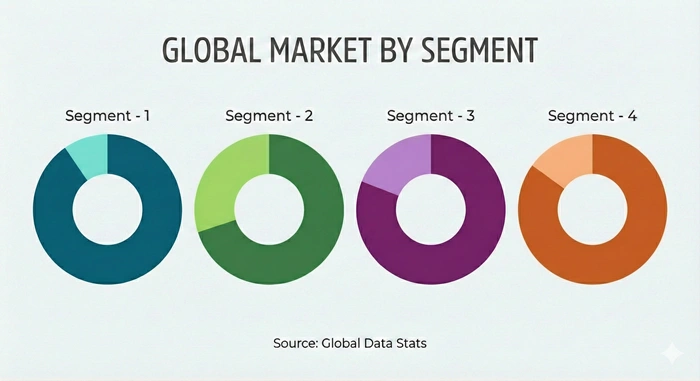
Land application represents the dominant disposal method segment accounting for approximately 55% market share due to agricultural benefits, cost-effectiveness, and regulatory acceptance where nutrient recycling, soil conditioning, and synthetic fertilizer replacement appeal to farming operations pursuing sustainable intensification and economic efficiency throughout diverse crop production systems.
-
Municipal wastewater treatment facilities constitute the largest source segment capturing substantial market share driven by urban population concentration, sanitation infrastructure requirements, and regulatory compliance obligations where publicly-owned treatment works generate consistent biosolids volumes requiring reliable management programs supporting environmental protection and public health objectives.
-
Anaerobic digestion exhibits exceptional growth potential with anticipated CAGR exceeding 7.2% through 2033, attributed to renewable energy generation opportunities, greenhouse gas reduction benefits, and enhanced pathogen destruction where biogas production, carbon credit monetization, and advanced stabilization create premium value propositions supporting investment justification.
-
Class A biosolids demonstrate strongest market growth trajectory with projected CAGR of 6.8% through 2033, driven by pathogen-free classification enabling unrestricted agricultural use, public site applications, and consumer product manufacturing where thermal treatment, composting, and advanced digestion technologies produce highest quality materials commanding premium pricing and expanded market access.
Market Scope
| Report Coverage Details | |
|---|---|
| Market Size by 2033 | USD 2.44 Billion |
| Market Size by 2025 | USD 1.42 Billion |
| Market Size by 2026 | USD 1.50 Billion |
| Market Growth Rate from 2026 to 2033 | CAGR of 5.54% |
| Dominating Region | North America |
| Fastest Growing Region | Asia Pacific |
| Base Year | 2025 |
| Forecast Period | 2026 to 2033 |
| Segments Covered | Product Class, Processing Technology, Application, Source, Region |
| Regions Covered | North America, Europe, Asia Pacific, Latin America, Middle East & Africa |
Market Dynamics
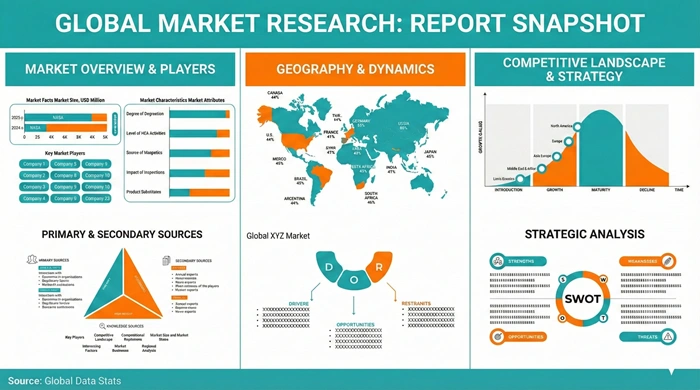
Drivers Impact Analysis
Environmental Regulations and Resource Recovery Imperatives Accelerate Biosolids Management Adoption
| Impact Factor | (≈) % Impact on CAGR Forecast | Geographic Relevance | Impact Timeline |
|---|---|---|---|
| Regulatory Compliance Requirements | +2.2% | Global Markets | 2026-2033 |
| Circular Economy Initiatives | +1.8% | Developed Regions | 2026-2033 |
| Agricultural Nutrient Demand | +1.4% | Agricultural Regions | 2026-2033 |
| Energy Recovery Opportunities | +1.2% | Advanced Markets | 2027-2033 |
The biosolids management market benefits substantially from environmental regulatory frameworks mandating proper treatment, disposal, and beneficial use of sewage sludge protecting water quality, soil resources, and public health. United States EPA Part 503 regulations establishing pathogen reduction standards, metal concentration limits, and management practice requirements create baseline compliance obligations for 16,000 municipal wastewater treatment facilities. European Union regulations restricting landfill disposal of biodegradable wastes and establishing waste hierarchy principles prioritizing recycling over disposal drive biosolids beneficial use programs. China implementing stringent wastewater treatment standards and sludge treatment requirements supporting urbanization goals invests substantially in biosolids management infrastructure. These regulatory mandates create non-discretionary demand independent of economic cycles supporting market stability throughout forecast period.
Circular economy principles accelerate biosolids management market adoption as governments, corporations, and communities pursue resource efficiency, waste valorization, and sustainability commitments addressing climate change and environmental protection. Phosphorus recovery from biosolids addresses critical mineral resource scarcity as global phosphate rock reserves concentrate in few countries creating supply security concerns. Nutrient recycling programs returning nitrogen, phosphorus, and micronutrients to agricultural soils close nutrient loops reducing synthetic fertilizer dependency and associated carbon footprints. Renewable energy generation through anaerobic digestion producing biogas for electricity, heat, or vehicle fuel displaces fossil fuel consumption reducing greenhouse gas emissions. Carbon credit programs monetizing emission reductions, renewable energy production, and carbon sequestration create additional revenue streams improving project economics. These circular economy drivers position biosolids as valuable resource supporting sustained market growth throughout forecast period.
Restraints Impact Analysis
Public Perception Concerns and Infrastructure Costs Challenge Market Penetration Across Sensitive Applications
| Restraint Factor | (≈) % Impact on CAGR Forecast | Geographic Relevance | Impact Timeline |
|---|---|---|---|
| Social Acceptance Issues | -1.6% | Urban Sensitive Areas | 2026-2033 |
| Capital Investment Requirements | -1.3% | Developing Regions | 2026-2031 |
| Contaminant Concerns | -1.1% | Agricultural Markets | 2026-2033 |
| Transportation Logistics | -0.8% | Rural Applications | 2026-2030 |
The biosolids management market faces growth constraints from public perception concerns where social stigma associated with sewage-derived materials creates community opposition to land application programs, composting facilities, and processing infrastructure. "Not in my backyard" resistance particularly affects siting decisions for treatment facilities, transfer stations, and beneficial use programs requiring extensive public outreach and stakeholder engagement. Media coverage emphasizing potential risks, odor complaints, and contamination fears creates negative perceptions despite scientific evidence supporting safety and environmental benefits. Organic farming advocacy groups debating biosolids acceptance in certified organic production create market uncertainty affecting agricultural demand. These social challenges require transparent communication, community partnerships, and demonstrated safety records building public confidence throughout forecast period.
Capital investment requirements constrain biosolids management market development where advanced treatment technologies, processing facilities, and distribution infrastructure demand substantial upfront expenditures challenging municipal budgets and utility financial capacity. Anaerobic digestion systems requiring specialized reactors, gas handling equipment, and energy recovery installations cost $20-50 million for medium-sized facilities. Thermal treatment technologies including incineration, gasification, and pyrolysis requiring sophisticated pollution control and energy recovery systems exceed $100 million for regional facilities. Dewatering equipment, drying systems, and pelletizing operations improving product handleability and transportation economics require multi-million dollar investments. Developing nations particularly lacking capital access and technical expertise face barriers implementing advanced biosolids management programs. Long payback periods typically 10-20 years for infrastructure investments challenge financial justification particularly competitive utility rate environments. These capital constraints favor established markets and delay adoption in emerging regions throughout forecast period.
Opportunities Impact Analysis
Phosphorus Recovery and Biochar Production Create Substantial Growth Avenues Beyond Traditional Applications
| Opportunity Factor | (≈) % Impact on CAGR Forecast | Geographic Relevance | Impact Timeline |
|---|---|---|---|
| Nutrient Recovery Technologies | +1.6% | Global Agriculture | 2027-2033 |
| Biochar Market Development | +1.3% | Carbon Markets | 2027-2033 |
| Renewable Energy Programs | +1.1% | Advanced Economies | 2026-2033 |
| Emerging Market Infrastructure | +0.9% | Asia Pacific, Africa | 2027-2033 |
The biosolids management market stands to capture substantial value from phosphorus recovery technologies addressing global fertilizer security while creating premium products from waste materials. Struvite precipitation systems recovering magnesium ammonium phosphate crystals produce slow-release fertilizer products marketed to specialty agriculture, horticulture, and turf management sectors. Enhanced biological phosphorus removal coupled with acidic dissolution and crystallization processes extract phosphorus-rich concentrates suitable for fertilizer manufacturing. Global phosphate rock reserves declining quality and geopolitical concentration create strategic incentives for domestic phosphorus recovery programs particularly import-dependent nations. Premium pricing for recovered phosphorus products ranging $800-1200 per metric ton phosphorus content creates attractive economics justifying recovery system investments. Agricultural markets increasingly valuing sustainable nutrient sources and circular economy credentials support market acceptance throughout forecast period.
Biochar production from biosolids presents exceptional growth opportunities as carbon markets, soil amendment programs, and climate mitigation strategies recognize pyrolysis-derived materials as valuable carbon sequestration tools. Thermochemical conversion at 400-700°C produces stable carbon-rich biochar demonstrating 50-80% carbon retention in recalcitrant forms resisting decomposition for centuries. Agricultural biochar applications improving soil water retention, nutrient holding capacity, and microbial habitat support crop productivity while sequestering carbon. Carbon credit programs recognizing biochar as durable carbon removal technology monetize climate benefits generating revenue streams offsetting production costs. Industrial applications including water filtration, construction materials, and energy storage demonstrate emerging market opportunities. Research institutions, technology providers, and early adopters advancing biochar value chains support commercialization throughout forecast period.
Segment Analysis
By Product Class: Class A Biosolids
Advanced Pathogen Reduction and Unrestricted Use Classification Sustain Class A Segment Market Leadership
Class A biosolids command substantial share within the biosolids management market, accounting for approximately 55% of high-quality product segment with continued expansion projected at robust CAGR of 6.8% through 2033. This product category encompasses biosolids meeting stringent pathogen reduction requirements including fecal coliform density below detectable limits and specific pathogen destruction standards enabling unrestricted agricultural use, public site applications, and consumer product manufacturing. The biosolids management market benefits from Class A advantages including elimination of site restrictions, buffer zone requirements, and public access controls expanding beneficial use opportunities compared to Class B materials. Premium pricing reflecting advanced treatment costs and enhanced market acceptability creates favorable economics for utilities operating thermal treatment, composting, or advanced digestion facilities. Regulatory preference for pathogen-free materials particularly sensitive applications including home gardens, public parks, and food crop production supports market growth.
North America leads Class A biosolids production within the market, driven by advanced treatment infrastructure, strict regulatory standards, and established markets for premium products. United States facilities including Milwaukee Metropolitan Sewerage District, King County Washington, and regional utilities operate thermal drying, composting, and advanced digestion systems producing branded Class A products marketed to retail, agricultural, and commercial customers. Leading brands including Milorganite fertilizer demonstrate commercial success achieving national distribution and consumer recognition supporting premium positioning. Canadian utilities particularly British Columbia and Ontario facilities invest in advanced treatment supporting agricultural markets and environmental sustainability objectives. Technology providers including Cambi, Lystek, and Synagro Technologies supply thermal hydrolysis, alkaline stabilization, and processing systems enabling Class A production. Asia Pacific particularly Japan and Singapore pursuing land scarcity solutions and high environmental standards demonstrates growing Class A adoption. Enhanced public acceptance, regulatory compliance, and market access opportunities position Class A segment for sustained leadership throughout forecast period.
By Processing Technology: Anaerobic Digestion
Renewable Energy Generation and Enhanced Stabilization Position Digestion as Fastest-Growing Technology Segment
Anaerobic digestion represents fastest-growing segment within the biosolids management market, anticipated to expand at exceptional CAGR of 7.2% through 2033 driven by renewable energy production, greenhouse gas reduction, and enhanced pathogen destruction benefits. This processing technology encompasses microbial decomposition of organic materials in oxygen-free conditions producing biogas containing 60-70% methane suitable for electricity generation, thermal applications, or vehicle fuel. The biosolids management market benefits from digestion advantages including 40-60% volatile solids reduction minimizing disposal volumes, pathogen reduction supporting Class B or Class A standards when combined with additional treatments, and odor control improving community acceptance. Economic benefits including renewable energy revenue, reduced disposal costs, and carbon credit monetization improve financial viability particularly utilities operating combined heat and power systems or renewable natural gas upgrading facilities.
Europe leads anaerobic digestion adoption within the market, driven by renewable energy incentives, greenhouse gas reduction targets, and integrated waste management policies. German utilities operate over 10,000 anaerobic digestion facilities processing biosolids, agricultural wastes, and food scraps producing renewable energy supporting grid stability and decarbonization objectives. United Kingdom renewable heat incentive programs and feed-in tariffs support biogas project development. Nordic countries particularly Denmark and Sweden demonstrate advanced digestion implementations with biogas vehicle fleets and district heating applications. Leading technology providers including Veolia, SUEZ, and GE Water supply mesophilic and thermophilic digestion systems, thermal hydrolysis pretreatment, and biogas upgrading equipment. North American utilities increasingly adopting digestion particularly California, New York, and progressive jurisdictions pursuing renewable energy portfolios and climate action plans. Asia Pacific particularly China implementing biogas development programs supporting rural energy access and waste management creates emerging opportunities. These favorable dynamics position anaerobic digestion for continued growth leadership throughout forecast period.
Regional Insights
North America
Established Infrastructure and Regulatory Maturity Establish Regional Dominance in Biosolids Management Practices
North America commands the biosolids management market with dominant share exceeding 35%, driven by established wastewater treatment infrastructure, comprehensive regulatory frameworks, and mature beneficial reuse programs across United States and Canada where decades of operational experience and technical innovation support advanced management practices. United States alone operates over 16,000 municipal wastewater treatment plants generating approximately 7 million dry metric tons of biosolids annually requiring proper management and beneficial use or disposal. EPA Part 503 regulations implemented 1993 establishing clear standards for pathogen reduction, metal concentrations, and management practices provide regulatory certainty supporting industry development. Leading utilities including Los Angeles Sanitation District, DC Water, and regional authorities operate advanced facilities incorporating anaerobic digestion, thermal treatment, and nutrient recovery technologies demonstrating technical leadership and innovation commitment.
Regional market characteristics emphasize quality focus, environmental performance, and stakeholder engagement supporting premium program development and community acceptance. Major service providers including Veolia North America, SUEZ, Synagro Technologies, and regional operators maintain extensive operational footprints serving municipal clients through management contracts, biosolids marketing programs, and consulting services. Agricultural land application programs particularly Midwest corn belt, Great Plains wheat regions, and specialty crop areas consume substantial volumes supporting soil health and nutrient management objectives. Composting operations producing branded products including soil amendments, mulches, and growing media serve retail, commercial, and municipal landscape markets. Energy recovery facilities generating renewable electricity, renewable natural gas, and thermal energy demonstrate circular economy principles and climate action leadership. Research institutions including Water Environment Research Foundation, universities, and government laboratories advance science, technology, and best practices supporting industry evolution. The region's market dominance continues through 2033 as operational excellence, regulatory compliance, and innovation leadership create sustained competitive advantages throughout forecast period.
Asia Pacific
Rapid Urbanization and Infrastructure Development Drive Fastest Regional Market Expansion
Asia Pacific emerges as the fastest-growing regional biosolids management market with projected CAGR of 6.8% through 2033, propelled by unprecedented urbanization, wastewater treatment infrastructure expansion, and government environmental initiatives addressing water pollution and resource recovery. China dominates regional market accounting for approximately 45% of Asia Pacific biosolids generation with urban population exceeding 900 million people served by expanding wastewater treatment infrastructure. Government initiatives including national sludge treatment plans, regional pilot projects, and technology demonstration programs promote advanced management practices including anaerobic digestion, composting, and land application replacing traditional landfill disposal. India's growing urban population and wastewater treatment expansion under Clean India Mission and river restoration programs generate substantial biosolids volumes requiring comprehensive management solutions.
Regional market development emphasizes technology adoption, capacity building, and regulatory framework establishment supporting sustainable practices and environmental protection. Major utilities particularly Beijing Drainage Group, Shanghai Municipal Water Authority, and regional operators implement advanced treatment facilities incorporating domestic and international technologies. Technology providers including Chinese equipment manufacturers, Japanese engineering firms, and international environmental companies supply digestion systems, dewatering equipment, and processing technologies. Agricultural applications particularly crop production, land reclamation, and soil improvement consume growing biosolids volumes as nutrient recycling benefits gain recognition. Composting operations particularly organic fertilizer production and soil amendment manufacturing create value-added products serving domestic markets. Energy recovery particularly biogas generation and renewable electricity production support China's carbon neutrality commitments and renewable energy targets. Leading regional players including Beijing Capital Eco-Environment Protection Group, Sound Global, and local service providers expand operational capabilities supporting market growth. The region's rapid expansion continues through 2033 as infrastructure investment, regulatory development, and environmental priorities create favorable dynamics supporting sustained market leadership throughout forecast period.
Top Key Players
-
Veolia Environnement S.A. (France)
-
SUEZ S.A. (France)
-
Synagro Technologies Inc. (United States)
-
Waste Management Inc. (United States)
-
Republic Services Inc. (United States)
-
Cleanaway Waste Management Limited (Australia)
-
Cambi Group AS (Norway)
-
Xylem Inc. (United States)
-
Severn Trent Services (United Kingdom)
-
American Water Works Company Inc. (United States)
-
Aqua-Aerobic Systems Inc. (United States)
-
Lystek International Inc. (Canada)
-
N-Viro International Corporation (United States)
-
Ostara Nutrient Recovery Technologies Inc. (Canada)
-
Beijing Capital Eco-Environment Protection Group (China)
Recent Developments
-
Veolia (2025): Announced world's first large-scale municipal wastewater treatment plant conversion to water reuse production station in Vitória Brazil utilizing membrane bioreactors and reverse osmosis technologies, demonstrating commitment to circular water economy and resource recovery supporting freshwater conservation equivalent to 200,000 people's needs while advancing innovative treatment approaches and sustainable infrastructure development.
-
Veolia (2025): Won US$500 million industrial wastewater reuse project in Jubail Industrial City Saudi Arabia including construction, operation, and 30-year maintenance of Middle East's largest industrial wastewater reuse plant with 8.8 million cubic meters annual capacity, showcasing technical leadership and project delivery capabilities supporting petrochemical sector sustainability and water resource conservation throughout Gulf region.
-
SUEZ (2024): Restructured operations following Veolia merger forming independent water and waste management company backed by consortium of long-term investors, maintaining strategic focus on agile growth in key international markets through digital technology investments, smart resource management solutions, and robust local partnerships positioning company for sustainable development and resilient environmental service delivery globally.
-
Synagro Technologies (2024): Expanded beneficial use programs across United States agricultural markets increasing land application acreage by 12% while implementing advanced nutrient management planning, precision application technologies, and farmer partnership programs supporting sustainable agriculture, soil health enhancement, and regulatory compliance excellence throughout diverse crop production regions nationwide.
-
Cambi Group (2024): Delivered thermal hydrolysis systems to multiple North American and Asian utilities enabling Class A biosolids production, enhanced digestion performance, and improved dewatering characteristics, demonstrating technology leadership and global market penetration supporting advanced treatment adoption, renewable energy generation, and biosolids quality improvement across municipal wastewater sector.
Market Trends
Digital Transformation and Nutrient Recovery Integration Reshape Industry Competitive Dynamics
The biosolids management market experiences transformative trends centered on digital technologies as Internet of Things sensors, cloud computing platforms, and data analytics optimize operations, improve compliance documentation, and enhance stakeholder communication. Real-time monitoring systems tracking digester performance, dewatering efficiency, and product quality enable immediate corrective actions preventing process upsets and ensuring consistent output specifications. Mobile applications connecting field operators, laboratory personnel, and management teams facilitate rapid decision-making and seamless information flow improving operational coordination. Blockchain-based tracking systems documenting biosolids generation, treatment processes, transportation logistics, and final disposition provide transparent chain-of-custody records supporting regulatory compliance and market verification. These digital innovations create competitive advantages as utilities and service providers pursue operational excellence, cost reduction, and stakeholder confidence building throughout forecast period.
Nutrient recovery integration trends reshape the biosolids management market as facilities evolve from waste treatment operations to resource recovery centers producing marketable fertilizer products, renewable energy, and sustainable materials. Phosphorus extraction technologies including struvite precipitation systems and acidic dissolution processes generate premium slow-release fertilizers commanding higher prices than traditional biosolids products. Nitrogen recovery through ammonia stripping or membrane concentration produces liquid fertilizer suitable for fertigation systems and controlled-release applications. Combined nutrient recovery and energy generation facilities maximize value capture from organic waste streams supporting circular economy business models. Public-private partnerships sharing technology risks, capital requirements, and revenue opportunities enable innovation adoption accelerating market transformation. These integration trends expand addressable markets beyond traditional biosolids management creating premium positioning opportunities supporting sustained industry evolution throughout forecast period.
Segments Covered in the Report
By Product Class
-
Class A Biosolids (Pathogen-Free, Unrestricted Use)
-
Class B Biosolids (Treated, Site-Restricted Use)
By Processing Technology
-
Anaerobic Digestion (Mesophilic, Thermophilic)
-
Composting (Windrow, Aerated Static Pile, In-Vessel)
-
Thermal Treatment (Incineration, Drying, Pyrolysis)
-
Alkaline Stabilization
-
Lime Stabilization
-
Others (Dewatering, Thickening)
By Application
-
Agricultural Land Application (Crop Production, Pastures)
-
Land Reclamation and Soil Amendment
-
Composting and Organic Fertilizer Production
-
Energy Recovery (Biogas, Renewable Natural Gas)
-
Incineration with Energy Recovery
-
Landfill Disposal
-
Others (Construction Materials, Manufactured Products)
By Source
-
Municipal Wastewater Treatment Plants
-
Industrial Wastewater Treatment Facilities
-
Commercial Wastewater Generators
By Region
-
North America (United States, Canada, Mexico)
-
Europe (Germany, United Kingdom, France, Netherlands, Spain, Rest of Europe)
-
Asia Pacific (China, India, Japan, South Korea, Australia, Southeast Asia, Rest of Asia Pacific)
-
Latin America (Brazil, Argentina, Chile, Rest of Latin America)
-
Middle East & Africa (Saudi Arabia, UAE, South Africa, Rest of MEA)
Frequently Asked Questions
Question 1: What is the projected size of the biosolids management market by 2033?
Answer: The global biosolids management market is expected to reach approximately USD 2.44 billion by 2033, growing from USD 1.50 billion in 2026. This substantial expansion reflects regulatory compliance requirements, circular economy initiatives, agricultural nutrient demand, and energy recovery opportunities across municipal and industrial wastewater treatment sectors worldwide.
Question 2: Which region dominates the biosolids management market currently?
Answer: North America leads the biosolids management market with over 35% share, driven by established wastewater treatment infrastructure, comprehensive regulatory frameworks, and mature beneficial reuse programs across United States and Canada. Leading service providers including Veolia North America, Synagro Technologies, and regional operators maintain dominant operational positions serving municipal clients nationwide.
Question 3: What are the primary drivers of biosolids management market growth?
Answer: Key growth drivers include environmental regulatory compliance requirements mandating proper treatment and disposal, circular economy initiatives promoting resource recovery and waste valorization, agricultural nutrient demand supporting sustainable farming practices, and energy recovery opportunities through anaerobic digestion and biogas generation. These factors create sustained demand across municipal wastewater treatment operations globally throughout forecast period.
Question 4: Which processing technology holds the fastest growth potential in the biosolids management market?
Answer: Anaerobic digestion demonstrates fastest growth potential with anticipated CAGR of 7.2% through 2033, driven by renewable energy generation capabilities, greenhouse gas reduction benefits, enhanced pathogen destruction, and carbon credit monetization opportunities. Advanced digestion technologies including thermal hydrolysis pretreatment and biogas upgrading support premium market positioning and investment justification.
Question 5: How do regulatory frameworks impact the biosolids management market?
Answer: Regulatory frameworks create baseline compliance obligations requiring proper biosolids treatment, disposal, and beneficial use protecting environmental and public health. United States EPA Part 503 regulations, European Union directives, and emerging market standards establish pathogen reduction requirements, metal concentration limits, and management practices supporting market stability. Regulations also incentivize beneficial use over disposal through waste hierarchy policies, landfill restrictions, and renewable energy programs supporting circular economy principles throughout forecast period.