
Bioresorbable Coronary Stents Market Overview
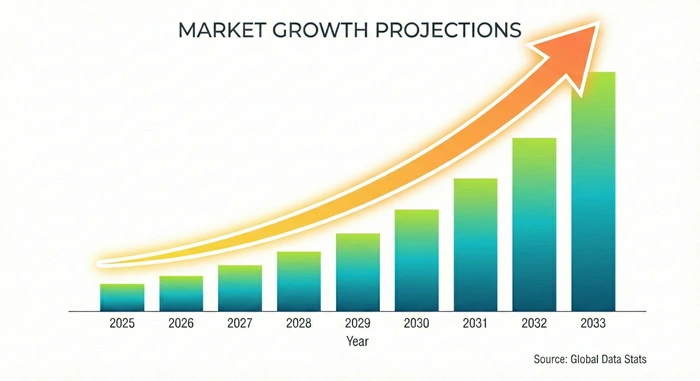
The global bioresorbable coronary stents market size is valued at USD 356.73 million in 2025 and is predicted to increase from USD 378.42 million in 2026 to approximately USD 611.17 million by 2033, growing at a CAGR of 5.43% from 2026 to 2033. These innovative medical devices represent a significant advancement in interventional cardiology, offering temporary structural support to narrowed or blocked coronary arteries while gradually dissolving over time. Unlike traditional metallic stents that remain permanently in the body, bioresorbable coronary stents are designed to be absorbed completely, eliminating long-term complications such as late stent thrombosis and chronic inflammation. The market is experiencing steady expansion driven by the increasing global prevalence of cardiovascular diseases, technological advancements in biomaterial science, and growing preference for minimally invasive treatment options among both physicians and patients.

AI Impact on the Bioresorbable Coronary Stents Industry
Transforming Cardiovascular Interventions Through Temporary Vascular Support and Complete Bioresorption
Artificial intelligence is fundamentally reshaping the bioresorbable coronary stents market by enhancing both manufacturing precision and clinical outcomes. AI-based imaging and analytics enable more accurate planning of implant procedures by evaluating vessel geometry and predicting scaffold dissolution outcomes with remarkable precision. Machine learning algorithms analyze patient data to assess healing processes and scaffold resorption profiles, creating a feedback loop that continuously refines device design and performance. These intelligent systems help physicians make real-time intraoperative decisions, selecting optimal resorbable scaffold designs and deployment strategies tailored to individual patient anatomy and pathology.
Automation powered by AI is revolutionizing the manufacturing processes for bioresorbable coronary stents, improving consistency in biodegradable scaffold production while reducing defects and enabling thinner strut designs. AI-driven process monitoring and quality control accelerate regulatory approval pathways for next-generation devices by allowing rapid iteration of polymer blends and magnesium alloys to optimize degradation kinetics. Remote monitoring systems powered by machine learning algorithms track long-term outcomes more efficiently, reducing the evidence gap that previously hindered widespread adoption of bioresorbable stent technology. Research indicates that AI-assisted stent implantation results in superior stent positioning and lower risk of major adverse cardiac events compared to manual methods, with potential to reduce restenosis rates by up to 30 percent.
Growth Factors
Rising Cardiovascular Disease Burden and Shift Toward Minimally Invasive Solutions
The bioresorbable coronary stents market is experiencing robust growth primarily due to the escalating global burden of coronary artery disease, which remains the leading cause of mortality worldwide. The aging population, combined with lifestyle factors such as sedentary behavior, unhealthy dietary patterns, smoking, and increasing prevalence of diabetes, has significantly expanded the patient population requiring coronary interventions. Diabetes in particular serves as a major risk factor for coronary artery disease, as metabolic changes associated with the condition accelerate plaque formation in arteries, creating substantial demand for effective treatment solutions like bioresorbable stents. The growing preference for minimally invasive procedures over traditional coronary artery bypass surgery is driving adoption of bioresorbable coronary stents, as these devices offer shorter recovery times, reduced hospital stays, and improved patient quality of life.
Technological innovations in material science and biomaterial engineering are serving as crucial growth catalysts for the bioresorbable coronary stents market. Advances in biocompatible polymer development and the introduction of magnesium-based metallic scaffolds have addressed many early concerns regarding device efficacy and safety. Second-generation bioresorbable stents feature improved design specifications including thinner strut thicknesses, faster and more predictable absorption rates, and enhanced drug-elution capabilities that provide performance comparable to gold-standard drug-eluting metallic stents. Strategic partnerships between leading manufacturers and research institutions are accelerating the pace of innovation, while favorable reimbursement policies in developed markets are reducing financial barriers to adoption. The environmental sustainability aspect of bioresorbable technology also aligns with broader healthcare industry goals, making these devices increasingly attractive to healthcare providers committed to reducing their environmental footprint.
Market Outlook
Positive Trajectory Supported by Clinical Evidence and Expanding Applications
The bioresorbable coronary stents market outlook remains highly positive as accumulating clinical evidence continues to demonstrate the long-term safety and efficacy of these innovative devices. Healthcare professionals are gaining confidence in bioresorbable stent technology as extensive clinical trials validate the benefits of complete scaffold resorption, including restoration of natural vasomotion, elimination of permanent foreign material, and reduced need for lifelong dual antiplatelet therapy. The market is witnessing increased adoption across diverse healthcare settings, from large tertiary care hospitals to ambulatory surgical centers, as procedural techniques become more standardized and operator experience grows. Regional variations in healthcare infrastructure and reimbursement frameworks continue to influence market penetration rates, with developed markets in North America and Europe leading in adoption while emerging economies in Asia Pacific demonstrate the fastest growth potential.
Investment in research and development by key market players is expected to yield next-generation bioresorbable coronary stents with further enhanced performance characteristics. Emerging technologies such as three-dimensional printing and nanotechnology are enabling the creation of highly customized scaffold structures tailored to specific patient anatomies and disease presentations. The expansion of applications beyond coronary interventions into peripheral artery disease treatment represents an additional growth avenue for the bioresorbable stents market. Despite ongoing challenges related to device cost compared to conventional metallic stents and the need for continued long-term outcome data, the market trajectory suggests sustained expansion throughout the forecast period driven by technological refinement, broadening clinical applications, and increasing global awareness of the advantages offered by bioresorbable coronary stents technology.
Expert Speaks
-
Abbott Laboratories' leadership has emphasized their continued commitment to innovation in vascular intervention despite previous challenges, focusing on developing next-generation bioresorbable technologies with improved safety profiles and clinical outcomes that address the unmet needs in interventional cardiology.
-
BIOTRONIK executives have highlighted the critical importance of advanced biomaterial research and clinical collaboration in advancing bioresorbable scaffold technology, stating that the future of coronary interventions lies in devices that provide temporary support and then completely disappear, leaving natural vessel function restored.
-
Meril Life Sciences management has expressed confidence in the growing acceptance of bioresorbable coronary stents among interventional cardiologists globally, noting that their second-generation platforms demonstrate superior mechanical properties and resorption profiles that are transforming treatment paradigms for complex coronary artery disease.
Key Report Takeaways
-
North America dominates the bioresorbable coronary stents market with the largest revenue share due to advanced healthcare infrastructure, high healthcare expenditure, favorable reimbursement policies, and significant prevalence of cardiovascular diseases requiring advanced interventional solutions across the region.
-
Asia Pacific represents the fastest-growing regional market for bioresorbable coronary stents, expanding at the highest CAGR driven by rapidly improving healthcare infrastructure, increasing awareness of advanced cardiac interventions, rising disposable incomes, and the substantial patient population in countries like China, India, and Japan.
-
Polymer-based bioresorbable stents account for the majority market share at approximately 72 percent of the global market in 2026, attributed to their established regulatory approvals, proven biocompatibility, flexible mechanical properties, and extensive clinical experience compared to metallic alternatives.
-
Coronary artery disease treatment represents the dominant application segment contributing over 85 percent of market revenue, driven by the high global prevalence of coronary artery disease and the suitability of bioresorbable stents for restoring blood flow in narrowed coronary vessels.
-
Hospitals constitute the largest end-user segment utilizing bioresorbable coronary stents most extensively, accounting for more than 60 percent market share due to the availability of advanced catheterization laboratories, experienced interventional cardiologists, and comprehensive post-procedural care facilities.
-
The metallic bioresorbable stents segment will experience the fastest growth during the forecast period with an expected CAGR exceeding 10 percent from 2026 to 2033, fueled by promising clinical trial results of magnesium-based scaffolds demonstrating superior radial strength, predictable resorption timelines, and favorable healing profiles compared to early polymer platforms.
Market Scope
| Report Coverage Details | |
|---|---|
| Market Size by 2033 | USD 611.17 Million |
| Market Size by 2025 | USD 356.73 Million |
| Market Size by 2026 | USD 378.42 Million |
| Market Growth Rate from 2026 to 2033 | CAGR of 5.43% |
| Dominating Region | North America |
| Fastest Growing Region | Asia Pacific |
| Base Year | 2025 |
| Forecast Period | 2026 to 2033 |
| Segments Covered | Material Type, Application, End User, Region |
| Regions Covered | North America, Europe, Asia Pacific, Latin America, Middle East & Africa |
Market Dynamics
Drivers Impact Analysis
Advancements in Biomaterial Technology and Growing Clinical Acceptance
| Parameter | Details |
|---|---|
| ≈ % Impact on CAGR Forecast | High impact (approximately 35-40% contribution to overall CAGR) |
| Geographic Relevance | Global, with strongest impact in North America, Europe, and developed Asia Pacific markets |
| Impact Timeline | Immediate and sustained throughout forecast period (2026-2033) |
Groundbreaking developments in biomaterial science represent the most significant driver propelling the bioresorbable coronary stents market forward during the forecast period. Researchers and manufacturers have successfully engineered advanced biocompatible polymers including polylactic acid, poly-L-lactic acid, and polycarbonate-based materials that demonstrate controlled degradation profiles, optimal mechanical strength during the critical healing phase, and complete absorption without toxic byproducts. These polymer innovations address the fundamental limitations of first-generation devices by providing sufficient radial force to prevent vessel recoil while maintaining flexibility for navigation through tortuous coronary anatomy. Additionally, the emergence of magnesium alloy-based metallic bioresorbable scaffolds offers an alternative platform with enhanced radial strength and more predictable one-year resorption timelines, expanding treatment options for complex lesions. The integration of sophisticated drug-elution technologies with bioresorbable platforms enables sustained release of antiproliferative agents that prevent neointimal hyperplasia while the scaffold structure gradually dissolves.
The growing body of long-term clinical evidence demonstrating the safety and effectiveness of modern bioresorbable coronary stents is substantially increasing physician confidence and driving market adoption. Unlike permanent metallic stents that can trigger chronic inflammation, late stent thrombosis, and neoatherosclerosis, bioresorbable scaffolds completely disappear after fulfilling their structural support function, restoring natural vessel physiology including vasomotion and endothelial function. This fundamental advantage eliminates concerns about permanent foreign material implantation and potentially reduces the duration of dual antiplatelet therapy required, improving patient compliance and quality of life. Major interventional cardiology societies are incorporating bioresorbable stent data into clinical guidelines, while positive outcomes from multicenter registries and randomized controlled trials are being published in prestigious medical journals, creating a virtuous cycle of awareness and acceptance. Training programs and proctorship initiatives by leading manufacturers are building operator proficiency, while favorable reimbursement decisions by healthcare payers in key markets are reducing economic barriers to utilization of bioresorbable coronary stents technology.
Restraints Impact Analysis
Higher Device Costs and Limited Long-term Outcome Data
| Parameter | Details |
|---|---|
| ≈ % Impact on CAGR Forecast | Moderate negative impact (approximately 15-20% restraining effect on potential CAGR) |
| Geographic Relevance | Most significant in price-sensitive emerging markets; moderate impact in developed economies |
| Impact Timeline | High impact in near term (2026-2028), gradually diminishing as technology matures and production scales |
The substantially higher acquisition cost of bioresorbable coronary stents compared to conventional drug-eluting metallic stents represents a significant restraint limiting market penetration, particularly in cost-conscious healthcare systems and emerging economies. The sophisticated manufacturing processes required to produce biocompatible polymers or magnesium alloys with precise degradation kinetics, combined with complex drug-coating technologies and relatively lower production volumes, result in device prices that can be two to three times higher than standard metallic stents. This cost differential creates substantial budget pressure for hospitals and healthcare institutions, especially in regions where reimbursement rates do not adequately cover the premium pricing or where out-of-pocket patient payments are required. Healthcare administrators and procurement committees often require compelling health economic evidence demonstrating superior long-term outcomes or reduced follow-up costs to justify the initial investment in bioresorbable technology.
The negative sentiment lingering from early-generation device failures and the relatively shorter clinical experience with current-generation bioresorbable coronary stents continue to generate caution among some interventional cardiologists. Abbott's 2017 recall of the Absorb bioresorbable vascular scaffold due to higher-than-expected rates of scaffold thrombosis and target lesion failure significantly damaged market confidence and slowed adoption across the entire product category. Although second-generation devices have demonstrated improved safety profiles with thinner struts and optimized designs, the medical community appropriately demands extensive long-term data spanning five to ten years before fully embracing new implantable technologies. Concerns persist regarding appropriate patient selection criteria, optimal implantation techniques including vessel sizing and lesion preparation, and the identification of anatomical or clinical scenarios where bioresorbable scaffolds may underperform compared to proven metallic alternatives. The technical complexity of deploying certain bioresorbable stent platforms, which may require more meticulous procedural technique compared to familiar metallic stents, creates an additional adoption barrier particularly among operators with limited exposure to the technology.
Opportunities Impact Analysis
Expansion into Emerging Markets and Development of Personalized Solutions
| Parameter | Details |
|---|---|
| ≈ % Impact on CAGR Forecast | Substantial positive impact (approximately 25-30% potential CAGR enhancement) |
| Geographic Relevance | Highest opportunity in Asia Pacific, Latin America, and Middle East & Africa regions |
| Impact Timeline | Moderate impact in medium term (2028-2030), accelerating significantly in later forecast period (2031-2033) |
The vast untapped markets in rapidly developing economies across Asia Pacific, Latin America, and the Middle East and Africa regions present extraordinary growth opportunities for the bioresorbable coronary stents market. Countries including China, India, Indonesia, Brazil, and Gulf Cooperation Council nations are experiencing dramatic increases in cardiovascular disease prevalence driven by urbanization, dietary changes, and aging populations, yet currently have relatively low penetration of advanced interventional cardiology technologies. These markets are simultaneously witnessing substantial investments in healthcare infrastructure, with governments and private entities establishing modern catheterization laboratories equipped with advanced imaging systems and staffed by internationally trained interventional cardiologists. As healthcare expenditure rises and middle-class populations expand their access to premium medical services, demand for cutting-edge treatments like bioresorbable stents is expected to surge dramatically. Strategic initiatives by multinational medical device companies to establish local manufacturing facilities, clinical training centers, and distribution networks in these high-growth regions will accelerate market development.
The convergence of artificial intelligence, advanced imaging modalities, and precision medicine principles is creating unprecedented opportunities to develop personalized bioresorbable coronary stent solutions tailored to individual patient characteristics. AI-powered analysis of coronary imaging data including optical coherence tomography and intravascular ultrasound can determine optimal scaffold dimensions, strut thickness, and drug-elution profiles matched to specific lesion morphology and vessel biology. Three-dimensional printing technologies enable the potential fabrication of custom-designed bioresorbable scaffolds with patient-specific geometries and mechanical properties, moving beyond the current one-size-fits-all approach. Research into hybrid scaffold designs combining polymer and metallic components, incorporation of biological coatings that actively promote healing and endothelialization, and development of scaffolds with adjustable resorption timelines based on individual patient healing rates represent frontier opportunities. The expansion of bioresorbable scaffold applications beyond coronary arteries into peripheral vascular territories including superficial femoral arteries and below-the-knee vessels opens entirely new market segments with substantial revenue potential. Additionally, the exploration of bioresorbable technology for treating other cardiovascular conditions such as congenital heart defects in pediatric populations presents opportunities in specialized niches where avoiding permanent implants offers particular advantages.
Segment Analysis
By Material Type
Polymer-based Stents Dominate While Metallic Platforms Gain Momentum
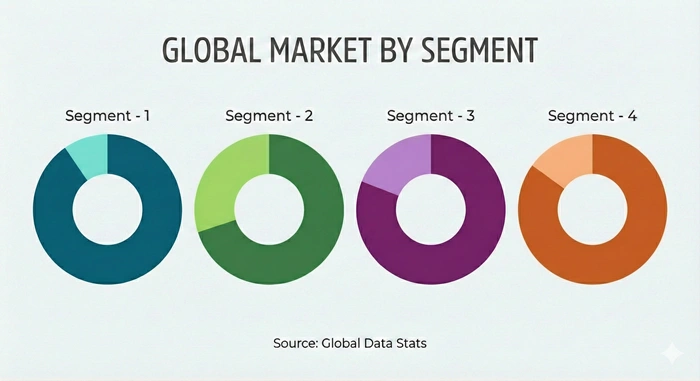
Polymer-based bioresorbable stents command the dominant position in the bioresorbable coronary stents market, accounting for approximately 72 percent of global market share in 2026 and generating the majority of segment revenue. These devices leverage sophisticated biocompatible polymers primarily based on polylactic acid derivatives that provide adequate radial strength during the critical vessel healing phase while gradually hydrolyzing into non-toxic metabolites that are eliminated through natural biological processes. The leadership position of polymer-based platforms stems from their earlier market entry, extensive clinical validation through numerous trials involving thousands of patients, established regulatory approvals across major markets, and familiarity among interventional cardiologists who have developed comfort with deployment techniques and patient selection criteria. Manufacturing expertise accumulated over more than a decade enables consistent production quality, while the inherent flexibility of polymer materials allows for thinner strut designs that minimize vessel trauma and inflammatory responses. North America and Europe represent the strongest markets for polymer-based bioresorbable stents, driven by well-established reimbursement frameworks and high adoption rates among leading academic medical centers that serve as opinion leaders influencing broader community practice patterns. Major manufacturers including Abbott Laboratories, REVA Medical, and Arterial Remodeling Technologies have invested heavily in refining polymer formulations and drug-coating technologies to address the limitations identified in first-generation devices, resulting in second-generation platforms that demonstrate significantly improved safety and efficacy profiles approaching those of gold-standard metallic drug-eluting stents.
Metallic bioresorbable stents, predominantly based on magnesium alloy platforms, represent the fastest-growing material segment within the bioresorbable coronary stents market with projected CAGR exceeding 10 percent during the 2026 to 2033 forecast period. These innovative scaffolds offer distinct advantages including superior radial strength that prevents acute recoil and provides more robust vessel support, excellent radiopacity enabling clear visualization during deployment procedures, and highly predictable resorption timelines typically completing within twelve months through controlled corrosion processes. The magnesium-based Magmaris scaffold developed by BIOTRONIK has garnered particular attention following positive clinical trial results demonstrating favorable safety outcomes and vessel healing characteristics, catalyzing renewed interest in metallic bioresorbable technology after earlier setbacks with iron-based platforms. Asia Pacific markets are showing especially strong uptake of metallic bioresorbable stents, with countries like China and India witnessing rapid adoption driven by local manufacturing initiatives, competitive pricing strategies, and clinical preferences for devices with handling characteristics more similar to familiar metallic stents. The segment benefits from ongoing material science innovations exploring novel magnesium alloys with optimized mechanical properties and degradation kinetics, as well as surface modification techniques that further enhance biocompatibility and reduce inflammatory responses. Leading companies including BIOTRONIK, Meril Life Sciences with their MeRes platform, and emerging Chinese manufacturers are aggressively expanding their metallic bioresorbable stent portfolios and investing in clinical evidence generation to support broader adoption across diverse patient populations and lesion complexities.
By Application
Coronary Artery Disease Treatment Dominates Market Applications
Coronary artery disease treatment represents the overwhelmingly dominant application segment for bioresorbable coronary stents, accounting for more than 85 percent of total market revenue in 2026. The segment's leadership reflects the fundamental design purpose of bioresorbable stents as interventional devices specifically engineered to address atherosclerotic narrowing of coronary arteries that supply oxygenated blood to the myocardium. Coronary artery disease remains the leading cause of mortality globally, affecting hundreds of millions of individuals and generating enormous clinical demand for effective revascularization solutions. The progressive nature of atherosclerosis, combined with modifiable and non-modifiable risk factors including hypertension, dyslipidemia, diabetes mellitus, smoking, family history, and advancing age, creates a continuously expanding patient population requiring coronary interventions. Bioresorbable stents offer particular advantages in coronary applications by providing temporary scaffolding during the critical three to six month healing period following angioplasty, then completely resorbing to restore natural vessel function including vasomotion, adaptive remodeling, and endothelial regeneration. This approach addresses the fundamental limitation of permanent metallic stents which create a chronic foreign body response potentially leading to late complications such as neoatherosclerosis and very late stent thrombosis. North America leads the coronary artery disease application segment with the United States alone performing over one million percutaneous coronary interventions annually, representing a substantial addressable market for bioresorbable technology. Key manufacturers including Abbott, BIOTRONIK, Meril Life Sciences, and Elixir Medical Corporation concentrate their research and development efforts primarily on refining coronary-specific bioresorbable platforms, with clinical trial programs focused on demonstrating non-inferiority or superiority compared to current-generation drug-eluting metallic stents in diverse coronary lesion subsets.
Peripheral artery disease treatment constitutes a rapidly emerging application segment for bioresorbable stent technology, though currently representing less than 15 percent of overall market share. This segment encompasses the use of bioresorbable scaffolds in treating atherosclerotic lesions affecting arteries beyond the coronary circulation, most commonly the superficial femoral artery in the thigh, popliteal artery behind the knee, and tibial vessels in the lower leg. The peripheral artery disease application is experiencing robust growth driven by several factors including the high global prevalence of peripheral arterial occlusive disease particularly among diabetic and elderly populations, the unique biomechanical challenges of peripheral vessels that undergo significant flexion and compression potentially causing permanent metallic stent fractures, and the theoretical advantage of avoiding permanent implants in peripheral locations where surgical bypass may be required in the future. Clinical research is demonstrating that bioresorbable scaffolds may offer particular benefits in peripheral applications by maintaining patency during initial healing then disappearing to allow natural vessel remodeling and preserve future treatment options. The segment shows strongest growth potential in Europe and Asia Pacific where peripheral vascular interventions are performed in high volumes and regulatory pathways for peripheral-specific bioresorbable devices are relatively more established. Companies including BIOTRONIK with their magnesium scaffold platform and several emerging manufacturers are conducting clinical trials specifically evaluating bioresorbable technology in peripheral artery disease applications, with early results suggesting promising outcomes particularly in femoro-popliteal segments. The expansion of bioresorbable stent indications into peripheral arterial disease represents a significant market growth opportunity that could substantially increase the total addressable market and diversify revenue streams beyond the core coronary application during the forecast period.
Regional Insights
North America
Established Market Leadership Driven by Advanced Infrastructure and Innovation Adoption
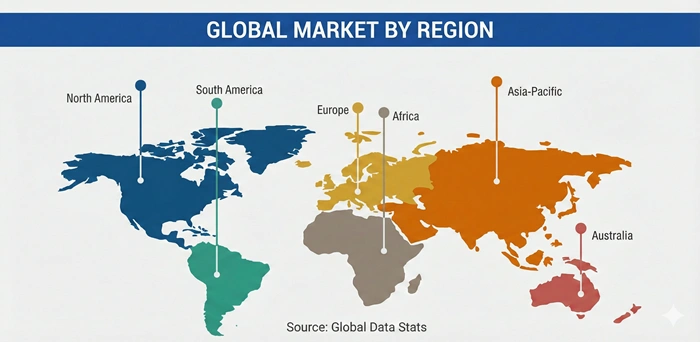
North America maintains a commanding leadership position in the global bioresorbable coronary stents market, capturing approximately 42 percent of total market revenue in 2026 with a market valuation exceeding USD 158 million. The region's dominance stems from multiple reinforcing factors including the most advanced healthcare infrastructure globally with extensive networks of cardiac catheterization laboratories equipped with cutting-edge imaging technologies, a highly trained workforce of interventional cardiologists experienced in complex percutaneous coronary interventions, and well-established clinical pathways for adopting innovative medical technologies. The United States represents the overwhelming majority of North American bioresorbable stents market activity, driven by the highest per-capita healthcare expenditure worldwide, favorable reimbursement policies that cover advanced cardiac interventions under both government Medicare programs and private insurance plans, and a patient population that demonstrates strong preference for minimally invasive treatment options. The substantial burden of cardiovascular disease in North America, exacerbated by high prevalence rates of obesity, diabetes, and sedentary lifestyles, creates enormous clinical demand for coronary interventions with over one million percutaneous coronary intervention procedures performed annually in the United States alone. Major academic medical centers and teaching hospitals concentrated in metropolitan areas serve as early adopters and key opinion leaders, conducting pivotal clinical trials that generate the evidence base supporting broader bioresorbable stent adoption throughout community practice settings.
The region benefits from the presence of leading global medical device manufacturers including Abbott Laboratories, Boston Scientific, and Medtronic, which maintain substantial research and development facilities, clinical affairs operations, and sales forces dedicated to advancing interventional cardiology technologies. These companies invest billions of dollars annually in innovation programs developing next-generation bioresorbable platforms with enhanced performance characteristics. The regulatory environment overseen by the United States Food and Drug Administration, while rigorous and demanding extensive clinical evidence, provides clear pathways for device approval that encourage continued innovation investment. Professional medical societies including the American College of Cardiology and Society for Cardiovascular Angiography and Interventions play influential roles in educating clinicians about bioresorbable stent technology through scientific sessions, guideline documents, and training programs that accelerate appropriate utilization. Despite market maturity and slower growth rates compared to emerging regions, North America is projected to maintain market leadership throughout the forecast period expanding at a steady CAGR of approximately 4.2 percent from 2026 to 2033, with growth driven by continued technological refinement, expansion into broader patient populations, and potential approval of next-generation devices demonstrating improved outcomes.
Asia Pacific
Fastest-Growing Regional Market Fueled by Demographic Trends and Infrastructure Expansion
Asia Pacific represents the fastest-growing regional market for bioresorbable coronary stents, projected to expand at a robust CAGR exceeding 7.5 percent during the 2026 to 2033 forecast period. This exceptional growth trajectory reflects the convergence of powerful demographic and economic forces including rapidly aging populations particularly in countries like Japan, China, and South Korea, dramatic increases in cardiovascular disease prevalence driven by urbanization and adoption of Western dietary patterns, rising disposable incomes that expand access to premium healthcare services, and substantial government and private sector investments in modern healthcare infrastructure. China and India represent the largest markets within the region, together accounting for over 60 percent of Asia Pacific bioresorbable coronary stents market revenue, driven by their massive populations exceeding 2.8 billion combined inhabitants and accelerating rates of coronary artery disease linked to increasing prevalence of diabetes, hypertension, and metabolic syndrome. These countries are witnessing explosive growth in the number of cardiac catheterization laboratories, with hundreds of new facilities established annually equipped with advanced imaging systems and staffed by cardiologists trained at leading international centers. Japan maintains the most mature market in the region with sophisticated healthcare infrastructure and universal insurance coverage, demonstrating particularly strong adoption of innovative bioresorbable technologies driven by cultural preferences for cutting-edge treatments and one of the world's highest life expectancies creating a large elderly population at risk for cardiovascular disease.
The Asia Pacific bioresorbable coronary stents market benefits from the presence of several regional manufacturers that are developing competitive products at price points more accessible to local markets compared to imported Western devices. Companies including Meril Life Sciences based in India, WEGO HEALTHCARE and Sino Medical Sciences Technology from China, and MicroPort Scientific Corporation are producing bioresorbable stent platforms that have gained regulatory approvals and are capturing growing market share through aggressive pricing strategies and localized distribution networks. These regional players are also conducting clinical trials specifically in Asian populations to generate evidence supporting efficacy and safety in patient cohorts that may have different anatomical characteristics and disease patterns compared to predominantly Caucasian trial populations from Western markets. Government healthcare initiatives in countries including China, India, Thailand, and Indonesia aimed at improving cardiovascular care access and outcomes are creating favorable conditions for bioresorbable stent adoption, with public insurance programs beginning to provide reimbursement coverage for advanced interventional technologies. The region also serves as an increasingly important hub for medical device manufacturing with several multinational corporations establishing production facilities to serve both local and global markets, benefiting from lower labor costs, growing engineering talent pools, and improving regulatory frameworks. Strategic collaborations between Western technology leaders and Asian partners combining innovation expertise with manufacturing scale and market access are accelerating the penetration of bioresorbable coronary stents throughout the diverse Asia Pacific region.
Top Key Players
-
Abbott Laboratories (United States)
-
BIOTRONIK SE & Co. KG (Germany)
-
Meril Life Sciences Pvt. Ltd. (India)
-
Elixir Medical Corporation (United States)
-
REVA Medical LLC (United States)
-
Arterial Remodeling Technologies S.A. (Belgium)
-
Amaranth Medical Inc. (United States)
-
MicroPort Scientific Corporation (China)
-
Lepu Medical Technology (China)
-
WEGO HEALTHCARE (China)
-
Sino Medical Sciences Technology Inc. (China)
-
Q3 Medical Devices Limited (Ireland)
Recent Developments
-
Teleflex Incorporated (2025): In February 2025, Teleflex announced plans to acquire the majority of BIOTRONIK's vascular intervention business assets for USD 791 million, representing a strategic move to expand its interventional cardiology portfolio and strengthen its position in the bioresorbable scaffold market while allowing BIOTRONIK to focus on its core cardiac rhythm management business.
-
Meril Life Sciences (2024): In August 2024, Meril Life Sciences announced positive long-term clinical outcomes from its MeRes100 bioresorbable vascular scaffold registry study involving over 1,200 patients across multiple countries, demonstrating low rates of target lesion failure and scaffold thrombosis at three-year follow-up, which strengthened clinical confidence in their polymer-based platform.
-
Abbott Laboratories (2024): Throughout 2024, Abbott continued advancing its next-generation bioresorbable scaffold research program with significant investments in novel polymer formulations and drug-coating technologies, despite not having an actively marketed bioresorbable product, positioning the company for potential market re-entry with improved devices addressing limitations of the discontinued Absorb platform.
-
BIOTRONIK (2024): In March 2024, BIOTRONIK expanded the clinical indication for its Magmaris magnesium-based bioresorbable scaffold in European markets following additional clinical evidence from the BIOSOLVE-IV trial, allowing broader use in complex coronary lesions and expanding the potential patient population eligible for treatment with their metallic platform.
-
MicroPort Scientific Corporation (2024): In November 2024, MicroPort received regulatory approval from China's National Medical Products Administration for its Firesorb sirolimus-eluting bioresorbable coronary scaffold system following successful completion of pivotal trials, enabling commercial launch in the world's largest cardiovascular device market and intensifying competition in the Asia Pacific region.
Market Trends
Shift Toward Second-Generation Devices and Personalized Treatment Approaches
The bioresorbable coronary stents market is experiencing a decisive shift toward second-generation devices that incorporate design refinements addressing the limitations identified in earlier platforms. These advanced scaffolds feature significantly thinner strut profiles typically ranging from 95 to 120 micrometers compared to 150 micrometers or greater in first-generation devices, reducing vessel trauma and inflammatory responses while maintaining adequate radial strength. Manufacturers are optimizing polymer compositions and magnesium alloy formulations to achieve more predictable and controlled resorption kinetics, with most contemporary platforms designed to complete absorption within twelve to twenty-four months. Sophisticated drug-coating technologies incorporating dual-layer or gradient release profiles enable optimal antiproliferative agent delivery during the critical neointimal proliferation phase, then taper as the scaffold structure degrades. The integration of advanced surface treatments including bioactive coatings that actively promote endothelialization and reduce thrombogenicity represents another significant trend, with some experimental platforms incorporating growth factors or antibodies that accelerate natural healing processes. Clinical trial designs are becoming more sophisticated with longer follow-up periods extending beyond five years, inclusion of more diverse and complex patient populations, and incorporation of advanced imaging endpoints using optical coherence tomography and intravascular ultrasound to assess vessel healing at the tissue level.
The convergence of artificial intelligence technologies with bioresorbable stent development and deployment is emerging as a transformative trend reshaping clinical practice patterns. AI-powered analysis of pre-procedural imaging data enables more accurate patient selection by identifying anatomical and clinical characteristics predictive of optimal outcomes with bioresorbable versus metallic stents. Machine learning algorithms can recommend optimal scaffold sizing and length based on automated vessel measurements, potentially reducing the technical complexity that has historically limited bioresorbable stent adoption among less experienced operators. Real-time procedural guidance systems utilizing AI analysis of fluoroscopic and intravascular imaging provide feedback regarding optimal deployment technique including expansion pressure and post-dilation strategies. Post-procedural monitoring through AI-enhanced analysis of follow-up imaging and clinical data allows early identification of patients at higher risk for adverse events, enabling proactive management. The market is also witnessing growing interest in personalized medicine approaches that tailor scaffold selection and adjunctive pharmacotherapy based on individual patient characteristics including genetic polymorphisms affecting drug metabolism, inflammatory biomarkers predicting healing responses, and anatomical features determined through advanced imaging. Environmental sustainability considerations are gaining prominence as healthcare systems increasingly prioritize reduction of medical waste, providing an additional market driver favoring fully resorbable scaffolds over permanent metallic implants.
Segments Covered in the Report
By Material Type
-
Polymer-based Stents
-
Polylactic Acid (PLA) Stents
-
Poly-L-Lactic Acid (PLLA) Stents
-
Polycarbonate-based Stents
-
-
Metallic Stents
-
Magnesium Alloy Stents
-
Iron-based Stents
-
By Application
-
Coronary Artery Disease
-
Peripheral Artery Disease
By End User
-
Hospitals
-
Ambulatory Surgical Centers
-
Specialty Clinics
By Region
-
North America
-
United States
-
Canada
-
Mexico
-
-
Europe
-
Germany
-
United Kingdom
-
France
-
Italy
-
Spain
-
Rest of Europe
-
-
Asia Pacific
-
China
-
India
-
Japan
-
South Korea
-
Australia
-
Rest of Asia Pacific
-
-
Latin America
-
Brazil
-
Argentina
-
Rest of Latin America
-
-
Middle East & Africa
-
United Arab Emirates
-
Saudi Arabia
-
South Africa
-
Rest of Middle East & Africa
-
Frequently Asked Questions
Question 1: What is the bioresorbable coronary stents market size and expected growth?
Answer: The global bioresorbable coronary stents market size reached USD 356.73 million in 2025 and is projected to grow from USD 378.42 million in 2026 to USD 611.17 million by 2033 at a CAGR of 5.43 percent. This growth is driven by increasing cardiovascular disease prevalence and technological advancements in biomaterial science.
Question 2: Which region dominates the bioresorbable coronary stents market globally?
Answer: North America currently dominates the bioresorbable coronary stents market with approximately 42 percent revenue share in 2026. The region's leadership is attributed to advanced healthcare infrastructure, favorable reimbursement policies, and high adoption rates of innovative interventional cardiology technologies among healthcare providers.
Question 3: What are the key advantages of bioresorbable coronary stents over traditional metallic stents?
Answer: Bioresorbable coronary stents offer several advantages including complete absorption that restores natural vessel function, elimination of permanent foreign material reducing long-term complications, restoration of vasomotion and endothelial function, and potentially shorter duration of dual antiplatelet therapy. These benefits address limitations associated with permanent metallic stent implantation.
Question 4: Which companies are leading the bioresorbable coronary stents market development?
Answer: Leading companies in the bioresorbable coronary stents market include BIOTRONIK, Meril Life Sciences, Abbott Laboratories, Elixir Medical Corporation, and MicroPort Scientific Corporation. These manufacturers are investing heavily in research and development to advance second-generation platforms with improved safety profiles and clinical outcomes.
Question 5: What factors are restraining growth in the bioresorbable coronary stents market?
Answer: The primary restraints affecting the bioresorbable coronary stents market include higher device costs compared to metallic stents, lingering concerns from early-generation device failures, limited long-term outcome data beyond five years, and technical complexity requiring specialized operator training. These challenges particularly impact adoption in price-sensitive emerging markets and among less experienced interventional cardiologists.