
ATP Monitoring Consumables Market Overview
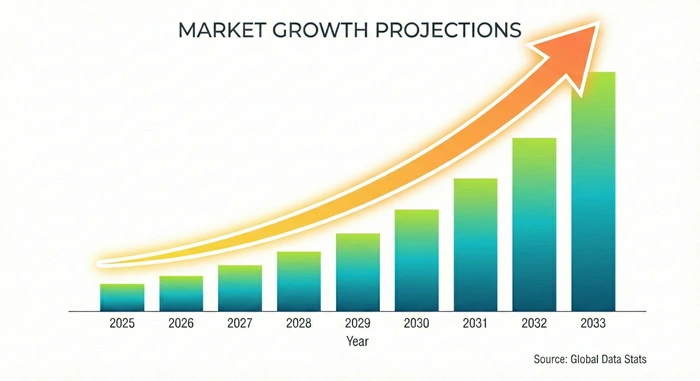
The global ATP monitoring consumables market size is valued at USD 68.60 million in 2025 and is predicted to increase from USD 71.79 million in 2026 to approximately USD 97.40 million by 2033, growing at a CAGR of 4.50% from 2026 to 2033.
ATP monitoring consumables represent essential tools used in healthcare facilities, pharmaceutical manufacturing units, and medical device production centers to verify surface cleanliness and validate sterilization effectiveness. These consumables include swabs, reagents, and other testing materials that work with luminometer devices to detect adenosine triphosphate molecules on surfaces. The presence of ATP indicates biological contamination, making these products critical for infection prevention programs across various healthcare settings. Growing concerns about hospital-acquired infections and stringent regulatory mandates for hygiene verification are pushing healthcare organizations to adopt rapid testing solutions that deliver immediate results.
Healthcare facilities worldwide are experiencing mounting pressure to maintain sterile environments as infection rates continue rising. ATP monitoring consumables provide an efficient alternative to traditional microbiological testing methods, which often require 24 to 48 hours for results. With instant feedback capabilities, these products enable cleaning staff to verify their work immediately and take corrective actions when needed. The technology has proven particularly valuable in operating rooms, intensive care units, and equipment sterilization departments where contamination risks pose serious threats to patient safety. Market expansion is further supported by pharmaceutical companies and medical device manufacturers who must comply with Good Manufacturing Practice standards that mandate regular environmental monitoring.

AI Impact on the ATP Monitoring Consumables Industry
Transforming Hygiene Verification Through Intelligent Data Analytics and Connected Monitoring Systems
Artificial intelligence is revolutionizing how healthcare organizations approach cleanliness verification and infection control programs. Smart hospital initiatives are creating unprecedented demand for ATP monitoring systems that integrate with digital platforms and automatically capture test results, location data, and operator information. These connected solutions eliminate manual record-keeping requirements, with early adopters reporting 45 to 60 percent reductions in documentation time while achieving more consistent compliance tracking across multiple facilities. Cloud-based analytics platforms powered by machine learning algorithms can identify contamination patterns, predict high-risk areas, and recommend optimal testing frequencies based on historical data.
The integration of Internet of Things technology with ATP testing equipment is enabling real-time monitoring dashboards that provide facility managers with instant visibility into hygiene performance across entire hospital networks. Next-generation consumables now incorporate RFID or NFC tags that automatically sync with central databases, creating comprehensive audit trails without additional staff workload. Healthcare administrators can leverage these digital ecosystems to benchmark cleaning effectiveness across departments, identify training gaps, and demonstrate regulatory compliance during inspections. As healthcare systems continue their digital transformation journey, demand for intelligent ATP monitoring solutions is accelerating, particularly in regions with advanced health information technology infrastructure.
Growth Factors
Rising Hospital-Acquired Infections and Regulatory Emphasis Driving Market Expansion
The increasing incidence of hospital-acquired infections represents a primary catalyst propelling market growth across global healthcare systems. Common HAIs including catheter-associated urinary tract infections, ventilator-associated pneumonia, surgical site infections, and sepsis place immense pressure on hospitals to strengthen their hygiene protocols and contamination control measures. ATP monitoring consumables provide healthcare facilities with effective tools for detecting harmful pathogens such as Escherichia coli, Klebsiella pneumoniae, and Enterococcus faecalis on surfaces and medical equipment. Studies published in medical journals demonstrate that facilities implementing ATP testing protocols achieve approximately 30 percent reductions in infection rates, making these products increasingly attractive to hospital administrators focused on improving patient safety outcomes.
Regulatory authorities worldwide are mandating stricter sterilization verification requirements in healthcare settings, creating sustained demand for ATP testing solutions. Organizations including the Food and Drug Administration, International Organisation for Standardisation, and various national health agencies have established guidelines requiring hygiene validation in surgical rooms, intensive care units, and equipment sterilization areas. Healthcare facilities must demonstrate compliance through documented testing records, positioning ATP consumables as essential components of quality assurance programs. The expanding pharmaceutical and medical device manufacturing sectors in developing nations are generating additional growth opportunities, as these industries must follow Good Manufacturing Practice standards that mandate regular environmental monitoring to prevent product contamination.
Market Outlook
Technological Advancements and Geographic Expansion Shaping Industry Trajectory
The ATP monitoring consumables market is entering a dynamic growth phase characterized by technological innovation and geographic diversification. Manufacturers are developing next-generation swabs with enhanced sensitivity that deliver test results in under 15 seconds, significantly improving operational efficiency for healthcare staff conducting routine hygiene checks. The competitive landscape features established players investing heavily in research and development to differentiate their product portfolios while emerging manufacturers from Asian markets are gaining traction through cost-competitive alternatives. This technology race is accelerating product development cycles and creating opportunities for facilities to upgrade their testing capabilities with more advanced solutions.
Geographic expansion into emerging markets represents a significant growth avenue as healthcare infrastructure development accelerates in Asia Pacific, Latin America, and Middle Eastern nations. Countries experiencing rapid industrialization are establishing new pharmaceutical manufacturing facilities and expanding hospital networks, creating fresh demand for hygiene verification products. However, market penetration in low-income countries faces challenges related to high product costs, limited awareness about sterilization standards, and shortages of trained personnel capable of effectively implementing ATP testing programs. Manufacturers that can develop affordable product lines and provide comprehensive training support will be well-positioned to capture market share in these high-growth regions.
Expert Speaks
-
Healthcare industry leaders emphasize that maintaining sterile environments through advanced monitoring technologies is becoming non-negotiable as infection control regulations tighten globally and patient safety expectations rise across all care settings.
-
Pharmaceutical manufacturing executives note that ATP testing has transitioned from optional quality assurance tool to mandatory validation requirement, with regulatory inspectors increasingly requesting documented evidence of routine environmental monitoring programs.
-
Medical device company leaders highlight that investing in rapid hygiene verification systems delivers measurable returns through reduced contamination incidents, faster production clearances, and improved compliance scores during regulatory audits.
Key Report Takeaways
-
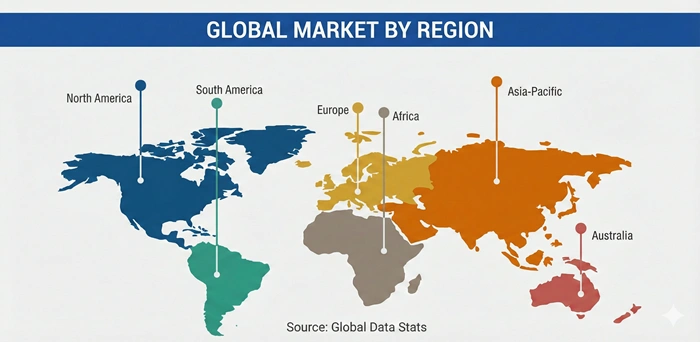
North America leads the ATP monitoring consumables market with a dominant share of approximately 46 percent, driven by advanced healthcare infrastructure, stringent regulatory frameworks, and high adoption rates of innovative hygiene monitoring technologies across hospitals and pharmaceutical facilities.
-
Asia Pacific emerges as the fastest-growing region with the highest projected CAGR during the forecast period, fueled by expanding pharmaceutical manufacturing capacity, increasing healthcare facility construction, and rising awareness about infection prevention standards in developing economies.
-
Hospitals and clinics represent the largest end-user segment, accounting for the majority of market consumption as these facilities implement comprehensive infection control programs and establish dedicated sterilization centers to serve growing patient populations.
-
Swabs contribute the most significant product segment share, dominating the market due to their essential role in surface testing, continuous product innovations by manufacturers, and increasing launch frequency of advanced swab designs optimized for healthcare applications.
-
Steam sterilization method holds the most popular application, maintaining leadership position as healthcare facilities continue relying on this proven sterilization technique for surgical instruments and medical equipment, creating sustained demand for compatible ATP testing consumables.
-
Hydrogen peroxide sterilization segment will experience rapid future growth with the highest anticipated CAGR and expanding market share percentage as pharmaceutical and medical device manufacturers increasingly adopt this advanced sterilization method for temperature-sensitive products.
Market Scope
| Report Coverage Details | |
|---|---|
| Market Size by 2033 | USD 97.40 Million |
| Market Size by 2025 | USD 68.60 Million |
| Market Size by 2026 | USD 71.79 Million |
| Market Growth Rate from 2026 to 2033 | CAGR of 4.50% |
| Dominating Region | North America |
| Fastest Growing Region | Asia Pacific |
| Base Year | 2025 |
| Forecast Period | 2026 to 2033 |
| Segments Covered | Product, Sterilization Method, End User, Region |
| Regions Covered | North America, Europe, Asia Pacific, Latin America, Middle East & Africa |
Market Dynamics
Driver Impact Analysis
Escalating Hospital-Acquired Infections and Mandatory Sterilization Protocols
| Factor | Details |
|---|---|
| Approximate Impact on CAGR Forecast | +1.8% to +2.2% |
| Geographic Relevance | Global (Highest in North America and Europe) |
| Impact Timeline | Immediate and Sustained (2026-2033) |
The rising prevalence of hospital-acquired infections across global healthcare systems is generating substantial demand for ATP monitoring consumables market products that enable rapid cleanliness verification. Healthcare facilities are grappling with increasing cases of catheter-associated urinary tract infections, surgical site infections, and ventilator-associated pneumonia that extend patient hospital stays and increase treatment costs. ATP testing provides an immediate assessment of surface contamination by detecting biological residues invisible to the naked eye, allowing cleaning staff to verify their work and take corrective actions before areas are returned to service. Research demonstrates that hospitals implementing comprehensive ATP monitoring programs achieve measurable reductions in infection transmission, making these consumables essential components of modern infection prevention strategies.
Regulatory authorities are establishing stringent hygiene verification mandates that healthcare facilities must satisfy through documented testing protocols. Government agencies including the FDA, ISO, and national health departments have issued guidelines requiring regular environmental monitoring in surgical suites, intensive care units, and equipment sterilization areas. These regulations position ATP monitoring consumables as necessary investments rather than optional quality improvement tools. Healthcare administrators recognize that consistent ATP testing helps demonstrate compliance during regulatory inspections while providing objective data to support continuous improvement initiatives. The combination of infection control imperatives and regulatory enforcement is creating sustained growth momentum for the ATP monitoring consumables market across established and emerging healthcare markets.
Restraints Impact Analysis
High Product Costs and Limited Awareness in Developing Regions
| Factor | Details |
|---|---|
| Approximate Impact on CAGR Forecast | -0.8% to -1.2% |
| Geographic Relevance | Low-Income Countries (Asia, Africa, Latin America) |
| Impact Timeline | Short to Medium Term (2026-2030) |
The substantial cost burden associated with ATP monitoring consumables presents a significant barrier to widespread adoption in resource-constrained healthcare settings. These products require continuous purchasing as swabs, reagents, and other testing materials are consumed during routine monitoring activities. Pricing structures typically align with standards in developed nations with advanced healthcare infrastructure, making them financially prohibitive for hospitals and clinics operating with limited budgets in low-income countries. Healthcare facilities in these regions often prioritize immediate patient care needs over hygiene verification investments, particularly when traditional visual inspection methods appear adequate to staff lacking awareness about contamination risks.
Limited understanding of sterilization effectiveness and hygiene standards in emerging markets further constrains market penetration. Many healthcare facilities in developing nations lack trained microbiologists and quality assurance personnel capable of implementing ATP testing programs correctly. Staff shortages combined with inadequate training infrastructure result in improper test execution, inaccurate result interpretation, and ultimately poor return on investment for facilities that attempt ATP monitoring adoption. Additionally, the availability of cheaper alternative validation products such as chemical indicators and indicator tapes provides competition that diverts potential customers away from ATP consumables. Manufacturers must develop affordable product lines and comprehensive education programs to overcome these adoption barriers in high-growth potential markets.
Opportunities Impact Analysis
Pharmaceutical Manufacturing Expansion and Digital Integration
| Factor | Details |
|---|---|
| Approximate Impact on CAGR Forecast | +1.2% to +1.6% |
| Geographic Relevance | Asia Pacific, Latin America (Emerging Markets) |
| Impact Timeline | Medium to Long Term (2027-2033) |
The rapid expansion of pharmaceutical, biopharmaceutical, and medical device manufacturing in developing economies is creating significant opportunities for ATP monitoring consumables market growth. Countries including India, China, and Brazil are attracting substantial investment in production facilities as global pharmaceutical companies diversify their manufacturing footprints. These facilities must comply with international Good Manufacturing Practice standards that mandate rigorous cleanliness verification and contamination control protocols. ATP monitoring offers a fast and reliable method for validating that production environments meet required sterility specifications before manufacturing operations commence. As pharmaceutical manufacturing capacity expands in emerging markets, demand for ATP testing solutions will increase proportionally.
Integration of ATP monitoring systems with digital platforms and Internet of Things technology represents another substantial growth opportunity. Healthcare facilities implementing smart hospital initiatives require hygiene monitoring solutions that automatically capture and transmit test results to centralized databases. Next-generation ATP consumables featuring RFID tags or NFC capabilities enable seamless data collection without manual documentation, addressing a major pain point for busy healthcare staff. Cloud-based analytics platforms can aggregate testing data across multiple locations, identify contamination trends, and generate compliance reports automatically. Manufacturers developing digitally-enabled consumables that integrate with hospital information systems will capture premium market segments willing to invest in advanced monitoring capabilities that deliver operational efficiency gains beyond basic hygiene verification.
Segment Analysis
Swabs Segment
Dominating Product Category Driven by Essential Testing Role and Continuous Innovation
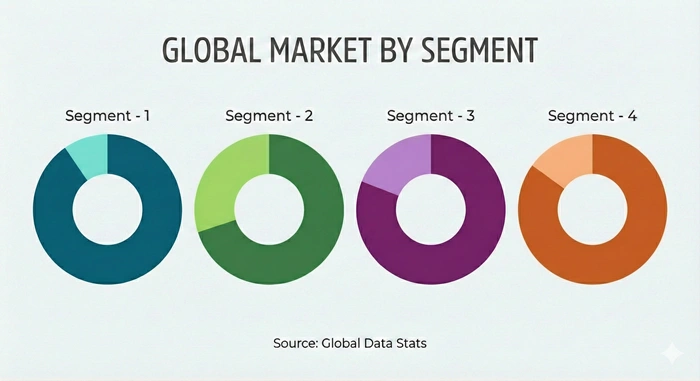
The swabs segment commands the largest share within the ATP monitoring consumables market and is projected to maintain its leadership position throughout the forecast period with the highest growth rate. This segment's dominance stems from swabs being the primary collection device for ATP testing, making them indispensable consumables that healthcare facilities must purchase continuously. Manufacturers are actively launching innovative swab designs optimized for different surface types, with recent product introductions featuring enhanced sensitivity, ergonomic handles, and extended shelf life. For example, specialized swabs for textured surfaces, narrow crevices, and large areas enable comprehensive testing across diverse healthcare environments.
North America and Europe represent the strongest markets for ATP testing swabs, driven by established infection prevention programs and regulatory requirements mandating routine environmental monitoring. Leading companies in these regions include Solventum, Hygiena LLC, and Neogen Corporation, which maintain significant market presence through extensive distribution networks and strong relationships with hospital purchasing departments. Asia Pacific is experiencing the fastest swab segment growth as pharmaceutical manufacturers and newly constructed hospitals implement quality assurance programs aligned with international standards. The segment benefits from high consumption rates since swabs are single-use products that must be replenished regularly, creating recurring revenue streams for manufacturers and steady demand growth aligned with healthcare facility expansion worldwide.
Hospitals and Clinics Segment
Largest End-User Category Fueled by Infection Control Priorities and Sterilization Facility Expansion
The hospitals and clinics segment represents the dominant end-user category within the ATP monitoring consumables market, accounting for the majority of product consumption globally. This segment is anticipated to grow at the highest rate during the forecast period as healthcare facilities intensify infection prevention efforts and establish dedicated sterilization centers. Hospitals are implementing comprehensive environmental monitoring programs that require ATP testing across operating rooms, intensive care units, patient wards, and equipment sterilization departments. The opening of new sterilization service facilities providing centralized processing for multiple hospitals is further amplifying demand for ATP consumables used in validation activities.
North America leads the hospitals and clinics segment with approximately 46 percent market share, supported by advanced healthcare infrastructure and high hospital-acquired infection awareness among administrators and clinical staff. Key market participants serving this segment include Getinge, Terragene, and STERIS, which offer comprehensive portfolios combining sterilization equipment and validation consumables. Asia Pacific is experiencing the most rapid segment growth as countries construct new hospital facilities and upgrade existing ones to meet growing healthcare demand from expanding middle-class populations. The segment benefits from regulatory requirements mandating documented hygiene verification, creating non-discretionary demand that sustains market growth even during economic uncertainties. Healthcare facilities recognize that investing in ATP testing consumables delivers measurable returns through reduced infection rates, shorter patient stays, and improved quality metrics that support reimbursement and accreditation outcomes.
Regional Insights
North America
Dominant Market Leader Supported by Advanced Infrastructure and Stringent Regulatory Framework
North America maintains its position as the dominant region in the ATP monitoring consumables market, commanding approximately 46 percent of global market share in 2025. The region is projected to grow at a steady CAGR throughout the forecast period, driven by advanced healthcare infrastructure, widespread adoption of innovative hygiene monitoring technologies, and comprehensive regulatory frameworks mandating sterilization verification. The United States represents the largest country market within the region, where high hospital-acquired infection rates have created urgent demand for effective contamination control solutions. Healthcare facilities across the region utilize ATP testing extensively in operating rooms, intensive care units, and equipment sterilization departments as part of comprehensive infection prevention programs.
The region benefits from strong presence of leading ATP monitoring consumables manufacturers including Solventum, Hygiena LLC, Neogen Corporation, and STERIS Corporation. These companies maintain extensive distribution networks, strong relationships with group purchasing organizations, and continuous innovation pipelines that introduce advanced product features. North American healthcare facilities demonstrate high willingness to adopt premium-priced consumables offering superior sensitivity, digital connectivity, and comprehensive data management capabilities. The region's emphasis on evidence-based infection control, combined with well-established reimbursement systems that incentivize quality outcomes, creates favorable market conditions supporting sustained ATP consumables adoption across diverse healthcare settings.
Asia Pacific
Fastest Growing Region Propelled by Healthcare Infrastructure Expansion and Manufacturing Growth
Asia Pacific is emerging as the fastest-growing region in the ATP monitoring consumables market, projected to achieve the highest CAGR during the forecast period from 2026 to 2033. The region's rapid market expansion is fueled by substantial healthcare infrastructure development, growing pharmaceutical manufacturing capacity, and increasing awareness about international hygiene standards among healthcare providers. Countries including China, India, Japan, and South Korea are constructing new hospital facilities and upgrading existing ones to serve expanding populations with rising healthcare expectations. These modern facilities are implementing infection control programs that incorporate ATP testing as standard practice for environmental monitoring.
The region's pharmaceutical and medical device manufacturing sectors are experiencing remarkable growth as global companies establish production facilities to serve Asian markets and export to international destinations. These manufacturers must comply with Good Manufacturing Practice standards requiring rigorous contamination control and regular environmental monitoring using validated testing methods. Key market players expanding their presence in Asia Pacific include Getinge, Kikkoman Biochemifa, Xi'an Tianlong, and Shandong Meizheng, which are establishing local manufacturing and distribution operations to serve growing demand. Despite strong growth momentum, the region faces challenges related to limited awareness about sterilization best practices in some areas, healthcare workforce training gaps, and price sensitivity among facilities with constrained budgets. Manufacturers addressing these barriers through affordable product offerings and comprehensive education programs will capture substantial market share as the region's healthcare systems continue their modernization journey.
Top Key Players
-
Solventum (United States)
-
Hygiena LLC (United States)
-
Neogen Corporation (United States)
-
Getinge (Sweden)
-
STERIS Corporation (United States)
-
Terragene (Argentina)
-
NEMIS Technologies AG (Switzerland)
-
Ruhof Corporation (United States)
-
Meizheng Bio-Tech (China)
-
Charm Sciences (United States)
-
Kikkoman Biochemifa (Japan)
-
Xi'an Tianlong (China)
-
Merck KGaA (Germany)
-
Berthold Technologies (Germany)
Recent Developments
-
GuangDong Dayuan & Oasis FoodTech Ltd. (May 2024) – Announced the global launch of Surface ATP test swab designed specifically for healthcare settings, featuring enhanced sensitivity and extended shelf life to support comprehensive environmental monitoring programs across hospitals and pharmaceutical manufacturing facilities.
-
Servizi Italia Spa (March 2023) – Inaugurated its first sterilization plant in São Paulo, Brazil, providing steam sterilization services to hospitals throughout the region and creating new demand for ATP monitoring consumables used in validation protocols.
-
STERIS (December 2020) – Launched Spordex self-contained biological indicator ampoules globally for steam autoclave cycle verification, expanding their sterilization validation product portfolio to complement ATP monitoring solutions.
-
Hygiena (2022) – Introduced next-generation EnSURE Touch monitoring system with enhanced cloud connectivity and advanced data analytics capabilities, enabling healthcare facilities to achieve improved compliance tracking and real-time hygiene performance monitoring.
-
Charm Sciences (2024) – Developed advanced luminometer technology delivering ATP test results in under 15 seconds, significantly improving operational efficiency for healthcare staff conducting routine environmental monitoring activities.
Market Trends
Digital Integration and Smart Monitoring Solutions Reshaping Industry Landscape
The integration of ATP monitoring systems with digital platforms and cloud-based data management solutions represents a transformative trend reshaping the industry landscape. Healthcare facilities are increasingly demanding consumables that work seamlessly with connected luminometers capable of automatically transmitting test results to centralized databases. This digital integration eliminates manual record-keeping requirements, reduces documentation errors, and enables real-time monitoring dashboards that provide facility managers with instant visibility into hygiene performance across entire hospital networks. Next-generation consumables featuring RFID or NFC tags create comprehensive audit trails without additional staff workload, addressing a critical pain point for busy healthcare environments. The trend toward smart hospital initiatives is accelerating adoption of digitally-enabled ATP monitoring consumables market solutions that support data-driven infection prevention strategies.
Manufacturers are focusing on product differentiation through enhanced sensitivity and specialized designs optimized for specific applications. Recent technological advancements have produced swabs and reagents delivering test results in under 15 seconds while providing improved detection of low-level contamination that traditional products might miss. Companies are developing specialized consumables for textured surfaces, narrow crevices, and large-area testing to address diverse monitoring needs across healthcare facilities. The competitive landscape features established players investing heavily in research and development to maintain technology leadership while emerging manufacturers from Asian markets are gaining traction through cost-competitive alternatives. This technology race is accelerating product development cycles and creating opportunities for healthcare facilities to upgrade their testing capabilities with more advanced solutions that deliver superior performance and operational efficiency.
Segments Covered in the Report
By Product
-
Swabs
-
Reagents
-
Others
By Sterilization Method
-
Steam Sterilization
-
Hydrogen Peroxide Sterilization
-
Ethylene Oxide Sterilization
-
Others
By End User
-
Hospitals & Clinics
-
Pharmaceutical & Medical Device Manufacturers
-
Others (Academic Institutes, Research Centers)
By Region
-
North America (United States, Canada, Mexico)
-
Europe (Germany, United Kingdom, France, Italy, Spain, Rest of Europe)
-
Asia Pacific (China, Japan, India, South Korea, Australia, Rest of Asia Pacific)
-
Latin America (Brazil, Argentina, Rest of Latin America)
-
Middle East & Africa (GCC Countries, South Africa, Rest of Middle East & Africa)
Frequently Asked Questions
Question 1: What is the projected size of the ATP monitoring consumables market by 2033?
Answer: The ATP monitoring consumables market is projected to reach USD 97.40 million by 2033, growing from USD 71.79 million in 2026 at a CAGR of 4.50 percent during the forecast period.
Question 2: Which factors are driving growth in the ATP monitoring consumables market?
Answer: Rising hospital-acquired infection rates and stringent regulatory mandates for sterilization verification are the primary drivers. Healthcare facilities are adopting ATP monitoring consumables to improve infection control programs and demonstrate compliance with hygiene standards.
Question 3: Which region dominates the ATP monitoring consumables market currently?
Answer: North America dominates the ATP monitoring consumables market with approximately 46 percent share, supported by advanced healthcare infrastructure and comprehensive regulatory frameworks. The region maintains strong adoption rates across hospitals and pharmaceutical manufacturing facilities.
Question 4: What are the key applications of ATP monitoring consumables in healthcare settings?
Answer: ATP monitoring consumables are primarily used for validating surface cleanliness in operating rooms, intensive care units, and equipment sterilization departments. These products enable rapid contamination detection, supporting infection prevention and regulatory compliance efforts.
Question 5: Which product segment leads the ATP monitoring consumables market?
Answer: The swabs segment leads the ATP monitoring consumables market due to their essential role in surface testing and continuous product innovations. Swabs represent the primary collection device for ATP testing, creating recurring demand as single-use consumables.