
Asthma Treatment Market Overview
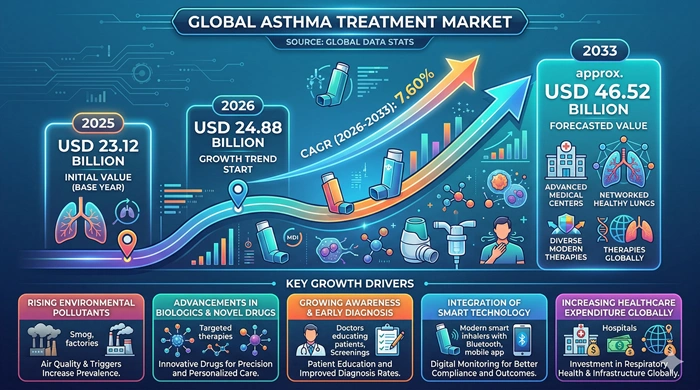
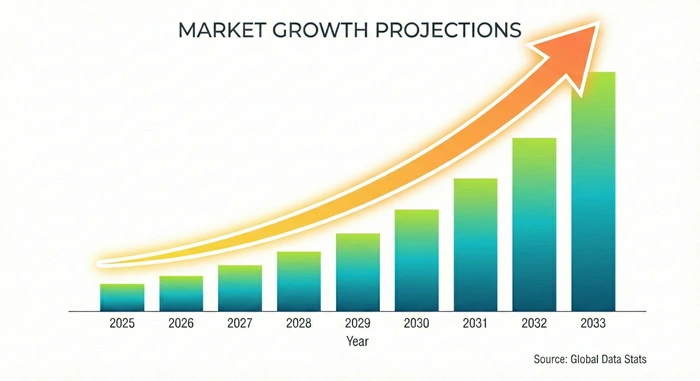
The global Asthma Treatment market size is valued at USD 23.12 billion in 2025 and is predicted to increase from USD 24.88 billion in 2026 to approximately USD 46.52 billion by 2033, growing at a CAGR of 7.60% from 2026 to 2033.
Asthma is one of the world's most prevalent chronic respiratory diseases — affecting an estimated 300 million people globally across all age groups — characterized by persistent airway inflammation, bronchial hyperresponsiveness, and recurrent episodes of wheezing, breathlessness, chest tightness, and coughing that significantly impair quality of life and impose substantial economic costs on patients, healthcare systems, and societies worldwide. The management of asthma spans a broad therapeutic armamentarium — from first-line inhaled corticosteroids and bronchodilators through fixed-dose combination inhalers to advanced biologic therapies targeting specific inflammatory pathways in patients with severe or treatment-resistant disease. The Asthma Treatment market is experiencing dynamic and sustained growth — driven by the rising global burden of respiratory disease, the transformative commercial expansion of biologic and targeted therapies for severe asthma, and continuous innovation in inhalation drug delivery device technology.
AI Impact on the Asthma Treatment Industry
Artificial Intelligence Is Transforming Asthma Diagnosis Accuracy, Personalized Treatment Selection, Inhaler Adherence Monitoring, and Predictive Exacerbation Management in Ways That Are Meaningfully Improving Patient Outcomes and Reducing Healthcare System Burden*
Artificial intelligence is making a growing and clinically significant impact across the Asthma Treatment market, most practically through the development of AI-powered digital health platforms and connected inhaler devices that monitor patient inhaler usage patterns in real time — providing both patients and healthcare providers with objective adherence data, technique feedback, and early warning signals of deteriorating asthma control before acute exacerbations occur. Machine learning algorithms trained on large patient datasets — incorporating lung function measurements, symptom diary entries, environmental exposure data, and inhaler usage records — are being applied to predict individual patient exacerbation risk with significantly greater accuracy than traditional symptom-based assessment alone, enabling proactive treatment adjustments that prevent emergency department visits and hospitalizations. Companies including Propeller Health (acquired by ResMed), Adherium, and Hailie by Cohero Health are deploying AI-enabled smart inhaler platforms that generate actionable clinical insights for asthma management — representing a growing digital health ecosystem that is progressively integrating with pharmaceutical treatment programs to improve overall asthma control outcomes.
AI is also transforming the drug development pipeline for asthma therapeutics — with machine learning platforms being applied to identify novel therapeutic targets in asthma inflammatory pathways, predict clinical trial responder populations for biologic therapies, and optimize dosing regimens for personalized precision treatment protocols. Biologic asthma therapies — including anti-IL-5, anti-IL-4/IL-13, and anti-TSLP monoclonal antibodies — target specific immunological drivers of severe eosinophilic or allergic asthma in defined patient endotypes, and AI-powered biomarker analysis is improving the identification of patients most likely to respond to specific biologic treatments — reducing the trial-and-error of biologic therapy selection and improving the clinical and economic efficiency of severe asthma treatment programs. These AI contributions are collectively accelerating the shift toward precision medicine approaches in asthma management that are generating both better patient outcomes and stronger commercial performance for biologic therapy manufacturers.
Growth Factors
Rising Global Asthma Prevalence, Transformative Biologic Therapy Adoption for Severe Asthma, Continuous Inhalation Device Innovation, and Expanding Emerging Market Treatment Access Are the Core Growth Drivers*
The most fundamental driver of the Asthma Treatment market is the globally rising prevalence of asthma — driven by urbanization, air pollution, allergen exposure, changing gut microbiome composition, climate change extending pollen seasons, and the adoption of increasingly sedentary indoor lifestyles across both developed and developing countries. The WHO estimates that asthma affects over 300 million people globally, with this number projected to increase significantly through the forecast period as urbanization accelerates across Asia, Africa, and Latin America — exposing growing urban populations to the air quality, occupational, and lifestyle risk factors most strongly associated with asthma onset and severity. The resulting expansion of the global asthma patient population creates a structurally growing and persistent demand base for asthma treatment products across all therapeutic categories — from widely used generic inhaled corticosteroids and bronchodilators through premium branded biologic therapies for severe disease.
The single most commercially transformative force reshaping the asthma treatment landscape in the current period is the extraordinary commercial success and continued pipeline expansion of biologic and monoclonal antibody therapies for patients with moderate-to-severe or treatment-resistant asthma. Approved biologic therapies targeting eosinophilic inflammation — including mepolizumab (Nucala, GSK), benralizumab (Fasenra, AstraZeneca), dupilumab (Dupixent, Sanofi/Regeneron), and tezepelumab (Tezspire, AstraZeneca/Amgen) — have demonstrated dramatic reductions in asthma exacerbation rates and oral corticosteroid dependence in clinical trials, making them among the most clinically impactful therapies ever introduced for severe asthma management. As these high-value biologic products gain broader formulary access, receive expanding reimbursement approval across international markets, and are increasingly used earlier in the treatment pathway for appropriate patient subgroups, their revenue contribution to the Asthma Treatment market is growing substantially — representing the primary premium value growth driver in the overall asthma therapeutics space.
Market Outlook
With Global Asthma Patient Numbers Rising, Biologic Therapy Pipeline Expanding, Smart Inhaler Adoption Growing, and Emerging Market Healthcare Investment Accelerating, the Asthma Treatment Market Outlook Is Strongly Positive Through 2033*
The long-term outlook for the Asthma Treatment market is firmly positive and underpinned by multiple converging growth drivers — including the rising global asthma disease burden, a rich biologic and small molecule pipeline targeting new inflammatory mechanisms, the progressive real-world adoption of precision medicine approaches to severe asthma management, and improving treatment access across emerging markets where asthma is highly prevalent but chronically undertreated. The biologic therapy pipeline for asthma remains exceptionally productive — with multiple novel monoclonal antibodies and bispecific antibodies in late-stage clinical development targeting additional cytokine pathways including IL-33, IL-25, and CRTH2 — that are expected to expand the biologic treatment option set for severe asthma patients and generate significant additional revenue growth for the asthma therapeutics market through new product launches during the forecast period.
The progressive global adoption of smart and connected inhaler technology represents an important digital health dimension of Asthma Treatment market growth that is simultaneously improving patient outcomes and creating new commercial opportunities for pharmaceutical companies and digital health platform providers. Smart inhalers — embedding electronic monitoring sensors in metered-dose inhalers and dry powder inhalers to track usage time, frequency, and technique — are generating real-world adherence data that is progressively integrating into clinical asthma management workflows, enabling more informed treatment decisions and improved disease control monitoring. As connectivity and data analysis capabilities of smart inhaler platforms advance, and as healthcare providers become more experienced in incorporating digital adherence data into asthma management protocols, the adoption of these technologies is expected to expand meaningfully across hospital respiratory clinics, primary care practices, and increasingly, patient self-management applications — creating a growing embedded technology market alongside the core pharmaceutical asthma treatment segment.
Expert Speaks
-
Pascal Soriot, CEO, AstraZeneca — "Biologic therapies for severe asthma — including tezepelumab and benralizumab from AstraZeneca's respiratory portfolio — represent a genuine transformation in the lives of patients who previously had few effective options beyond high-dose oral corticosteroids with their serious long-term side effects. We are committed to advancing the science of severe asthma treatment and to ensuring that appropriate patients worldwide can access these life-changing biological therapies."
-
Emma Walmsley, CEO, GSK — "Respiratory disease — including asthma — remains one of the most important therapeutic areas in GSK's portfolio, and our investment in both inhaled therapy innovation and biologic treatments for severe eosinophilic asthma reflects our deep commitment to addressing the unmet needs of asthma patients at every level of disease severity. The continued strong performance of our Nucala biologic and our inhaler franchise demonstrates the durable commercial opportunity in this important and growing therapeutic area."
-
Paul Hudson, CEO, Sanofi — "Dupixent's extraordinary clinical success in severe asthma — and across the broader spectrum of type 2 inflammatory diseases — validates the scientific thesis that blocking the IL-4 and IL-13 pathways addresses a fundamental driver of atopic disease burden in a large patient population. Sanofi and Regeneron are committed to ensuring that eligible severe asthma patients everywhere can access dupilumab, and we continue to invest in expanding its use and building the next generation of targeted asthma treatment approaches."
Key Report Takeaways
-
North America dominates the Asthma Treatment market, holding approximately 38.60% of global market share in 2025, driven by the highest global per-capita spending on asthma medications, the most advanced biologic therapy prescribing rates, strong reimbursement frameworks for both established inhaler therapies and novel biologic treatments, and the presence of leading asthma therapy innovators including AstraZeneca, GSK, Sanofi/Regeneron, and Amgen with major U.S. commercial operations.
-
Asia Pacific is the fastest-growing regional market for asthma treatment, projected to expand at a CAGR of approximately 8.80% from 2026 to 2033, driven by rapidly rising asthma prevalence linked to worsening urban air quality across China and India, improving diagnosis and treatment access infrastructure, growing adoption of combination inhaler therapies, and the progressive market entry of biologic asthma treatments in major Asia Pacific markets.
-
Inhaled corticosteroids are the dominant drug class segment, accounting for approximately 32.40% of total market revenue in 2025, reflecting their universal position as the foundational first-line controller therapy recommended for persistent asthma across all severity levels in global treatment guidelines — with high prescription volumes driven by their well-established safety profiles, strong clinical efficacy evidence, wide generic availability, and broad prescribing across primary care and specialist settings globally.
-
Biologics and monoclonal antibodies are the fastest-growing drug class segment, projected to expand at a CAGR of approximately 13.80% through 2033, driven by the growing clinical adoption of approved IL-5, IL-4/IL-13, and TSLP-targeting monoclonal antibodies for severe asthma — combined with expanding reimbursement access, earlier use in appropriate patient subgroups, and a pipeline of novel biologic candidates expected to reach commercial launch during the forecast period.
-
The inhalation route of administration is the dominant delivery segment, contributing approximately 68.20% of total market revenue in 2025, reflecting the fundamental clinical rationale of inhaled drug delivery in asthma — which deposits therapeutic agents directly at the bronchial site of disease, maximizes local drug concentrations, minimizes systemic exposure and side effects, and enables the rapid bronchodilation that rescue therapy requires.
-
Injectable biologics are the fastest-growing route of administration segment, expected to expand at a CAGR of approximately 14.20% through 2033, driven by the rapid commercial growth of subcutaneous and intravenous biologic therapies for severe asthma that are administered by healthcare providers or trained patients through injection — reflecting the expanding biologic therapy market within the overall asthma treatment landscape.
Market Scope
| Report Coverage | Details |
|---|---|
| Market Size by 2033 | USD 46.52 Billion |
| Market Size by 2025 | USD 23.12 Billion |
| Market Size by 2026 | USD 24.88 Billion |
| Market Growth Rate (2026–2033) | CAGR of 7.60% |
| Dominating Region | North America |
| Fastest Growing Region | Asia Pacific |
| Base Year | 2025 |
| Forecast Period | 2026–2033 |
| Segments Covered | Drug Class, Indication, Route of Administration, Distribution Channel, End User |
| Regions Covered | North America, Europe, Asia Pacific, Latin America, Middle East & Africa |
Market Dynamics
Drivers Impact Analysis
Rising Global Asthma Prevalence, Biologic Therapy Commercial Expansion, Combination Inhaler Innovation, and Emerging Market Treatment Access Growth Are the Four Pillars of Asthma Treatment Market Growth*
| Driver | ≈ % Impact on CAGR Forecast | Geographic Relevance | Impact Timeline |
|---|---|---|---|
| Rising global asthma prevalence driven by urbanization and air quality deterioration | ~34% | Global — especially Asia Pacific, Latin America, MEA | Short to Long-term |
| Biologic therapy adoption for severe and treatment-resistant asthma | ~30% | North America, Europe | Short to Long-term |
| Combination inhaler therapy adoption improving controller therapy compliance | ~24% | Global | Short to Medium-term |
| Expanding emerging market asthma diagnosis and treatment access | ~12% | Asia Pacific, Latin America, MEA | Medium to Long-term |
The most structurally enduring driver of the Asthma Treatment market is the continuously rising global prevalence of asthma — driven by the progressive urbanization of global populations, worsening ambient air quality in major cities across Asia, Latin America, and Africa, growing indoor allergen exposures, and climate change-related extensions of pollen seasons and increases in ground-level ozone concentrations. Low- and middle-income countries are experiencing the fastest growth in asthma patient numbers — as rapid urban migration exposes previously rural populations to new environmental triggers — while the asthma burden in high-income countries remains substantial, with underdiagnosis, suboptimal controller therapy adherence, and persistent disease morbidity characterizing the lived experience of a large proportion of asthma patients even in markets with well-developed healthcare systems. This expanding global patient population creates a durable and growing pharmaceutical market across all asthma treatment categories.
The commercial transformation of the severe asthma treatment landscape through biologic and targeted monoclonal antibody therapies is the most powerful premium revenue growth driver in the Asthma Treatment market today. The approved biologic portfolio — encompassing anti-IgE (omalizumab), anti-IL-5 (mepolizumab, reslizumab, benralizumab), anti-IL-4Rα (dupilumab), and anti-TSLP (tezepelumab) agents — has collectively demonstrated dramatic clinical benefits in appropriately selected patient subgroups with severe eosinophilic or allergic asthma, including up to 50–70% reductions in annualized exacerbation rates in pivotal trials. As prescribing physicians become more experienced in biomarker-guided patient selection for biologic therapies and as payer reimbursement criteria progressively broaden to include appropriate patient subgroups, biologic therapy utilization rates in severe asthma management are expected to continue growing substantially — driving the highest-value revenue growth within the overall asthma treatment market.
Restraints Impact Analysis
High Biologic Therapy Costs Limiting Patient Access, Generic Competition Eroding Branded Inhaler Revenue, Suboptimal Inhaler Adherence, and Diagnosis and Treatment Gaps in Emerging Markets Restrain Faster Market Growth*
| Restraint | ≈ % Impact on CAGR Forecast | Geographic Relevance | Impact Timeline |
|---|---|---|---|
| Very high cost of biologic therapies limiting patient access and payer reimbursement | ~34% | Global — especially emerging markets | Short to Long-term |
| Generic competition eroding branded inhaled corticosteroid and bronchodilator revenue | ~28% | North America, Europe | Short to Medium-term |
| Persistent suboptimal inhaler adherence limiting real-world disease control | ~26% | Global | Short to Long-term |
| Asthma underdiagnosis and treatment gaps in low and middle-income countries | ~12% | Asia Pacific, Latin America, MEA | Medium to Long-term |
The high cost of biologic therapies — with annual treatment costs per patient in the range of USD 15000 to USD 40000 or more for approved anti-IL-5, anti-IL-4/IL-13, and anti-TSLP agents — creates a significant access barrier that limits biologic therapy penetration even among eligible severe asthma patients in markets with relatively generous reimbursement frameworks. In the United States, prior authorization requirements, step therapy mandates, and high patient cost-sharing requirements slow biologic adoption and create compliance friction for prescribing physicians and their patients. In lower-income countries, biologic therapies are largely inaccessible for the vast majority of severe asthma patients — representing a massive unmet medical need where the commercial opportunity for biologic asthma treatment will only materialize meaningfully as healthcare system affordability and reimbursement mechanisms evolve over the longer term.
The progressive patent expiration and generic market entry for major branded inhaled corticosteroid and combination inhaler products — including fluticasone-salmeterol (Advair), budesonide-formoterol (Symbicort), and fluticasone-vilanterol (Breo Ellipta) — is creating meaningful revenue headwinds for originator pharmaceutical companies as generic and biosimilar competitor products capture significant market share at substantially lower prices. While generic inhaler competition ultimately improves patient access to essential asthma controller therapies, it erodes the branded revenue base of pharmaceutical companies whose inhaler portfolio revenues fund ongoing R&D investment in next-generation asthma treatments. This branded-to-generic revenue transition dynamic is a persistent structural feature of the Asthma Treatment market economics that moderates overall market revenue growth relative to the underlying expansion in patient numbers and biologic therapy adoption.
Opportunities Impact Analysis
Novel Biologic Pipeline Expansion, Smart Inhaler Digital Health Integration, Biosimilar Biologic Access Improvement, and Precision Medicine Patient Stratification Create the Most Significant Growth Opportunities*
| Opportunity | ≈ % Impact on CAGR Forecast | Geographic Relevance | Impact Timeline |
|---|---|---|---|
| Novel biologic pipeline targeting new asthma inflammatory pathways | ~33% | North America, Europe | Short to Medium-term |
| Smart inhaler digital health integration improving adherence and real-world outcomes | ~27% | North America, Europe, Asia Pacific | Short to Medium-term |
| Biosimilar biologic therapies improving severe asthma treatment affordability | ~26% | Global — especially emerging markets | Medium to Long-term |
| Precision medicine biomarker-guided patient stratification optimizing therapy selection | ~14% | North America, Europe | Short to Medium-term |
The asthma biologic therapy pipeline represents one of the richest and most commercially promising late-stage drug development portfolios in respiratory medicine — with multiple novel monoclonal antibodies and bispecific antibodies targeting cytokine pathways including IL-33 (itepekimab), IL-25, CRTH2, and combined IL-4/IL-13/IL-33 blockade in advanced clinical development. Each successful new biologic approval will expand the total addressable market for targeted asthma treatment — both by providing effective options for patients whose disease is not adequately controlled by existing biologic agents and by enabling treatment of previously underserved severe asthma endotypes with specific inflammatory driver profiles. The progressive expansion of the approved biologic portfolio is expected to drive sustained strong revenue growth in the premium segment of the Asthma Treatment market throughout the forecast period.
The emergence and expected rapid growth of biosimilar versions of approved biologic asthma therapies — as reference product patents expire and biosimilar manufacturers develop competitive products targeting omalizumab, mepolizumab, and other established biologic brands — represents an important opportunity to dramatically expand patient access to biologic asthma treatment in cost-sensitive markets. Biosimilar biologic therapies are expected to make severe asthma treatment with targeted biologics economically viable in a wider range of healthcare systems — including middle-income countries in Asia, Eastern Europe, and Latin America — that cannot currently afford innovator biologic price points but have large unmet treatment needs in severe asthma populations. This biosimilar-enabled access expansion will drive significant volume growth in biologic asthma treatment over the forecast period even as it creates pricing pressure on branded biologic products in competitive markets.
Segment Analysis
By Drug Class
Inhaled Corticosteroids Anchor the Asthma Treatment Market Revenue While Biologics Emerge as the Most Commercially Transformative and Fastest-Growing Drug Class*
Inhaled corticosteroids (ICS) remain the dominant drug class in the Asthma Treatment market, accounting for approximately 32.40% of total global market revenue in 2025 — reflecting their universal recommendation as the cornerstone first-line controller therapy for all forms of persistent asthma across global treatment guidelines including GINA (Global Initiative for Asthma). ICS products including budesonide, fluticasone propionate, beclomethasone dipropionate, and mometasone furoate — both as monotherapies and as components of fixed-dose combination inhalers — are prescribed to hundreds of millions of asthma patients globally, generating enormous treatment volumes even as individual unit prices have been pressured by generic competition in mature markets. North America and Europe are the largest ICS revenue-generating regions in the Asthma Treatment market, while Asia Pacific is the fastest-growing region for ICS adoption — driven by improving asthma diagnosis rates, expanding primary care prescribing infrastructure, and growing patient awareness of the importance of regular controller therapy use for disease management. GSK (Arnuity Ellipta, Flixotide), AstraZeneca (Pulmicort, Symbicort), and Sanofi are among the leading companies with significant ICS product revenue globally.
Biologics and monoclonal antibodies represent the fastest-growing and most commercially transformative drug class in the asthma treatment landscape, projected to expand at a CAGR of approximately 13.80% from 2026 to 2033 as prescribing adoption deepens, reimbursement expands internationally, and new biologic approvals during the forecast period broaden the patient population eligible for targeted therapy. The biologic segment's extraordinary growth is driven by both the high per-patient treatment value of these premium therapies and the progressive expansion of the eligible patient population as biomarker testing for eosinophil counts, IgE levels, and fractional exhaled nitric oxide becomes more routinely integrated into severe asthma workup in specialist respiratory centers. North America accounts for the largest biologic asthma revenue share globally — with the United States hosting the highest biologic prescribing rates and most permissive reimbursement frameworks for severe asthma biologics — while Europe is rapidly expanding biologic adoption as health technology assessment bodies approve broader patient access. Leading biologic asthma companies including AstraZeneca (Fasenra, Tezspire), GSK (Nucala), and Sanofi/Regeneron (Dupixent) collectively dominate global biologic asthma market revenue.
By Route of Administration
Inhalation Dominates the Asthma Treatment Market While Injectable Biologics Register the Fastest Growth Driven by the Biologic Therapy Revolution*
The inhalation route of administration dominates the Asthma Treatment market across all segments, accounting for approximately 68.20% of total global market revenue in 2025 — reflecting the fundamental clinical rationale of inhaled drug delivery for respiratory disease, where topical airway administration maximizes local therapeutic drug concentrations while minimizing systemic exposure and associated side effects. The inhalation segment encompasses the full spectrum of inhaled asthma therapies — including metered-dose inhalers, dry powder inhalers, and nebulized formulations delivering short-acting and long-acting beta-2 agonists, inhaled corticosteroids, anticholinergics, and fixed-dose combination products — that collectively represent the primary and universal pharmacological tool for asthma management across all disease severity levels. North America and Europe are the most mature inhalation segment markets, with sophisticated prescribing and patient education infrastructure supporting appropriate device selection and inhalation technique training. AstraZeneca, GSK, Boehringer Ingelheim, and Teva Pharmaceutical are among the leading companies generating significant inhalation route product revenues from their branded and generic inhaler portfolios globally.
Injectable biologics represent the fastest-growing route of administration segment in the Asthma Treatment market, projected to expand at a CAGR of approximately 14.20% from 2026 to 2033, driven by the rapid commercial growth of subcutaneous injection-administered biologic asthma therapies that target specific cytokine pathways driving airway inflammation in severe asthma endotypes. The increasing patient and physician comfort with biologic self-injection — facilitated by the development of user-friendly autoinjector and prefilled pen delivery devices that enable patients to self-administer biologic doses at home between clinic visits — is supporting the rapid expansion of biologic therapy adherence and treatment persistence rates, contributing to sustained utilization growth. The injectable route expansion also reflects the progressively earlier use of biologic therapies in eligible severe asthma patients — as growing clinical evidence supports the benefits of biologic treatment initiation before patients have experienced repeated exacerbations and corticosteroid-related complications — expanding the eligible treatment population and the total injection route revenue opportunity.
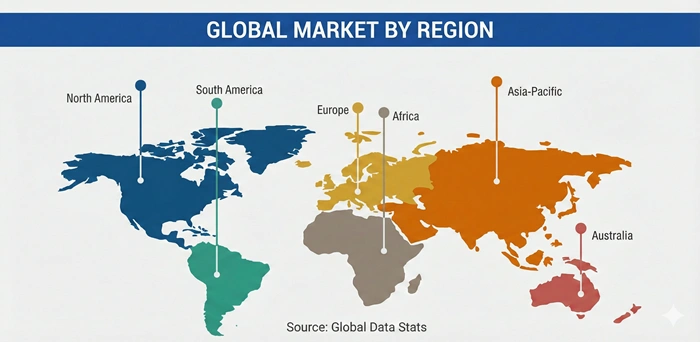
Regional Insights
North America
North America Leads the Global Asthma Treatment Market With the Highest Biologic Prescribing Rates, Strongest Reimbursement Frameworks, and Most Advanced Precision Medicine Asthma Management Infrastructure*
North America holds the dominant position in the global Asthma Treatment market, accounting for approximately 38.60% of total global market revenue in 2025, and is projected to maintain steady leadership at a CAGR of approximately 7.20% from 2026 to 2033. The United States is the overwhelming primary driver within the region — home to the world's most advanced severe asthma management infrastructure, the highest global biologic therapy prescribing rates, the most extensive payer reimbursement coverage for both established and newly approved biologic treatments, and the largest concentration of academic respiratory medicine centers conducting leading-edge asthma research and translating clinical evidence into practice. Leading pharmaceutical companies with strong North American Asthma Treatment market positions include AstraZeneca, GSK, Sanofi/Regeneron, Amgen, Boehringer Ingelheim, and Teva — all of which generate significant U.S. revenue from their respiratory pharmaceutical portfolios across both inhaler and biologic treatment categories.
Canada contributes meaningfully to regional market revenue through its universal healthcare system's coverage of both standard inhaler therapies and increasingly biologic treatments for severe asthma — with the Canadian Thoracic Society providing regularly updated clinical practice guidelines that support evidence-based biologic therapy prescribing in appropriate patient populations. The North American asthma treatment market outlook for 2026–2033 is strongly positive — reinforced by the ongoing biologic therapy pipeline, progressive digital health and smart inhaler integration into asthma management protocols, and the deep institutional investment in precision medicine approaches to severe asthma endotyping and treatment optimization that are generating both better patient outcomes and strong commercial performance for leading asthma pharmaceutical manufacturers.
Asia Pacific
Asia Pacific Is the Fastest-Growing Asthma Treatment Market, Driven by Rising Urban Air Pollution, Rapidly Expanding Asthma Patient Populations, and Improving Treatment Access Infrastructure Across China, India, and Japan*
Asia Pacific is the fastest-growing regional segment in the Asthma Treatment market, projected to expand at a CAGR of approximately 8.80% from 2026 to 2033 — the highest of any region globally. China is the single most important growth driver within the region — where severe and worsening urban air quality in major industrial cities, a vast and growing asthma patient population, significant investment in respiratory disease management infrastructure, and the progressive market entry of modern combination inhalers and biologic asthma therapies are collectively generating strong market growth momentum. India represents the second-most-important Asia Pacific growth market — with an enormous asthma patient burden, improving primary care and specialist respiratory diagnosis infrastructure, and growing pharmaceutical market access for both generic and branded Asthma Treatment products. Leading companies with strong Asia Pacific market positions include AstraZeneca, GSK, Cipla (a major inhaler manufacturer in India), Daiichi Sankyo, and Takeda — alongside a large number of regional and domestic pharmaceutical companies supplying affordable generic inhaler therapies across the region's cost-sensitive healthcare markets.
Japan and South Korea represent mature and high-quality Asia Pacific asthma markets — characterized by advanced specialist respiratory care infrastructure, strong adoption of combination inhaler therapies, and growing uptake of biologic asthma treatments in appropriate severe asthma patient populations managed at specialist centers. Southeast Asian markets — including Indonesia, Vietnam, Thailand, and Malaysia — are experiencing rapid growth in asthma diagnosis and treatment driven by urbanization, air quality deterioration, improving healthcare access, and growing patient and physician awareness of the importance of regular controller therapy for asthma management. The combination of these diverse growth markets across the vast Asia Pacific region — spanning from Japan's sophisticated biologic therapy market to India's enormous affordable inhaler medicine market — positions the region as the most commercially dynamic growth opportunity in global asthma treatment through 2033.
Top Key Players
-
AstraZeneca plc (United Kingdom)
-
GlaxoSmithKline plc — GSK (United Kingdom)
-
Sanofi S.A. (France)
-
Regeneron Pharmaceuticals Inc. (United States)
-
Boehringer Ingelheim GmbH (Germany)
-
Teva Pharmaceutical Industries Ltd. (Israel)
-
Amgen Inc. (United States)
-
Novartis AG (Switzerland)
-
Cipla Limited (India)
-
Merck & Co. Inc. (United States)
-
Roche Holding AG (Switzerland)
-
Vectura Group plc — Fertin Pharma (United Kingdom)
Recent Developments
-
AstraZeneca (2025) — Secured regulatory approval and commercial launch authorization for expanded use of tezepelumab (Tezspire) in additional asthma patient subgroups including patients with low eosinophil counts — making Tezspire the broadest-acting biologic asthma therapy approved for severe uncontrolled asthma regardless of inflammatory biomarker phenotype — significantly expanding the addressable biologic-eligible patient population for AstraZeneca's respiratory portfolio and reinforcing the company's leadership in targeted severe asthma treatment globally.
-
GSK (2024) — Advanced the clinical development program for its next-generation IL-33 inhibitor itepekimab — co-developed with Regeneron — through a pivotal Phase 3 clinical trial program in severe asthma and COPD, with positive interim data supporting the potential for a significant new biologic asthma therapy launch during the forecast period that would add an important new blockbuster candidate to GSK's established Nucala respiratory biologic portfolio.
-
Sanofi and Regeneron (2025) — Reported compelling Phase 3 clinical data demonstrating significant exacerbation reduction, lung function improvement, and oral corticosteroid tapering benefits for dupilumab (Dupixent) in a broader severe asthma patient population — supporting regulatory submissions for label expansions that would make Dupixent accessible to a larger proportion of eligible severe asthma patients and strengthen its competitive positioning against newer anti-IL-5 and anti-TSLP competitors in the global biologic asthma market.
-
Boehringer Ingelheim (2024) — Launched its next-generation tiotropium plus olodaterol Respimat combination inhaler with an enhanced digital connectivity platform featuring integrated dose counter technology and compatible smart monitoring accessory capability — targeting the growing clinical demand for adherence-monitoring enabled inhaler devices in asthma and COPD management programs, reinforcing Boehringer Ingelheim's position as an inhaler technology innovation leader in the respiratory therapeutics space.
-
Teva Pharmaceutical (2025) — Received regulatory approval for its generic version of a major branded combination inhaler product in the United States — significantly expanding Teva's respiratory inhaler generic portfolio and enabling the company to compete directly for the large formulary market share held by branded combination inhaler therapies in the U.S. asthma treatment market, reflecting Teva's continued focus on respiratory generics as a core revenue driver in its global specialty pharmaceutical business.
Market Trends
The Accelerating Mainstream Adoption of Biologic and Targeted Therapies for Severe Asthma and the Progressive Integration of Smart Inhaler Digital Health Technology Into Clinical Asthma Management Are the Two Most Defining Trends Shaping the Asthma Treatment Market*
The most transformative and commercially significant trend reshaping the Asthma Treatment market is the accelerating mainstream clinical adoption of biologic and targeted monoclonal antibody therapies for appropriately identified patients with severe and treatment-resistant asthma — driven by the compelling clinical evidence base, growing physician experience with biomarker-guided patient selection, and progressively expanding international reimbursement access for the approved biologic portfolio. What began as specialist-initiated therapy for a small subset of the most severe and difficult-to-control asthma patients is progressively evolving into a more broadly applied treatment approach — with biologic therapy increasingly considered for patients demonstrating inadequate control despite optimized inhaler therapy and with biomarker profiles consistent with targetable inflammatory endotypes. This expanding clinical adoption curve, combined with the expected launch of several new biologic candidates during the forecast period, is expected to drive sustained double-digit revenue growth in the biologic asthma treatment segment throughout 2026–2033.
The progressive integration of connected and smart inhaler technology into clinical asthma management programs represents a significant supporting trend that is simultaneously improving real-world disease control outcomes and creating new digital health revenue streams within the asthma treatment ecosystem. Healthcare systems in North America and Europe are increasingly recognizing that inhaler non-adherence — estimated to affect up to 70% of asthma patients and directly responsible for a large proportion of preventable exacerbations, emergency visits, and hospitalizations — represents one of the most economically impactful problems in chronic respiratory disease management. Smart inhaler platforms that objectively measure, record, and communicate adherence data to patients and clinicians are demonstrating meaningful improvements in adherence rates and asthma control outcomes in real-world deployment studies — building the evidence base that is progressively motivating payers and healthcare systems to support and fund smart inhaler program adoption as a cost-effective quality improvement intervention within their asthma management programs.
Segments Covered in the Report
By Drug Class:
-
Inhaled Corticosteroids
-
Beta-2 Agonists
-
Leukotriene Modifiers
-
Biologics and Monoclonal Antibodies
-
Anticholinergics
-
Methylxanthines
-
Combination Therapies
By Indication:
-
Mild Persistent Asthma
-
Moderate Persistent Asthma
-
Severe Persistent Asthma
-
Allergic Asthma
-
Non-Allergic Asthma
By Route of Administration:
-
Inhalation
-
Oral
-
Injectable
-
Intravenous
By Distribution Channel:
-
Hospital Pharmacies
-
Retail Pharmacies
-
Online Pharmacies
By End User:
-
Hospitals and Clinics
-
Specialty Respiratory Centers
-
Homecare Settings
By Region:
-
North America
-
Europe
-
Asia Pacific
-
Latin America
-
Middle East & Africa
Frequently Asked Questions
Question 1: What is the current size of the Asthma Treatment market and what is its projected value by 2033?
Answer: The Asthma Treatment market was valued at USD 23.12 billion in 2025 and is projected to reach USD 46.52 billion by 2033. It is expected to grow at a CAGR of 7.60% from 2026 to 2033, driven by rising global asthma prevalence, accelerating biologic therapy adoption for severe asthma, and continuous inhaler technology innovation.
Question 2: What are the most effective treatments available in the Asthma Treatment market today?
Answer: Inhaled corticosteroids remain the cornerstone first-line controller therapy for persistent asthma across all severity levels in the Asthma Treatment market, widely recommended by global treatment guidelines including GINA. For patients with severe or biologic-eligible asthma inadequately controlled by optimized inhaler therapy, targeted biologic therapies including mepolizumab, benralizumab, dupilumab, and tezepelumab have demonstrated dramatic clinical benefits — including reductions of up to 70% in exacerbation rates in appropriately selected patient populations.
Question 3: Which region dominates the Asthma Treatment market and which is growing the fastest?
Answer: North America dominates the Asthma Treatment market with approximately 38.60% of global revenue in 2025, driven by the highest global biologic therapy prescribing rates, most advanced severe asthma management infrastructure, and strongest reimbursement frameworks for both inhaler and biologic treatment categories. Asia Pacific is the fastest-growing region at approximately 8.80% CAGR through 2033, driven by rapidly rising asthma prevalence from worsening urban air quality, improving diagnosis infrastructure, and expanding treatment access across China, India, and Southeast Asia.
Question 4: How are biologic therapies changing the Asthma Treatment market landscape?
Answer: Biologic and monoclonal antibody therapies — targeting specific inflammatory pathways including IL-5, IL-4/IL-13, IgE, and TSLP — are fundamentally transforming the severe end of the Asthma Treatment market by delivering dramatic exacerbation reductions and corticosteroid-sparing benefits in appropriately selected patients, generating the highest-value revenue growth segment in the overall asthma pharmaceuticals landscape. With several new biologic candidates in late-stage development and progressive expansion of reimbursement access internationally, biologic therapies are projected to grow at approximately 13.80% CAGR through 2033 — making them the most commercially dynamic segment in the asthma treatment market.
Question 5: What role does smart inhaler technology play in improving Asthma Treatment outcomes?
Answer: Smart inhaler digital health platforms — embedding electronic sensors in metered-dose and dry powder inhalers to monitor dose timing, frequency, and usage technique — are addressing the critical problem of inhaler non-adherence that affects up to 70% of asthma patients and drives a large proportion of preventable exacerbations, emergency visits, and hospitalizations in the Asthma Treatment market. By generating objective adherence data for both patients and clinicians, smart inhaler systems are enabling more informed treatment decisions and improved real-world asthma control monitoring — representing a growing digital health dimension of the asthma treatment ecosystem that is expected to expand significantly during the 2026–2033 forecast period.