
Antimycotics Market Overview
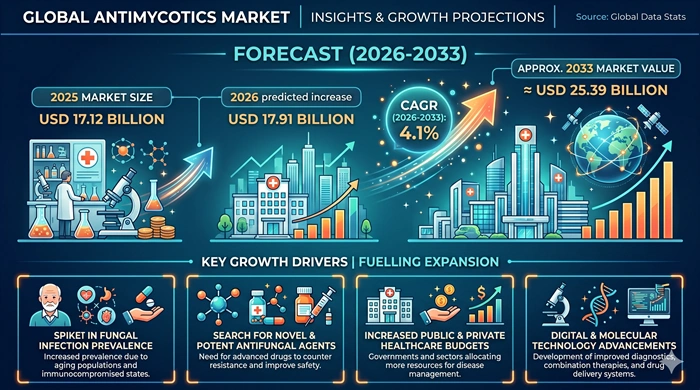
The global antimycotics market size is valued at USD 17.12 billion in 2025 and is predicted to increase from USD 17.91 billion in 2026 to approximately USD 25.39 billion by 2033, growing at a CAGR of 4.1% from 2026 to 2033.
The antimycotics market — encompassing antifungal agents used to prevent and treat a wide spectrum of fungal infections — is experiencing consistent and sustained demand growth driven by the global rise of immunocompromised patient populations, increasing fungal drug resistance, and a growing pipeline of next-generation antifungal therapies. From common superficial infections to life-threatening invasive mycoses, antifungal drugs serve a critical clinical role across hospitals, specialty clinics, and community pharmacies worldwide, making this a therapeutically essential and commercially robust market through 2033.
AI Impact on the Antimycotics Industry
Artificial Intelligence Is Accelerating Novel Antifungal Drug Discovery, Resistance Profiling, and Clinical Diagnosis of Fungal Infections Across the Global Healthcare System
Artificial intelligence is beginning to meaningfully transform the antimycotics industry at both the drug development and clinical care levels. In pharmaceutical R&D, AI-driven molecular modeling platforms are helping researchers identify novel antifungal compounds with improved efficacy against resistant fungal strains — a critical need as azole resistance in Candida auris and Aspergillus fumigatus spreads across healthcare settings globally. Machine learning algorithms can now screen millions of molecular structures in silico to predict antifungal activity, bioavailability, and toxicity profiles, dramatically accelerating the early-stage drug discovery process compared to traditional screening methods.
On the clinical side, AI-assisted diagnostic tools are improving the speed and accuracy of fungal infection identification — a historically challenging clinical problem due to the non-specific presentation of many systemic fungal infections. AI-powered image analysis platforms are being applied to microscopy and culture data, while natural language processing tools are helping clinicians identify high-risk patient profiles from electronic health records before overt infection symptoms manifest. Earlier and more accurate fungal infection diagnosis translates directly into more timely antifungal prescribing, improving patient outcomes and driving incremental market volume in the antimycotics segment.
Growth Factors
Rising Immunocompromised Patient Populations, Expanding Drug-Resistant Fungal Infections, and Growing Awareness of Invasive Mycoses Are the Primary Drivers of the Antimycotics Market
The most fundamental growth driver for the antimycotics market is the global expansion of immunocompromised patient populations who face disproportionately elevated risk of serious and potentially fatal fungal infections. Patients undergoing chemotherapy, organ transplantation, hematopoietic stem cell transplantation, or long-term corticosteroid therapy — as well as individuals living with HIV/AIDS or uncontrolled diabetes — represent a growing at-risk population that consistently requires antifungal prophylaxis and treatment. As cancer incidence rises globally, transplant programs expand, and HIV infection remains prevalent in sub-Saharan Africa and Southeast Asia, this high-risk patient base continues to grow, sustaining robust long-term demand for antifungal therapeutic agents.
The global emergence of drug-resistant fungal pathogens is simultaneously both a clinical crisis and a commercial growth catalyst. The spread of multidrug-resistant Candida auris across healthcare systems on multiple continents has been classified as an urgent public health threat, while azole-resistant Aspergillus fumigatus strains are increasingly reported in Europe and Asia. These resistant organisms require newer, more potent, and more expensive antifungal agents — including echinocandins and novel investigational compounds — driving a meaningful upgrade cycle in antifungal prescribing patterns. Regulatory agencies are also expediting the approval of new antimycotic drugs through dedicated fast-track pathways, shortening the development timeline and bringing new treatments to market more rapidly than in previous decades.
Market Outlook
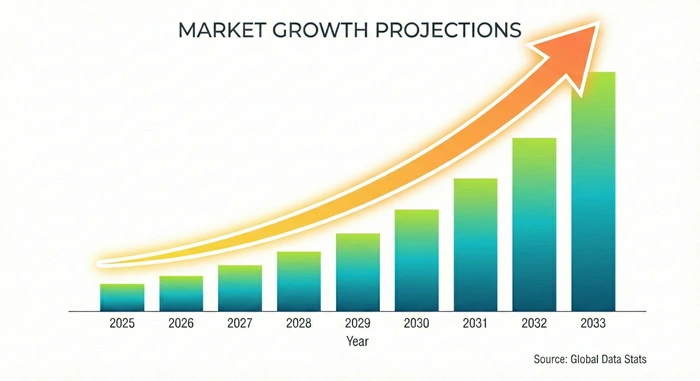
The Antimycotics Market Is Positioned for Steady Long-Term Growth Through 2033, Driven by Antifungal Drug Pipeline Expansion, Emerging Market Healthcare Development, and Fungal Infection Awareness Campaigns
The long-term outlook for the antimycotics market through 2033 is constructive and supported by multiple converging factors. The clinical antifungal pipeline is currently among the most active and innovative in the market's history, with several novel drug candidates in late-stage clinical trials targeting resistant pathogens and difficult-to-treat invasive fungal infections. Newly approved agents including olorofim, ibrexafungerp, and rezafungin are beginning to enter clinical practice and contribute incremental revenue, while a broader pipeline of next-generation triazoles, glucan synthase inhibitors, and novel mechanism agents is expected to sustain innovation-driven market expansion through the forecast period.
Geographic expansion into emerging markets represents an important additional growth vector. In Asia-Pacific, Latin America, the Middle East, and sub-Saharan Africa, growing healthcare expenditure, expanding hospital infrastructure, and increasing clinician awareness of systemic fungal infections are driving strong adoption of both established and newer antifungal agents. The World Health Organization's first-ever fungal priority pathogens list — published in recent years — has significantly elevated the global public health profile of invasive fungal disease, encouraging governments and healthcare systems worldwide to invest more meaningfully in antifungal diagnosis, treatment, and awareness programs, all of which are expected to contribute to sustained antimycotics market growth through 2033.
Expert Speaks
-
Albert Bourla, Chairman & CEO, Pfizer Inc. — "Antifungal therapies remain a critical component of our infectious disease portfolio, and the growing clinical challenge posed by drug-resistant fungal pathogens is creating genuine unmet medical need. Pfizer is committed to supporting the development and access of innovative antifungal solutions for the patients who need them most."
-
Vas Narasimhan, CEO, Novartis — "The field of invasive fungal infection management is experiencing a long-overdue resurgence of pharmaceutical investment, driven by the emergence of resistant pathogens and the recognition that current treatment options are insufficient for many high-risk patients. Novel antimycotic agents with differentiated mechanisms of action represent an important clinical and commercial priority."
-
Chris Boerner, CEO, Bristol Myers Squibb — "As we continue to expand our oncology and immunology portfolios, managing the fungal infection risk that comes with immunosuppressive therapy becomes an increasingly important clinical consideration. The continued development of better antifungal prophylaxis and treatment options is essential to supporting the broader success of modern cancer and transplant medicine."
Key Report Takeaways
-
North America leads the antimycotics market, holding approximately 40% of global revenue in 2025, driven by the highest density of immunocompromised patients undergoing chemotherapy and transplantation, advanced hospital antifungal stewardship programs, strong payer reimbursement for branded antifungal drugs, and the presence of leading pharmaceutical manufacturers investing actively in antifungal R&D
-
Asia-Pacific is the fastest-growing region in the antimycotics market, projected to expand at a CAGR of over 5.8% through 2033, driven by rising fungal infection burden in tropical and subtropical climates, expanding hospital infrastructure, growing immunocompromised patient populations linked to rising cancer treatment volumes and HIV prevalence, and increasing access to systemic antifungal therapies
-
Azoles represent the dominant drug class segment, accounting for approximately 48% of total drug class revenue in the antimycotics market in 2025, reflecting their broad-spectrum efficacy, availability in both oral and intravenous formulations, and established first-line guideline recommendations for candidiasis, aspergillosis, and cryptococcal meningitis management
-
Candidiasis is the leading indication segment, contributing approximately 41% of total indication-based revenue globally in 2025, as Candida species remain the most common cause of both superficial and invasive fungal infections worldwide, affecting hospitalized patients, immunocompromised individuals, and otherwise healthy women through vulvovaginal candidiasis
-
Hospital pharmacies are the dominant distribution channel, accounting for the largest end-user share in the antimycotics market in 2025, driven by the high volume of intravenous antifungal drug administration in critical care, oncology, transplant, and infectious disease inpatient settings
-
Echinocandins represent the fastest-growing drug class segment in the antimycotics market, projected to grow at a CAGR of 6.2% through 2033 and reach approximately 22% of total drug class market share by 2033, driven by their superior fungicidal activity, favorable safety profile compared to polyenes, and growing adoption as first-line therapy for candidemia and invasive candidiasis in critically ill patients
Market Scope
| Report Coverage | Details |
|---|---|
| Market Size by 2033 | USD 25.39 Billion |
| Market Size by 2025 | USD 17.12 Billion |
| Market Size by 2026 | USD 17.91 Billion |
| Market Growth Rate (2026–2033) | CAGR of 4.1% |
| Dominating Region | North America |
| Fastest Growing Region | Asia-Pacific |
| Base Year | 2025 |
| Forecast Period | 2026 – 2033 |
| Segments Covered | Drug Class, Indication, Dosage Form, Route of Administration, Distribution Channel, End User |
| Regions Covered | North America, Europe, Asia-Pacific, Latin America, Middle East & Africa |
Market Dynamics
Drivers Impact Analysis
Growing Immunocompromised Patient Base, Rising Antifungal Drug Resistance, and Expanding Clinical Awareness of Invasive Fungal Infections Are the Core Forces Sustaining Antimycotics Market Growth
| Driver | ≈ % Impact on CAGR Forecast | Geographic Relevance | Impact Timeline |
|---|---|---|---|
| Rising immunocompromised patient populations linked to cancer and transplant therapy | ~32% | Global, especially North America and Europe | Short to Long-term |
| Emergence of drug-resistant fungal pathogens including Candida auris | ~25% | Global, especially healthcare-dense markets | Ongoing |
| WHO fungal priority pathogen list elevating global antifungal investment | ~18% | Global | Short to Medium-term |
| Growing novel antifungal drug pipeline delivering new treatment options | ~15% | North America, Europe | Short to Medium-term |
| Expanding hospital antifungal stewardship programs | ~10% | North America, Europe, Asia-Pacific | Medium to Long-term |
Immunosuppression-related fungal infections are the most consistent and structurally durable demand driver for the antimycotics market. As cancer treatment becomes more effective and more widely accessible globally, the population of patients receiving chemotherapy, bone marrow transplants, and biological immunosuppressive agents is expanding — and with it, the pool of individuals requiring antifungal prophylaxis and treatment. This growth is most pronounced in North America and Europe, where advanced cancer care infrastructure delivers the highest volumes of immunosuppressive therapy globally, but is also accelerating meaningfully in Asia-Pacific as oncology treatment capacity expands rapidly.
Drug resistance is an escalating and urgent driver with both clinical and commercial implications. Candida auris, first identified as recently as 2009, is now present across healthcare settings on multiple continents and is resistant to multiple drug classes, including azoles and in some strains echinocandins — creating genuine unmet medical need for novel antifungal agents. Similarly, azole-resistant Aspergillus fumigatus is increasingly being reported in agricultural and clinical environments, particularly in Europe and parts of Asia. This resistance landscape is driving prescribing patterns toward newer, more expensive antifungal agents and incentivizing substantial pharmaceutical R&D investment in the antimycotics field.
Restraints Impact Analysis
High Cost of Novel Antifungal Therapies, Diagnostic Delays in Identifying Fungal Infections, and Antifungal Drug Toxicity Concerns Are the Primary Factors Moderating Antimycotics Market Growth
| Restraint | ≈ % Impact on CAGR Forecast | Geographic Relevance | Impact Timeline |
|---|---|---|---|
| High cost of newer antifungal agents limiting access in price-sensitive markets | ~30% | Emerging markets, public healthcare systems | Ongoing |
| Delayed diagnosis of invasive fungal infections reducing timely treatment initiation | ~26% | Global, especially emerging markets | Ongoing |
| Nephrotoxicity and hepatotoxicity concerns limiting polyene and azole use | ~22% | Global | Ongoing |
| Antifungal drug shortages affecting treatment continuity | ~14% | North America, Europe, Emerging markets | Short to Medium-term |
| Limited awareness among primary care physicians of fungal infection risk factors | ~8% | Emerging markets | Medium to Long-term |
The high cost of innovative antifungal agents remains a significant access barrier, particularly in low- and middle-income countries where healthcare budgets are constrained. Newer echinocandins, next-generation triazoles, and novel mechanism antifungals can carry substantial price tags that limit their accessibility in government hospital formularies and public healthcare systems. This creates a two-tier market dynamic where patients in high-income countries benefit from access to the latest antifungal therapies while patients in emerging markets often remain dependent on older, less effective, or more toxic agents — moderating overall market penetration of higher-value products.
Delayed diagnosis is one of the most clinically damaging and commercially significant restraints in the antimycotics market. Invasive fungal infections — including invasive aspergillosis and candidemia — are notoriously difficult to diagnose rapidly, as their clinical presentations often overlap with bacterial sepsis and other common infectious conditions. The absence of rapid, sensitive, and specific fungal diagnostic tests at many hospital centers means that antifungal therapy is frequently initiated empirically rather than based on confirmed diagnosis, which can lead to both over- and under-treatment. Investing in better fungal diagnostics is therefore a critical unmet need that, if addressed, could simultaneously improve patient outcomes and expand appropriate antifungal prescribing volumes.
Opportunities Impact Analysis
Novel Mechanism Antifungal Development, Point-of-Care Fungal Diagnostics, and Prophylactic Antifungal Market Expansion in High-Risk Patient Populations Represent the Most Compelling Growth Opportunities
| Opportunity | ≈ % Impact on CAGR Forecast | Geographic Relevance | Impact Timeline |
|---|---|---|---|
| Development of novel mechanism antifungal agents for resistant pathogens | ~35% | Global, led by North America and Europe | Medium to Long-term |
| Expansion of antifungal prophylaxis in high-risk hematology and transplant patients | ~28% | North America, Europe | Short to Medium-term |
| Point-of-care fungal diagnostics improving rapid treatment initiation | ~20% | Global | Medium to Long-term |
| Emerging market healthcare expansion increasing antifungal access | ~12% | Asia-Pacific, Latin America, Africa | Medium to Long-term |
| Combination antifungal therapy development for refractory infections | ~5% | North America, Europe | Medium to Long-term |
The development of antifungal agents with genuinely novel mechanisms of action represents the highest-value opportunity in the antimycotics market over the coming decade. The convergence of established drug classes — azoles, echinocandins, and polyenes — is facing increasing strain from resistance, and the antifungal pipeline has responded with agents targeting new fungal cellular targets including glucan synthesis, sphingolipid biosynthesis, and fungal virulence pathways. Ibrexafungerp's novel mechanism as a glucan synthase inhibitor structurally distinct from echinocandins, and olorofim's unique action against a new target in the dihydroorotate dehydrogenase pathway, demonstrate that genuine mechanistic diversification is achievable and commercially viable in the antifungal drug space.
Prophylactic antifungal prescribing is another significant expansion opportunity. While antifungal prophylaxis is already standard of care in allogeneic stem cell transplantation and certain high-risk hematological malignancy settings, evidence is accumulating for broader prophylaxis use in ICU patients receiving broad-spectrum antibiotics, patients on prolonged corticosteroid therapy, and individuals with advanced HIV infection. Expanding the evidence base and guideline recommendations for prophylactic use across these larger patient populations could meaningfully increase the overall volume of antifungal prescribing globally, creating a structural volume uplift beyond the treatment-driven demand baseline.
Segment Analysis
By Drug Class
Azoles Lead the Antimycotics Market as the Most Broadly Prescribed Antifungal Drug Class Globally, While Echinocandins Emerge as the Fastest-Growing Segment Driven by Candidemia Management Guidelines
The azoles drug class is the dominant segment in the antimycotics market, accounting for approximately 48% of total drug class revenue in 2025. This segment is projected to sustain a steady CAGR of 3.8% through 2033, supported by the broad clinical applicability of azole agents — including fluconazole, itraconazole, voriconazole, posaconazole, and isavuconazole — across superficial, mucocutaneous, and systemic fungal infections. North America holds the largest regional revenue share for azoles, where voriconazole and isavuconazole are the cornerstone treatments for invasive aspergillosis and posaconazole is widely used for prophylaxis in hematology patients. Key companies dominating the azoles segment include Pfizer Inc. (voriconazole — Vfend), Merck & Co. (posaconazole — Noxafil), and Basilea Pharmaceutica, alongside a large generic manufacturing ecosystem supplying fluconazole globally at accessible price points.
Europe is the second-largest geography for azole antifungal consumption, where rising azole resistance is paradoxically driving both growing prescribing of newer-generation azoles and intensified research into alternative treatment approaches. Asia-Pacific is the fastest-growing regional market for this drug class, driven by the high burden of candidiasis and cryptococcal meningitis in tropical and subtropical countries, combined with rapidly expanding hospital formulary access to systemic azole agents. The broad availability of generic fluconazole at very low cost has made azoles the cornerstone of antifungal therapy in even resource-constrained healthcare settings, ensuring that this drug class maintains its foundational position in the global antimycotics market throughout the forecast period.
By Indication
Candidiasis Dominates the Indication Segment in the Antimycotics Market as the Most Prevalent Fungal Infection Worldwide, Affecting Hospitalized, Immunocompromised, and Ambulatory Patient Populations
Candidiasis is the leading indication segment in the antimycotics market, contributing approximately 41% of total indication-based revenue globally in 2025. This segment is projected to grow at a CAGR of 4.0% through 2033, driven by the extraordinary prevalence of Candida infections across patient populations ranging from otherwise healthy individuals with vulvovaginal candidiasis to critically ill ICU patients with invasive candidemia. North America dominates this indication segment, anchored by high volumes of hospital-acquired Candida bloodstream infections in immunocompromised and critically ill patients and strong clinical guideline-driven prescribing of echinocandin agents for invasive disease. Leading companies in candidiasis therapy include Pfizer (micafungin — Mycamine), Merck & Co. (caspofungin — Cancidas), and Scynexis Inc. (ibrexafungerp — Brexafemme).
Aspergillosis is the second-largest indication segment and is growing at a CAGR of 5.3% through 2033 — driven by the rising incidence of invasive pulmonary aspergillosis in hematological malignancy patients, lung transplant recipients, and ICU patients with severe influenza or COVID-19 co-infection. Europe is the leading region for aspergillosis treatment expenditure, reflecting both the high density of advanced hematology and transplant programs in Germany, France, the United Kingdom, and the Netherlands, and the particularly high prevalence of azole-resistant Aspergillus fumigatus in the Netherlands and other Northern European agricultural regions. Asia-Pacific is the fastest-growing regional market for aspergillosis therapies within the global antimycotics market, where the expanding hematological malignancy treatment infrastructure in China and India is creating strong incremental demand for voriconazole, isavuconazole, and novel agents like olorofim.
Regional Insights
North America
North America Leads the Global Antimycotics Market With the Largest Revenue Share, Supported by High Immunocompromised Patient Volumes, Advanced Antifungal Stewardship, and Strong Novel Drug Adoption
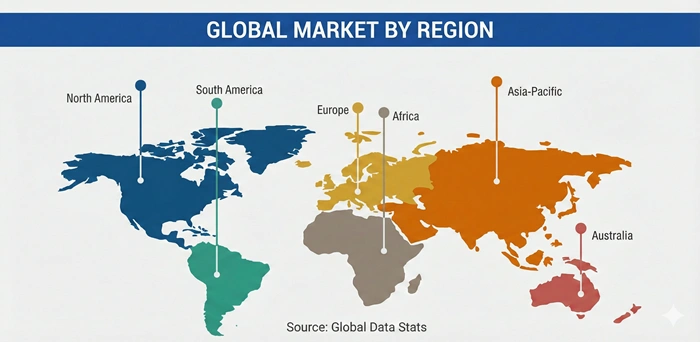
North America holds the dominant position in the global antimycotics market, accounting for approximately 40% of total global revenue in 2025 and projected to maintain a CAGR of 3.9% through 2033. The United States is the primary market engine, driven by the world's highest concentration of patients undergoing bone marrow and solid organ transplantation, intensive chemotherapy, and prolonged ICU care — populations that collectively generate an enormous demand for antifungal prophylaxis and treatment. The country's advanced hospital infrastructure, robust clinical pharmacist-led antifungal stewardship programs, and strong payer reimbursement for branded antifungal agents combine to support both high volume and premium pricing in the antimycotics market. Key companies shaping the North American landscape include Pfizer Inc., Merck & Co., Scynexis Inc., Amplyx Pharmaceuticals (acquired by Pfizer), Cidara Therapeutics, and Astellas Pharma.
Canada contributes meaningfully to North American market demand through its publicly funded healthcare system, which covers systemic antifungal therapies for eligible patients in oncology, transplant, and infectious disease settings. The FDA's ongoing support for antifungal drug development through qualified infectious disease product (QIDP) designations and fast-track approvals is sustaining a strong pipeline of novel antimycotic agents expected to enter the US market within the forecast period. This combination of high baseline demand, premium pricing power, and continued innovation investment makes North America the most commercially significant region in the global antimycotics market through 2033.
Asia-Pacific
Asia-Pacific Is the Fastest-Growing Regional Market for Antimycotics, Driven by Rising Fungal Infection Burden, Expanding Immunocompromised Patient Populations, and Rapidly Developing Hospital Infrastructure
Asia-Pacific represents the most dynamic regional growth opportunity in the global antimycotics market, projected to expand at a CAGR of 5.8% from 2026 to 2033 — the highest growth rate of any global region. The region currently accounts for approximately 22% of global market revenue, with China, Japan, India, South Korea, and Australia serving as the primary national markets. China is the dominant national market within the region, where the rapidly expanding oncology treatment infrastructure, growing bone marrow transplantation program, and high burden of endemic fungal infections — including histoplasmosis and talaromycosis in subtropical provinces — are driving strong and growing antifungal drug demand. Japan maintains a sophisticated antifungal market with high adoption of newer-generation azoles and echinocandins, supported by the country's advanced hematology and transplant programs. Leading companies active across the Asia-Pacific antimycotics market include Pfizer, Merck & Co., Astellas Pharma, Sumitomo Dainippon Pharma, and Dr. Reddy's Laboratories.
India is emerging as a particularly high-growth national market, where the combination of a large and growing immunocompromised patient population, high burden of tropical fungal infections including mucormycosis — which gained international attention during the COVID-19 pandemic — and rapidly expanding private hospital oncology infrastructure are driving accelerating antifungal drug adoption. Generic antifungal drug manufacturers based in India, including Sun Pharmaceutical Industries, Dr. Reddy's Laboratories, and Cipla, play a critical role in supplying affordable systemic antifungal agents across the broader Asia-Pacific and global emerging market regions, contributing meaningfully to market accessibility and volume growth in the antimycotics market.
Top Key Players
-
Pfizer Inc. (United States)
-
Merck & Co. Inc. (United States)
-
Gilead Sciences Inc. (United States)
-
Scynexis Inc. (United States)
-
Cidara Therapeutics Inc. (United States)
-
Astellas Pharma Inc. (Japan)
-
Basilea Pharmaceutica AG (Switzerland)
-
F2G Ltd. (United Kingdom)
-
Amplyx Pharmaceuticals Inc. (United States)
-
Sun Pharmaceutical Industries Ltd. (India)
-
Dr. Reddy's Laboratories Ltd. (India)
-
Cipla Ltd. (India)
-
Sumitomo Dainippon Pharma Co. Ltd. (Japan)
Recent Developments
-
Scynexis Inc. (2025) — Received FDA approval for expanded use of ibrexafungerp (Brexafemme) and advanced its development program for oral treatment of invasive fungal infections in immunocompromised patients, with clinical trial data presented at major infectious disease conferences demonstrating promising efficacy against azole-resistant Candida strains
-
Pfizer Inc. (2025) — Completed the clinical development program for its novel echinocandin rezafungin in collaboration with Cidara Therapeutics, with once-weekly intravenous dosing differentiating the compound from existing daily-dosed echinocandins and targeting hospital formulary inclusion for candidemia and invasive candidiasis treatment across major US medical centers
-
Cidara Therapeutics (2024) — Executed a global licensing agreement with Mundipharma for commercialization of rezafungin outside of the United States, significantly expanding the global market reach of this novel once-weekly echinocandin antifungal agent and strengthening the company's ability to address candidemia treatment needs across European and Asia-Pacific markets
-
F2G Ltd. (2025) — Advanced olorofim — a first-in-class antifungal with a novel mechanism targeting dihydroorotate dehydrogenase — through Phase 3 clinical trials in invasive fungal infections caused by Aspergillus and rare mold species, with regulatory submission planned in the United States and European Union as the compound demonstrates activity against strains resistant to all currently available antifungal classes
-
Merck & Co. (2025) — Expanded the clinical development program for its caspofungin product line and advanced partnerships with academic medical centers to generate additional real-world evidence supporting echinocandin use as first-line therapy in invasive candidiasis, consistent with updated Infectious Diseases Society of America treatment guidelines recommending echinocandins over azoles for candidemia in most patient populations
Market Trends
Novel Mechanism Antifungal Drug Approval Activity, Echinocandin Guideline Advancement, and Growing Antifungal Stewardship Program Adoption Are the Most Defining Trends in the Antimycotics Market Today
One of the most transformative trends reshaping the antimycotics market is the historic acceleration in novel antifungal drug development and regulatory approval activity. After nearly two decades of limited innovation beyond the established azole and echinocandin classes, the current decade is delivering genuinely novel antifungal agents with new mechanisms of action — including ibrexafungerp, olorofim, and rezafungin — that address therapeutic gaps in managing resistant and difficult-to-treat infections. This innovation wave is elevating the clinical standard of care for invasive fungal infections and creating new premium revenue segments within the market that were simply unavailable in previous forecast cycles.
The growing institutionalization of antifungal stewardship programs within hospital settings is a second important trend shaping prescribing patterns and market structure. Modeled after the more established antibiotic stewardship movement, antifungal stewardship programs aim to optimize antifungal selection, dosing, duration, and de-escalation in hospitalized patients — improving clinical outcomes while reducing unnecessary antifungal drug expenditure and resistance development. These programs are increasingly mandated by hospital accreditation bodies in North America and Europe, and their expansion is expected to shift prescribing toward guideline-recommended first-line agents — generally supporting the market positions of echinocandins and newer-generation azoles while moderating empirical use of broader-spectrum and more expensive agents without confirmed indication.
Segments Covered in the Report
By Drug Class:
-
Azoles (Fluconazole, Voriconazole, Posaconazole, Itraconazole, Isavuconazole)
-
Echinocandins (Caspofungin, Micafungin, Anidulafungin, Rezafungin)
-
Polyenes (Amphotericin B, Nystatin)
-
Allylamines (Terbinafine, Naftifine)
-
Others (Ibrexafungerp, Olorofim, Flucytosine)
By Indication:
-
Candidiasis
-
Aspergillosis
-
Cryptococcosis
-
Mucormycosis
-
Dermatophytosis
-
Others
By Dosage Form:
-
Oral (Tablets, Capsules, Suspensions)
-
Intravenous Formulations
-
Topical Formulations (Creams, Ointments, Gels)
-
Others
By Route of Administration:
-
Oral Route
-
Intravenous Route
-
Topical Route
-
Others
By Distribution Channel:
-
Hospital Pharmacies
-
Retail and Community Pharmacies
-
Online Pharmacies
-
Others
By End User:
-
Hospitals and Specialty Clinics
-
Ambulatory Care Centers
-
Homecare Settings
-
Others
By Region:
-
North America (United States, Canada, Mexico)
-
Europe (Germany, United Kingdom, France, Italy, Spain, Netherlands, Rest of Europe)
-
Asia-Pacific (China, Japan, India, South Korea, Australia, Rest of Asia-Pacific)
-
Latin America (Brazil, Argentina, Rest of Latin America)
-
Middle East & Africa (UAE, Saudi Arabia, South Africa, Rest of MEA)
Frequently Asked Questions
Question 1: What is the current size of the global antimycotics market?
Answer: The global antimycotics market is valued at USD 17.12 billion in 2025 and is projected to reach USD 25.39 billion by 2033. The market is growing at a CAGR of 4.1% from 2026 to 2033, supported by rising immunocompromised patient populations, drug-resistant fungal pathogens, and a robust novel antifungal drug development pipeline.
Question 2: Which drug class dominates the antimycotics market?
Answer: Azoles are the dominant drug class in the antimycotics market, accounting for approximately 48% of total drug class revenue in 2025. Their broad-spectrum efficacy, availability in oral and intravenous formulations, and long-established guideline recommendations make azoles the cornerstone of antifungal therapy across both superficial and invasive fungal infections.
Question 3: Which region holds the largest share in the antimycotics market?
Answer: North America leads the antimycotics market with approximately 40% of global revenue in 2025, driven by the highest volumes of immunocompromised patients receiving chemotherapy and transplant therapy globally. Strong antifungal stewardship programs, comprehensive insurance reimbursement, and high adoption of novel antifungal agents reinforce this regional leadership.
Question 4: What is driving growth in the antimycotics market in Asia-Pacific?
Answer: The antimycotics market in Asia-Pacific is being driven by a rapidly rising immunocompromised patient population linked to expanding oncology treatment infrastructure, high endemic fungal infection burden in tropical regions, and increasing hospital access to systemic antifungal therapies. China and India are the most significant growth markets in the region, supported by government healthcare expansion programs and a growing domestic generic antifungal manufacturing sector.
Question 5: Which drug class will grow the fastest in the antimycotics market through 2033?
Answer: Echinocandins are projected to be the fastest-growing drug class in the antimycotics market, growing at a CAGR of 6.2% through 2033. Their superior fungicidal activity, favorable tolerability profile, and growing guideline endorsement as first-line therapy for invasive candidiasis — combined with newly approved once-weekly dosing options — are the primary factors driving their accelerating adoption.