
Anti-Biofilm Agents Market Overview
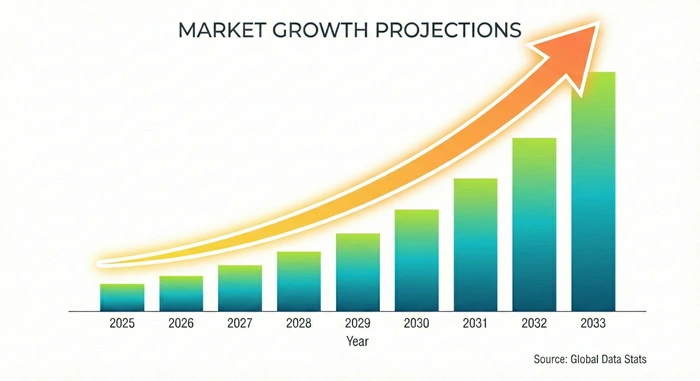
The global anti-biofilm agents market size is valued at USD 1.33 billion in 2025 and is predicted to increase from USD 1.44 billion in 2026 to approximately USD 3.21 billion by 2033, growing at a CAGR of 8.25% from 2026 to 2033.
Anti-biofilm agents represent specialized healthcare products designed to prevent, disrupt, and eradicate biofilms, which are structured communities of microorganisms encased in self-produced protective matrices that adhere to wound surfaces and medical devices. These innovative therapeutic solutions include advanced wound dressings, topical ointments, antimicrobial gels, and specialized powders formulated with active molecules like silver, iodine, honey, and enzymatic compounds. Biofilms create significant clinical challenges by making infections highly resistant to conventional antibiotics and antimicrobial treatments, prolonging wound healing times and increasing healthcare costs substantially. The growing prevalence of chronic wounds including diabetic foot ulcers, pressure ulcers, venous leg ulcers, and surgical site infections is driving unprecedented demand for effective anti-biofilm solutions across healthcare facilities worldwide.
Healthcare providers increasingly recognize that biofilms form in approximately 60 percent of chronic wounds and contribute to treatment failures, delayed healing, and recurrent infections that burden healthcare systems globally. Traditional wound care approaches often fail to address biofilm-related complications adequately, creating urgent need for specialized products capable of penetrating protective biofilm matrices and eliminating embedded microbial communities. The market is experiencing robust expansion as clinical evidence demonstrates that anti-biofilm agents significantly reduce infection rates, accelerate healing processes, and improve patient quality of life. Rising antimicrobial resistance patterns, expanding elderly populations prone to chronic conditions, and increasing healthcare expenditure on advanced wound management solutions are converging to create favorable conditions for sustained market growth throughout the forecast period.

AI Impact on the Anti-Biofilm Agents Industry
Machine Learning Analytics and Intelligent Diagnostic Systems Transforming Biofilm Detection and Treatment
Artificial intelligence technologies are revolutionizing how healthcare professionals detect, monitor, and treat biofilm-associated infections in clinical wound care settings. Advanced machine learning algorithms now analyze complex biofilm behavior patterns, microbial interactions, and antimicrobial resistance mechanisms to identify optimal anti-biofilm compounds and treatment protocols tailored to individual patient characteristics. AI-powered imaging systems enable earlier detection of biofilm formation in wounds and on medical devices through sophisticated pattern recognition that identifies subtle visual indicators invisible to human observation. These diagnostic innovations allow clinicians to initiate targeted anti-biofilm interventions before infections become entrenched, significantly improving treatment success rates. Computational modeling supported by AI helps researchers understand how different agents penetrate biofilm matrices and disrupt structural integrity, accelerating development of next-generation formulations with enhanced efficacy against resistant microbial communities.
Clinical decision support platforms powered by artificial intelligence are personalizing wound care by analyzing comprehensive patient data including wound characteristics, comorbidities, microbial profiles, and historical treatment responses to recommend optimal anti-biofilm agents for each case. These intelligent systems consider multiple variables simultaneously, identifying patterns that human clinicians might overlook and suggesting combination therapies that maximize biofilm disruption while minimizing adverse effects. Healthcare facilities implementing AI-assisted wound management protocols report measurable improvements in healing outcomes, reduced therapy costs through optimized product selection, and decreased hospital readmission rates. As digital health infrastructure expands globally, integration of AI capabilities into anti-biofilm product development and clinical application will accelerate, creating opportunities for manufacturers developing smart wound care solutions that leverage data analytics and predictive modeling to deliver superior patient outcomes.
Growth Factors
Rising Chronic Wound Prevalence and Antimicrobial Resistance Driving Market Expansion
The escalating burden of chronic wounds across global healthcare systems represents the primary catalyst propelling anti-biofilm agents market growth worldwide. Epidemiological data demonstrates that chronic wounds affect approximately 2 to 4 percent of populations in developed nations, with diabetic foot ulcers alone impacting 15 to 25 percent of diabetic patients during their lifetime. These non-healing wounds frequently develop persistent biofilm infections that resist conventional antimicrobial treatments and extend healing times from weeks to months or years. The aging demographic trend intensifies this challenge, as elderly individuals experience higher incidences of pressure ulcers, venous insufficiency, and delayed wound healing. Healthcare providers recognize that biofilms significantly complicate wound management by creating protective barriers that reduce antibiotic penetration by up to 1000-fold compared to planktonic bacteria. This clinical reality is driving adoption of specialized anti-biofilm agents capable of disrupting these protective matrices and restoring antimicrobial susceptibility.
The global antimicrobial resistance crisis is creating urgent demand for alternative infection control strategies that do not rely solely on traditional antibiotics. Biofilm-associated infections demonstrate inherent resistance to antimicrobial agents through multiple mechanisms including reduced metabolic activity, extracellular matrix protection, and genetic adaptations that emerge within biofilm environments. Healthcare organizations facing increasing treatment failures with conventional antibiotics are turning to anti-biofilm products that employ non-antibiotic mechanisms such as physical disruption, enzymatic degradation, and biofilm matrix dissolution. Growing awareness among clinicians about biofilm prevalence in chronic wounds and their role in treatment resistance is translating into protocol changes that incorporate anti-biofilm agents as standard components of wound care regimens. Supportive reimbursement policies in developed markets recognizing the cost-effectiveness of advanced wound care products further accelerate adoption by reducing financial barriers that previously limited access to premium anti-biofilm solutions.
Market Outlook
Technological Innovation and Product Diversification Reshaping Competitive Landscape
The anti-biofilm agents market is experiencing dynamic evolution characterized by rapid innovation in formulation technologies and expanding therapeutic applications beyond traditional wound care. Manufacturers are developing next-generation products incorporating nanotechnology, controlled-release mechanisms, and combination therapies that synergistically target multiple biofilm vulnerabilities simultaneously. Research into natural antimicrobial compounds including honey, plant extracts, and antimicrobial peptides is yielding biocompatible alternatives to synthetic agents, addressing growing consumer preference for natural healthcare solutions. The competitive landscape features established wound care giants leveraging extensive clinical evidence and distribution networks while emerging biotechnology companies introduce disruptive technologies targeting specific biofilm mechanisms. This innovation intensity is accelerating product development cycles and creating opportunities for differentiation through superior efficacy, reduced application frequency, and improved patient comfort compared to conventional alternatives.
Geographic market dynamics are shifting as healthcare infrastructure development accelerates in high-growth emerging economies across Asia Pacific, Latin America, and Middle Eastern regions. These markets present substantial expansion opportunities driven by large patient populations, rising diabetes prevalence, increasing healthcare expenditure, and improving access to advanced medical technologies. However, penetration faces challenges including limited awareness about biofilm-related complications among healthcare providers in resource-constrained settings, high product costs relative to local purchasing power, and underdeveloped reimbursement frameworks for advanced wound care solutions. Manufacturers pursuing emerging market opportunities are developing tiered product portfolios with affordable options suitable for price-sensitive segments while maintaining premium offerings for established markets. Strategic partnerships with local distributors, investment in clinical education programs, and engagement with regulatory authorities to streamline approval processes will determine competitive success as the market globalizes throughout the forecast period.
Expert Speaks
-
Medical device industry leaders emphasize that combating biofilm-associated infections represents one of healthcare's most pressing challenges, with companies investing heavily in research and development to create innovative wound care solutions that effectively penetrate biofilm matrices and restore antimicrobial susceptibility in chronic wound environments.
-
Healthcare executives highlight that the transition toward value-based care models is accelerating adoption of advanced anti-biofilm products, as payers increasingly recognize that preventing biofilm-related complications delivers measurable cost savings through reduced hospital stays, fewer surgical interventions, and improved long-term patient outcomes.
-
Wound care specialists note that integrating anti-biofilm agents into standardized treatment protocols is transforming clinical practice, enabling healthcare providers to address the root causes of treatment-resistant chronic wounds rather than merely managing symptoms with conventional antimicrobial approaches.
Key Report Takeaways
-
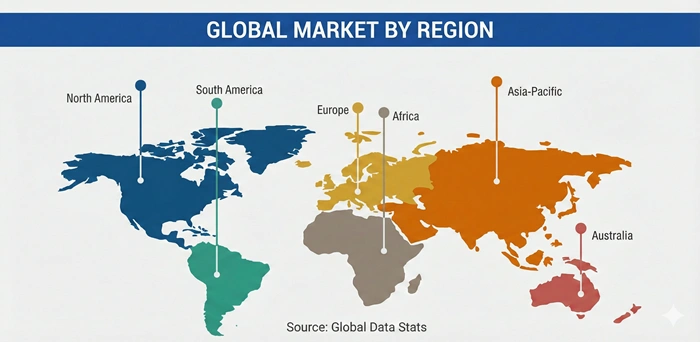
North America leads the anti-biofilm agents market with a dominant share of approximately 37 percent, driven by advanced healthcare infrastructure, high chronic wound prevalence, extensive clinical awareness about biofilm complications, and well-established reimbursement frameworks supporting adoption of premium wound care products.
-
Asia Pacific emerges as the fastest-growing region with the highest projected CAGR during the forecast period, fueled by rapidly expanding healthcare infrastructure, rising diabetes incidence, increasing elderly populations, and growing awareness about advanced wound management approaches in developing economies.
-
Hospitals represent the largest end-user segment, accounting for the overwhelming majority of anti-biofilm agents consumption as these facilities treat complex chronic wounds, manage post-surgical complications, and maintain specialized wound care clinics with trained personnel capable of implementing advanced therapeutic protocols.
-
Dressings contribute the most significant product segment share, dominating the market due to their versatility across wound types, ease of application by healthcare providers and patients, and continuous product innovations incorporating antimicrobial technologies that provide sustained biofilm prevention throughout wear time.
-
Silver-based formulations represent the most popular molecular approach, maintaining leadership position as healthcare providers rely on silver's proven broad-spectrum antimicrobial properties, extensive clinical evidence base, and regulatory acceptance across global markets for effective biofilm management.
-
Ointments and gels segment will experience rapid future growth with the highest anticipated CAGR and expanding market share percentage as acute wound cases increase, surgical procedures multiply, and demand rises for flexible formulations suitable for irregular wound surfaces and targeted application.
Market Scope
| Report Coverage Details | |
|---|---|
| Market Size by 2033 | USD 3.21 Billion |
| Market Size by 2025 | USD 1.33 Billion |
| Market Size by 2026 | USD 1.44 Billion |
| Market Growth Rate from 2026 to 2033 | CAGR of 8.25% |
| Dominating Region | North America |
| Fastest Growing Region | Asia Pacific |
| Base Year | 2025 |
| Forecast Period | 2026 to 2033 |
| Segments Covered | Product, Molecule, Wound Type, End User, Region |
| Regions Covered | North America, Europe, Asia Pacific, Latin America, Middle East & Africa |
Market Dynamics
Driver Impact Analysis
Increasing Chronic Wound Burden and Biofilm-Related Treatment Failures Propelling Demand
| Factor | Details |
|---|---|
| Approximate Impact on CAGR Forecast | +2.0% to +2.4% |
| Geographic Relevance | Global (Highest in North America and Europe) |
| Impact Timeline | Immediate and Sustained (2026-2033) |
The surging prevalence of chronic wounds including diabetic foot ulcers, pressure ulcers, venous leg ulcers, and arterial ulcers is generating substantial demand for anti-biofilm agents market products that address treatment-resistant infections. Clinical research demonstrates that biofilms form in approximately 60 percent of chronic wounds and merely 10 percent of acute wounds, creating protective microbial communities that resist antimicrobial treatments and prolong healing times significantly. The global diabetes epidemic intensifies this challenge, with diabetic patients experiencing foot ulceration rates of 15 to 25 percent and facing amputation risks when wounds fail to heal due to biofilm-related complications. Aging populations worldwide experience higher incidences of immobility-related pressure ulcers and circulatory insufficiency causing venous and arterial ulcers. Healthcare systems recognize that conventional wound care approaches often fail when biofilms establish protective matrices that reduce antibiotic penetration by up to 1000-fold, creating urgent clinical need for specialized products capable of disrupting these structures.
The growing clinical evidence demonstrating superior outcomes with anti-biofilm agents is transforming wound care protocols across healthcare facilities globally. Studies show that biofilm-targeted interventions reduce infection rates, accelerate healing by weeks or months, decrease amputation risks in diabetic patients, and lower overall treatment costs despite higher initial product prices. Healthcare providers implementing standardized protocols incorporating anti-biofilm dressings and topical agents report measurable improvements in patient quality of life, reduced nursing time requirements, and decreased hospital readmission rates for wound-related complications. This accumulating evidence base is convincing healthcare administrators to invest in anti-biofilm agents market products and train clinical staff on proper application techniques. Supportive guidelines from professional wound care organizations recommending biofilm assessment and targeted intervention further validate product adoption and create sustained demand growth as clinical practice evolves to address biofilm challenges systematically.
Restraints Impact Analysis
High Product Costs and Limited Awareness in Developing Markets Constraining Adoption
| Factor | Details |
|---|---|
| Approximate Impact on CAGR Forecast | -0.9% to -1.3% |
| Geographic Relevance | Low-Income Countries (Asia, Africa, Latin America) |
| Impact Timeline | Short to Medium Term (2026-2030) |
The substantial cost premium associated with advanced anti-biofilm agents compared to conventional wound care products presents a significant barrier to widespread adoption in resource-constrained healthcare settings. These specialized products typically cost several times more than traditional dressings and antimicrobial preparations, creating financial challenges for hospitals and clinics operating with limited budgets in developing nations. Healthcare facilities in low-income countries often prioritize immediate life-saving interventions and struggle to justify investments in premium wound care products when faced with competing demands for essential medicines, surgical equipment, and basic infrastructure improvements. Limited or absent reimbursement coverage for advanced wound care in many emerging markets forces patients to bear substantial out-of-pocket expenses, restricting access to anti-biofilm agents among economically disadvantaged populations who often face highest chronic wound burdens due to limited diabetes management and delayed medical care.
Limited awareness about biofilm prevalence, clinical significance, and management strategies among healthcare providers in developing regions further constrains market penetration. Many clinicians lack training in biofilm assessment and continue applying traditional wound care approaches that prove ineffective against biofilm-associated infections. The absence of standardized diagnostic protocols and treatment guidelines for biofilm management in resource-limited settings results in delayed recognition of biofilm complications and suboptimal therapeutic choices. Educational infrastructure deficits mean that healthcare workers rarely receive continuing education on emerging wound care technologies, perpetuating reliance on familiar conventional products. Cultural preferences for traditional healing practices in certain regions create additional resistance to adoption of advanced biomedical wound care solutions. Manufacturers must invest substantially in clinical education programs, develop affordable product formulations suitable for price-sensitive markets, and engage with healthcare ministries to establish supportive policies that facilitate access to anti-biofilm agents in underserved populations.
Opportunities Impact Analysis
Expanding Applications in Medical Devices and Natural Molecule Innovation Creating Growth Avenues
| Factor | Details |
|---|---|
| Approximate Impact on CAGR Forecast | +1.3% to +1.7% |
| Geographic Relevance | North America, Europe, Asia Pacific (Advanced Markets) |
| Impact Timeline | Medium to Long Term (2027-2033) |
The expanding application of anti-biofilm technologies beyond traditional wound care into medical device coating and infection prevention represents a significant growth opportunity for the anti-biofilm agents market. Biofilm formation on implanted medical devices including catheters, prosthetic joints, cardiac pacemakers, and vascular grafts causes serious device-associated infections that require surgical removal, extended antibiotic therapy, and substantial healthcare costs. Healthcare facilities are increasingly adopting anti-biofilm coatings and impregnated device materials that prevent initial microbial adhesion and biofilm establishment on implanted surfaces. The growing volume of surgical procedures worldwide, aging populations requiring more medical implants, and healthcare system emphasis on preventing hospital-acquired infections are driving demand for biofilm prevention technologies across multiple medical specialties beyond wound care. Manufacturers developing versatile anti-biofilm formulations adaptable to diverse medical applications will capture market share across expanding clinical domains.
Innovation in natural antimicrobial compounds and biocompatible molecules is creating opportunities for product differentiation and market expansion among consumers seeking alternatives to synthetic agents. Research into honey, plant extracts, antimicrobial peptides, and enzymatic compounds demonstrates promising anti-biofilm efficacy through mechanisms including biofilm matrix degradation, quorum sensing inhibition, and membrane disruption without fostering antimicrobial resistance. Consumer preferences shifting toward natural healthcare products, combined with regulatory emphasis on biocompatibility and safety, favor development of nature-derived anti-biofilm solutions. Clinical studies demonstrating that honey-based products achieve comparable or superior outcomes versus synthetic alternatives while offering additional wound healing benefits are validating natural approaches and expanding prescriber acceptance. Manufacturers investing in research and development of natural molecule formulations, conducting rigorous clinical trials establishing efficacy, and obtaining regulatory approvals for novel compounds will access premium market segments willing to pay for innovative products aligned with natural healthcare trends and sustainability values.
Segment Analysis
Dressings
Dominant Product Category Driven by Clinical Versatility and Continuous Innovation
The dressings segment commands the largest share within the anti-biofilm agents market and is projected to maintain its leadership position throughout the forecast period with robust growth rates. This segment's dominance stems from dressings offering optimal moist wound environments that facilitate healing while providing physical barriers against external contaminants and delivering sustained antimicrobial activity that prevents and disrupts biofilm formation. Advanced dressings incorporate antimicrobial molecules including silver, iodine, and honey into foam, hydrocolloid, alginate, and film matrices that conform to wound surfaces and maintain therapeutic concentrations throughout wear periods lasting several days. The products' versatility across diverse wound types from diabetic ulcers to surgical sites, combined with ease of application by both healthcare professionals and trained caregivers, supports widespread adoption. Manufacturers continuously introduce innovations including enhanced absorption capabilities, improved comfort features, and extended wear times that reduce dressing change frequency and nursing workload.
North America and Europe represent the strongest markets for anti-biofilm dressings, driven by high chronic wound prevalence, extensive clinical evidence supporting efficacy, and comprehensive reimbursement coverage that reduces cost barriers to adoption. Leading companies serving these regions include Smith+Nephew, Coloplast, and ConvaTec, which maintain dominant market positions through extensive clinical research programs, strong relationships with wound care specialists, and comprehensive product portfolios addressing diverse wound characteristics. Asia Pacific is experiencing the fastest dressing segment growth as healthcare infrastructure expands, diabetes prevalence rises, and awareness about advanced wound care benefits increases among providers and patients. The segment benefits from growing regulatory approvals for novel dressing technologies, increasing clinical studies validating biofilm management efficacy, and expanding distribution networks reaching secondary and tertiary healthcare facilities. Healthcare systems recognize that investing in premium anti-biofilm dressings delivers measurable returns through reduced infection complications, shorter healing times, and decreased total wound care costs despite higher per-unit product prices.
Silver
Leading Molecular Segment Supported by Extensive Clinical Evidence and Broad-Spectrum Activity
The silver segment accounts for the highest market share within the anti-biofilm agents market based on molecular classification and is anticipated to maintain its leadership position throughout the forecast period. Silver's dominant position reflects its well-established broad-spectrum antimicrobial properties effective against diverse bacterial, fungal, and viral pathogens commonly involved in biofilm formation. The molecule demonstrates proven ability to disrupt biofilm structures, reduce bacterial loads, accelerate wound healing, and minimize infection risks across acute and chronic wound types. Decades of clinical experience, extensive published literature validating safety and efficacy, and regulatory acceptance across global markets create strong provider confidence in silver-based anti-biofilm products. Manufacturers offer diverse silver formulations including nanocrystalline silver, silver sulfadiazine, and ionic silver incorporated into dressings, ointments, and topical solutions that provide sustained antimicrobial activity throughout application periods.
North America leads the silver segment with approximately 37 to 38 percent share, supported by high adoption rates among wound care specialists, established clinical protocols incorporating silver-based products for biofilm management, and favorable reimbursement policies covering advanced antimicrobial dressings. Key market participants including Solventum, Mölnlycke, and URGO Medical maintain strong positions through continuous product innovation, extensive clinical education programs supporting proper product utilization, and comprehensive distribution networks ensuring product availability across healthcare settings. Europe demonstrates similar adoption patterns driven by aging populations, high chronic wound prevalence, and supportive healthcare policies. Asia Pacific is witnessing rapid silver segment growth as healthcare providers in the region gain experience with anti-biofilm agents and recognize clinical benefits for their increasingly complex patient populations with diabetes and chronic conditions. The segment benefits from ongoing innovations in silver delivery technologies that optimize antimicrobial efficacy while minimizing potential cytotoxicity concerns, sustaining segment competitiveness against emerging alternative molecules throughout the forecast period.
Regional Insights
North America
Dominant Market Leader Supported by Advanced Healthcare Infrastructure and Clinical Awareness
North America maintains its position as the dominant region in the anti-biofilm agents market, commanding approximately 37 percent of global market share in 2025. The region is projected to grow at a steady CAGR throughout the forecast period, driven by high chronic wound prevalence affecting millions of patients, extensive clinical awareness about biofilm complications among healthcare providers, and well-established reimbursement frameworks supporting adoption of advanced wound care technologies. The United States represents the largest country market within the region, where approximately 6.5 million patients suffer from chronic wounds annually with treatment costs exceeding 25 billion dollars. The high diabetes prevalence affecting over 37 million Americans creates substantial patient populations at risk for diabetic foot ulcers and biofilm-associated complications. Healthcare facilities across North America have incorporated biofilm assessment and management into standardized wound care protocols, driving consistent demand for anti-biofilm products.
The region benefits from strong presence of leading anti-biofilm agents manufacturers including Smith+Nephew, ConvaTec, and Solventum, which maintain extensive distribution networks, robust clinical evidence generation programs, and strong relationships with key opinion leaders in wound care specialties. North American healthcare providers demonstrate high willingness to adopt innovative products offering superior clinical performance, digital connectivity features, and comprehensive support services that optimize therapeutic outcomes. The region's emphasis on evidence-based medicine, supported by active clinical research infrastructure generating outcomes data, creates favorable conditions for new product adoption when validated through rigorous studies. Professional wound care organizations including the Wound Healing Society and Association for the Advancement of Wound Care provide clinical education, establish treatment guidelines, and advocate for biofilm-focused interventions that support market growth. Healthcare policy initiatives promoting value-based care models incentivize adoption of anti-biofilm agents that demonstrate cost-effectiveness through reduced complications, shorter healing times, and improved patient quality of life metrics.
Asia Pacific
Fastest Growing Region Propelled by Healthcare Expansion and Rising Chronic Disease Burden
Asia Pacific is emerging as the fastest-growing region in the anti-biofilm agents market, projected to achieve the highest CAGR during the forecast period from 2026 to 2033. The region's rapid market expansion is fueled by substantial healthcare infrastructure investments, accelerating construction of modern hospitals and specialized wound care clinics, rising diabetes prevalence affecting over 150 million individuals across the region, and increasing awareness about advanced wound management approaches among healthcare providers. Countries including China, India, Japan, South Korea, and Australia are upgrading healthcare facilities with state-of-the-art wound care capabilities and implementing treatment protocols aligned with international best practices. The expanding middle class populations with rising disposable incomes and healthcare expectations are driving demand for quality medical care including access to advanced wound care products that improve healing outcomes and quality of life.
The region's healthcare product manufacturers are establishing local production facilities for anti-biofilm agents, improving product availability while reducing costs through optimized supply chains and favorable regional pricing structures. Key market players expanding their Asia Pacific presence include Coloplast, B. Braun, and Mölnlycke, which are investing in distribution partnerships, clinical education initiatives, and regulatory affairs capabilities to navigate diverse market requirements across countries. Japan leads regional innovation with advanced wound care technologies and high adoption rates among its aging population facing chronic wound challenges. China represents the largest market opportunity with massive patient populations, rapidly expanding healthcare infrastructure, and government initiatives promoting healthcare quality improvement. Despite strong growth momentum, the region faces challenges including variable healthcare infrastructure development across countries, limited reimbursement coverage in certain markets, cultural preferences for traditional healing practices, and shortages of trained wound care specialists. Manufacturers addressing these barriers through tiered product portfolios, comprehensive training programs, and strategic partnerships with regional healthcare systems will capture substantial market share as Asia Pacific healthcare modernization accelerates.
Top Key Players
-
Smith+Nephew plc (United Kingdom)
-
Coloplast A/S (Denmark)
-
ConvaTec Group PLC (United Kingdom)
-
Solventum (United States)
-
Mölnlycke Health Care AB (Sweden)
-
URGO MEDICAL (France)
-
B. Braun Melsungen AG (Germany)
-
3M Health Care (United States)
-
Lohmann & Rauscher GmbH & Co. KG (Germany)
-
Imbed Biosciences Inc. (United States)
-
Hollister Incorporated (United States)
-
Medline Industries LP (United States)
Recent Developments
-
Imbed Biosciences (March 2025) – Received FDA Investigational New Drug authorization to initiate clinical trials evaluating its Silver-Gallium Synthetic Antimicrobial Matrix, a bioresorbable ultra-thin matrix designed to prevent biofilm formation and accelerate healing in chronic and acute wounds through novel antimicrobial mechanisms.
-
Smith+Nephew (February 2024) – Announced strategic partnership with the U.S. Army Institute of Surgical Research to enhance its advanced wound management division through collaborative research and development projects focused on improving wound care solutions for combat-related injuries and chronic wound complications.
-
Coloplast (September 2024) – Launched comprehensive Advanced Wound Care growth platform as part of extended Strive25 strategy, emphasizing investment in biofilm-targeting therapies and expansion of biologics segment through Kerecis acquisition to strengthen market position in chronic wound management.
-
ConvaTec (June 2024) – Expanded anti-biofilm product portfolio with new silver-impregnated foam dressing formulations offering enhanced absorption capabilities and extended wear times, targeting hospital and home care settings for improved patient comfort and reduced dressing change frequency.
-
Mölnlycke (April 2024) – Received regulatory approvals in multiple European countries for next-generation anti-biofilm wound dressing incorporating safetac technology with antimicrobial properties, designed to minimize pain during dressing changes while providing sustained biofilm prevention.
Market Trends
Nanotechnology Integration and Combination Therapy Approaches Reshaping Product Development
The integration of nanotechnology into anti-biofilm agents represents a transformative trend fundamentally reshaping product development strategies across the industry. Manufacturers are incorporating nanoparticles including silver nanomaterials, chitosan-based carriers, magnetic ferrites, and catalytic nanozymes that enable targeted, reactive oxygen species-mediated biofilm disruption with enhanced efficacy compared to conventional formulations. These nanoscale materials demonstrate superior ability to penetrate biofilm matrices, interact with embedded microbial cells, and disrupt extracellular polymeric substances through multiple mechanisms simultaneously. Nanoparticle formulations offer controlled release characteristics that maintain therapeutic concentrations throughout extended application periods while minimizing systemic exposure and potential toxicity concerns. Research into photocatalytic nanocoatings activated by light exposure provides controllable and renewable antibacterial activity suitable for medical device applications. The trend toward nanotechnology-enabled products is accelerating as regulatory pathways become established, manufacturing processes achieve commercial scalability, and clinical evidence demonstrates superior outcomes justifying premium pricing for advanced formulations.
Combination therapy approaches integrating multiple biofilm-targeting mechanisms into single products are gaining prominence as manufacturers seek to maximize efficacy against increasingly resistant microbial communities. Next-generation products incorporate antimicrobial agents with enzymatic compounds that degrade biofilm matrices, surfactants that disrupt structural integrity, and quorum sensing inhibitors that prevent intercellular communication necessary for biofilm maintenance. These multifunctional formulations address biofilm vulnerabilities through complementary pathways, reducing likelihood of treatment failure and preventing resistance development. Clinical studies demonstrate that combination products achieve superior biofilm eradication rates compared to single-agent approaches, supporting adoption among providers treating complex chronic wounds. Some manufacturers are exploring incorporation of biological therapies including bacteriophages targeting specific pathogens and antimicrobial peptides mimicking natural defense mechanisms. The trend toward sophisticated combination products reflects evolving understanding of biofilm biology and commitment to developing comprehensive solutions addressing the multifaceted challenges these microbial communities present in clinical wound care settings.
Segments Covered in the Report
By Product
-
Dressings (Foam, Hydrocolloid, Alginate, Film, Others)
-
Ointments/Gels
-
Powders
By Molecule
-
Silver
-
Iodine
-
Honey
-
Others (Enzymatic Compounds, Antimicrobial Peptides, Surfactants)
By Wound Type
-
Chronic Wounds (Diabetic Foot Ulcers, Pressure Ulcers, Venous Leg Ulcers, Arterial Ulcers)
-
Acute Wounds (Surgical Wounds, Burns, Traumatic Wounds)
By End User
-
Hospitals
-
Wound Clinics
-
Home Care Settings
-
Others (Long-Term Care Facilities, Ambulatory Surgical Centers)
By Region
-
North America (United States, Canada, Mexico)
-
Europe (Germany, United Kingdom, France, Italy, Spain, Rest of Europe)
-
Asia Pacific (China, Japan, India, South Korea, Australia, Rest of Asia Pacific)
-
Latin America (Brazil, Argentina, Rest of Latin America)
-
Middle East & Africa (GCC Countries, South Africa, Rest of Middle East & Africa)
Frequently Asked Questions
Question 1: What is the projected size of the anti-biofilm agents market by 2033?
Answer: The anti-biofilm agents market is projected to reach USD 3.21 billion by 2033, growing from USD 1.44 billion in 2026 at a CAGR of 8.25 percent during the forecast period. This growth is driven by increasing chronic wound prevalence and rising antimicrobial resistance patterns globally.
Question 2: Which factors are driving growth in the anti-biofilm agents market?
Answer: Rising chronic wound incidence including diabetic foot ulcers affecting millions globally and increasing biofilm-related treatment failures are primary drivers. Additionally, growing antimicrobial resistance concerns and technological innovations in anti-biofilm formulations are accelerating market expansion.
Question 3: Which region dominates the anti-biofilm agents market currently?
Answer: North America dominates the anti-biofilm agents market with approximately 37 percent share, supported by advanced healthcare infrastructure and extensive clinical awareness about biofilm complications. The region maintains strong adoption rates across hospitals and specialized wound care clinics implementing standardized treatment protocols.
Question 4: What are the key product types in the anti-biofilm agents market?
Answer: The anti-biofilm agents market includes dressings, ointments/gels, and powders as main product categories. Dressings represent the largest segment due to their versatility across wound types and continuous innovations incorporating antimicrobial technologies for sustained biofilm prevention.
Question 5: Which molecule leads the anti-biofilm agents market?
Answer: Silver leads the anti-biofilm agents market due to its proven broad-spectrum antimicrobial properties and extensive clinical evidence base. Silver-based formulations demonstrate effective biofilm disruption capabilities, regulatory acceptance across global markets, and strong provider confidence established through decades of clinical experience.